

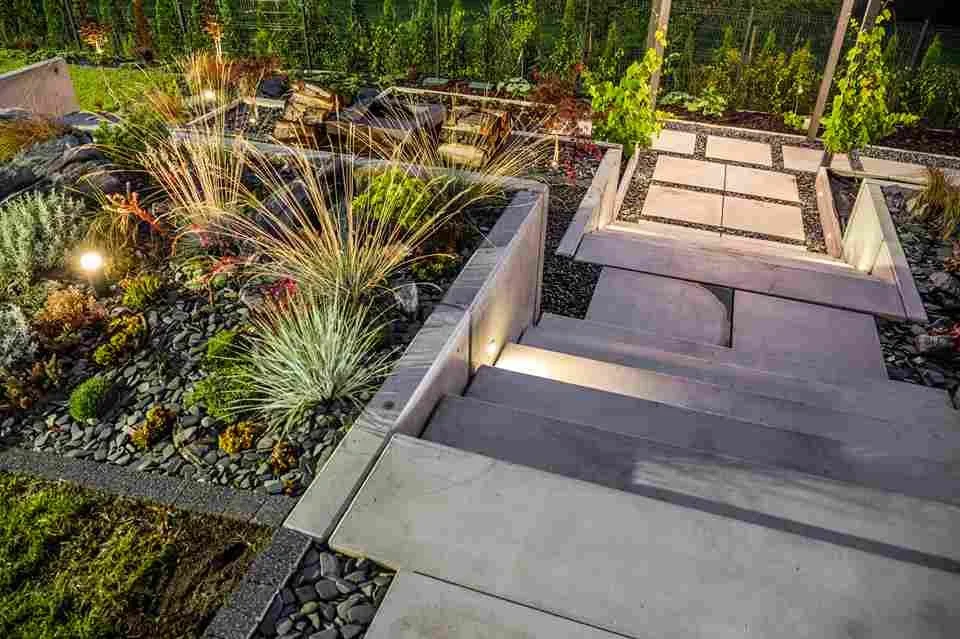
If you've been researching ways to improve your outdoor space, you've likely come across both terms — landscaping and hardscaping. They get used interchangeably sometimes, but they refer to distinct categories of outdoor work. Understanding the difference helps you communicate clearly with contractors, plan your budget accurately, and make better decisions about how to improve your property.
The short version: landscaping is the broader term covering all outdoor environment work, while hardscaping refers specifically to the structural, non-living elements — patios, walkways, retaining walls, and similar built features. But the relationship between the two goes deeper than a simple definition, and understanding how they work together is what separates a well-designed outdoor space from one that looks unfinished or underperforms functionally.
This guide breaks down what each term actually means, what falls under each category, how they interact in practice, and why both matter for Winnipeg properties specifically.
Key Takeaways
Landscaping is the umbrella term covering all outdoor environment work — both hardscaping and softscaping fall within it
Hardscaping refers to the structural, non-living elements: patios, walkways, driveways, retaining walls, steps, and built outdoor features
Softscaping refers to the living elements: lawn, garden beds, trees, shrubs, and plants
The best outdoor spaces integrate hardscaping and softscaping as a cohesive design — one provides structure, the other provides life
In Winnipeg's climate, hardscaping requires specific material selection and base preparation that doesn't apply in milder parts of Canada
Understanding the distinction helps homeowners plan projects accurately, communicate with contractors clearly, and budget effectively
What This Guide Covers
This guide clarifies the definitions of landscaping and hardscaping, breaks down what falls under each category, explains how both work together in a complete outdoor design, and covers the specific considerations that apply to each in Winnipeg's climate. Bulger Brothers Landscape provides both hardscaping and softscaping services across Winnipeg — and the integrated approach to outdoor space design in this guide reflects how professional landscape design actually works when both elements are planned together from the start.
What Landscaping Actually Means
Landscaping is the broad term for all work that modifies, improves, or maintains the outdoor environment of a property. It encompasses everything done to a yard — mowing, planting, paving, grading, lighting, drainage management, and more. In common usage, people sometimes use "landscaping" to mean specifically the planting and lawn work done outdoors, but technically it covers the full scope of outdoor environment work.
Within landscaping, two distinct categories exist: hardscaping and softscaping. Both are components of landscaping — not alternatives to it. A complete landscape typically involves both, and the quality of the overall result depends on how well they're integrated.
When a homeowner says they want their yard "landscaped," a professional landscape contractor needs to understand whether they mean the full scope of outdoor improvements — including structural features — or specifically the living, planted elements. This is exactly the kind of terminology clarity that makes the difference between a project that delivers what the homeowner envisioned and one that falls short of expectations.
What Hardscaping Is
Hardscaping refers to the hard, structural, non-living elements of an outdoor space. These are the permanent or semi-permanent installations that define the layout, surfaces, and built features of a yard. They don't grow, change with the seasons, or require watering — but they do require professional design and installation to perform correctly.
Common hardscaping elements include:
Patios and outdoor living surfaces — paver patios, natural stone surfaces, concrete platforms
Walkways and paths — front entry walkways, garden paths, connections between outdoor areas
Driveways — paver, concrete, or other hard-surface driveway installations
Retaining walls — structural walls that manage grade changes, create terraced spaces, and prevent soil movement
Steps and grade transitions — outdoor stairways connecting different levels of a property
Fire features — built-in fire pits, fire tables, gas fire features
Outdoor kitchens and structures — built-in grills, countertops, pergolas
Edging and borders — defined boundaries between lawn, beds, and hard surfaces
Water features — fountains, ponds, decorative water elements
Landscape lighting infrastructure — conduit, fixtures, and systems integrated into outdoor spaces
What all of these elements share is permanence, structural function, and the fact that they define how an outdoor space is organized and used. Hardscaping creates the rooms of an outdoor environment — the floor surfaces people walk and gather on, the walls that define boundaries and manage grade, and the features that anchor activity in specific zones.
For Winnipeg properties, hardscaping carries specific requirements that don't apply in milder climates. The freeze-thaw cycle subjects every hardscape installation to physical forces that demand appropriate material selection, base preparation depth, and drainage design. A paver patio that performs well in a mild climate on a 4-inch base needs a 6–8 inch compacted granular base in Winnipeg to resist the frost heave forces that Manitoba winters generate. These climate-specific requirements are covered thoroughly in the guide to hardscaping in Winnipeg, which addresses material selection and base standards for local conditions.
What Softscaping Is
Softscaping refers to the living elements of an outdoor space — the plants, lawn, trees, shrubs, and organic materials that bring colour, texture, and biological character to a landscape. Unlike hardscaping, softscaping changes with seasons, requires ongoing maintenance, and grows and evolves over time.
Common softscaping elements include:
Lawn — turfgrass areas maintained through mowing, fertilization, aeration, and seasonal care
Garden beds — planted areas containing perennials, annuals, ornamental grasses, and groundcovers
Trees — shade trees, ornamental trees, and fruiting trees that provide canopy and vertical structure
Shrubs and hedges — woody plants providing screening, structure, and seasonal interest
Perennials — plants that return each season, forming the backbone of planting beds
Annuals — seasonal colour plants replaced each year
Mulch and organic materials — bed coverings that retain moisture, suppress weeds, and improve soil health
Soil amendments — compost, topsoil, and other materials that improve growing conditions
Softscaping requires ongoing attention through the growing season — mowing, pruning, fertilizing, watering, weeding, and seasonal cleanup. The health and appearance of softscaping elements depends on how consistently they're maintained and how appropriate the initial plant selection was for the site's conditions. Understanding the seasonal demands of softscaping in Manitoba is covered in the lawn care in Winnipeg guide, which breaks down what a Winnipeg lawn specifically needs month by month.
How Hardscaping and Softscaping Work Together
The distinction between hardscaping and softscaping is useful for planning and budgeting — but in practice, the best outdoor spaces don't treat them as separate concerns. They work together as an integrated design, and the relationship between them is what determines whether an outdoor space feels complete and cohesive or unfinished and fragmented.
Hardscaping Provides Structure; Softscaping Provides Life
Think of hardscaping as the architecture of an outdoor space and softscaping as the interior design. The architecture defines the layout, creates the rooms, and determines how the space is used. The interior design fills those rooms with character, warmth, and personality.
A paver patio defines an outdoor living area — it creates a stable surface, establishes the size and shape of the gathering space, and anchors furniture and features in a specific location. Planting beds around the perimeter of that patio soften the hard edges, add seasonal colour, provide privacy screening, and connect the structural surface to the surrounding garden. Neither works as well without the other — a patio surrounded by nothing but bare soil feels harsh and unfinished; a beautiful garden without defined surfaces and paths feels inaccessible and difficult to enjoy.
Sequencing: Hardscaping Comes First
In project sequencing, hardscaping typically comes before softscaping — and for good reason. Hardscape installation involves excavation, heavy equipment, material delivery, and construction activity that would damage installed plants and lawn areas. Completing hardscape work first and then addressing surrounding softscaping produces a cleaner, more manageable result.
This sequencing also allows softscaping to be designed around the finished hardscape rather than the other way around. Planting beds designed to complement a specific patio shape and material look intentional and cohesive. Planting beds that predate the hardscape and work around it often look like an afterthought — which they are.
For Winnipeg homeowners planning significant outdoor improvements, a landscape designer who considers both hardscaping and softscaping together from the planning stage produces the best integrated result. Bulger Brothers Landscape approaches outdoor space design this way — understanding that the most successful projects plan hardscape and softscape as a unified design rather than sequential independent decisions.
Drainage Connects Both
Drainage is one of the clearest examples of how hardscaping and softscaping interact practically. Impermeable hardscape surfaces — patios, driveways, walkways — shed water that previously infiltrated into the soil. This changes the drainage dynamics of a yard and must be accounted for in both the hardscape design and the surrounding softscape conditions.
Hardscape drainage design — grading surfaces to appropriate outlets, integrating catch basins, specifying permeable materials where appropriate — manages the water that hardscape surfaces generate. Softscape design — plant selection appropriate for the moisture conditions adjacent to hardscape, bed grading that directs water away from structures — manages what happens to that water as it moves through the planted areas. When both are designed with drainage in mind, the overall yard drainage functions well. When drainage is ignored in either element, problems develop that affect both. The full context of yard drainage in Winnipeg explains how these connections play out in practice on Winnipeg properties.
The Difference in Maintenance Requirements
One of the most practical differences between hardscaping and softscaping is their ongoing maintenance demands.
Hardscaping is relatively low-maintenance once installed. A quality paver patio needs periodic cleaning, occasional polymeric sand replenishment in joints as it weathers, and inspection of edge restraints and surface level over time. A retaining wall needs drainage outlets kept clear and periodic assessment for any movement. These are modest maintenance demands relative to the surface area and function the hardscape provides.
Softscaping requires consistent, ongoing maintenance through the growing season and into fall. Lawn mowing, fertilization, aeration, and overseeding. Garden bed weeding, mulching, and plant replacement. Tree and shrub pruning. Spring cleanup and fall winterization. These tasks recur every season and accumulate to a significant time and cost investment over the life of a property.
Understanding this difference helps homeowners balance their investment between the two categories based on how much ongoing maintenance they want to manage. A property designed with more hardscaping and less softscaping has a lower ongoing maintenance burden. A property heavily invested in planting and lawn offers more softscape character but requires more consistent attention to maintain it. Most Winnipeg homeowners benefit from a thoughtful balance — enough hardscaping to create functional, low-maintenance outdoor living areas, and enough softscaping to bring the space to life with seasonal colour and natural character.
Fall maintenance requirements for both elements are addressed in the guide to fall cleanup in Winnipeg, which covers what needs to happen to both hardscape surfaces and planted areas before Winnipeg winters arrive.
Budget Implications: Planning for Both
One of the practical reasons to understand the difference between landscaping and hardscaping is budget planning. Hardscaping and softscaping have very different cost structures, and projects that include both require budgets that account for each appropriately.
Hardscaping carries higher upfront installation costs — excavation, base material, surface material, and skilled installation labour all add up to significant project investment. However, those costs are largely front-loaded. Once a patio or walkway is built, ongoing costs are minimal. The investment pays back over decades of use without major recurring expenditure.
Softscaping carries lower upfront installation costs for initial planting but significant ongoing maintenance costs that recur every season. Annual fertilization, seasonal cleanup, plant replacement, and lawn care services accumulate to meaningful annual investment. For larger properties with extensive planted areas, annual softscape maintenance costs can equal or exceed the initial installation cost within a few years.
Planning a complete outdoor space budget requires accounting for both the upfront hardscape investment and the ongoing softscape maintenance commitment. Homeowners who invest heavily in hardscaping but budget nothing for softscape maintenance end up with beautiful surfaces surrounded by neglected plantings — the opposite of the cohesive result they were aiming for.
Understanding how much hardscaping costs for specific project types gives homeowners the context to allocate their outdoor improvement budget realistically across both categories.
Why Both Matter for Winnipeg Properties Specifically
Winnipeg's climate creates specific considerations for both hardscaping and softscaping that amplify the importance of getting both right.
For hardscaping, Manitoba's freeze-thaw cycle demands materials and installation standards that exceed what's required in milder Canadian climates. Concrete pavers with low water absorption rates, granular bases at appropriate depths, and proper drainage design are minimum requirements for hardscaping that performs through Winnipeg winters — not optional upgrades. The consequences of cutting corners on hardscape installation here show up faster and more dramatically than in a mild climate.
For softscaping, Winnipeg's short growing season, clay-heavy soils, and extreme winter temperatures require plant selection and maintenance practices specific to Manitoba's conditions. Plants that thrive in milder Canadian climates may not survive Winnipeg winters. Lawn care timing that works in southern Ontario doesn't align with Manitoba's growing season. Fall preparation that's optional in mild climates is protective necessity here.
The interaction between the two is equally climate-influenced. Hardscape drainage design that might be adequate in a mild climate can be overwhelmed by Winnipeg's spring melt volumes. Softscape plant selection adjacent to hardscape surfaces must account for salt tolerance, winter moisture conditions, and the specific microclimates that large hardscape surfaces create. Professional landscape design in Winnipeg accounts for all of these climate interactions — not just the general principles that apply anywhere.
Working With a Contractor Who Understands Both
The clearest practical implication of understanding the difference between landscaping and hardscaping is knowing what to look for in a contractor. Some companies specialize in one or the other — hardscape-focused contractors who do excellent paving and wall work but refer out planting and lawn care, or softscape-focused companies whose expertise is in plants and lawn maintenance but who lack the structural knowledge for quality hardscape installation.
For homeowners planning a complete outdoor space — one that integrates both structural features and living elements — working with a contractor who genuinely understands both produces a more cohesive result than coordinating multiple specialists independently. An integrated approach means the hardscape layout is designed with softscape integration in mind from the start, drainage is planned for both elements simultaneously, and the finished space reads as a unified design rather than separate projects placed next to each other.
The value of hardscaping services from a contractor who also understands the softscape context is most visible in the transitions — where a patio meets a planting bed, where a walkway edge integrates with turf, where a retaining wall top connects to the planted area it creates. These transitions are where integrated design thinking shows up most clearly in the finished result.
Ready to Plan Your Outdoor Space in Winnipeg?
Whether your project is primarily hardscaping, primarily softscaping, or an integrated combination of both, starting with a clear understanding of what you're planning — and what each element requires — produces better outcomes. The difference between landscaping and hardscaping isn't just terminology — it's the foundation for accurate planning, realistic budgeting, and productive conversations with the professionals who will build your outdoor space.
Bulger Brothers Landscape provides both hardscaping and landscape services across Winnipeg — from patio design and retaining wall installation to complete outdoor space planning that integrates structural and living elements as a unified design. Reach out to the team at Bulger Brothers Landscape, 7 Leeward Pl, Winnipeg, MB R3X 1M6, or call (204) 782-0313 to schedule a consultation and start planning an outdoor space that works on every level.
Common Questions About What's the Difference Between Landscaping and Hardscaping
Q: What is the simplest way to explain the difference between landscaping and hardscaping?
A: Landscaping is the broad term for all outdoor environment work. Within landscaping, hardscaping refers to the structural, non-living elements — patios, walkways, retaining walls, and built features — while softscaping refers to the living elements — lawn, plants, trees, and garden beds. All hardscaping is landscaping, but not all landscaping is hardscaping. The two categories work together in a complete outdoor space, with hardscaping providing structure and softscaping providing living character.
Q: Is a patio considered hardscaping or landscaping?
A: A patio is hardscaping — it falls within the broader category of landscaping but specifically represents the structural, non-living component. Patio installation involves excavation, base preparation, and surface material installation — all hardscaping work. The planting beds, lawn areas, and trees surrounding the patio are softscaping. Together, the patio and its surrounding planted areas form a complete landscape — but the patio itself is hardscaping by definition.
Q: Which costs more — hardscaping or softscaping?
A: Hardscaping typically carries higher upfront installation costs due to excavation, base material, surface material, and skilled installation labour. Softscaping has lower initial installation costs but higher ongoing maintenance costs that recur every season. Over the full life of a property, both represent significant investment — hardscaping front-loaded at installation, softscaping distributed across annual maintenance costs. Planning a complete outdoor space budget requires accounting for both the upfront hardscape investment and the recurring softscape maintenance commitment.
Q: Can you do hardscaping without softscaping?
A: Technically yes — a property can have hardscape features without surrounding plants or lawn. In practice, outdoor spaces that integrate both hardscaping and softscaping are more visually complete and enjoyable than those that rely entirely on one or the other. Hard surfaces without surrounding plants can feel stark and uninviting. The interplay between structured surfaces and living elements is what creates the sense of a finished, welcoming outdoor environment that most homeowners are aiming for.
Q: Does hardscaping replace the need for lawn maintenance?
A: Hardscaping reduces the total lawn area that requires maintenance — a larger patio means less grass to mow, water, and fertilize. For homeowners who want to reduce ongoing lawn maintenance demands, expanding hardscaped areas is a practical approach. However, hardscaping doesn't eliminate softscape maintenance entirely — surrounding beds, remaining lawn areas, and adjacent plantings still require seasonal attention. The balance between hardscape and softscape determines how much ongoing maintenance the overall outdoor space demands.
Q: What is the right order to do hardscaping and landscaping work?
A: Hardscaping typically comes first in project sequencing. Hardscape installation involves heavy equipment, excavation, and construction activity that would damage installed plants and lawn. Completing hardscape work first and then addressing surrounding softscaping produces a cleaner result and allows planting design to complement the finished hardscape. For complete outdoor space projects, a landscape designer who plans both elements together from the start ensures that the sequencing serves the overall design rather than creating conflicts between phases.
Q: Does landscaping include hardscaping when getting quotes?
A: Not automatically — and this is exactly why the terminology distinction matters practically. When requesting quotes for outdoor work, be specific about whether you want hardscaping, softscaping, or both included in the scope. A quote for "landscaping" from one contractor might include hardscape installation while the same word from another means lawn and planting work only. Getting detailed, written scope descriptions for any outdoor project quote prevents misunderstandings about what is and isn't included in the price.
Q: How do hardscaping and softscaping interact with drainage in Winnipeg?
A: Hardscape surfaces shed water that would otherwise infiltrate into the soil, changing a yard's drainage dynamics. Hardscape design must account for where that water goes — through surface grading, catch basins, and permeable material options where appropriate. Adjacent softscape areas must be planted with species appropriate for the moisture conditions that hardscape runoff creates. When both are designed with drainage in mind simultaneously, the overall yard drainage functions well. When drainage is ignored in either element, problems develop that affect the whole property — a dynamic covered in detail in the guide to yard drainage in Winnipeg.
Q: Should I hire one contractor for both hardscaping and landscaping or separate specialists?
A: For projects that integrate both hardscaping and softscaping, working with a contractor who understands both produces a more cohesive result than coordinating separate specialists. Integrated design means hardscape layout is planned with softscape in mind from the start — transitions between surfaces and planting beds, drainage design for both elements, and overall visual cohesion all benefit from unified planning. If separate specialists are used, clear coordination between them is essential to avoid conflicts between the two scopes of work.
Two Sides of the Same Outdoor Space
What's the difference between landscaping and hardscaping? One provides the structure; the other provides the life. Together, they create outdoor spaces that are functional, beautiful, and built to perform through Winnipeg's demanding seasons. Understanding both — and how they work together — is what puts you in the best position to plan improvements that deliver exactly what you're looking for.
Bulger Brothers Landscape brings expertise in both hardscaping and landscape services to every project across Winnipeg. Whether you're starting with a structural hardscape installation or planning a complete outdoor space from the ground up, call (204) 782-0313 to start the conversation and build an outdoor environment that works on every level.