

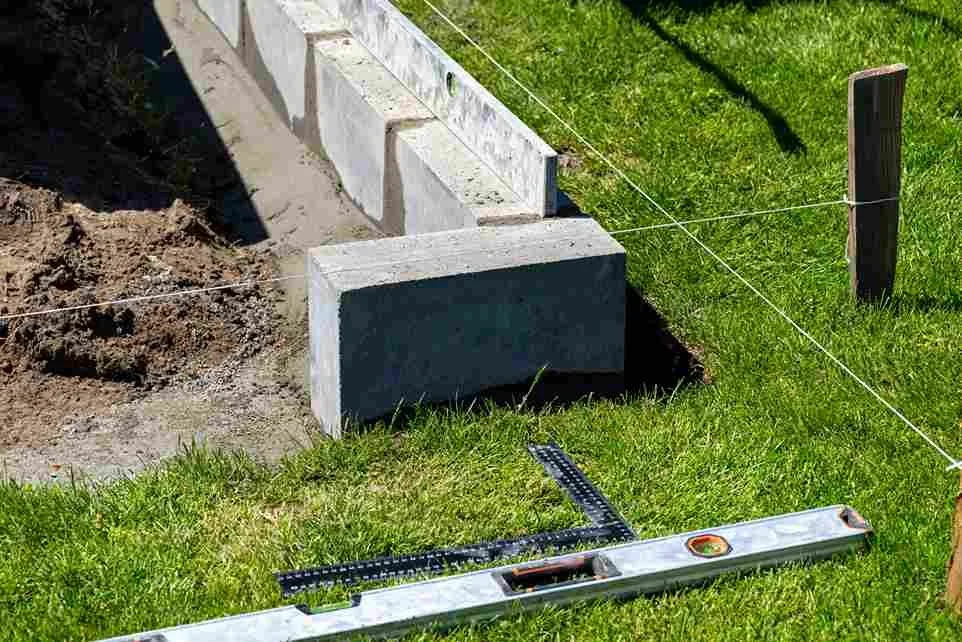
A retaining wall is one of the most structurally demanding projects in residential landscaping. Done correctly, it solves a grade problem permanently, creates usable space, and adds lasting visual character to a property. Done incorrectly, it leans, cracks, or collapses — sometimes within a single season — and costs significantly more to correct than it would have cost to build right the first time.
So who installs retaining walls in Winnipeg, and how do you identify the contractor who will deliver a result that actually holds up? These are the right questions to ask before committing to a retaining wall project — particularly in Manitoba's climate, where freeze-thaw forces test retaining wall construction every single year. This guide covers who the right professionals are, what qualifications and experience to look for, what the installation process should involve, and what red flags to watch for when evaluating contractors.
Key Takeaways
Retaining wall installation in Winnipeg should be performed by experienced landscape contractors with specific knowledge of structural wall design and Manitoba's freeze-thaw climate requirements
Not every landscaping contractor has the expertise to install retaining walls correctly — wall height, drainage design, and base engineering require specific knowledge beyond general landscaping
Walls over 3–4 feet in height typically require engineered design and may require permits — a qualified contractor knows when these apply
Drainage behind the wall is the single most critical factor in retaining wall longevity — improper drainage causes the majority of retaining wall failures in Winnipeg
Professional retaining wall installation is a long-term investment — a correctly built wall lasts decades without structural movement or water problems
Getting detailed proposals with clear scope, material specifications, and drainage design separates qualified contractors from those likely to cut corners
What This Guide Covers
This guide addresses who installs retaining walls professionally in Winnipeg, what the installation process should include, how to evaluate contractors and proposals, and what distinguishes a retaining wall built to last from one that fails prematurely. Bulger Brothers Landscape designs and installs retaining walls across Winnipeg with full attention to the structural, drainage, and climate requirements that determine long-term performance — and the guidance here reflects direct experience with local soil conditions and construction standards.
What a Retaining Wall Actually Does
Before addressing who installs retaining walls, it helps to be clear about what a retaining wall is structurally required to do — because this clarifies why the installation requires specific expertise.
A retaining wall holds back a mass of soil that would otherwise move downslope under gravity, water pressure, and freeze-thaw forces. The wall resists these forces through its own weight, its connection to a stable base, and in taller walls, through engineered reinforcement systems. At the same time, it must manage water — allowing groundwater and drainage from behind the wall to escape rather than building up as hydrostatic pressure that pushes the wall outward.
In Winnipeg's climate, the forces a retaining wall faces are more severe than in milder parts of Canada. Groundwater behind the wall freezes and expands, creating frost heave pressure against the wall face. Saturated clay soil behind an inadequately drained wall exerts enormous lateral pressure during spring thaw. These forces act repeatedly, year after year — and they expose every weakness in drainage design, base engineering, and structural construction.
This is why who installs a retaining wall matters so much in Winnipeg. A wall that manages these forces correctly lasts for decades. One that doesn't fails progressively — and the correction requires full demolition and reconstruction, not surface repair.
Who Installs Retaining Walls: The Right Professionals
Landscape Contractors With Hardscape Expertise
The most common and appropriate professionals for residential retaining wall installation in Winnipeg are landscape contractors with specific hardscape and structural wall experience. This distinction matters — not every landscaping company has the knowledge and equipment to install retaining walls correctly. General lawn maintenance contractors, basic landscapers, and companies focused primarily on softscaping work are not the right choice for structural retaining wall projects.
A landscape contractor qualified to install retaining walls demonstrates knowledge of wall system engineering — understanding how segmental retaining wall blocks are designed to work as a system, including batter, base depth, drainage aggregate, geogrid reinforcement for taller walls, and cap installation. They have experience with excavation, compaction, and drainage installation that goes beyond surface-level landscape work. And in Winnipeg specifically, they understand how the local soil conditions, frost depth, and seasonal water patterns affect wall design and construction.
When researching who installs retaining walls in your area, the question to ask every contractor is not just whether they install retaining walls but how many they've installed and whether you can see examples of completed work. A contractor who builds retaining walls regularly has refined their process and encountered the real-world variables that affect wall performance. One who does occasional walls alongside general landscaping work may lack the depth of experience that structural wall construction demands.
When Engineers Are Involved
For retaining walls above a certain height — typically 1.2 metres or higher in most Manitoba contexts — engineering review becomes relevant. Taller walls involve larger soil loads, greater hydrostatic pressure potential, and more complex structural requirements that benefit from or require professional engineering input. In some cases, building permits are required for taller retaining walls, which triggers a formal engineering and inspection process.
A qualified retaining wall contractor knows when engineering involvement is appropriate and either works with a structural engineer directly or has established relationships with engineers for projects that require their input. A contractor who dismisses the need for engineering on a tall wall project — or who isn't aware of local permit requirements — is signalling a lack of experience with structural wall construction at scale.
For most standard residential retaining walls in the 600mm to 1-metre range, engineered design isn't typically required — but the installation must still follow the system engineering guidelines provided by the wall product manufacturer, which specify base requirements, batter, drainage aggregate depth, and geogrid placement for walls of different heights and soil conditions.
What Professional Retaining Wall Installation Includes
Understanding what a proper installation involves helps homeowners evaluate whether the contractors they're speaking with are describing a thorough process or cutting corners.
Site Assessment and Design
Professional retaining wall installation begins with a thorough site assessment. The contractor evaluates the grade change the wall needs to manage, the soil conditions above and behind the wall, existing drainage patterns, proximity to structures and utilities, and access for equipment and materials. In Winnipeg, this assessment specifically considers frost depth, clay soil drainage characteristics, and how spring melt water moves through the site.
Wall design follows assessment — determining appropriate wall height, length, batter, drainage system, and whether geogrid reinforcement is required. For walls that step or curve, the design accounts for how corner and curve sections affect structural continuity. For walls near structures, the design considers how water management behind the wall interacts with foundation drainage.
Excavation and Base Preparation
The base of a retaining wall carries the entire structural load of the wall and the soil behind it. Proper base preparation is non-negotiable for a wall that will hold up through Winnipeg winters.
Excavation removes soil to the required depth for the base course — typically burying the first course of blocks partially or fully below grade to provide a stable, frost-protected footing. The base trench is filled with compacted crushed stone to the required depth, providing a stable, well-draining foundation that resists frost heave at the base of the wall.
Base course installation sets the level and alignment foundation for every course above it. Errors at the base course are amplified progressively as the wall rises — a base course that isn't perfectly level and aligned produces a wall with visible imperfections that worsen with height. Professional installers take the time this stage requires rather than rushing to visible progress.
Drainage System Installation
Drainage behind a retaining wall is the most critical performance factor — and the most common place where inadequate installation creates failure. A proper drainage system for a Winnipeg retaining wall includes:
Drainage aggregate — crushed stone backfill directly behind the wall blocks, extending the full height of the wall. This aggregate provides free drainage for groundwater that would otherwise accumulate as hydrostatic pressure against the wall face. The aggregate zone should be a minimum of 300mm wide behind the wall and wrapped in geotextile fabric to prevent clay migration from the retained soil into the drainage zone.
Weeping tile or drainage pipe at the base of the wall, embedded in the drainage aggregate and connected to an appropriate outlet. This pipe collects water that drains through the aggregate and routes it away from the wall base. Without a functional outlet for this water, even a well-designed drainage aggregate zone eventually saturates during high-water events.
Outlet points — the drainage system needs somewhere to discharge collected water. Options include daylighting at the end of the wall, connection to a catch basin or storm drainage system, or routing to an appropriate area of the property. The outlet design is part of the drainage system — not an afterthought.
Contractors who skip drainage aggregate, use native clay backfill directly behind the wall, or install drainage pipe without a functional outlet are creating walls that will fail under Winnipeg's freeze-thaw and high-water conditions. This is one of the clearest differentiators between contractors who understand retaining wall construction and those who don't.
Wall Construction and Geogrid Placement
With the base established and drainage system in place, wall construction proceeds course by course. Each course is set with appropriate setback — the slight backward lean that gives the wall its structural batter — and checked for level and alignment. Blocks are staggered to maintain running bond and structural continuity.
For walls above approximately 600mm in height, geogrid reinforcement layers are embedded between courses at specified intervals and extended back into the retained soil to a calculated depth. Geogrid acts as a tie-back system, connecting the wall face to the soil mass behind it and dramatically increasing the wall's resistance to overturning and sliding forces. The spacing and embedment length of geogrid layers is specified by the wall system manufacturer based on wall height and soil conditions — and should be followed precisely, not estimated.
Backfill behind the wall is placed and compacted in lifts as construction progresses — alternating between wall course installation and backfill compaction rather than building the wall to full height and then backfilling all at once. Compacting backfill in lifts achieves the density required to prevent settlement behind the wall while allowing proper geogrid embedment at each reinforcement layer.
Cap Installation and Finishing
The top course of a retaining wall — the cap — provides a finished appearance and protects the wall's top surface from water infiltration and mechanical damage. Cap units are typically adhered with construction adhesive to prevent displacement. Cap selection affects the finished appearance significantly and should be considered as part of the overall design rather than a last-minute decision.
Finishing work includes grading of the area above the wall, restoration of disturbed surfaces adjacent to the wall, and any integration with surrounding hardscape or softscape elements. A professionally finished retaining wall installation leaves the site clean and the surrounding landscape restored — not just the wall structure complete.
Retaining Wall Materials: What Qualified Contractors Work With
Professional retaining wall contractors in Winnipeg work with materials appropriate for structural wall applications in a cold climate. The primary options include:
Segmental retaining wall blocks — engineered concrete block products designed specifically for structural wall construction. These products are manufactured to precise specifications with appropriate compressive strength, water absorption limits, and freeze-thaw resistance. They come in a wide range of appearances — from natural stone textures to clean contemporary finishes — and are engineered as complete wall systems with defined base requirements, batter specifications, and geogrid protocols. Segmental block walls are the most common choice for residential retaining walls in Winnipeg because of their combination of structural performance, aesthetic flexibility, and availability.
Natural boulders — large fieldstone or quarried boulders set in a gravity wall configuration. Boulder walls have a natural, organic aesthetic that suits many Winnipeg properties and perform well in Manitoba's climate when properly constructed with appropriate drainage. The weight of individual boulders provides structural mass, and well-constructed boulder walls without mortar have some inherent flexibility to accommodate minor ground movement. Boulder wall construction requires heavy equipment for placement and skilled positioning to achieve stable, well-drained construction.
Timber and railway tie walls — wood-based retaining walls are less common in professional construction today because of their limited lifespan in Winnipeg's climate. Wood retains moisture, is subject to freeze-thaw deterioration, and typically requires replacement within 15–20 years even under good conditions. Professional hardscape contractors generally steer clients toward masonry or stone alternatives for walls where longevity matters.
Poured concrete and armourstone — used in larger-scale or commercial retaining applications, these materials carry higher costs and typically require engineering involvement for residential use.
How to Evaluate Retaining Wall Contractors and Proposals
When you're comparing contractors who install retaining walls in Winnipeg, these are the questions and proposal elements that separate qualified professionals from those likely to produce substandard results.
Ask specifically about drainage design. A contractor who describes their drainage system in detail — aggregate type, width, weeping tile placement, and outlet location — understands retaining wall construction. One who gives vague answers or treats drainage as a minor detail is signalling a knowledge gap that will show up in wall performance.
Ask about base preparation depth and compaction. The base depth and compaction methodology directly affect how the wall performs through Winnipeg's freeze-thaw cycles. A qualified contractor specifies these clearly.
Ask about geogrid. For walls above approximately 600mm, geogrid reinforcement should be part of the installation. A contractor who doesn't mention geogrid for a taller wall project either isn't planning to use it or doesn't know it should be used.
Review material specifications. The proposal should identify the specific wall product being used — manufacturer and product line — not just a generic description. Different segmental wall products have different structural ratings and system requirements. Knowing what product is being specified allows you to verify its appropriateness for your wall's height and conditions.
Check references and completed work. Ask for references from retaining wall projects specifically — not just general landscaping work. If possible, visit completed walls to assess finish quality, check whether they remain level and plumb after exposure to Winnipeg winters, and ask the homeowner about their experience with the contractor.
Understanding what qualifies a retaining wall contractor connects directly to the broader understanding of what hardscaping services include — retaining walls are among the most technically demanding hardscape installations, and the contractor qualifications that matter for walls are more specific than those required for standard patio or walkway work.
Red Flags When Hiring a Retaining Wall Contractor
Several signals during the contractor evaluation process indicate a higher risk of poor results.
A proposal that doesn't address drainage at all — or mentions backfilling with native soil without a drainage aggregate zone — is a significant concern. Native clay backfill directly behind a retaining wall in Winnipeg is one of the most reliable ways to produce a failed wall within a few seasons.
Unusually low pricing relative to other proposals almost always reflects underspecified base depth, missing drainage components, or lower-grade materials. In retaining wall construction, the components that most affect long-term performance are the ones that add cost — and contractors who produce low bids typically achieve that by reducing those components.
A contractor who can't provide examples of completed retaining wall projects, or whose examples show visible leaning, cracking, or drainage issues on existing installations, is showing you their standard of work directly.
Vague scope descriptions — proposals that say "install retaining wall" without specifying materials, base depth, drainage system, or geogrid — make it impossible to evaluate what's actually being proposed or compare accurately with other bids.
The Connection Between Retaining Walls and Overall Landscape Performance
Retaining walls don't exist in isolation — they're part of a property's overall drainage and landscape system. A well-built retaining wall that creates usable terrace space above it benefits from thoughtful landscaping of that space. Addressing the broader yard drainage in Winnipeg context ensures that water management above and around a retaining wall works with the wall's drainage system rather than overwhelming it.
Similarly, hardscaping elements installed in conjunction with a retaining wall — stairs connecting different levels, paving at the base or top of the wall, integrated lighting — should be designed as part of the same project rather than added independently later. Planning these elements together produces a more cohesive result and avoids the cost of revisiting finished work to accommodate additions.
Retaining walls that create new usable outdoor spaces above or around them open opportunities for outdoor living features — patios, fire features, planting beds — that transform what was previously an unusable slope into a genuine extension of the home's living area. The relationship between retaining walls and complete outdoor living spaces in Winnipeg is one of the most compelling value propositions in residential hardscaping.
Get Your Retaining Wall Installed by Winnipeg Professionals
Who installs retaining walls correctly in Winnipeg? Experienced landscape contractors with specific structural wall knowledge, proven local experience, and the commitment to do the drainage and base work that makes the difference between a wall that lasts decades and one that fails within a few seasons.
Bulger Brothers Landscape designs and installs retaining walls across Winnipeg — from straightforward residential landscape walls to complex multi-tier installations on grade-challenged properties. Every wall we build includes proper drainage design, appropriate base preparation, and material specifications suited to Manitoba's freeze-thaw climate. Reach out to the team at Bulger Brothers Landscape, 7 Leeward Pl, Winnipeg, MB R3X 1M6, or call (204) 782-0313 to schedule a site assessment and discuss what a properly built retaining wall can do for your property.
Common Questions About Who Installs Retaining Walls
Q: Who installs retaining walls for residential properties in Winnipeg?
A: Retaining walls for residential properties in Winnipeg are best installed by landscape contractors with specific hardscape and structural wall experience. Not all landscaping companies have the knowledge to install retaining walls correctly — look for contractors with demonstrated experience building structural walls specifically, not just general landscaping work. Ask about their drainage design approach, base preparation standards, and geogrid use for taller walls to assess whether their process meets the requirements of proper retaining wall construction.
Q: Do I need a permit to build a retaining wall in Winnipeg?
A: Permit requirements for retaining walls in Winnipeg depend on wall height and proximity to structures and property boundaries. Walls above a certain height — typically around 1.2 metres — may require permits and engineering review. A qualified retaining wall contractor knows the current local requirements and advises whether your specific project triggers permit obligations. Proceeding without required permits creates complications with property sales, insurance, and potential orders to remove non-compliant structures.
Q: How long does a properly installed retaining wall last in Winnipeg?
A: A properly designed and installed retaining wall in Winnipeg — with appropriate base preparation, drainage system, and quality materials — lasts 25–50 years or more. Segmental concrete block walls and natural boulder walls perform excellently through Manitoba's freeze-thaw cycles when built correctly. The primary variables that determine lifespan are drainage quality and base preparation — walls with proper drainage systems and adequate base depth consistently outlast those built without these components, regardless of the surface material used.
Q: What causes retaining walls to fail in Winnipeg?
A: The most common cause of retaining wall failure in Winnipeg is inadequate drainage behind the wall. When water accumulates in the retained soil without a drainage aggregate zone and functional outlet, hydrostatic pressure builds against the wall face. This pressure — combined with frost heave forces when that saturated soil freezes — pushes walls outward progressively. Insufficient base depth, missing geogrid reinforcement on taller walls, and poor base compaction are secondary failure causes. All of these are preventable through proper professional installation.
Q: How much does retaining wall installation cost in Winnipeg?
A: Retaining wall costs in Winnipeg vary based on wall height, linear length, material selection, drainage system requirements, and whether engineering is needed. Low landscape walls cost less per linear foot than structural walls requiring geogrid reinforcement and complex drainage systems. Getting a site-specific quote from a qualified contractor is the most reliable way to establish accurate cost expectations — and comparing quotes based on scope detail rather than bottom-line price reveals where quality differences exist between proposals.
Q: Can I build a retaining wall myself in Winnipeg?
A: Small, low retaining walls — under 600mm in height — are within reach for capable DIYers using segmental block products that include installation guidance. Anything taller carries significantly more risk in Winnipeg's climate. The drainage design, geogrid reinforcement, base preparation, and compaction work that taller walls require involve knowledge, equipment, and experience that most homeowners don't have access to. A failed retaining wall requires full demolition and reconstruction — a cost that typically far exceeds what professional installation would have been.
Q: What material is best for a retaining wall in Winnipeg?
A: Segmental concrete retaining wall blocks and natural boulders are the strongest performers for residential retaining walls in Winnipeg's climate. Both offer excellent freeze-thaw resistance when properly installed with adequate drainage. Segmental block systems provide engineered structural performance with wide aesthetic choice. Natural boulder walls offer a more organic appearance and perform well when constructed with appropriate drainage and stable base. Timber and railway tie walls are generally not recommended for permanent retaining applications in Winnipeg due to their limited lifespan in Manitoba's climate.
Q: How do I know if my existing retaining wall needs to be replaced?
A: Signs that a retaining wall needs professional assessment include visible leaning or bowing of the wall face, separation between individual blocks or courses, cracks running through the wall, water seeping through the wall face rather than draining properly at the base, and soil erosion or slumping above the wall. Minor surface issues can sometimes be addressed without full reconstruction, but structural movement — leaning, bowing, or significant settlement — typically indicates that the drainage system has failed and the wall requires rebuilding with correct drainage installation.
Q: How does a retaining wall affect my property's drainage?
A: A properly built retaining wall manages drainage by collecting groundwater in the aggregate zone behind the wall and routing it to an outlet — improving drainage in the retained area rather than creating new drainage problems. A poorly built wall without adequate drainage can concentrate water at the base of the wall, contribute to foundation moisture issues if the wall is near a structure, or cause erosion at the outlet point if water volume isn't managed. Professional retaining wall installation considers the broader drainage context of the property, connecting wall drainage to the overall approach to yard drainage in Winnipeg.
Build a Retaining Wall That Actually Holds Up
Who installs retaining walls the right way? Professionals who understand that the work behind the wall — drainage aggregate, weeping tile, proper base preparation, and geogrid reinforcement — matters more than the face anyone can see. In Winnipeg's climate, that hidden work is what separates a wall that performs for decades from one that fails before the second winter is over.
Bulger Brothers Landscape installs retaining walls across Winnipeg with the structural rigour and drainage expertise Manitoba's conditions demand. Call (204) 782-0313 to schedule your site assessment and start building a retaining wall designed to last.