

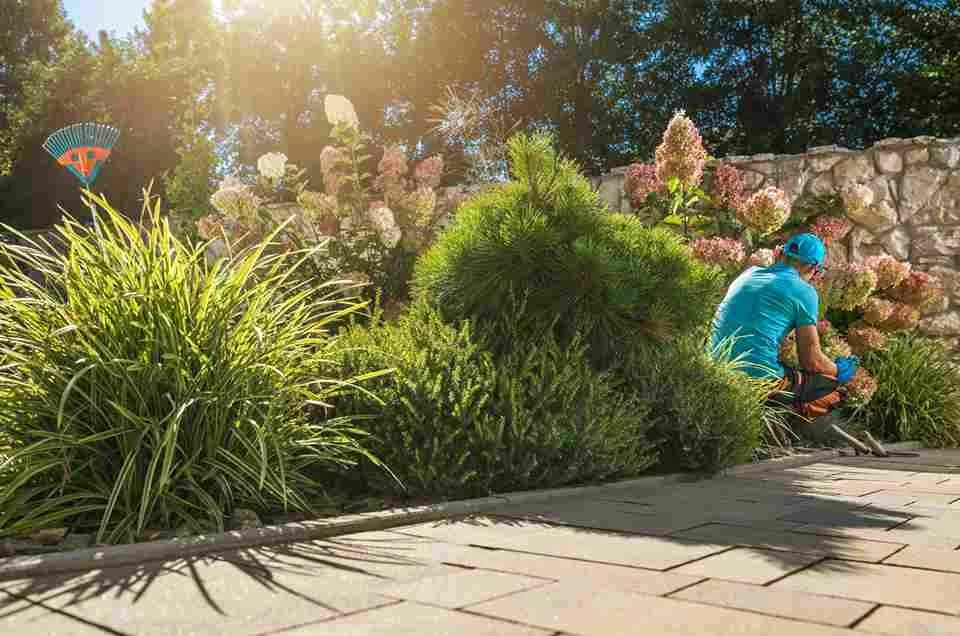
Most homeowners have a general sense of what landscaping means — something to do with lawns, plants, and outdoor spaces. But when you're actually planning improvements to your property, that general sense doesn't go far enough. What does residential landscaping actually include? What does a professional residential landscaping service deliver? And what makes it different from simply mowing a lawn or planting a few shrubs?
Residential landscaping covers the full scope of design, installation, and maintenance work that shapes the outdoor environment of a home. It includes everything from the lawn underfoot to the patio where you entertain, the garden beds that line your walkway, the retaining wall that manages your sloped backyard, and the lighting that makes your property look its best after dark. In Winnipeg's climate, it also means navigating a short but demanding growing season, clay-heavy soils, and winters that test every outdoor installation.
This guide explains what residential landscaping is, what it includes, how its different components work together, and what Winnipeg homeowners specifically need to know when planning outdoor improvements.
Key Takeaways
Residential landscaping covers the full scope of outdoor environment work for a home — design, installation, and ongoing maintenance of both living and structural elements
It divides into two broad categories: hardscaping (structural elements like patios and walkways) and softscaping (living elements like lawn, plants, and trees)
A complete residential landscape integrates both categories into a cohesive design that balances function, aesthetics, and maintenance demands
Winnipeg's climate creates specific requirements for residential landscaping — material selection, plant hardiness, seasonal timing, and maintenance practices all differ from milder Canadian regions
Professional residential landscaping delivers better long-term results than DIY approaches, particularly for structural installations and seasonal treatment programs
Planning a residential landscape as a cohesive whole — rather than adding elements independently over time — produces a more functional, visually unified, and cost-effective result
What This Guide Covers
This overview explains what residential landscaping includes, breaks down its main components, covers how those components interact, and addresses the specific considerations that apply to residential landscaping in Winnipeg. Bulger Brothers Landscape provides comprehensive residential landscaping services across Winnipeg — from lawn maintenance and garden care to hardscape installation and complete outdoor space design — and the guidance in this guide reflects direct experience with local conditions, seasonal demands, and what Winnipeg homeowners actually need from their outdoor spaces.
Residential vs. Commercial Landscaping: The Core Distinction
Before examining what residential landscaping includes, it helps to understand how it differs from commercial landscaping. The distinction goes beyond property type.
Residential landscaping serves the homeowner's personal enjoyment, family use, and property value. The goals are typically comfort, aesthetics, functionality for daily living, and long-term property investment. Projects are sized for a single-family property and budgeted accordingly. Maintenance is oriented around the home's specific character and the homeowner's lifestyle — how much time they spend outdoors, how they use their yard, and how much ongoing maintenance they want to manage.
Commercial landscaping serves a business's functional and professional presentation needs — creating appropriate first impressions for customers, tenants, and visitors, managing larger property areas efficiently, and meeting the consistent appearance standards that commercial properties require. The scope, scheduling requirements, and performance standards differ from residential work in ways that affect how commercial services are structured and priced. The full breakdown of commercial landscaping costs and what commercial services include illustrates how differently these two categories of landscaping are organized.
For most homeowners, residential landscaping is the relevant category — and it's a broad one that encompasses far more than lawn mowing.
The Two Pillars of Residential Landscaping
Residential landscaping divides into two broad categories that together form a complete outdoor environment: hardscaping and softscaping. Understanding both — and how they work together — is the foundation for planning any residential landscaping project effectively.
Hardscaping in Residential Landscaping
Hardscaping refers to the structural, non-living elements of a residential landscape. These are the permanent or semi-permanent installations that define layout, create surfaces, and provide built features. They form the skeleton of the outdoor space — defining where people walk, gather, and spend time outdoors.
Residential hardscaping elements commonly include patios and outdoor living surfaces, front and rear walkways, driveways, retaining walls and grade transitions, outdoor steps, built-in fire features, seating walls, outdoor kitchens, and landscape lighting infrastructure. These elements don't require watering or seasonal care in the same way plants do, but they require professional design and installation to perform correctly — particularly in Winnipeg's freeze-thaw climate.
Hardscaping in Winnipeg carries specific requirements beyond what applies in milder parts of Canada. Base preparation depths that exceed southern Canadian standards, material selection prioritizing freeze-thaw resistance, and drainage design accounting for clay soil and spring melt volumes are all part of residential hardscape work in Manitoba. The full technical breakdown of hardscaping in Winnipeg covers these requirements in detail — understanding them helps homeowners recognize the difference between contractors who know what Winnipeg's climate demands and those applying generic practices.
Softscaping in Residential Landscaping
Softscaping refers to the living elements of a residential landscape — the plants, lawn, and organic materials that bring biological character and seasonal change to the outdoor environment. Unlike hardscaping, softscaping grows, changes with seasons, and requires ongoing maintenance to stay healthy and attractive.
Residential softscaping elements include turfgrass lawns, garden beds with perennials and annuals, trees and shrubs, ornamental grasses, groundcovers, hedge plantings, and mulched areas. These elements provide the colour, texture, fragrance, and seasonal variation that make a residential landscape feel alive and dynamic rather than static and purely structural.
In Winnipeg, softscaping requires plant selection appropriate for Manitoba's climate zone — typically Zone 3 to 4 depending on the specific location. Plants that perform well in milder Canadian cities may not survive Winnipeg winters. Soil conditions — primarily the heavy clay that underlies most of the city — affect plant establishment and ongoing health in ways that require specific management approaches. Lawn care in particular follows a timing-sensitive seasonal calendar that differs meaningfully from warmer regions. The month-by-month breakdown in the lawn care in Winnipeg guide covers what that calendar looks like in practice for Winnipeg homeowners.
The Main Components of Residential Landscaping Services
Landscape Design
Professional residential landscape design is the planning process that determines what an outdoor space will look like, how it will function, and how its elements will work together. Good design considers the property's existing conditions — grade, drainage, sun exposure, soil, and existing features — alongside the homeowner's goals for how they want to use and experience their outdoor space.
Design decisions made at the planning stage affect every subsequent element of a residential landscape. The layout of hardscape surfaces determines where softscape planting beds are positioned. Drainage design affects both surface material selection and plant choices for adjacent areas. Lighting placement is most cost-effective when planned during hardscape installation rather than added to a finished surface later.
For significant outdoor improvements — complete outdoor living spaces, properties with grade challenges, or homes where the existing landscape needs comprehensive updating — professional landscape design produces a cohesive plan that guides all subsequent work. For smaller, more targeted projects, design may be a less formal process of confirming layout and material choices before installation begins.
Lawn Care and Maintenance
Lawn care is the most ongoing component of residential landscaping — recurring through every week of the growing season and requiring seasonal treatments at specific points in the calendar. A healthy, consistent Winnipeg lawn results from the right tasks applied at the right times, not simply from frequent mowing.
Professional lawn care for Winnipeg residential properties includes mowing at appropriate heights and frequencies through the growing season, fertilization on a timing-sensitive seasonal schedule, core aeration to address Winnipeg's clay soil compaction, overseeding to maintain turf density, weed control through pre-emergent and post-emergent treatments, and winterization preparation in fall. Each of these components contributes to the overall health and appearance of the lawn in ways that accumulate over multiple seasons.
The common mistake Winnipeg homeowners make with lawn care is treating it as a single activity — mowing — rather than a seasonal program. Mowing maintains appearance week to week, but it's the fertilization timing, aeration schedule, and fall preparation that determine the lawn's long-term health trajectory. A lawn that receives proper seasonal care consistently outperforms one that receives only mowing, regardless of the effort put into individual mowing sessions.
Garden Bed Installation and Maintenance
Garden beds — planted areas containing perennials, annuals, shrubs, and ornamental elements — are among the most visible softscape components of a residential landscape. They provide colour and texture at the edges of hardscape surfaces, define transitions between lawn and structural features, and create visual interest that changes through the growing season.
Residential garden bed services include initial bed design and installation — selecting appropriate plants for Winnipeg's climate and the specific conditions of each bed location, preparing soil, installing plants, and applying mulch. Ongoing maintenance includes seasonal cleanup, weeding, fertilization, mulch replenishment, dividing overgrown perennials, and plant replacement as needed.
Plant selection for Winnipeg residential gardens requires attention to cold hardiness, soil tolerance, and sun and moisture conditions specific to each bed location. Plants positioned against south-facing walls experience different conditions than those in open north-facing beds. Professional plant selection accounts for these micro-conditions to create beds that thrive rather than struggle.
Tree and Shrub Care
Trees and shrubs are the longest-lived elements of a residential landscape — mature trees add value and character that takes decades to develop and cannot be quickly replaced. Professional tree and shrub care in residential landscaping includes pruning for health and structure, fertilization programs that support vigour and stress resistance, pest and disease monitoring and management, and winterization treatments appropriate for Winnipeg's climate.
In Winnipeg, newly planted trees and shrubs require specific establishment care during their first two to three winters — deep watering before freeze-up, anti-desiccant treatment for broadleaf evergreens, and trunk protection for young trees vulnerable to sunscald. These are steps that professional residential landscapers include as standard practice and that significantly improve establishment success rates in Manitoba's climate.
Hardscape Installation
Hardscape installation — building patios, walkways, driveways, retaining walls, and outdoor living features — represents the structural investment component of residential landscaping. These projects are typically larger in scale and upfront cost than softscape work, but they require less ongoing maintenance once installed and deliver lasting functional and aesthetic value.
For Winnipeg residential properties, hardscape installation requires contractors with specific knowledge of local climate requirements. Base preparation to appropriate depth for frost resistance, material selection for freeze-thaw performance, and drainage design for clay soil conditions are all technically demanding aspects of residential hardscape work in Manitoba. The distinction between hardscaping and other landscaping work — and why it matters — is covered in the guide to what's the difference between landscaping and hardscaping, which explains how both elements contribute to a complete residential landscape.
Seasonal Cleanup Services
Spring and fall cleanup are defined seasonal services within residential landscaping that bookend the growing season. They're not simply tidying — they're the targeted preparation and restoration work that sets the landscape up for the season ahead.
Spring cleanup in Winnipeg includes removing winter debris and accumulated sand, addressing snow mold damage, restoring bed edges, pruning winter-damaged plant material, and preparing irrigation systems for seasonal operation. Fall cleanup includes leaf removal before snowfall, final lawn treatments, garden bed preparation and cutback, plant winterization, and irrigation system shutdown. Both are time-sensitive in Winnipeg's compressed shoulder seasons — particularly fall, where the window between season's end and hard freeze can be as short as three to four weeks.
The specific tasks involved in thorough fall preparation are covered in detail in the guide to fall cleanup in Winnipeg, which explains why each step matters for the landscape's performance through winter and emergence in spring.
Drainage Management
Drainage is a component of residential landscaping that affects every other element — lawn health, plant establishment, hardscape performance, and foundation protection all depend on water moving through and away from the property appropriately. In Winnipeg, where heavy clay soils and flat terrain create drainage challenges on many residential properties, drainage management is a more active concern than it is in cities with better-draining soils and more topographic relief.
Professional residential landscaping addresses drainage through hardscape grading design, French drain and catch basin installation, surface regrading to correct negative grading patterns, and permeable surface specification where appropriate. The interaction between drainage and all other landscape elements makes it a foundational consideration in any significant residential landscaping project. Understanding the scope of yard drainage solutions in Winnipeg helps homeowners recognize when drainage issues need to be addressed before or alongside other landscape improvements.
Landscape Lighting
Landscape lighting is the residential landscaping component that extends the usability and visual impact of an outdoor space into the evening hours. It serves safety, security, and aesthetic functions simultaneously — and in Winnipeg's climate, where evenings cool early through much of the outdoor season, good lighting meaningfully extends the hours a residential outdoor space is comfortable and usable.
Professional residential landscape lighting includes system design, fixture selection appropriate for Winnipeg's climate conditions, low-voltage system installation at appropriate burial depths, and integration of smart controls. Fixtures specified for Winnipeg outdoor use need cold-weather rated LED drivers, IP65 or higher moisture protection ratings, and housing materials that resist salt and temperature stress. The full technical context for residential landscape lighting in Winnipeg covers fixture selection, placement strategy, and system design considerations for local conditions.
What Makes a Residential Landscape Work Well
Understanding what residential landscaping includes is one dimension — understanding what makes a residential landscape genuinely successful is another. Several principles determine whether a residential landscape delivers what homeowners are hoping for.
Design Cohesion
A residential landscape that was planned as a whole from the beginning looks and functions differently from one assembled piece by piece over many years without a unifying design vision. Cohesive design means that hardscape surfaces relate proportionally to the home and the lot, that plant selections complement each other and the overall palette, that materials repeat across features to create visual unity, and that the overall layout reflects a clear understanding of how the space will be used.
This doesn't require the entire landscape to be built at once — phased implementation over multiple seasons is completely normal and financially practical. What it requires is a design plan that guides each phase so that individual projects contribute to a unified result rather than a collection of unrelated improvements.
Climate Appropriateness
In Winnipeg, a residential landscape that works well is one designed for Manitoba's specific conditions — not one designed for generic Canadian conditions or modelled on outdoor spaces seen in milder climates. Material specifications that account for freeze-thaw performance, plant selections appropriate for Zone 3–4 hardiness, drainage design for clay soil and spring melt volumes, and maintenance programs timed to Winnipeg's specific growing season calendar — these are the elements that separate residential landscapes that perform consistently from those that struggle and require constant remediation.
Maintenance Realism
The best residential landscape for any homeowner is one matched to the maintenance commitment they can realistically sustain. A landscape with extensive high-maintenance planting beds, complex water features, and formal hedge elements requires significant ongoing attention to look its best. A landscape designed for lower maintenance — with more hardscaping, low-maintenance plant selections, and simpler lawn areas — performs better for homeowners with limited time or budget for ongoing care.
Professional landscape design accounts for maintenance realism as a design criterion — not an afterthought. A residential landscape that looks beautiful in its first season but declines for lack of appropriate maintenance serves the homeowner poorly, regardless of how good the initial installation was.
Why Professional Residential Landscaping Produces Better Results
The case for professional residential landscaping services rests on several practical advantages that compound over time.
Professional landscape contractors bring local knowledge — about Winnipeg's soil conditions, frost depth, plant hardiness, seasonal timing, and installation standards — that takes years of local experience to develop. They have access to commercial-grade materials, equipment, and plant material that aren't available through retail channels. And they bring the technical expertise to design drainage, specify hardscape materials, and install structural features correctly the first time — avoiding the costly mistakes that accumulate when these technical details are underestimated.
For hardscape work specifically, the consequences of inadequate installation in Winnipeg's climate are visible and expensive to correct. A retaining wall without proper drainage, a patio on an underspecified base, or a walkway installed with the wrong material — all of these fail on a predictable timeline in Manitoba's freeze-thaw climate. Understanding who installs retaining walls correctly, and what qualifications to look for across hardscape work generally, helps homeowners identify the professionals whose work will hold up rather than those who will leave them with problems to repair.
For softscape maintenance, professional programs deliver consistent, correctly timed treatments that produce cumulative health improvements in lawn and garden areas. The difference between a professionally maintained Winnipeg lawn and one managed through irregular DIY attention compounds over multiple seasons — and becomes increasingly visible as established professional programs build turf density and health that irregular maintenance can't replicate.
Start Planning Your Residential Landscape in Winnipeg
Residential landscaping is a broad discipline — but every successful residential landscape project starts with the same thing: a clear understanding of what you're working with, what you want to achieve, and what your property specifically requires. Whether you're starting from scratch, updating an established landscape, or addressing specific functional problems like drainage or grade, professional guidance from a contractor with deep local knowledge makes the difference between a project that delivers and one that falls short.
Bulger Brothers Landscape provides comprehensive residential landscaping services across Winnipeg — from lawn care and garden maintenance to hardscape design and installation, seasonal cleanup, drainage solutions, and complete outdoor space planning. Reach out to the team at Bulger Brothers Landscape, 7 Leeward Pl, Winnipeg, MB R3X 1M6, or call (204) 782-0313 to schedule a consultation and start building a residential landscape designed for Winnipeg's conditions and your specific goals.
Common Questions About What Is Residential Landscaping
Q: What does residential landscaping include?
A: Residential landscaping includes the full scope of outdoor environment work for a home — lawn care and maintenance, garden bed installation and upkeep, tree and shrub care, hardscape installation such as patios and walkways, retaining walls, outdoor living features, landscape lighting, drainage management, and seasonal cleanup services. It covers both the structural elements that define how a yard is organized and the living elements that bring it to life — and the best residential landscapes integrate both categories as a cohesive whole.
Q: What is the difference between residential landscaping and lawn care?
A: Lawn care is one component of residential landscaping — specifically the maintenance and treatment of turfgrass areas. Residential landscaping is the broader category that encompasses lawn care alongside hardscape installation, garden bed management, tree and shrub care, drainage solutions, landscape lighting, and seasonal cleanup. A homeowner who hires a lawn care service is addressing one aspect of their residential landscape; a homeowner who engages a full-service residential landscaping contractor is addressing the complete outdoor environment of their property.
Q: How much does residential landscaping cost in Winnipeg?
A: Residential landscaping costs in Winnipeg vary widely based on the scope of work involved. Ongoing lawn maintenance programs are priced per visit or as seasonal contracts. Hardscape installation projects — patios, walkways, driveways, retaining walls — are quoted based on size, material, and complexity. Complete outdoor space design and build projects represent larger investments that span multiple service categories. Getting site-specific quotes from qualified contractors is the most reliable way to establish accurate cost expectations for any residential landscaping project.
Q: How do I choose a residential landscaping contractor in Winnipeg?
A: Look for a contractor with demonstrated local experience — specifically in Winnipeg's climate conditions, not just general landscaping experience. Ask about their approach to hardscape base preparation and drainage design for clay soils. Request references from completed projects similar to yours and, where possible, view finished work in person. A detailed written proposal with specific scope, material specifications, and timeline separates professional contractors from those who work from vague verbal agreements that create disputes later.
Q: What is the best time of year to start a residential landscaping project in Winnipeg?
A: Planning and design can happen year-round — winter is actually a productive time to work through project scope and have materials and scheduling confirmed before the season opens. Hardscape installation runs from roughly May through October when ground conditions allow proper excavation and base preparation. Lawn and garden work follows the growing season calendar from spring through fall. For homeowners planning significant projects, booking professional contractors during winter for spring installation secures scheduling in what becomes a full calendar by mid-spring.
Q: What residential landscaping improvements add the most value to a Winnipeg home?
A: Front entry and driveway hardscaping consistently delivers strong returns through improved curb appeal and buyer first impressions. Patio and outdoor living space installations add functional square footage that Winnipeg buyers actively value given the short outdoor season. Retaining walls that create usable space from sloped properties and address drainage concerns also return well. Consistent lawn and garden maintenance preserves and builds the overall landscape quality that supports property value across all other improvements. The full analysis of hardscaping and home value covers which improvements generate the strongest returns in Winnipeg's specific market.
Q: Is residential landscaping worth the investment in Winnipeg given the short summer?
A: Yes — a well-designed residential landscape in Winnipeg provides roughly six months of usable outdoor conditions from May through October, extended further by fire features and quality lighting through shoulder-season evenings. Quality hardscaping and mature plantings add measurable property value year-round, not just during the warm season. The investment in professional residential landscaping delivers returns through personal enjoyment during the outdoor season and lasting property value that persists regardless of season.
Q: How do I maintain my residential landscape through Winnipeg winters?
A: Winter landscape maintenance in Winnipeg focuses on protection rather than active care. Proper fall preparation — completed before hard freeze — is the most important factor in how well a residential landscape comes through winter. This includes final lawn mowing at the right height, leaf removal, garden bed winterization, plant protection for marginally hardy species, irrigation shutdown, and hardscape drainage clearance. During winter, avoiding foot traffic on frozen turf, using lawn-safe de-icing products near grass edges, and monitoring for snow mold conditions sets the landscape up for a clean spring emergence.
Q: Can residential landscaping help with drainage problems in Winnipeg?
A: Yes — drainage management is a core component of residential landscaping for Winnipeg properties. Professional residential landscapers address drainage through hardscape grading design, French drain and catch basin installation, surface regrading to correct negative grading around foundations, and permeable surface specification. In Winnipeg's heavy clay soils, drainage problems affect lawn health, plant establishment, hardscape performance, and foundation protection — making them foundational issues that inform the design and installation of every other landscape element.
Your Outdoor Space Reflects the Care Put Into It
What is residential landscaping? It's the full commitment to making a home's outdoor environment as functional, attractive, and well-maintained as the interior — through every season Winnipeg delivers. From the structural hardscape that defines how a yard is organized to the living plants that bring it to life, residential landscaping is what transforms a property from a house with a yard into a home with an outdoor environment worth being in.
Bulger Brothers Landscape delivers residential landscaping services across Winnipeg built around local conditions, seasonal realities, and what Winnipeg homeowners actually need from their outdoor spaces.