

What Is Modern Landscape Design? 7 Defining Elements
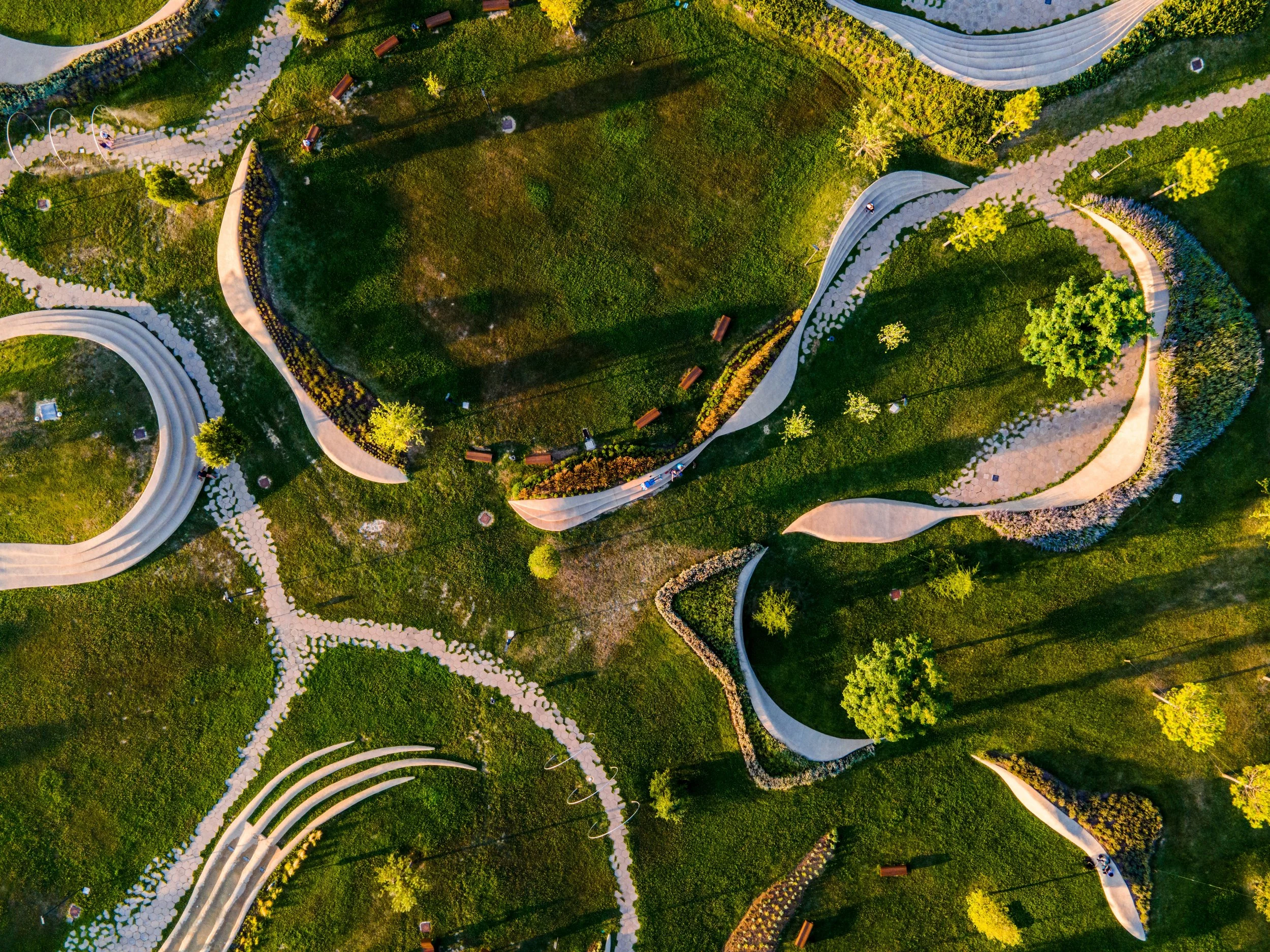
Clean Lines and Intentional Spaces — Modern Design Is More Than an Aesthetic Trend
Walk through the newer developments in Tuxedo or past some of the renovated properties in River Heights and you'll notice a shift in how yards look. Less ornate, more intentional. Clean geometry instead of busy curves. Restrained plant palettes instead of mixed collections. Hardscape that reads as architectural rather than decorative. This is modern landscape design, and it's become one of the most requested approaches among Winnipeg homeowners who want their outdoor spaces to feel cohesive, low-maintenance, and genuinely contemporary.
What is modern landscape design, exactly? It's a design philosophy rooted in simplicity, function, and the deliberate use of line, material, and negative space to create outdoor environments that feel purposeful rather than accumulated. Understanding its defining elements helps homeowners decide whether this approach suits their property and how it translates to Winnipeg's specific climate and growing conditions.
Key Takeaways
Modern landscape design is defined by clean geometry, restrained plant palettes, strong hardscape integration, and the intentional use of negative space
The style prioritizes function and simplicity over ornamentation, making it naturally well-suited to Winnipeg's low-maintenance preferences
Seven specific design elements define the modern approach and distinguish it from traditional or naturalistic styles
Winnipeg's Zone 3 climate and freeze-thaw conditions require specific material and plant adaptations to execute modern design correctly
Modern landscape design can add significant property value when executed well, particularly in urban and contemporary residential contexts
Bulger Brothers Landscape designs and builds modern landscape environments across Winnipeg properties
Overview: Understanding Modern Landscape Design in a Winnipeg Context
What is modern landscape design as a practical framework for a Winnipeg property is a question that sits at the intersection of aesthetic principles and local climate realities. The design philosophy itself is well-established, rooted in the modernist movement of the mid-twentieth century and evolving through contemporary landscape architecture into the residential context. Its application in Winnipeg requires understanding how Zone 3 plant hardiness, freeze-thaw construction demands, and a compressed growing season interact with a design style built on precision and restraint.
This guide defines each of the seven elements that make a landscape design genuinely modern, and explains how each one translates to a Winnipeg property specifically.
Bulger Brothers Landscape designs and builds landscapes that reflect current aesthetic direction while meeting the functional and structural demands of Manitoba's climate. The framework in this guide reflects both the design principles and the local application knowledge that make modern landscape design work here.
Element One: Clean Lines and Strong Geometry
The most immediately recognizable characteristic of modern landscape design is its commitment to clean, deliberate geometry. Where traditional landscapes often use flowing, organic curves influenced by English garden traditions, modern design favours straight edges, right angles, and geometric forms that feel architectural rather than natural.
In practice, this means rectangular patios rather than irregular flagstone arrangements, straight-edged garden beds with crisp borders rather than sweeping curves, and pathways that move in defined directions rather than meandering organically. The geometry creates a visual order that makes even a small yard feel intentional and finished.
For Winnipeg properties, this element has a practical dimension beyond aesthetics. Straight-edged interlocking paver patios are easier to maintain, re-level after frost heave affects individual units, and integrate with contemporary home architecture more cleanly than organic shapes. The geometry holds through years of freeze-thaw cycling in a way that irregular flagstone arrangements sometimes don't, since each unit in a geometric grid is more predictably supported by adjacent units. Professional patio and walkway installation that executes this geometry correctly starts with base preparation and layout precision that make the clean lines hold through multiple Manitoba winters.
Element Two: Restrained, Purposeful Plant Palette
Modern landscape design uses plants selectively rather than abundantly. Where a traditional garden might incorporate dozens of species across a planting area, a modern approach might use three to five species, repeated in deliberate groupings that create rhythm and emphasis rather than variety for its own sake.
The restraint isn't about minimalism for its own sake. It's about each plant earning its place by contributing to the overall composition visually and functionally. Ornamental grasses provide movement and seasonal interest. Structured evergreens provide year-round form. A single species of perennial repeated across multiple bed areas creates cohesion. Together, these choices make a planting feel designed rather than collected.
For Winnipeg's Zone 3 climate, restrained plant palette and Zone 3 hardiness actually align well. The plant species that survive Manitoba winters reliably are a defined list, and designing within that list produces the focused palette modern design calls for rather than requiring a sacrifice of the approach. The same species that perform reliably in Winnipeg, including ornamental grasses, Karl Foerster feather reed grass, Siberian iris, and sedum, are also species with the strong architectural form that modern design favours. For a complete look at what plants perform best in Winnipeg's Zone 3 climate, that guide covers both the performance and the aesthetic qualities of the strongest local species.
Element Three: Strong Hardscape Integration
In traditional landscapes, hardscape is often secondary to planting, providing paths and patios as functional necessities. In modern landscape design, hardscape is a primary design element that defines the structure of the outdoor space. Patios, retaining walls, walkways, and fencing are chosen and positioned for their visual contribution to the composition as much as for their function.
Material selection is where this integration happens most visibly. Contemporary concrete pavers in large-format sizes, natural stone with consistent finishing, steel edging between hard and soft surfaces, and composite or powder-coated metal fencing all carry a material quality that reads as intentional and contemporary. The same features in more traditional materials feel like different design altogether.
This element connects strongly to property value in Winnipeg's current market. Buyers who respond to contemporary residential architecture are the same buyers who respond to modern landscape design, and a property where the outdoor hardscape feels architecturally coherent with the home consistently tests better with this segment than one where the yard and the house feel designed in different eras.
For structural features like retaining walls in a modern design context, the visual quality of the installation is as important as the structural quality. Clean, consistent lines in the wall face, correct drainage detailing behind it, and integration with the surrounding hardscape require professional execution at a level that casual installation doesn't achieve.
Element Four: Deliberate Use of Negative Space
Negative space in landscape design refers to the open, unplanted, or minimally featured areas of a yard that provide visual breathing room between elements. Traditional design tends to fill available space with features and plantings. Modern design treats open space as a design element in itself.
A contemporary Winnipeg backyard might have a large, clean-edged patio area, a single specimen tree in a precise location, and lawn or permeable groundcover extending to the fence line. The restraint looks intentional because it is. The open space makes the patio feel larger, the tree more significant, and the overall composition more resolved than the same space filled with features competing for attention.
This element is practically useful in Winnipeg's climate as well. Simplified spaces require less maintenance, which aligns with the low-maintenance preferences that consistently rank highly among current buyers and homeowners. A well-considered modern layout delivers strong aesthetic impact with a manageable maintenance program, which is a more sustainable outcome than high-density traditional planting that requires constant intervention through a short growing season.
Element Five: Sustainable and Low-Maintenance Material Selection
Modern landscape design has strong philosophical alignment with sustainability and long-term performance, which translates into material choices that last, require minimal maintenance, and perform their function without constant intervention. This element connects modern design principles to practical Winnipeg requirements in several ways.
Permeable paving materials that allow water infiltration rather than concentrating runoff are both a modern design principle and a practical drainage consideration on Winnipeg's clay-heavy lots. Permeable paver systems installed over a properly prepared base contribute to on-site stormwater management while maintaining the clean geometric aesthetic of a modern design.
Composite and powder-coated metal fencing carry the contemporary material quality that modern design requires while outperforming painted wood fencing in Winnipeg's winter conditions. Fence installation using these materials in a modern context contributes to both the aesthetic and the property's long-term maintenance requirements.
Low-maintenance groundcover and mulch in structured beds replace the constant-attention perennial gardens of traditional design with surfaces that look intentional with minimal seasonal intervention. Mulch bed installation in a modern design context uses clean, dark mulch in defined geometric beds as a design element rather than just a functional layer.
Element Six: Integration of Lighting as a Design Layer
Modern landscape design treats lighting not as a functional add-on but as a design layer integrated into the overall composition from the beginning. Uplighting on specimen trees, linear lighting along walkway edges, and ambient lighting on patio surfaces all contribute to how a modern landscape reads after dark, extending the designed quality of the space into evening hours.
For Winnipeg properties with a short but intensely used summer season, evening usability of outdoor living spaces has specific value. A patio that's enjoyed through June, July, and August evenings justifies both its installation cost and its design quality more than one that goes dark at sunset.
Modern landscape lighting uses fixture styles that disappear during the day and perform at night. Recessed step lights, ground-mounted uplights with minimal visible fixtures, and linear LED strips integrated into hardscape details all carry the design restraint that the modern approach requires. Visible, ornate fixture styles that announce themselves visually conflict with modern design's emphasis on clean composition. Water features and landscape lighting installed within a modern design framework carry this discretion throughout the lighting design.
Element Seven: Outdoor Living Space as an Extension of the Interior
Modern landscape design treats outdoor space as a continuation of interior living space rather than a separate realm beyond the house. The patio reads as an outdoor room. The connection between indoor and outdoor spaces is considered through material continuity, sightlines from interior windows, and the proportional relationship between indoor and outdoor use areas.
In Winnipeg's climate, this element carries specific meaning. A backyard designed as a genuine outdoor living extension of the home, with a defined seating area, privacy from neighbours, weather protection through structure or planting, and quality surfaces that feel considered rather than utilitarian, delivers more daily use value during the compressed outdoor season than one that functions as simply a lawn behind the house.
The practical expression of this element in Winnipeg includes positioning the patio to capture afternoon sun, using fence or planting placement to address the privacy and wind exposure specific to the property's orientation, and choosing hardscape materials that read as quality from both inside and outside the home. For homeowners in urban Winnipeg neighbourhoods where indoor and outdoor spaces are visible from the street and from neighbours, this interior-exterior coherence also contributes to how the property presents and is perceived.
Applying Modern Landscape Design in Winnipeg
What is modern landscape design in theory is one thing. What it looks like on a specific Winnipeg property is shaped by the Zone 3 plant palette, the frost-depth construction requirements, the specific site's drainage and soil conditions, and the property's relationship to the home's architectural character.
A modern landscape that works well in Winnipeg isn't a direct translation of a California or Pacific Northwest modern garden, because the plant palette, climate demands, and seasonal character are fundamentally different. It's a design that applies modern principles, clean geometry, restrained planting, strong hardscape integration, and deliberate negative space, through the lens of what actually performs here.
Bulger Brothers Landscape designs and installs landscapes that apply these principles to Winnipeg's specific conditions, producing outdoor environments that look genuinely contemporary and perform correctly through Manitoba's winters. Located at 7 Leeward Pl, Winnipeg, MB R3X 1M6, the team can assess your property and develop a design direction that reflects current aesthetic principles within the construction and plant standards that Winnipeg's climate demands. Call (204) 782-0313 to schedule your design consultation.
Frequently Asked Questions About What Is Modern Landscape Design
Q: What is modern landscape design in simple terms?
A: Modern landscape design is a design philosophy emphasizing clean geometry, restrained plant palettes, strong hardscape integration, and deliberate use of negative space to create outdoor environments that feel intentional, contemporary, and low-maintenance. It prioritizes function and visual clarity over ornamentation.
Q: How does modern landscape design differ from traditional landscaping?
A: Traditional landscaping often features organic curves, mixed species planting, ornamental details, and hardscape that serves a secondary role to planting. Modern design reverses these priorities, with geometry, restrained plant selection, and prominent hardscape elements creating the primary composition.
Q: Can modern landscape design work in Winnipeg's climate?
A: Yes. Winnipeg's Zone 3 plant palette actually aligns well with modern design's preference for restrained species selection, since the reliable cold-hardy species tend to have the strong architectural form that modern design favours. Freeze-thaw construction requirements are addressed through proper base preparation and material selection rather than limiting the design approach.
Q: What plants work best in a modern Winnipeg landscape?
A: Species with strong architectural form and reliable Zone 3 hardiness including Karl Foerster ornamental grass, Siberian iris, sedum, Karl Foerster feather reed grass, and compact evergreens align well with modern design principles. The focus is on a small number of species used deliberately rather than a diverse mix.
Q: Is modern landscape design more expensive than traditional landscaping?
A: Not necessarily. Modern design often uses fewer plant species and simpler plant arrangements, which can reduce planting costs. Premium hardscape materials like large-format pavers or steel edging may add cost. The total depends on the specific choices rather than the style category.
Q: Does modern landscape design add value to a Winnipeg home?
A: Yes, particularly for properties whose architectural style aligns with contemporary residential design. Buyers responding to modern home architecture consistently respond to modern landscape design that feels coherent with the house, contributing to both curb appeal and overall perceived value.
Q: How important is professional design for a modern landscape?
A: Very important. Modern landscape design's emphasis on precise geometry and intentional composition means that proportion and placement decisions that feel slightly off are more visible than in more organic design styles. Professional design ensures these relationships are resolved correctly before installation begins.
Q: How does modern landscape design handle Winnipeg winters visually?
A: Well, when designed with winter interest in mind. Ornamental grasses left standing through winter provide movement and texture. Structured evergreens maintain year-round form. Clean hardscape lines remain visible and intentional under snow. A thoughtfully designed modern landscape often looks as resolved in January as it does in July.
Conclusion
What is modern landscape design is a question with a specific, principled answer: a design approach defined by clean geometry, restrained plant selection, strong hardscape integration, deliberate negative space, sustainable material choices, integrated lighting, and the treatment of outdoor space as a continuation of the interior. In Winnipeg, these principles translate to landscapes that perform correctly through Manitoba's demanding climate while delivering the visual quality and low-maintenance character that contemporary homeowners consistently value. Bulger Brothers Landscape brings both the design expertise and the local installation knowledge to build modern landscapes that hold their quality through every Manitoba season.