

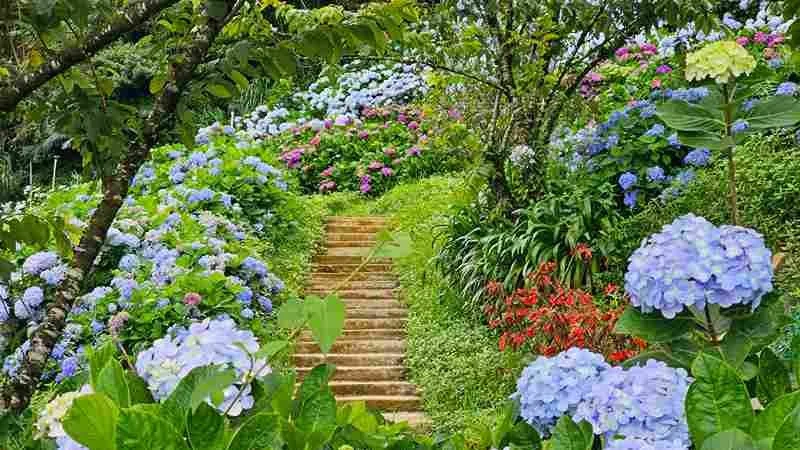
Winnipeg Yards Can Be Full of Colour — If You Choose the Right Flowers
One of the most common questions homeowners ask when planning a garden refresh is what flowers are good for landscaping in a climate like Winnipeg's. The answer matters more here than in most Canadian cities. Zone 3 growing conditions eliminate a large portion of plants that work beautifully in milder climates, and choosing the wrong flowers means spending money on plants that won't survive the first winter, or worse, plants that look struggling and sparse all summer.
The good news is that the right selection of cold-hardy annuals and perennials can fill a Winnipeg yard with colour from May through October, require minimal maintenance once established, and come back stronger every year. Homeowners across Tuxedo and St. Vital are already doing this — the difference is knowing which plants to use and how to use them well.
Key Takeaways
Winnipeg's Zone 3 climate eliminates many popular landscaping flowers, but a strong selection of cold-hardy options thrives here
Perennials that survive Manitoba winters deliver better long-term value than annuals replanted each season
Combining perennials for structure with annuals for seasonal colour is the most effective approach for Winnipeg flower beds
Soil preparation, drainage, and mulching are as important as plant selection for flower bed success in Manitoba
Professional garden design helps Winnipeg homeowners select plants that perform in the actual conditions of their specific yard
Bulger Brothers Landscape designs and installs flower beds and garden spaces across Winnipeg
Overview: Understanding What Flowers Work in Winnipeg
Knowing what flowers are good for landscaping in Winnipeg starts with understanding what Zone 3 actually means for plant survival. Zone 3 hardiness means plants must tolerate winter temperatures down to -40°C, which is the reality for most Winnipeg winters. Plants rated for Zone 4 or warmer will not reliably survive here without significant winter protection, and even then results are inconsistent.
This guide covers the best performing perennials and annuals for Winnipeg landscaping, how to combine them for continuous seasonal colour, what site preparation looks like for flower bed success, and when professional garden design adds real value to the outcome.
Bulger Brothers Landscape has designed and installed garden spaces across Winnipeg properties for years, and the plant selections in this guide reflect what actually performs in Manitoba's growing conditions rather than what looks good in a catalogue.
Understanding Zone 3 Before Choosing Your Flowers
Zone 3 hardiness is the most important filter to apply before selecting any flower for a Winnipeg landscape. A plant rated Zone 3 or lower can survive Winnipeg winters in the ground without protection. A plant rated Zone 4 or higher is a gamble that will likely lose within the first hard winter.
Beyond hardiness rating, Winnipeg's specific growing conditions create additional selection criteria. The soil in many Winnipeg neighbourhoods is heavy clay, which affects drainage and root development. The growing season runs approximately 120 days from last frost to first frost, which affects how long plants have to establish and bloom. Summer precipitation is variable, with dry stretches in July and August common across the city.
The best approach to selecting what flowers are good for landscaping on your specific Winnipeg property factors in all of these conditions, not just the zone rating. A plant that thrives in well-drained sandy soil may struggle in the clay-heavy yards common in many River Heights or Charleswood properties without proper bed preparation.
For a broader look at plant selection and garden design for Winnipeg's Zone 3 climate, that guide covers the full range of plants suited to Manitoba growing conditions.
The Best Perennials for Winnipeg Landscaping
Perennials are the foundation of any well-designed Winnipeg flower bed. They survive winter, return each spring, and expand over time, delivering increasing value without the annual replanting cost of annuals. These are the strongest performers for Zone 3 Winnipeg conditions:
Coneflower (Echinacea purpurea) Coneflowers are among the most reliable perennials for Winnipeg landscapes. They bloom from July through September, tolerate clay soil, handle dry conditions once established, and attract pollinators throughout the season. The purple species is the classic choice, but cultivars now offer pink, white, orange, and yellow varieties. Coneflowers are one of the best answers to what flowers are good for landscaping in a low-maintenance Winnipeg bed.
Black-Eyed Susan (Rudbeckia hirta) Bright yellow with dark centres, black-eyed Susans bloom from July through September and naturalize readily in Winnipeg conditions. They tolerate poor soil, handle heat and drought, and provide outstanding colour through the summer months when many spring bloomers have finished. They work particularly well combined with ornamental grasses and coneflowers for a naturalistic late-summer display.
Daylily (Hemerocallis) Daylilies are exceptionally adaptable and bloom reliably in Zone 3 conditions. They come in a vast range of colours, bloom times, and heights, making them one of the most versatile plants for Winnipeg flower beds. Extended bloom periods are achievable by combining early, mid, and late-season varieties. Daylilies spread over time and can be divided every few years to fill more bed area or share with neighbours.
Peony (Paeonia) Peonies are a Winnipeg garden classic for good reason. They are extremely cold-hardy, long-lived, and produce spectacular blooms in late May and June. A well-planted peony can thrive in the same location for 30 years or more. They require specific planting depth, just below the soil surface, and well-drained soil, but reward that attention with decades of reliable performance.
Hosta For shaded or partially shaded areas, hostas are the most reliable foliage perennial for Winnipeg landscapes. They don't bloom dramatically, but their wide, textured leaves provide strong structural interest from spring through fall. Hostas come in sizes ranging from miniatures to plants with leaves over 50 centimetres wide. They handle Winnipeg winters well and expand steadily over multiple seasons.
Yarrow (Achillea millefolium) Yarrow is one of the toughest perennials available for Zone 3 conditions. It tolerates poor soil, dry conditions, and neglect while producing flat-topped flower clusters in yellow, white, pink, and red through the summer. It spreads readily and is useful for filling large bed areas with minimal investment. Yarrow's feathery foliage also adds texture between flowering periods.
Siberian Iris (Iris sibirica) Unlike bearded iris varieties that can struggle in Winnipeg winters, Siberian iris is reliably Zone 3 hardy and produces elegant purple, blue, or white blooms in late May and June. The upright, grass-like foliage remains attractive throughout the season even after bloom. Siberian iris handles moist soil better than most perennials, making it a strong choice for lower areas of Winnipeg yards that stay wet in spring.
Salvia (Salvia nemorosa) Hardy salvia varieties produce dense spikes of purple or blue flowers from June through August and often rebloom if cut back after the first flush. They prefer well-drained soil and full sun, which makes them a strong performer in raised beds or well-amended garden areas. The vertical form of salvia spikes provides useful contrast against rounded flower shapes like coneflowers and daylilies.
Sedum (Stonecrop) Sedum varieties range from low-growing groundcover types to upright clump forms that produce broad pink flower heads in August and September. The upright types, sometimes called Autumn Joy, are particularly useful for extending the blooming season into fall when most perennials have finished. Sedum is highly drought tolerant and thrives in the dry July and August conditions common across Winnipeg.
Catmint (Nepeta) Catmint produces masses of small lavender-blue flowers from June through August and often reblooms after cutting back. It has a soft, mounding form that works beautifully along walkway edges and at the front of beds. It tolerates dry conditions and poor soil, and the silvery-green foliage provides interest beyond the bloom period. For edging beds along walkways and patios, catmint is one of the best options available for Winnipeg conditions.
The Best Annuals for Winnipeg Landscaping
Annuals don't survive winter, but they fill the seasonal colour gaps that perennials leave and allow for changes to bed appearance from year to year. The most reliable performers for Winnipeg conditions include:
Marigold (Tagetes) Marigolds are the workhorse annual for Winnipeg flower beds. They handle cool temperatures well, tolerate Winnipeg's variable spring and fall conditions, bloom from planting through frost, and come in a range of yellows, oranges, and reds. They also deter certain soil pests, which makes them a practical companion plant in vegetable and mixed gardens.
Zinnia Zinnias produce bold, bright colour in almost every hue and bloom reliably through the warmest part of Winnipeg's summer. They prefer the heat of July and August and produce their best display in full sun with good drainage. They're a strong choice for adding high-impact colour to established perennial beds during the peak summer period.
Petunia Petunias are one of the most flexible annuals for Winnipeg landscapes. They work in beds, containers, window boxes, and hanging baskets. Modern varieties are significantly more weather-tolerant than older cultivars and handle Winnipeg's occasional cool summer nights better than they once did. Wave petunias are particularly useful for spreading across open bed areas with minimal maintenance.
Snapdragon (Antirrhinum) Snapdragons are one of the few annuals that actually prefer cooler temperatures, making them excellent for Winnipeg's spring and early summer period when other annuals are just getting established. They provide vertical interest and come in a wide colour range. In Winnipeg's climate, they often fade in the hottest part of summer and may rebound in the cooler temperatures of August and September.
Cosmos Cosmos are easy to grow from seed, tolerant of poor soil, and produce delicate feathery foliage with daisy-like blooms in pink, white, and red from July through frost. They add an airy, naturalistic quality to bed compositions and reseed readily in Winnipeg conditions. They're a low-cost, high-impact addition to any summer bed.
Impatiens For shaded areas where colour options are limited, impatiens remain a reliable choice. They bloom continuously through the season in pink, red, coral, and white, and handle the moist conditions common in shaded Winnipeg gardens. New Guinea impatiens varieties handle more sun exposure and have larger flowers than standard types.
How to Combine Flowers for Continuous Colour in Winnipeg
Selecting individual plants is only half the answer to what flowers are good for landscaping. Combining them thoughtfully to achieve colour across the full season requires planning that considers bloom time, height, form, and colour.
A well-designed Winnipeg flower bed typically layers plants in three tiers: tall plants at the back, mid-height plants in the centre, and low-growing plants or groundcovers at the front. Bloom times are staggered so that as one plant finishes, another is coming into peak colour.
A practical Winnipeg combination for a sunny mixed bed might look like this:
Early season (May to June): Siberian iris and peonies provide structure and spectacular blooms before summer heat arrives
Mid season (June to August): Coneflowers, black-eyed Susans, salvia, and daylilies carry the colour through the peak growing period
Late season (August to October): Sedum, catmint rebloom, and annual zinnias and marigolds extend colour into fall
Filling in with annuals between perennial clumps in the first year or two of a new bed prevents the bare-soil appearance that young perennial plantings can leave until they fill out. As perennials mature and spread, annual use typically decreases naturally.
Soil Preparation and Bed Setup for Winnipeg Flower Gardens
Plant selection matters, but plants in poor conditions underperform regardless of how well-suited they are to the zone. Preparing beds properly before planting is what separates a garden that thrives from one that merely survives.
In Winnipeg, where heavy clay soil is common, bed preparation often involves incorporating organic matter to improve drainage and root penetration. Compost worked into the top 30 centimetres of bed soil makes a measurable difference in plant establishment and long-term health. Raised beds or bermed planting areas are a practical solution for properties where drainage is particularly challenging.
Proper edging defines the bed, keeps lawn grass from creeping in, and creates a finished appearance. Good mulch coverage at two to three inches retains moisture through Winnipeg's dry summer periods and moderates the soil temperature fluctuations that stress plant roots. The connection between good mulching practice and flower bed performance is strong enough that it deserves as much attention as plant selection itself.
Bulger Brothers Landscape handles full bed preparation and garden installation as part of their garden design services, ensuring that the plants going into a new Winnipeg bed have the soil conditions they need to establish and perform.
When to Plant Flowers in Winnipeg
Timing planting correctly is essential in Zone 3. Winnipeg's last frost date typically falls between May 15 and May 25, with late cold snaps possible into early June in some years.
Perennials and cold-tolerant annuals like snapdragons and pansies can go in the ground in early to mid-May, as they tolerate light frost. Frost-sensitive annuals like zinnias, cosmos, impatiens, and petunias should wait until after the last frost risk has passed, typically late May to early June.
Fall planting of perennials is also effective in Winnipeg, with September being a good window. Perennials planted in early fall have time to establish roots before freeze-up while avoiding the heat stress of mid-summer planting. Spring-blooming bulbs like tulips and crocuses are planted in fall, typically October, just before the ground freezes.
For a full seasonal planting and maintenance calendar, the Winnipeg lawn care and yard calendar covers timing across all outdoor tasks from spring through fall.
Professional Garden Design vs. Selecting Plants Yourself
Many Winnipeg homeowners choose their own plants and get reasonable results, particularly with the reliable performers listed in this guide. Where professional garden design adds the most value is in creating a cohesive composition that performs well across the full season, suits the specific site conditions of the property, and avoids the trial-and-error cost of plants that don't work.
A professional designer brings knowledge of plant combinations that work visually and ecologically, understands which varieties perform specifically in Winnipeg's conditions rather than just the zone generally, and can assess drainage, sun exposure, and soil conditions to match plants to the actual site rather than ideal conditions.
For homeowners planning a significant garden investment, professional garden design in Winnipeg protects that investment by getting the selection and placement right from the start rather than replanting after failures.
When you're ready to build a flower bed that thrives in Winnipeg's conditions, Bulger Brothers Landscape brings the plant knowledge, bed preparation expertise, and design experience to make it happen. Located at 7 Leeward Pl, Winnipeg, MB R3X 1M6, the team is ready to assess your property and put together a planting plan that delivers colour from spring through fall. Call (204) 782-0313 to schedule your garden consultation.
Frequently Asked Questions About What Flowers Are Good for Landscaping
Q: What flowers are good for landscaping in Winnipeg's Zone 3 climate? A: The most reliable perennials for Winnipeg include coneflowers, black-eyed Susans, daylilies, peonies, Siberian iris, yarrow, salvia, sedum, and catmint. For annuals, marigolds, zinnias, petunias, snapdragons, and cosmos all perform well in Winnipeg's growing season. Choosing plants rated Zone 3 or lower ensures winter survival.
Q: What perennials come back every year in Winnipeg? A: Zone 3 hardy perennials including coneflowers, daylilies, hostas, peonies, Siberian iris, black-eyed Susans, yarrow, sedum, and catmint reliably return each spring in Winnipeg. Peonies are particularly long-lived, often thriving in the same location for 30 or more years in Manitoba conditions.
Q: When should I plant flowers in Winnipeg? A: Cold-tolerant perennials and annuals like snapdragons can go in by early to mid-May. Frost-sensitive annuals like zinnias and impatiens should wait until after the last frost, typically late May to early June. Fall planting of perennials in September works well for establishment before freeze-up.
Q: What flowers grow well in shade in Winnipeg? A: Hostas are the most reliable choice for shaded Winnipeg gardens, providing strong foliage interest through the season. Impatiens, astilbe, bleeding heart, and lungwort also perform well in partially to fully shaded conditions. Siberian iris tolerates partial shade better than most iris varieties.
Q: Can I grow annuals in Winnipeg or does the cold make it too difficult? A: Annuals grow very well in Winnipeg during the May through September growing season. The limitation is that they must be replanted each year after winter kills them. Many Winnipeg gardeners use annuals to fill colour gaps in perennial beds and in containers that are brought inside or emptied for winter.
Q: What flowers are low maintenance for Winnipeg landscaping? A: Yarrow, coneflower, black-eyed Susan, sedum, and daylilies are the lowest-maintenance flowering perennials for Winnipeg. Once established, they require minimal watering, no winter protection, and only occasional dividing every few years. For annuals, marigolds and cosmos require little attention beyond deadheading to extend bloom.
Q: How do I prepare a flower bed in Winnipeg's clay soil? A: Incorporating compost into the top 30 centimetres of bed soil improves drainage and root penetration significantly. Raised or bermed beds are a practical solution for heavily clay areas. Good mulch coverage helps regulate moisture and temperature through Winnipeg's variable seasons. Professional bed preparation ensures plants go in with the best possible foundation.
Q: What flowers bloom earliest in spring in Winnipeg? A: Spring-planted bulbs including tulips, daffodils, and crocuses are among the earliest bloomers in Winnipeg, typically appearing in late April to early May. Peonies and Siberian iris follow in late May to early June. Bleeding heart is another early-season perennial that provides colour before most summer bloomers are established.
Conclusion
Knowing what flowers are good for landscaping in Winnipeg's Zone 3 climate turns a frustrating guessing game into a confident planting strategy. The right perennials come back every year, expand over time, and build a garden that gets better with age. The right annuals fill colour gaps and add seasonal flexibility without the risk of choosing plants that won't survive. Soil preparation, timing, and thoughtful plant combinations turn individual good choices into a garden that performs across the full Winnipeg growing season. Bulger Brothers Landscape helps Winnipeg homeowners build gardens that are right for this climate, this soil, and this city.