

Is Your New Sod Ready to Mow? A Winnipeg Checklist
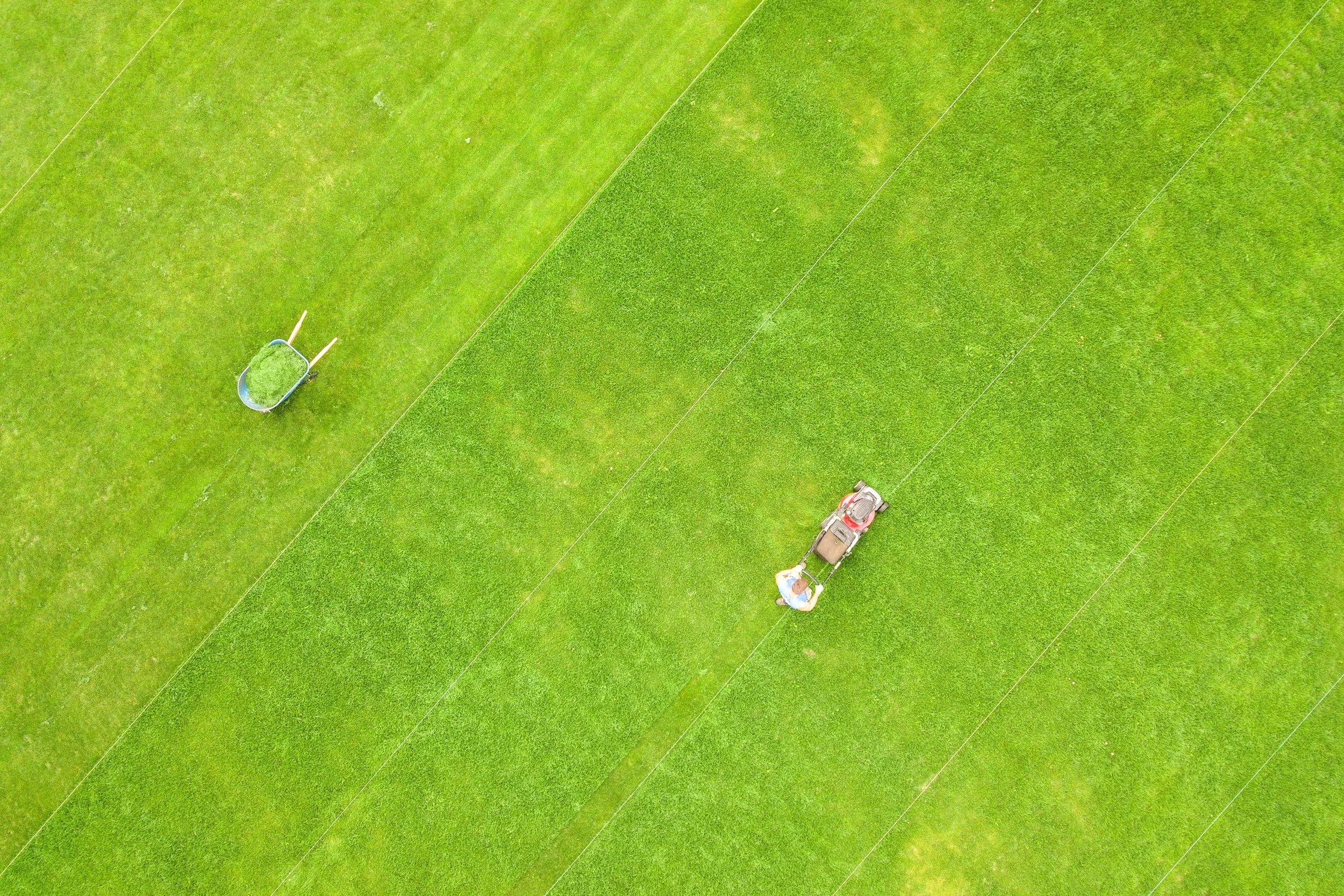
The First Mow Is One of the Easiest Ways to Damage New Sod — or Strengthen It
New sod has been down for a few weeks, it's looking green, and the grass is getting long enough that the urge to mow is real. For homeowners in Charleswood and St. Vital who've just had a lawn installed, knowing how soon after sodding should you mow is the difference between a first mow that strengthens the new lawn and one that tears up sod that wasn't ready for the stress.
Mowing too early is one of the most common ways new sod fails in Winnipeg. The consequences aren't always immediate, but they show up within a few weeks as patches of lifted, torn, or dying grass in a lawn that looked completely healthy the morning of the mow. Getting the timing right requires checking a few specific things before the mower comes out of the garage.
Key Takeaways
New sod in Winnipeg should not be mowed until it passes the rooting checklist, typically three to four weeks after installation
Grass height reaching 3.5 to 4 inches is the first indicator, but it's not sufficient on its own
The tug test confirming rooting is the most important check before mowing
Mowing unrooted sod lifts the surface and tears fragile root threads, causing patchy failure
First mow technique matters as much as timing — a sharp blade, correct height, and dry surface are all required
Bulger Brothers Landscape provides sod installation with clear establishment and mowing guidance for Winnipeg properties
Overview: Why the First Mow Deserves a Checklist
How soon after sodding should you mow isn't answered by counting days on a calendar. It's answered by checking the actual condition of the sod on your specific property, because rooting speed in Winnipeg varies based on soil preparation, watering consistency, installation timing, and soil temperature. A checklist approach gives homeowners concrete confirmation that their sod is ready rather than a date guess that may or may not reflect what's actually happening at the root zone.
Bulger Brothers Landscape provides establishment guidance with every sod installation and the checklist in this guide reflects the specific conditions Winnipeg's climate creates during the establishment period.
Why Timing the First Mow Matters More Than Most Homeowners Realize
Before getting to the checklist, understanding why timing matters helps explain each item on it.
New sod is connected to the soil below it by fragile new root threads that form during the first two to four weeks after installation. These threads have no structural strength yet. They're what anchors the sod layer to the ground, and they're what makes the difference between sod that lifts when a mower passes over it and sod that stays put.
A lawn mower applies two forces to the sod surface. The blade creates an upward pull as it cuts the grass. The mower's weight creates a downward compressive force as it crosses the surface. On unrooted or insufficiently rooted sod, the upward pull of the blade lifts the sod rather than cutting the grass cleanly. The mower either bunches the sod in front of it, tears patches from the surface, or cuts the root threads that were just beginning to connect the sod to the soil below.
In Winnipeg's clay-heavy soil, these root threads take longer to form than in markets with better-draining soil. That means the patience required for the first mow is genuinely longer here than in many parts of Canada, and rushing the timeline produces problems that take another full season to recover from.
The Winnipeg Sod Mowing Readiness Checklist
Work through these checks in order. All of them need to be satisfied before mowing begins.
Check One: Has it been at least three weeks since installation? Three weeks is the absolute minimum timeline before the first mow under the best Winnipeg conditions. Spring installations with warming soil temperatures and consistent rainfall sometimes reach readiness at the three-week mark. Summer installations during dry or hot stretches often need the full four to five weeks. Fall installations require more time due to cooling soil temperatures that slow root development. If it's been less than three weeks, stop here and wait regardless of what the other checks show.
Check Two: Has the grass reached 3.5 to 4 inches in height? Height is the most visible indicator that the grass is growing actively and the sod is establishing. Mowing before the grass reaches this height removes too much blade at once, stressing the plant at exactly the point when it needs its full leaf area to support root development through photosynthesis.
Measure several areas across the lawn, not just the tallest patches. If the overall lawn is below 3.5 inches, wait. If specific areas have reached height but others haven't, wait for the slower areas to catch up before mowing the whole lawn.
Check Three: Does the sod pass the tug test? This is the most important check and the one that most directly answers how soon after sodding should you mow for your specific installation. Grasp the edge of a sod strip with both hands and pull gently upward. Perform this test in several locations across the lawn including areas that were more shaded or received less water, since these areas root more slowly.
Sod that is ready to mow resists your pull clearly and requires meaningful force to lift. It should feel substantially different from week one, when the sod lifted with almost no resistance. If any area still lifts too easily, the sod is not ready to mow regardless of how long it's been in the ground or how tall the grass has grown.
For a complete explanation of the tug test and what it reveals about rooting progress at each stage of establishment, how long does sod take to root in Winnipeg covers the full rooting timeline in detail.
Check Four: Has the soil surface dried to firm? Mowing on saturated soil creates compaction that restricts root development and can cause the mower wheels to sink into the surface, damaging the sod below. After watering or rain, wait for the surface to firm before mowing. In Winnipeg's clay soil, this can take 24 to 48 hours after significant rainfall or heavy irrigation.
Press your palm flat against the lawn surface. If it feels soft or your hand leaves an impression, wait another day. If the surface feels firm and your hand leaves no impression, the soil condition is appropriate for mowing.
Check Five: Is the mower blade sharp? A dull blade tears grass rather than cutting it cleanly. On established lawn, tearing rather than cutting leaves ragged blade tips that brown and stress the grass. On new sod, a dull blade amplifies the lifting and tearing effect described above, since it grabs the grass rather than cutting through it cleanly. Confirm the blade is sharp before the first mow on new sod. If there's any doubt, sharpen or replace the blade before this cut.
Check Six: Is the mower set to the correct height? The first mow should remove no more than one-third of the grass blade. If the lawn has reached 4 inches, mow to 2.5 to 3 inches. Never cut more than one-third off at any single mowing on new sod, since removing too much blade at once stresses a lawn that is still developing its root system.
Winnipeg's cool-season grasses, typically Kentucky bluegrass, fescue, or a blend, perform best at a maintained height of 2.5 to 3.5 inches through the growing season. The first mow should target the upper end of this range rather than cutting to the minimum height.
The First Mow: Technique That Protects New Sod
Once the checklist is complete and mowing is appropriate, technique during the first cut matters as much as timing. Several specific practices reduce stress on new sod during the first mow.
Use the lightest mower available for the first cut. A heavy ride-on mower applies more compressive force to the soil surface than a push mower. If both are available, use the push mower for the first cut. The compaction risk from a heavy mower on clay soil that's still being colonized by new roots is real, and avoiding it for this single mow is worthwhile.
Avoid sharp turns on the lawn surface. Turning the mower sharply on the lawn creates lateral force that tears at the sod surface rather than simply compressing it. Make wide, gradual turns and reverse or manoeuvre on hard surfaces wherever possible rather than on the new lawn.
Mow in one direction for the first cut. Back-and-forth patterns that cross each other on new sod increase total surface disruption. A single consistent direction for the first mow minimizes the total force applied to the establishing root zone.
Leave clippings on the surface for the first mow. Grass clippings from the first mow are fine enough to decompose quickly and return nitrogen to the soil. Running a bag for the first cut is unnecessary and the additional equipment weight adds stress. Switch to bagging or mulching on subsequent mows based on your normal lawn care preference.
Observe the lawn in the days following the first mow. A small amount of stress response is normal, with the lawn looking slightly duller for a day or two after cutting. Significant browning in patches, visible lifting of sod edges, or areas where the mower clearly pulled the surface rather than cutting it are signs that mowing happened too early in those zones and those areas need careful monitoring through the next few weeks.
What Seasonal Timing Means for the Mowing Checklist
How soon after sodding should you mow is also a seasonal question in Winnipeg, since rooting speed and the timeline to first mow readiness change through the outdoor season.
Spring installations (mid-May through June) benefit from warming soil temperatures that support faster rooting. Spring-installed sod in Winnipeg often reaches first mow readiness at three to four weeks when soil preparation was thorough and watering was consistent. Watch for the checklist items beginning at the three-week mark.
Summer installations (July through mid-August) face the dual challenge of heat stress during the day and higher evaporation that demands more frequent watering. Rooting may be slower despite warm soil temperatures if moisture management was inconsistent. Allow four to five weeks before checking the mowing readiness checklist on summer-installed sod.
Fall installations (mid-August through mid-September) often produce strong rooting due to cooler air temperatures that reduce stress, but the slower rooting as temperatures cool through September means the timeline to first mow may extend to five or six weeks. Pay particular attention to the tug test for fall installations since visual indicators like grass height may reach the threshold before rooting is adequate.
For context on the full sod installation process in Winnipeg including timing, preparation, and what establishment actually looks like across each seasonal window, that service overview covers the full picture from installation through the first growing season.
What to Do If You Mowed Too Early
If the first mow happened before the checklist was fully satisfied and the lawn is showing signs of stress, the response depends on the severity of what you see.
Minor stress with slight dulling and no visible patch lifting typically recovers with careful watering and avoidance of additional traffic for one to two weeks. The sod often re-establishes the disturbed root contact with the soil given enough moisture and time.
Patches where the sod clearly lifted or has visible damage need assessment within a week. Gently press any lifted areas back into firm contact with the soil below and water carefully. If the patches continue to brown rather than recovering, replacement of those sections may be necessary.
Widespread lifting or significant damage across a large area indicates the sod simply wasn't ready and the mow happened significantly too early. Contact a professional for an assessment rather than applying generic recovery treatments, since the right response depends on what condition the root zone is actually in at that point.
Understanding how much sodding a lawn costs in Winnipeg gives homeowners context for why protecting the initial investment through correct establishment timing is worthwhile.
Bulger Brothers Landscape provides professional sod installation with thorough soil preparation and establishment guidance across Winnipeg. Located at 7 Leeward Pl, Winnipeg, MB R3X 1M6, the team installs sod with the preparation quality and client guidance that gives every new lawn the best possible start through Manitoba's growing season. Call (204) 782-0313 to schedule your sod installation and get the establishment guidance that comes with professional service.
Frequently Asked Questions About How Soon After Sodding Should You Mow
Q: How soon after sodding should you mow in Winnipeg?
A: A minimum of three weeks, with most Winnipeg installations requiring four to five weeks before the first mow. The mowing readiness checklist, including the tug test confirming rooting, grass height reaching 3.5 to 4 inches, and firm soil conditions, must be fully satisfied before mowing begins regardless of the calendar date.
Q: What happens if you mow new sod too early?
A: A mower on unrooted sod lifts the surface rather than cutting the grass cleanly, tearing the fragile root threads that connect the sod to the soil below. This causes patchy browning and sod failure that appears within two to three weeks of premature mowing.
Q: What height should new sod be before the first mow?
A: 3.5 to 4 inches. The first mow should remove no more than one-third of the blade length, targeting a finished height of 2.5 to 3 inches, which is the appropriate maintained height for Winnipeg's cool-season grasses.
Q: How do I know if new sod is ready to mow without waiting too long?
A: Use the tug test. Grasp a sod strip edge and pull gently upward. Sod that resists meaningfully and requires clear force to lift is ready for its first mow. Sod that lifts with minimal resistance is not ready, regardless of how long it's been installed.
Q: Should I use a push mower or riding mower for the first cut on new sod?
A: Use the lightest mower available. A push mower applies less compressive force to clay soil that's still developing root systems than a heavy ride-on mower. For the first cut specifically, the push mower is the better choice if both are available.
Q: Should I bag or mulch clippings on the first mow of new sod?
A: Leave clippings on the surface for the first mow. They're fine enough to decompose quickly and return nitrogen to the soil. Removing the bag also reduces the total mower weight for this first critical cut.
Q: Does fall-installed sod in Winnipeg need to be mowed before winter?
A: If fall-installed sod grows to 4 inches or above before temperatures drop, yes. Entering winter with grass that's too long increases snow mould risk. If the sod was installed in September and the season ends before it reaches mowing height, no mowing is needed that season.
Q: What should I do if my new sod shows damage after the first mow?
A: Press any lifted areas firmly back into soil contact and water carefully. Minor stress typically recovers with consistent watering and reduced traffic for one to two weeks. Widespread damage or continued browning rather than recovery warrants a professional assessment to determine whether section replacement is needed.
Conclusion
How soon after sodding should you mow is answered by a checklist, not a calendar. Three to four weeks is the general timeline for Winnipeg's specific conditions, but the rooting confirmation from the tug test, the height confirmation, and the soil firmness check are what actually determine readiness. Getting this right protects the entire investment in new sod and gives the lawn the best possible foundation for its first full growing season. Bulger Brothers Landscape installs sod with the preparation quality and establishment guidance that makes every step of the process, from installation through first mow, go the way it should.