

Professional Ice Rink Snow Clearing for Winnipeg Backyards
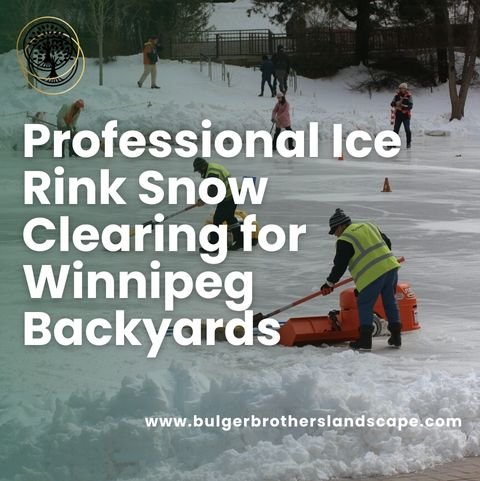
Keeping Your Backyard Rink Skatable Through a Winnipeg Winter
A backyard ice rink is one of the most genuinely rewarding winter projects a Winnipeg homeowner can take on. When it is properly maintained, it becomes the centrepiece of the yard from December through February, drawing family and neighbourhood kids out into the cold for exactly the kind of outdoor winter experience that makes living in Winnipeg worthwhile rather than simply endurable.
The part that does not get discussed enough before the boards go up is the maintenance commitment that comes with it. Specifically, residential ice rink snow clearing is a recurring task that begins with the first snowfall after the surface freezes and does not stop until the rink comes down in March. In areas like Charleswood and St. Vital where backyard rinks are a winter tradition, homeowners who plan for the clearing commitment before the season begins enjoy their rinks far more than those who underestimate it and end up with a snow-covered surface that goes unused through the coldest weeks of the year.
This guide covers everything Winnipeg homeowners need to know about residential ice rink snow clearing, from how often it needs to happen and what tools work best, to how clearing affects ice quality and when professional support from Bulger Brothers Landscape makes the rink more enjoyable and less of a chore.
Key Takeaways
Residential ice rink snow clearing needs to happen after every snowfall to maintain a skatable surface and protect ice quality
Snow left on a rink compresses under foot traffic and freezes into a rough, uneven surface that resurfacing alone cannot fix
A two-stage snowblower is the most practical tool for clearing a standard backyard rink in Winnipeg, particularly after heavier snowfall events
Clearing direction and technique affect how cleanly snow is removed without damaging the ice surface beneath
Winnipeg's freeze-thaw cycles mean that even light dustings require attention before temperatures drop and pack the snow into bonded ice
Professional winter property services that manage driveways and yards can also support residential ice rink snow clearing as part of a complete winter property program
Overview
This guide walks Winnipeg homeowners through the full picture of residential ice rink snow clearing, from the tools and techniques that produce the best results to the timing considerations that Winnipeg's specific winter climate demands. It also addresses how snow clearing interacts with resurfacing, why prompt clearing after every snowfall produces better ice quality over the full season, and how Bulger Brothers Landscape supports Winnipeg homeowners through the full scope of winter property management, including backyard rink care. For homeowners thinking about installing a rink this season, the hockey rink installation service page outlines what professional rink setup involves for Winnipeg backyards.
Why Residential Ice Rink Snow Clearing Matters More Than Most Homeowners Expect
The most common mistake first-time backyard rink owners in Winnipeg make is underestimating how quickly an uncleared rink becomes unusable. A light snowfall of 2 to 3 cm that feels manageable on a driveway becomes a significant problem on an ice surface because snow interacts with ice differently than it does with pavement.
On a rink, foot and skate traffic immediately compresses fresh snow into the ice surface. Rather than staying loose and movable, it bonds to the ice beneath it, creating a rough, textured layer that skates cannot glide over cleanly. Once that layer freezes, it cannot be corrected simply by flooding the surface. The ice beneath the compressed snow layer becomes part of the problem rather than the solution, and the only real fix is careful removal followed by a proper flood.
This is why residential ice rink snow clearing needs to happen promptly after every snowfall, not when the accumulation becomes inconvenient. In Winnipeg, where overnight temperatures regularly drop well below zero after mild daytime periods, snow that falls at plus two in the afternoon and is not cleared before temperatures drop has often bonded to the rink surface by morning.
How Often Does a Backyard Rink Need to Be Cleared in Winnipeg?
The answer is straightforward: after every snowfall that deposits measurable snow on the rink surface, regardless of depth. In Winnipeg, that means residential ice rink snow clearing is a recurring commitment throughout a season that typically delivers 25 to 35 significant snowfall events between December and March.
Light dustings of 1 to 2 cm can sometimes be handled with a push broom and cleared in under 10 minutes on a smaller rink. Heavier accumulations of 5 cm or more require a snowblower pass and more time, particularly if the snow is wet and dense rather than light and powdery.
The frequency question also depends on timing. A snowfall that arrives on a Tuesday afternoon when the rink will not be used until the weekend creates more urgency than it might appear, because four days of freeze-thaw cycling on an uncleared surface can produce a rough, bonded layer that takes significant effort to restore. Clearing promptly and flooding after keeps the surface in skatable condition regardless of when the next usage window arrives.
In areas of Winnipeg like Transcona and River Heights where winter storm patterns can deliver multiple events in quick succession, residential ice rink snow clearing can feel like a near-daily commitment during peak winter months. Planning for that reality before the season begins, whether through equipment investment or arranging help, makes the difference between a rink that gets used regularly and one that sits covered and neglected through February.
Tools for Residential Ice Rink Snow Clearing in Winnipeg
Having the right equipment for residential ice rink snow clearing makes the task faster, less physically demanding, and safer for the ice surface underneath.
Push Broom
A wide push broom, typically 24 to 36 inches, is the go-to tool for light snowfall events on a backyard rink. It clears loose, dry snow quickly without any risk of damaging the ice surface and works particularly well for dustings and light accumulations under 3 cm.
The limitation of a push broom is density. Wet, heavy Winnipeg snow or any accumulation that has started to bond to the ice surface is difficult to move with a broom alone. Trying to push dense snow across a rink surface with a broom risks dragging it rather than clearing it, which can scratch or roughen the ice underneath.
For light maintenance clearing between heavier events, a push broom is the right first tool. For anything more substantial, a snowblower delivers better results with less effort.
Snowblower
A two-stage gas snowblower is the most practical primary tool for residential ice rink snow clearing in Winnipeg. It handles the heavier, wetter accumulations that arrive throughout a Winnipeg winter and can clear a standard backyard rink in a fraction of the time required with manual tools.
The key consideration when using a snowblower on a rink is blade height adjustment. Most two-stage snowblowers allow the intake height to be raised slightly off the surface, which is important when clearing a rink because the auger should move snow without contacting the ice directly. Running a snowblower intake too close to the ice surface can chip or roughen it, creating exactly the rough texture you are trying to avoid.
For Winnipeg winters that regularly deliver heavy, wet snowfall and extended cold periods that freeze accumulations solid overnight, a two-stage gas snowblower with reliable cold-weather starting capability is a worthwhile equipment investment for any homeowner with a backyard rink. Electric models have improved but may struggle in temperatures below minus 20, which Winnipeg records regularly in January and February.
Ice Scraper or Flood Bar
After clearing snow with a blower or broom, a light pass with an ice scraper or flood bar helps remove any remaining snow film from the surface before flooding. This step is particularly important before a resurfacing flood because snow residue left on the surface before flooding creates cloudy, rough patches in the new ice layer.
A flood bar, which is essentially a flat bar with a hose attachment that allows water to flow across the surface evenly, is the preferred tool for resurfacing after clearing. It produces a cleaner, more consistent ice layer than pouring water directly from a hose.
ATV or Riding Equipment for Larger Rinks
For homeowners with larger backyard rinks, typically anything over 20 by 40 feet, a small ATV or riding snowblower attachment can significantly reduce the time and physical effort required for residential ice rink snow clearing. These setups are more common in rural areas surrounding Winnipeg but are used by some homeowners in suburban areas with larger yard footprints.
The trade-off is cost and storage space. For most standard backyard rinks in Winnipeg suburban neighbourhoods, a quality two-stage snowblower covers the clearing requirement without the additional equipment investment.
Clearing Technique for a Better Ice Surface
How you clear a backyard rink is as important as how often you clear it. Technique affects both the quality of the ice surface after clearing and how efficiently the task gets done.
Work With the Rink Layout
Always clear snow in rows parallel to the longest dimension of the rink rather than in random patterns. This approach ensures full coverage with minimal overlap, reduces the total number of passes required, and directs discharged snow consistently to one side rather than distributing it across the surface in multiple directions.
Direct the snowblower discharge toward the outside of the boards rather than over them when possible, to avoid building snow piles inside the rink perimeter that need to be moved separately. On smaller rinks where the discharge distance reaches the boards, adjusting the chute direction each pass keeps snow distribution manageable.
Manage Post-Clearing Snow Buildup
Snow cleared from the rink surface accumulates along the boards and at the ends of the rink over the course of the season. Left unmanaged, these piles can eventually become difficult to discharge over with a snowblower and may need to be physically shovelled away from the board perimeter to maintain rink functionality.
Planning for perimeter snow management from the start of the season avoids the mid-winter problem of a rink that is properly cleared but surrounded by snow walls that make entry and exit difficult. Some homeowners designate specific dump zones outside the rink boards and orient their clearing passes to discharge consistently toward those areas throughout the season.
Clear Before Flooding
Never flood a rink surface that still has snow on it. Snow mixed into a flooding layer creates a cloudy, rough ice surface that does not skate well and deteriorates more quickly than clean flooded ice. Always complete the clearing pass, remove any residual snow film with a scraper or flood bar, and ensure the surface is as clean as possible before beginning a flood.
Flooding on a clean, cleared surface produces the glassy, fast ice that makes a backyard rink genuinely enjoyable to skate on. Flooding on a surface with residual snow produces a dull, rough layer that requires additional flooding cycles to correct. You can read more about the full scope of backyard rink maintenance in the backyard ice rink maintenance guide on the Bulger Brothers blog, which covers all aspects of keeping a backyard rink in excellent condition through a Winnipeg winter.
How Winnipeg's Freeze-Thaw Cycle Affects Residential Ice Rink Snow Clearing
Winnipeg's winter climate creates specific challenges for residential ice rink snow clearing that homeowners in milder climates do not encounter. Understanding how the city's temperature pattern affects rink maintenance helps homeowners plan their clearing approach more effectively.
The freeze-thaw cycle that occurs throughout a Winnipeg winter, particularly in November, March, and during mild spells in January and February, is the most significant factor in rink clearing difficulty. Snow that falls during a mild period at temperatures around zero or above arrives as wet, dense accumulation that bonds to ice surfaces far more quickly than cold, dry powder snow.
If that wet snow is not cleared within a few hours of falling, it begins freezing as temperatures drop and becomes significantly harder to remove without damaging the ice surface beneath. A snowblower that handles fresh powder effortlessly can struggle with the same depth of wet, partially frozen snow that has sat on the rink surface overnight.
The practical implication for Winnipeg homeowners with backyard rinks is that mild days require more urgent clearing attention than cold days. A snowfall during a minus 15 degree day produces cold, dry snow that stays loose and movable for longer. A snowfall at minus 2 produces dense, wet snow that bonds within hours. Checking the rink after every snowfall and clearing promptly, regardless of how manageable the depth appears, is the habit that keeps a Winnipeg backyard rink in good condition through the season's weather variability.
For additional context on how Winnipeg's winter climate affects outdoor ice installations more broadly, the outdoor rink installation guide on the Bulger Brothers blog provides a detailed look at what professional rink setup and seasonal maintenance involves for Manitoba properties.
Residential Ice Rink Snow Clearing as Part of a Complete Winter Property Plan
For Winnipeg homeowners who manage a backyard rink alongside a driveway, walkways, and other outdoor areas, residential ice rink snow clearing adds meaningfully to the winter property maintenance commitment. A household that already spends 30 to 45 minutes clearing the driveway and walkways after every significant Winnipeg snowfall adds another 15 to 30 minutes for a standard backyard rink, creating a combined clearing commitment of 45 minutes to over an hour per event across 25 to 35 events through the season.
For households where that time investment is manageable and the backyard rink is a central part of the family's winter routine, the commitment is worthwhile and the results are rewarding. For households where scheduling, physical capacity, or equipment limitations make the full clearing program challenging, considering how professional winter property support fits into the picture is a practical option worth exploring.
Bulger Brothers Landscape provides comprehensive winter property services for Winnipeg homeowners, including snow removal for driveways and walkways as part of seasonal residential contracts. Homeowners who want to discuss how backyard rink clearing support fits within a broader winter property service plan are welcome to contact the team for a conversation about what options are available for their specific property and seasonal requirements.
For homeowners thinking about the full picture of winter property management beyond the rink itself, the winter services overview on the Bulger Brothers blog covers how professional seasonal service programs are structured for Winnipeg residential properties and what a complete winter property care commitment looks like in practice.
When you are ready to discuss professional winter property support for your Winnipeg home, including driveway and walkway snow removal that frees up more of your time for the parts of winter you actually enjoy, Bulger Brothers Landscape is here to help. Located at 7 Leeward Pl, Winnipeg, MB R3X 1M6 and reachable at (204) 782-0313, their team works with Winnipeg homeowners to build seasonal winter service programs that cover every area of the property with defined response times and consistent, professional care from first snowfall through spring. Contact them today to discuss your property and get your 2026 winter plan confirmed before the season begins.
Frequently Asked Questions About Residential Ice Rink Snow Clearing
How often does a backyard ice rink need to be cleared in Winnipeg?
A backyard rink should be cleared after every snowfall that deposits measurable snow on the surface, regardless of depth. In Winnipeg, that typically means 25 to 35 clearing events between December and March. Even light dustings of 1 to 2 cm should be addressed promptly before temperatures drop and bond the snow to the ice surface, particularly during the freeze-thaw periods that occur throughout the Winnipeg winter season.
What is the best tool for residential ice rink snow clearing in Winnipeg?
A two-stage gas snowblower is the most practical primary tool for most Winnipeg backyard rinks. It handles the heavier, wetter snowfall events that occur throughout a Manitoba winter and clears a standard rink significantly faster than manual tools. A wide push broom works well for light dustings under 3 cm. Having both available gives homeowners the flexibility to choose the right tool for each event rather than using a snowblower for every light clearing task.
Can I use a snowblower directly on the ice surface without damaging it?
Yes, with the right technique. Adjust the snowblower intake height slightly above the ice surface so the auger moves snow without direct contact with the ice. Running the intake too close to the surface can chip or roughen the ice layer. Most two-stage snowblowers have an adjustable skid plate that allows the operator to raise the intake a centimetre or two off the surface, which is the right setting for rink clearing work.
Should I clear the rink before or after flooding?
Always clear before flooding. Flooding a surface with residual snow creates a cloudy, rough ice layer that does not skate well and deteriorates more quickly than clean flooded ice. Complete the clearing pass, remove any remaining snow film with a scraper or flood bar, ensure the surface is as clean as possible, and then begin the flood. This sequence consistently produces better ice quality than flooding over an incompletely cleared surface.
How does Winnipeg's freeze-thaw cycle affect backyard rink snow clearing?
Freeze-thaw cycles make prompt clearing more important in Winnipeg than in climates with more consistent cold temperatures. Wet, dense snow that falls during mild periods bonds to ice surfaces within hours when temperatures drop, making it significantly harder to remove without damaging the ice beneath. Snow that falls during colder periods stays looser and more movable for longer. Clearing promptly after every snowfall, regardless of depth, is the habit that prevents bonded snow from becoming a recurring maintenance problem.
How do I manage snow buildup along the boards over a long Winnipeg winter?
Plan designated dump zones outside the rink boards before the season begins and orient your clearing passes to discharge snow consistently toward those areas throughout the winter. As perimeter piles grow, periodically shovel or blow accumulated snow further away from the boards to maintain clearance for entry and exit. Proactive perimeter management from the start of the season avoids the mid-winter problem of snow walls that interfere with rink usability and make clearing progressively more difficult as the season continues.
Is professional snow clearing available for backyard rinks in Winnipeg?
Professional winter property service companies that manage driveways and walkways can discuss backyard rink clearing support as part of a broader residential winter service program. Contact Bulger Brothers Landscape at (204) 782-0313 to discuss what options are available for your specific property and how rink clearing support fits within a complete winter property management plan for your Winnipeg home.
How long does it take to clear a standard backyard rink in Winnipeg?
A standard backyard rink of approximately 20 by 40 feet takes between 15 and 30 minutes to clear after a typical Winnipeg snowfall of 5 to 10 cm using a two-stage snowblower. Lighter dustings cleared with a push broom take under 10 minutes on a rink of that size. Heavier accumulations of 15 cm or more, or wet snow that has partially bonded to the surface, take longer and may require multiple passes or a combination of blower and manual scraping to restore the surface properly.
Conclusion
Residential ice rink snow clearing is the maintenance commitment that determines whether a Winnipeg backyard rink delivers on its promise or sits unused through the coldest and best skating weeks of the year. Getting it right means clearing promptly after every snowfall, using the right equipment for each event, working with technique that protects the ice surface, and planning for the season's full clearing commitment before the first puck hits the ice.
For Winnipeg homeowners who want to spend more time skating and less time managing snow, building a complete winter property plan that handles the driveway, walkways, and yard professionally frees up the time and energy for the backyard rink maintenance that makes the season genuinely enjoyable. Bulger Brothers Landscape provides the professional winter property support that Winnipeg homeowners need to get the most out of every Manitoba winter. Reach out today and get your 2026 seasonal winter plan confirmed before the first snowfall arrives.