

Locating Top-Quality Drainage Cleaning Services in Winnipeg
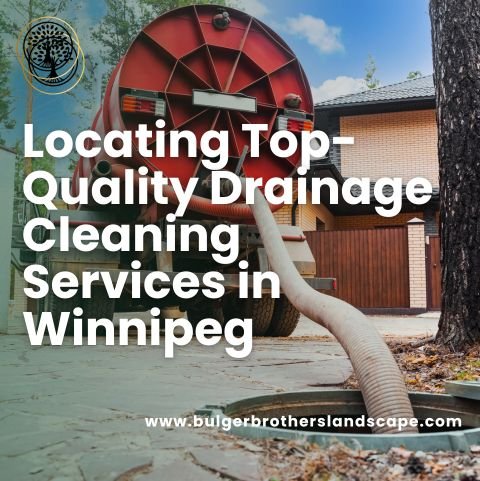
Property drainage problems strike without warning—basement flooding during spring thaw, backed-up floor drains after heavy rain, or sluggish water flow signaling developing clogs. These urgent situations demand immediate professional attention from qualified technicians who understand drainage systems and deliver effective solutions. Searching for the best drainage cleaning services near you becomes critical when water damage threatens your property, landscaping suffers from poor drainage, or recurring backups disrupt daily life.
Bulger Brothers Landscape provides comprehensive drainage solutions for Winnipeg properties, combining advanced equipment with experienced technicians who diagnose problems accurately and implement lasting repairs. Quality drainage cleaning services extend beyond simple pipe clearing—they identify underlying causes, prevent future problems, and protect your property from water damage.
Key Takeaways
Professional drainage cleaning services prevent costly water damage, foundation problems, and landscape erosion
Top providers use camera inspection technology diagnosing issues accurately before recommending solutions
Service quality varies dramatically—proper licensing, insurance, and modern equipment separate professionals from inadequate operators
Preventive maintenance programs cost less than emergency repairs while protecting property value
Local Winnipeg expertise matters because regional soil conditions, climate patterns, and municipal systems create unique drainage challenges
Early intervention for drainage problems prevents minor issues from becoming expensive disasters
Overview
This comprehensive guide helps Winnipeg property owners identify and select the best drainage cleaning services for their specific needs. You'll discover what distinguishes superior providers from mediocre operations, learn critical questions to ask during initial consultations, and understand pricing structures helping you evaluate quotes fairly.
We'll explore common drainage problems affecting Winnipeg properties, explain modern diagnostic technologies professional services employ, and outline preventive strategies minimizing future drainage issues. The guide covers warning signs indicating you need professional help, discusses when DIY approaches work versus situations demanding expert intervention, and provides selection criteria ensuring you hire qualified professionals.
The FAQ section addresses homeowner concerns about service costs, repair timelines, and long-term drainage system maintenance. Bulger Brothers Landscape brings extensive drainage management experience to residential and commercial properties throughout Winnipeg, delivering solutions that address root causes rather than just treating symptoms.
Understanding Drainage Cleaning Services
What Professional Drainage Cleaning Involves
Professional drainage cleaning encompasses comprehensive assessment, cleaning, and repair of water management systems protecting properties from moisture damage. Services address foundation drains, downspout systems, French drains, catch basins, sump pump discharge lines, and landscape drainage features. Technicians use specialized equipment clearing blockages, removing accumulated sediment, and restoring proper water flow.
Modern drainage cleaning employs camera inspection technology allowing visual assessment of pipe conditions without excavation. These small waterproof cameras travel through drainage systems transmitting live video showing blockage locations, pipe damage, root intrusions, and structural problems. This diagnostic approach prevents unnecessary digging while targeting repairs precisely where needed.
High-pressure water jetting clears stubborn blockages that manual methods can't address. Specialized nozzles spray water at pressures reaching 3,000-4,000 PSI, cutting through grease buildup, mineral deposits, tree roots, and compacted debris. This cleaning method thoroughly scours pipe interiors without damaging drainage infrastructure when performed by trained professionals.
Common Drainage Problems in Winnipeg
Clay soil prevalent throughout Winnipeg creates unique drainage challenges. Dense clay expands when wet and contracts during dry periods, placing pressure on drainage pipes and foundation systems. According to the City of Winnipeg, proper drainage management is critical for protecting residential foundations from moisture infiltration and structural damage.
Freeze-thaw cycles common during Manitoba springs stress drainage systems. Ice blockages develop when water freezes in pipes or catch basins, preventing spring runoff from draining properly. Expanding ice can crack pipes, damage fittings, and compromise drainage infrastructure requiring professional repair.
Tree root infiltration affects older properties where mature trees grow near drainage lines. Roots seek moisture and nutrients, penetrating pipe joints and growing inside drainage systems. These root masses trap debris, reduce flow capacity, and eventually cause complete blockages demanding professional cleaning or pipe replacement.
Why DIY Methods Often Fall Short
Consumer drain cleaning products rarely address drainage system problems effectively. Chemical cleaners work for household plumbing clogs but don't penetrate foundation drains, French drains, or exterior drainage systems. These products can damage pipes through chemical reactions while failing to remove blockages causing drainage failures.
Manual rodding attempts using consumer equipment lack the power and reach needed for exterior drainage systems. Foundation drains and perimeter systems extend dozens of feet requiring commercial-grade equipment. Homeowner tools might clear the first few feet but leave blockages deeper in systems causing continued drainage problems.
Without proper diagnostic equipment, DIY approaches address symptoms rather than underlying causes. You might temporarily improve drainage without identifying why blockages occurred—root intrusion, pipe damage, improper slope, or system design flaws. Professional services diagnose root causes implementing solutions preventing recurring problems.
Identifying Quality Drainage Service Providers
Professional Licensing and Credentials
Verify potential providers hold appropriate business licenses and trade certifications demonstrating professional competency. While general drainage work may not require specific licensing in Manitoba, plumbing connections and certain repairs do. Reputable companies maintain all necessary credentials and readily provide verification when requested.
Trade association memberships indicate commitment to industry standards and ongoing education. Organizations promoting professional development suggest providers stay current with evolving techniques, equipment, and best practices. These affiliations don't guarantee quality but signal professionalism and industry engagement.
Ask about technician training and experience levels. Drainage cleaning requires understanding system design, proper equipment operation, and problem-solving skills developed through years of field work. Companies investing in employee training and retaining experienced technicians typically deliver superior service quality.
Insurance Coverage and Liability Protection
Quality drainage service providers carry comprehensive general liability insurance protecting property owners from damage claims during service operations. Excavation work, high-pressure cleaning, and equipment operation all present property damage risks. Adequate insurance coverage—typically $2 million minimum—protects you financially if accidents occur.
Workers' compensation insurance covering all employees prevents homeowner liability if technicians suffer injuries while working on your property. Request current certificates proving active coverage before allowing work to begin. Uninsured operators expose you to potentially devastating liability claims.
Some drainage work involves excavation near foundations, utility lines, and property features. Professional services contact Manitoba's Click Before You Dig service marking underground utilities before excavation preventing dangerous and expensive utility strikes. This safety protocol demonstrates professional responsibility.
Modern Equipment and Technology Capabilities
Video camera inspection equipment represents essential diagnostic technology separating professional operations from inadequate services. High-resolution waterproof cameras reveal pipe conditions, identify blockage locations, and document damage supporting repair recommendations. Providers lacking camera equipment operate essentially blind, guessing at problems rather than diagnosing accurately.
Commercial-grade hydro-jetting equipment delivers the pressure and flow needed for thorough drainage system cleaning. Professional jetters generate 3,000-4,000+ PSI through various nozzle configurations addressing different blockage types. Consumer pressure washers and basic rodding equipment can't match commercial jetting effectiveness.
Locating equipment using camera transmitters or ground-penetrating radar finds pipes buried underground without exploratory digging. This technology minimizes excavation costs and property disruption by pinpointing exact pipe locations, depths, and directions. Advanced providers invest in these tools delivering more accurate, less invasive service.
Customer Reviews and Reputation
Research provider reputations through online reviews on Google, Facebook, and local business directories. Consistent positive feedback across many reviews indicates reliable service quality over time. Pay attention to how companies respond to negative reviews—professional, constructive responses demonstrate customer service commitment even when problems occur.
Request references from recent customers who experienced similar drainage issues. Speaking directly with past clients provides insights beyond written reviews—ask about service quality, technician professionalism, pricing transparency, and whether problems were solved permanently or returned requiring additional service.
Local reputation matters particularly for drainage services because Manitoba's unique conditions require regional expertise. Providers successfully serving Winnipeg properties for years understand local soil conditions, common drainage challenges, and effective solutions. Understanding commercial snow removal services near me and other seasonal maintenance needs shows how comprehensive property service providers develop deep local knowledge benefiting all service areas.
Critical Questions to Ask Potential Providers
Diagnostic Procedures and Assessment Methods
Ask how providers diagnose drainage problems before recommending solutions. Quality services begin with thorough assessments—camera inspections revealing pipe conditions, flow testing measuring drainage capacity, and site evaluations identifying contributing factors. Beware companies offering solutions without proper diagnosis—they're guessing rather than solving.
Inquire whether camera inspection costs are included in service quotes or charged separately. Some providers include basic camera work in diagnostic fees while charging for extensive video documentation or locating services. Understanding fee structures prevents surprise charges when receiving final bills.
Request detailed explanations of identified problems. Professional technicians translate camera footage and diagnostic results into clear explanations homeowners understand. They should describe blockage locations, show you video evidence, explain why problems developed, and outline solution options with associated costs.
Solution Options and Repair Approaches
Quality providers present multiple solution options when possible—immediate clearing for urgent situations, comprehensive cleaning addressing system-wide issues, or permanent repairs fixing underlying problems. This range allows you to choose approaches matching your budget and long-term property plans.
Ask whether recommended solutions address root causes or just treat symptoms. Clearing a blockage provides temporary relief but doesn't prevent recurrence if underlying issues remain. Professional services identify why drainage fails and recommend permanent solutions even if they cost more initially.
Discuss warranty coverage for completed work. Reputable companies stand behind their services—typically guaranteeing cleared drains remain functional for specified periods, often 30-90 days. Longer warranties or permanent repair guarantees indicate confidence in service quality and solution effectiveness.
Pricing Structures and Cost Transparency
Request detailed written estimates itemizing all costs—diagnostic fees, cleaning services, repair work, equipment charges, and any additional fees. Transparent pricing prevents surprise charges and allows accurate comparisons between providers. Beware companies offering vague estimates or refusing to provide written quotes.
Understand whether quotes represent fixed prices or estimates subject to change. Some drainage problems reveal additional issues once cleaning begins. Discuss how providers handle unexpected complications—do they contact you before proceeding with additional work, or assume authorization for extra repairs?
Ask about emergency service charges versus standard rates. Drainage failures often occur during evenings, weekends, or holidays when urgent response prevents water damage. Emergency service typically costs 50-100% more than regular rates. Knowing these premiums helps you evaluate whether situations truly demand immediate attention or can wait for regular business hours.
Service Timeline and Scheduling
Inquire about service availability and typical response times. How quickly can providers schedule initial assessments? What timeframes apply for completing recommended work? During spring thaw or heavy rain periods when drainage problems peak, quality providers may have 1-2 week wait times for non-emergency work.
Discuss project duration estimates for recommended work. Simple drain cleaning might complete in 2-4 hours, while comprehensive repairs involving excavation could span several days. Understanding timelines helps you plan accordingly—arranging time off work, coordinating with contractors performing related repairs, or preparing properties for service disruptions.
Ask about seasonal considerations affecting service delivery. Some drainage repairs require dry weather or unfrozen ground. Providers should explain optimal timing for different repair types helping you schedule work during appropriate conditions. Similar to understanding how much does residential snow plowing cost for winter planning, knowing seasonal drainage service considerations supports better property maintenance timing.
Common Drainage Issues and Solutions
Foundation Drain Problems
Foundation drainage systems, often called weeping tile, prevent water accumulation around building foundations. These perforated pipes installed during construction collect groundwater and direct it away from structures. When foundation drains fail, basements flood, walls develop moisture problems, and structural damage occurs.
Clay soil surrounding drains gradually infiltrates through perforations, reducing pipe capacity and eventually causing complete blockages. Sediment accumulation happens slowly over decades—properties built 30+ years ago often need foundation drain cleaning or replacement. Camera inspection reveals whether cleaning restores function or pipe replacement is necessary.
Tree roots penetrate foundation drains seeking moisture, particularly during dry summers. Root masses grow inside pipes creating blockages that trap sediment and debris. Hydro-jetting can clear small root intrusions, but extensive root damage may require pipe replacement or installation of root barriers preventing future infiltration.
Surface Drainage Failures
Poor yard grading causes surface water to pool near foundations rather than draining away from structures. Manitoba's clay soil doesn't absorb water readily, so proper slope becomes critical for directing runoff to appropriate drainage paths. Properties should slope away from foundations at minimum 1-2% grades.
Catch basins and area drains collect surface water, conveying it through underground pipes to municipal storm sewers or drainage ditches. These features require periodic cleaning removing accumulated sediment, leaves, and debris. Neglected catch basins overflow during heavy rains causing localized flooding and landscape damage.
Downspout discharge problems contribute to foundation moisture issues when water concentrates near buildings. Downspouts should direct water at least 6-10 feet from foundations through underground discharge lines or above-ground extensions. Clogged or disconnected discharge lines allow water to pond near foundations causing basement seepage.
French Drain Maintenance Needs
French drains—gravel-filled trenches containing perforated pipe—manage groundwater in landscapes, prevent soggy lawns, and protect structures from moisture. These systems accumulate sediment over time as soil particles wash into gravel and pipes. Regular cleaning every 5-10 years maintains proper function.
Surface intrusions from landscaping activities, soil settlement, or construction damage French drain systems. Fabric barriers separating gravel from soil deteriorate allowing soil infiltration. Camera inspection identifies damage locations allowing targeted repairs rather than complete system replacement.
Outlet problems where French drains discharge water often cause system failures. Outlets might become blocked with debris, freeze during winter, or disconnect from discharge lines. Bulger Brothers Landscape examines complete drainage systems from collection points through discharge outlets ensuring all components function properly.
Sump Pump System Issues
Sump pump discharge lines carry basement water away from foundations to appropriate drainage points. These lines frequently develop ice blockages during winter freeze-thaw cycles. Frozen discharge lines cause pump failures and basement flooding requiring emergency clearing.
Discharge line routing affects system reliability. Lines should slope continuously downward preventing water from settling and freezing. They should discharge far enough from foundations that water doesn't return to problem areas. Professional services evaluate discharge routing recommending improvements preventing seasonal failures.
Check valve failures allow water to flow backward into sumps after pumps stop, causing excessive cycling and premature pump wear. Drainage service providers test check valves ensuring proper operation and replace faulty components preventing system failures during critical periods.
Preventive Maintenance Programs
Regular Inspection Benefits
Scheduled drainage system inspections identify developing problems before they cause damage. Annual or biennial camera inspections reveal accumulating sediment, early root intrusion, or deteriorating pipe conditions allowing intervention before complete failures occur. Preventive maintenance costs far less than emergency repairs and water damage restoration.
Inspection programs document system conditions over time creating maintenance histories. This documentation helps property owners understand drainage system lifecycles, budget for eventual replacements, and track effectiveness of cleaning services. Professional providers maintain these records offering convenient access to historical service information.
Spring inspections after winter freeze-thaw cycles check for ice damage, while fall inspections before wet season ensure systems prepare for heavy runoff periods. Seasonal inspection timing addresses specific concerns related to Winnipeg's climate patterns and drainage stress periods.
Cleaning Frequency Recommendations
Foundation drains in properties with mature trees benefit from cleaning every 3-5 years preventing root intrusion problems. Properties without nearby trees might extend intervals to 5-10 years. Actual frequency depends on soil conditions, system age, and historical performance.
Catch basins and surface drains require annual cleaning removing accumulated debris before spring runoff and summer storms. These accessible features allow quick maintenance preventing overflow problems during peak drainage demand periods. Regular cleaning takes minutes preventing hours of flood cleanup.
French drains typically need attention every 5-10 years depending on sediment load and system design. Properties in high-sediment areas or those receiving runoff from large drainage areas require more frequent service. Camera inspection between cleanings reveals whether schedules need adjustment.
Cost Savings Through Prevention
Preventive drainage maintenance costs $200-$500 annually for comprehensive inspection and cleaning programs covering typical residential properties. Emergency repairs during flooding events cost $1,000-$5,000+ plus water damage restoration expenses often reaching tens of thousands. The dramatic cost difference makes preventive programs excellent investments.
Water damage from drainage failures ruins basement finishes, damages stored belongings, promotes mold growth requiring expensive remediation, and can compromise structural integrity. Insurance claims for water damage increase premiums and may not cover flooding from drainage system failures. Preventing damage through proper maintenance protects both immediate finances and long-term costs.
Property value preservation represents another preventive maintenance benefit. Properties with documented drainage problems sell for less than comparable homes with functional systems. Maintenance records showing professional care attract buyers and support asking prices during sales.
Evaluating Service Quotes and Proposals
Understanding Pricing Components
Diagnostic fees for camera inspection and system assessment typically range from $150-$400 depending on system complexity and property size. Some providers credit diagnostic fees toward repair costs if you proceed with recommended work. This fee structure encourages thorough assessment while remaining fair if you choose different providers for actual repairs.
Cleaning services using hydro-jetting cost $300-$800 for standard residential foundation drains depending on system length and blockage severity. Simple sediment removal costs less than root cutting or extensive buildup requiring multiple cleaning passes. Providers should explain pricing variables helping you understand quoted costs.
Excavation and repair work involving pipe replacement costs significantly more—typically $1,500-$5,000+ depending on access difficulty, pipe depth, and replacement length needed. These projects require permits, utility location, proper drainage materials, and skilled installation. Understanding why repairs cost more than cleaning helps evaluate whether quotes seem reasonable.
Comparing Multiple Estimates
Obtain quotes from at least three qualified providers comparing not just prices but service scopes, solution approaches, and warranty terms. Lowest quotes aren't always best values—inadequate diagnosis, inferior materials, or incomplete solutions ultimately cost more through recurring problems or additional repairs.
Evaluate whether proposals address identified problems comprehensively or just treat immediate symptoms. Quality providers explain their recommended approaches, discuss alternative options with associated costs, and help you understand trade-offs between immediate fixes and permanent solutions.
Request references from providers offering substantially different solutions or prices. These conversations reveal whether approaches reflect different service philosophies, varied diagnosis interpretations, or actual quality differences. Understanding residential snow removal services near me and other property services shows how comprehensive providers develop holistic property care approaches potentially affecting drainage service recommendations.
Red Flags Indicating Poor Service
Beware providers offering diagnoses without camera inspection or proper assessment. Recommending expensive repairs without visual evidence suggests either guessing or dishonest practices. Quality providers never recommend major work without showing you evidence supporting their recommendations.
Pressure tactics demanding immediate decisions or claiming limited-time pricing create urgency preventing careful evaluation. Legitimate drainage problems rarely require instant decisions—even urgent situations allow time for basic research and quote comparison. High-pressure sales suggest questionable business practices.
Vague or incomplete written estimates lacking detail about specific work performed, materials used, or warranty terms indicate unprofessional operations. Quality providers present clear, comprehensive proposals you can evaluate thoroughly and compare against competitor offerings.
For Winnipeg property owners facing drainage challenges, Bulger Brothers Landscape provides comprehensive solutions from initial diagnosis through permanent repairs. Our team at 7 Leeward Pl, Winnipeg, MB R3X 1M6 uses advanced camera inspection technology, commercial-grade cleaning equipment, and years of local experience delivering effective drainage solutions. Contact us at (204) 782-0313 to schedule assessments, discuss your specific drainage concerns, and receive detailed proposals addressing both immediate problems and long-term property protection.
Conclusion
Locating the best drainage cleaning services near you protects Winnipeg properties from water damage, foundation problems, and costly emergency repairs. Quality providers combine advanced diagnostic technology, commercial-grade cleaning equipment, and experienced technicians delivering solutions addressing root causes rather than just treating symptoms. The selection process—researching providers, verifying credentials, comparing proposals, and evaluating service approaches—requires effort but yields substantial returns through effective problem resolution and long-term drainage system health.
Professional drainage services provide value extending beyond immediate blockage clearing. Comprehensive assessments identify underlying issues, preventive maintenance programs minimize future problems, and warranty coverage demonstrates service quality confidence. While drainage cleaning costs require budget consideration, professional services represent sound investments protecting property values, preventing water damage, and maintaining safe, dry homes throughout Manitoba's wet seasons.
Choose Bulger Brothers Landscape for drainage cleaning services combining modern technology, local expertise, and commitment to permanent solutions—keeping your Winnipeg property dry, protected, and properly maintained year-round.
FAQs
Q: How do I find the best drainage cleaning services in my Winnipeg area?
A: Start by searching online for "best drainage cleaning services near me" and reviewing customer feedback on Google, Facebook, and local directories. Look for providers with consistent positive reviews, modern equipment including camera inspection capabilities, and comprehensive insurance coverage. Request quotes from multiple companies comparing not just prices but also diagnostic approaches, proposed solutions, and warranty terms. Ask neighbors and local property managers for recommendations—personal referrals often identify reliable providers. Verify licensing, insurance, and professional credentials before hiring. The best services combine advanced technology, experienced technicians, and transparent communication throughout assessment and repair processes.
Q: What should the best drainage cleaning services include?
A: Top-quality services begin with camera inspection diagnosing problems accurately before recommending solutions. They should include high-pressure hydro-jetting clearing blockages thoroughly, detailed explanations of identified problems with visual evidence, multiple solution options matching different budgets and property needs, and warranty coverage for completed work. Professional services address root causes rather than just clearing immediate blockages. They provide written estimates, maintain proper insurance coverage, and employ experienced technicians using commercial-grade equipment. The best providers offer preventive maintenance programs and follow-up services ensuring long-term drainage system health.
Q: How much do professional drainage cleaning services cost in Winnipeg?
A: Drainage cleaning costs vary based on problem complexity and system type. Camera inspections typically cost $150-$400, often credited toward repair work. Hydro-jetting foundation drains ranges from $300-$800 for standard residential systems. Catch basin cleaning costs $100-$200 per basin. Extensive repairs involving excavation and pipe replacement run $1,500-$5,000+ depending on scope. Emergency services during flooding situations command premium rates, often 50-100% above standard pricing. Preventive maintenance programs cost $200-$500 annually but save thousands in potential emergency repairs and water damage. Request detailed written estimates comparing pricing across multiple qualified providers.
Q: When should I call professional drainage cleaning services?
A: Contact professionals immediately when experiencing basement flooding, standing water near foundations, sewage backups, or soggy areas in yards despite dry weather. Other warning signs include slow-draining floor drains, musty odors in basements, foundation cracks with moisture, or excessive sump pump cycling. Don't wait for complete failures—early intervention prevents extensive water damage. Schedule preventive inspections every 3-5 years for foundation drains, annually for catch basins, and after major weather events or nearby construction. Spring inspections after freeze-thaw cycles and fall assessments before rainy seasons help identify problems before peak drainage demand periods.
Q: Can I clean drainage systems myself or do I need professionals?
A: Surface-level maintenance like clearing catch basin grates or cleaning downspout outlets works for DIY approaches. However, foundation drains, French drains, and buried drainage systems require professional equipment and expertise. Consumer drain cleaners don't work on exterior drainage systems, and manual rodding tools lack the reach and power needed. Without camera inspection equipment, you can't diagnose problems accurately or verify cleaning effectiveness. Improper DIY attempts can damage pipes, waste money on ineffective approaches, and delay proper solutions allowing water damage to worsen. For anything beyond basic surface cleaning, professional services deliver better results and protect your property investment.
Q: What causes drainage systems to fail in Winnipeg?
A: Winnipeg's clay soil gradually infiltrates drainage pipes through perforations, reducing capacity over time. Freeze-thaw cycles create ice blockages and can crack pipes or fittings. Tree roots seeking moisture penetrate pipe joints growing inside systems and trapping debris. Sediment accumulation from soil erosion, construction activities, or landscape runoff clogs pipes and catch basins. Poor initial installation with inadequate slope prevents proper drainage. Age-related deterioration affects systems installed decades ago using materials less durable than modern options. According to Environment and Climate Change Canada, Manitoba's climate patterns create unique challenges requiring region-specific drainage solutions.
Q: How long does professional drainage cleaning take?
A: Simple camera inspections take 1-2 hours depending on system complexity. Hydro-jetting foundation drains typically requires 2-4 hours for complete cleaning. Catch basin cleaning takes 30-60 minutes per basin. Extensive repairs involving excavation span 1-3 days depending on scope and weather conditions. Emergency services during active flooding receive priority response—quality providers often arrive within 2-4 hours of emergency calls. Schedule non-emergency work allowing flexible timing accommodating provider schedules and weather considerations. Some repairs require dry conditions or unfrozen ground affecting scheduling during certain seasons.
Q: Do drainage cleaning services offer warranties or guarantees?
A: Reputable providers warranty cleared drains for specific periods—typically 30-90 days—guaranteeing systems remain functional. If blockages recur within warranty periods, providers return to re-clean at no additional charge. Repair work involving pipe replacement or system modifications often carries longer warranties of 1-5 years depending on work scope. Warranty terms should appear in written estimates and final contracts. Understand warranty limitations—some exclude damage from tree roots, ground movement, or new construction activities. Quality warranties demonstrate provider confidence in their work and commitment to customer satisfaction.
Q: What's the difference between drainage cleaning and drain cleaning?
A: Drainage cleaning addresses exterior systems managing groundwater and surface water—foundation drains, French drains, catch basins, and yard drainage features. Drain cleaning typically refers to interior household plumbing—kitchen sinks, bathroom drains, and sewer lines. Different equipment, techniques, and expertise apply to each service type. Some companies specialize in one area while others offer both services. When searching for "best drainage cleaning services near me," specify whether you need exterior drainage work or interior plumbing services. Providers like Bulger Brothers Landscape focus on exterior drainage and landscape water management rather than household plumbing.
Q: How often should I have drainage systems professionally cleaned?
A: Foundation drains benefit from cleaning every 3-10 years depending on tree proximity, soil conditions, and system age. Properties with mature trees nearby need more frequent service (every 3-5 years) preventing root intrusion. Catch basins require annual cleaning removing accumulated debris. French drains typically need attention every 5-10 years. Sump pump discharge lines deserve inspection and cleaning every 2-3 years. Actual frequency depends on performance history—if problems recur frequently, increase cleaning frequency. Preventive maintenance programs customized to your property provide optimal service timing. Similar to understanding how much does snow removal cost per hour for winter budgeting, knowing drainage maintenance cycles helps long-term property care planning.