

Quality Landscaping and Water Features: Creating Stunning Winnipeg Outdoor Spaces
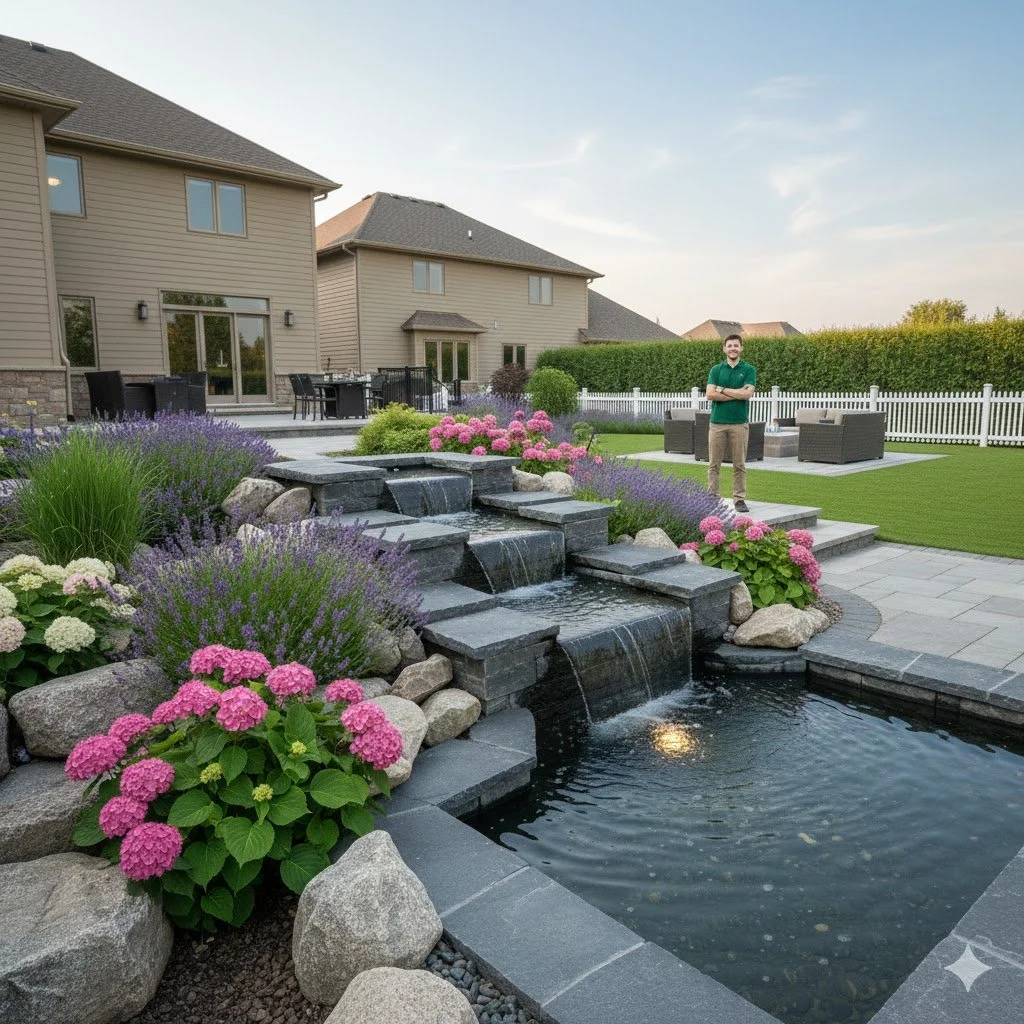
Transforming ordinary yards into extraordinary outdoor environments requires more than basic plantings and occasional mowing. Quality landscaping and water features combine to create compelling spaces that enhance property values while providing daily enjoyment and functional outdoor living areas. The integration of professional landscape design with thoughtfully placed water elements elevates properties from standard to spectacular, making homes stand out while offering peaceful retreats from daily stress.
Many homeowners dream of backyards featuring soothing fountains, naturalistic ponds, or elegant waterfalls but struggle to visualize how these elements fit into cohesive landscape plans. Bulger Brothers Landscape specializes in creating comprehensive outdoor environments where water features integrate seamlessly with plantings, hardscaping, and functional elements. Our approach considers your property's unique characteristics while incorporating your vision into designs that perform beautifully throughout Manitoba's challenging climate.
Key Takeaways
Quality landscaping and water features create cohesive outdoor environments that significantly increase property values and enjoyment
Professional design ensures water elements integrate harmoniously with plantings, hardscaping, and architectural features
Proper installation prevents common problems like leaks, algae growth, pump failures, and winter damage
Multiple water feature types suit different aesthetic preferences, budget levels, and maintenance commitments
Manitoba's climate requires specific design considerations ensuring water features withstand freeze-thaw cycles
Expert planning addresses technical requirements including electrical supply, water sources, drainage, and seasonal maintenance
Overview
This comprehensive guide explores quality landscaping and water features, examining how professional designers create outdoor spaces where water elements enhance overall landscape beauty while functioning reliably. You'll discover different water feature types available, understand design principles that create successful installations, and learn what separates amateur attempts from professional results that last decades.
We examine technical considerations affecting water feature performance, discuss integration strategies that create cohesive landscapes, and explain maintenance requirements keeping features beautiful year-round. Whether you're planning complete landscape renovations or adding water features to existing yards, understanding professional approaches helps you make informed decisions. This guide addresses common concerns homeowners face, explains cost factors, and provides insights that help you work effectively with landscape professionals like Bulger Brothers Landscape who deliver exceptional results.
The Powerful Impact of Water in Landscape Design
Water features transform landscapes through sensory experiences that plantings alone cannot provide. The sight of moving water, sounds of flowing streams or splashing fountains, and reflections dancing on pond surfaces create multi-dimensional experiences that engage visitors and provide calming focal points.
Visual Interest and Movement
Static landscapes, regardless of plant quality, can feel flat and uninspiring. Water introduces motion that constantly changes, drawing eyes and creating dynamic focal points. Reflections double visual impact, making gardens appear larger while adding depth and interest. According to Canadian Nursery Landscape Association, water features rank among the most impactful landscape elements for creating memorable outdoor spaces.
Professional designers position water features where they provide maximum visual impact from key viewing locations including patios, windows, and entry paths. Strategic placement ensures features enhance rather than dominate landscapes while creating smooth visual flow throughout properties.
Auditory Benefits and Stress Reduction
The sound of moving water masks traffic noise, creates privacy through acoustic screening, and provides relaxation benefits documented in numerous wellness studies. Fountains, waterfalls, and streams produce varying sound levels and qualities, allowing designers to select features matching your preferences and site conditions.
Gentle trickling suits intimate spaces and close proximity to living areas, while more dramatic cascades create pronounced sounds that carry farther and provide stronger acoustic screening. Professional designers balance sound levels with surroundings, ensuring water features enhance rather than overwhelm.
Wildlife Attraction and Ecosystem Benefits
Water features attract birds, butterflies, and beneficial insects, creating vibrant ecosystems that enhance garden interest while supporting local wildlife. Ponds especially provide habitat for frogs, dragonflies, and various beneficial creatures. These ecological benefits appeal to environmentally conscious homeowners while adding another dimension to landscape enjoyment.
Designers can incorporate specific elements that maximize wildlife benefits including shallow bathing areas for birds, varied depth zones in ponds, and native plantings surrounding water features that provide food and shelter.
Different Water Feature Types and Their Applications
Quality landscaping and water features encompass numerous options, each offering distinct aesthetics, maintenance requirements, and budget implications.
Fountains and Bubblers
Self-contained fountains represent the simplest water feature category, requiring minimal installation while providing immediate impact. These features recirculate water through closed systems, eliminating the need for continuous water supplies. Fountains range from formal tiered designs to natural boulder arrangements with water bubbling from centers.
Container Fountains use decorative pots or urns, making them perfect for small spaces, patios, or entry areas. These portable options allow seasonal repositioning and simplified winter storage.
Bubbler Features create subtle water movement through stones or decorative objects, providing contemporary aesthetics with minimal maintenance. The gentle sound suits properties where dramatic water noise would feel excessive.
Tiered Fountains offer classical elegance, working well with traditional architecture. Multiple levels create pleasant cascading sounds while providing strong vertical elements in landscapes.
Pondless Waterfalls and Streams
Pondless features combine waterfall or stream aesthetics with reduced maintenance and safety concerns. Water disappears into gravel-filled reservoirs rather than collecting in open ponds, eliminating drowning hazards, reducing algae problems, and minimizing mosquito breeding.
These features work exceptionally well for properties with children or pets where open water raises concerns. They also suit homeowners wanting water feature aesthetics without pond maintenance commitments. Bulger Brothers Landscape frequently recommends pondless systems for their balance of impact and practicality.
Installation involves excavating reservoirs, installing pumps and plumbing, constructing waterfalls or stream courses with natural stone, and creating surrounding landscapes that integrate features seamlessly. Professional construction ensures proper sizing, reliable operation, and natural appearances.
Garden Ponds and Koi Ponds
Traditional ponds create self-contained aquatic ecosystems supporting plants, fish, and wildlife. These features range from small decorative ponds to elaborate koi installations with sophisticated filtration systems.
Small Garden Ponds (50-500 gallons) provide water feature benefits in compact spaces. These installations support water plants and perhaps a few goldfish, creating attractive focal points without extensive maintenance.
Medium Ponds (500-2,000 gallons) offer greater design flexibility, supporting more elaborate plantings and larger fish populations. These sizes balance impact with manageable maintenance requirements.
Koi Ponds require specialized design and filtration supporting these prized fish. Proper koi ponds include adequate depth (3-4 feet minimum), professional-grade filtration, aeration systems, and protection from predators. These premium installations demand significant investment and ongoing maintenance but provide unmatched beauty and interest.
According to Landscape Ontario, well-designed ponds integrate water, stone, and plantings into naturalistic compositions that look established quickly while performing reliably for decades.
Formal Water Features
Geometric pools, reflecting pools, and architectural fountains suit contemporary or formal landscapes. These features emphasize clean lines, precise proportions, and often incorporate modern materials like concrete, metal, or glass.
Formal features require exacting installation ensuring level surfaces, straight edges, and perfect symmetry. Professional construction becomes particularly critical for these styles where any imperfections show obviously.
Natural Swimming Ponds
These innovative features combine swimming pool functionality with natural aesthetics and ecological benefits. Natural swimming ponds use biological filtration through planted regeneration zones rather than chemicals, creating chemical-free swimming experiences integrated into landscapes naturally.
While requiring larger areas and higher initial investments, natural pools appeal to environmentally conscious homeowners wanting swimming facilities that enhance rather than dominate landscapes. Manitoba's climate allows seasonal use similar to traditional pools but with superior aesthetics and environmental benefits.
Design Principles for Successful Water Feature Integration
Quality landscaping and water features succeed when elements work together harmoniously rather than appearing as disconnected additions.
Scale and Proportion Considerations
Water features must relate appropriately to surrounding spaces and overall property sizes. Oversized features dominate small yards awkwardly, while undersized installations get lost in large landscapes. Professional designers calculate proportions ensuring features provide impact without overwhelming.
The relationship between water features and nearby elements matters significantly. Waterfalls should relate logically to surrounding topography, ponds should fit naturally into settings, and fountains should complement nearby architecture and plantings.
Style Consistency and Aesthetic Harmony
Water feature design should complement home architecture and existing landscape character. Contemporary homes benefit from geometric water features with clean lines, while traditional properties suit naturalistic ponds and classical fountains. Rustic settings accommodate weathered stone and informal arrangements.
Material selections reinforce style consistency. Natural stone creates organic feels, while cut stone or concrete suits formal designs. Metal, glass, or composite materials support modern aesthetics. Bulger Brothers Landscape selects materials that harmonize with existing landscape elements and architectural features.
Viewing Perspectives and Sight Lines
Professional designers consider where and how people will experience water features. Primary viewing locations from patios, living areas, or entry paths receive priority when positioning features. Designers also consider views from multiple angles, ensuring features look attractive from all directions rather than just single perspectives.
Lighting design extends water feature enjoyment into evening hours while creating dramatic effects. Underwater lights, uplighting on waterfalls, and accent lighting on surrounding plantings transform features after dark.
Integration with Hardscaping and Plantings
Water features work best integrated into complete landscape compositions rather than standing alone. Surrounding plantings frame features, soften edges, and create natural transitions. Hardscaping elements like patios, walkways, or seating areas near water features encourage interaction and enjoyment.
Plants selected for water feature areas should tolerate moisture while providing appropriate scale and seasonal interest. Designers balance moisture-loving specimens near water with drought-tolerant plantings in surrounding areas, creating diverse plantings that thrive.
Technical Considerations for Reliable Performance
Successful quality landscaping and water features require addressing multiple technical factors affecting long-term performance.
Water Supply and Plumbing
Most water features need initial water supplies and occasional refilling compensating for evaporation. Designers plan convenient water access, sometimes installing dedicated supply lines. Automatic fill systems maintain consistent water levels, preventing pump damage from low water conditions.
Circulation systems require properly sized pumps moving adequate water volumes. Undersized pumps fail to create desired effects, while oversized units waste energy and create excessive turbulence. Professional designers specify appropriate equipment based on feature size, desired flow rates, and elevation changes.
Electrical Requirements and Safety
Water features require electrical power for pumps, lighting, and sometimes filtration equipment. Professional installation includes proper electrical service meeting safety codes. Ground Fault Circuit Interrupters (GFCI) protect against electrical hazards, while weatherproof components ensure reliable operation.
According to Electrical Safety Authority, outdoor water feature electrical work requires licensed professionals ensuring installations meet safety standards. Amateur electrical work creates serious hazards and violates building codes.
Filtration and Water Quality
Ponds require filtration maintaining water clarity and supporting fish health. Mechanical filtration removes debris, while biological filtration processes fish waste and organic matter. UV clarifiers control algae growth, maintaining clear water.
Filtration system sizing depends on pond volume, fish populations, sun exposure, and desired water quality. Professional designers specify appropriate filtration preventing the green, murky water common in inadequate systems.
Winter Preparation and Seasonal Considerations
Manitoba's harsh winters require specific considerations for water feature longevity. Designers specify frost-resistant materials, proper drainage, and installation techniques preventing freeze damage.
Winterization procedures vary by feature type. Simple fountains may require complete drainage and storage, while properly constructed ponds can maintain fish through winter with appropriate depth and aeration. Professional installation includes seasonal transition planning ensuring features survive Manitoba's temperature extremes.
Common Installation Challenges and Solutions
Understanding potential problems helps homeowners appreciate value that quality landscaping and water features professionals provide.
Leak Prevention and Detection
Water feature leaks represent the most common and frustrating problems. Professional construction uses quality liners, proper sealing techniques, and tested connections preventing leaks. Installers pressure-test systems before finishing installations, catching problems when repairs remain simple.
Amateur installations frequently develop leaks from punctured liners, failed seams, or improper stone placement. These failures waste water, damage pumps, and require expensive repairs often exceeding professional installation costs.
Algae Control
Excessive algae growth turns clear water green and creates maintenance headaches. Professional designs prevent algae problems through proper filtration, appropriate pond depth, strategic shading, and balanced ecosystems. Chemical-free biological approaches using beneficial bacteria and plants create sustainable solutions.
Pump Selection and Maintenance
Choosing appropriate pumps ensures reliable operation and energy efficiency. Professional designers specify quality pumps sized correctly for specific applications. They position pumps for easy access facilitating routine maintenance.
Regular pump maintenance including cleaning intake screens and checking seals prevents failures. Professional maintenance services keep systems running optimally while identifying developing problems early.
Wildlife and Pest Management
While water features attract desirable wildlife, they may also draw unwanted visitors. Herons prey on pond fish, raccoons damage liners searching for food, and algae-eating waterfowl can create messes. Professional designers incorporate protective measures like netting, motion-activated deterrents, or strategic plantings that discourage pests while welcoming beneficial species.
Cost Factors and Investment Considerations
Understanding what influences quality landscaping and water features pricing helps homeowners budget appropriately and evaluate proposals.
Size and Complexity
Larger, more elaborate features cost more due to increased materials, labor, and equipment requirements. Simple container fountains start around $500-1,500 installed, while elaborate koi ponds can exceed $25,000-50,000. Most residential water features fall between $3,000-15,000 including professional design and installation.
Material Quality
Natural stone costs more than manufactured alternatives but provides superior durability and aesthetics. Quality pumps, filtration systems, and lighting components justify higher initial costs through reliable performance and longevity.
Site Conditions
Challenging access, poor soil, or significant grading requirements increase installation costs. Rock excavation, utility relocations, or extensive base preparation add to expenses. Professional estimates account for site-specific factors providing accurate budgets.
Long-Term Value
Quality water features increase property values significantly, often returning 100-200% of investment. Beyond financial returns, the daily enjoyment, stress reduction, and enhanced outdoor living justify investment through lifestyle improvements.
According to Canada Mortgage and Housing Corporation, well-designed water features rank among the most valuable landscape improvements, strongly influencing buyer perceptions and property appeal.
Maintenance Requirements for Lasting Beauty
Quality landscaping and water features require ongoing care maintaining performance and appearance.
Routine Maintenance Tasks
Regular maintenance includes removing debris, cleaning filters, checking water levels, and monitoring pump operation. Most homeowners handle basic tasks themselves, while professional services address technical maintenance.
Seasonal Preparation
Spring startup involves cleaning features, inspecting equipment, and restarting systems after winter. Fall winterization includes draining or preparing features for freezing temperatures. Professional maintenance services handle seasonal transitions ensuring proper procedures.
Water Quality Management
Maintaining balanced water chemistry prevents algae, supports fish health, and keeps water clear. Testing water regularly and making appropriate adjustments prevents problems. Professional services provide comprehensive water quality management for homeowners preferring expert care.
Create Your Dream Outdoor Space with Expert Design and Installation
Quality landscaping and water features transform ordinary properties into exceptional outdoor environments providing beauty, tranquility, and increased value. Bulger Brothers Landscape brings extensive experience designing and installing comprehensive landscapes where water features integrate seamlessly with plantings, hardscaping, and functional elements. Our team understands Manitoba's climate challenges, ensuring installations that perform reliably through harsh winters while looking spectacular throughout growing seasons.
From initial concept development through final installation and ongoing maintenance, we handle every aspect professionally. We listen to your vision, assess your property's unique characteristics, and develop solutions that exceed expectations while fitting your budget and lifestyle. Our commitment to quality materials, proven construction techniques, and customer satisfaction ensures water feature investments deliver lasting enjoyment.
Located at 7 Leeward Pl, Winnipeg, MB R3X 1M6, Bulger Brothers Landscape is ready to discuss your landscape and water feature project. Call (204) 782-0313 to schedule a consultation and discover how professional design creates outdoor spaces that transform daily living. We'll evaluate your property, understand your goals, and develop comprehensive plans that bring your vision to life through expert craftsmanship and attention to detail.
FAQs
Q: How much do water features typically cost?
A: Water feature costs vary dramatically based on type, size, and complexity. Simple container fountains start around $500-1,500 installed, while pondless waterfalls range from $3,000-8,000. Garden ponds typically cost $5,000-15,000, and elaborate koi ponds can exceed $20,000-50,000. Professional design fees, site preparation requirements, and material selections significantly affect final costs. Most residential installations fall between $4,000-12,000 for quality features with professional installation.
Q: Do water features require a lot of maintenance?
A: Maintenance requirements vary by feature type. Simple fountains need occasional cleaning and winter storage, requiring just a few hours annually. Pondless waterfalls demand periodic pump cleaning and debris removal, typically 2-4 hours monthly during operating seasons. Ponds with fish require more intensive care including filtration maintenance, water quality monitoring, and feeding, averaging 1-2 hours weekly. Professional maintenance services handle these tasks for homeowners preferring expert care. Bulger Brothers Landscape offers comprehensive maintenance programs keeping features performing optimally.
Q: Can water features survive Winnipeg winters?
A: Yes, properly designed and installed water features withstand Manitoba's harsh winters. Designers specify frost-resistant materials, adequate depths, and installation techniques preventing freeze damage. Winterization procedures protect features during cold months. Simple fountains require complete drainage and storage, while properly constructed ponds can maintain fish through winter with appropriate depth (3-4 feet minimum) and aeration. Professional installation ensures features incorporate necessary winter protection.
Q: Will water features attract mosquitoes?
A: Moving water features like fountains, waterfalls, and streams rarely attract mosquitoes since these pests require still water for breeding. Ponds with adequate circulation, aeration, and fish populations control mosquitoes naturally. Fish consume mosquito larvae, while water movement prevents egg laying. Stagnant water features without circulation can develop mosquito problems, but proper design eliminates this concern through adequate water movement and biological controls.
Q: How do I prevent algae in ponds?
A: Algae control requires multiple strategies working together. Proper filtration, adequate pond depth, strategic shading, and balanced ecosystems prevent excessive algae growth. Biological filtration using beneficial bacteria, UV clarifiers, and appropriate fish-to-water ratios maintain clear water naturally. Avoid overfeeding fish, limit nutrient runoff from surrounding areas, and incorporate adequate aquatic plants that compete with algae for nutrients. Professional pond design incorporates these elements creating sustainable, clear water conditions.
Q: Do water features increase property values?
A: Quality water features significantly enhance property values and buyer appeal. Real estate professionals report well-designed water features increase perceived home values by 7-15% depending on overall property quality and market conditions. Water features rank among the most impactful landscape improvements, creating memorable impressions that influence buying decisions. Beyond resale value, the daily enjoyment and outdoor living enhancement justify investment through lifestyle improvements.
Q: Can I add a water feature to my existing landscape?
A: Absolutely. Professional designers regularly incorporate water features into established landscapes, creating seamless integration that looks intentional rather than added as afterthoughts. Designers assess existing conditions, identify optimal locations, and develop plans that complement current plantings and hardscaping. Retrofitting water features may require some landscape modification, but experienced professionals minimize disruption while achieving excellent results. Many homeowners find adding water features breathes new life into tired landscapes.
Q: What's the best location for a water feature?
A: Ideal locations balance multiple factors including visibility from primary viewing areas, access to electrical service and water supply, appropriate sun/shade balance, and integration with overall landscape flow. Avoid placing ponds under large trees where falling leaves create excessive maintenance. Consider proximity to outdoor living areas for maximum enjoyment. Professional designers evaluate your property comprehensively, identifying locations that maximize impact while ensuring practical installation and maintenance access.
Q: How long does water feature installation take?
A: Installation timelines vary by project complexity. Simple fountain installations complete in 1-2 days, while pondless waterfalls typically require 3-5 days. Garden ponds need 5-10 days depending on size and features included. Elaborate koi ponds with sophisticated filtration may require 2-3 weeks. Weather, site conditions, and material availability affect schedules. Professional installers provide realistic timelines and keep homeowners informed throughout projects.
Q: Are water features environmentally friendly?
A: Water features offer environmental benefits including wildlife habitat creation, air cooling through evaporation, and ecosystem support. Modern pumps use minimal electricity, especially energy-efficient models. Properly designed ponds create balanced ecosystems requiring no chemicals while supporting diverse wildlife. Water consumption remains modest since features recirculate rather than consume water continuously. Evaporation losses typically total 1-2 inches weekly during summer, easily offset by rainfall or occasional refilling. Overall, quality landscaping and water features provide substantial environmental benefits when designed and maintained properly.