

Who Designs Gardens? Understanding Professional Garden Design Services
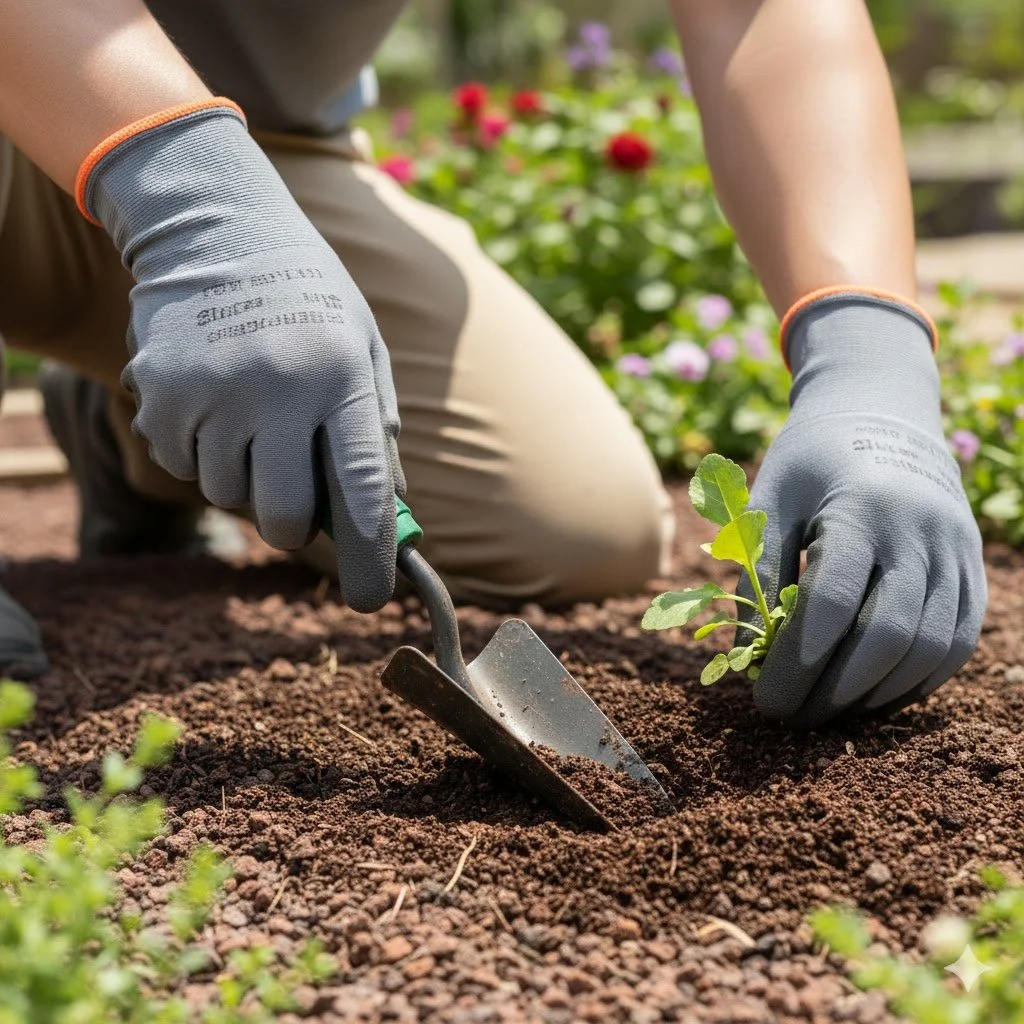
Creating beautiful, functional outdoor spaces requires expertise that goes far beyond basic planting knowledge. Many homeowners wonder who designs gardens professionally and what qualifications these specialists bring to landscape projects. The answer reveals a diverse field of professionals with varying specialties, training levels, and service offerings. Understanding these distinctions helps you select the right designer for your specific project, ensuring your garden investment delivers results matching your vision and budget.
Your outdoor space holds tremendous potential waiting to be realized through thoughtful planning and expert execution. Bulger Brothers Landscape employs skilled garden designers who transform ordinary yards into exceptional outdoor environments throughout Winnipeg. Our team combines horticultural knowledge with design creativity and practical construction expertise, delivering gardens that thrive in Manitoba's challenging climate while reflecting your personal style and functional needs.
Key Takeaways
Multiple professionals design gardens including landscape designers, landscape architects, and specialized garden designers
Landscape designers focus primarily on residential gardens, offering comprehensive planning and often installation services
Landscape architects handle larger, more complex projects requiring engineering expertise and professional licensing
Garden designers specialize in plant-focused designs, emphasizing horticulture and garden aesthetics
Choosing appropriate professionals depends on project scope, budget, and specific requirements
Professional garden design delivers superior results through trained expertise, creative vision, and practical experience
Overview
This comprehensive guide explores who designs gardens professionally, examining different specialist types, their qualifications, and what services each provides. You'll discover how landscape designers, landscape architects, and garden designers differ, learn what credentials and training separate professionals from amateurs, and understand how to select designers matching your project requirements. We examine the design process from initial consultation through implementation, discuss cost considerations, and explain why professional expertise justifies investment.
Whether you're planning complete garden renovations, creating new landscape installations, or refreshing existing plantings, understanding who designs gardens and what they offer helps you make informed decisions. This guide addresses common questions about professional credentials, explains service differences between designer types, and provides insights helping you work effectively with garden design professionals. You'll learn how Bulger Brothers Landscape approaches garden design, combining creative vision with horticultural expertise and construction capabilities that deliver complete solutions from concept through installation.
Understanding Different Garden Design Professionals
The question who designs gardens reveals multiple professional categories, each offering distinct expertise and services.
Landscape Designers
Landscape designers represent the most common professionals working on residential garden projects. These specialists focus on creating functional, attractive outdoor spaces primarily for homeowners. Most landscape designers develop expertise through combination of formal education, apprenticeships, and practical experience rather than professional licensing requirements.
Quality landscape designers understand plants, hardscaping, grading, drainage, and construction methods. They create comprehensive plans addressing aesthetics, functionality, and maintenance requirements. Many landscape designers work for design-build firms like Bulger Brothers Landscape, offering integrated services from initial concepts through final installation.
Education and Training: Landscape designers typically hold certificates, diplomas, or degrees in landscape design, horticulture, or related fields. Programs cover design principles, plant identification, construction methods, and project management. Some designers develop skills through extensive hands-on experience supplemented by continuing education.
Services Provided: Comprehensive site analysis, master planning, planting designs, hardscape layouts, material specifications, and often project management or installation oversight. Residential landscape designers handle projects ranging from simple planting plans to complete property transformations.
Project Types: Front yards, backyards, garden beds, outdoor living spaces, and complete residential landscapes typically under 5,000 square feet.
Landscape Architects
Landscape architects represent the design profession's highest credential level, holding professional licenses requiring university degrees and passing rigorous examinations. These professionals handle complex projects requiring engineering knowledge, environmental expertise, and technical proficiency beyond typical residential scope.
According to Canadian Society of Landscape Architects, landscape architects complete minimum four-year university programs plus supervised experience before licensure. Their training includes engineering principles, environmental science, urban planning, and advanced design theory.
When Landscape Architects Are Needed: Large commercial projects, public spaces, institutional campuses, projects requiring structural engineering, complex grading or drainage engineering, projects requiring professional stamp for permits, environmental restoration, and high-end residential estates.
Services Provided: Comprehensive site planning, engineering design, environmental assessments, construction documentation, specifications, permit applications, and construction administration.
Cost Implications: Landscape architects typically charge more than landscape designers, reflecting advanced education and licensing. For most residential gardens, landscape designers provide appropriate expertise at better value. However, complex properties with significant engineering challenges may justify landscape architect involvement.
Garden Designers
Garden designers specialize specifically in plant-focused designs, emphasizing horticultural expertise over hardscaping or construction elements. These professionals excel at creating beautiful planting compositions, selecting appropriate species, and designing gardens showcasing plants as primary features.
Garden designers often develop deep plant knowledge through horticultural education, botanical garden experience, or nursery backgrounds. Their expertise proves particularly valuable for perennial gardens, specialty plantings, cottage gardens, or properties where plants take priority over built elements.
Specializations: Some garden designers focus on specific garden types including cottage gardens, perennial borders, rose gardens, shade gardens, or native plant installations. Others specialize in particular styles like English gardens, contemporary plantings, or Japanese-inspired designs.
Collaboration: Garden designers frequently collaborate with landscape designers or architects on larger projects, contributing plant expertise while others handle hardscaping and engineering aspects.
DIY Garden Design
Some homeowners attempt garden design themselves, using books, online resources, or software programs. While DIY approaches save design fees, they rarely achieve professional quality results. Most homeowners lack comprehensive plant knowledge, design training, and practical experience preventing costly mistakes.
Amateur designs frequently suffer from poor plant selections, inadequate spacing, ineffective layouts, drainage problems, and maintenance issues. The money saved on design fees often gets spent correcting preventable problems or replacing failed plantings.
What Professional Garden Designers Actually Do
Understanding who designs gardens includes recognizing the comprehensive services quality professionals provide beyond simply selecting plants.
Site Analysis and Assessment
Professional designers begin by thoroughly evaluating your property's existing conditions. They examine soil quality, drainage patterns, sun exposure, wind effects, microclimates, and existing vegetation. This technical assessment identifies opportunities and constraints influencing design decisions.
Designers document views worth framing, eyesores requiring screening, traffic patterns, and functional requirements. They measure spaces accurately, note existing utilities, and photograph conditions from multiple angles. This foundation work prevents future problems while informing creative solutions.
Understanding Client Needs and Vision
Quality designers spend significant time discussing your goals, preferences, lifestyle, and budget. They ask about garden use patterns, maintenance willingness, aesthetic preferences, and long-term plans. This discovery process ensures designs reflect your needs rather than imposing designer preferences.
Bulger Brothers Landscape prioritizes understanding each client's unique situation, creating personalized gardens rather than template designs. We listen carefully, ask probing questions, and ensure complete understanding before developing concepts.
Concept Development and Design
Using information gathered, designers develop plans showing proposed layouts, plant selections, material specifications, and design features. Quality professionals present multiple concepts illustrating different approaches, allowing you to provide feedback before final designs develop.
Professional plans include:
Master Plans: Overall property layouts showing all elements and their relationships
Planting Plans: Detailed drawings specifying plant species, quantities, locations, and sizes
Hardscape Layouts: Patios, walkways, walls, and built features with dimensions and materials
Irrigation Plans: Watering system layouts ensuring adequate coverage
Lighting Plans: Outdoor lighting placement for safety and ambiance
Material and Plant Selection
Designers specify appropriate materials for hardscaping, select plant species suited to site conditions and aesthetic goals, and ensure selections work within budgets. Their expertise prevents expensive mistakes like choosing plants unsuited to Manitoba's climate or materials that won't withstand freeze-thaw cycles.
Plant selections consider mature sizes, growth rates, seasonal interest, maintenance requirements, pest resistance, and how species combine aesthetically. Professional designers create layered compositions providing year-round interest rather than brief peak seasons.
Technical Documentation
Complete designs include detailed specifications contractors follow during installation. These documents prevent misunderstandings while ensuring quality control. Professional documentation includes plant lists, construction details, grading specifications, and material requirements.
Project Management and Installation Oversight
Many designers, particularly those working for design-build firms, oversee installation ensuring designs translate accurately to finished gardens. This oversight maintains quality standards, addresses field conditions requiring adjustments, and protects your investment.
The Garden Design Process Explained
Understanding typical workflows helps you know what to expect when working with professionals who design gardens.
Initial Consultation
Most designers offer initial consultations, sometimes complimentary, where they visit your property, discuss your project, and explain their services and fees. This meeting allows you to evaluate whether specific designers fit your needs and communication style.
Come prepared with inspiration photos, budget ranges, and lists of desired features. Honest communication about expectations and constraints ensures designers can serve you effectively.
Site Survey and Analysis Phase
After engagement, designers survey your property thoroughly, taking detailed measurements and documenting existing conditions. This phase typically requires 1-2 weeks depending on property complexity.
Design Development
Designers develop initial concepts showing different approaches to your space. This creative phase usually takes 2-4 weeks. Quality designers present options rather than single solutions, incorporating your feedback to refine directions.
Design Refinement and Finalization
Based on your input, designers refine chosen concepts adding detail and resolving technical issues. They specify exact plants, materials, and construction methods. This phase produces plans contractors can follow accurately.
Implementation Planning
Final designs include installation strategies, phasing options if spreading work over time, and detailed cost estimates. Designers help you understand timelines, what work happens when, and what to expect during construction.
Qualifications and Credentials to Look For
Evaluating who designs gardens professionally requires understanding what credentials indicate quality and expertise.
Formal Education
Look for designers with certificates, diplomas, or degrees in landscape design, horticulture, landscape architecture, or related fields from recognized institutions. Formal education provides comprehensive knowledge bases and exposure to design principles.
Professional Associations
Membership in organizations like Landscape Ontario or similar professional associations indicates commitment to industry standards and continuing education. These affiliations provide resources, training, and networking supporting professional development.
Practical Experience
Years working in landscape design, installation, or maintenance provide invaluable knowledge that formal education alone cannot teach. Experienced designers understand what works in real-world conditions, recognize potential problems, and develop practical solutions.
Portfolio Quality
Reviewing completed projects reveals design styles, quality levels, and whether designers create gardens matching your preferences. Quality portfolios show varied projects demonstrating adaptability rather than repetitive formulas.
References and Reviews
Speaking with previous clients provides insights into designers' communication, reliability, and results. Online reviews offer additional perspectives, though consider overall patterns rather than individual comments.
Specializations
Some designers specialize in specific garden types, styles, or conditions. If you want cottage gardens, seek designers with relevant expertise. For challenging sites like slopes or shade, find professionals experienced with these conditions.
Cost Considerations for Professional Garden Design
Understanding typical fees helps you budget appropriately when considering who designs gardens for your property.
Design Fee Structures
Designers charge through various methods:
Hourly Rates: $75-150 per hour depending on experience and location. Hourly billing suits small consultations or minor designs.
Flat Fees: Fixed prices for complete design services, typically $1,500-5,000 for residential properties. Flat fees provide cost certainty and often deliver better value for complete projects.
Percentage of Installation: Some designers charge 10-15% of installation costs. This approach aligns designer compensation with project scope.
Complimentary Design: Design-build firms sometimes offer free or reduced design fees when clients proceed with installation. Bulger Brothers Landscape provides design services as part of our comprehensive landscape solutions, ensuring seamless transitions from concepts to finished gardens.
Value Professional Design Provides
Quality design prevents expensive mistakes, creates cohesive attractive results, and often saves money through efficient layouts and appropriate material selections. The investment typically represents 5-10% of total project costs but significantly impacts final results.
Designers' plant knowledge prevents choosing species that fail in your conditions, requiring replacement. Their expertise with construction prevents drainage problems, settling hardscaping, or structural failures costing far more to correct than design fees.
Phasing and Budget Management
Professional designers create plans that can implement in phases, allowing you to spread costs while ensuring each phase fits overall visions. This flexibility makes larger projects achievable without compromising final results.
Questions to Ask When Hiring Garden Designers
Selecting who designs gardens for your property requires asking questions that reveal whether specific professionals suit your needs.
Experience and Qualifications
What education and training do you have?
How long have you designed gardens professionally?
Do you hold any professional certifications or memberships?
Have you designed gardens similar to what I'm envisioning?
Design Process and Services
What does your design process involve?
How many revisions are included?
Do you provide planting plans and specifications?
Will you oversee installation or just provide designs?
Project Management
What's your typical timeline from consultation to completed design?
How do you handle changes during the design process?
Do you project manage installations or recommend contractors?
What happens if installed results don't match designs?
Costs and Contracts
How do you structure fees?
What exactly do design fees include?
Are there additional costs I should anticipate?
What payment schedule do you require?
Communication and Compatibility
How will we communicate throughout the project?
How often will we meet or receive updates?
What happens if we disagree about design directions?
Common Garden Design Mistakes to Avoid
Understanding typical problems helps you appreciate what professional designers prevent.
Ignoring Site Conditions
Amateur designs often specify plants unsuited to actual growing conditions. Shade-loving plants fail in full sun, moisture-dependent species struggle in dry locations, and tender plants die in Manitoba winters. Professionals match plants to conditions ensuring success.
Poor Scale and Spacing
DIY designs frequently misjudge plant sizes, either crowding species or leaving awkward gaps. Plants selected for current size grow too large, overwhelming spaces or blocking views. Designers use knowledge of mature dimensions creating appropriately scaled compositions.
Lack of Year-Round Interest
Focusing only on summer appearance creates boring winter gardens. Professional designers incorporate evergreens, interesting bark, structural elements, and seasonal progression providing four-season interest.
Neglecting Maintenance Reality
Ambitious designs requiring constant attention become burdens. Honest designers match gardens to your maintenance willingness and capabilities.
Disconnected Elements
Amateur attempts often feel like collections of random features rather than cohesive designs. Professional designers create unified compositions where elements relate harmoniously.
Why Professional Garden Design Delivers Superior Results
The question who designs gardens reveals that trained professionals consistently outperform amateur attempts through expertise, experience, and comprehensive approaches.
Comprehensive Plant Knowledge
Professional designers know hundreds of plant species, understanding growth habits, cultural requirements, pest susceptibilities, and ornamental characteristics. This deep knowledge allows informed selections creating thriving, beautiful gardens.
Design Training and Aesthetic Sense
Education and experience develop designers' abilities to create attractive compositions using principles like unity, balance, rhythm, and proportion. These skills separate appealing gardens from haphazard plantings.
Technical Expertise
Understanding grading, drainage, construction methods, and material properties prevents problems while ensuring proper installation. This technical knowledge protects investments and ensures long-term performance.
Local Climate Knowledge
Designers working in Winnipeg understand Manitoba's specific challenges including extreme cold, heavy clay soils, short growing seasons, and pest pressures. This local expertise proves invaluable for creating successful gardens.
Problem-Solving Abilities
Experience teaches designers to recognize potential issues and develop creative solutions. They handle challenging sites, budget constraints, and competing priorities effectively.
Transform Your Property with Expert Garden Design
Understanding who designs gardens professionally helps you recognize the value that trained specialists bring to landscape projects. Bulger Brothers Landscape employs skilled designers who combine horticultural expertise with creative vision and practical construction knowledge, delivering gardens that enhance properties while thriving in Winnipeg's challenging climate. Our comprehensive approach handles every aspect from initial concepts through final installation, ensuring seamless project execution.
Whether you're creating new gardens, renovating existing plantings, or developing complete landscape plans, professional design expertise delivers results that amateur approaches cannot match. We listen carefully to your vision, assess your property thoroughly, and develop solutions exceeding expectations while fitting budgets and lifestyles. Our commitment to quality design, appropriate plant selections, and proven installation techniques ensures your garden investment provides lasting beauty and enjoyment.
Located at 7 Leeward Pl, Winnipeg, MB R3X 1M6, Bulger Brothers Landscape is ready to discuss your garden design project and show you how professional expertise creates outdoor spaces that transform daily living. Call (204) 782-0313 to schedule a consultation and discover what makes our design approach effective. We'll evaluate your property, understand your goals, and develop comprehensive plans that bring your garden vision to reality through expert design and quality installation.
Conclusion
The question who designs gardens reveals dedicated professionals whose training, experience, and creative vision transform ordinary yards into exceptional outdoor spaces. Professional garden designers bring comprehensive plant knowledge, design expertise, and technical proficiency that amateur approaches cannot replicate, creating gardens that thrive while reflecting your personal style and functional requirements. The investment in quality design delivers returns through superior results, prevented mistakes, and outdoor spaces providing years of enjoyment.
Bulger Brothers Landscape combines design creativity with horticultural expertise and construction capabilities, offering complete solutions from initial concepts through final installation. Our designers understand Winnipeg's unique climate challenges, know which plants perform reliably, and create gardens that look spectacular throughout all seasons. The comprehensive approach we provide ensures seamless project execution, protecting your investment while exceeding expectations.
Your property deserves the expertise that professional garden designers bring to landscape projects. The difference between professional designs and amateur attempts shows clearly in plant selections, spatial arrangements, seasonal interest, and long-term performance. Don't risk expensive mistakes or disappointing results when trained specialists create gardens that enhance property values while providing beautiful, functional outdoor environments.
Take the next step toward your ideal garden by contacting professionals who understand what creates successful landscapes. The knowledge, creativity, and experience that quality designers offer justify investment through superior results that bring daily pleasure for years to come. Your outdoor space holds tremendous potential waiting to be realized through thoughtful professional design and expert installation.
FAQs
Q: What's the difference between landscape designers and landscape architects?
A: Landscape architects hold professional licenses requiring university degrees and rigorous examinations. They handle complex projects needing engineering expertise like large commercial developments or projects requiring structural calculations. Landscape designers focus primarily on residential gardens, developing expertise through education and experience without licensing requirements. For most residential gardens, landscape designers provide appropriate expertise at better value. Landscape architects become necessary for very large properties, complex engineering challenges, or projects requiring professional stamps for permits.
Q: How much does professional garden design cost?
A: Garden design fees typically range from $1,500-5,000 for complete residential properties, though simple consultations may cost $200-500 while elaborate estates can exceed $10,000. Designers charge hourly ($75-150/hour), flat fees, or percentages of installation costs (10-15%). Design-build firms like Bulger Brothers Landscape often include design services with installation, providing better overall value. While design fees represent additional upfront costs, they prevent expensive mistakes and deliver superior results justifying investment.
Q: Do I need professional garden design for small projects?
A: Even small gardens benefit from professional expertise. Designers help you avoid costly mistakes, select appropriate plants, and create cohesive attractive results. For very small projects like single flower beds, hourly consultations may provide sufficient guidance without full design services. However, most homeowners find that professional design, even for modest gardens, delivers value through superior plant selections, proper spacing, and attractive compositions that amateur efforts rarely achieve.
Q: How long does the garden design process take?
A: Typical residential garden design requires 4-8 weeks from initial consultation to completed plans. Simple projects may finish in 2-3 weeks, while complex properties require 10-12 weeks. Timeline depends on project scope, designer workload, revision rounds, and decision-making speed. After design completion, installation timing depends on season, contractor availability, and project complexity. Spring and fall represent peak seasons, so early planning ensures preferred timing.
Q: Can designers work with my existing garden?
A: Absolutely. Professional designers regularly incorporate existing features worth preserving into new designs. They identify which plants to keep, what should be relocated, and what requires removal. This selective approach saves money while maintaining property character. Designers refresh tired gardens through strategic additions, removals, and reorganization creating cohesive updated appearances without complete replacement.
Q: What should I prepare before meeting a garden designer?
A: Gather inspiration photos from magazines, websites, or other gardens you admire. List desired features, problems needing solutions, and how you want to use spaces. Consider budget ranges honestly, though designers help refine costs during planning. Note existing plants you want to keep and features requiring attention. Any existing surveys, plot plans, or previous landscape drawings prove helpful. Most importantly, think about garden maintenance time you're willing to commit.
Q: Will designers choose plants that survive Winnipeg winters?
A: Quality local designers understand Manitoba's hardiness zones and select plants proven to withstand our winters. They recommend species rated for Zone 2-3 depending on your specific microclimate. Experienced Winnipeg designers know which plants reliably overwinter, which require protection, and which fail despite hardiness ratings. Local expertise prevents disappointments from marginally hardy specimens that struggle or die.
Q: Do garden designers handle installation or just create plans?
A: Service models vary. Some designers only create plans that you hire contractors to install. Others work for design-build companies providing complete services from concept through installation. Design-build approaches like Bulger Brothers Landscape offers provide better continuity since designers ensure proper implementation of their visions. This integrated approach typically delivers superior results through direct oversight and immediate problem-solving during installation.
Q: How do I know if a garden designer is qualified?
A: Look for formal education in landscape design, horticulture, or related fields from recognized institutions. Professional association memberships indicate commitment to industry standards. Review portfolios showing completed projects with quality work and varied styles. Check references from previous clients about communication, reliability, and results. Years of practical experience provide valuable knowledge. Trust your instincts about communication compatibility since you'll work closely throughout projects.
Q: Can garden designers work within tight budgets?
A: Professional designers excel at maximizing impact within budget constraints. They prioritize elements providing greatest value, suggest phasing approaches spreading costs over time, and recommend cost-effective alternatives to expensive materials. Quality designers never push clients beyond budgets but instead create best possible solutions within financial realities. Honest budget discussions early in processes allow designers to develop appropriate plans avoiding disappointment from unrealistic expectations.