

Is Mulch Good for Flower Beds? Everything Winnipeg Gardeners Need to Know
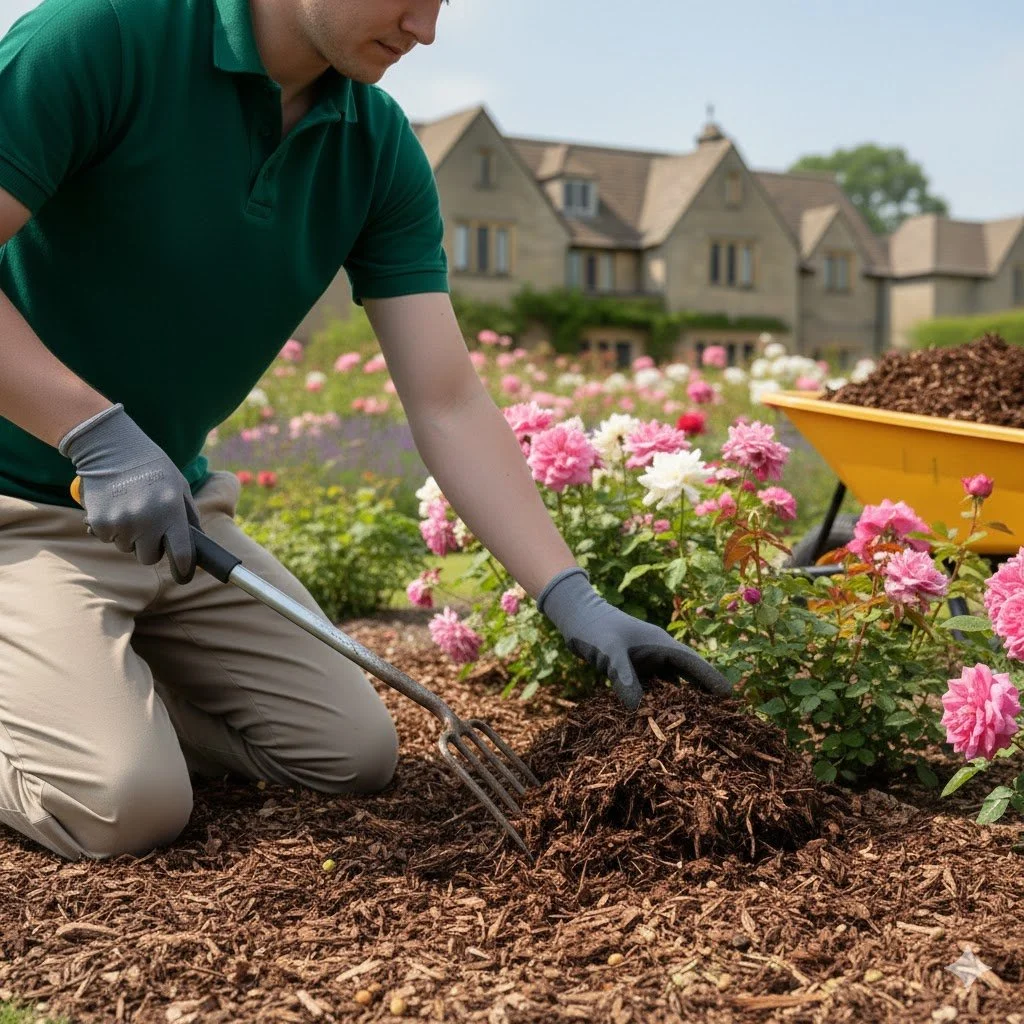
Garden beds transform ordinary yards into vibrant landscapes, but maintaining healthy, attractive plantings requires more than occasional watering and fertilizing. Many homeowners ask is mulch good for flower beds when planning garden improvements, and the answer is overwhelmingly yes. Mulching provides numerous benefits that improve plant health, reduce maintenance requirements, and enhance visual appeal. Quality mulch applications protect roots, conserve moisture, suppress weeds, and create polished appearances that elevate entire landscapes.
Professional landscapers consider mulch essential for successful flower beds rather than optional decoration. Bulger Brothers Landscape incorporates proper mulching into every planting project, understanding how this simple practice dramatically affects plant performance and long-term garden success. Whether you're establishing new beds or refreshing existing plantings, understanding mulch benefits and proper application techniques helps you create thriving gardens that look spectacular while requiring less intensive care.
Key Takeaways
Mulch provides critical benefits for flower beds including moisture retention, temperature moderation, and weed suppression
Organic mulches improve soil quality as they decompose, adding nutrients and enhancing structure over time
Proper mulch application requires 2-4 inch depths, keeping material away from plant stems and tree trunks
Different mulch types offer varying benefits, aesthetics, and longevity suitable for specific garden situations
Professional mulch installation ensures appropriate material selection, correct application depths, and attractive finished appearances
Regular mulch refreshment maintains benefits and keeps flower beds looking their best throughout growing seasons
Overview
This comprehensive guide explores is mulch good for flower beds by examining the multiple benefits mulching provides, explaining how different mulch types perform, and detailing proper application techniques that maximize advantages while avoiding common problems. You'll discover why professional landscapers universally recommend mulching, learn what separates quality applications from ineffective attempts, and understand how Bulger Brothers Landscape approaches mulch installation to deliver superior results.
Whether you're creating new flower beds, refreshing established plantings, or seeking ways to reduce garden maintenance, understanding mulch's role in successful landscapes helps you make informed decisions about your property. This guide addresses common mulching questions, explains material options available in Winnipeg, and provides actionable insights for homeowners wanting beautiful, healthy gardens. You'll gain knowledge that helps you appreciate why mulch represents one of the best investments you can make in your landscape's health and appearance.
Understanding the Multiple Benefits of Mulching Flower Beds
Asking is mulch good for flower beds reveals numerous advantages that make this practice fundamental to quality landscaping rather than merely decorative.
Moisture Conservation and Water Efficiency
Mulch significantly reduces water evaporation from soil surfaces, helping flower beds retain moisture between watering or rainfall. This moisture retention benefit becomes particularly valuable during Winnipeg's hot, dry summer periods when unmulched beds require frequent irrigation to prevent plant stress.
The insulating layer mulch creates slows water loss through evaporation, allowing soil to remain consistently moist with less supplemental watering. According to University of Manitoba Extension, proper mulching can reduce irrigation requirements by 25-50% depending on weather conditions and mulch type. This water conservation saves money on utility bills while supporting healthier plant growth through more consistent soil moisture levels.
Plants growing in mulched beds show less drought stress, maintain better appearance during dry periods, and develop stronger root systems compared to those in unmulched soil. The reduced watering frequency also saves homeowners significant time and effort throughout growing seasons.
Temperature Moderation and Root Protection
Soil temperatures fluctuate dramatically in unmulched beds, stressing plant roots and affecting growth rates. Mulch moderates these temperature extremes, keeping soil cooler during hot weather and warmer during cool periods. This buffering effect creates more stable root zone environments that support consistent plant performance.
During Manitoba's intense summer heat, exposed soil can reach temperatures that damage shallow roots and stress plants severely. Mulch layers reduce soil surface temperatures by 10-20°F, protecting roots and maintaining conditions supporting active growth.
Winter temperature protection proves equally valuable. Mulch insulates soil, preventing rapid freeze-thaw cycles that heave plants from the ground and damage root systems. This protection helps perennials overwinter successfully and reduces plant losses from winter damage.
Weed Suppression and Reduced Maintenance
One of mulch's most appreciated benefits involves blocking weed growth that otherwise plagues flower beds. Quality mulch applications create physical barriers preventing weed seeds from reaching soil and blocking light necessary for germination. While mulch doesn't eliminate weeds completely, it dramatically reduces populations, cutting maintenance time substantially.
Fewer weeds mean less hand-pulling, reduced herbicide needs, and more time enjoying gardens rather than battling unwanted plants. The time savings alone justify mulching for many homeowners who value low-maintenance landscapes.
Weeds that do emerge in mulched beds pull easily since mulch keeps soil surfaces loose and friable. This makes periodic weeding quick and simple compared to extracting weeds from hard, unmulched soil.
Soil Improvement and Nutrient Addition
Organic mulches provide benefits beyond immediate moisture and temperature control. As they decompose, organic materials add nutrients to soil, improve structure, and support beneficial soil organisms. This gradual soil enhancement creates healthier growing environments that support vigorous plant growth.
Decomposing mulch increases soil organic matter content, improving water retention capacity, drainage characteristics, and nutrient availability. These soil improvements compound over years, creating increasingly better conditions for plant growth.
Earthworms and beneficial microorganisms thrive in mulched beds, further enhancing soil quality through their activities. This biological activity improves soil structure, creates channels for water and air movement, and makes nutrients more available to plant roots.
Erosion Prevention and Soil Protection
Rainfall impact on bare soil causes erosion, compaction, and nutrient loss. Mulch protects soil surfaces from rain and wind erosion, keeping valuable topsoil in place while preventing sediment runoff. This protection maintains soil quality and prevents the filling of drainage systems with eroded material.
According to Agriculture and Agri-Food Canada, proper mulching reduces soil erosion by up to 85% compared to bare ground. This erosion control protects investments in quality soil while preventing environmental problems associated with sediment runoff.
Enhanced Visual Appeal
Beyond functional benefits, mulch creates finished, professional appearances that dramatically improve landscape aesthetics. Uniform mulch coverage provides attractive backgrounds that make flower colors pop, defines bed edges clearly, and gives properties polished looks that increase curb appeal.
Quality mulch applications signal well-maintained properties, influencing property values and neighborhood impressions positively. The visual improvement mulch provides represents one of the quickest, most cost-effective ways to enhance landscape appearance.
Different Mulch Types and Their Specific Benefits
Understanding is mulch good for flower beds includes recognizing that different materials offer varying advantages, aesthetics, and performance characteristics.
Shredded Hardwood Bark Mulch
This popular choice provides excellent coverage, attractive appearance, and good longevity. Shredded hardwood bark knits together somewhat, resisting wind and water displacement better than some alternatives. The natural brown color complements most plantings beautifully while providing neutral backgrounds that don't compete with flower colors.
Hardwood bark decomposes relatively slowly, typically requiring refreshment every 1-2 years depending on initial application depth. As it breaks down, it adds beneficial organic matter to soil without significantly affecting pH levels. Bulger Brothers Landscape frequently recommends shredded hardwood for flower beds due to its balanced performance characteristics and attractive appearance.
Cedar and Cypress Mulches
Cedar and cypress mulches offer natural insect-repelling properties, attractive colors, and pleasant aromas. These premium options cost more than basic hardwood but provide longer service life and distinct aesthetic qualities some homeowners prefer.
Cedar's natural oils deter certain insects while imparting distinctive fragrance. The reddish-brown color adds warmth to landscapes, though it fades to gray over time. Cypress mulch resists decomposition exceptionally well, lasting 2-3 years or more with proper application depths.
Pine Bark and Nuggets
Pine bark products range from finely shredded materials to large nuggets. Smaller particles provide good coverage and weed suppression, while larger nuggets create textured appearances and resist washing away on slopes. Pine bark's dark color creates dramatic contrasts with light-colored flowers and foliage.
These materials decompose moderately quickly, adding organic matter to soil while requiring annual refreshment for optimal performance. Some gardeners avoid pine products due to concerns about soil acidification, though research shows minimal pH impact when used as surface mulch rather than incorporated into soil.
Cocoa Hull Mulch
This specialty product offers rich chocolate brown color, pleasant cocoa aroma, and fine texture that spreads smoothly. Cocoa hulls provide excellent weed suppression and attractive appearance but cost significantly more than wood-based alternatives.
The fine texture can form crusts that shed water if allowed to dry completely, and the material blows easily in strong winds until settled. Homeowners with dogs should avoid cocoa hull mulch since it contains theobromine, which proves toxic to canines if ingested in quantity.
Compost and Composted Manure
While technically soil amendments rather than traditional mulches, compost products provide excellent benefits when used as top dressings in flower beds. Compost adds substantial nutrients, improves soil structure dramatically, and supports beneficial organisms. However, it decomposes quickly, requires frequent reapplication, and may introduce weed seeds depending on composting thoroughness.
Many professional landscapers apply compost beneath decorative mulch layers, combining compost's soil-building benefits with attractive wood mulch aesthetics and superior weed suppression.
Inorganic Mulch Options
Stone, gravel, and rubber mulches offer permanent solutions requiring no replacement. These materials work well in certain situations but lack the soil-building benefits organic mulches provide. Inorganic mulches absorb and radiate heat, potentially stressing plants during hot weather. They also make future garden modifications difficult since they mix permanently with soil when beds are renovated.
For flower beds specifically, organic mulches generally provide superior benefits compared to inorganic alternatives, though stone products suit some formal or xeriscape designs.
Proper Mulch Application Techniques
Understanding is mulch good for flower beds requires knowing that benefits depend heavily on correct application methods. Improper mulching creates problems negating potential advantages.
Correct Application Depth
Optimal mulch depth for flower beds typically ranges from 2-4 inches. This thickness provides adequate weed suppression, moisture retention, and temperature moderation without creating problems associated with excessive depth.
Too-thin applications, less than 2 inches, fail to suppress weeds effectively and provide minimal moisture conservation. Excessively deep mulch, over 4 inches, can prevent water and air from reaching soil, encourage pest problems, and potentially smother plants. Professional installers like Bulger Brothers Landscape apply appropriate depths based on mulch type and specific bed conditions.
Keeping Mulch Away from Plant Stems
One of the most common and damaging mulching mistakes involves piling mulch against plant stems, tree trunks, or shrub crowns. This "mulch volcano" practice encourages rot, disease, and pest problems while potentially killing plants.
Proper technique requires pulling mulch several inches away from stems, creating small clearings that prevent moisture accumulation and allow air circulation around plant bases. This simple practice prevents serious problems while maintaining all of mulch's benefits.
Bed Preparation Before Mulching
Quality mulch applications start with proper bed preparation. Professional installers remove existing weeds, edge beds cleanly, and ensure soil surfaces are relatively level before applying new mulch. This preparation maximizes mulch effectiveness and creates clean, attractive finished appearances.
Edging defines bed boundaries clearly, preventing mulch from washing or spreading into lawn areas. Clean edges create professional looks that significantly enhance overall landscape appearance.
Weed Barrier Considerations
Many homeowners question whether fabric or plastic weed barriers beneath mulch improve performance. Professional opinions vary, but most experienced landscapers find barriers create more problems than they solve in flower beds.
Barriers prevent organic mulch from contacting soil, eliminating soil-building benefits. They also complicate future planting additions and create disposal challenges when beds are renovated. For flower beds specifically, proper mulch depth without barriers typically provides superior long-term results.
Some situations benefit from barrier fabrics, particularly utility areas or permanent plantings with inorganic mulches. However, for typical flower beds, skip barriers and apply quality organic mulch at proper depths directly over soil.
Timing and Frequency for Mulch Application
Maximizing mulch benefits requires understanding when to apply and refresh materials.
Spring Mulching
Early to mid-spring represents the most popular mulching season. Applying fresh mulch after spring cleanup creates attractive appearances just as growing seasons begin, suppresses emerging weeds, and conserves moisture during critical establishment periods.
Spring mulching should wait until soil warms adequately, typically late April through May in Winnipeg. Mulching too early can insulate cold soil, delaying warming and slowing spring growth.
Fall Mulching Benefits
Fall applications provide winter protection, reduce freeze-thaw damage, and give homeowners a head start on the next growing season. Fall mulching proves particularly beneficial for newly planted perennials and tender plants needing extra winter protection.
Late fall applications after plants go dormant provide maximum benefit without interfering with active growth.
Refreshment Schedule
Most organic mulches require annual refreshment maintaining proper depths and fresh appearances. Some materials last longer, allowing 18-24 month intervals between applications. Professional landscapers assess existing mulch conditions and add material as needed rather than following rigid schedules.
Complete mulch replacement typically occurs every 3-5 years when existing material decomposes significantly or becomes excessively contaminated with soil.
Common Mulching Mistakes and How to Avoid Them
Even homeowners understanding is mulch good for flower beds sometimes make application errors that reduce benefits or create problems.
The Mulch Volcano Problem
Piling mulch against tree trunks or plant stems represents the single most damaging mulching mistake. This practice traps moisture against bark, encouraging rot and creating entry points for diseases and insects. Rodents often nest in mulch piled against trees, causing girdling damage.
Always maintain several inches of clearance between mulch and any plant stems or tree trunks. This simple practice prevents serious problems while preserving all of mulch's benefits.
Using Dyed Mulches Inappropriately
Artificially colored mulches provide vibrant appearances but sometimes contain questionable dyes or are made from recycled materials potentially containing contaminants. While many dyed mulches perform safely, sticking with natural products eliminates uncertainty.
If choosing dyed mulch, verify the colorant safety and material source. Reputable suppliers use safe, iron-based dyes and clean wood sources.
Applying Mulch Too Thickly
More is not better with mulch. Excessive depths prevent water and oxygen from reaching soil, create anaerobic conditions encouraging disease, and may smother plant roots. Stick with recommended 2-4 inch depths for optimal results.
Neglecting Edge Definition
Mulch spreading into lawn areas creates messy appearances and maintenance headaches. Clean, defined edges separate beds from turf clearly, contain mulch properly, and dramatically improve visual appeal. Professional edge definition represents one of the most impactful improvements homeowners can make.
Using Fresh Wood Chips Inappropriately
Fresh wood chips from tree trimming operations can rob nitrogen from soil as they decompose, potentially causing plant nutrient deficiencies. These materials work better composted partially before use. For flower beds, aged or composted wood products provide superior performance.
Cost Considerations and Value Analysis
Understanding is mulch good for flower beds includes evaluating costs versus benefits provided.
Material Costs
Bulk mulch typically costs $25-50 per cubic yard delivered, with premium materials commanding higher prices. One cubic yard covers approximately 100-150 square feet at 2-3 inch depths. Most residential flower beds require 1-4 cubic yards for complete coverage.
Bagged mulch costs significantly more per cubic foot but suits small touch-up projects. For complete bed mulching, bulk delivery provides much better value.
Installation Investment
Professional mulch installation typically costs $50-100 per cubic yard including material delivery, bed preparation, spreading, and cleanup. While DIY application saves labor costs, professional installation ensures proper depths, clean edges, and attractive finished appearances. Bulger Brothers Landscape provides complete mulch services that deliver quality results homeowners appreciate.
Long-Term Value
Mulch's benefits far exceed costs. Water savings, reduced maintenance time, improved plant health, and enhanced appearance create value justifying annual or biennial mulch applications. The practice represents one of the best investments homeowners can make in landscape health and appearance.
Environmental Considerations
Responsible mulching supports environmental sustainability while improving your landscape.
Sustainable Material Sourcing
Choose mulches from sustainably managed sources. Locally sourced materials reduce transportation impacts while supporting regional economies. Avoid products from questionable sources that may contain invasive species or contamination.
Organic vs. Inorganic Trade-offs
While inorganic mulches last indefinitely, they provide no soil-building benefits and create microplastic concerns in some cases. Organic mulches support soil health, carbon sequestration, and biological activity despite requiring periodic replacement.
Proper Disposal
When removing old mulch, composting it creates useful soil amendment rather than sending material to landfills. Heavily decomposed mulch can be worked into soil or used in less-visible areas.
Transform Your Flower Beds with Professional Mulching
Understanding is mulch good for flower beds leads to recognizing that this simple practice dramatically improves garden performance, appearance, and sustainability. Bulger Brothers Landscape provides comprehensive mulching services throughout Winnipeg, helping homeowners maintain beautiful, healthy landscapes with less effort and superior results. Our team selects appropriate mulch materials for your specific conditions, applies them correctly, and creates the polished appearances that make properties stand out.
Professional mulch installation ensures proper material selection, correct application depths, clean edge definition, and attractive finished results that homeowners struggle to achieve independently. We understand how different mulch types perform in Manitoba's climate and recommend options balancing aesthetics, functionality, and budget considerations. Our expertise prevents common mistakes that reduce mulch effectiveness while creating installations that maximize benefits.
Located at 7 Leeward Pl, Winnipeg, MB R3X 1M6, Bulger Brothers Landscape is ready to discuss your flower bed mulching needs and provide detailed service estimates. Call (204) 782-0313 to schedule mulch installation or refresh existing beds with quality materials and professional application. We'll evaluate your landscape, recommend appropriate mulch types, and deliver services that enhance your property's beauty while supporting plant health and reducing maintenance requirements.
Conclusion
The question is mulch good for flower beds receives an emphatic yes from professional landscapers and experienced gardeners understanding this practice's profound benefits. Mulching improves plant health, reduces maintenance requirements, conserves water, suppresses weeds, and enhances visual appeal simultaneously. The modest investment in quality mulch and proper application delivers returns through healthier plants, reduced upkeep time, and dramatically improved landscape appearance.
Bulger Brothers Landscape incorporates proper mulching into every landscape project, recognizing this fundamental practice's importance for long-term garden success. Our expertise in material selection, application techniques, and Manitoba-specific considerations ensures mulch installations that maximize benefits while creating the polished appearances that make properties stand out. From initial bed preparation through final spreading and cleanup, we handle every detail professionally.
Your flower beds deserve the advantages that quality mulching provides, and working with experienced professionals ensures proper material selection and application that amateur efforts rarely achieve. The expertise and efficiency that professional services deliver justify investment through superior results, time savings, and peace of mind knowing beds receive optimal care. Don't settle for basic mulch applications when proper technique creates dramatically better outcomes.
Take the next step toward healthier, more beautiful flower beds by contacting professionals who understand what makes mulching successful. The benefits extend beyond immediate appearance improvements to long-term soil enhancement, reduced maintenance burdens, and landscapes that thrive with less intensive care. Invest in your garden's health and beauty through proper mulching that creates the vibrant, low-maintenance landscapes homeowners love.
FAQs
Q: How often should I replace mulch in flower beds?
A: Most organic mulches benefit from annual refreshment, adding 1-2 inches of new material to maintain proper depths as existing mulch decomposes. Complete replacement typically occurs every 3-5 years when existing material breaks down significantly or becomes heavily mixed with soil. Application frequency depends on mulch type, initial depth, and how quickly materials decompose. Premium hardwood and cedar mulches may last 18-24 months between refreshments, while fine-textured materials decompose more quickly.
Q: What's the best mulch depth for flower beds?
A: Optimal mulch depth ranges from 2-4 inches for most flower bed applications. This thickness provides adequate weed suppression, moisture retention, and temperature moderation without creating problems from excessive depth. Newly planted beds benefit from 3-4 inch depths, while established gardens maintain well with 2-3 inches. Shallow-rooted plants tolerate lighter applications, while deeper mulching suits beds with large shrubs or trees. Professional installers adjust depths based on specific bed conditions and plant requirements.
Q: Can I put mulch directly against plant stems?
A: No, mulch should never contact plant stems, tree trunks, or shrub crowns directly. Maintain several inches of clearance creating small bare areas around plant bases. Mulch piled against stems traps moisture encouraging rot, creates entry points for diseases and insects, and can kill plants. This "mulch volcano" mistake represents one of the most common and damaging mulching errors. Proper technique preserves all benefits while preventing serious plant health problems.
Q: Does mulch attract termites or other pests?
A: While mulch provides habitat for various organisms including beneficial earthworms and decomposers, it doesn't attract termites specifically. Termites feed on dead wood whether it's in mulch or elsewhere in landscapes. Keeping mulch away from building foundations and maintaining several inches of clearance from structures minimizes any pest concerns. Cedar mulch offers natural insect-repelling properties some homeowners prefer. Overall, mulch's benefits far outweigh minimal pest risks when applied properly.
Q: Should I use landscape fabric under mulch?
A: For flower beds specifically, landscape fabric typically creates more problems than benefits. Fabric prevents organic mulch from contacting soil, eliminating soil-building advantages as materials decompose. It also complicates planting additions and creates disposal challenges during bed renovations. Proper mulch depth without fabric provides superior long-term results for most flower bed applications. Some permanent plantings or utility areas may benefit from quality landscape fabric, but typical gardens perform better without it.
Q: What's the difference between mulch and compost?
A: Mulch consists of materials applied to soil surfaces providing protective covering, moisture retention, and weed suppression. Compost represents decomposed organic matter used as soil amendment, typically worked into soil rather than applied as surface covering. Compost adds substantial nutrients immediately while mulch primarily provides physical benefits, slowly releasing nutrients as it decomposes. Many professionals apply compost as soil amendment then cover it with decorative mulch, combining both materials' advantages.
Q: Can I make my own mulch from grass clippings?
A: While grass clippings can be used as mulch, they require careful application avoiding thick layers that form impermeable mats blocking water and air movement. Thin layers, under one inch, work acceptably but decompose very quickly requiring constant reapplication. Grass clippings also may contain weed seeds introducing problems to flower beds. Wood-based mulches generally provide superior performance, longevity, and appearance for flower bed applications. Grass clippings work better composted then applied as soil amendment.
Q: Does mulch change soil pH?
A: Most wood-based mulches have minimal impact on soil pH when used as surface applications rather than incorporated into soil. Pine products slightly acidify soil over extended periods, though effects remain modest in typical landscape use. Hardwood mulches produce neutral to slightly alkaline conditions as they decompose. Significant pH changes occur only when large quantities of fresh wood materials are tilled into soil. For surface mulching applications, pH effects remain negligible and shouldn't influence material selection for most plants.
Q: When is the best time to apply mulch?
A: Spring and fall represent ideal mulching periods in Winnipeg. Spring applications, typically late April through May after soil warms, create attractive appearances for growing seasons while conserving moisture during plant establishment. Fall mulching, done after plants go dormant in October or November, provides winter protection and gives homeowners a head start on next season. Either timing works well, with choice depending on personal preference and schedule. Bulger Brothers Landscape provides professional mulching services during both optimal seasons.
Q: How much does professional mulch installation cost?
A: Professional mulch services typically cost $50-100 per cubic yard including materials, delivery, bed preparation, spreading, and cleanup. Most residential flower beds require 1-4 cubic yards for complete coverage depending on bed size and desired depth. Complete service for typical properties ranges from $300-800. While DIY application saves labor costs, professional installation ensures proper material selection, correct depths, clean edging, and attractive results that maximize mulch benefits while enhancing property appearance.