

Is Artificial Turf Safe for Dogs in Winnipeg Winters?
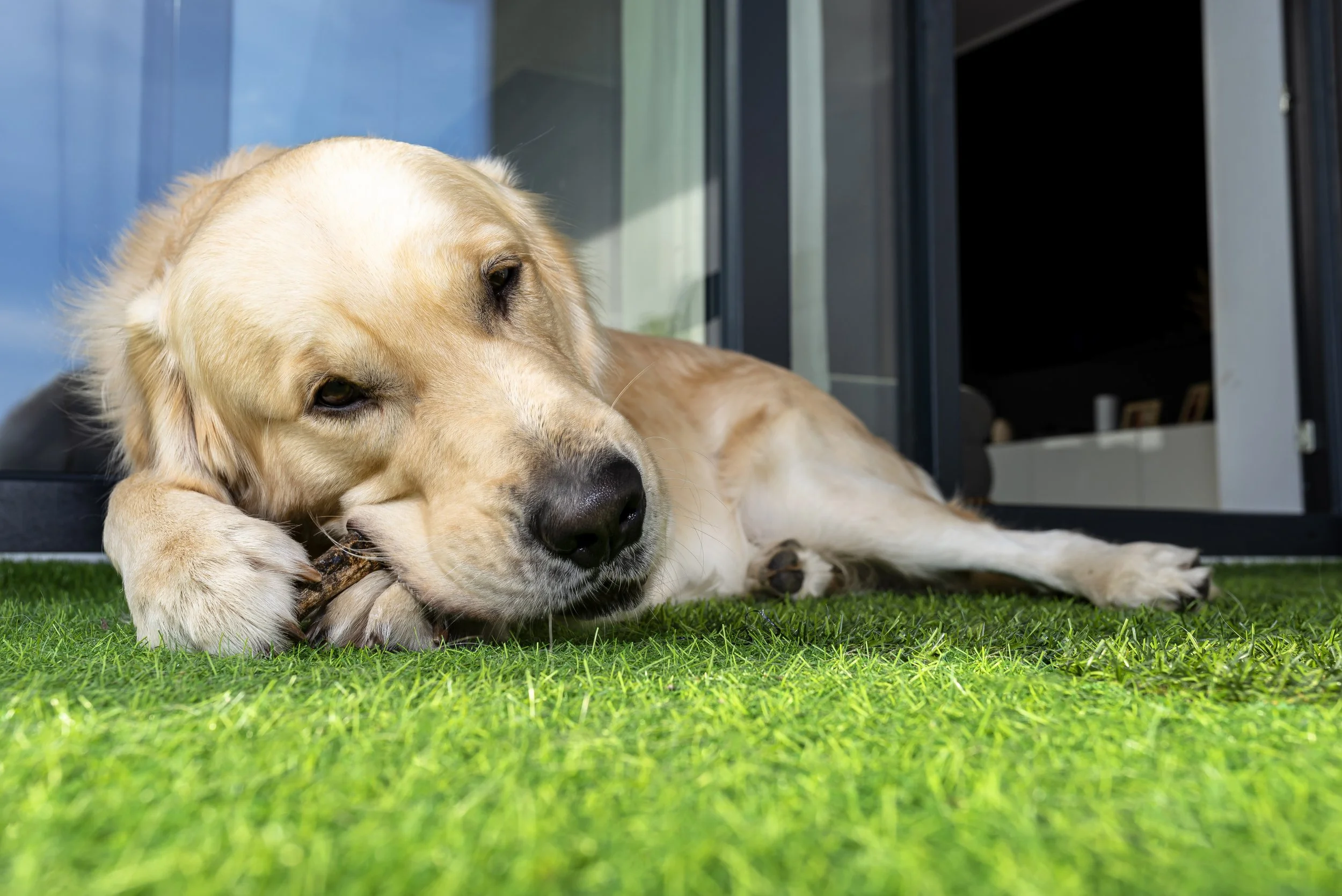
Winnipeg Dog Owners Are Choosing Artificial Turf — and Asking the Right Questions First
Natural grass and dogs are a difficult combination in a climate like Winnipeg's. By mid-summer, backyards in River Heights and Charleswood are often showing the wear: yellow burn patches from pet waste, bare paths along fence lines, and muddy paws every time the yard gets wet. Artificial turf has become an increasingly popular solution, but is artificial turf good for dogs in Winnipeg? The answer depends on the product, the installation, and how well the whole system is designed for both a northern climate and active dogs.
Key Takeaways
Quality artificial turf is safe, durable, and well-suited for dogs in Winnipeg's climate when installed correctly
Not all artificial turf products perform equally for pet use, and material and infill selection matter significantly
Proper drainage installation is essential for pet turf in a climate with heavy spring snowmelt and periodic heavy rainfall
Artificial turf eliminates the lawn damage, mud, and bare patches that dogs consistently cause on natural grass
Heat retention on hot summer days is a real consideration that can be managed with product selection and watering
Professional installation in Winnipeg ensures the base, drainage, and infill are suited for both freeze-thaw cycling and heavy pet use
Overview: Why the Dog Question Changes the Turf Conversation
Is artificial turf good for dogs in Winnipeg isn't just a product question. It's a site design question, a drainage question, and a climate question layered together. Dogs use a yard differently than people do. They run the same paths repeatedly, use specific areas for waste, and are on the surface in all weather conditions from May through October. The turf system that handles all of this well in Winnipeg's specific conditions requires specific product selection, a drainage layer built for pet use, and base preparation that handles the freeze-thaw cycling this climate delivers every year.
Bulger Brothers Landscape installs artificial turf for Winnipeg pet owners with the product knowledge and installation standards that both dogs and Manitoba winters demand. The guidance in this article reflects what that work actually involves.
How Artificial Turf Solves the Dog Lawn Problem in Winnipeg
Natural grass and dogs create a cycle of damage that most Winnipeg pet owners know well. High-traffic areas wear down to bare soil within a season or two. Dog urine burns grass and leaves yellow patches that spread. Wet Manitoba springs and falls mean muddy paws every time a dog comes inside. And every spring, the yard needs patching, reseeding, and recovery time before it looks reasonable again.
Artificial turf eliminates every one of these problems. The surface is physically durable enough to handle even the highest-traffic patterns dogs create, won't burn from pet waste when properly drained, and stays mud-free regardless of what the weather is doing. For Winnipeg families with dogs who use their backyard heavily, the shift from natural grass to quality artificial turf is one of the most impactful yard improvements available.
The additional benefit specific to Winnipeg's climate is year-round durability. Quality pet-grade artificial turf handles the freeze-thaw cycling that Manitoba produces every winter without degrading, heaving, or losing its drainage performance. When spring arrives, the surface is ready to use immediately rather than requiring the recovery period natural grass needs after snow cover. Artificial turf installation done correctly provides that durability for 15 to 20 years with minimal ongoing maintenance.
Choosing the Right Turf Product for Dogs in Winnipeg
Not all artificial turf products are suitable for dogs, and the selection question is more important than many homeowners realize. Is artificial turf good for dogs in Winnipeg starts with whether the specific product chosen is designed for the task.
Pile height and density affect how well the surface sheds pet waste and how comfortable it is for dogs underfoot. Pet-specific turf typically runs 35 to 45mm in pile height, dense enough to feel grass-like but not so long that debris and waste accumulate in the fibres. Lower pile heights are easier to clean but feel less natural. Taller piles look more lush but require more maintenance for pet use.
Backing and drainage capacity are the most critical technical specifications for dog use in Winnipeg's climate. Standard artificial turf drains through holes in the backing at a rate adequate for rain but insufficient for heavy pet waste concentration or Manitoba's significant spring snowmelt volumes. Pet-grade turf uses a perforated backing with drainage capacity several times higher than standard products, allowing waste fluids to flow through the surface and into the drainage layer below rather than pooling on top.
Infill material affects both safety and performance. Standard crumb rubber infill, made from recycled tires, raises environmental and safety concerns that many pet owners prefer to avoid. Better alternatives for pet use include zeolite-based infill, which absorbs ammonia from pet waste and controls odour naturally, or silica sand infill, which is chemically inert, cool underfoot, and doesn't raise the same concerns as crumb rubber. For a comparison of artificial turf product options available for Winnipeg properties, that guide covers the full product landscape.
Drainage Installation: The Make-or-Break Factor for Pet Turf in Winnipeg
If there is one factor that determines whether artificial turf is good for dogs in Winnipeg, it's drainage. A pet turf installation without a properly designed drainage layer is a surface that retains waste, develops persistent odour, and can't be effectively cleaned.
The drainage system beneath pet turf in Winnipeg needs to accomplish three things simultaneously: handle the daily waste drainage from active dogs, manage the periodic heavy rainfall events Winnipeg experiences through summer, and handle the significant water volume produced by spring snowmelt across the entire turf surface. These are three different drainage demands that a standard installation approach doesn't necessarily anticipate.
Professional pet turf installation includes a crushed stone or angular gravel drainage layer of 4 to 6 inches beneath the turf system, sloped to direct water and waste fluids toward a drainage point rather than allowing them to collect beneath the surface. This layer also provides the stable, well-drained base that prevents the turf surface from developing soft spots or uneven areas as Winnipeg's freeze-thaw cycles move through the ground each winter.
Drainage services integrated into a pet turf installation aren't an optional upgrade. They're the infrastructure that determines whether the surface stays clean, odour-free, and functional through years of heavy pet use in Manitoba's variable climate.
Heat Retention: Managing the Winnipeg Summer Concern
One legitimate concern about artificial turf for dogs is heat retention. Synthetic fibres absorb solar radiation more than natural grass and can reach surface temperatures significantly higher than the ambient air temperature on hot summer days. Winnipeg doesn't have the sustained extreme heat of more southern climates, but July and August do bring stretches of weather where this consideration is real.
The practical solutions are straightforward. Choosing lighter-coloured turf products that reflect more sunlight reduces peak surface temperature compared to darker greens. Selecting infill products specifically designed for thermal management, including some cork and zeolite blends, further reduces heat buildup. And a simple rinse with a garden hose drops surface temperature immediately and significantly, usually within a few minutes of application.
Context also matters for Winnipeg specifically. A dog who has access to shade in the yard, fresh water, and normal owner awareness about hot-day activity timing isn't meaningfully more at risk on quality artificial turf than on sun-baked natural grass, which heats up similarly on hot days. The heat concern is real but manageable and doesn't negate the year-round benefits of turf for dogs in this climate.
Installation Process and What It Involves
Is artificial turf good for dogs in Winnipeg is also a question about whether it was installed correctly, because the same product delivers very different results depending on the quality of what's underneath it.
A professional pet turf installation in Winnipeg follows a specific sequence. First, existing lawn or soil is excavated to a depth of 3 to 4 inches. A weed barrier is installed at the base level. The drainage layer of compacted angular gravel goes in next, graded for drainage slope. The turf is then measured and cut to fit the space, seamed where multiple pieces are required, and secured at all edges. Infill is then applied and brushed into the fibres to establish proper pile orientation and density.
The base compaction and drainage slope are the two steps where shortcuts produce the most visible long-term problems. Poorly compacted base material allows the surface to develop soft or uneven areas. Insufficient drainage slope allows fluids to pool rather than drain. Both problems are invisible at installation and become increasingly obvious over the first two or three years of pet use.
For properties where pets use the same areas most intensively, the drainage layer beneath those zones sometimes benefits from an enhanced specification beyond what's needed for the lower-traffic areas of the same installation. A professional assessment identifies these zones before installation begins.
Maintenance Requirements for Pet Turf in Winnipeg
Artificial turf for dogs is significantly lower maintenance than natural grass but not zero maintenance. Understanding what's actually required helps set realistic expectations.
Regular rinsing is the most important ongoing maintenance task, using a garden hose to flush the surface and move waste fluids through the drainage layer below. Once or twice weekly is typically sufficient for most households, with more frequent rinsing in concentrated use areas during hot weather.
Solid waste removal should happen promptly for the same reasons it should on any surface. Artificial turf doesn't decompose waste the way soil does, so prompt removal is important for both hygiene and surface longevity.
Annual or biannual infill replenishment may be needed as infill material compacts or disperses over time, particularly in high-traffic areas. A professional assessment once a year confirms whether infill levels are adequate or need refreshing.
Winter maintenance is minimal. Artificial turf handles Winnipeg winters without any special preparation. Snow can be removed with a plastic shovel used carefully to avoid damaging the fibres, or simply allowed to melt naturally in spring, at which point the drainage layer handles the meltwater. For a broader look at artificial turf lifespan and maintenance, that guide covers long-term performance expectations in detail.
For Winnipeg dog owners ready to solve the lawn damage, mud, and maintenance challenge for good, Bulger Brothers Landscape provides complete pet turf installation with the drainage design and product selection that Manitoba's climate and active dogs demand. Located at 7 Leeward Pl, Winnipeg, MB R3X 1M6, the team can assess your specific yard and recommend the right turf system for your dogs and your property. Call (204) 782-0313 to schedule your consultation and find out what professional pet turf installation looks like for your backyard.
Frequently Asked Questions About Is Artificial Turf Good for Dogs Winnipeg
Q: Is artificial turf good for dogs in Winnipeg winters?
A: Yes. Quality pet-grade artificial turf handles Winnipeg's freeze-thaw cycles without degrading and is ready to use as soon as snow melts in spring. It eliminates the mud and bare patches natural grass develops through Manitoba's wet shoulder seasons, making it particularly practical for dog owners in this climate.
Q: Does dog urine damage artificial turf?
A: Not when the turf has proper drainage. Pet-grade turf uses a high-drainage backing that allows waste fluids to flow through into the drainage layer below rather than pooling on the surface. Zeolite infill further manages odour by absorbing ammonia naturally. Regular rinsing maintains hygiene and prevents any buildup.
Q: Is artificial turf safe for dogs to run and play on?
A: Yes. Pet-grade turf products are designed for heavy use and provide a stable, consistent surface for running, playing, and general activity. The surface doesn't develop the bare spots, divots, or muddy patches that natural grass creates under heavy dog traffic.
Q: How hot does artificial turf get in summer in Winnipeg?
A: On hot sunny days, turf surface temperature can exceed ambient air temperature. Lighter-coloured products and thermal management infill reduce this effect. A garden hose rinse drops surface temperature quickly. Winnipeg's climate is moderate enough that this concern is manageable with basic awareness rather than a significant ongoing issue.
Q: How long does artificial turf last with dogs using it?
A: Quality pet-grade artificial turf installed professionally typically lasts 15 to 20 years. Heavy pet use and proper maintenance both affect lifespan. The drainage layer beneath the surface is the component most critical to longevity, since inadequate drainage accelerates both surface degradation and odour problems.
Q: What infill is best for artificial turf used by dogs in Winnipeg?
A: Zeolite-based infill is the strongest choice for pet applications, as it absorbs ammonia from urine and controls odour naturally. Silica sand is a good alternative as a chemically inert, cool-running option. Crumb rubber infill made from recycled tires is less recommended for pet use due to heat retention and safety concerns.
Q: How do I clean artificial turf when I have dogs?
A: Remove solid waste promptly and rinse the surface with a garden hose once or twice weekly. A diluted enzyme-based cleaner can be applied periodically for deeper sanitation. Avoid pressure washing, which can displace infill and damage fibres, and stick to rinsing and light brushing for routine maintenance.
Conclusion
Is artificial turf good for dogs in Winnipeg? For most pet owners dealing with lawn damage, mud, and maintenance demands, it's one of the most practical yard improvements available. The right product, proper drainage installation, and appropriate infill selection work together to create a surface that handles both active dogs and Manitoba's demanding climate for 15 to 20 years with minimal maintenance. The key to getting that result is professional installation that builds drainage in correctly from the start rather than treating it as optional. Bulger Brothers Landscape installs pet turf across Winnipeg with the product knowledge and installation standards that dog owners and Manitoba winters both require.