

Is Your New Sod Rooting? How to Tell in Winnipeg
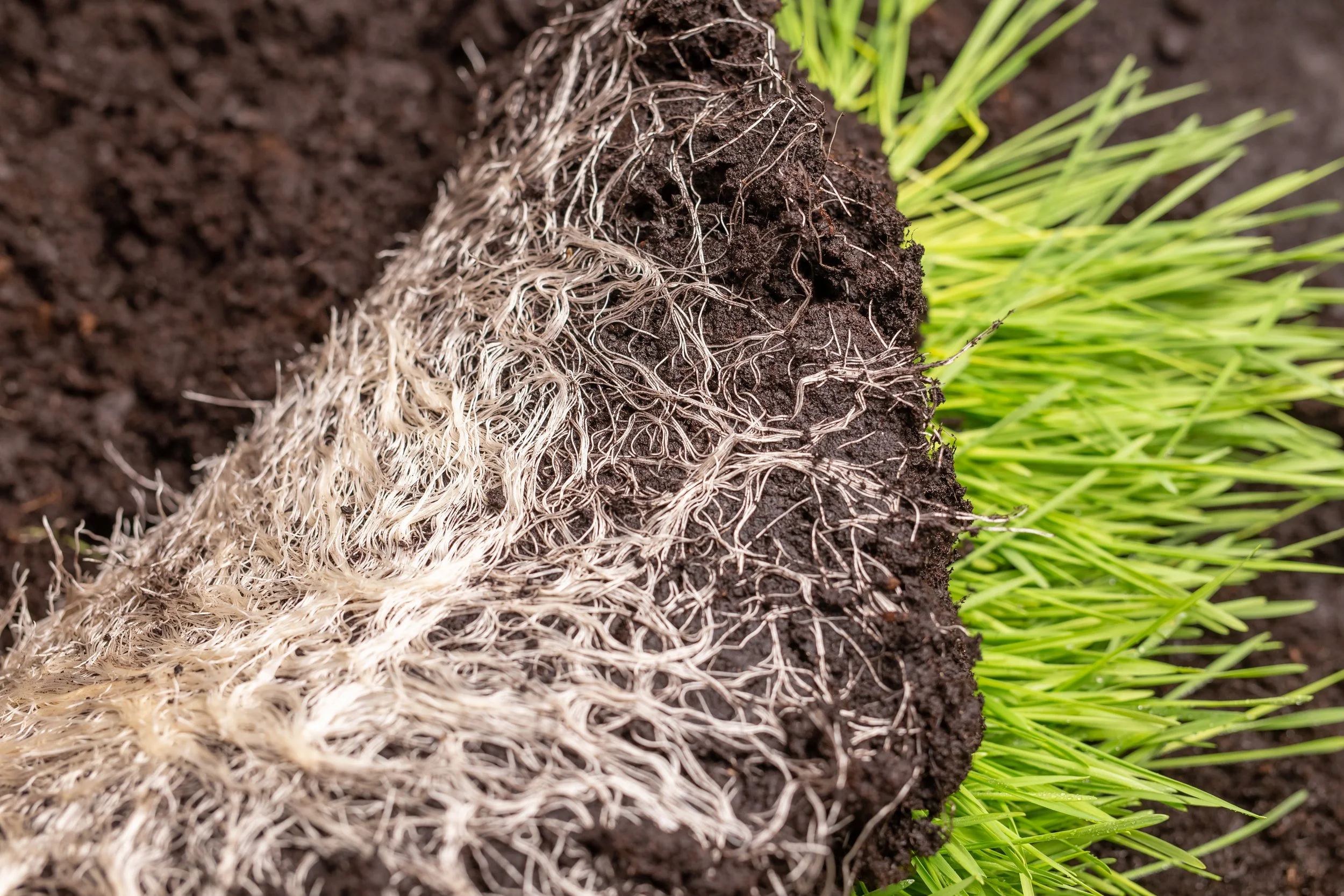
Your New Sod Looks Green — But Is It Actually Rooting?
Installing new sod is one of the most satisfying yard upgrades a Winnipeg homeowner can make. The transformation is immediate: bare patches or struggling grass replaced overnight with a dense, green surface. But that initial green colour is deceptive. Looking good on day one means very little. What matters is what's happening underneath, and how long does sod take to root in Winnipeg's specific climate is a question worth understanding clearly before the first installation day arrives.
Homeowners across Tuxedo and St. Vital who've invested in new sod deserve more than a vague reassurance that "it'll be fine." This guide walks through the real rooting timeline, how to tell whether your sod is establishing correctly, and what the warning signs of a problem actually look like before it's too late to intervene.
Key Takeaways
New sod in Winnipeg typically begins rooting within 10 to 14 days and reaches functional root depth by 3 to 6 weeks
Rooting speed in Manitoba is affected by soil temperature, clay content, watering consistency, and installation timing
The tug test is the most reliable way to confirm whether sod has rooted without digging
Sod installed on improperly prepared Winnipeg clay soil roots more slowly and fails more often
Watering frequency is the single most controllable factor in whether new sod roots successfully
Bulger Brothers Landscape installs sod with proper site preparation and establishment guidance across Winnipeg
Overview: Understanding Sod Rooting in Manitoba's Climate
How long does sod take to root in Winnipeg differs from the generic timelines in American lawn guides, primarily because of clay-heavy soil and a compressed growing season that creates both urgency and risk during establishment. This guide covers the full rooting timeline, what healthy establishment looks like at each stage, the warning signs that indicate a problem, and why professional installation with proper site preparation gives sod its best chance of rooting quickly and thoroughly.
Bulger Brothers Landscape has installed sod across Winnipeg properties for years, monitoring establishment across different soil conditions and seasonal windows, and the rooting timeline in this guide reflects local experience rather than generic national averages.
The Sod Rooting Timeline in Winnipeg
Understanding how long does sod take to root starts with breaking the process into distinct phases, each with specific characteristics that tell you whether establishment is progressing correctly.
Days 1 to 7: Shock and Initial Contact Fresh sod has been cut from its original growing field, rolled, and transplanted to your yard. The root zone is shallow and exposed, and the sod is in a stress period during this first week regardless of how well it was installed. The top will look green and healthy during this phase, which tells you very little about what's happening below. Watering is critical during this window — the sod needs consistent moisture to prevent the thin root zone from drying out before any new root growth begins.
In Winnipeg's clay soil, moisture retention is higher than in sandier soils, which is both a benefit and a risk. The sod won't dry out as quickly between watering events, but waterlogging is also possible if irrigation is excessive on a site with poor drainage.
Days 7 to 14: First Root Threads By the end of the first two weeks, new root threads should be beginning to grow downward into the prepared soil below the sod. This is the earliest phase where the tug test, described below, starts to provide meaningful information. You won't feel strong resistance yet, but very gentle tugging should begin to feel slightly different than the first day, when the sod would have lifted completely freely.
This is the window where most sod failures in Winnipeg begin to show themselves. If the soil beneath was compacted clay without amendment, or if watering was inconsistent through the first week, the root threads that should be reaching into the soil simply aren't there. The sod will still look green during this phase, sometimes for weeks longer, before browning and dying from lack of root connection.
Days 14 to 30: Active Rooting For properly installed sod on prepared Winnipeg soil, the two to four week window is when active, visible root development happens. Root threads from the sod layer are reaching into the amended soil below, beginning to anchor the surface in a way you can feel when you tug a corner. Watering frequency can typically begin to decrease slightly toward the end of this phase, shifting from multiple short daily waterings to less frequent but deeper irrigation that encourages roots to chase moisture downward.
Weeks 4 to 6: Functional Root Depth By the four to six week mark under good conditions, new sod in Winnipeg should have developed enough root depth to be considered functionally established. This doesn't mean it's fully mature, but it means the sod has connected to the soil below it well enough to survive normal conditions without constant intervention. The first mowing, at the correct height, is appropriate once the sod passes the tug test consistently and has reached approximately three to four inches in height.
Weeks 6 to 12: Full Establishment Full, deep establishment to the degree that the sod is as durable as long-established lawn takes the remainder of the first growing season in Winnipeg's climate. The sod is functional and increasingly resilient through this period, but it benefits from continued care including appropriate fertilization and avoiding excessive foot traffic through the late summer and fall of the installation year.
How to Tell If Your Sod Is Rooting: The Tug Test
The most reliable way to check how long does sod take to root on your specific installation is the tug test, and it's simple enough for any homeowner to perform.
How to do the tug test: Grasp a corner or edge of a sod strip with both hands and pull gently upward. In the first week, the sod will lift with minimal resistance. By week two, you should feel slight resistance beginning to develop. By weeks three to four, the sod should resist your pull meaningfully, requiring real force to lift. By week six, properly rooted sod should not lift without significant effort, and attempting the tug test at this point should feel like trying to pull up established lawn.
What the tug test reveals about problems: Sod that still lifts freely at the three to four week mark has not rooted and needs assessment. The most common causes are insufficient soil-to-root contact from improper installation, inconsistent watering that allowed the root zone to dry out, or clay soil so compacted that roots couldn't penetrate. Each of these has a different response, which is why professional diagnosis at this stage is more valuable than simply watering more aggressively.
What Affects Rooting Speed in Winnipeg
Several factors determine where on the timeline your specific installation falls and how confidently it roots.
Soil Temperature This is the factor most specific to Winnipeg's climate and the one that varies most by installation timing. Sod roots fastest when soil temperatures are between 10°C and 25°C. Late May and early June installations in Winnipeg benefit from warming soil temperatures that accelerate root development. Mid-July and August installations face peak soil temperatures but also higher moisture demand. Fall installations in August and September benefit from cooling air temperatures that reduce stress but need to root before soil temperatures drop below the active root growth threshold.
Soil Preparation Quality This is the factor most within a professional installer's control and the one that most directly affects how long does sod take to root on a specific Winnipeg property. Clay soil that has been properly amended with topsoil and compost, raked to an even finish, and assessed for drainage provides the conditions new sod roots need to establish quickly. Clay soil that was untouched before sod was laid provides the opposite of those conditions. For a full look at how to prepare a lawn for new sodding, that guide covers every preparation step in specific, actionable terms.
Watering Consistency New sod can't tolerate inconsistent moisture during the first two weeks. The thin root zone that connects the sod to the ground dries out quickly if watering is missed, setting root development back significantly. In Winnipeg's variable early summer weather, where warm dry spells can follow cool wet periods unpredictably, maintaining consistent watering requires active management rather than relying on rainfall alone.
Sod Quality and Freshness Sod harvested and delivered within 24 to 48 hours of installation roots more reliably than sod that sat on pallets for several days before installation. Fresh sod has more viable root material at the cut surface that connects to the prepared soil below. This is a factor homeowners sometimes overlook when comparing quotes, since a lower price sometimes reflects older or lower-quality sod sourced more cheaply.
Warning Signs That Your Sod Isn't Rooting
Knowing how long does sod take to root also means knowing when the timeline suggests something is going wrong. These are the warning signs worth watching for.
Edges and seams browning before the field. The edges and seams between sod strips are the most vulnerable areas because they have the least soil contact and dry out fastest. Some browning at seams in the first week is normal in hot weather. Browning that spreads from edges inward beyond the first week indicates the sod isn't rooting and moisture isn't reaching the root zone.
Gaps opening between strips. Properly installed, well-watered sod strips should hold their position. Strips pulling apart or edges curling indicate the sod is drying out and shrinking rather than rooting.
Sod still lifting freely at week three. As described in the tug test section, sod that still lifts without resistance at three weeks has not rooted and needs intervention. This is the most definitive sign of a problem.
Colour changes from green to straw-yellow. Gradual yellowing after the first week, when the sod should be transitioning to deeper green as roots establish, indicates the sod isn't getting what it needs. This could be insufficient watering, insufficient sunlight, or failed root contact with the soil below.
Seasonal Timing and Rooting in Winnipeg
How long does sod take to root shifts meaningfully depending on when in the Winnipeg season it's installed, and understanding the seasonal dimension helps set realistic expectations.
Spring installation (mid-May through June) is the strongest window. Warming soil temperatures and typically adequate rainfall support faster rooting, and the sod has the full summer ahead to establish. Most spring-installed sod achieves functional root depth within four weeks under good conditions.
Summer installation (July through mid-August) is the most demanding window. Soil temperatures are at their peak, moisture demand is highest, and consistent watering is non-negotiable. Rooting is achievable but takes more active management. Expect the full four to six week timeline and plan irrigation accordingly.
Fall installation (mid-August through mid-September) is a strong secondary window that many Winnipeg homeowners underutilize. Cooler air temperatures reduce stress during establishment, soil temperatures are still warm enough for active rooting, and natural rainfall typically supports the process. Sod installed in late August has time to root before the first frost, comes through dormancy well-connected to the soil, and emerges vigourously in spring.
For a complete picture of what sod installation involves in Winnipeg across all seasonal windows, that service overview covers timing, installation process, and establishment guidance in detail.
Understanding how much sodding a lawn costs in Winnipeg gives homeowners the context to evaluate quotes that include proper site preparation versus those that skip it, since preparation directly affects how quickly and reliably rooting happens.
Homeowners who want to make the most of Winnipeg's compressed growing season and protect their sod investment through proper installation and site preparation can reach Bulger Brothers Landscape at 7 Leeward Pl, Winnipeg, MB R3X 1M6 or by calling (204) 782-0313. The team provides professional sod installation with soil preparation, correct establishment guidance, and the local experience to handle Winnipeg's clay soil and variable seasonal conditions.
Frequently Asked Questions About How Long Does Sod Take to Root
Q: How long does sod take to root in Winnipeg specifically?
A: New sod in Winnipeg typically begins rooting within 10 to 14 days and reaches functional root depth at three to six weeks. Full, deep establishment that matches long-established lawn takes the remainder of the first growing season. Clay-heavy soil and installation timing both affect where on this timeline a specific installation falls.
Q: How do I know if my new sod is rooting properly?
A: The tug test is the most reliable method. Grasp a sod strip edge and pull gently upward. By week two you should feel slight resistance beginning. By weeks three to four, rooted sod should resist your pull meaningfully. Sod that still lifts freely at three weeks has not rooted and needs professional assessment.
Q: What is the most common reason sod fails to root in Winnipeg?
A: Inadequate soil preparation is the most common cause, specifically clay soil that wasn't amended with topsoil or compost before sod was laid. Roots can't penetrate dense, unmodified clay effectively, leaving the sod green on the surface for weeks before dying from lack of root connection.
Q: Can I walk on new sod before it roots?
A: Minimize foot traffic completely for the first two weeks. Light crossing traffic to water or check the sod is acceptable, but avoid any extended or heavy foot traffic until the sod passes the tug test at three to four weeks. Heavy traffic on unrooted sod breaks the fragile root threads attempting to grow into the soil below.
Q: How often should I water new sod in Winnipeg during the rooting period?
A: Water two to three times daily for short durations during the first two weeks, keeping the soil moist but not saturated. As rooting begins at weeks two to three, shift to less frequent but deeper watering. By weeks four to six, water deeply once or twice weekly to encourage roots to develop downward.
Q: Does fall-installed sod root before winter in Winnipeg?
A: Yes, when installed in the mid-August through mid-September window. Sod installed in this period roots before soil temperatures drop below the active growth threshold, comes through dormancy well-connected, and emerges vigorously the following spring.
Q: What should I do if my sod isn't rooting after three weeks?
A: Contact a professional for an on-site assessment rather than simply increasing watering. The cause determines the response. If soil preparation was inadequate, the sod may need to be lifted, the soil amended, and the sod relaid. If watering was the issue, adjusting irrigation may be sufficient to save sections that haven't yet died.
Conclusion
How long does sod take to root in Winnipeg is a question with a clear answer under good conditions: functional rooting at three to six weeks, full establishment through the first growing season. The variable that most affects where your specific installation falls on this timeline is soil preparation quality, and it's the factor most within a professional installer's control. Clay-heavy Winnipeg soil that's been properly amended, graded, and assessed for drainage gives new sod its best chance of rooting quickly, holding through the season, and establishing the deep root system that makes a lawn genuinely durable. Bulger Brothers Landscape provides the preparation and installation expertise that gives every sod project in Winnipeg the foundation it needs.