

Is It Too Soon to Walk on Your New Sod in Winnipeg?
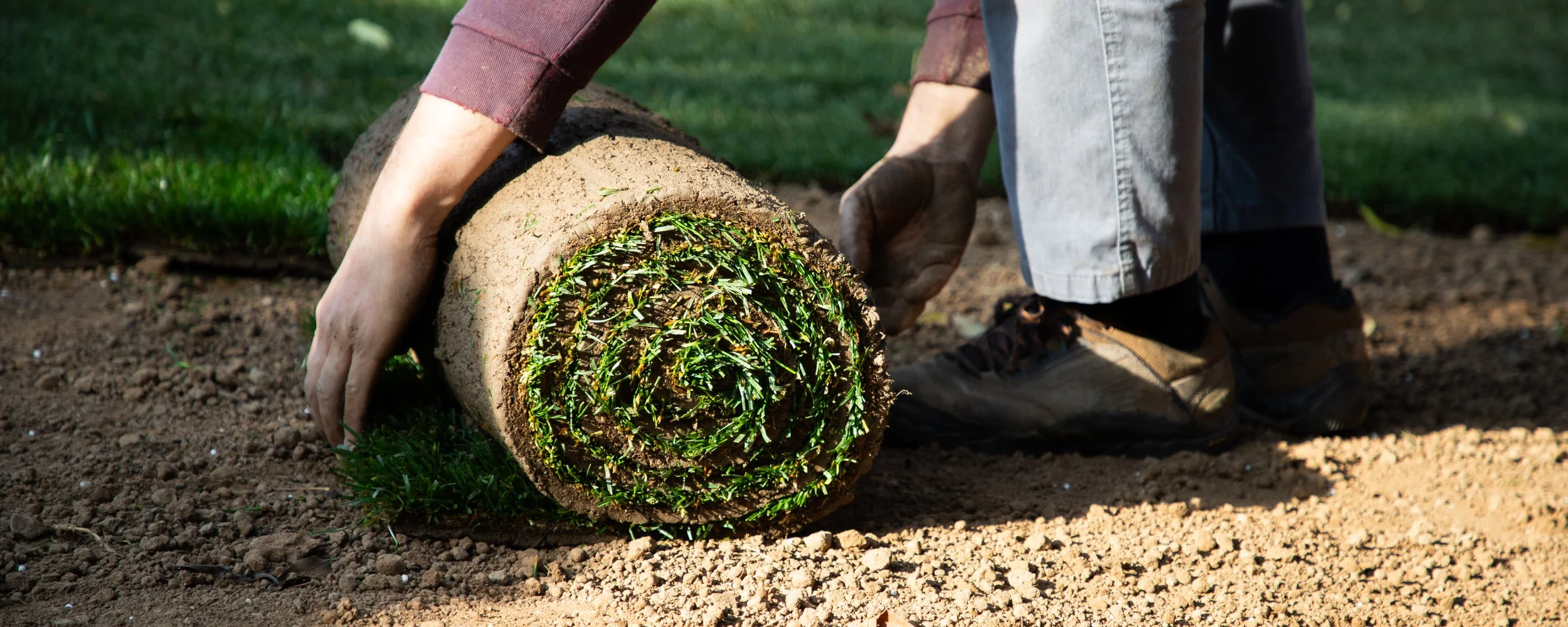
New Sod Is Down — Now the Hardest Part Is Staying Off It
There's something genuinely satisfying about watching a fresh layer of sod transform a patchy, struggling yard into a clean, green lawn in a single afternoon. Homeowners in St. Vital and Tuxedo who've just had sod installed often feel the urge to step out and enjoy it immediately. That instinct is completely understandable, and it's also one of the most common ways new sod fails before it ever gets the chance to establish.
How long after sodding can you walk on it is one of the most practical questions a Winnipeg homeowner can ask, and the answer matters more in Manitoba's climate than in most other places. Getting this right protects the investment you just made and determines whether that green surface becomes a genuine lawn or a repair project by the end of summer.
Key Takeaways
New sod in Winnipeg needs a minimum of two weeks before any regular foot traffic is introduced
Full, normal use including active play and regular mowing takes three to six weeks depending on rooting progress
Walking on unrooted sod tears the fragile root threads attempting to connect with the soil below
Winnipeg's clay-heavy soil makes rooting slower than in sandier markets, extending the careful-use period
The tug test is the most reliable way to confirm whether your sod is ready for traffic before the timeline ends
Professional installation with proper soil preparation gives sod its best chance of rooting quickly
Overview: Why Foot Traffic Timing Matters So Much in Winnipeg
How long after sodding can you walk on it isn't a question about the surface appearance. New sod looks green and established almost immediately, which is misleading. The real question is what's happening at the root zone below the surface, and whether the connection between the sod and the soil beneath it is strong enough to handle the compressive force of a person walking on it. In Winnipeg's clay-heavy soil conditions, that connection takes longer to form than generic guides suggest, and the consequences of walking too early are real and visible within weeks.
Bulger Brothers Landscape installs sod across Winnipeg with the soil preparation and establishment guidance that gives every installation the best possible start. The rooting timeline and traffic guidance in this article reflects what actually plays out on Winnipeg properties through Manitoba's specific growing conditions.
What Happens When You Walk on New Sod Too Early
Understanding how long after sodding can you walk on it starts with understanding what foot traffic actually does to sod that hasn't rooted yet.
When sod is first laid, the thin root zone at the base of the grass sits directly on the prepared soil below it. New root threads begin growing downward almost immediately under good conditions, reaching into the soil to establish the connection that makes sod permanent. These new root threads are extremely fragile in the first two weeks. They're microscopic in diameter and have no structural strength yet.
A person walking across the surface applies compressive force that pushes the sod down and creates lateral movement in the sod layer. This movement tears the new root threads that are attempting to grow into the soil, setting establishment back significantly or killing off sections entirely. The surface looks completely unchanged after that walk, which is why so many homeowners don't realize the damage they've done until three weeks later when sections brown and die.
Compaction is the second problem. Winnipeg's clay soil compacts easily under weight, and foot traffic on a recently watered, saturated clay base creates compaction that roots can't penetrate. Soil that was carefully prepared and amended before the sod went down can be largely undone by traffic during the critical first weeks.
The Rooting Timeline for New Sod in Winnipeg
Days 1 to 7: Keep Everyone Off No exceptions during the first week. The sod is in its highest stress period, the root zone is most fragile, and the soil below is typically most saturated from the intensive watering this phase requires. Even brief crossings to check the surface should be minimized.
Days 7 to 14: Minimal Necessary Traffic Only Very limited foot traffic for a specific purpose, like checking the sod or managing irrigation, is acceptable during the second week if done carefully. Avoid crossing the same path twice, wear shoes rather than bare feet, and keep any walking to the absolute minimum required.
Weeks 2 to 4: Begin the Tug Test By the end of week two, you can begin checking whether your sod is progressing correctly using the tug test described below. Rooting is underway but not complete. This is still not the time for normal foot traffic, children playing, or pets running the yard. Light crossing for specific purposes remains acceptable.
Weeks 4 to 6: Conditional Normal Use Once the sod passes the tug test and has reached approximately 3.5 to 4 inches in height, normal foot traffic is generally appropriate. This is also the point at which the first mowing should happen, at the correct height for the grass variety. In Winnipeg's clay-heavy conditions, the lower end of this range, four weeks, should be treated as a minimum rather than a target. Properties with well-amended soil and strong establishment may reach this point on the earlier side.
Weeks 6 and Beyond: Full Normal Use Active play, regular mowing schedules, and pet use can resume fully once the sod has clearly passed the six-week mark with consistent rooting across the surface. The lawn will continue developing deeper root systems through the rest of the first growing season, and treating it gently through that period builds long-term resilience.
The Tug Test: Your Most Reliable Timeline Check
Rather than relying purely on the calendar to determine how long after sodding can you walk on it, the tug test gives you direct information about what's actually happening below the surface.
How to perform the tug test: Grasp a corner or edge of a sod strip firmly with both hands and pull gently upward. In the first week, the sod lifts away from the soil with almost no resistance. This is completely normal and expected. By week two, you should begin to feel slight resistance as the first root threads engage the soil. By weeks three to four, rooted sod should resist your pull clearly and require meaningful force to lift. By week six, successfully rooted sod should feel like pulling on established lawn.
What the tug test reveals about problems: Sod that still lifts freely at the three-week mark has not rooted properly and should not receive foot traffic regardless of how it looks on the surface. This usually indicates one of three issues: the soil beneath wasn't adequately prepared, watering was inconsistent and the root zone dried out, or clay compaction prevented root penetration. Each of these requires a different response, which is why professional diagnosis at this stage beats simply waiting and hoping.
Specific Traffic Situations and When Each Is Safe
How long after sodding can you walk on it also depends on the type of traffic in question, since different activities apply different forces to the surface.
Light foot traffic for adults: Two weeks minimum, four weeks recommended for regular crossing of the same areas.
Children playing: Four to six weeks minimum. Children running, jumping, and changing direction quickly apply significantly more force than adults walking, and they're less likely to avoid areas consistently. Full play should wait until after the first mowing when rooting is confirmed across the whole surface.
Dogs and pets: Four to six weeks minimum. Dogs running the same paths repeatedly and digging are particularly damaging to unrooted sod. For Winnipeg dog owners specifically, artificial turf installation is worth considering for high-traffic pet areas where sod consistently struggles regardless of establishment time.
Garden equipment and lawn mowers: First mowing is appropriate at three to four weeks once the sod reaches 3.5 to 4 inches and passes the tug test. Use the lightest mower available for the first cut and avoid turning sharply on the surface.
Furniture and planters: Wait six weeks before placing heavy items on newly sodded areas. Concentrated weight from furniture legs creates point compaction that's more damaging than distributed foot traffic.
Why Winnipeg's Clay Soil Extends the Timeline
Generic sod establishment guides are often written for markets with sandier, more freely draining soil. How long after sodding can you walk on it in Winnipeg is genuinely longer than these guides suggest, and understanding why helps you resist the temptation to rush.
Clay soil holds moisture longer, which is helpful during establishment but also means the root zone stays soft and vulnerable to compaction for longer after each watering event. Clay soil also compacts more readily under foot traffic than sandy soil, which makes early traffic more damaging in Winnipeg than in markets with naturally lighter soil.
Root penetration through clay is slower than through amended sandy or loamy soil, even when the surface clay layer has been properly prepared with topsoil and compost before installation. New roots need more time to reach adequate depth in clay conditions, which is why the conservative end of every timeline range in this guide should be the default assumption for most Winnipeg properties. For a complete explanation of how to prepare a lawn for new sodding in Winnipeg's clay conditions, that guide covers every preparation step that affects how quickly sod can root.
Seasonal Timing and How It Affects the Traffic Timeline
The time of year you have sod installed affects how long after sodding can you walk on it, because soil temperature is one of the primary factors controlling how quickly new roots develop.
Spring installations (mid-May through June) benefit from warming soil temperatures that accelerate rooting. Most spring-installed sod in Winnipeg reaches the functional rooting threshold on the shorter end of the four to six week range, assuming consistent watering.
Summer installations (July through mid-August) face peak heat stress that slows rooting despite warm soil temperatures. Higher moisture demand during this period means watering becomes even more critical, and the timeline may extend closer to six weeks before traffic is safe.
Fall installations (mid-August through mid-September) benefit from cooler air temperatures that reduce stress, while soil temperatures remain adequate for active rooting. The fall window often produces some of the strongest establishment in Winnipeg's climate, with sod installed in late August rooting reliably before freeze-up.
Understanding the full picture of how sod installation works in Winnipeg including timing, preparation, and establishment guidance helps homeowners set realistic expectations before the project begins rather than discovering the requirements after the sod is already down.
For a clear breakdown of how much sodding a lawn costs in Winnipeg, including what proper site preparation adds to the project, that guide covers current pricing with the context of what drives quality differences between quotes.
For professional sod installation with the preparation, product quality, and establishment guidance that gives your new lawn its best start, reach out to Bulger Brothers Landscape at 7 Leeward Pl, Winnipeg, MB R3X 1M6, or call (204) 782-0313. The team installs sod across Winnipeg with full attention to soil preparation, seam quality, and the rooting conditions that Manitoba's climate requires for long-term success.
Frequently Asked Questions About How Long After Sodding Can You Walk on It
Q: How long after sodding can you walk on it in Winnipeg?
A: Minimize all foot traffic for the first two weeks. Light, necessary crossing is acceptable from week two to four. Normal foot traffic is appropriate at four to six weeks once the sod passes the tug test and reaches mowing height. Winnipeg's clay soil means erring toward the longer end of this range is the right default.
Q: What happens if I walk on new sod too early?
A: Early foot traffic tears the fragile new root threads attempting to grow into the soil below, compacts the clay base that roots need to penetrate, and can create permanent bare or thin spots that don't recover without re-sodding. The damage is invisible immediately but becomes visible within three to four weeks.
Q: How do I know when my sod is ready to walk on?
A: Use the tug test. Grasp a sod strip edge and pull gently upward. Sod that resists meaningfully and requires real force to lift is rooting correctly and approaching readiness for normal traffic. Sod that lifts freely at three weeks has not rooted properly regardless of how it looks on the surface.
Q: Can children play on new sod before six weeks?
A: No. Children running, jumping, and changing direction apply more force than adult walking and are less reliably kept off sensitive areas. Active play should wait until after the first mowing, when rooting is confirmed across the whole surface, typically four to six weeks after installation.
Q: Do dogs need to stay off new sod?
A: Yes, for four to six weeks. Dogs running the same paths repeatedly, stopping and starting quickly, and digging are particularly damaging to unrooted sod. During the establishment period, keep pets off the new lawn entirely and consider whether artificial turf is a better long-term solution for high-traffic pet areas.
Q: When can I mow new sod for the first time?
A: Once the sod reaches 3.5 to 4 inches in height and passes the tug test, typically three to four weeks after installation. Use the lightest mower available, set it to the correct height for your grass variety, and avoid sharp turns on the surface during the first few cuts.
Q: Does the time of year affect how long before I can walk on new sod?
A: Yes. Spring installations in Winnipeg typically establish on the shorter end of the four to six week range due to warming soil temperatures. Summer installations often take longer due to heat stress. Fall installations in late August through September root reliably but need the full timeline respected before the ground cools too much for root development.
Conclusion
How long after sodding can you walk on it in Winnipeg is ultimately a question about protecting a real investment. The sod itself is only as good as the root system it develops, and that system needs two to six weeks to form the connections that make the surface genuinely durable. Walking too early, rushing the first mowing, or letting pets onto the surface before rooting is complete are the most common ways Winnipeg homeowners undermine an otherwise excellent installation. Patience through the establishment window, consistent watering, and the tug test as your guide are what turn new sod into a lawn that holds up through Manitoba's seasons and looks better every year. Bulger Brothers Landscape installs sod with the preparation quality and establishment guidance that gives every Winnipeg lawn its best possible start.