

What We've Learned Cleaning Drainage Systems in Winnipeg
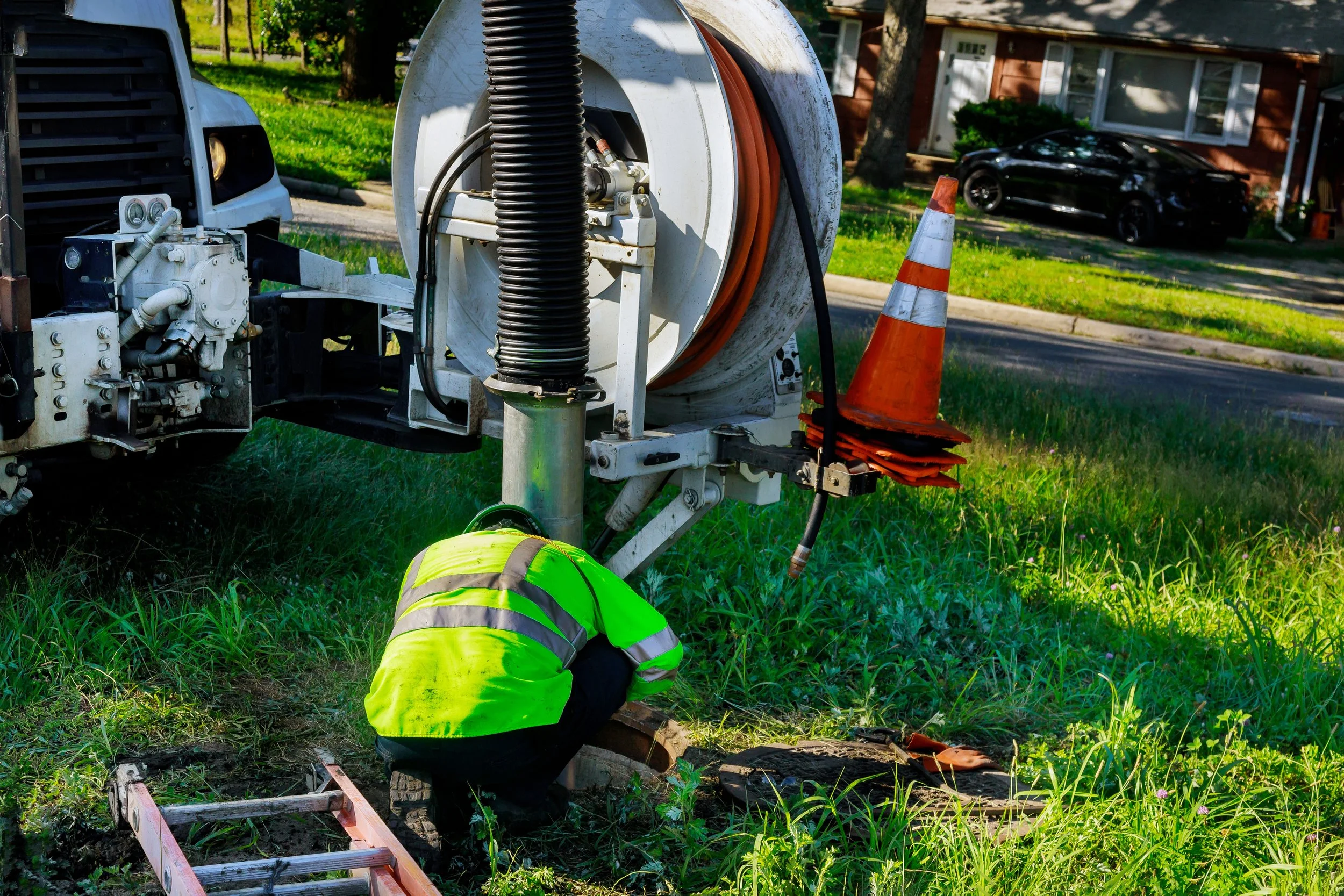
Most Winnipeg Drainage Problems Aren't Cleaning Problems — But Cleaning Is Often Where You Start
A homeowner calls about a catch basin that isn't draining after spring melt. Another calls about a French drain that stopped working after three years. A third has downspout extensions that are backing up every time it rains. All three are described as drainage cleaning problems. Some of them are. Some of them aren't, and misidentifying which is which leads to paying for a cleaning service that doesn't fix the underlying issue.
What we've learned cleaning drainage systems across Winnipeg is that the service and the diagnostic work that determines whether cleaning is the right solution are inseparable. A drainage system that's slow because it's full of sediment and organic debris responds to cleaning. A drainage system that's slow because it was installed without adequate fall, or because the soil around it has become saturated with clay fines over time, requires more than cleaning. Getting that distinction right before the service begins is what separates a fix from a temporary improvement.
Key Takeaways
Drainage cleaning services cost in Winnipeg typically runs $150 to $600 for standard residential work, with more complex or extensive systems running higher
The assessment of whether cleaning will actually solve a drainage problem is as important as the cleaning itself
Winnipeg's clay soil creates specific drainage maintenance challenges that differ from markets with better-draining soils
Catch basin cleaning, French drain maintenance, and downspout system clearing are the most common residential drainage cleaning services
Some drainage problems that present as cleaning issues are actually installation problems that require correction, not just maintenance
Bulger Brothers Landscape provides professional drainage assessment and cleaning services across Winnipeg
Overview: Drainage Cleaning in Winnipeg's Specific Context
Drainage cleaning services cost is most useful understood alongside the diagnostic question of whether cleaning will solve the specific problem at hand. This guide covers what drainage cleaning actually involves for the most common residential systems in Winnipeg, what these services typically cost, what the signs are that a drainage problem is beyond what cleaning can address, and what we've learned about maintaining drainage systems in Winnipeg's clay soil environment specifically.
Bulger Brothers Landscape handles drainage assessment, cleaning, and installation work across Winnipeg residential and commercial properties. The knowledge in this guide comes from diagnosing and addressing drainage problems in local conditions.
What Drainage Cleaning Actually Involves for Common Winnipeg Systems
Catch Basin Cleaning Catch basins are the most commonly cleaned drainage component on Winnipeg residential properties. A catch basin is a below-grade collection chamber with a grate at the surface that collects surface water from adjacent hardscape or low areas and directs it to a drainage outlet. Over time, sediment, sand, organic debris, and leaf material accumulate in the basin sump, reducing its capacity and eventually slowing or stopping drainage.
In Winnipeg, the spring sand flush that occurs when road and private surface sand washes into catch basins during snowmelt is the primary cause of catch basin filling. A basin that was cleaned in fall can be partially filled again by May after a winter's worth of sand washes through.
The cleaning process involves removing the grate, vacuuming or manually removing accumulated sediment from the sump, inspecting the outlet pipe for debris or obstruction, and testing flow through the system after cleaning. For basins connected to municipal storm sewer systems, the outlet pipe condition affects whether cleaning the basin itself resolves the problem or whether a pipe issue is also contributing.
Cost for catch basin cleaning in Winnipeg: $150 to $300 per basin for standard residential applications. Basins that are exceptionally full, require jetting to clear an obstructed outlet pipe, or are in difficult access locations run toward the higher end of this range.
French Drain and Perforated Pipe Systems French drains installed in Winnipeg yards to manage surface water or redirect drainage away from foundations are more complex maintenance propositions than catch basins. The perforated pipe in a French drain system can accumulate sediment that enters through the perforations over time, and the surrounding gravel drainage layer can become infiltrated with clay fines in Winnipeg's clay-heavy soil, reducing its drainage capacity.
The honest assessment: French drains with significant clay infiltration in the gravel layer often can't be fully restored through cleaning alone. Hydrojetting can clear the pipe, but the gravel drainage layer's reduced capacity from clay infiltration isn't addressed by pipe cleaning. Some French drain systems in Winnipeg reach a point where the most cost-effective solution is replacement rather than continued cleaning maintenance.
Cost for French drain cleaning/jetting in Winnipeg: $200 to $500 depending on the pipe length and accessibility. Camera inspection to assess the pipe and drainage layer condition before deciding between cleaning and replacement adds $150 to $250 but is often worth the cost before committing to either approach.
Downspout and Surface Drainage Systems Downspout extensions, pop-up emitters, and buried downspout connections that direct roof drainage away from the foundation are a category of drainage components that homeowners often don't think about as maintenance items until they fail.
Buried downspout pipes can accumulate sediment and debris at low points, particularly at the connection from the vertical downspout to the buried horizontal pipe where direction change creates a collection point. Pop-up emitters can clog with debris, preventing the system from discharging during heavy rain events.
Cost for downspout system cleaning in Winnipeg: $100 to $250 per system depending on length and complexity. Flushing and testing the full run from roof discharge to final outlet confirms the system is clear end-to-end.
Window Well Drains Window well drains that connect to the foundation drainage system or to a separate gravel sump are another maintenance item in Winnipeg homes that receive more water than average due to the city's spring snowmelt volumes. These typically require inspection and cleaning every few years, more frequently for window wells that collect significant debris.
Cost for window well drain cleaning: $100 to $200 per drain depending on depth and access.
Drainage Cleaning Services Cost Summary
Service Type
Typical Winnipeg Cost
Catch basin cleaning
$150 to $300 per basin
French drain/pipe jetting
$200 to $500
Camera inspection
$150 to $250
Downspout system cleaning
$100 to $250
Window well drain cleaning
$100 to $200
Full property drainage assessment
$200 to $400
These are individual service costs. Properties requiring multiple drainage components to be cleaned in a single visit often benefit from combined pricing rather than individual rates for each component.
What We've Learned About Winnipeg's Clay Soil and Drainage Systems
The most significant pattern we observe in Winnipeg drainage maintenance is the accelerated deterioration of French drain and perforated pipe systems due to clay fines migration that doesn't occur as rapidly in markets with sandier soils.
How clay infiltration happens: French drains installed in Winnipeg clay soil have a gravel drainage layer that surrounds the perforated pipe. Clay particles suspended in groundwater moving through the soil enter the gravel layer through the geotextile fabric that's supposed to prevent this, or through gaps where the fabric wasn't installed carefully. Over three to seven years, these clay particles accumulate in the gravel layer, gradually reducing the pore space between gravel particles that allows water to move through the drainage system.
What this looks like: A French drain that worked well for the first two or three years begins performing more slowly, eventually reaching a point where it provides minimal benefit during heavy rainfall or snowmelt events. The pipe itself may be clear, but the surrounding drainage layer no longer moves water at the rate it was designed for.
The cleaning limitation: Jetting the perforated pipe clears sediment from inside the pipe but doesn't restore the drainage capacity of the surrounding gravel layer. This is why some French drains in Winnipeg respond well to cleaning in the short term but return to the same slow performance within a season or two.
Design decisions that reduce clay infiltration: When installing French drains in Winnipeg clay soil, the geotextile fabric selection and installation quality significantly affect how long the system maintains its drainage capacity before clay infiltration becomes a problem. This is one of the design and installation decisions that differentiates drainage systems that last 15 to 20 years from those that require replacement at 5 to 7.
For a complete look at drainage services in Winnipeg including both new installation and repair of existing systems, that overview covers the full range of drainage solutions available for Manitoba properties.
When Cleaning Isn't the Right Answer
The most important thing we've learned about drainage cleaning services cost is that the question of whether cleaning is the right solution needs to be asked before any cleaning work is scheduled.
Signs that a drainage problem requires installation correction rather than cleaning:
A catch basin that fills within one season of being cleaned and is back to full again by the following spring typically has an inlet problem rather than a maintenance deficit. If the basin is positioned where it receives the full sand and debris load from a large surface area without any interception, it will require cleaning every year regardless of how thoroughly it's done. Repositioning the basin or adding inlet filtration reduces the recurring maintenance cycle.
A French drain that shows clay infiltration in the gravel layer within three to five years of installation may have been installed without adequate geotextile fabric or with fabric that wasn't appropriate for Winnipeg's clay soil conditions. Cleaning the pipe extends function temporarily but doesn't address the underlying installation decision that caused premature clay infiltration.
A yard that continues to pool water in the same locations after every rain, even after catch basins are cleaned and drainage pipes are jetted, typically has a grading problem rather than a cleaning problem. Water that has no path to a drainage outlet can't be cleaned away — it needs the grade correction that redirects it.
What a good drainage diagnostic looks like: Observing the property during or after a rain event, assessing where water accumulates and why, checking whether drainage outlets are functioning, and determining whether the problem is debris accumulation, clay infiltration, grading inadequacy, or a combination. This diagnostic work takes 30 to 60 minutes but determines whether cleaning is the right investment or whether the money is better spent on a more fundamental solution.
Maintenance Schedules That Reduce Drainage Cleaning Costs Over Time
For Winnipeg homeowners with drainage systems that are functioning correctly but require periodic maintenance, understanding the right maintenance schedule reduces both the frequency of emergency cleaning and the total long-term cost.
Catch basins: Annual inspection in spring after snowmelt. Cleaning when inspection shows significant sediment accumulation, typically every one to three years depending on the basin's location and the sand load from adjacent surfaces. Cleaning in fall before freeze-up ensures the basin enters winter at full capacity for spring melt.
French drains and perforated pipe systems: Inspection every two to three years. Jetting when flow testing shows reduced capacity. More frequent attention for systems in high clay-infiltration conditions or those installed without adequate geotextile fabric.
Downspout systems: Inspection annually in spring after debris accumulation from fall leaves. Flushing when inspection shows partial blockage. Full cleaning when flow testing shows restricted capacity.
Spring timing: Spring is the highest-demand period for drainage cleaning services in Winnipeg because snowmelt reveals performance problems that lay dormant through winter. Booking drainage inspection and cleaning as part of an annual spring maintenance program, rather than responding only when obvious problems occur, reduces the severity of issues addressed and often reduces the total annual maintenance cost.
For context on spring cleanup services in Winnipeg and how drainage inspection fits within a complete spring maintenance program, that overview covers what a thorough spring service includes.
Understanding yard drainage in Winnipeg and what the most common drainage problems look like helps homeowners identify issues before they become expensive emergencies.
Emergency Drainage Situations and Their Costs
Not all drainage cleaning requests are planned maintenance. Some are emergency responses to active water management failures during heavy rainfall or spring melt.
Emergency clearing of a blocked catch basin during an active flood event carries urgency surcharges that planned maintenance doesn't. Emergency response rates typically run 1.5 to 2 times standard rates, putting emergency catch basin clearing at $200 to $500 for standard residential applications.
Emergency response for foundation drainage failures during heavy melt events is a higher-stakes situation that may involve drainage cleaning alongside other emergency measures. For properties experiencing active water intrusion related to drainage failure, the immediate response and longer-term correction costs need to be addressed separately.
The prevention calculation: A property with catch basins that are cleaned annually and French drains that are inspected every two years typically doesn't generate emergency drainage calls. The preventive maintenance cost of $150 to $300 per year is significantly less than a single emergency response during a melt event, which both costs more per hour and often reveals more extensive problems that the emergency wasn't sufficient to address.
For guidance on emergency drainage services in Winnipeg and what to do when drainage problems need immediate attention, that guide covers the emergency response picture.
When you're ready to have a Winnipeg drainage system assessed, cleaned, or evaluated for whether something beyond cleaning is needed, Bulger Brothers Landscape provides professional drainage services across the city. Located at 7 Leeward Pl, Winnipeg, MB R3X 1M6, the team brings both the cleaning capability and the diagnostic knowledge to determine whether cleaning addresses the problem or whether a more fundamental solution is required. Call (204) 782-0313 to schedule your drainage assessment.
Frequently Asked Questions About Drainage Cleaning Services Cost
Q: How much does drainage cleaning cost in Winnipeg?
A: Catch basin cleaning runs $150 to $300 per basin. French drain jetting runs $200 to $500 depending on pipe length and access. Camera inspection for diagnosis adds $150 to $250. Downspout system cleaning runs $100 to $250. Window well drain cleaning runs $100 to $200. A full property drainage assessment typically runs $200 to $400.
Q: How often should catch basins be cleaned in Winnipeg?
A: Inspection annually after spring snowmelt is the standard approach. Cleaning frequency depends on the basin's location and the sand and debris load it receives. Most residential catch basins in Winnipeg require cleaning every one to three years. Basins adjacent to heavily sanded roads or receiving drainage from large surface areas may need annual cleaning.
Q: Can cleaning fix a French drain that has stopped working in Winnipeg?
A: Sometimes. If the perforated pipe is blocked with sediment, jetting can restore function. If the surrounding gravel drainage layer has become infiltrated with clay fines over time, pipe cleaning may provide temporary improvement but won't restore the drainage layer's capacity. Camera inspection before deciding between cleaning and replacement is worthwhile for French drains that have been underperforming for multiple seasons.
Q: Why does my catch basin fill up every year in Winnipeg?
A: The spring sand flush when road and private surface sand washes into basins during snowmelt is the primary cause of rapid catch basin filling in Winnipeg. Basins receiving drainage from large surface areas or positioned where they receive concentrated sand loads will require more frequent cleaning than others. In some cases, repositioning the basin or adding inlet filtration reduces the annual maintenance cycle.
Q: How do I know if my drainage problem needs cleaning or a new installation?
A: If the system worked well for several years and has gradually slowed, cleaning is a reasonable first step. If the system has never performed adequately since installation, or if cleaning provides only temporary improvement that doesn't last through a full season, the problem is likely in the system design or installation rather than maintenance accumulation. A professional assessment determines which situation you're dealing with.
Q: What causes French drains in Winnipeg to fail faster than in other cities?
A: Clay soil fines migration into the gravel drainage layer is the primary accelerant of French drain performance decline in Winnipeg. Clay particles suspended in groundwater enter the gravel through geotextile fabric over time, gradually reducing the drainage layer's capacity. Systems installed with high-quality geotextile fabric and careful installation practices maintain their performance significantly longer than those without.
Q: Is spring the best time to have drainage systems cleaned in Winnipeg?
A: Spring is the most revealing time, since snowmelt exposes any drainage performance problems that weren't visible in summer or fall. It's also the highest demand period, so booking spring drainage maintenance early is advisable. Fall cleaning is also valuable because it ensures systems enter winter at full capacity for the spring melt season.
Q: What is included in a drainage assessment before cleaning?
A: A thorough drainage assessment involves observing the property's drainage patterns during or after a rain event, inspecting accessible drainage components for debris accumulation, flow testing to identify restricted systems, and determining whether problems are maintenance-related or installation-related. This assessment informs whether cleaning, installation correction, or both are the appropriate response.
Conclusion
Drainage cleaning services cost in Winnipeg is worth understanding alongside the equally important question of whether cleaning will actually solve the specific drainage problem at hand. Catch basins and downspout systems that are accumulating sediment respond well to cleaning at predictable cost. French drains with clay infiltration in the gravel layer may respond to cleaning temporarily but often need more fundamental assessment. And drainage problems that trace back to grading inadequacy or installation deficiencies require correction rather than maintenance regardless of how thoroughly the cleaning is done. Getting that diagnostic right before scheduling the service is what separates a fix from a temporary improvement that you'll be paying for again next spring. Bulger Brothers Landscape brings both the cleaning capability and the diagnostic knowledge to determine which situation you're actually dealing with.