

How to Fix Drainage Issues in Winnipeg Lawns
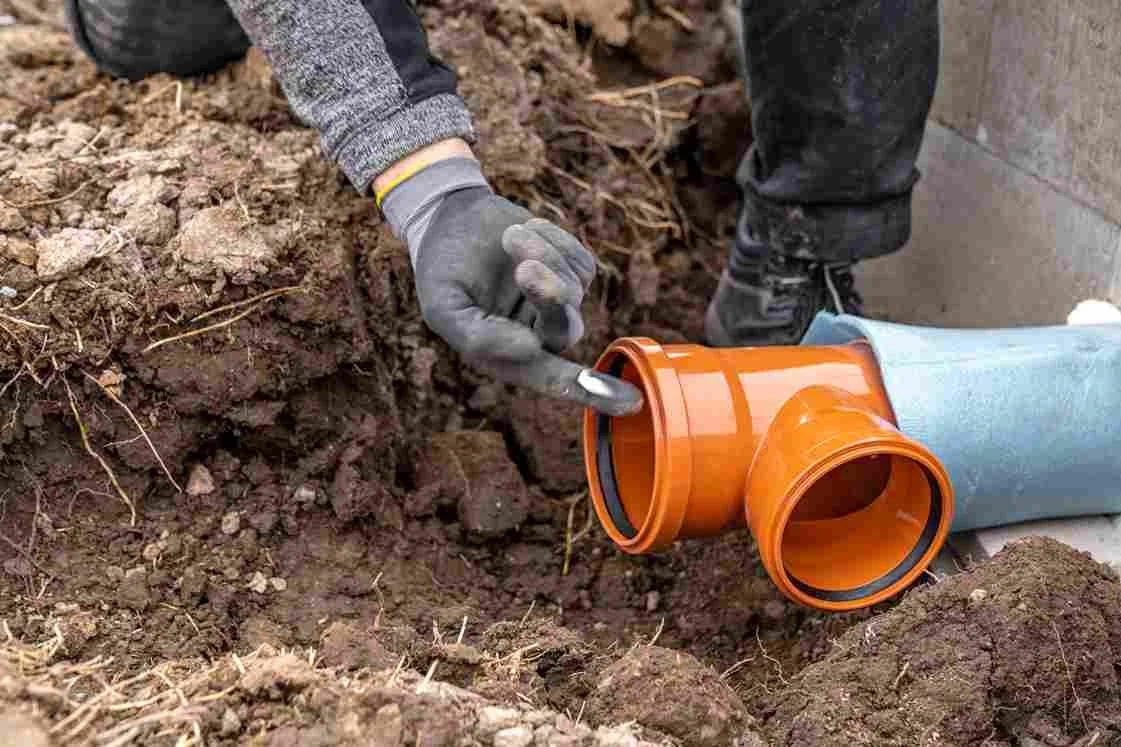
Standing water that lingers for days after a rainstorm. A basement that takes on moisture every spring. A backyard that turns into a soft, unusable mess from late April through June. These are problems that Winnipeg homeowners in neighbourhoods like River Heights and Transcona know all too well — and they're not just frustrating inconveniences. Poor yard drainage Winnipeg properties can cause serious structural damage, kill established lawns and gardens, and create conditions that attract pests and promote mold growth beneath your home's foundation.
The good news is that drainage problems, no matter how chronic they seem, have solutions. The right approach depends on understanding what's actually causing the problem — because the fix for surface pooling looks nothing like the fix for foundation seepage or a lawn that won't dry out after rain. This guide breaks down the causes, the solutions, and what Winnipeg homeowners need to know before taking any action.
Key Takeaways
Winnipeg's clay-heavy soil and flat terrain make yard drainage problems extremely common across the city
Most drainage issues have identifiable root causes that determine which solution will actually work
Surface grading, French drains, catch basins, and swales are the primary professional drainage solutions
Improper drainage repair can redirect water toward neighbours or foundations — professional assessment is critical
Spring thaw creates the highest drainage stress on Winnipeg properties each year
Addressing drainage early prevents compounding damage to foundations, lawns, and landscaping investments
Overview: Why Yard Drainage Winnipeg Properties Face Is a Unique Challenge
Drainage problems in Winnipeg aren't random — they're the predictable result of specific conditions that come with living in this part of Manitoba. Understanding those conditions is the first step toward fixing the problem permanently rather than managing symptoms year after year.
Bulger Brothers Landscape has worked with Winnipeg homeowners across the city to identify and correct drainage problems that have persisted for years — problems that previous patchwork fixes made worse rather than better. This guide reflects that on-the-ground experience with Manitoba soil, topography, and seasonal water behaviour.
Why Winnipeg Properties Are So Prone to Drainage Problems
Several factors combine to make yard drainage Winnipeg properties deal with more challenges than in many other Canadian cities.
Clay Soil
The majority of Winnipeg sits on heavy clay soil — a legacy of the ancient Lake Agassiz lakebed that underlies much of southern Manitoba. Clay soil has extremely low permeability. Water moves through it very slowly, meaning rain and snowmelt that falls faster than the soil can absorb it simply sits on the surface or pools in low-lying areas.
Clay soil also expands when wet and shrinks when dry, creating seasonal movement in the soil itself that affects grading, drainage infrastructure, and even foundations over time. This expansion and contraction cycle is a significant contributor to the frost heave that Winnipeg homeowners observe in walkways, patios, and driveways each spring.
Flat Terrain
Winnipeg's landscape is famously flat. Unlike cities built on varied terrain where natural slope helps move water away from properties, many Winnipeg yards have minimal natural grade. Water that falls on a flat yard has nowhere to go except to sit and slowly infiltrate — and in clay soil, that infiltration is painfully slow.
Flat terrain also means that drainage solutions installed on one property can easily redirect water toward neighbouring properties if they're not carefully designed. This is one of the most important reasons professional drainage assessment matters in Winnipeg — amateur solutions frequently create disputes with neighbours when water that previously pooled in one yard starts pooling in the next.
Spring Thaw Volume
Manitoba winters accumulate significant snowpacks, and when that snow melts in spring, it releases an enormous volume of water over a relatively short period. Even in years with modest snowfall, the spring thaw creates a drainage event that exceeds what most residential landscapes are designed to handle.
Frozen ground beneath the snowpack cannot absorb meltwater until it thaws, which means early spring meltwater essentially runs off frozen soil the way it would run off pavement. This concentrated runoff overwhelms drainage infrastructure and low points in the landscape, creating the flooding and saturation that Winnipeg homeowners in areas like St. Vital and Charleswood deal with every April and May.
Aging Infrastructure
Many Winnipeg neighbourhoods were developed decades ago when drainage standards and lot grading requirements were less stringent than current codes. Older properties often have settled grading that has gradually shifted toward the house rather than away from it, clogged or undersized drainage infrastructure, and downspout connections that discharge water too close to the foundation.
Identifying the Type of Drainage Problem You Have
Effective yard drainage Winnipeg solutions start with accurate diagnosis. Different problems require fundamentally different fixes, and applying the wrong solution wastes money while leaving the underlying issue unresolved.
Surface Ponding
Surface ponding is the most visible drainage problem — water that sits on the surface of the lawn or hardscape for hours or days after rain or snowmelt. It typically occurs in low spots, compacted areas, or sections of the yard where grading directs water to collect rather than drain away.
Surface ponding kills grass, promotes moss and algae growth, and creates breeding conditions for mosquitoes. It also indicates that the ground beneath is saturated — meaning the lawn in and around the ponding area is being deprived of oxygen at the root zone, further stressing the turf.
Foundation and Basement Seepage
When water consistently moves toward the house rather than away from it, foundation and basement seepage follows. This can manifest as damp basement walls, efflorescence (white salt deposits) on foundation walls, musty odours, or active water infiltration during heavy rain or spring thaw.
Foundation drainage problems are among the most serious and expensive consequences of poor yard drainage Winnipeg properties experience. Water against a foundation wall causes concrete deterioration, promotes mold growth, and in severe cases contributes to structural movement.
Lawn That Won't Dry Out
Some Winnipeg lawns stay soft and saturated long after rain has stopped and neighbouring properties have dried out. This is typically a combination of clay soil, compaction, and inadequate surface grading — the lawn simply has no mechanism to move excess moisture away from the root zone.
Chronically wet lawns develop shallow root systems, become highly susceptible to disease, and suffer significant compaction damage from normal foot traffic during wet periods. Year over year, these lawns degrade rather than improve, regardless of how much fertilizer or overseeding is applied.
Erosion and Washout
Properties with steeper grade changes experience erosion — water moving across the surface carries soil with it, creating channels, depositing soil in unwanted locations, and gradually destabilizing slopes and garden beds. Erosion damage compounds over time, as each rain event deepens the channels that the previous event created.
Retaining walls, ground cover planting, and strategic grading corrections address erosion, but the drainage driving the surface water flow must also be managed or erosion will continue despite surface treatments.
Downspout and Roof Runoff Issues
Downspouts that discharge too close to the foundation, or that outlet onto surfaces that direct water toward the house, are a common and frequently overlooked contributor to drainage problems. A typical residential roof sheds thousands of litres of water during a significant rain event — all of which concentrates at the downspout outlets.
Extending downspouts to discharge water well away from the foundation, or connecting them to underground drainage infrastructure, is one of the simplest and most cost-effective drainage improvements a Winnipeg homeowner can make.
Professional Yard Drainage Solutions for Winnipeg Properties
Yard Grading and Regrading
Proper lot grading is the foundation of effective drainage. City of Winnipeg standards require positive drainage away from all structures — meaning the ground surface should slope away from the house at a minimum grade that moves water toward the street, a swale, or a designated drainage area.
Over time, settling, landscaping changes, and soil movement cause grading to shift. A property that was properly graded when it was built may have developed negative drainage — grading that directs water toward the house — over years or decades of settlement.
Regrading involves:
Assessing the existing grade across the full property using accurate measurements
Adding and shaping topsoil to restore positive drainage slope away from all structures
Ensuring new grade integrates smoothly with neighbouring properties without redirecting water onto them
Establishing drainage flow paths toward appropriate outlets — street, back lane, or drainage infrastructure
Regrading is the most fundamental yard drainage Winnipeg solution — it works with gravity to move water where it belongs rather than relying on infrastructure to compensate for poor surface slope. Professional yard grading from experienced Winnipeg contractors ensures the work is done to current code standards with accurate slope measurements, not eyeballed approximations.
French Drains
A French drain is a perforated pipe installed in a gravel-filled trench that collects subsurface water and carries it to a discharge point — typically daylight at a property boundary, a storm sewer connection, or a dry well. French drains are highly effective for lawns that stay saturated, areas with high water tables during spring thaw, and properties where surface regrading alone isn't sufficient to manage the water volume.
French drain installation in Winnipeg requires:
Accurate identification of the drainage problem and the appropriate discharge location
Trench excavation to appropriate depth — typically 60 to 90 cm — below the zone of water accumulation
Geotextile fabric lining to prevent clay soil migration into the gravel and pipe
Gravel backfill surrounding the perforated pipe
Outlet protection at the discharge point to prevent erosion and blockage
The discharge location is critical. Water collected by a French drain must have somewhere appropriate to go — ideally to the street or a storm drainage connection. Discharging onto a neighbouring property is not acceptable and will create disputes. A professional drainage assessment identifies the correct outlet before any trenching begins.
Catch Basins
Catch basins are surface-mounted drainage inlets connected to underground pipe that collect water from low-lying areas and carry it to an appropriate outlet. They're particularly effective for driveways, patios, and lawn areas where surface ponding is concentrated in a specific low point.
A catch basin in a chronically wet lawn area can eliminate ponding that has persisted for years, provided it's connected to an adequate underground pipe run with a viable outlet. The grated surface of the catch basin intercepts water before it pools, directing it underground immediately.
Catch basins require periodic cleaning — leaves, sediment, and debris accumulate in the basin chamber and reduce capacity. Annual inspection and cleaning is a small maintenance investment that keeps the system functioning properly.
Swales
A swale is a gently sloped channel — either grass-lined or planted with water-tolerant vegetation — designed to collect and direct surface water across a landscape toward a drainage outlet. Swales are a low-impact, visually natural drainage solution that works particularly well for larger lots and properties where underground pipe installation isn't practical or necessary.
In Winnipeg's flat landscape, swales must be carefully designed with adequate slope to actually move water — insufficient grade produces a swale that simply becomes a linear wet area rather than a functional drainage channel. Professional design ensures swales are graded correctly and positioned to intercept water effectively.
Swales integrated with native plantings or ornamental grasses can be visually attractive features rather than purely utilitarian infrastructure — a design approach that works particularly well in larger Winnipeg properties where there's room to work with the natural landscape.
Window Well Drains and Foundation Perimeter Drains
For properties with basement seepage or consistently wet window wells, perimeter foundation drains or dedicated window well drains may be required. These systems collect water at the foundation level and carry it away before it can infiltrate basement walls.
Foundation drainage work should always involve professionals with specific experience in Manitoba soil and foundation conditions. Improperly installed foundation drainage can disrupt soil stability around the foundation, potentially creating more serious problems than the original drainage issue.
Downspout Extensions and Redirection
As noted earlier, downspouts are a frequently underestimated contributor to drainage problems. Simple solutions — rigid or flexible downspout extensions that carry water at least 1.5 to 2 metres from the foundation — can meaningfully reduce the water load at the building perimeter.
More comprehensive solutions involve connecting downspouts to underground pipe runs that carry roof runoff to the street or a drainage outlet well away from the house. This eliminates surface discharge entirely and keeps the water away from the foundation regardless of weather conditions.
How Drainage Problems Damage Your Landscaping Investment
Poor yard drainage Winnipeg conditions cause cascading damage to every element of an outdoor space. Understanding the scope of that damage helps contextualize the value of fixing drainage properly.
Lawn damage: Chronically wet soil suffocates grass roots, promotes disease, and creates compaction under normal traffic. Lawns in poor drainage conditions degrade year over year regardless of overseeding, fertilizing, or other lawn care investment. If your lawn consistently underperforms despite proper care, drainage is frequently the underlying cause.
Garden bed damage: Perennial gardens and shrubs planted in poorly drained soil suffer root rot, reduced winter hardiness, and premature decline. Plants that should thrive for decades in Winnipeg's Zone 3 climate struggle and die when their root zones stay saturated through spring and after heavy rain.
Hardscape damage: Water that cannot drain properly beneath patios, walkways, and retaining walls accelerates freeze-thaw damage to base materials and surface hardscape. If you're planning a patio and walkway installation or retaining wall project, addressing drainage first protects that investment from the ground up.
Foundation damage: The most serious consequence of sustained poor drainage is foundation deterioration. Water infiltration causes concrete spalling, promotes mold growth, and contributes to soil movement that affects foundation stability over time. The cost of foundation repair dwarfs the cost of proper drainage correction by a wide margin.
Yard Drainage Winnipeg Cost Ranges
Understanding realistic costs helps you budget accurately and evaluate quotes with confidence.
Typical yard drainage Winnipeg project costs:
Downspout extensions and redirection: $200 – $800 depending on complexity
Surface regrading (average residential lot): $2,000 – $6,000
French drain installation (per linear metre): $80 – $200 depending on depth and access
Catch basin installation: $1,500 – $3,500 including pipe run to outlet
Swale construction: $1,500 – $5,000 depending on length and finishing
Comprehensive drainage system (multiple components): $5,000 – $15,000+
These ranges reflect Winnipeg labour rates and the specific requirements of working in clay soil with frost-depth considerations. Quotes significantly below these ranges often indicate insufficient depth, inadequate pipe sizing, or discharge solutions that create downstream problems.
For properties with emergency drainage situations — active foundation infiltration or significant flooding — emergency drainage services address urgent problems before permanent solutions are designed and installed.
Professional vs DIY Drainage Solutions in Winnipeg
Simple tasks — extending a downspout, clearing a clogged catch basin grate, or adding topsoil to a minor low spot — are reasonable DIY projects for attentive homeowners. Anything involving underground pipe, significant regrading, or foundation proximity requires professional involvement.
Why DIY drainage projects frequently fail or create new problems in Winnipeg:
Incorrect slope on underground pipe — water pools in the pipe rather than flowing to the outlet, creating a system that fails within the first season
Inadequate pipe sizing — undersized pipe cannot handle peak flow during spring thaw and backs up
Wrong outlet location — redirecting water toward a neighbouring property creates legal disputes and bylaw complaints
Insufficient trench depth — shallow pipe installations in Winnipeg's frost zone heave and disconnect within a few winters
Missing geotextile fabric — clay soil migrates into gravel backfill and pipe perforations within a few seasons, rendering French drains ineffective
Foundation proximity errors — improper drainage work near foundation walls destabilizes soil and worsens the original problem
Professional drainage contractors bring proper surveying equipment to measure grade accurately, knowledge of Winnipeg's municipal drainage standards, and the experience to design systems that work together as an integrated solution rather than individual patchwork fixes.
The comprehensive guide to drainage services in Winnipeg provides further detail on what professional drainage assessment and installation involves.
Integrating Drainage With Your Broader Landscaping Plans
The most cost-effective time to address drainage is during a broader landscaping project — not after. If you're planning hardscape installation, lawn renovation, garden design, or any significant outdoor work, integrating drainage solutions at the same time avoids the cost of disrupting finished work later.
A new patio installed over unresolved drainage problems will show accelerated freeze-thaw damage within a few seasons. A lawn renovation in a yard with chronic saturation will underperform regardless of sod quality or overseeding technique. Mulch beds and garden design installed in areas with poor drainage will struggle to establish and thrive.
Treating drainage as the foundational step — before investing in surface features — protects every dollar spent on the outdoor space above it. Experienced Winnipeg landscape contractors assess drainage as part of every project scope, not as an afterthought.
Seasonal Timing for Drainage Work in Winnipeg
The optimal window for drainage installation in Winnipeg runs from late May through September, when ground conditions are workable, pipe installations can reach proper depth without frozen soil complications, and new grading can be seeded or sodded before the season closes.
Spring is when drainage problems are most visible — standing water, saturated lawns, and wet basements make the need obvious. However, spring is often too wet and too early to begin underground work. Use the spring observation period to document problem areas accurately, then plan and schedule professional work for late May or early summer when conditions allow proper installation.
Fall drainage work is possible through September and into early October, but regraded areas seeded in fall have a shorter establishment window before freeze-up. Sod installation can extend the fall window slightly — sod installation takes hold faster than seed and can be successfully installed through mid-October in most Winnipeg years.
Ready to Solve Your Yard Drainage Winnipeg Problem Permanently?
If standing water, a saturated lawn, or moisture near your foundation has been a recurring problem, Bulger Brothers Landscape can assess your property and design a drainage solution built for Winnipeg's specific soil and climate conditions. Visit the team at 7 Leeward Pl, Winnipeg, MB R3X 1M6 or call (204) 782-0313 to book a professional drainage assessment and take the first step toward a permanently drier, healthier outdoor space.
Conclusion
Yard drainage problems in Winnipeg are not minor inconveniences — they are the source of lawn deterioration, landscaping investment failure, and in serious cases, foundation damage that costs far more to repair than proper drainage correction would have. The clay soil, flat terrain, and extreme spring thaw volumes that define this part of Manitoba make drainage a genuine structural priority for every residential property.
The path forward starts with an accurate diagnosis of what's actually causing the problem, followed by a professional solution designed specifically for your property's conditions and Winnipeg's regulatory requirements. Bulger Brothers Landscape brings that local expertise to every yard drainage Winnipeg project — helping homeowners across the city solve drainage problems permanently rather than patching symptoms season after season. Reach out today and put a real solution in place before the next spring thaw arrives.
Common Questions About Yard Drainage in Winnipeg
Q: Why does my Winnipeg yard stay wet so long after rain?
A: Winnipeg's heavy clay soil has very low permeability — water moves through it slowly. Combined with flat terrain that provides minimal natural slope to carry water away, this creates conditions where surface water simply has nowhere to go quickly. Compaction makes the problem worse by further reducing the soil's already limited infiltration capacity.
Q: How much does yard drainage repair cost in Winnipeg?
A: Costs range from a few hundred dollars for simple downspout extensions to $15,000 or more for comprehensive drainage systems involving regrading, French drains, catch basins, and outlet infrastructure. Most residential drainage projects in Winnipeg fall between $2,000 and $8,000 depending on the scope and complexity of the solution required.
Q: Can I install a French drain myself in Winnipeg?
A: Simple surface drainage improvements are reasonable DIY projects, but French drain installation involves underground pipe with precise slope requirements, geotextile fabric, appropriate gravel backfill, and a viable outlet — all of which must function correctly in Winnipeg's freeze-thaw conditions and clay soil environment. Errors in any component lead to system failure, often within the first season.
Q: Will fixing my drainage damage my neighbour's yard?
A: It can, if the drainage solution is designed without considering where redirected water will go. This is one of the most important reasons professional drainage assessment matters in Winnipeg's flat landscape. A professional drainage contractor designs systems that route water to appropriate outlets — street drains, back lanes, or municipal infrastructure — rather than simply pushing problems onto neighbouring properties.
Q: How do I know if my drainage problem is affecting my foundation?
A: Signs of foundation drainage problems include damp or wet basement walls, white efflorescence deposits on concrete, musty odours in the basement, visible water infiltration during heavy rain or spring thaw, and soil grading that slopes toward the house rather than away from it. If you observe any of these signs, professional assessment should happen promptly — foundation drainage problems worsen and become more expensive to correct over time.
Q: When is the best time to fix yard drainage in Winnipeg?
A: Late May through September is the optimal window for drainage installation. Spring is when problems are most visible, but ground conditions are often too wet for proper underground work until late May. Use early spring to observe and document problem areas, then schedule professional work for late spring or summer when conditions allow accurate grading and proper pipe installation.
Q: Does yard drainage affect my lawn's health?
A: Significantly. Chronically saturated soil suffocates grass roots, promotes fungal disease, and creates compaction under normal foot traffic. Lawns in poor drainage conditions consistently underperform regardless of fertilizing, overseeding, or other lawn care investment. If your lawn struggles despite proper care, drainage is frequently the underlying problem that other treatments can't overcome.
Q: Can drainage problems cause damage to my patio or walkways?
A: Yes. Water that cannot drain properly beneath hardscape accelerates freeze-thaw damage to base materials, causing heaving, settling, and surface cracking. This is why professional hardscape installers assess drainage before beginning any patio, walkway, or retaining wall project — unresolved drainage undermines the investment regardless of how quality the surface materials are.
Q: What is a swale and is it right for my Winnipeg property?
A: A swale is a gently sloped grass or planted channel that directs surface water across a landscape toward a drainage outlet. It's a low-impact, visually natural solution well-suited to larger Winnipeg lots where underground pipe installation isn't practical. In Winnipeg's flat terrain, swales must be carefully graded by a professional to ensure adequate slope — insufficient grade produces a swale that becomes a linear wet area rather than a functional drainage feature.
Q: How do I prevent drainage problems from recurring after they're fixed?
A: Maintain positive grading away from the house by avoiding soil disturbance that flattens or reverses slope over time. Keep catch basins and drainage outlets clear of debris annually. Extend downspouts well away from the foundation and check them after every significant storm. Address any new low spots or grading changes immediately rather than allowing them to develop into chronic problems. Annual inspection of drainage infrastructure — particularly after the spring thaw — catches developing issues before they escalate.