

Emergency Drainage Services Near You in Winnipeg: What to Do When Water Won't Wait
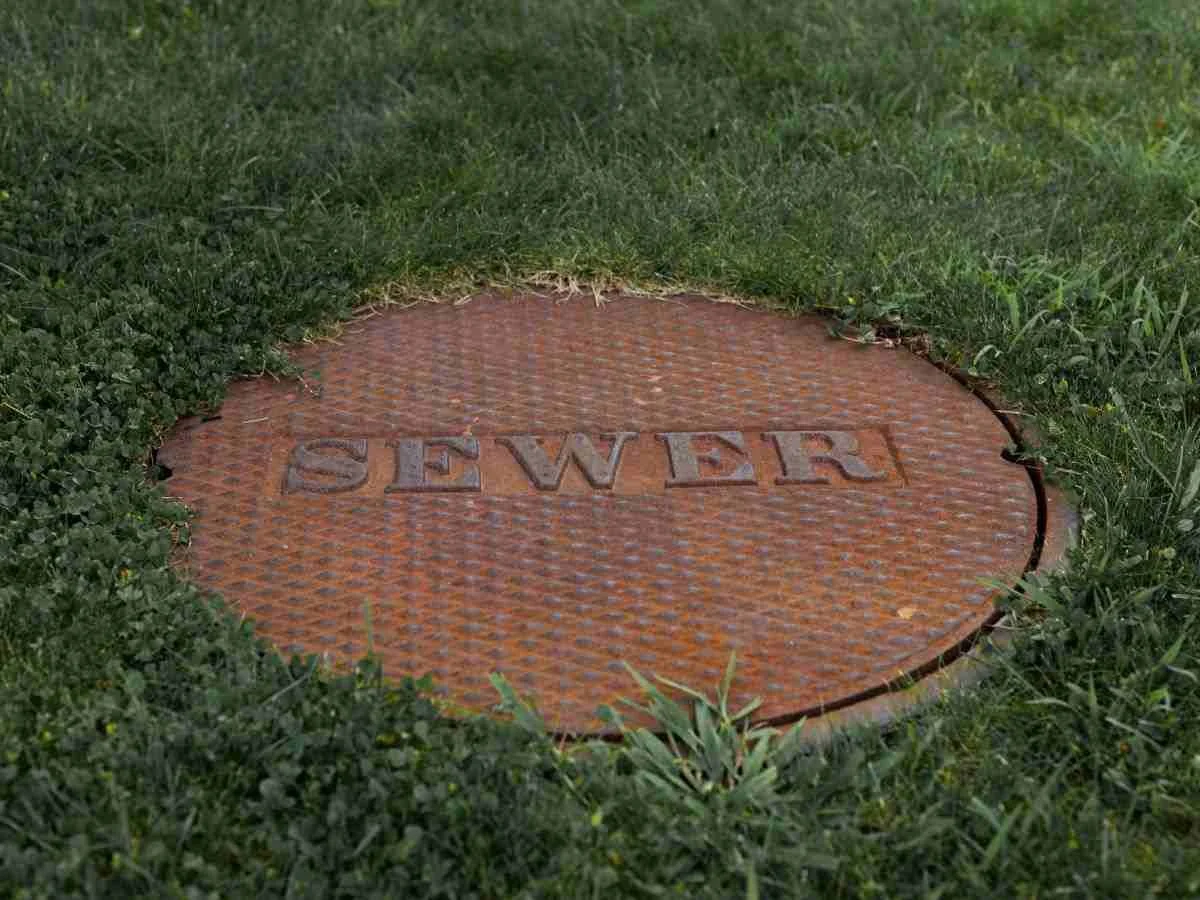
Water in the wrong place moves fast and damages faster. A suddenly flooded yard, water pushing toward your foundation during a heavy rainfall, or a drainage system that has completely failed during spring snowmelt are not situations where waiting a few days for a convenient appointment is a reasonable option. For homeowners across Winnipeg neighborhoods like River Heights and Transcona, knowing what qualifies as a drainage emergency, what to do immediately, and who to call makes the difference between a manageable problem and a catastrophic one. This guide gives you the practical information you need before an emergency arrives.
Key Takeaways
Drainage emergencies in Winnipeg include foundation water intrusion, rapidly pooling water near structures, failed sump systems, and blocked drainage during heavy rainfall or snowmelt events
Acting quickly to redirect surface water away from your foundation is the most important immediate step in any drainage emergency
Winnipeg's clay soils and intense spring snowmelt create drainage emergency conditions that are predictable and worth preparing for in advance
Emergency drainage services address the immediate crisis but should always be followed by permanent drainage solutions that prevent recurrence
Professional assessment after any drainage emergency identifies underlying problems that DIY responses typically miss
Bulger Brothers Landscape provides drainage services across Winnipeg and understands the urgent water management challenges this climate creates
Overview
This article covers what constitutes a drainage emergency in Winnipeg, what immediate steps homeowners can take while waiting for professional help, what emergency drainage services involve, how Winnipeg's specific climate creates emergency conditions, and what permanent solutions prevent emergencies from recurring. Bulger Brothers Landscape brings extensive local experience with Winnipeg's drainage challenges and understands what it takes to resolve urgent water problems on properties in this city.
What Qualifies as a Drainage Emergency?
Not every drainage problem is an emergency, but several conditions in Winnipeg warrant urgent professional attention rather than routine scheduling.
Water moving toward or entering your foundation is the clearest drainage emergency signal. Once water reaches your foundation, the window between surface drainage failure and basement water intrusion is short, particularly on properties with older foundations or existing cracks. Any situation where surface water is visibly flowing toward your foundation during or after rainfall or snowmelt qualifies as an emergency requiring immediate response.
Rapidly rising water in a low-lying area near your home that is not receding within a reasonable period after precipitation ends indicates a drainage system failure that is accumulating water faster than it can discharge. The risk in this situation is that water levels continue rising until they reach a threshold where foundation intrusion or structural damage becomes unavoidable.
Complete failure of a sump pump or weeping tile system during a high-water event creates emergency conditions quickly on properties that depend on these systems to manage groundwater. If your sump pump has failed and water is entering your sump pit faster than it can be manually removed, emergency service is needed immediately.
Blocked or overwhelmed catch basins and surface drains during heavy rainfall that are causing water to back up toward structures rather than discharge efficiently represent urgent drainage failures that need professional clearing before the situation escalates.
Erosion actively occurring around foundation elements, retaining walls, or slope areas during a rain event indicates concentrated water flow that is removing supporting soil in real time. This situation can escalate to structural failures that are expensive and dangerous if not interrupted quickly.
Winnipeg's spring snowmelt period creates drainage emergency conditions on a citywide scale every year. Properties with marginal drainage systems that handle normal seasonal rainfall adequately can be completely overwhelmed by the volume of water released during an intense snowmelt event. If your yard is taking on water faster than it can drain during spring thaw, this is an emergency regardless of whether rain is contributing.
Immediate Steps to Take During a Drainage Emergency
While waiting for professional emergency drainage services, several immediate actions can reduce damage and buy time for proper resolution.
Redirect surface water flow manually if safely possible. Simple interventions like creating temporary channels with a shovel to direct water away from your foundation, clearing debris from visible catch basin grates that are blocking flow, or removing obstructions from surface drainage channels can meaningfully reduce the rate at which water approaches vulnerable areas. These are temporary measures, not solutions, but they can limit damage while professional help is en route.
Move vulnerable items away from areas at risk. If water is approaching a basement window well, garage entrance, or other low entry point, moving valuables and equipment away from those areas reduces potential losses while drainage response is being arranged.
Document the situation with photographs and video. Visual documentation of where water is coming from, how it is flowing, and what areas are affected provides important information for the drainage professional who responds and may be relevant for insurance purposes if damage occurs.
Do not attempt to enter or work in areas with moving water over hard surfaces. Rapidly moving surface water during heavy rainfall or snowmelt events carries risks that are not immediately apparent from observation. Stay clear of areas where water depth or flow velocity is significant and let professionals manage those conditions safely.
Contact your drainage or landscaping professional immediately. The sooner professional emergency drainage services are engaged, the more options exist for limiting damage. Calling while the emergency is actively developing rather than after it has caused significant damage gives a responsive professional the opportunity to intervene effectively.
How Winnipeg's Climate Creates Drainage Emergencies
Understanding why Winnipeg generates drainage emergencies at a higher rate than many comparable Canadian cities helps property owners prepare intelligently and respond effectively when conditions deteriorate.
Clay soil dominance throughout much of Winnipeg means that water arriving at the ground surface has nowhere to go except across the surface or through whatever drainage infrastructure is in place. Unlike sandy or loamy soils that absorb rainfall and snowmelt gradually, Winnipeg's clay soils reject water at the surface and channel it in concentrated flows that overwhelm drainage systems and create the rapid water accumulation that emergency conditions require.
Spring snowmelt intensity is the single greatest generator of drainage emergencies in Winnipeg. The volume of water stored in a full winter snowpack, released over a compressed timeframe as temperatures rise in spring, regularly exceeds what municipal stormwater systems and residential drainage infrastructure were designed to handle. Properties with even marginally inadequate drainage systems experience emergency conditions annually during intense snowmelt periods that properties in better-drained soils or milder climates would handle without issue.
Freeze-thaw damage to drainage infrastructure compounds the snowmelt challenge. Drainage pipes that have been displaced by frost heave, catch basins that have settled out of their designed grades, and weeping tile systems compromised by ice formation during winter all arrive at the spring snowmelt period in degraded condition, precisely when drainage demand is highest. This combination of maximum demand and reduced capacity is the formula for drainage emergencies that Winnipeg homeowners face every spring.
Established neighborhood infrastructure limitations in older Winnipeg neighborhoods mean that the municipal stormwater systems and residential drainage designs serving many properties were not engineered for current development densities and impervious surface coverage. Properties in established neighborhoods like Charleswood and St. Vital can experience drainage emergencies not because their own drainage systems have failed but because the overall system serving their area is operating at or beyond capacity during peak events.
Dramatic rainfall intensity events have become more common in Winnipeg in recent years, delivering high volumes of precipitation in short timeframes that overwhelm drainage systems designed for historical rainfall patterns. A single intense summer thunderstorm can deliver drainage challenges comparable to days of moderate rainfall, compressing the timeline for response and limiting the effectiveness of drainage systems that perform adequately under normal conditions.
What Emergency Drainage Services Involve
When professional emergency drainage services arrive at a Winnipeg property, the response typically involves several phases that address both the immediate crisis and its underlying causes.
Immediate water management is the first priority. This may involve deploying pumps to remove standing water from critical areas, creating temporary drainage channels to redirect surface flow away from foundations and structures, clearing blocked drainage inlets and catch basins to restore discharge capacity, and establishing temporary barriers to limit further water intrusion into vulnerable areas.
Rapid drainage system assessment identifies what has failed or been overwhelmed and why. Understanding the failure mechanism is essential for effective emergency response because different failure types require different interventions. A blocked catch basin requires clearing. A collapsed weeping tile requires excavation and replacement. A grading failure that is directing water toward the foundation requires different management than a system that is functioning correctly but simply overwhelmed by volume.
Emergency excavation and repair may be required when blocked or damaged subsurface drainage infrastructure cannot be restored to function through surface-level interventions. This work is more disruptive and more expensive than routine drainage maintenance but is sometimes the only effective response to emergency conditions caused by failed underground systems.
Temporary protective measures bridge the gap between emergency response and permanent drainage solutions. These may include temporary pumping arrangements, surface water management provisions, or partial drainage repairs that stabilize the situation until comprehensive permanent work can be designed and executed.
Permanent drainage solution planning follows the resolution of the immediate emergency. This is where the underlying problems that created emergency conditions are addressed through properly engineered drainage services that prevent recurrence rather than simply managing the symptoms of a drainage system that is inadequate for the property it serves.
The Relationship Between Emergency Response and Permanent Solutions
One of the most important principles in drainage emergency management is that emergency response and permanent solutions are different phases of the same problem, not interchangeable alternatives.
Emergency drainage services stop the bleeding. They prevent or limit damage during an active crisis through immediate interventions that are often temporary by nature. They are essential when drainage emergencies occur, but they are not a substitute for the permanent drainage infrastructure improvements that prevent those emergencies from recurring.
A property that requires emergency drainage intervention has demonstrated that its current drainage infrastructure is inadequate for the conditions it faces. Whether that inadequacy stems from original design limitations, deterioration of existing systems, changes in surrounding development that have increased runoff onto the property, or climate pattern changes that have intensified rainfall events, the underlying inadequacy will produce the same emergency conditions again unless it is addressed through permanent improvements.
Permanent drainage solutions for Winnipeg properties may include installation of properly engineered catch basin and drainage tile systems, yard grading work to establish drainage patterns that direct water away from structures, dry creek bed construction that provides both drainage capacity and visual appeal, foundation drainage improvements, and integration of surface and subsurface drainage systems into a cohesive water management plan for the entire property.
The investment in permanent drainage solutions after an emergency is almost always justified by the cost of the emergency itself and the certain recurrence of similar conditions without intervention. Properties that experience drainage emergencies and do not follow up with permanent improvements reliably experience the same emergencies again, with cumulative damage costs that far exceed what comprehensive drainage work would have cost.
Combining permanent drainage improvements with other landscape work like retaining wall installation where slope management is a contributing factor, or rock bed and boulder installation for naturalistic drainage features, creates outdoor spaces that manage water effectively while looking intentional and well-designed rather than purely functional.
Preparing Your Winnipeg Property to Reduce Emergency Risk
While drainage emergencies cannot always be prevented, several proactive measures significantly reduce the probability and severity of emergency conditions on Winnipeg properties.
Annual drainage system maintenance including catch basin cleaning, drainage outlet clearing, and subsurface system inspection keeps drainage infrastructure functioning at its designed capacity rather than arriving at peak demand periods in degraded condition. The relatively modest cost of annual drainage maintenance is consistently justified by the emergency risk it reduces.
Spring pre-snowmelt preparation involves clearing drainage outlets of any winter debris accumulation, confirming that catch basin grates are clear, and identifying any areas where snowpack accumulation near foundations or drainage channels creates concentrated melt water risk before melting begins. Addressing these conditions before snowmelt arrives rather than during it gives homeowners more options and more time.
Hardscape drainage integration ensures that paved surfaces on the property shed water in directions that do not contribute to drainage system overloading. Patios, driveways, and walkways that are graded incorrectly become contributors to drainage emergencies by concentrating runoff in areas that the drainage system cannot handle efficiently.
Sump pump maintenance and backup systems on properties with basement drainage systems ensure that these critical components are functional before high-water events arrive rather than discovering failures during emergencies. Annual pump testing, battery backup sump pump installation, and alarm systems that alert homeowners to high water conditions in sump pits are all worthwhile investments for Winnipeg properties that rely on active pumping for basement drainage management.
Professional drainage assessment following any drainage emergency, any significant hardscape installation that changes runoff patterns on the property, or any notable deterioration of drainage performance gives you an expert evaluation of current system adequacy and specific recommendations for improvements worth prioritizing.
When drainage challenges are threatening your Winnipeg property and you need professional support, Bulger Brothers Landscape understands the urgent and permanent drainage needs of properties in this climate. Reach out to their team at 7 Leeward Pl, Winnipeg, MB R3X 1M6 or call (204) 782-0313 to discuss both immediate drainage concerns and the permanent solutions that protect your property through every Winnipeg season.
Frequently Asked Questions about Emergency Drainage Services Near You
Q: What qualifies as a drainage emergency in Winnipeg?
A: Drainage emergencies include water moving toward or entering your foundation, rapidly rising water near structures that is not receding after precipitation ends, complete sump pump failure during a high-water event, blocked surface drains causing water to back up toward buildings, active erosion around foundation or structural elements, and property flooding during intense spring snowmelt. Any situation where water is causing or imminently threatening structural damage or basement intrusion warrants emergency service.
Q: What should I do immediately during a drainage emergency in Winnipeg?
A: Redirect surface water away from your foundation using whatever safe means are available, clear visible debris from catch basin grates, move valuables away from areas at risk of flooding, document the situation with photographs, and contact a professional drainage service immediately. Do not attempt to work in areas with rapidly moving water. The sooner professional help is engaged, the more options exist for limiting damage.
Q: Why does Winnipeg have more drainage emergencies than other Canadian cities?
A: Winnipeg's clay-heavy soils reject surface water rather than absorbing it, creating rapid runoff that concentrates in drainage systems. Intense spring snowmelt delivers enormous water volumes in compressed timeframes that regularly exceed drainage system capacity. Freeze-thaw damage to drainage infrastructure through the winter reduces system capacity precisely when spring demand is highest. These factors combine to create drainage emergency conditions that are more frequent and more severe than most other Canadian cities experience.
Q: Can emergency drainage services permanently fix my drainage problem?
A: Emergency drainage services address the immediate crisis through temporary interventions that stop active damage. They are not a substitute for permanent drainage infrastructure improvements that address the underlying causes of emergency conditions. A property that has experienced a drainage emergency has demonstrated inadequate drainage for the conditions it faces. Permanent solutions designed and installed after the emergency resolves are what prevent recurrence.
Q: How much do emergency drainage services cost in Winnipeg?
A: Emergency drainage service costs vary significantly based on the nature and severity of the emergency, the equipment required, and the extent of the work needed to stabilize the situation. Basic emergency clearing and pumping services may cost $500 to $2,000. Emergency excavation and repair of failed underground drainage infrastructure can cost $3,000 to $15,000 or more depending on scope. Permanent drainage solutions installed after emergency response are quoted separately based on the specific improvements required.
Q: How can I reduce the risk of drainage emergencies on my Winnipeg property?
A: Annual drainage system maintenance including catch basin cleaning and outlet clearing, spring pre-snowmelt preparation to clear drainage paths before melt begins, correct grading of hardscape surfaces to direct water away from foundations, sump pump maintenance and backup system installation where applicable, and professional drainage assessment following any notable drainage performance deterioration all reduce emergency risk meaningfully. Proactive maintenance consistently costs less than emergency response and damage repair.
Q: Will my home insurance cover drainage emergency damage in Winnipeg?
A: Insurance coverage for drainage-related damage varies significantly by policy and the specific cause of damage. Overland flooding, sewer backup, and groundwater intrusion are typically covered by separate riders or endorsements rather than standard home insurance policies. Reviewing your specific policy with your insurance provider and confirming what drainage-related damage scenarios are covered is worthwhile before an emergency occurs rather than after. Documenting drainage emergencies thoroughly with photographs supports insurance claims if coverage applies.
Q: How long does it take for emergency drainage services to respond in Winnipeg?
A: Response times vary by provider, time of year, and demand conditions. During peak periods like intense spring snowmelt when emergency calls are elevated citywide, response times may be longer than during off-peak periods. Establishing a relationship with a trusted local drainage and landscaping company before emergencies occur gives you a known contact whose responsiveness and capabilities you understand rather than searching for help during an active crisis. Having the contact information of a reliable Winnipeg drainage service provider readily available before emergency conditions develop is one of the most practical preparations a property owner can make.
Conclusion
Emergency drainage services near you in Winnipeg are most valuable when you know what constitutes an emergency, what to do immediately while help is coming, and who to call before water reaches the point where serious damage becomes unavoidable. Winnipeg's clay soils, intense spring snowmelt, and freeze-thaw damaged drainage infrastructure create emergency conditions that are predictable enough to prepare for even if they cannot always be prevented. The properties that weather Winnipeg's most challenging drainage events with the least damage are those with well-maintained drainage systems, properly graded outdoor spaces, and a professional relationship with a team that understands this city's specific water management challenges. Bulger Brothers Landscape is that team for Winnipeg properties. Reach out today and make sure your property is prepared before the next drainage challenge arrives.