

Concrete vs Block Retaining Walls: The Winnipeg Verdict
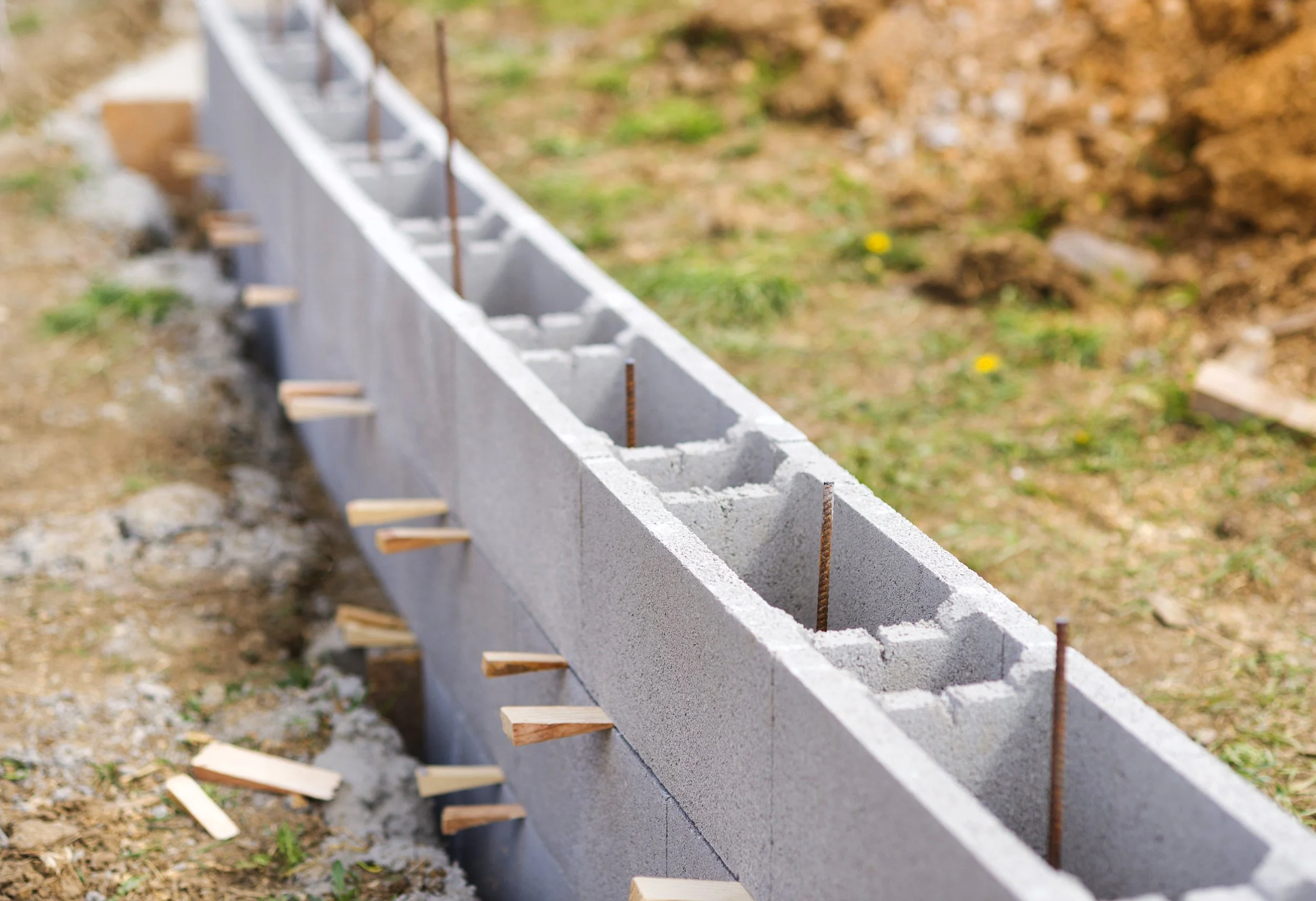
Two Retaining Wall Systems That Look Similar and Perform Differently When Manitoba Winters Test Them
A sloped Winnipeg yard gets a retaining wall quote from two contractors. One proposes poured concrete. The other proposes interlocking concrete block. Both quotes address the same slope, the same retained height, and roughly the same aesthetic outcome. The prices are different. The installation processes are different. And the way each system responds to Winnipeg's freeze-thaw cycling over a decade is different in ways that matter more than the upfront cost comparison suggests.
The concrete retaining wall versus block debate in Winnipeg isn't about which system is categorically better — both can perform well when installed correctly. It's about understanding what each system does under Manitoba's specific conditions, which one is appropriate for which applications, and which installation details determine whether either system lasts or fails.
Key Takeaways
Both poured concrete retaining walls and interlocking block retaining walls perform well in Winnipeg when installed with proper drainage, footing depth, and construction standards
Poured concrete walls are stronger in monolithic structural terms and are appropriate for high-load, high-height, or engineering-specified applications
Interlocking block walls are more flexible in terms of design options, DIY accessibility for small applications, and the ability to accommodate minor movement without visible failure
Drainage behind any retaining wall is non-negotiable in Winnipeg's freeze-thaw climate regardless of wall material
The most common retaining wall failures in Winnipeg trace back to missing drainage rather than material choice
Bulger Brothers Landscape installs both concrete and block retaining walls across Winnipeg with the drainage and footing standards Manitoba's climate requires
Overview: Evaluating Retaining Wall Options for Winnipeg's Conditions
This guide evaluates concrete retaining wall and interlocking block retaining wall options through the specific lens of Winnipeg's climate and soil conditions. It covers structural performance, drainage requirements, appropriate applications for each system, cost comparisons, and the installation details that determine whether any retaining wall succeeds or fails in Manitoba's demanding environment.
Bulger Brothers Landscape installs retaining walls across Winnipeg using both concrete and block systems depending on site requirements, and the comparative assessment in this guide reflects what we've observed about how each system performs locally.
The Single Most Important Retaining Wall Factor in Winnipeg
Before comparing concrete versus block, the factor that matters more than material choice deserves its own section: drainage behind the wall.
Why drainage determines retaining wall success in Winnipeg: Soil retaining water exerts lateral pressure against any retaining structure — hydrostatic pressure that increases significantly when the water in saturated soil freezes and expands. Manitoba's freeze-thaw cycling, which is among the most aggressive in Canada, repeatedly amplifies this pressure each winter. A retaining wall with proper drainage behind it, a clear gravel drainage layer and perforated pipe that moves water away from the wall face, manages this pressure effectively. A wall without drainage accumulates pressure that compounds with every freeze-thaw cycle until something gives.
The material doesn't change this physics. A poured concrete wall without drainage fails faster than a concrete wall with drainage. An interlocking block wall without drainage fails faster than a block wall with drainage. Material choice doesn't compensate for missing drainage in Winnipeg's climate.
What proper drainage looks like: A layer of clear angular gravel (not pea gravel, which compacts over time) installed behind the wall during construction. A perforated drainage pipe at the base of the drainage layer that directs collected water to a discharge point. Geotextile fabric separating the drainage gravel from the retained soil to prevent clay fines from migrating into and clogging the drainage layer over time.
Every retaining wall quote for a Winnipeg property should explicitly specify this drainage system. A quote that doesn't mention drainage is describing a wall that will be tested by every Winnipeg winter without adequate protection.
Poured Concrete Retaining Walls: When and Why
A poured concrete retaining wall is a cast-in-place structure where concrete is formed and poured into position as a monolithic unit. This creates a wall with different structural characteristics than block systems because there are no joints or interfaces within the wall body — the entire structure is one piece.
Structural strengths of poured concrete in Winnipeg:
Monolithic structure means the wall resists lateral soil pressure as a unified element rather than relying on the friction and interlocking between individual units. For walls retaining significant height, significant soil weight, or soil with high water content, this monolithic strength is a genuine advantage.
Poured concrete walls can be engineered with specific thickness, reinforcement placement, and footing dimensions for the specific load conditions of a particular site. An engineer can calculate the requirements for a concrete wall in a way that produces a specific structural result.
For very tall walls, walls close to structures, or walls retaining unusually heavy loads, the engineering verification available for poured concrete construction provides liability and performance assurance that segmental block systems don't offer in the same way.
Limitations of poured concrete in Winnipeg:
Poured concrete doesn't accommodate movement. In Winnipeg's freeze-thaw environment, minor ground movement is normal. A poured concrete wall that experiences minor movement cracks. A block wall that experiences the same movement may shift slightly but remain structurally intact. This crack vulnerability means poured concrete walls require excellent drainage and footing execution to avoid the crack propagation that comes with movement.
Forming and pouring concrete requires more specialized equipment and expertise than block installation. The forming, pouring, and cure process takes more time than block installation and is more sensitive to weather conditions — concrete can't be poured in freezing temperatures, which affects fall installation windows in Winnipeg.
When to specify poured concrete in Winnipeg:
Walls exceeding 1.5 to 1.8 metres in retained height where engineering verification is required
Walls close to structures where load transfer to foundations is a concern
Commercial or municipal applications where stamped engineered drawings are required
Applications where a smooth, formed concrete face is the desired aesthetic
Interlocking Concrete Block Retaining Walls: When and Why
Interlocking block retaining walls use manufactured concrete block units that stack and lock together through a system of pins, lips, or gravity alone depending on the product. The most common residential retaining wall systems use concrete block units in the 30 to 80 kg range that are manageable with equipment or in some cases by hand.
Structural characteristics of block walls in Winnipeg:
Block walls are gravity-based structures — they hold back soil through their mass and through the setback angle (batter) built into the wall's lean. For walls with geogrid reinforcement extending back into the retained soil, the reinforcement dramatically increases the effective mass the wall system can manage.
The jointed nature of block walls creates a different relationship with minor ground movement than poured concrete. Individual blocks can adjust slightly to minor movement without the visible failure that cracking represents in concrete. This flexibility is an advantage in Winnipeg's soil conditions where some ground movement through freeze-thaw cycling is expected even with good drainage.
Block wall systems are available in a much wider range of aesthetic options than poured concrete. Natural stone appearance, textured faces, tumbled finishes, and various colours are available in block products that allow considerable design flexibility.
Limitations of block walls in Winnipeg:
Block walls rely on the integrity of the drainage layer behind them as much as concrete walls do, but the jointed structure creates a second vulnerability: clay fines can migrate through the joints over time if geotextile fabric isn't used correctly in the drainage layer construction. Proper geotextile fabric installation is essential in Winnipeg's clay soil.
For very tall walls or walls with significant engineering requirements, geogrid-reinforced block systems require careful installation of the geogrid layers at specified intervals that aren't always executed correctly. A geogrid installation with incorrect spacing or inadequate embedment doesn't provide the structural contribution that correct installation achieves.
When to specify block walls in Winnipeg:
Standard residential retaining walls under 1.5 metres in retained height
Garden terrace walls and decorative retaining features where design flexibility matters
Applications where phased DIY construction of smaller sections is planned
Budget-conscious projects where the per-linear-foot cost difference compared to poured concrete matters
The Boulder Wall Option: Winnipeg's Third Choice
Any honest Winnipeg retaining wall comparison should acknowledge that poured concrete and interlocking block aren't the only options. Natural boulder walls are among the most popular retaining structures in Winnipeg for specific applications, and their performance characteristics in Manitoba's climate deserve mention.
Why boulder walls perform well in Winnipeg: The mass of large natural stone provides structural resistance to lateral soil pressure without relying on the engineering precision that poured concrete requires or the geogrid systems that tall block walls need. Natural stone's lack of mortar joints means there's no joint material to deteriorate. The gaps between boulders provide inherent drainage that supplements a formal drainage layer.
When boulder walls are the right choice: Properties where the natural, landscape-integrated aesthetic of boulder construction is more appropriate than the more formal appearance of manufactured block or formed concrete. Situations where very large retained height variations are managed through multiple tiered walls rather than single tall walls. Properties where the available budget supports boulder installation, which typically runs higher per linear foot than standard block.
For complete information on boulder retaining wall installation in Winnipeg including costs and what the installation process involves, that guide covers the boulder wall option in full detail.
Cost Comparison: Concrete vs Block in Winnipeg
Interlocking block retaining wall: $80 to $180 per linear foot installed Standard residential block walls under 1.2 metres in retained height run toward the lower end of this range. Taller walls requiring geogrid reinforcement at multiple layers run higher. Premium block products with more complex textures or colours add material cost.
Poured concrete retaining wall: $200 to $400 per linear foot installed The significant premium over block reflects forming costs, concrete material volume, reinforcement, and the engineering verification that tall concrete walls require. For standard residential retaining applications, the premium over block is rarely justified by performance advantages alone.
Boulder retaining wall: $150 to $400 per linear foot installed Highly variable based on boulder size, source, equipment required for placement, and wall height. Large boulder walls requiring crane equipment for placement run at the higher end.
For a comprehensive look at retaining wall costs and installation standards in Winnipeg across all wall types, that guide covers the full pricing picture.
The Winnipeg Verdict
For the question of concrete retaining wall versus block in Winnipeg, the practical verdict for most residential applications favours block — not because block is inherently superior, but because the applications where poured concrete's advantages matter are narrower than the applications where block's cost, design flexibility, and minor-movement accommodation are advantages.
Choose poured concrete when: The wall height or loading conditions require engineering verification, the application is commercial or requires stamped engineering drawings, or the smooth formed concrete face aesthetic is specifically desired.
Choose interlocking block when: The retained height is under 1.5 metres, design flexibility matters, the project budget makes the concrete premium difficult to justify for a residential landscape application, or the aesthetic of available block products suits the property better than poured concrete would.
Choose neither without drainage: Regardless of which system is selected, the drainage layer and perforated pipe behind the wall are non-negotiable requirements for Winnipeg's freeze-thaw conditions. The wall material is secondary to the drainage detail that determines whether either system lasts or fails.
For complete information on professional retaining wall installation services in Winnipeg, that service overview covers both block and concrete options with the drainage and footing standards that Manitoba's climate requires.
Understanding what to know before installing a retaining wall in Winnipeg gives homeowners the full preparation context for any retaining wall project.
When you're ready to evaluate retaining wall options for your specific Winnipeg property, Bulger Brothers Landscape provides site-specific assessment and quotes for both block and concrete retaining wall systems. Located at 7 Leeward Pl, Winnipeg, MB R3X 1M6, the team installs retaining walls with the drainage details and footing standards that determine whether any wall succeeds in Manitoba's climate. Call (204) 782-0313 to schedule your assessment.
Frequently Asked Questions About Concrete Retaining Wall
Q: Is a concrete retaining wall better than block in Winnipeg?
A: Not categorically. Poured concrete has structural advantages for tall walls and engineered applications. Block walls are more appropriate for most residential retaining applications under 1.5 metres in height, offer more design flexibility, and accommodate minor ground movement without cracking. The drainage behind the wall matters more than the material for long-term performance in Winnipeg's freeze-thaw climate.
Q: How much does a concrete retaining wall cost in Winnipeg?
A: Poured concrete retaining walls typically cost $200 to $400 per linear foot installed. Interlocking block walls run $80 to $180 per linear foot. Boulder walls run $150 to $400 per linear foot. The concrete premium is justified for tall walls and engineered applications but is rarely cost-effective for standard residential retaining heights.
Q: Why do retaining walls fail in Winnipeg?
A: The most common cause of retaining wall failure in Winnipeg is missing or inadequate drainage behind the wall. Hydrostatic pressure from water-saturated soil that freezes and expands with each freeze-thaw cycle eventually overcomes walls without drainage layers and perforated pipe. Material choice doesn't compensate for missing drainage in Manitoba's climate.
Q: What drainage is required behind retaining walls in Winnipeg?
A: A layer of clear angular gravel behind the wall, a perforated drainage pipe at the base of the gravel layer directing water to a discharge point, and geotextile fabric separating the drainage gravel from the retained clay soil to prevent clogging over time. This drainage system is required regardless of whether the wall is poured concrete or interlocking block.
Q: How tall can a block retaining wall be without engineering in Winnipeg?
A: Walls up to approximately 1.2 metres in retained height typically don't require engineering review for standard residential applications. Walls above this height may require permits and engineering review in Winnipeg. Walls above 1.5 to 1.8 metres benefit significantly from engineering verification regardless of permit requirements.
Q: Can I install a concrete block retaining wall myself in Winnipeg?
A: For small walls under 0.6 to 0.9 metres in retained height with manageable block weights, motivated homeowners can achieve acceptable results. The critical requirement is installing adequate drainage behind the wall — the step most often skipped in DIY installations and the one that most determines whether the wall holds up through Winnipeg winters.
Q: How long do retaining walls last in Winnipeg with proper installation?
A: Properly installed block retaining walls with adequate drainage typically last 25 to 40 years. Poured concrete walls properly engineered and drained last similarly. Boulder walls last essentially indefinitely. The limiting factor is almost always drainage adequacy rather than material lifespan.
Q: Does retaining wall material affect property value in Winnipeg?
A: Natural stone and boulder walls typically contribute more aesthetic value than standard concrete block because of their distinctive appearance. However, a well-maintained block wall that's solving a real slope or erosion problem adds genuine value by creating functional level space that wouldn't otherwise exist. The functional value of what a retaining wall accomplishes often matters more to buyers than the specific material.
Conclusion
The Winnipeg verdict on concrete retaining wall versus block is that both systems can deliver excellent long-term performance — and that both fail without adequate drainage. Poured concrete belongs in engineered applications where its monolithic strength and verification capability justify the cost premium. Interlocking block belongs in the majority of residential retaining applications where design flexibility, cost-effectiveness, and minor-movement accommodation make it the more practical choice. The drainage layer behind any wall, regardless of material, is the construction detail that Manitoba's freeze-thaw climate tests every winter and that experienced retaining wall contractors install correctly every time. Bulger Brothers Landscape builds retaining walls to that standard for Winnipeg properties in both block and concrete.