

What Winnipeg Homeowners Should Know Before Installing a Retaining Wall
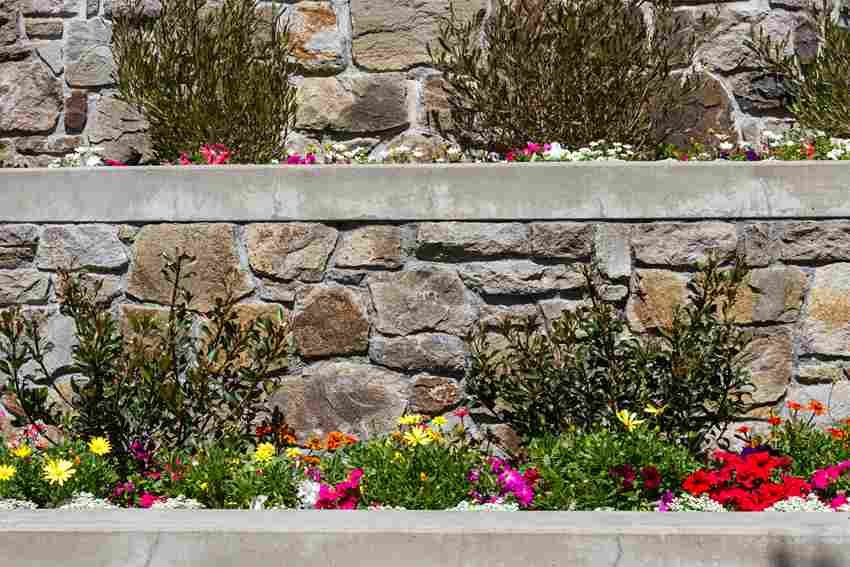
A retaining wall does important work. It holds back soil on sloped properties, prevents erosion, manages drainage, and creates usable level space in yards that would otherwise be difficult to enjoy. For homeowners in Winnipeg neighborhoods like Transcona and Charleswood, retaining walls are one of the most functionally valuable investments a property can have. Before committing to any retaining wall project, understanding how the installation process works and what Winnipeg's climate demands of every wall built here will save you from costly mistakes that are difficult and expensive to undo.
Key Takeaways
Retaining wall installation involves excavation, base preparation, drainage, and careful material placement that must meet Winnipeg's frost depth requirements
Proper drainage behind the wall is the single most critical factor in long-term performance in this climate
Winnipeg's freeze-thaw cycles place extraordinary stress on retaining walls built without adequate footings and drainage
Material choice, wall height, and soil conditions all affect how a retaining wall must be designed and built
DIY retaining walls in Winnipeg carry significant risk of premature failure due to the technical demands of this climate
Bulger Brothers Landscape provides professional retaining wall installation built to handle Winnipeg winters for decades
Overview
This article walks through how retaining walls are installed, what each phase of the process involves, what Winnipeg's climate demands at every step, and why professional installation produces results that last where DIY attempts frequently fall short. Bulger Brothers Landscape has built retaining walls across Winnipeg and understands exactly what separates walls that perform flawlessly for decades from those that fail within a few seasons.
Understanding What a Retaining Wall Actually Does
Before getting into how to install a retaining wall, it helps to understand the forces a retaining wall works against. A retaining wall holds back a mass of soil that would otherwise move downhill under the influence of gravity, water pressure, and frost expansion. The wall must resist these forces continuously, not just when conditions are ideal.
In Winnipeg, those forces are amplified significantly compared to milder climates. Frozen soil expands and contracts with every freeze-thaw cycle, pushing against the wall from behind. Water saturating the soil behind the wall adds hydrostatic pressure that increases dramatically when drainage is inadequate. Clay-heavy soils throughout much of Winnipeg retain moisture longer than sandy or loamy soils, which intensifies both the water pressure and the frost expansion forces a wall must withstand.
A retaining wall in Winnipeg is not just a landscaping feature. It is a structural element that must be engineered for the specific forces this climate creates.
This is why the installation process for a retaining wall in Winnipeg is more demanding than the general instructions you might find in a basic landscaping guide written for milder climates. Every step of the process has higher stakes here, and every shortcut creates a proportionally higher risk of failure.
Phase One: Planning and Design
Successful retaining wall installation begins with planning that happens well before any excavation takes place. Several decisions made at this stage directly determine how the wall performs over its lifetime.
Wall height and length determine the structural demands the wall must meet. Taller walls retain more soil mass and experience higher pressure loads than shorter ones. In Winnipeg, walls above a certain height typically require permits and may require an engineer's input on design. Even walls below the permit threshold benefit from proper structural planning that accounts for the soil load they will carry.
Site assessment involves evaluating the slope, soil type, existing drainage patterns, and what lies behind and below the proposed wall location. Understanding where water currently flows, whether there are underground utilities in the area, and what the soil conditions are like helps determine the right wall design and drainage approach for the specific site.
Material selection at the planning stage involves choosing between interlocking concrete block, natural stone, poured concrete, boulders, or timber based on the wall's structural requirements, the visual outcome you want, and your budget. Each material has different installation requirements and different performance profiles in Winnipeg's climate. Rock bed and boulder installation for naturalistic retaining features has different planning requirements than engineered block wall installation.
Permit requirements should be confirmed before work begins. Many retaining wall projects in Winnipeg require permits depending on wall height and location. A reputable contractor handles this as a standard part of project preparation.
Phase Two: Excavation and Base Preparation
Excavation is where retaining wall installation begins physically, and it is where many DIY projects immediately fall short of what Winnipeg's climate demands.
The excavation phase involves removing soil from the area where the wall will be built to create a level base at the correct depth. In Winnipeg, the base of a retaining wall must be set below the frost line to prevent frost heave from pushing the wall upward and out of alignment. This typically means excavating to a depth of at least 1.2 metres below grade for the footing area, though specific requirements depend on wall height and soil conditions.
After excavation, a compacted aggregate base is installed at the bottom of the trench. This base layer, typically crushed stone or road base aggregate, provides a stable, well-draining foundation for the first course of wall material. The depth and compaction of this base layer directly affects how stable the wall remains through freeze-thaw cycles. An inadequately compacted base allows differential settlement that causes wall sections to shift and become uneven over time.
The quality of base preparation is invisible once the wall is built but determines everything about how the wall performs over its lifetime.
For larger walls or walls on challenging sites, excavation requires power equipment operated by experienced crews. Hand excavation to frost depth over a significant wall length is not practical and rarely achieves the consistency of compaction that machine work provides.
Phase Three: Drainage Installation
Drainage is the most technically critical phase of retaining wall installation in Winnipeg, and it is the phase most commonly compromised in DIY and budget installations.
A retaining wall without adequate drainage behind it is a wall waiting to fail. Water that accumulates in the soil behind the wall has nowhere to go except outward, and the pressure it creates against the wall increases with every rainfall and every spring snowmelt event. In clay-heavy Winnipeg soil that holds water longer than most soil types, this pressure can build to levels that exceed what even a well-built wall can resist if drainage is not properly managed.
Professional retaining wall drainage involves installing a layer of crushed stone or drainage aggregate directly behind the wall throughout its height. This permeable layer prevents fine soil particles from migrating into the drainage system while allowing water to flow freely downward and away from the wall. Drainage tile, typically a perforated pipe, is installed at the base of this drainage layer to collect and redirect water away from the wall foundation.
The drainage system must have an outlet point that directs water to an appropriate location, whether that is a catch basin, a drainage swale, or a daylight outlet at a lower point on the property. A drainage system with no outlet simply collects water near the wall rather than removing it, which defeats the purpose entirely.
This drainage work connects directly with broader drainage services on the property. Retaining walls installed as part of a comprehensive drainage plan that considers how water moves across the entire property perform significantly better than walls treated as isolated structures disconnected from the overall drainage picture.
Phase Four: Wall Construction
With the base prepared and drainage provisions in place, wall construction begins with the first course of material. How this phase proceeds depends on the wall material chosen, but several principles apply across all material types.
First Course Placement
The first course is the most critical. It must be perfectly level across its entire length because every subsequent course builds directly on it. Any error in the first course is amplified as the wall rises, and correcting alignment problems after several courses are in place requires removing and rebuilding from the point of error.
For interlocking concrete block walls, the first course is typically set partially below grade, buried in the compacted aggregate base to provide stability and prevent forward sliding. The depth of burial relative to wall height follows specific ratios that account for the soil loads the wall will carry.
For natural stone and boulder walls, first course placement requires careful selection of the largest, most stable stones for the base, set with their widest dimension down and their mass firmly resting on the compacted base.
Batter and Wall Angle
Most retaining walls are built with a slight backward lean, called batter, into the slope they are retaining. This angle, typically one inch of setback for every foot of wall height in block walls, helps the wall resist the outward pressure of the soil behind it. Walls built perfectly vertical have less inherent resistance to this pressure than walls built with appropriate batter.
Maintaining consistent batter throughout the wall's height requires deliberate attention at every course. Block wall systems typically have built-in setback geometry that makes achieving consistent batter straightforward. Natural stone and boulder walls require more experienced judgment to maintain appropriate angles throughout construction.
Geogrid Reinforcement for Taller Walls
Walls above approximately one metre in height often require geogrid reinforcement layers embedded into the backfill at intervals as the wall rises. Geogrid is a mesh material that anchors into the retained soil mass and adds tensile strength that helps the wall resist the outward pressure of the soil it retains.
Proper geogrid installation requires backfilling in compacted lifts, with geogrid layers placed at specified intervals and extended the correct distance back into the retained soil. This is a technically specific process that significantly affects the structural performance of taller walls and is rarely executed correctly without professional knowledge and experience.
Capstone Installation
The final course of a retaining wall typically uses capstones that provide a finished top surface and add weight that helps lock the upper courses in place. Capstone selection and installation affects both the appearance and the long-term performance of the wall top, which is the most exposed surface to weathering, freeze-thaw cycling, and physical impact.
Phase Five: Backfilling and Compaction
With the wall structure complete, backfilling behind the wall restores the grade and completes the structural system. Backfilling must be done in compacted lifts rather than all at once, typically in 200 to 300 millimetre layers that are each mechanically compacted before the next layer is added.
Backfilling too quickly or without adequate compaction at each lift places uneven and excessive loads on the wall before the structure has the full support of properly compacted fill. This is a common source of wall distress in installations where backfilling was rushed.
The backfill material itself matters in Winnipeg's climate. Granular backfill that drains freely performs better behind retaining walls than native clay soil, which holds water and transmits more pressure against the wall during wet and frozen periods. Using properly specified backfill material is part of what a professional installation provides and part of what DIY installations frequently compromise to reduce material costs.
Professional vs. DIY: The Honest Assessment for Winnipeg Properties
Understanding how to install a retaining wall makes the technical demands of the work clear, and those demands are the core reason professional installation is so strongly advisable for Winnipeg properties.
Every phase of retaining wall installation in this climate requires either specialized equipment, technical knowledge specific to frost-affected construction, or both. Excavating to frost depth requires power augers or excavation equipment that most homeowners do not have access to. Achieving consistent compaction at base and backfill layers requires plate compactors and the knowledge to use them correctly. Specifying and installing drainage systems that will actually perform through Winnipeg's conditions requires understanding of hydrology and drainage engineering that goes well beyond basic landscaping.
The consequences of getting any of these elements wrong are not cosmetic. A wall with inadequate footing depth heaves. A wall with inadequate drainage fails under hydrostatic pressure. A wall with poor backfill compaction settles differentially and becomes structurally compromised. All of these failures require the wall to be completely demolished and rebuilt to fix correctly.
The cost of a failed DIY retaining wall in Winnipeg, accounting for material waste, demolition, and professional rebuilding, almost always exceeds what professional installation would have cost originally. Investing in professional installation from the start is the financially sound decision for retaining wall projects in this climate.
A professionally installed retaining wall also integrates correctly with other landscape improvements. Combined with yard grading to manage surface water, garden design services to soften and integrate the wall into the surrounding landscape, and spring cleanup services to monitor wall condition after each winter, a quality retaining wall becomes part of a complete, well-managed outdoor environment.
When you are ready to install a retaining wall on your Winnipeg property, Bulger Brothers Landscape has the equipment, expertise, and local knowledge to build it correctly from the ground up. Contact their team at 7 Leeward Pl, Winnipeg, MB R3X 1M6 or call (204) 782-0313 to schedule a site assessment and get a detailed, transparent quote for your retaining wall project.
Frequently Asked Questions about How to Install a Retaining Wall
Q: How deep does a retaining wall footing need to be in Winnipeg?
A: In Winnipeg, retaining wall footings must be set below the frost line, which sits at approximately 1.2 metres below grade. Some installations require deeper footings depending on wall height and soil conditions. Setting footings below frost depth prevents the heaving that occurs when frozen soil expands beneath a wall foundation, which is the most common cause of retaining wall failure in this climate.
Q: What is the most important factor in retaining wall installation in Winnipeg?
A: Drainage is the single most critical factor. Water accumulating behind a retaining wall creates hydrostatic pressure that increases with every rain and snowmelt event. A wall without proper drainage aggregate and drainage tile behind it will eventually fail under this pressure regardless of how well the wall itself was constructed. Drainage design and installation is non-negotiable for any retaining wall in Winnipeg's clay-heavy, high-snowmelt environment.
Q: How long does retaining wall installation take?
A: Most residential retaining wall projects in Winnipeg take between two and five days depending on wall length, height, material, and site conditions. Larger walls requiring geogrid reinforcement, significant excavation, or complex drainage work may take longer. A professional contractor will provide a realistic timeline as part of the project quote so you know what to expect from scheduling and site disruption standpoints.
Q: Do I need a permit to install a retaining wall in Winnipeg?
A: Permits are required for many retaining wall installations in Winnipeg, particularly for walls above approximately one metre in height. Requirements vary depending on wall location, height, and proximity to property lines. A reputable landscaping contractor will confirm permit requirements specific to your project before work begins and manage the application process as part of the overall project.
Q: Can I install a retaining wall myself in Winnipeg?
A: DIY retaining walls in Winnipeg carry significant risk due to the technical demands of frost-depth excavation, drainage installation, and backfill compaction that this climate requires. Walls built without proper footing depth, drainage, or compaction fail in ways that require complete demolition and professional rebuilding to correct. The total cost of a failed DIY wall and subsequent professional repair almost always exceeds what professional installation would have cost originally.
Q: What materials work best for retaining walls in Winnipeg?
A: Interlocking concrete block is the most common choice for residential retaining walls in Winnipeg because it handles freeze-thaw movement well, is available in many styles, and allows individual sections to be adjusted if needed. Natural stone and boulders perform excellently when properly installed. Timber walls carry the shortest lifespan in Winnipeg's climate, typically 10 to 15 years, due to moisture and freeze-thaw deterioration.
Q: How do I maintain a retaining wall in Winnipeg?
A: Annual inspection after spring thaw is the most important maintenance practice. Check for any shifting, leaning, cracking, or drainage outlet blockages that occurred over winter. Small issues caught early are far less expensive to address than structural problems that develop from ignored warning signs. Keeping drainage outlets clear of debris and vegetation overgrowth ensures the drainage system continues functioning correctly through each season.
Q: How much does retaining wall installation cost in Winnipeg?
A: Most residential retaining wall projects in Winnipeg fall between $5,000 and $25,000 depending on material, wall dimensions, drainage requirements, and site conditions. Boulder and natural stone walls on the higher end of the range reflect material costs and equipment requirements. Always request itemized written quotes from experienced local contractors and confirm that drainage, backfill, and permit costs are included in the scope presented.
Conclusion
Understanding how to install a retaining wall makes the technical complexity and the climate-specific demands of this work in Winnipeg abundantly clear. Every phase of the process, from footing depth and base preparation to drainage installation and backfill compaction, requires precision and local knowledge that determines whether the wall performs correctly for decades or fails under the pressure of Winnipeg's demanding conditions. The investment in professional installation is not just about convenience. It is about building a wall that actually works as intended through every freeze-thaw cycle this climate delivers. Bulger Brothers Landscape builds retaining walls the right way, with every technical detail executed correctly from the ground up. Reach out today and protect your property with a wall built to last.