

What We've Seen From Solar Landscape Lights in Winnipeg
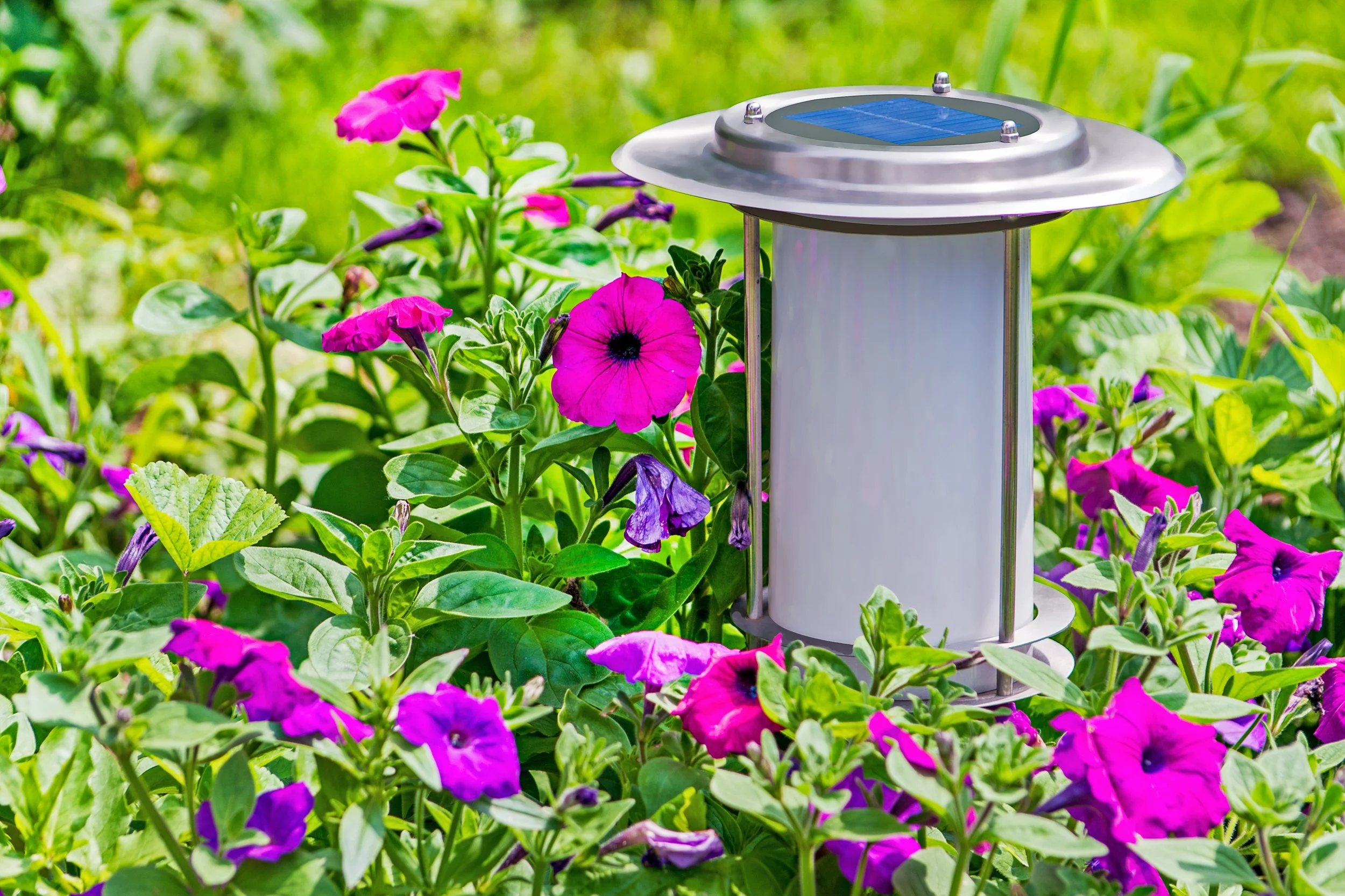
Solar Landscape Lighting Promises Low-Cost, No-Wire Outdoor Illumination — Winnipeg's Climate Delivers a Different Reality
The appeal of solar landscape lights is genuine and understandable. No wiring. No electrician. No trenching. Buy a set, push stakes into the ground, and have pathway lighting by evening. For homeowners in milder climates with reliable year-round sun, this promise delivers reasonably well. For Winnipeg properties, the reality of what solar landscape lights actually do over a full seasonal cycle produces results that most homeowners who've tried them describe as disappointing by the second or third season.
Are solar landscape lights any good in Winnipeg? The honest answer is: limited good for a specific set of applications, and poor value for most of the applications they're marketed for. Understanding where that line falls helps homeowners make informed decisions before investing in a lighting system that may not serve them the way they expect.
Key Takeaways
Solar landscape lights in Winnipeg face specific climate challenges that significantly reduce their performance and lifespan compared to milder markets
The combination of short winter days, extended cold, and frequent overcast conditions creates a poor solar charging environment for much of the year
Battery degradation from cold-weather cycling is the most consistent failure mechanism for solar landscape lights in Manitoba
The applications where solar landscape lights deliver acceptable performance in Winnipeg are narrow but real
Professional low-voltage landscape lighting delivers dramatically better performance and value over any horizon longer than two to three years
Bulger Brothers Landscape installs professional landscape lighting across Winnipeg with the cold-climate specifications that solar systems can't match
Overview: The Solar Landscape Light Performance Picture in Winnipeg
This guide addresses the question of are solar landscape lights any good through the lens of what we've actually observed from Winnipeg properties that have used them. It covers the specific failure mechanisms that Manitoba's climate creates, the performance limitations of solar charging in Winnipeg's light environment, the applications where solar does and doesn't make sense, and what the alternative actually looks like in cost and performance terms.
Bulger Brothers Landscape installs professional landscape lighting for Winnipeg residential and commercial properties, and the observations about solar landscape light limitations in this guide come from seeing what happens to these systems on local properties over multiple seasons.
The Battery Problem: Manitoba Cold Kills Solar Landscape Light Batteries
The most consistent failure mechanism we observe in solar landscape lights on Winnipeg properties is battery degradation that happens significantly faster than manufacturers' specifications would suggest.
How battery degradation works in cold climates: Solar landscape lights store harvested solar energy in rechargeable batteries, almost universally lithium-ion or NiMH chemistry in current products. Both battery chemistries are sensitive to cold temperature in specific ways. Cold temperatures reduce the battery's effective capacity — a battery that stores 100 percent of its rated energy at room temperature may only accept and deliver 60 to 70 percent of that capacity at -20°C, and less at -30°C and below. Cold temperatures also accelerate the internal chemical processes that cause permanent capacity loss over repeated charge-discharge cycles.
What this means in Winnipeg: A solar landscape light battery that starts with rated capacity in spring and runs acceptably through summer enters its first Winnipeg fall with some accumulated capacity loss from summer cycling. It goes through a Manitoba winter — regularly exposed to temperatures well below the battery's efficient operating range — and comes out of that winter with meaningfully reduced capacity. After two or three winters, the battery that was rated for several hours of operation on a full charge delivers one to two hours on a good day and essentially nothing on cold cloudy days.
The observable pattern on Winnipeg properties: Solar lights that performed acceptably in their first summer start showing performance decline in their second season and are functionally inadequate in their third or fourth year. The lights may still technically turn on, but they extinguish within an hour or two of sunset rather than providing the all-night or several-hour illumination that influenced the purchase decision.
The manufacturer specification mismatch: Most solar landscape light specifications are tested under laboratory conditions or in climates considerably milder than Winnipeg's. The rated charge cycles and service life that appear on packaging don't reflect the accelerated degradation that Manitoba's temperature cycles produce.
The Charging Problem: Winnipeg's Light Environment Is Challenging for Solar
Battery degradation is one half of the solar performance problem in Winnipeg. Solar charging inadequacy is the other.
Winter daylight hours: Winnipeg's latitude means significantly shorter days through the winter months. On the shortest days, there are fewer than nine hours between sunrise and sunset, with usable solar charging time further reduced by the sun's low angle that reduces the effective energy hitting a flat panel. This is the period when landscape lighting is needed longest — darkness arrives before 5 PM and persists until after 8 AM — and also the period with the least charging capacity.
The overcast factor: Winnipeg's winter weather produces significant overcast periods that further reduce effective solar charging. A solar panel that might produce 80 percent of its rated output on a clear day produces 20 to 40 percent on a heavy overcast day. Manitoba winters include many consecutive days of overcast conditions that provide inadequate charging to run lights through even the reduced winter night hours.
The snow coverage issue: Solar panels on landscape lights are positioned at or near ground level. In Winnipeg's winter, these panels are regularly covered by snow, providing zero charging for the period they're buried. Light fixtures that have survived overnight cold but then don't charge through a snow-covered day arrive at the next evening with no energy stored.
The practical result: Solar landscape lights in Winnipeg through October to April either don't operate at all or operate for such limited periods after sunset that they provide no meaningful illumination for the hours when outdoor lighting is actually needed.
Whether this matters depends on the application: If solar landscape lights are being used purely as summer seasonal lighting, the winter charging inadequacy is irrelevant — they can be stored indoors through winter and reinstalled each spring. If they're intended as year-round lighting, the winter performance gap is a fundamental limitation.
What We've Seen From Solar Lights Across Different Winnipeg Applications
Pathway lighting for summer outdoor entertaining: This is the application where solar landscape lights come closest to delivering adequate performance in Winnipeg. During the summer months with long days and reliable sun, properly positioned solar path lights can provide acceptable illumination for pathway marking through the evening hours they're needed for patio and garden use. Performance varies significantly with positioning — south-facing panels with unobstructed sun charge better than east or west-facing panels with partial shade.
The limitation even in this best case: illumination quality and consistency doesn't match what low-voltage professional lighting delivers. Solar path lights provide a dim glow adequate for pathway marking, not the directional, designed illumination that professional fixtures produce. And by September, charging adequacy starts declining as days shorten.
Front entry and driveway approach lighting: This application requires consistent illumination through all seasons, including the fall and winter months when solar charging is inadequate. Properties that install solar fixtures for entry approach illumination typically discover by October that the lights are non-functional for the hours and months when they're most needed — arriving home after dark in November with lights that extinguished two hours after sunset.
Garden accent lighting: Solar accent lights positioned to highlight garden features operate well in summer and poorly through shoulder seasons and winter. For gardens used primarily in summer, this is acceptable. For properties where winter garden presentation matters — which in Winnipeg is most properties visible from the street — solar accent lighting disappears exactly when hardscape and structural plants make winter gardens interesting.
Security and safety lighting: Are solar landscape lights any good for security purposes in Winnipeg? This is probably the application where the answer is most clearly no. Security lighting needs to function consistently, not adequately during summer days and inadequately during winter and cloudy conditions. A security light that doesn't operate reliably through Manitoba's fall, winter, and spring conditions provides safety and security theatre rather than genuine protection.
The Cost Comparison That Changes the Calculation
The primary argument for solar landscape lights is cost: no professional installation, no electrician, minimal per-unit cost. Evaluating this argument honestly requires looking at what the costs and value actually deliver over a realistic time horizon.
Solar landscape light cost scenario over five years:
Initial purchase of quality solar path light set: $100 to $400. Battery replacement or full fixture replacement at year three to four when degradation makes performance inadequate: $80 to $300. Second replacement or continued individual fixture replacement through year five: $50 to $200. Total five-year cost for a quality solar system with typical Winnipeg degradation pattern: $230 to $900. Performance quality: acceptable during summer months, poor during fall, winter, and spring.
Professional low-voltage landscape lighting over five years:
Initial professional installation for a residential pathway and accent system: $2,500 to $5,000. Maintenance costs with properly specified cold-temperature fixtures: minimal, $0 to $200 over five years. Performance quality: consistent, designed illumination through all seasons the homeowner wants the system operational.
The comparison question that matters: Is the $2,000 to $4,000 additional upfront cost of professional installation worth the dramatically better performance and reliability? For homeowners who want landscape lighting that actually looks good and works consistently, the answer is almost always yes when the total picture is considered.
Where Solar Landscape Lights Do Make Sense in Winnipeg
Despite the limitations described in this guide, there are specific applications where solar landscape lights are a reasonable choice for Winnipeg properties.
Truly remote locations with no practical wiring option. A remote garden area, a back corner of a large lot, or a feature far from any practical wire run represents a genuine case where solar is the most practical option. The performance limitations are the trade-off for avoiding a complex wiring installation.
Seasonal decorative lighting stored through winter. Homeowners who treat solar landscape lights as seasonal decoration — installed in May, enjoyed through summer, removed and stored in October — avoid the winter performance and battery degradation issues. In this use pattern, solar fixtures don't experience the cold cycling that accelerates battery failure and are stored during the charging-inadequate season.
Very low-cost, low-expectation applications. If the goal is purely pathway marking at minimal cost with full understanding that performance will be adequate at best and that replacement will be needed within a few years, solar can serve this purpose at lower upfront cost than professional installation.
For any application where consistent, quality outdoor illumination is the goal, the limitations of solar landscape lights in Winnipeg's climate make them a poor investment relative to professional low-voltage installation.
What Professional Installation Actually Delivers
The comparison to professional landscape lighting is relevant to the are solar landscape lights any good question because understanding what the alternative provides clarifies what solar systems are being compared against.
Professional low-voltage landscape lighting in Winnipeg provides consistent, designed illumination through the hours and seasons it's intended to operate. Fixtures properly specified for -40°C cold-temperature operation handle Manitoba winters without performance degradation. Wire buried at 30 to 45 cm stays below the frost zone and maintains its connections and insulation through repeated freeze-thaw cycles. A properly designed system directs light where it's intended to go, creating the visual effects that make outdoor lighting genuinely enhance a property rather than simply marking pathway edges.
For a complete look at landscape lighting installation standards in Winnipeg including the cold-climate specifications that determine long-term performance, that guide covers what professional installation involves and why each specification exists.
Understanding why landscape lighting is expensive in Winnipeg gives the cost context that makes the comparison between solar and professional installation meaningful.
For a complete picture of landscape lighting and water features projects in Winnipeg, that guide covers how lighting integrates with other outdoor living elements.
When you're ready for landscape lighting that actually performs through Winnipeg's climate, Bulger Brothers Landscape provides professional installation with the cold-climate specifications that determine whether a lighting system is an asset or a maintenance cycle. Located at 7 Leeward Pl, Winnipeg, MB R3X 1M6, the team designs and installs lighting systems that work the way outdoor lighting should work in Manitoba's conditions. Call (204) 782-0313 to discuss your landscape lighting project.
Frequently Asked Questions About Are Solar Landscape Lights Any Good
Q: Are solar landscape lights any good for Winnipeg properties?
A: Limited good for specific summer-seasonal applications. Poor value for year-round use due to winter charging inadequacy and accelerated battery degradation from cold-temperature cycling. The applications where solar makes sense in Winnipeg are narrow: remote locations without practical wiring access, and seasonal decorative use where fixtures are stored through winter.
Q: Why do solar landscape lights fail so quickly in Winnipeg?
A: Two primary mechanisms: cold-temperature cycling accelerates battery capacity loss significantly faster than manufacturer specifications suggest for milder climates, and Winnipeg's winter provides inadequate solar charging through short days, low sun angles, frequent overcast, and snow-covered panels. After two to three winters, battery-degraded solar lights deliver a fraction of their original performance.
Q: Can solar landscape lights work through a Winnipeg winter?
A: Not reliably. Short winter days, low sun angles, frequent overcast, and snow-covered panels combine to provide inadequate charging for lights that need to operate through the longest nights of the year. Solar lights may activate briefly after sunset in winter but typically extinguish within an hour or two rather than operating through the dark hours.
Q: What is the realistic lifespan of solar landscape lights in Winnipeg?
A: Acceptable performance typically lasts one to two summers. By the third or fourth season, battery degradation from cold-weather cycling produces noticeably reduced performance. By years four to five, most solar landscape light systems on Winnipeg properties require battery replacement or full fixture replacement to restore adequate performance.
Q: Are there any solar landscape light applications that make sense in Winnipeg?
A: Yes: remote garden locations without practical wiring access where some illumination is better than none, and seasonal decorative use where fixtures are installed in spring and stored before winter begins. These are the two scenarios where solar's zero-wiring advantage outweighs its performance limitations in Manitoba's climate.
Q: How does professional landscape lighting compare to solar for Winnipeg?
A: Dramatically better performance, consistency, and longevity. Professional low-voltage systems with cold-temperature rated fixtures operate consistently through all seasons, provide designed directional illumination rather than dim ambient glow, and last 15 to 20 years without the battery replacement cycles solar systems require. The higher upfront cost reflects these genuine performance differences.
Q: Can solar landscape lights be used in summer and stored in winter?
A: Yes, and this is the use pattern where solar delivers its best value in Winnipeg. Installed in May, enjoyed through summer, removed in October before cold cycling begins, and stored indoors through winter, solar fixtures avoid the primary battery degradation mechanism and the winter charging inadequacy. This approach makes solar a reasonable seasonal option rather than a year-round lighting solution.
Q: What makes Winnipeg particularly challenging for solar landscape lights?
A: The combination of cold temperatures that degrade batteries faster than milder climates, short winter days that limit solar charging hours, low winter sun angles that reduce panel efficiency, frequent overcast conditions that further reduce charging, and heavy snow accumulation that covers panels for days at a time. No single factor is unique to Winnipeg, but their combination makes Manitoba's climate unusually demanding for solar landscape light performance.
Conclusion
Are solar landscape lights any good in Winnipeg? The honest assessment from seeing how they perform across multiple seasons on local properties is that they're adequate for narrow seasonal applications and poor value for the year-round outdoor lighting most homeowners expect when they install them. Battery degradation from cold-weather cycling and winter charging inadequacy from Winnipeg's short, overcast, snow-covered winter days combine to produce systems that noticeably underperform within two to three seasons and require replacement before they've delivered the value their purchase price should represent. For homeowners who want landscape lighting that actually enhances their property and works reliably through the seasons they want to use it, professional low-voltage installation with cold-climate specifications is the answer that solar landscape lights, despite their appeal, can't reliably provide in Manitoba's climate. Bulger Brothers Landscape installs lighting that delivers on that expectation for Winnipeg properties.