

10 Backyard Concrete Ideas That Survive Winnipeg Winters
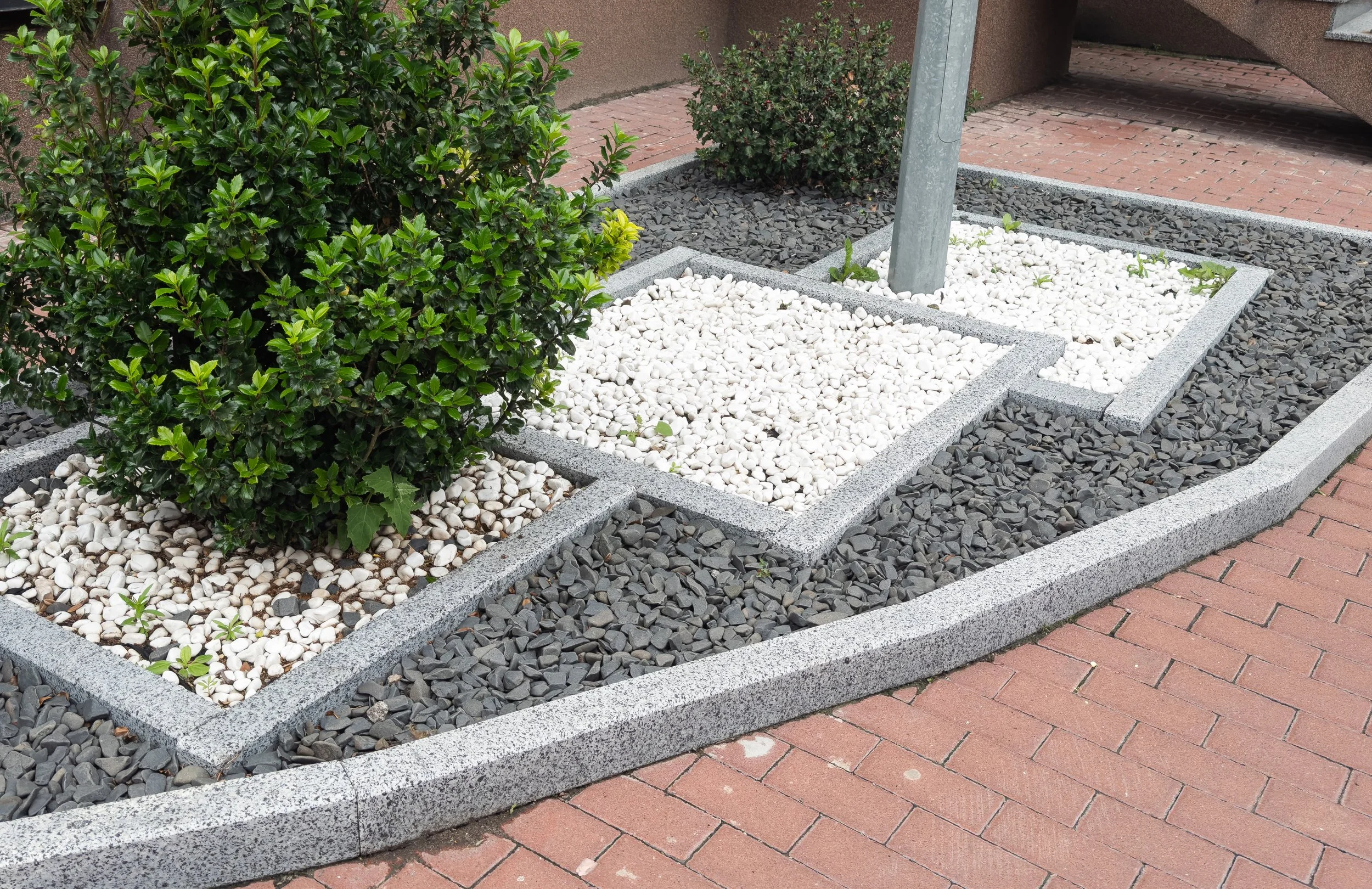
Concrete in a Winnipeg Backyard Works Beautifully — When It's Built for This Climate
Concrete is one of the most versatile materials available for backyard landscaping, and it's one that Winnipeg homeowners both love and have complicated relationships with. Love it because nothing else delivers the same clean, permanent lines at the same price point. Complicated relationship because poorly installed concrete in Manitoba's freeze-thaw climate cracks, heaves, and deteriorates in ways that leave homeowners questioning whether concrete was the right choice at all.
The answer isn't to avoid concrete. It's to understand which backyard concrete landscaping ideas work in Winnipeg specifically, what makes them work, and how each one needs to be installed to survive the freeze-thaw cycling that tests every outdoor installation in this climate.
These ten ideas are proven performers in Manitoba's conditions. Each one comes with the honest installation context that determines whether it delivers decades of service or becomes a maintenance problem within the first few winters.
Key Takeaways
Concrete works exceptionally well in Winnipeg backyards when installed with proper base depth, air-entrained mix, and appropriate joint placement
The most popular backyard concrete ideas in Winnipeg all share the same installation requirements: adequate base, correct mix, and controlled joints
Decorative concrete finishes like exposed aggregate and stamped concrete add visual interest while maintaining the durability of correctly installed concrete
The combination of concrete hardscape with softscape elements creates the balanced backyard environment Winnipeg homeowners get the most use from
Professional installation with frost-depth base preparation is the non-negotiable element that determines whether any concrete backyard idea performs as intended
Bulger Brothers Landscape installs concrete landscaping across Winnipeg backyards with the specifications Manitoba's climate demands
The Installation Standard That Applies to Every Idea on This List
Before getting into specific ideas, the installation requirements that apply to every concrete backyard project in Winnipeg deserve acknowledgment, because they're what separates concrete that lasts from concrete that fails.
Base depth of 8 to 12 inches of compacted granular material below the concrete surface. This keeps the base below the zone of significant frost movement, preventing the heaving and cracking that shallow-based concrete produces within the first two to three winters.
Air-entrained concrete mix with 6 to 8 percent air content. The microscopic air bubbles provide space for water in the concrete's pore structure to expand as it freezes, preventing the surface scaling that non-air-entrained concrete develops in Manitoba's climate.
Control joints at appropriate spacing for each project's dimensions and thickness. Properly spaced and cut joints direct cracking along planned lines rather than allowing it to occur randomly across the surface.
These three elements apply to every concrete project in this guide. Any idea that sounds appealing but arrives with a quote that cuts corners on any of these three elements is being built to fail in Winnipeg's climate.
Idea One: Exposed Aggregate Patio
Exposed aggregate is consistently the most popular decorative concrete finish for Winnipeg backyards, and for good reasons that extend beyond its visual appeal.
What it is: A concrete patio where the surface layer is washed and brushed shortly after pouring to reveal the aggregate embedded in the mix. The result is a textured, attractive surface with natural character that varies based on the aggregate selected.
Why it works in Winnipeg: The textured surface provides better slip resistance than smooth concrete — a practical benefit in a climate where morning frost and light rain can make smooth surfaces hazardous. The aggregate texture also masks minor surface imperfections and early-stage surface scaling better than smooth concrete, meaning the surface maintains its appearance well through the seasonal stress cycles Winnipeg produces.
Design application: Works exceptionally well as a main patio surface, around pool edges where slip resistance is critical, and as a connecting walkway surface that provides both visual interest and safety. Available in a range of aggregate types and colours that can be coordinated with surrounding hardscape materials.
The installation note: Aggregate selection affects freeze-thaw performance. Rounded river stone aggregate generally performs better than crushed angular aggregate in freeze-thaw conditions because rounded stones don't create stress concentration points at their edges within the concrete matrix.
Idea Two: Stamped Concrete Patio
Stamped concrete uses textured rubber stamps pressed into fresh concrete to create patterns that imitate natural stone, brick, slate, or wood. The result is a decorative surface at a significantly lower cost than the materials it replicates.
Why it works in Winnipeg: Stamped concrete provides the aesthetic of premium materials — natural stone patios, clay brick, flagstone — at a cost that makes larger patio areas financially accessible. The monolithic concrete structure underneath the decorative surface provides the same structural performance as plain concrete when installed to the same standards.
The honest Winnipeg caveat: Stamped concrete requires more careful mix specification and maintenance than plain concrete because the decorative surface layer — the colour hardener and the stamped texture — is more visible in its deterioration than plain grey concrete would be. Surface scaling on a grey concrete patio is less obvious than the same scaling removing coloured surface layer from a stamped patio.
This means air-entrained mix specification and regular sealing (every two to three years) are more important for stamped concrete in Winnipeg than for plain concrete. Stamped concrete installed without adequate air entrainment and maintained without regular sealing deteriorates visually faster in Manitoba's climate than the same concrete would in a milder market.
Design application: Creates the most visually dramatic patio surface available in concrete. Works particularly well when the pattern selected complements the home's architectural character — a natural slate pattern adjacent to a stone-faced home, for example.
Idea Three: Concrete Walkways With Inset Patterns
A plain concrete walkway is functional. A concrete walkway with inset aggregate panels, contrasting colour borders, or decorative scoring patterns is functional and visually interesting without the full cost of stamped concrete.
What this looks like: A standard concrete walkway with sections of exposed aggregate inset at regular intervals, creating a visual rhythm that makes the walkway feel designed rather than utilitarian. Or a walkway with contrasting colour cast-in-place borders that frame the main slab. Or a wide walkway with decorative scoring that creates the visual impression of large format tile without additional material cost.
Why it works in Winnipeg: The visual variation breaks up what would otherwise be a monotonous grey surface, while the base installation requirements and structural performance match standard concrete. The inset pattern elements can use the same aggregate mix as the main walkway or a contrasting aggregate for more visual contrast.
Design application: Most effective on walkways wide enough that the pattern has room to read — 1.5 metres or wider. Connects well with exposed aggregate patio areas when the same aggregate is used in both applications, creating visual continuity across different backyard zones.
Idea Four: Concrete Garden Borders and Edging
Concrete curb edging creates the clean, permanent definition between lawn and garden beds that no other material replicates as durably. Machine-extruded continuous concrete curbing follows any curve and provides a permanent edge that eliminates the annual reinstallation that plastic and metal alternatives require.
Why it works in Winnipeg: When installed correctly with air-entrained mix and appropriate control joint spacing, concrete edging holds its position and appearance through decades of Manitoba winters. It prevents lawn from creeping into beds, keeps mulch and bed material contained, and maintains the visual quality of the bed-to-lawn transition without seasonal maintenance.
The installation requirement that matters most: Control joints in concrete curbing need to be placed at intervals that manage the cracking that thermal expansion and frost movement create. Curbing without adequate joint spacing develops random cracking across visible faces — the most common failure mode in Winnipeg concrete curbing installations.
Design application: Works for any bed shape including tight curves that other edging materials handle poorly. Particularly effective for establishing the clean, modern lines that contemporary garden design uses to define planting areas. For a full look at concrete curb landscape edging in Winnipeg and the installation standards that determine performance, that guide covers the complete picture.
Idea Five: Concrete Steps and Grade Transitions
Where a Winnipeg backyard involves any elevation change — from deck level to patio level, from patio to lawn, from one terrace to another — concrete steps provide the most durable, low-maintenance grade transition available.
Why it works in Winnipeg: Concrete steps installed with proper frost-depth footings at each foundation point maintain their position through years of freeze-thaw cycling that cause timber and stone steps without adequate footings to shift and become uneven. A set of concrete steps that's level and safe on day one remains level and safe after ten Manitoba winters when the footings are correct.
The footing requirement: Each concrete step structure needs footings that extend below the frost line — the same 48-plus inch depth requirement that applies to fence posts and other structures. Steps built without adequate footings heave as units, creating uneven surfaces that become trip hazards and that require significant correction.
Design application: Works equally well as formal straight-run steps between defined levels or as more organic curved step arrangements that transition between lawn terraces. Exposed aggregate or stamped finishes on step treads provide slip resistance and visual interest beyond plain grey concrete.
Idea Six: Concrete Raised Bed Walls
Poured-in-place concrete raised bed walls create growing areas with a permanent, architectural quality that timber and block alternatives don't match. The walls can be formed to any height, shape, and profile, with the finished surface treated to match surrounding hardscape.
Why it works in Winnipeg: Concrete raised bed walls handle the wet spring conditions and freeze-thaw cycling that cause timber walls to deteriorate and block walls to occasionally become unstable without adequate drainage. Poured concrete walls are monolithic structures that don't have the mortar joint vulnerability of block or brick.
The drainage requirement: Raised bed walls need adequate drainage from the interior to prevent hydrostatic pressure buildup behind the wall. Weep holes at the base of the wall or an interior drainage system prevents water accumulation that would create freeze-thaw pressure against the wall face.
Design application: Particularly effective in contemporary backyard designs where the clean geometry of poured concrete walls matches the aesthetic of other hardscape elements. Can be formed to include integral seating surfaces at the wall top, adding function alongside the contained garden space.
Idea Seven: Concrete Outdoor Kitchen Base
An outdoor kitchen in a Winnipeg backyard extends the entertaining season into the shoulder months and creates the most used outdoor space on the property. A poured concrete base for the kitchen structure provides the most durable foundation for counter surfaces, equipment, and the structural loads outdoor kitchens create.
Why it works in Winnipeg: Concrete bases for outdoor kitchens handle the combination of weather exposure, equipment weight, and thermal cycling that outdoor kitchens experience through the seasons. Unlike wood framing that deteriorates from moisture exposure in Winnipeg's variable climate, concrete provides a permanent, weatherproof base that requires minimal maintenance.
The installation consideration: Outdoor kitchen bases need integrated utility conduit for gas, electrical, and water connections. Planning these penetrations during the concrete work is far less expensive than cutting through finished concrete after the fact. This is the same planning-ahead principle that applies to landscape lighting conduit — rough in during construction, finish when needed.
Design application: Most effective when the kitchen base concrete finish matches the adjacent patio surface, creating a continuous material story across the outdoor living area. Exposed aggregate or smooth troweled finishes both work well depending on the overall backyard aesthetic.
Idea Eight: Concrete Fire Pit Surround
A concrete fire pit surround creates a permanent, heat-resistant base that provides both safety and visual definition to the fire feature. The surrounding concrete pad provides seating area, protects the lawn from ember damage, and establishes the fire feature as a designed element rather than an improvised one.
Why it works in Winnipeg: Concrete handles the thermal cycling that fire pit use creates alongside Winnipeg's ambient freeze-thaw conditions better than timber or composite materials. The permanent concrete surround doesn't require seasonal installation and removal the way portable fire pit elements do.
The heat consideration: Concrete directly under and immediately adjacent to the fire pit opening needs to account for the thermal stress that direct fire exposure creates. A non-combustible fire pit insert or liner protects the concrete immediately surrounding the fire from the highest thermal stress.
Design application: Works as a circular or rectangular pad extending from the fire pit feature into the adjacent patio area. The surround size should be adequate to create a genuine gathering space — typically 3 to 4 metres in diameter for a circular surround around a fire pit of standard residential scale. For more on fire pit installation in Winnipeg and what the full installation involves, that guide covers the complete fire feature picture.
Idea Nine: Concrete Pool Deck
For Winnipeg properties with pools, the pool deck surface material needs to handle both the wet-surface safety demands of pool surrounds and the freeze-thaw cycling that affects all outdoor concrete in this climate.
Why exposed aggregate specifically: The textured surface of exposed aggregate provides significantly better slip resistance than smooth concrete on a pool deck surface, which is wet consistently through the summer. The same texture that makes exposed aggregate the most popular decorative concrete in Winnipeg backyards generally makes it specifically appropriate for the slip-safety requirements of pool surrounds.
The salt chemistry consideration: If the pool uses salt chlorination, the pool water chemistry can affect adjacent concrete surfaces through splash and overflow. Concrete exposed to salt water repeatedly benefits from higher quality sealing programs than standard backyard concrete to reduce the salt infiltration that accelerates surface deterioration.
Design application: The pool deck concrete should extend far enough from the pool edge to create adequate circulation space — typically 1.2 to 1.5 metres minimum — and should slope away from the pool at an adequate grade to drain pool water away from the structure and adjacent lawn areas.
Idea Ten: Decorative Concrete Driveway Approach to Backyard
The transition from the driveway or side yard into the backyard is often the least considered concrete area and one with significant impact on the overall backyard experience. A decorative concrete approach that connects driveway surface to backyard hardscape creates visual continuity that makes the whole outdoor environment feel planned.
What this looks like: A concrete pad or pathway from the side yard gate or garage to the main backyard patio area, in a complementary finish to the patio surface. Exposed aggregate on both the approach and the main patio creates immediate visual connection. A contrasting border of coloured concrete where the approach meets the main patio creates a defined transition.
Why the transition matters: Homeowners who spend significantly on a backyard patio and gate access but leave the connecting area as plain worn grass or an aging concrete slab create a quality break in the backyard experience that reduces the overall impact of the patio investment. Completing the connection with concrete that matches or complements the main features creates a cohesive outdoor environment.
Design application: This is the ideal opportunity for the inset pattern or contrasting border approach described in Idea Three, creating visual interest in a transitional zone that would otherwise just be functional.
Putting the Ideas Together
The most effective Winnipeg backyards from a concrete landscaping perspective don't treat each of these ideas in isolation. They use concrete strategically across different functions — a main patio surface, connecting walkways, defined garden edging, and a fire feature surround — in a coordinated material approach that creates visual consistency.
When the same aggregate or finish type appears in the patio, the walkways, and the raised bed walls, the whole backyard reads as designed rather than assembled from independent decisions. This material consistency is one of the design outcomes that professional landscape design planning establishes before installation begins rather than arriving at accidentally through sequential improvements.
For a full look at concrete landscaping in Winnipeg and what professional installation involves across these and other concrete applications, that service overview covers the complete scope of concrete landscape work.
Understanding hardscape installation cost for concrete backyard projects in Winnipeg gives homeowners the budget context for planning which of these ideas fit their investment capacity and sequencing multiple ideas across multiple seasons.
When you're ready to bring any of these backyard concrete landscaping ideas to life on your Winnipeg property, Bulger Brothers Landscape provides installation with the base depth, mix specification, and joint planning that determines whether concrete performs in Manitoba winters or becomes a maintenance problem within the first few seasons. Located at 7 Leeward Pl, Winnipeg, MB R3X 1M6, the team installs every concrete project to the cold-climate standard this market requires. Call (204) 782-0313 to discuss your backyard project.
Frequently Asked Questions About Backyard Concrete Landscaping Ideas
Q: What backyard concrete landscaping ideas work best in Winnipeg's climate?
A: Exposed aggregate patios and walkways, stamped concrete patios with proper maintenance, concrete curb edging, concrete steps with frost-depth footings, concrete raised bed walls, and concrete fire pit surrounds all perform well in Winnipeg when installed with proper base depth, air-entrained mix, and adequate control joints. The installation standard determines performance more than the specific idea.
Q: Why does concrete crack in Winnipeg backyards?
A: The primary causes are inadequate base depth that places the foundation within the active frost zone, concrete mix without adequate air entrainment that's vulnerable to internal freeze-thaw damage, and control joints spaced too widely or cut too shallowly to direct cracking along managed lines. All three are installation decisions invisible at completion and visible after the first few winters.
Q: Is exposed aggregate or stamped concrete better for Winnipeg backyards?
A: Both perform well when installed correctly. Exposed aggregate is more forgiving of minor surface imperfections and scaling because the textured surface masks early deterioration better than the coloured surface layer of stamped concrete. Stamped concrete requires more rigorous mix specification and more consistent sealing to maintain its decorative appearance in Manitoba's climate. For maintenance-conscious homeowners, exposed aggregate is the lower-risk choice.
Q: How long does backyard concrete last in Winnipeg with proper installation?
A: Correctly installed concrete in Winnipeg — with 8 to 12 inch base, air-entrained mix, proper control joints, and regular sealing — typically lasts 25 to 40 years or more. Concrete installed without these specifications often shows significant deterioration within 5 to 10 years. The installation standard determines lifespan far more than the decorative finish.
Q: Can concrete be used near a Winnipeg pool?
A: Yes. Exposed aggregate concrete is the best choice for pool surrounds because its textured surface provides the slip resistance wet pool decks require. Pools using salt chlorination benefit from enhanced sealing programs to reduce salt infiltration from pool water splash that can accelerate concrete surface deterioration.
Q: Do concrete raised bed walls work better than other materials in Winnipeg?
A: Concrete raised bed walls outperform timber (which deteriorates from moisture and freeze-thaw over time) and can outperform block walls (which are vulnerable at mortar joints without adequate drainage). Poured concrete walls are monolithic structures without joint vulnerabilities when properly formed and reinforced. They require adequate drainage from the interior to prevent hydrostatic pressure buildup.
Q: How important is sealing for backyard concrete in Winnipeg?
A: Very important, particularly for decorative finishes. Sealing reduces water infiltration into the concrete's pore structure, limiting the freeze-thaw damage cycle that causes surface scaling. Initial sealing after the concrete reaches design strength, typically 28 days after pouring, and reapplication every two to three years maintains this protection. Decorative finishes like stamped concrete deteriorate visibly faster without adequate sealing maintenance.
Conclusion
Backyard concrete landscaping ideas in Winnipeg work when they're built to the standard this climate demands. The ideas in this guide — from exposed aggregate patios to concrete raised bed walls to decorative fire pit surrounds — are all proven performers in Manitoba's conditions. What makes them perform is consistent across every application: adequate base depth, air-entrained concrete mix, controlled joints, and the professional installation expertise to execute each requirement correctly. The same idea built to the right standard lasts forty years. Built to a standard that cuts corners on any of these elements, it starts showing problems within two or three winters. Bulger Brothers Landscape builds every concrete backyard project to the cold standard that Winnipeg requires.