

What Is Commercial Landscaping: A Complete Guide for Business Owners
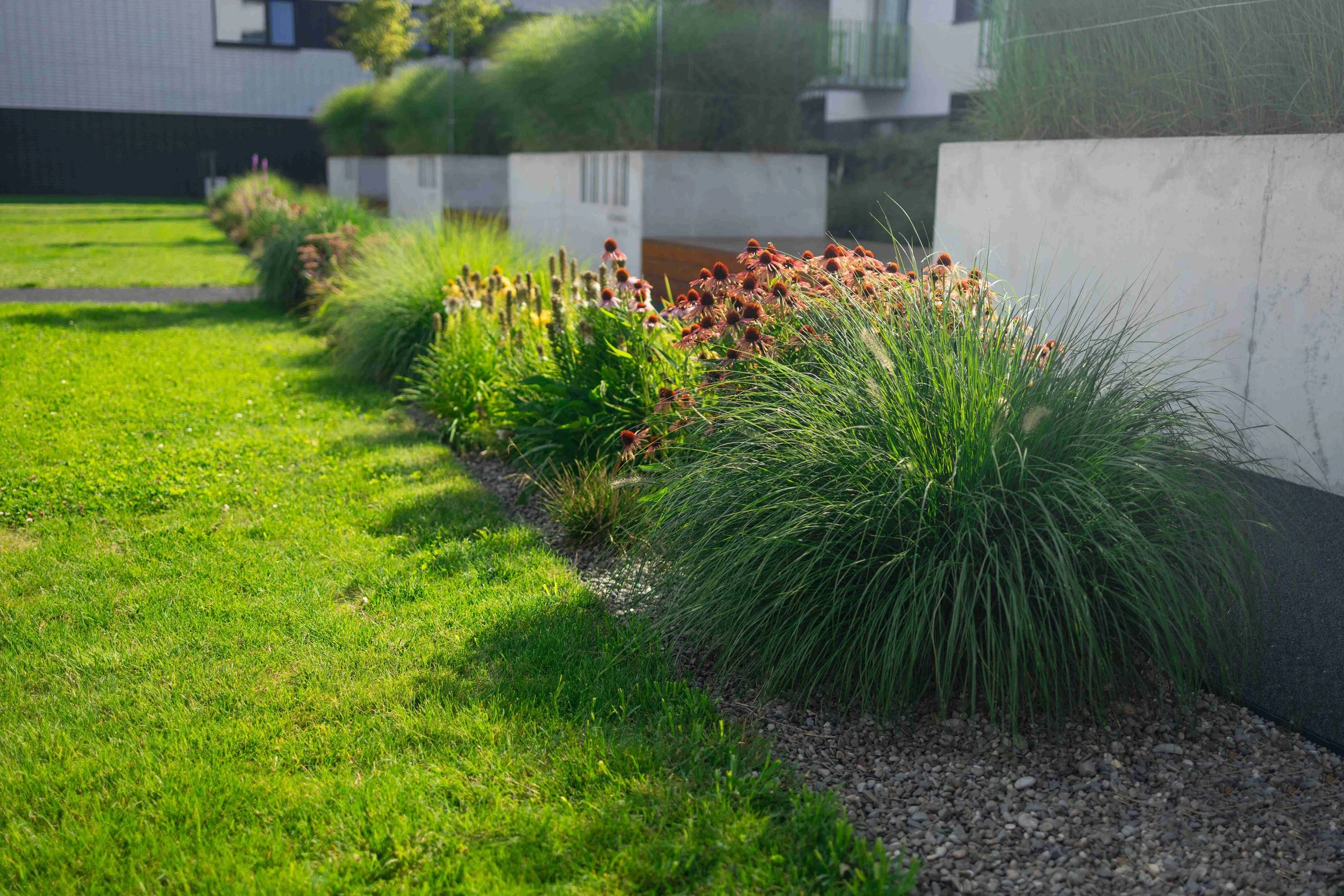
Commercial properties create first impressions that last. The outdoor spaces surrounding office buildings, retail centers, and industrial facilities speak volumes about a business before anyone steps through the door. Yet many property managers and business owners struggle to understand what separates basic yard maintenance from true commercial landscaping services.
Commercial landscaping transforms business properties into professional, welcoming environments that support business goals. This specialized field combines design expertise, horticultural knowledge, and strategic maintenance to create outdoor spaces that enhance property value, attract customers, and reflect brand identity. Unlike residential landscaping, commercial work addresses the specific needs of business properties, including high-traffic areas, regulatory compliance, and year-round professional appearance.
Key Takeaways
Commercial landscaping encompasses professional design, installation, and maintenance services specifically for business properties
Professional services increase property value by 15-20% and reduce long-term maintenance costs
Strategic landscaping improves customer perception, employee satisfaction, and environmental sustainability
Commercial projects require specialized equipment, trained crews, and comprehensive maintenance schedules
Working with experienced professionals protects your investment and maintains consistent property appearance
Overview
This guide explains what commercial landscaping involves and why businesses invest in professional services. You'll discover the core components of commercial landscaping, from initial design through ongoing maintenance. We'll explore the tangible benefits these services provide, including financial returns and environmental advantages. The article covers different service types, helping you identify what your property needs. You'll also find practical guidance on selecting the right landscaping partner and answers to common questions business owners ask. Bulger Brothers Landscape brings decades of experience to commercial properties throughout Winnipeg, helping businesses create outdoor spaces that work as hard as they do.
Understanding Commercial Landscaping Services
Commercial landscaping refers to the professional design, installation, and maintenance of outdoor spaces for business properties. This field addresses the needs of office complexes, retail centers, industrial facilities, healthcare campuses, educational institutions, and hospitality venues. The work differs fundamentally from residential services in scope, complexity, and strategic importance.
Professional commercial landscaping creates functional outdoor environments that support business operations. These spaces must withstand heavy foot traffic, meet accessibility requirements, and maintain professional appearance throughout all seasons. The work involves coordinated teams, specialized equipment, and comprehensive planning that considers both immediate needs and long-term property management.
Core Components of Commercial Landscaping
Design and planning form the foundation of successful commercial landscaping projects. Professional designers assess site conditions, understand business objectives, and create plans that balance aesthetics with functionality. This phase includes soil analysis, drainage planning, plant selection for local climate, and hardscape design that accommodates traffic patterns.
Installation services bring designs to life through skilled implementation. Teams plant trees, shrubs, and groundcover selected for durability and seasonal interest. They install irrigation systems that conserve water while maintaining plant health. Hardscape elements like walkways, patios, and retaining walls get constructed to handle commercial use. Landscape design professionals create cohesive outdoor environments that reflect business identity.
Maintenance programs keep commercial properties looking their best year-round. Regular mowing, trimming, and edging maintain neat appearances. Seasonal tasks include spring cleanup, mulch installation, fall leaf removal, and winter snow management. Professionals monitor plant health, manage pests and diseases, and replace failing plants promptly. Commercial lawn care services maintain consistent quality across large properties.
How Commercial Landscaping Differs from Residential Work
Scale separates commercial from residential landscaping in obvious ways. Commercial properties typically cover acres rather than standard lots. This size requires industrial equipment, larger crews, and systematic approaches to maintenance. A single commercial property might have more turf area than dozens of residential yards combined.
Scheduling and access present distinct challenges for commercial work. Services often occur during off-hours to avoid disrupting business operations or customer traffic. Early morning, evening, and weekend work becomes standard. Crews must coordinate with building management, security protocols, and tenant schedules.
Compliance requirements add complexity to commercial landscaping. Projects must meet municipal codes, accessibility standards, and environmental regulations. Water usage restrictions, pesticide applications, and waste disposal all require proper documentation and certified practices. Snow removal services must maintain liability coverage and follow strict safety protocols.
Contract structures for commercial work involve detailed service agreements, performance standards, and accountability measures. Businesses expect consistent quality, rapid response to issues, and professional communication. Long-term maintenance contracts provide stability for both property owners and service providers.
Financial and Practical Benefits
Investing in professional commercial landscaping delivers measurable returns that extend beyond curb appeal. Property owners who prioritize outdoor spaces see financial gains, operational advantages, and enhanced business performance.
Property Value Enhancement
Well-maintained commercial landscapes increase property values by 15-20% according to industry research. First impressions formed in the first seven seconds often determine whether potential tenants, customers, or buyers engage further with a property. Professional landscaping signals that property owners care about quality and maintenance throughout the facility.
Rental rates and occupancy improve for properties with attractive landscapes. Retail tenants know that appealing outdoor spaces draw more foot traffic. Office tenants recognize that pleasant surroundings help attract and retain quality employees. Properties with professional landscaping spend less time vacant between tenants.
Building aesthetics work together with landscaping to create cohesive property identity. Strategic plant placement can soften hard architectural lines, frame building entrances, and guide visitors naturally toward main access points. Seasonal color rotation keeps properties looking fresh and well-managed throughout the year.
Customer and Employee Impact
Commercial landscaping influences how people perceive and interact with businesses. Customers form opinions about service quality, attention to detail, and business stability based partly on exterior appearance. Employees working in well-landscaped environments report higher job satisfaction and productivity.
Brand representation extends to outdoor spaces surrounding business facilities. Landscaping communicates company values, whether that's environmental stewardship through native plantings, precision through geometric designs, or creativity through artistic arrangements. Professional landscape maintenance maintains that brand message consistently.
Outdoor amenities like courtyards, walking paths, and seating areas provide functional benefits. Employees appreciate break spaces that offer fresh air and natural surroundings. These areas support informal meetings, phone calls, and mental breaks that improve workplace culture.
Environmental and Operational Advantages
Stormwater management improves through strategic landscaping design. Planted areas absorb rainfall that would otherwise strain municipal systems. Rain gardens, permeable surfaces, and proper grading reduce flooding risks and erosion problems. These features can help properties meet environmental regulations while reducing infrastructure costs.
Energy efficiency gains come from strategic tree placement. Properly positioned shade trees reduce summer cooling costs by lowering building temperatures. Windbreaks planted on northern exposures cut winter heating expenses. Tree planting services provide both immediate impact and long-term energy savings.
Air quality benefits result from healthy plant communities. Trees and shrubs filter airborne pollutants, produce oxygen, and reduce urban heat island effects. Commercial properties with substantial green space contribute to healthier local environments for everyone.
Maintenance cost reduction occurs when landscapes get designed correctly from the start. Native and adapted plants require less water, fertilizer, and pest control than poorly selected species. Efficient irrigation systems prevent waste while maintaining plant health. Professional maintenance programs identify and address problems before they become expensive repairs.
Types of Commercial Landscaping Services
Commercial landscaping encompasses a wide range of specialized services. Understanding these categories helps property managers select appropriate solutions for their specific needs.
Design and Installation Services
Site assessment and planning begins every successful commercial landscaping project. Professionals evaluate soil conditions, drainage patterns, sun exposure, and existing vegetation. They consider how people move through the space, where vehicles need access, and what views matter most. This analysis informs design decisions that prevent costly mistakes.
Landscape architecture creates comprehensive plans for outdoor spaces. Designers select plants suited to local climate and site conditions. They plan irrigation zones based on water needs and sun exposure. Hardscape elements get positioned to direct traffic flow and create functional outdoor rooms. Professional designers balance aesthetic goals with practical requirements.
Construction and installation transforms plans into reality. Crews prepare sites by grading soil, installing drainage solutions, and amending soil as needed. They lay irrigation lines before planting to avoid damage. Plant installation follows careful specifications for depth, spacing, and orientation. Hardscaping work includes walkways, patios, retaining walls, and decorative features.
Ongoing Maintenance Programs
Lawn care services maintain the foundation of most commercial landscapes. Regular mowing keeps turf at optimal height for health and appearance. Edging creates clean lines along walkways and beds. Fertilization programs feed grass without promoting excessive growth. Aeration and overseeding address wear patterns and thin areas.
Plant health care goes beyond basic maintenance to protect landscape investments. Professionals monitor for pest and disease issues, treating problems before they spread. They prune shrubs and trees to maintain shape, remove dead wood, and promote healthy growth. Mulching conserves moisture, moderates soil temperature, and suppresses weeds around plantings.
Seasonal services address changing needs throughout the year. Spring cleanup removes winter debris and prepares beds for the growing season. Mulch installation refreshes appearance and protects plants. Fall cleanup removes leaves and prepares properties for winter. Snow removal services maintain safe access during winter months.
Specialized Commercial Services
Parking lot landscaping creates attractive transitions between paved areas and buildings. Island plantings break up large expanses of pavement while providing opportunities for shade trees. Perimeter plantings screen views of parking from streets and neighboring properties. Storm drains get protected with vegetation that filters runoff.
Entrance enhancement focuses on high-impact areas where first impressions form. Bold plantings, seasonal color displays, and careful maintenance make entries memorable. Lighting highlights key features after dark. Signage areas get framed with attractive plantings that don't obscure visibility.
Athletic field maintenance requires specialized knowledge and equipment. Sports turf needs precise mowing heights, specialized fertilization, and careful irrigation management. Line marking, aeration, and topdressing maintain playing surfaces that perform well and resist wear. Professional maintenance keeps fields safe and playable.
Water feature management maintains ponds, fountains, and other aquatic elements. Regular cleaning prevents algae buildup and maintains water clarity. Equipment maintenance keeps pumps and filters operating efficiently. Plant care around water features addresses moisture-loving species that create lush settings.
Selecting a Commercial Landscaping Partner
Choosing the right commercial landscaping company affects property appearance, maintenance costs, and overall satisfaction for years to come. Several factors separate professional operations from unreliable providers.
Experience and Credentials
Years in business indicate stability and industry knowledge. Companies that have served the commercial market for decades understand property management needs, seasonal challenges, and local growing conditions. They've developed systems that deliver consistent results across multiple properties.
Professional certifications demonstrate commitment to industry standards. Look for credentials from landscape industry associations, horticultural organizations, and trade groups. Certified professionals stay current with best practices, new techniques, and regulatory requirements.
Insurance and bonding protect property owners from liability and financial loss. Commercial general liability insurance covers property damage and injuries. Workers compensation protects employees and shields property owners from claims. Bonding provides recourse if a contractor fails to complete work or meet contractual obligations.
Services and Capabilities
Comprehensive offerings simplify property management by reducing the number of vendors needed. Full-service providers handle design, installation, maintenance, and seasonal services through integrated teams. This approach improves communication, accountability, and consistency.
Equipment and resources determine what services a company can reliably deliver. Professional operations invest in commercial-grade mowers, specialized tools, and backup equipment that prevents service delays. Vehicle fleets, storage facilities, and staging areas indicate established operations.
Crew training and management directly impact service quality. Companies that invest in employee development deliver better results. Trained crews recognize plant problems early, perform tasks correctly, and work efficiently. Consistent crew assignments help staff learn property-specific requirements.
Communication and Reliability
Response time matters when problems arise. Professional companies respond quickly to concerns, damage reports, and service requests. They provide clear timelines for addressing issues and follow through on commitments.
Detailed proposals demonstrate professionalism and prevent misunderstandings. Quality proposals specify services, frequencies, products, and pricing clearly. They outline what gets included and what requires additional charges. Bulger Brothers Landscape provides transparent pricing and clear service descriptions.
Contract terms should protect both parties while allowing flexibility. Look for agreements that specify performance standards, response times, and quality expectations. Understand cancellation terms, price adjustment procedures, and dispute resolution processes.
Common Challenges and Solutions
Commercial property managers face recurring landscaping challenges. Understanding these issues and their solutions helps maintain attractive properties while controlling costs.
Seasonal Maintenance Demands
Winter preparation protects landscape investments from harsh weather. Late-season fertilization strengthens plant roots before dormancy. Proper pruning removes branches that might break under snow load. Irrigation systems need proper winterization to prevent freeze damage. Professional snow services maintain access and safety throughout winter.
Spring recovery addresses winter damage and prepares properties for the growing season. Dead plant material gets removed and replaced. Compacted soil needs aeration. Beds require fresh mulch. Irrigation systems need inspection and repair before hot weather arrives.
Summer stress requires vigilant watering, pest monitoring, and ongoing maintenance. Heat and drought challenge even well-established plants. Irrigation systems must function properly to prevent expensive plant losses. Regular inspections catch problems before they become visible.
Budget Management
Cost predictability helps property managers plan and control expenses. Comprehensive maintenance contracts provide fixed monthly costs rather than unpredictable per-visit charges. Preventive maintenance programs cost less than emergency repairs and plant replacement.
Value optimization comes from investing in quality work rather than cheap services. Low-cost providers often cut corners that lead to higher long-term expenses. Quality materials, proper techniques, and experienced crews deliver better returns on landscaping investments.
Phased improvements allow properties to upgrade landscapes without overwhelming budgets. Multi-year plans spread costs while making steady progress. Priority areas get addressed first, with other zones following as budgets allow.
Regulatory Compliance
Water restrictions affect irrigation practices in many municipalities. Professional landscaping companies understand local regulations and design systems that meet requirements. Smart controllers, moisture sensors, and efficient sprinkler heads reduce water use while maintaining plant health.
Pesticide regulations govern what products can be applied, where, and by whom. Licensed applicators understand integrated pest management approaches that minimize chemical use. Documentation requirements get handled properly to maintain compliance.
Accessibility standards apply to walkways, ramps, and other hardscape elements. Commercial properties must meet ADA requirements and local building codes. Professional designers incorporate these requirements from the start rather than addressing them through costly retrofits.
If you're ready to transform your commercial property with professional landscaping services, Bulger Brothers Landscape at 7 Leeward Pl, Winnipeg, MB R3X 1M6 brings over three decades of experience to every project. Our team understands the specific challenges Winnipeg businesses face, from harsh winters to demanding growing seasons. Call (204) 782-0313 to discuss your commercial landscaping needs and discover how professional services create lasting value for your property.
Conclusion
Commercial landscaping represents far more than basic yard maintenance. Professional services transform business properties into strategic assets that attract customers, support employees, and increase property values. From initial design through year-round maintenance, experienced landscaping companies deliver consistent quality that reflects well on businesses and property owners.
Successful commercial landscaping balances aesthetic appeal with practical functionality. Professional design addresses site-specific challenges while creating distinctive outdoor spaces. Comprehensive maintenance programs keep properties looking their best through changing seasons and weather conditions. Strategic investments in landscaping deliver financial returns through increased property values, reduced operational costs, and enhanced business performance.
Selecting the right commercial landscaping partner affects results and satisfaction for years. Companies with proven experience, appropriate credentials, and professional operations deliver reliable service that protects landscape investments. Clear communication, detailed contracts, and responsive service distinguish professional providers from unreliable alternatives.
Commercial properties throughout Winnipeg benefit from professional landscaping services that address local climate challenges and business needs. Whether you're maintaining an established landscape, planning improvements, or starting from bare ground, working with experienced professionals produces better outcomes than attempting complex projects alone. Quality commercial landscaping creates lasting value that supports business success while enhancing the local environment for everyone.
Transform your commercial property with professional landscaping services that deliver measurable results. Contact Bulger Brothers Landscape today to schedule a consultation and discover how expert commercial landscaping creates value for your business.
FAQs
Q: How often should commercial properties receive landscape maintenance?
A: Maintenance frequency depends on property size, plant types, and quality expectations. Most commercial properties benefit from weekly visits during the growing season for mowing, trimming, and general upkeep. Monthly visits may suffice during dormant periods. High-visibility properties like retail centers often require twice-weekly service to maintain pristine appearance. Seasonal services like spring cleanup, mulch installation, and fall leaf removal occur as needed throughout the year.
Q: What does commercial landscaping cost compared to residential services?
A: Commercial landscaping costs vary widely based on property size, service scope, and quality expectations. Properties typically pay monthly maintenance fees ranging from hundreds to thousands of dollars depending on acreage and service level. Larger properties achieve better per-acre pricing through economies of scale. Installation projects for new landscapes or renovations require separate budgets based on design complexity and material selection. Professional estimates provide accurate pricing based on specific property needs.
Q: Can existing landscapes be improved without complete replacement?
A: Most commercial landscapes benefit from strategic improvements rather than total replacement. Professional assessments identify problem areas, failing plants, and opportunities for enhancement. Phased renovation plans address priority issues first while spreading costs over multiple years. Common improvements include replacing struggling plants with adapted species, upgrading irrigation systems, adding seasonal color, and enhancing high-visibility areas. Professional maintenance helps existing landscapes reach their full potential.
Q: What qualifications should commercial landscaping companies have?
A: Professional commercial landscaping companies should carry comprehensive general liability insurance and workers compensation coverage. Look for membership in landscape industry associations and relevant certifications. Pesticide applicators need provincial licensing. Companies should demonstrate experience with commercial properties similar to yours. Ask for references from current commercial clients. Equipment, trained staff, and established operations indicate companies capable of handling commercial demands consistently.
Q: How does commercial landscaping affect property insurance?
A: Well-maintained commercial landscapes can positively impact insurance costs and coverage. Regular tree maintenance reduces storm damage risks that lead to claims. Proper drainage and grading prevent water damage issues. Clear sight lines at entrances and parking areas improve safety. Some insurers offer premium reductions for properties with documented maintenance programs. Conversely, neglected landscapes with dead trees, drainage problems, or safety hazards may increase premiums or limit coverage.
Q: What happens if commercial landscaping services damage property?
A: Reputable commercial landscaping companies carry insurance specifically to address damage claims. Their general liability policies cover property damage caused during service delivery. This includes broken sprinkler heads, vehicle damage to structures, and similar incidents. Professional companies document existing conditions, work carefully to prevent damage, and respond quickly when accidents occur. Contract terms should specify how damage claims get handled and resolved.
Q: How quickly can commercial landscaping improve property appearance?
A: Timeline depends on starting conditions and desired outcomes. Professional maintenance of existing landscapes shows noticeable improvement within weeks as plants get properly trimmed, beds get mulched, and turf receives appropriate care. Installation projects create immediate impact when mature plants get used, though full establishment takes one to two growing seasons. Strategic landscape design can deliver impressive results quickly while planning for long-term beauty.
Q: What role does irrigation play in commercial landscaping success?
A: Efficient irrigation systems form the foundation of healthy commercial landscapes. Properly designed systems deliver water based on plant needs, sun exposure, and soil conditions. Smart controllers adjust watering schedules based on weather conditions, preventing waste while maintaining plant health. Professional installation and maintenance prevent dry spots, overwatering, and system failures that damage landscapes. Water management affects plant survival, appearance, and maintenance costs significantly.
Q: Can commercial landscaping support sustainability goals?
A: Modern commercial landscaping strongly supports environmental sustainability. Native and adapted plants require less water, fertilizer, and chemical treatments than traditional landscapes. Efficient irrigation systems conserve water resources. Organic mulches improve soil health while reducing waste. Strategic tree planting provides shade that reduces building energy consumption. Rain gardens and permeable surfaces manage stormwater naturally. Professional designers create landscapes that balance beauty with environmental responsibility.
Q: How do maintenance contracts work for commercial landscaping?
A: Commercial landscape maintenance contracts specify services, frequencies, and costs for defined periods, typically one year with annual renewals. Contracts list included services like mowing, trimming, fertilization, and seasonal tasks. They establish quality standards, response times, and communication protocols. Some contracts use fixed monthly fees regardless of weather or visit frequency. Others charge per visit or per service. Additional services beyond contract scope require separate authorization and billing. Clear contracts prevent misunderstandings and protect both parties.