

Understanding Snow Removal Costs: Complete Winnipeg Pricing Guide
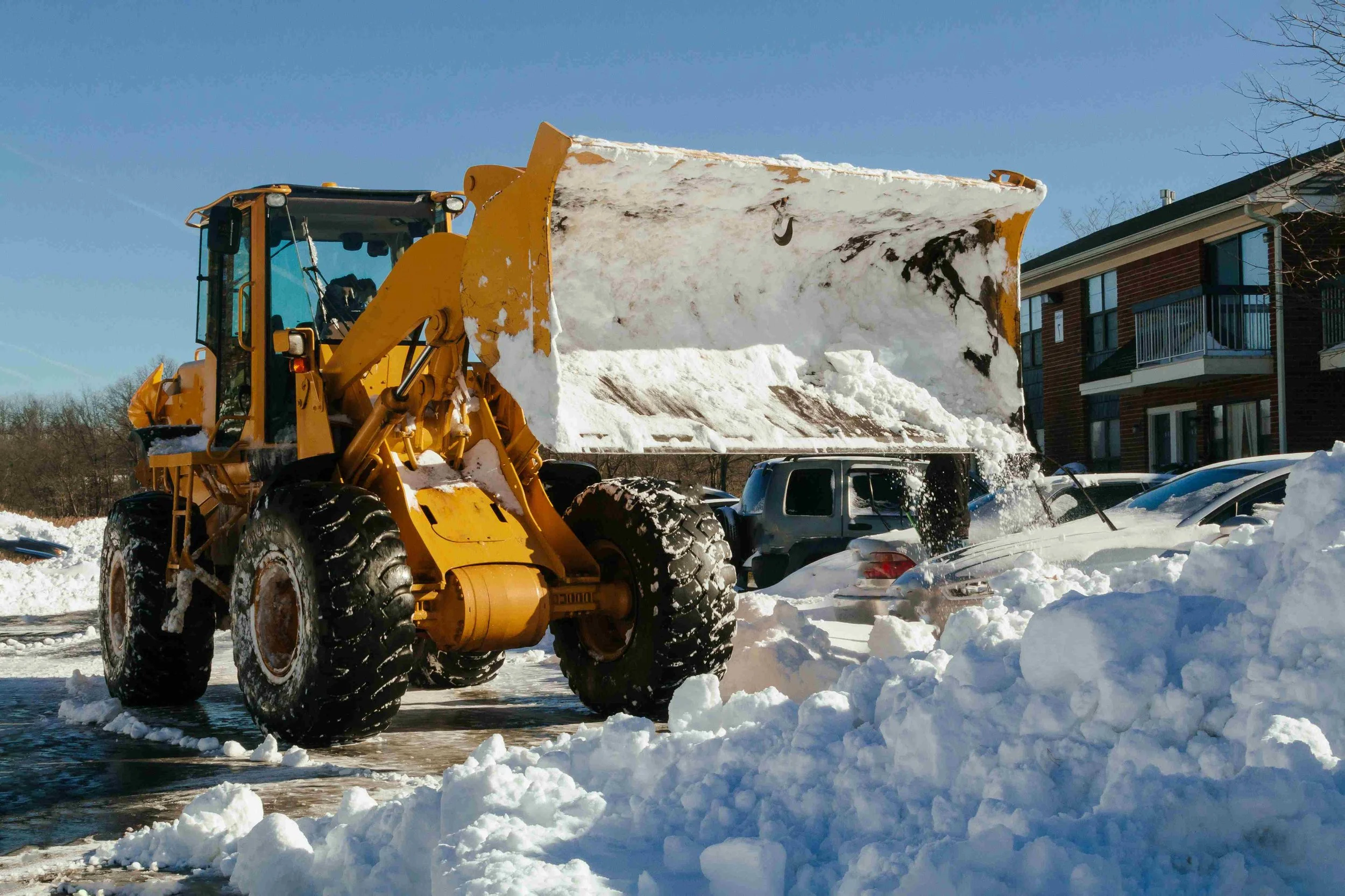
Winter in Winnipeg brings stunning snow-covered landscapes, but managing that accumulation on commercial and residential properties creates significant challenges and expenses. Property owners searching for information about how much snow removal companies charge need more than simple price quotes—they need understanding of what drives costs, how billing structures work, and what separates value from waste in winter maintenance investments.
Snow removal pricing varies dramatically based on property size, service scope, snow volume, contract structure, and response expectations. A small residential driveway might cost $30-$60 per visit, while comprehensive commercial property maintenance can run thousands of dollars monthly during active winter weather. Understanding these variables helps property owners evaluate proposals accurately, budget appropriately, and select contractors who deliver genuine value rather than just low prices. Bulger Brothers Landscape provides transparent pricing and comprehensive winter maintenance services throughout Winnipeg, helping property owners understand exactly what they're paying for and why quality service justifies the investment.
Key Takeaways
Per-visit pricing works best for residential properties and small businesses with predictable snow removal needs
Seasonal contracts provide budget certainty and priority service for commercial properties and high-use residentials
Property size represents the primary cost driver, with larger areas requiring more time, equipment, and materials
Service scope significantly affects pricing—basic plowing costs less than comprehensive programs including salting and walkway clearing
Response timing impacts rates, with guaranteed response times and 24/7 availability commanding premium pricing
Snow volume influences costs under some contract structures, with heavier winters increasing per-visit or measured charges
Overview
This comprehensive guide explores everything Winnipeg property owners need to know about snow removal costs and pricing structures. We'll examine different billing methods, break down what influences pricing, and help you understand what you should expect to pay for various service levels. You'll learn how to evaluate contractor proposals, identify hidden costs, and determine which contract structure best fits your specific situation.
We address common questions about seasonal versus per-visit pricing, minimum charges, additional fees, and how to budget for Winnipeg's variable winter weather. Whether you manage a large commercial complex, own a small business, or need residential driveway service, this guide provides actionable information for making informed purchasing decisions. Bulger Brothers Landscape brings decades of Winnipeg winter experience to every project, delivering professional snow removal services with transparent pricing that reflects genuine value.
Understanding Snow Removal Pricing Fundamentals
Snow removal companies charge based on multiple factors that combine to determine final costs. Professional contractors consider property characteristics, service requirements, timing expectations, and competitive market conditions when developing pricing structures.
The most basic pricing consideration involves service frequency. Properties cleared after every snowfall of 5 centimeters or more require different pricing than those serviced only after major storms exceeding 15 centimeters. High-frequency service prevents snow compaction and ice formation, making each individual clearing easier but increasing total seasonal visits. Lower-frequency approaches reduce visit counts but involve harder work moving larger accumulations. Understanding how much snow removal companies charge requires clarifying trigger depths that activate service.
Equipment requirements directly impact pricing structures. Small residential driveways managed with walk-behind snow blowers or small plows require less investment than large commercial lots needing industrial-grade trucks, loaders, and multiple crew members. Professional contractors factor equipment costs, fuel consumption, maintenance expenses, and depreciation into pricing models. Properties requiring specialized equipment—compact machines for tight spaces, large loaders for serious accumulation, or specific attachments—typically pay premiums reflecting these needs.
Labor intensity varies significantly across different property types. Straightforward rectangular lots with excellent access, minimal obstacles, and generous snow storage areas clear quickly with minimal labor. Complex properties featuring multiple buildings, tight turning areas, numerous obstacles, limited snow storage, and detailed edge work require substantially more time and careful operation. When evaluating how much snow removal companies charge, recognize that hourly labor costs for skilled equipment operators in Winnipeg range from $45-$75, influencing final pricing significantly.
Material expenses add to base plowing costs when contracts include ice control services. Salt, sand, and blended de-icing products fluctuate in price based on seasonal supply and demand. Professional contractors either build material costs into flat-rate pricing or bill separately based on actual usage. Properties in Winnipeg typically consume 50-150 kilograms of ice control materials per application depending on surface area and application rates. Understanding ice management techniques helps property owners appreciate these cost components.
Overhead allocation includes business costs that contractors must recover through pricing. Insurance, equipment storage, office operations, administrative staff, licensing, and profit margins all factor into what snow removal companies charge. Legitimate professional contractors carry comprehensive liability insurance protecting clients from accident claims—coverage that costs thousands annually but provides essential protection. Properties selecting contractors based purely on price often discover later that cheap providers lack proper insurance, creating liability exposure.
Residential Snow Removal Pricing Structures
Residential properties represent the most straightforward snow removal pricing scenarios, though significant variation exists based on service scope and contract structure. Understanding residential pricing helps homeowners budget appropriately and evaluate contractor proposals accurately.
Per-visit pricing dominates residential snow removal billing, with contractors charging fixed amounts for each service call. Standard single-car driveways in Winnipeg typically run $30-$50 per visit, while double driveways range from $45-$70. These prices assume straightforward access, normal snow depth (5-15 centimeters), and basic plowing without walkway clearing or ice control. Properties requiring sidewalk shoveling, steps, and ice treatment add $15-$30 per visit depending on area.
Seasonal contracts offer homeowners budget predictability in exchange for upfront commitment. Residential seasonal contracts for standard driveways typically range from $400-$800 depending on guaranteed service levels and included scope. These agreements specify trigger depths (usually 5 centimeters), maximum response times, and whether services include walkways and ice control. Seasonal pricing works best for homeowners who value convenience and budget certainty over potential per-visit savings during light snow years.
Size-based pricing reflects the reality that larger driveways and more extensive properties require more time and fuel. Contractors calculate rates based on driveway length, width, and total clearable area. A compact urban driveway might measure 6 meters by 3 meters (18 square meters), while suburban properties often feature driveways exceeding 15 meters by 5 meters (75 square meters). Pricing scales accordingly, with larger properties paying 2-3 times more than compact urban driveways.
Service tier options allow homeowners to customize coverage based on priorities and budgets. Basic service includes driveway plowing only. Mid-tier adds sidewalk clearing and major walkway access. Premium service provides complete snow clearing including all walkways, steps, patios, and ice control applications. Understanding how much snow removal companies charge for different tiers helps homeowners select appropriate coverage without paying for unnecessary services.
Additional service charges apply for circumstances outside standard service parameters. Heavy snowfall exceeding 25-30 centimeters often triggers surcharges of 50-100% over base rates due to increased difficulty and time requirements. End-of-driveway snow clearing (removing city plow windrows) adds $10-$20 per occurrence. Emergency or expedited service during business hours commands premium rates. Bulger Brothers Landscape provides clear pricing that outlines standard service and any potential additional charges upfront, eliminating surprise bills.
Payment structures vary among residential contractors. Some require upfront seasonal payment, others bill monthly during winter, and some invoice after each visit. Understanding payment terms helps homeowners manage cash flow and ensures alignment with personal preferences. Seasonal prepayment often includes discounts of 5-10% compared to per-visit total costs, rewarding commitment and ensuring contractor cash flow.
Commercial Snow Removal Cost Considerations
Commercial properties face more complex pricing scenarios than residential services due to larger areas, liability concerns, operational requirements, and service level expectations. Understanding commercial pricing helps business owners budget appropriately and evaluate contractor capabilities.
Property size represents the primary cost driver for commercial snow removal. Small retail shops with 10-15 parking spaces might pay $150-$300 per plowing event, while large shopping centers with hundreds of spaces can cost $1,500-$5,000 or more per service. Office complexes, industrial facilities, medical centers, and multi-family residential properties all fall along this spectrum based on total clearable area. Professional contractors measure properties accurately during initial assessments, providing pricing based on actual square meters rather than rough estimates.
Service level agreements define expectations that dramatically impact how much snow removal companies charge commercial clients. Basic agreements specify trigger depths and general service windows. Premium SLAs guarantee specific response times, define completion deadlines, outline ice-free standards, and establish liability provisions. Properties requiring zero-tolerance approaches—where snow never accumulates before clearing begins—pay substantial premiums for standby crews and immediate response capabilities. Medical facilities, emergency services, and 24-hour operations typically need these premium service levels.
Multi-service contracts bundle snow removal with related winter services for operational efficiency and cost savings. Comprehensive packages include plowing, walkway clearing, ice control applications, windrow removal, snow hauling when needed, and spring cleanup. Bundled pricing typically saves 10-20% compared to contracting services separately while ensuring coordination and single-point accountability. Properties investing in complete winter management appreciate the simplicity and reliability of integrated service delivery.
Seasonal versus per-event pricing presents strategic choices for commercial property managers. Seasonal contracts ranging from $3,000-$25,000+ depending on property size provide budget certainty and priority service. Per-event billing offers flexibility but creates budget uncertainty during heavy snow years. Most commercial properties choose seasonal contracts for financial predictability and guaranteed service availability. Properties in low-snow microclimates or those with flexible operational requirements might prefer per-event billing to avoid paying for unused service capacity.
Risk transfer value makes professional snow removal worth the investment for commercial properties beyond simple snow clearing. Slip-and-fall liability on commercial properties creates significant financial exposure—single incidents can cost tens of thousands in legal fees and settlements. Professional contractors carry substantial liability insurance and maintain service documentation that demonstrates due diligence. This risk transfer justifies premium pricing for commercial snow removal compared to residential services, as contractors assume considerable liability.
Timing premiums apply when commercial operations require service outside standard hours. Overnight clearing before business hours, weekend service for Monday opening, or holiday service during major storms all command 25-50% rate increases reflecting crew availability challenges and premium labor costs. Properties requiring guaranteed timing should budget for these premiums rather than seeking lowest-cost providers who can't deliver required scheduling.
Pricing Models and Contract Structures
Snow removal companies employ various pricing models and contract structures, each offering different advantages and tradeoffs. Understanding these options helps property owners select approaches aligned with their priorities, risk tolerance, and budget management preferences.
Flat-rate seasonal contracts charge predetermined amounts regardless of actual snow volume. Property owners pay the same whether winter brings 50 centimeters or 250 centimeters of total snowfall. This structure provides maximum budget certainty but transfers weather risk to contractors, who price accordingly by averaging historical snowfall patterns and building risk buffers. Flat-rate contracts typically cost 10-20% more than historical averages would suggest for per-visit billing, representing the premium for budget certainty. Properties prioritizing financial predictability favor this approach.
Per-occurrence billing charges set amounts for each service visit, with final seasonal costs varying based on actual storm frequency. A property paying $200 per visit might spend $1,000 during a light winter with 5 plowing events or $4,000 during heavy years with 20 events. This approach transfers weather risk to property owners, who benefit during light winters but face higher costs during heavy snow years. Per-occurrence pricing typically offers better value during below-average winters but requires budget flexibility to handle variation.
Measurement-based pricing bills according to actual snowfall amounts, with rates increasing for heavier accumulations. A contractor might charge $150 for 5-10 centimeters, $200 for 10-20 centimeters, and $300 for 20+ centimeters, recognizing that deeper snow requires more time and effort. This approach provides some budget predictability while adjusting for storm severity. However, measurement accuracy can create disputes, and property owners still face uncertainty about total seasonal costs. Clear measurement protocols and documentation standards prevent billing disagreements.
Hourly billing charges for actual time spent on properties rather than flat event fees. Commercial-grade equipment with operators typically bills at $85-$150 per hour depending on equipment size and capabilities. This approach works well for properties with highly variable service needs or those requiring occasional rather than regular service. However, hourly billing creates incentive misalignment where contractors benefit from slower work, making detailed time tracking and clear productivity expectations essential.
Retainer-plus-usage models combine monthly retainer fees with per-service charges, balancing predictability and actual usage. Property owners might pay $500 monthly retainers guaranteeing priority service availability, then $150 per actual visit. This structure provides contractors guaranteed income that justifies maintaining capacity while giving property owners some cost control. Retainer-plus-usage works particularly well for commercial properties with variable but significant winter service needs.
Tiered service packages offer good-better-best options with different pricing and service levels. Basic packages might include plowing after 10+ centimeters with 24-hour response. Mid-tier adds 5-centimeter triggers and 8-hour response. Premium packages provide 3-centimeter triggers, 2-hour response, walkway clearing, and ice control. This structure lets property owners select service levels matching their operational needs and budget constraints. Bulger Brothers Landscape helps clients understand how much snow removal companies charge for different service tiers and recommends appropriate levels based on property use and liability considerations.
Hidden Costs and Additional Charges
Understanding the complete cost picture for snow removal requires looking beyond base service rates to identify additional charges that can significantly impact total seasonal expenses. Smart property owners clarify these potential costs during contractor selection rather than discovering surprise charges mid-season.
Fuel surcharges appear in some contracts, allowing contractors to adjust pricing when diesel costs exceed baseline assumptions. These provisions typically activate when fuel prices rise 20% or more above contract assumption levels, with surcharges calculated as percentages of base rates. While fuel surcharges protect contractors from dramatic cost increases, they also create budget uncertainty for property owners. Contracts without fuel surcharge provisions lock pricing regardless of energy market fluctuations.
Heavy snow premiums activate when individual storms exceed defined thresholds, recognizing that exceptional accumulations require substantially more time and effort. Contractors might charge 50-100% premiums for storms exceeding 25-30 centimeters compared to normal 5-15 centimeter events. These provisions make sense—clearing 40 centimeters takes far more than twice as long as clearing 10 centimeters due to equipment capacity limitations and snow handling challenges. Properties should understand these thresholds and potential charges when evaluating how much snow removal companies charge.
Ice control materials often bill separately from plowing services, particularly under per-occurrence pricing models. Salt and de-icer applications might add $50-$200 per treatment depending on surface area and material type. Some seasonal contracts include ice control in base pricing, while others treat it as optional add-on service. Clarifying ice control pricing prevents disputes when winter conditions create significant material usage and associated costs. Understanding parking lot sanding alternatives helps property owners make informed material choices.
Hauling fees apply when snow accumulation exceeds on-site storage capacity and requires removal to off-site locations. Small properties with limited snow stacking areas often need hauling after 3-4 major storms, while larger properties might never require it. Hauling costs vary dramatically from $200-$2,000+ depending on volume and hauling distance. Contracts should specify whether hauling is included, charged additionally, or considered optional service requiring authorization before proceeding.
Access and obstacle fees compensate contractors for extra time required on challenging properties. Sites with narrow access requiring small equipment, numerous obstacles demanding careful navigation, tight turning radii, or complex traffic management during service all increase labor time and difficulty. These properties might pay 20-40% premiums over straightforward sites of equivalent size. Honest contractors identify these factors during site assessments and build appropriate pricing rather than discovering "unexpected challenges" mid-season.
Emergency service charges apply when property owners request immediate service outside normal storm response protocols. A property under per-occurrence billing calling for emergency clearing before scheduled service might pay 50-100% premiums for immediate response. Seasonal contract holders typically receive priority response without surcharges, representing one advantage of seasonal agreements. Understanding emergency service policies and costs helps property owners make informed decisions when urgent situations arise.
Factors That Increase Snow Removal Costs
Multiple property and service characteristics drive snow removal costs upward beyond base rates. Recognizing these factors helps property owners understand why quotes vary and what drives pricing for their specific situations.
Property complexity dramatically affects how much snow removal companies charge. Simple rectangular parking lots with excellent access, minimal obstacles, and generous snow storage areas clear quickly and efficiently. Complex properties featuring multiple buildings, tight access points, numerous light poles, landscaping islands, designated fire lanes, and limited stacking space require substantially more time, careful equipment operation, and multiple pieces of equipment. This complexity can double or triple costs compared to simple equivalent-sized properties.
Site accessibility influences equipment selection and operational efficiency. Properties accessed through narrow residential streets can't accommodate large commercial plows and loaders that work efficiently on open sites. Restricted access forces contractors to use smaller, less efficient equipment or make multiple passes with larger machines staged off-site. Sites requiring traffic control, security procedures, or complex access protocols also add time and cost that appears in pricing.
Service expectations beyond basic snow removal increase costs substantially. Properties requiring pristine edges, complete pavement exposure (no residual snow), immediate ice control, walkway clearing, and entrance mat service pay premiums reflecting this additional work. Zero-tolerance approaches where accumulation never exceeds 3-5 centimeters require standby crews and immediate storm response that costs far more than standard next-day service. Understanding realistic service needs prevents paying for unnecessary perfection.
Response time requirements directly impact pricing structures. Properties accepting 24-48 hour response windows after storms pay base rates. Those requiring 8-12 hour response pay modest premiums. Properties demanding 2-4 hour guaranteed response or immediate storm activation need to budget for premium pricing reflecting standby crew costs and priority scheduling. Medical facilities, emergency services, and 24-hour operations typically need premium response capabilities.
Snow storage limitations create additional costs when properties lack adequate areas for snow piling. Sites requiring frequent snow hauling or creative stacking strategies take longer to service and incur hauling expenses. Properties with generous snow storage areas allow efficient piling that maximizes on-site capacity, reducing costs. Smart landscape design during property development can incorporate snow storage planning that reduces long-term winter maintenance costs.
Liability exposure influences pricing for properties where snow removal failures create significant consequences. Medical facilities, senior living communities, schools, and properties serving vulnerable populations face higher liability stakes than typical commercial properties. Contractors serving these high-stakes clients invest more in quality control, documentation, and risk management, costs that appear in pricing. The investment makes sense given potential consequences of service failures.
Ways to Reduce Snow Removal Costs
Property owners seeking to control winter maintenance expenses have several strategies for reducing snow removal costs without compromising safety or service quality. Smart approaches focus on efficiency, risk management, and strategic planning rather than simply selecting cheapest contractors.
Seasonal contracting typically delivers 10-20% savings compared to per-occurrence billing during average or heavy snow years. Contractors offer these discounts because seasonal agreements provide guaranteed revenue, eliminate billing and collection overhead for each visit, and create stable work schedules that improve operational efficiency. Properties with consistent winter service needs benefit from seasonal agreements both financially and through priority service status during major storms.
Multi-year agreements sometimes generate additional savings beyond single-season contracts. Contractors value multi-year commitments that provide revenue stability and reduce annual sales costs. Some contractors offer 5-10% discounts for 2-3 year commitments. However, property owners should carefully consider pricing adjustment clauses and ensure long-term agreements don't lock them into above-market rates as conditions change.
Bundled services combining snow removal with other property maintenance creates cost savings and operational efficiencies. Contractors providing year-round services like lawn care, landscape maintenance, or commercial landscaping often offer winter service discounts of 10-15% to clients using multiple services. These relationships also improve service quality through contractor familiarity with properties and year-round communication.
Flexible service triggers reduce seasonal visit counts and associated costs. Properties using 7-8 centimeter triggers instead of 5 centimeters might reduce seasonal clearing events by 20-30%, generating substantial savings under per-occurrence pricing. However, higher triggers increase slip-and-fall risk during accumulation periods and create harder work during each clearing. Property owners must balance cost savings against liability exposure and operational impacts.
Efficient site design reduces ongoing snow removal costs through smart planning. Properties developed with snow storage areas, wide access drives, minimal obstacles, and logical traffic patterns clear faster with less equipment, reducing both per-visit and seasonal costs. Properties undergoing development or renovation should consult with snow removal professionals during design phases to optimize winter maintenance efficiency.
Self-service combinations work for some properties with mixed requirements. Large property owners might contract for parking lot plowing while handling walkway clearing with internal staff. This approach works when organizations maintain appropriate equipment and staff, though coordination challenges and liability considerations require careful management. Most commercial properties benefit from comprehensive professional service rather than split responsibilities.
Evaluating Contractor Proposals and Value
Understanding how much snow removal companies charge represents only part of the purchasing decision—evaluating overall value separates quality contractors from cheap providers who create problems. Smart evaluation considers multiple factors beyond simple price comparison.
Insurance verification should precede all other evaluation factors. Legitimate contractors carry comprehensive general liability insurance ($2-5 million coverage typical) and workers compensation protecting property owners from accident liability. Request certificates of insurance and verify coverage directly with insurance providers—some contractors present fraudulent certificates. Contractors lacking proper insurance might charge 20-30% less than insured providers, but this "savings" creates enormous liability exposure that far exceeds any cost benefit.
Equipment quality indicates contractor capability and reliability. Professional operations maintain modern, well-maintained equipment appropriate for their client base. Site visits should reveal clean equipment in good repair, proper attachments and accessories, and backup units available if primary equipment fails. Contractors operating marginal equipment frequently experience breakdowns during storms, leaving properties unserviced at critical times. Equipment quality justifies price differences between contractors.
Reference checking provides insights into actual service delivery versus marketing claims. Request references from properties similar to yours in size, use, and expectations. Contact these references and ask specific questions about response reliability, communication quality, billing accuracy, and problem resolution. Contractors with strong track records happily provide multiple references, while problematic providers struggle to identify satisfied clients willing to recommend their services.
Contract clarity reveals contractor professionalism and prevents disputes. Quality contractors provide detailed written agreements specifying exact services, trigger depths, response times, included areas, billing methods, payment terms, and termination provisions. Vague contracts create disputes when expectations and deliverables differ. Review contracts carefully and request clarification on any ambiguous terms before signing. Bulger Brothers Landscape provides clear, comprehensive contracts that eliminate ambiguity and protect both parties.
Communication systems indicate operational sophistication and customer service commitment. Professional contractors employ dispatch systems, maintain 24/7 contact availability during winter, provide service confirmation notifications, and respond promptly to concerns. These systems cost money to operate but deliver value through improved reliability and customer confidence. Contractors relying on single cell phones and informal communication often fail during high-demand periods when multiple properties need simultaneous attention.
Financial stability affects contractor reliability throughout winter. Snow removal requires significant equipment investment, working capital for fuel and materials, and cash flow to cover expenses between customer payments. Financially unstable contractors sometimes fail mid-season, leaving properties without service during critical periods. While assessing contractor finances proves difficult, warning signs include requests for large upfront payments, reluctance to provide references, and extremely low pricing that doesn't cover realistic operational costs.
Regional Market Factors Affecting Winnipeg Pricing
Local market conditions significantly influence how much snow removal companies charge in Winnipeg compared to other regions. Understanding these regional factors helps property owners evaluate whether quotes reflect fair market rates or outlier pricing.
Competition density affects pricing structures through supply and demand dynamics. Winnipeg's substantial snow removal contractor base creates competitive pressure that moderates pricing compared to markets with limited provider options. However, extreme storms temporarily tighten contractor availability, potentially creating premium pricing during peak demand periods. Property owners with seasonal contracts receive priority service and rate protection that per-occurrence clients lack during tight markets.
Climate patterns specific to Winnipeg create cost factors different from other regions. The city's extended winter season, frequent snowfall, and extreme cold affect equipment requirements, material usage, and operational challenges. Winnipeg winters typically deliver 110-120 centimeters of total snowfall across 50-60 days with measurable precipitation. This pattern creates moderate per-storm accumulations requiring frequent service rather than occasional major clearings. Regional pricing reflects these local conditions rather than national averages.
Labor market conditions influence contractor costs that translate to customer pricing. Skilled equipment operators earn $20-$30 per hour in Winnipeg, with total employer costs reaching $45-$75 hourly when benefits, insurance, and overhead factor in. Tight labor markets during strong economic periods increase these costs and push pricing upward. Contractors competing for qualified operators must offer competitive wages that ultimately appear in customer rates.
Equipment costs remain relatively consistent nationally, but Winnipeg's harsh operating conditions accelerate wear and increase maintenance needs. Extreme cold stresses hydraulic systems, batteries, and engines. Salt and de-icers create corrosive environments that reduce equipment lifespan. Professional contractors maintain equipment to higher standards that cost more but prevent breakdowns during critical service periods. These costs justify pricing that reflects true operational expenses rather than theoretical equipment lifespans.
Seasonal revenue concentration affects how contractors structure annual business models. Snow removal companies generate most annual revenue during 4-5 winter months, requiring pricing sufficient to sustain year-round operations. Contractors providing complementary services like commercial landscaping spread overhead across broader revenue bases, potentially offering more competitive snow removal pricing than winter-only specialists.
Insurance markets influence contractor costs through liability and vehicle coverage premiums. Winnipeg's winter conditions create claim frequencies that affect regional insurance pricing. Professional contractors carry substantial coverage that protects clients but costs thousands to tens of thousands annually depending on operation size. These insurance costs represent 5-10% of contractor overhead, necessarily appearing in customer pricing for legitimate operations.
When winter weather creates snow removal needs on your Winnipeg property, understanding fair pricing helps you select contractors who deliver genuine value rather than just low costs. Bulger Brothers Landscape, located at 7 Leeward Pl, Winnipeg, MB R3X 1M6, provides transparent pricing backed by professional service, proper insurance, quality equipment, and experienced crews who deliver reliable results throughout winter. We help property owners understand exactly how much snow removal companies charge and why our pricing reflects the quality, reliability, and value your property deserves. Call us at (204) 782-0313 to discuss your snow removal needs and receive a detailed proposal that clearly outlines costs, services, and expectations with no hidden surprises.
Conclusion
Understanding how much snow removal companies charge requires looking beyond simple per-visit or seasonal rates to consider service scope, property characteristics, contract structures, and total value delivered. Winnipeg property owners face varied pricing based on property size, accessibility, service expectations, and timing requirements that justify significant cost variation between simple residential driveways and complex commercial facilities.
Smart purchasing decisions balance cost against service quality, reliability, insurance protection, and contractor capability. The cheapest option frequently becomes the most expensive through service failures, liability exposure, and inadequate results that create safety problems and operational disruptions. Professional contractors with appropriate insurance, quality equipment, experienced operators, and sustainable business models justify their pricing through reliable service delivery that protects properties and occupants throughout winter.
Ready to understand exactly what professional snow removal costs for your specific property? Bulger Brothers Landscape provides detailed, transparent proposals that clearly explain pricing, services, and expectations with no hidden surprises. Contact us today for a comprehensive snow removal assessment and discover how professional winter maintenance protects your property investment!
FAQs
Q: What's the average cost for residential driveway snow removal in Winnipeg?
A: Residential driveway snow removal in Winnipeg typically costs $30-$70 per visit depending on driveway size, with standard single-car driveways at the lower end and large double driveways commanding higher rates. Seasonal contracts for residential properties generally range from $400-$800, providing unlimited clearing when accumulation exceeds trigger depths (usually 5 centimeters). These rates include basic driveway plowing but not walkway clearing or ice control, which add $15-30 per visit when included. Properties with complex layouts, difficult access, or premium service requirements pay toward the higher end of these ranges, while straightforward driveways with easy access typically receive competitive base rates.
Q: Is seasonal contract pricing or per-visit billing more cost-effective?
A: Cost-effectiveness depends on actual winter severity and individual risk tolerance. Seasonal contracts provide budget certainty and typically cost 10-20% more than average historical per-visit costs, representing the premium for weather risk transfer to contractors. During heavy snow years, seasonal contracts deliver substantial savings by capping costs regardless of storm frequency. Light snow years favor per-visit billing, where property owners pay only for actual service. Properties prioritizing budget predictability and guaranteed service availability benefit from seasonal contracts, while those with budget flexibility and tolerance for variation might prefer per-visit billing. Most commercial properties choose seasonal contracts for financial planning purposes, while residential property owners split between approaches based on preferences.
Q: Why do snow removal costs vary so much between different contractors?
A: Pricing variation reflects differences in service quality, insurance coverage, equipment investment, overhead costs, and business models. Extremely low pricing often indicates lack of proper insurance, marginal equipment, minimal overhead investment, or unsustainable business practices that lead to mid-season service failures. Premium pricing typically reflects comprehensive insurance, professional equipment, experienced operators, responsive customer service systems, and sustainable business operations. Mid-range pricing from established contractors usually represents fair market value for professional service. Property owners should evaluate total value rather than price alone, considering insurance verification, equipment quality, references, contract clarity, and service reliability. The cheapest option frequently becomes the most expensive through service failures, liability exposure, and problem remediation costs.
Q: Are there additional charges beyond base snow removal pricing?
A: Most professional contracts include potential additional charges for circumstances outside standard service parameters. Common extras include heavy snow premiums (50-100% surcharges) for storms exceeding 25-30 centimeters, ice control material charges when not included in base pricing, snow hauling fees when on-site storage fills, end-of-driveway windrow clearing from city plows, fuel surcharges if diesel prices spike significantly, and emergency service premiums for immediate response requests. Quality contractors disclose all potential additional charges during proposal presentation rather than surprising clients with unexpected invoices. Property owners should request detailed fee schedules and ask specific questions about potential extras during contractor evaluation. Seasonal contracts sometimes include these services in flat-rate pricing, while per-occurrence agreements typically itemize them separately.
Q: How much should commercial properties budget for winter snow removal?
A: Commercial snow removal budgets vary dramatically based on property size and service requirements. Small retail locations with 10-15 parking spaces typically budget $2,000-$4,000 annually for seasonal contracts including plowing, ice control, and basic walkway clearing. Medium commercial properties with 30-50 spaces budget $4,000-$8,000, while large retail centers, office complexes, or industrial facilities with hundreds of spaces might budget $15,000-$40,000 or more. Properties requiring premium service levels, zero-tolerance approaches, or extensive walkway networks budget toward higher ranges. Per-occurrence billing creates budget uncertainty but might average 20-30% less during typical winters compared to seasonal contract pricing. Conservative budgeting should assume above-average snow years to avoid shortfalls during heavy winters.
Q: When should property owners contract for snow removal services?
A: Property owners should begin snow removal contractor selection during fall months, ideally September through October, before winter weather arrives. Early contracting provides several advantages including better contractor availability, potentially lower pricing through early-bird discounts, more thorough site assessment time, and complete preparation before first snowfall. Contractors fill seasonal contracts throughout fall, with the best operators reaching capacity by November. Properties waiting until November or December face reduced contractor availability, rushed decision-making, and potentially higher pricing as available capacity tightens. Multi-year contract renewals should be confirmed by late summer to maintain continuity and lock favorable pricing. Emergency mid-winter contracting is possible but limits options and often requires accepting available rather than preferred contractors.
Q: What questions should I ask when requesting snow removal proposals?
A: Essential questions include: What insurance coverage do you carry and can you provide certificates? What equipment will service my property and do you maintain backup equipment? What exactly triggers service and what's your guaranteed response time? What areas are included in base pricing versus additional charges? How do you handle heavy snow events exceeding normal accumulations? What documentation do you provide after each service? How do you communicate service completion and handle emergency requests? What are your payment terms and when are invoices due? Can you provide references from similar properties? What happens if you can't service my property during a storm? These questions reveal contractor professionalism, capability, and whether their service offering matches your needs and expectations.
Q: Does snow removal pricing include ice control and de-icing?
A: Ice control inclusion varies significantly between contractors and contract types. Some seasonal contracts include comprehensive ice control as part of flat-rate pricing, while others treat it as optional add-on service billed separately. Per-occurrence agreements typically itemize ice control separately, charging $50-$200 per application depending on property size and material type. Property owners should clarify ice control provisions explicitly during proposal evaluation, understanding what's included in base pricing versus optional extras. Properties in Winnipeg should budget for regular ice control given climate conditions that frequently create dangerous icy surfaces requiring treatment beyond simple snow removal. Some contractors offer multiple ice control options including salt, sand, and specialty products at different price points.
Q: How do snow removal companies measure snowfall for billing purposes?
A: Contractors using measurement-based pricing typically reference official weather service data from Winnipeg Richardson International Airport or maintain their own measurement stations. Some contractors measure at multiple client sites to account for microclimate variations. Most contracts specify measurement methodology during initial agreement to prevent disputes. However, many contractors use simpler trigger-based approaches where service activates when accumulation reaches defined thresholds (commonly 5 centimeters) regardless of exact depth. This avoids measurement disputes while providing clear service activation standards. Properties concerned about measurement accuracy should discuss specific protocols during contract negotiation and request documentation of measurement methods in written agreements. Most disputes arise when measurement methods aren't clearly specified initially.
Q: Can property owners negotiate snow removal pricing with contractors?
A: Professional contractors often negotiate within reasonable parameters, though pricing isn't infinitely flexible. Contractors might offer discounts for multi-year commitments, multiple properties, early-season contracting, flexible service triggers, or bundled services combining snow removal with other property maintenance. However, professional contractors maintain pricing floors below which service becomes unprofitable and unsustainable. Attempting to negotiate professional contractors down to unsustainably low prices either results in rejection or acceptance by contractors who lack proper insurance, equipment, or business stability. Better negotiation approaches focus on service optimization—adjusting service scopes, triggers, or included areas to reach mutually beneficial pricing rather than demanding arbitrary discounts on comprehensive professional service.