

What Does Hardscaping Mean and What Does It Include?
If You've Heard the Word Hardscaping and Wondered What It Actually Covers, You're Not Alone
Hardscaping comes up constantly in landscaping conversations, contractor quotes, and home improvement articles, but a lot of Winnipeg homeowners aren't entirely sure what it means or how it applies to their specific yard. Is the patio hardscaping? What about the retaining wall? The fence? The answer to all three is yes, and understanding what hardscaping means gives you a much clearer framework for planning, budgeting, and talking to contractors about your outdoor projects.
In a city like Winnipeg, where the outdoor season is short, the winters are hard, and every structural element in your yard gets tested by freeze-thaw cycles year after year, understanding what hardscaping means also means understanding why it has to be done right. From Tuxedo to Transcona, the difference between hardscaping that lasts decades and hardscaping that fails within a few winters comes down to installation quality and material selection for this specific climate.
Key Takeaways
Hardscaping refers to the non-living, structural elements of a landscape including patios, walkways, retaining walls, fences, driveways, and steps
Hardscaping and softscaping work together to create a complete, functional outdoor space
In Winnipeg, freeze-thaw cycles make proper base preparation and material selection critical for any hardscape installation
Hardscaping solves real problems including drainage management, slope control, and usable space creation
Professional hardscape installation in Winnipeg requires specific knowledge of frost depth, drainage requirements, and climate-appropriate materials
Bulger Brothers Landscape designs and installs hardscaping across Winnipeg residential and commercial properties
Overview: Understanding Hardscaping in a Winnipeg Context
What does hardscaping mean for a Winnipeg homeowner specifically? It means the permanent, structural features that define how your outdoor space functions, how it drains, how it handles the ground movement that comes with every freeze-thaw cycle, and how it looks year after year. This guide covers the full definition of hardscaping, the most common hardscape elements Winnipeg homeowners install, how hardscaping and softscaping work together, and what separates a hardscape installation that performs well in Manitoba's climate from one that doesn't.
Bulger Brothers Landscape has installed hardscaping across Winnipeg properties of every size and type, and the practical knowledge from that work runs through every section of this article.
For a related look at what specific hardscape elements mean for your yard design, the guide on what hardscape means in landscaping covers the terminology and design principles in detail.
What Does Hardscaping Mean? The Core Definition
Hardscaping refers to the non-living, structural components of a landscape — the hard surfaces, built features, and permanent installations that give an outdoor space its bones, function, and definition.
The word comes from contrasting hard materials against soft, living elements. Hard materials include stone, concrete, brick, wood, metal, and composite products. These are the materials used to build patios, walkways, retaining walls, fences, driveways, steps, fire pits, pergolas, and edging systems. None of these grow, change with the seasons, or require watering. They stay in place year-round and perform a structural role in the landscape.
Softscaping, by contrast, refers to all the living elements: grass, trees, shrubs, perennials, annuals, and garden beds. Softscaping grows, changes through the seasons, and requires ongoing care and maintenance.
Hardscaping is what gives a yard its structure. Softscaping is what gives it life. A yard without hardscaping often looks unfinished and functions poorly. A yard without softscaping often feels sterile and uninviting. The best outdoor spaces combine both deliberately, with hardscape providing the framework and softscape filling it in.
Understanding what does hardscaping mean also means understanding scale. A small stepping stone path is hardscaping. So is a 2,000 square foot commercial parking lot. The definition covers everything from a simple garden border to a full outdoor living complex with kitchen, patio, retaining walls, and lighting. What they share is the use of hard, non-living materials in a structural landscape role.
What Is Included in Hardscaping?
The range of features that fall under hardscaping is broader than most homeowners initially assume. Here is a comprehensive look at what hardscaping includes for Winnipeg residential and commercial properties:
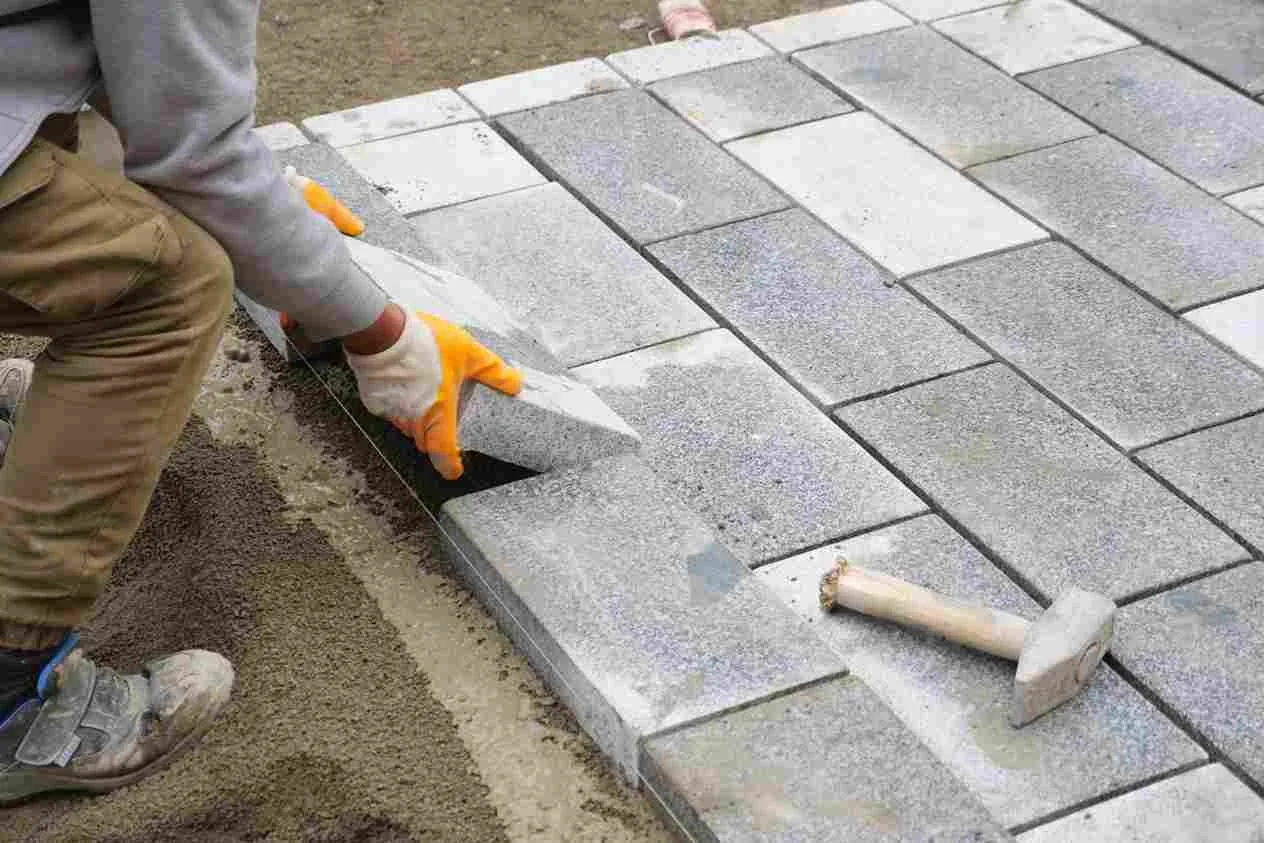
Patios Patios are the most commonly installed hardscape feature in Winnipeg residential properties. They create defined outdoor living space for dining, entertaining, and relaxation, and they significantly increase how much homeowners actually use their yards through the summer. Patios are built from interlocking concrete pavers, natural stone, poured concrete, exposed aggregate, or combinations of these materials.
In Winnipeg, patio installation requires base preparation that accounts for frost penetration depth. Without adequate base depth and compaction, patios shift and heave through freeze-thaw cycles within a few winters. Professional patio and walkway installation includes the base work that keeps surfaces level and stable through Manitoba's demanding seasonal transitions.
Walkways and Pathways Walkways connect areas of the yard, guide foot traffic, protect lawn from wear patterns, and contribute to the overall design of the outdoor space. They can be formal and straight or curved and naturalistic depending on the design intent. Materials range from concrete and interlocking pavers to natural stepping stones and gravel paths.
Driveways The driveway is often the largest hardscape surface on a residential property and one of the most visible. Concrete, asphalt, interlocking pavers, and exposed aggregate are the most common materials for Winnipeg driveways. Driveway hardscaping includes proper grading for water runoff and drainage that prevents ice buildup in winter.
Retaining Walls Retaining walls are structural hardscape elements that hold back soil, manage grade changes, prevent erosion, and create level usable areas on sloped properties. They are one of the most technically demanding hardscape installations because they must resist significant lateral soil pressure while handling freeze-thaw movement year after year.
In Winnipeg, hydrostatic pressure from water-saturated soil is one of the primary causes of retaining wall failure. A properly built retaining wall includes drainage behind the wall to prevent this pressure buildup. Retaining wall installation that skips this drainage detail is a wall that will eventually fail regardless of the material used.
Fences Fencing defines property boundaries, provides privacy, contains pets and children, and contributes significantly to the aesthetic character of the yard. Wood, vinyl, composite, chain link, and ornamental metal are the most common fence materials for Winnipeg properties. Post depth is the defining quality factor for Winnipeg fence installations, with posts needing to reach below the frost line to prevent heaving through winter freeze-thaw cycles.
Steps and Staircases Steps connect different elevation levels within a yard, from deck to patio, from patio to lawn, or from one terrace to another. They are both functional and aesthetic elements of a hardscape design. In Winnipeg, steps built without proper base preparation shift and become uneven, creating trip hazards that worsen over successive winters.
Edging and Borders Hardscape edging creates clean, defined transitions between lawn and garden beds, between different surface materials, and between planted areas and hard surfaces. Metal, concrete, stone, and brick are all used for hardscape edging in Winnipeg landscapes.
Fire Pits Built-in fire pits are hardscape features that extend the usability of outdoor spaces into the cooler shoulder seasons that Winnipeg has plenty of. A properly installed fire pit is a structural feature built from materials that handle heat, weather, and ground movement over time. Fire pit installation involves site selection, base preparation, structural construction, and integration with the surrounding patio or landscape.
Concrete Features Poured concrete serves multiple hardscape roles including driveways, patios, exposed aggregate surfaces, decorative borders, and steps. Concrete landscaping in Winnipeg requires specific knowledge of joint placement, mix design, and curing management to prevent the cracking that freeze-thaw cycles cause in improperly installed concrete.
Drainage Systems Drainage is hardscaping that most homeowners don't think of as hardscaping because it's largely invisible once installed. French drains, catch basins, channel drains, and grading corrections are all hardscape elements that manage water movement through the property. In Winnipeg, drainage hardscaping is often the most important investment a property owner can make, because clay soil and spring snowmelt volumes create water management challenges that affect lawn health, foundation integrity, and every other hardscape feature on the property.
Drainage services address the root cause of problems that surface in other parts of the landscape, and they should be part of any comprehensive hardscape plan for a Winnipeg property.
Outdoor Structures Pergolas, arbours, gazebos, and shade structures are hardscape features that define outdoor rooms and extend the comfort and usability of outdoor living spaces. These structures require proper footings and anchoring for Winnipeg's wind exposure and ground movement conditions.
Landscape Lighting Installations The infrastructure for landscape lighting, conduit, wiring, fixture mounting, and transformer installation, is hardscape work that enables the softscape and decorative elements of a lighting system. Water features and landscape lighting combine structural installation with decorative effect to transform outdoor spaces after dark.
Rock Beds and Boulder Features Rock beds, decorative boulder placements, and boulder retaining features use natural stone in structural and aesthetic hardscape roles. Moving, placing, and designing with large stone requires equipment and expertise that falls firmly in professional territory. Rock bed and boulder installation creates low-maintenance landscape areas with strong visual character.
What Is the Difference Between Hardscaping and Softscaping?
The distinction between hardscaping and softscaping is straightforward once the definitions are clear, but the relationship between them is what actually determines how well a yard works and looks.
Hardscaping: Non-living structural elements. Patios, walls, fences, walkways, driveways, steps, edging, drainage systems, fire pits, concrete features, outdoor structures. Permanent or semi-permanent. Made from hard materials. Does not grow or change seasonally.
Softscaping: Living organic elements. Grass, trees, shrubs, perennials, annuals, groundcovers, mulch, soil amendments. Changes seasonally. Requires ongoing maintenance. Grows and evolves over time.
The two categories are interdependent in a well-designed landscape. Hardscape structures define the spaces that softscape fills. Retaining walls create the terraced beds where perennials grow. Patio edges define where the lawn begins. Pathway edging keeps garden beds from spreading across hard surfaces. Drainage systems protect the soil conditions that lawn and plants need to thrive.
When the relationship between hardscape and softscape is ignored, the results show. Too much hardscape without softscape feels sterile and urban in a way that doesn't suit most residential properties. Too much softscape without hardscape structure feels shapeless and difficult to maintain. The best Winnipeg yards find the right balance for their size, use, and aesthetic goals.
Why Winnipeg's Climate Makes Hardscaping More Complex
What does hardscaping mean in the context of Winnipeg's climate? It means every structural decision has a freeze-thaw dimension that doesn't exist in milder markets.
Winnipeg experiences some of the most dramatic freeze-thaw cycling of any major Canadian city. Ground temperatures drop to the point where frost penetrates deep into the soil, then rise again in spring, then drop and rise multiple times through the transition seasons. Every freeze-thaw cycle exerts force on structures embedded in or sitting on the ground.
The practical implications for hardscaping in Winnipeg include:
Base depth for patios and walkways must be sufficient to prevent frost heave. In Winnipeg, this means minimum base depths of 8 to 12 inches of compacted gravel below paved surfaces, with some installations requiring more depending on soil conditions and drainage.
Post depth for fences, pergolas, and outdoor structures must reach below the frost line, which in Winnipeg means a minimum of 48 inches and often 54 to 60 inches for critical structural posts.
Retaining walls must include drainage behind them to prevent the hydrostatic pressure buildup that freeze-thaw cycling amplifies dramatically. A wall facing water-saturated soil through a Winnipeg winter without drainage protection faces enormous pressure.
Material selection must account for freeze-thaw performance. Concrete pavers rated for freeze-thaw cycling outperform those that aren't. Natural stone species vary in their frost resistance. Vinyl fence formulations designed for cold-climate performance differ from those designed for moderate climates.
All of these requirements add cost compared to the same work in a milder climate, but they're what separates hardscaping that performs correctly through multiple Manitoba winters from hardscaping that begins failing after the first.
For a detailed look at hardscape materials that perform best in Winnipeg's freeze-thaw climate, that guide covers material performance by feature type across Manitoba conditions.
Hardscaping vs. Landscaping: Understanding the Relationship
A common point of confusion is the relationship between hardscaping and landscaping more broadly. Hardscaping is a component of landscaping, not a separate discipline. Landscaping covers the full scope of outdoor property work including both hardscape and softscape elements.
When someone says they do landscaping, they may mean maintenance work like mowing and cleanup, installation work like patios and retaining walls, design work that plans the complete outdoor environment, or all of the above. Understanding what a landscaper does across the full range of services helps homeowners identify what they need and who can provide it.
The best outcomes for Winnipeg yards typically come from working with a landscaping company that handles both hardscape and softscape work. These companies understand how the structural and living elements of a yard interact, can plan the sequencing of work correctly, and can ensure that drainage, grading, and structural decisions support the health of lawn and plants rather than working against them.
Professional Hardscaping vs. DIY in Winnipeg
Understanding what does hardscaping mean also means being honest about which hardscape projects are appropriate for DIY and which require professional expertise and equipment.
Small decorative elements like simple garden edging, basic stepping stone paths, and small decorative boulder placements are within the reach of motivated homeowners with adequate time and physical ability.
Anything structural is a different matter. Patios require excavation equipment, compaction equipment, and installation expertise that delivers correct base depth and surface level. Retaining walls require engineering knowledge, drainage installation, and the ability to handle heavy materials safely. Fence installation in Winnipeg requires post hole equipment capable of reaching 48 to 60 inches in clay soil. Drainage systems require grading knowledge and understanding of how water moves through the specific soil conditions on the property.
The most common and costly DIY hardscaping mistake in Winnipeg is inadequate base preparation. A patio or walkway with insufficient base depth looks fine in the first season and begins shifting, heaving, and becoming uneven within the first two or three winters. Correcting this after installation means removing the surface material, rebuilding the base, and reinstalling everything — a cost that typically exceeds what professional installation would have cost originally.
For homeowners comparing the costs of professional versus DIY hardscaping, the guide on how much hardscaping costs in Winnipeg provides detailed pricing context that makes the comparison realistic.
When you're ready to add hardscaping that performs correctly in Winnipeg's climate and looks great for years, Bulger Brothers Landscape is the team to call. Located at 7 Leeward Pl, Winnipeg, MB R3X 1M6, the crew brings the equipment, expertise, and local climate knowledge that every hardscape project in Manitoba requires. Call (204) 782-0313 to schedule your site assessment and discuss what hardscaping can do for your property.
Frequently Asked Questions About What Does Hardscaping Mean
Q: What does hardscaping mean in simple terms?
A: Hardscaping refers to the non-living, structural elements of a landscape — things like patios, walkways, retaining walls, fences, driveways, steps, and fire pits. These are the hard surfaces and built features that give an outdoor space its structure and function, as opposed to softscaping, which covers all the living elements like grass, plants, and trees.
Q: What is the difference between hardscaping and landscaping?
A: Landscaping is the broader term covering all outdoor property work. Hardscaping is a component of landscaping that specifically refers to the non-living structural elements. A complete landscaping project typically includes both hardscape installation and softscape work, with hardscape providing the structure and softscape providing the living elements that fill it in.
Q: What is an example of hardscaping?
A: Common hardscaping examples include a backyard patio made from interlocking pavers, a retaining wall holding back a sloped yard, a privacy fence along the property line, a concrete driveway, a stone walkway from the front door to the street, a built-in fire pit, and a drainage system managing water runoff across the property.
Q: Does hardscaping add value to a Winnipeg home?
A: Yes. Professionally installed hardscaping adds measurable value to Winnipeg properties, particularly features like patios, privacy fencing, and retaining walls that solve real problems or expand functional outdoor living space. Hardscaping that is poorly installed or beginning to fail does the opposite, signalling deferred maintenance and creating buyer negotiation leverage.
Q: Why is hardscaping more expensive in Winnipeg than in other cities?
A: Winnipeg's freeze-thaw climate requires deeper base preparation, frost-rated materials, and drainage details that add cost compared to the same work in milder markets. These aren't optional additions — they're what determines whether a hardscape installation performs correctly through multiple Manitoba winters or begins failing after the first.
Q: How long does hardscaping last in Winnipeg?
A: Properly installed hardscaping in Winnipeg lasts decades. Interlocking paver patios and natural stone features installed with correct base preparation routinely last 25 to 50 years. Boulder retaining walls last indefinitely. Vinyl fencing lasts 25 to 40 years. The limiting factor is almost always installation quality rather than material lifespan.
Q: What hardscaping features are most popular in Winnipeg?
A: Interlocking paver patios, cedar privacy fencing, retaining walls on sloped properties, and concrete driveways are the most commonly installed hardscape features on Winnipeg residential properties. Landscape lighting and fire pit installations have grown significantly in popularity as homeowners invest more in outdoor living spaces through the summer season.
Q: Do I need a permit for hardscaping in Winnipeg?
A: Permit requirements depend on the specific feature and its dimensions. Retaining walls above a certain height, fences above specific heights or in certain locations, and some drainage work may require permits from the City of Winnipeg. A professional contractor advises on permit requirements before work begins and manages the application process where needed.
Conclusion
What does hardscaping mean for your Winnipeg property? It means the structural foundation that determines how your outdoor space functions, how it handles Manitoba's demanding climate, and how it looks and performs year after year. From patios and walkways to retaining walls and drainage systems, hardscaping covers the full range of non-living built elements that give a yard its bones. Getting those elements right in Winnipeg's freeze-thaw climate requires specific expertise, proper materials, and installation quality that accounts for what the ground does every winter. Bulger Brothers Landscape builds hardscaping that meets those standards and delivers results Winnipeg homeowners can count on for decades.