

Best Hardscape Materials for Winnipeg's Freeze-Thaw Climate
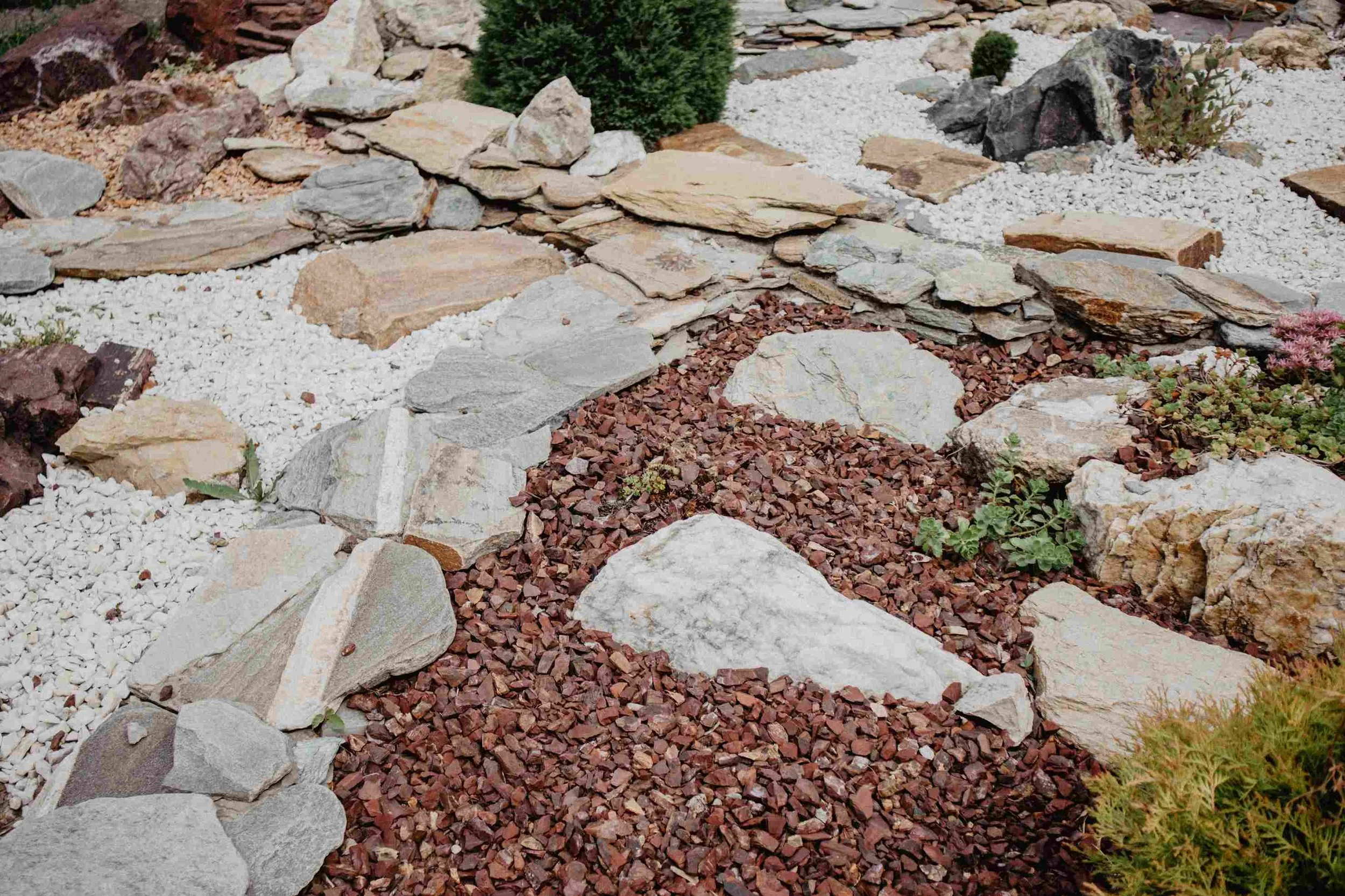
Winnipeg is one of the coldest cities in Canada, and that reality doesn't just affect how you dress in January — it directly determines whether your outdoor hardscape holds up for decades or starts crumbling after a few winters. Homeowners across St. Vital and Tuxedo have learned this the hard way, watching freshly installed patios crack, retaining walls shift, and walkways heave out of alignment after just one brutal freeze-thaw season. Choosing the right materials from the start is the difference between a backyard investment that pays off and one that costs you again and again.
This guide breaks down the best materials for hardscaping Winnipeg properties, explains why Manitoba's climate demands specific choices, and helps you understand what to expect from a professional installation built to last.
Key Takeaways
Winnipeg's freeze-thaw cycles are among the most severe in Canada, making material selection critical
Concrete pavers and natural stone consistently outperform poured concrete in Manitoba's climate
Proper base preparation — compacted granular fill and drainage — matters as much as the surface material
Retaining walls require frost-depth footings to avoid shifting and collapse over time
Professional installation significantly reduces the risk of premature failure and costly repairs
Hardscaping Winnipeg projects are best planned in spring for summer or early fall installation
Overview: Why Hardscaping Winnipeg Requires a Different Approach
Not all hardscape advice applies equally across North America. What works in Vancouver or Toronto may fail completely in Winnipeg, where temperatures can swing more than 60°C between summer highs and winter lows. That thermal stress, combined with clay-heavy soil, spring runoff, and frost that drives deep into the ground, creates conditions that quickly expose shortcuts and poor material choices.
Bulger Brothers Landscape has spent years helping Winnipeg homeowners build outdoor spaces that genuinely survive Manitoba winters — patios, retaining walls, walkways, concrete features, and more. This guide pulls from that on-the-ground experience to help you understand what materials work, why they work, and what questions to ask before your project begins.
Understanding Winnipeg's Freeze-Thaw Problem
Before discussing specific materials, it's worth understanding exactly what your hardscape is up against. Winnipeg typically experiences dozens of freeze-thaw cycles per season — not just one prolonged deep freeze. Every time moisture in the ground or inside a material freezes, it expands. Every time it thaws, it contracts. Repeat that process fifty or sixty times in a single winter and spring, and the cumulative stress on rigid or poorly installed hardscape is enormous.
This is why poured concrete, despite being affordable and widely used, performs poorly as a standalone hardscape material in Winnipeg. It lacks the flexibility to absorb that repeated stress. Cracks form, moisture infiltrates, and the freeze-thaw cycle widens those cracks year after year. Many homeowners who choose poured concrete for a patio or walkway find themselves dealing with significant deterioration within five to ten years.
Clay soil compounds the problem. Much of Winnipeg sits on heavy clay that retains water and expands when it freezes. Without proper base preparation that accounts for drainage and frost depth, even quality surface materials will heave, shift, and settle unevenly over time.
The solution isn't to avoid hardscaping — it's to choose materials and installation methods specifically suited to this climate.
The Best Hardscape Materials for Winnipeg Properties
Concrete Pavers
Concrete pavers are the most popular hardscaping Winnipeg material for good reason. Unlike poured concrete slabs, individual pavers can move slightly with freeze-thaw cycles without cracking. When one paver shifts or settles, it can be lifted, the base corrected, and the paver reset — without disturbing the entire surface.
Why concrete pavers work in Winnipeg:
Individual units absorb thermal movement independently
High-density pavers resist moisture absorption and surface scaling
Damaged sections are repairable without full replacement
Available in a wide range of colours, textures, and patterns
The key is selecting high-quality, high-PSI pavers rated for Canadian climate conditions. Cheaper pavers with higher absorption rates will begin to scale and deteriorate after exposure to road salt and freeze-thaw cycles. Your installer should be specifying pavers with absorption rates below 5% for Winnipeg applications.
Installation matters enormously here. A proper concrete paver installation includes a deep compacted granular base — typically 6 to 8 inches — a layer of bedding sand, and edge restraints that prevent lateral movement. Skipping or shortcutting any of these layers leads to the uneven, sunken surfaces that homeowners often mistakenly blame on the pavers themselves.
For patios and walkways, concrete pavers represent the best balance of durability, repairability, aesthetics, and cost for most Winnipeg properties. Learn more about professional patio and walkway installation to understand what a quality installation involves.
Natural Stone
Natural stone — including limestone, granite, and quartzite — offers exceptional durability and a timeless aesthetic that concrete products can't fully replicate. Dense, low-absorption natural stone handles Winnipeg winters extremely well when properly installed.
Best natural stone options for hardscaping Winnipeg projects:
Granite — Extremely dense, very low absorption, highly frost-resistant. Ideal for steps, copings, and feature areas.
Quartzite — Hard, dense, and visually striking. Excellent performance in freeze-thaw conditions.
Limestone — More porous than granite or quartzite, so material selection must be careful. Higher-density limestone performs well; softer varieties deteriorate faster.
Natural stone is typically more expensive than concrete pavers, but for homeowners in River Heights or Charleswood investing in a premium outdoor space, the long-term performance and aesthetic payoff justify the cost. Natural stone also complements garden beds, retaining walls, and water features in ways that feel organic and cohesive.
The same base preparation rules apply — proper granular base depth, drainage, and edge restraint are non-negotiable regardless of how beautiful the surface material is.
Armourstone and Natural Boulders
For retaining walls, garden borders, and decorative rock beds, armourstone and natural boulders are among the most durable choices available for hardscaping Winnipeg applications. These large-format stone units don't crack, don't require mortar, and are simply too massive to be significantly affected by frost heave at the surface level.
Armourstone retaining walls are particularly effective for managing grade changes on Winnipeg properties where drainage and erosion are concerns. The weight and interlocking nature of the stone creates stability without the failure points that come with mortared or block systems.
Bulger Brothers Landscape specializes in rock bed and boulder installation across Winnipeg, helping homeowners use natural stone to create striking features that also serve practical functions like erosion control and drainage management.
Segmental Retaining Wall Blocks
Engineered segmental retaining wall (SRW) blocks — brands like Unilock, Techo-Bloc, and EP Henry — are purpose-built for Canadian climate applications. These interlocking concrete block systems are designed with precise tolerances that allow the wall to flex slightly through freeze-thaw cycles without losing structural integrity.
Critical installation requirements for Winnipeg retaining walls:
Frost-depth footings — Winnipeg's frost line sits at approximately 1.5 to 2 metres, meaning wall footings must reach below this level to prevent seasonal movement
Proper drainage behind the wall — a gravel backfill layer and drainage pipe prevent hydrostatic pressure buildup that pushes walls outward
Batter (backward lean) built into the wall face — this counters the pressure of retained soil and seasonal freeze-thaw movement
A retaining wall without proper footings and drainage will eventually fail in Winnipeg — it's a matter of when, not if. Professional installation following Manitoba-specific engineering guidelines is essential for any wall holding significant grade. Professional retaining wall installation ensures these requirements are met from the ground up.
Concrete Landscaping and Exposed Aggregate
While traditional poured concrete slabs underperform in Winnipeg's climate, concrete landscaping techniques like exposed aggregate, brushed concrete, and stamped concrete can work effectively when the right mix design, reinforcement, and sealing are used.
Air-entrained concrete — concrete mixed with microscopic air bubbles — is the standard specification for outdoor flatwork in Manitoba. Those air pockets give the concrete room to absorb expansion stress rather than cracking under it. Combined with proper reinforcing steel or fibre reinforcement and a quality sealer applied regularly, concrete flatwork can hold up well in Winnipeg conditions.
The risks increase with stamped concrete, which is thinner at the stamped pattern depths and more vulnerable to surface scaling. Homeowners choosing stamped concrete should understand that maintenance — specifically resealing every two to three years — is not optional in this climate.
Concrete landscaping services from experienced Winnipeg contractors account for these specifications from the mix design stage, ensuring the finished product is built for Manitoba rather than a more temperate climate.
Artificial Turf
While not a traditional hardscape material, artificial turf deserves mention as a complementary surface that pairs exceptionally well with hardscape installations in Winnipeg. In areas where maintaining natural grass is difficult — shaded zones, high-traffic areas, or spaces that stay wet — artificial turf provides a durable, maintenance-free alternative.
Modern artificial turf handles Winnipeg winters without degradation. The infill and drainage layer beneath it remain functional through freeze-thaw cycles, and the turf surface itself is UV-stabilized for Manitoba's intense summer sun. It's particularly popular for low-maintenance backyard designs that combine hardscape features like patios and walkways with green space that doesn't need watering or mowing.
For properties where lawn maintenance is a burden, artificial turf installation alongside hardscape features creates a cohesive, year-round outdoor space with minimal upkeep.
The Role of Base Preparation in Hardscaping Winnipeg
Material selection gets most of the attention, but the base beneath your hardscape is equally important — arguably more so. The finest pavers or natural stone will fail within a few seasons if installed over an inadequate base.
A proper hardscape base for Winnipeg conditions includes:
Excavation to appropriate depth — typically 8 to 12 inches below finished grade, accounting for base layers plus surface material thickness
Geotextile fabric — separates native clay soil from granular base material and prevents migration
Compacted granular base — typically Granular A or crushed limestone, compacted in lifts to achieve maximum density
Bedding layer — a thin layer of coarse sand or fine stone dust provides the final level surface for paver placement
Edge restraints — plastic or metal edging spiked into the granular base prevents lateral creep of the surface material
In Winnipeg's clay soil environment, drainage is particularly critical. Water that cannot escape the base layer will freeze, expand, and push the surface upward. French drains, positive grading away from structures, and permeable base materials all contribute to long-term performance.
This is precisely why experienced local contractors differ from general handymen — they understand Winnipeg's soil, drainage patterns, and frost behaviour at a practical level that no online tutorial can fully replicate.
Hardscaping Winnipeg Cost Ranges
Understanding realistic cost expectations helps homeowners budget and evaluate quotes accurately.
Typical hardscaping Winnipeg cost ranges:
Concrete paver patio (mid-size, 300–500 sq ft): $8,000 – $18,000
Natural stone patio or walkway: $12,000 – $25,000+
Segmental retaining wall (per linear foot, including base): $250 – $500+
Armourstone retaining wall: $300 – $600+ per linear foot
Concrete flatwork (driveway or patio): $6,000 – $15,000 depending on size and finish
Exposed aggregate patio: $8,000 – $16,000
These ranges reflect Winnipeg labour rates, the cost of locally available materials, and the base preparation requirements specific to Manitoba's climate. Quotes significantly below these ranges often indicate shortcuts in base preparation, lower-grade materials, or inexperienced labour — all of which cost more to fix than they saved upfront.
For a detailed breakdown of patio costs specific to Winnipeg, the understanding patio installation costs guide provides helpful context.
Professional Installation vs. DIY Hardscaping in Winnipeg
The appeal of DIY hardscaping is understandable — material costs are visible, labour costs are not. But in Winnipeg's climate, the hidden costs of improper installation become very visible very quickly.
Common DIY hardscaping failures in Winnipeg:
Insufficient base depth — the most frequent cause of heaving and settling
Inadequate compaction — a tamper plate rented for an afternoon rarely achieves the compaction density of professional equipment
Poor drainage planning — water pooling under or around hardscape accelerates freeze-thaw damage
Wrong material specifications — purchasing pavers or concrete mixes not rated for Canadian climate conditions
Incorrect retaining wall footing depth — walls without frost-depth footings shift significantly within one to two winters
Professional hardscaping contractors bring proper equipment, material knowledge, and climate-specific installation experience that fundamentally changes the outcome. A professionally installed paver patio in Winnipeg, maintained properly, should last 25 to 30 years or more. A DIY installation with base shortcuts may require significant remediation within five years.
When evaluating the true cost of hardscaping, factor in not just the installation price but the expected lifespan and maintenance cost of the finished product.
When to Schedule Your Hardscaping Winnipeg Project
The window for hardscaping installation in Winnipeg runs from approximately late April through mid-October, depending on conditions. The ideal scheduling window is May through August, when ground conditions are stable, crews are available, and there's ample time for base materials to settle before freeze-up.
Spring is a popular time for homeowners to assess what the winter has done to their property and begin planning new projects. Spring cleanup services from professionals can help assess existing hardscape condition and identify areas where new installation would add value.
Fall installation is possible but creates tighter timelines. Concrete and mortar products require minimum curing temperatures, and granular base materials must be placed and compacted before ground freeze. Most experienced Winnipeg contractors stop taking new hardscape projects in September to ensure completion before conditions deteriorate.
Planning early — ideally over winter or in early spring — gives you the best chance of securing a spot in a contractor's schedule and getting your project completed during the optimal installation window.
Pairing Hardscape with Softscape for a Complete Outdoor Space
The most successful outdoor spaces in Winnipeg combine hardscape structure with thoughtful softscape elements — plants, lawn, mulch beds, and garden design that complement rather than compete with the hard surfaces.
Mulch beds alongside a paver patio soften the visual transition from hardscape to lawn. Perennial gardens planted near a retaining wall add colour and visual interest while the wall provides the structure. Garden lighting highlights both elements after dark, extending the usability and visual impact of the entire space.
If you're investing in hardscaping, it's worth exploring professional garden design and mulch bed installation at the same time. Coordinating these elements from the start produces a more cohesive result and avoids the cost of disrupting finished hardscape to add plantings later.
Ready to Start Your Hardscaping Winnipeg Project?
If you're planning a patio, retaining wall, walkway, or any other hardscape project in Winnipeg, the team at Bulger Brothers Landscape brings the local expertise and climate knowledge your project demands. Visit them at 7 Leeward Pl, Winnipeg, MB R3X 1M6, or call (204) 782-0313 to discuss your property and get a professional assessment of the best materials and approach for your specific hardscaping Winnipeg goals.
Conclusion
Hardscaping Winnipeg properties requires a clear-eyed understanding of what this climate demands — the right materials, proper base preparation, adequate drainage, and frost-depth footings where required. Homeowners who invest in these fundamentals get outdoor spaces that hold up beautifully for decades. Those who cut corners on materials or base preparation often find themselves facing expensive repairs within just a few seasons.
The most important decision you'll make is choosing a contractor with genuine Winnipeg experience. Bulger Brothers Landscape brings that local knowledge to every project — helping you select the right materials, prepare the site correctly, and build hardscape features that are designed specifically for Manitoba's demanding conditions. Reach out today and take the first step toward an outdoor space built to last.
Common Questions About Hardscaping in Winnipeg
Q: What is the most durable hardscape material for Winnipeg's climate?
A: High-density concrete pavers and natural stone such as granite and quartzite consistently perform best in Winnipeg's freeze-thaw conditions. Both materials handle thermal movement well and, when installed over a proper compacted base with good drainage, can last 25 to 30 years or more with minimal maintenance.
Q: Why does poured concrete crack so often in Winnipeg?
A: Poured concrete is rigid and cannot flex with the repeated freeze-thaw cycles Winnipeg experiences. Moisture enters hairline cracks, freezes, expands, and widens the crack over successive winters. Without air-entrainment in the mix design and proper reinforcement, deterioration accelerates quickly in Manitoba's climate.
Q: How deep does a retaining wall footing need to be in Winnipeg?
A: Winnipeg's frost line sits at approximately 1.5 to 2 metres below grade. Retaining wall footings must reach below this depth to prevent seasonal heaving and wall movement. Walls without frost-depth footings will shift and lean over time, regardless of surface material quality.
Q: Can I install a paver patio myself in Winnipeg?
A: Technically yes, but the risks are significant. Proper base preparation in Winnipeg's clay soil requires excavation depth, compaction equipment, and drainage planning that most homeowners underestimate. Insufficient base work is the leading cause of heaving, settling, and premature hardscape failure in Manitoba.
Q: How much does a paver patio cost in Winnipeg?
A: A mid-size concrete paver patio of 300 to 500 square feet typically costs between $8,000 and $18,000 in Winnipeg, including base preparation, materials, and labour. Natural stone patios range higher, from $12,000 to $25,000 or more depending on stone type and project complexity.
Q: When is the best time to install hardscaping in Winnipeg?
A: May through August is the optimal window. Ground conditions are stable, temperatures support proper curing of concrete and mortar products, and there's sufficient time before freeze-up. Planning and booking early — ideally in winter or early spring — secures your spot in a contractor's schedule.
Q: Does hardscaping add value to a Winnipeg home?
A: Yes. Quality hardscape — particularly patios, retaining walls, and professionally finished walkways — consistently increases perceived property value and buyer interest in Winnipeg's real estate market. Poorly installed hardscape that has heaved or cracked can have the opposite effect, signalling deferred maintenance to buyers.
Q: What is the lifespan of a professionally installed paver patio in Winnipeg?
A: A properly installed concrete paver patio with adequate base preparation and quality materials should last 25 to 30 years or more in Winnipeg conditions. Individual pavers can be replaced as needed without disturbing the entire surface, making repair straightforward when required.
Q: How important is drainage in Winnipeg hardscape installation?
A: Extremely important. Winnipeg's clay soil retains water, and water trapped beneath or within hardscape materials causes the freeze-thaw damage that leads to cracking, heaving, and settling. Proper grading, geotextile fabric, compacted granular base, and drainage infrastructure are essential components of any well-built hardscape project.
Q: How do I maintain hardscaping through Winnipeg winters?
A: Avoid using rock salt on pavers and natural stone — it accelerates surface scaling. Use sand or calcium chloride instead. Reseal concrete and stamped concrete surfaces every two to three years. After spring thaw, inspect for any shifted or heaved sections and address them promptly before they worsen through the next winter.