

How Much Do Landscape Designers Cost? A Complete Winnipeg Pricing Guide
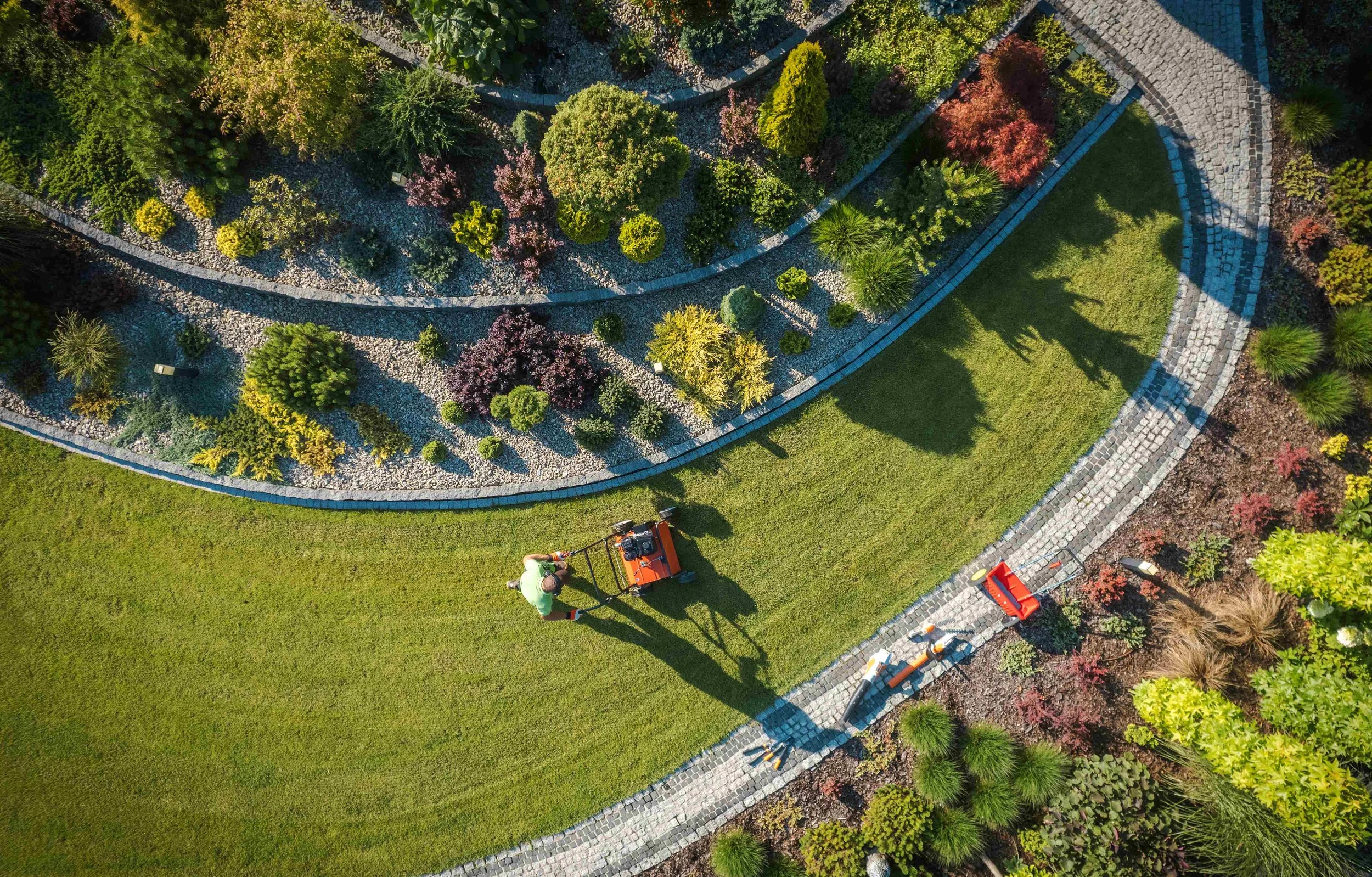
Planning a landscape transformation starts with one crucial question: what will it actually cost? Property owners across Winnipeg face this question daily, and the answer involves more than just a single number. Understanding landscape designer costs helps you budget effectively, make informed decisions, and create the outdoor space you've always wanted without financial surprises.
Whether you're considering a small front yard refresh or a complete property transformation, knowing what drives pricing gives you confidence. This guide breaks down everything from hourly rates to project-based fees, helping you understand where your investment goes and what value you receive in return.
Key Takeaways
Landscape designer costs in Winnipeg typically range from $50-$150 per hour, with project fees varying from $2,000-$15,000+ depending on scope
Design complexity, property size, and material selections significantly impact final costs
Professional designers save money long-term through proper planning, avoiding costly mistakes
Investment includes consultation, detailed plans, plant selection, and implementation guidance
Multiple pricing models exist: hourly rates, flat fees, percentage of construction costs
Winnipeg's climate requires specialized knowledge that justifies professional design investment
Overview
This comprehensive guide examines landscape designer costs from multiple angles, giving you practical knowledge to budget your project effectively. We'll explore standard pricing structures used by professionals, examine factors that influence costs, and help you understand what you're actually paying for when you hire a designer.
You'll discover how different project types affect pricing, learn strategies to maximize your budget, and understand when professional design services deliver the best return on investment. We address common questions about deposits, payment schedules, and cost comparisons between DIY approaches and professional services. Throughout this guide, we emphasize how Bulger Brothers Landscape approaches pricing transparently, helping Winnipeg property owners make confident decisions about their outdoor spaces.
Understanding Landscape Designer Pricing Models
Landscape designers use several pricing structures, each suited to different project types and client needs. The most common models include hourly rates, flat project fees, and percentage-based pricing tied to construction costs.
Hourly rates typically range from $50-$150 in the Winnipeg market. This model works well for smaller projects, consultations, or situations where scope remains fluid. Designers track time spent on site visits, plan development, revisions, and client meetings. This approach offers flexibility but can create budget uncertainty if projects expand beyond initial estimates.
Flat fee pricing provides cost certainty upfront. Designers assess your project scope, property conditions, and desired outcomes, then quote a fixed price for complete design services. This model suits well-defined projects where both parties understand deliverables clearly. Fees typically range from $2,000 for basic designs to $15,000+ for comprehensive master plans covering large or complex properties.
Percentage-based fees connect designer compensation to total construction costs, usually 10-15% of the project budget. This model aligns designer and client interests, as elaborate designs requiring expensive materials and installation increase both project value and designer fees. Larger projects often use this structure, particularly when design and installation happen sequentially.
Some designers combine models, charging hourly for initial consultations, then switching to flat fees once scope becomes clear. Understanding these structures helps you evaluate quotes and choose the pricing approach that fits your project best. When considering seasonal landscape maintenance, similar pricing transparency helps property owners budget for ongoing care alongside initial design investments.
Factors That Influence How Much Landscape Designers Cost
Multiple variables affect final design costs, and understanding these factors helps you anticipate pricing accurately. Property size stands as the most obvious influence—a 5,000 square foot lot requires less design time than a 2-acre estate. However, size alone doesn't tell the complete story.
Design complexity dramatically impacts costs. A simple front yard refresh with new plantings and mulch requires minimal planning compared to a multi-zone backyard featuring outdoor kitchens, water features, lighting systems, and extensive hardscaping. Complex designs demand more site analysis, technical drawings, material specifications, and coordination with various trades.
Site conditions add challenges that increase design time. Properties with significant slopes, poor drainage, or existing structures requiring work-arounds need additional problem-solving. Winnipeg's clay-heavy soils and harsh winter conditions require designers to specify appropriate plant selections and construction methods, adding to the planning process.
Client requirements shape costs considerably. If you need multiple design revisions, 3D renderings, or detailed planting plans with precise specifications, expect higher fees. Conversely, clients who trust their designer's vision and approve concepts quickly typically pay less.
Material and plant selections influence both design fees and overall project costs. Specifying high-end materials, rare plants, or custom elements requires additional research and sourcing time. Designers often spend hours identifying suppliers, comparing options, and creating detailed specifications for contractors to follow.
Permitting and regulatory requirements add complexity in some situations. Projects involving significant grading, retaining walls over certain heights, or structures may require engineered plans and municipal approvals. Designers factor this additional work into their fees.
The professional landscape design process involves extensive knowledge application, from soil science to plant hardiness zones, drainage engineering to aesthetic principles. This expertise justifies the investment you make in professional services.
What's Included in Landscape Design Services
Understanding service inclusions helps you evaluate whether quoted prices represent fair value. Comprehensive landscape design services typically include several distinct phases, each adding value to your project.
Initial consultation involves a designer visiting your property, discussing your vision, assessing site conditions, and identifying challenges and opportunities. This meeting establishes project scope, budget parameters, and design direction. Many designers offer this consultation free or at a reduced rate, crediting the fee toward design services if you proceed.
Site analysis examines technical factors affecting design decisions. Designers evaluate sun and shade patterns, existing vegetation, soil conditions, drainage issues, views to preserve or block, and how you currently use the space. This analysis informs practical design choices that work with your property's conditions rather than against them.
Concept development translates your ideas and site realities into preliminary designs. Designers create sketches or digital renderings showing layout options, major features, and spatial arrangements. This phase typically includes one or two revision rounds to refine the concept based on your feedback.
Detailed design plans provide the roadmap for installation. These documents include scaled drawings showing exact placement of plants, hardscape elements, and structures. Planting plans specify varieties, quantities, and sizes. Construction details show how to build patios, retaining walls, or other features. Material specifications guide purchasing decisions.
Plant selection and sourcing involves identifying species appropriate for Winnipeg's climate, your property's conditions, and your maintenance preferences. Designers create shopping lists for contractors or help you source materials directly.
Implementation support varies by designer but often includes contractor recommendations, bid review, and periodic site visits during installation. Some designers offer full project management, coordinating all trades and ensuring work matches approved plans.
Understanding garden design basics helps you appreciate the knowledge designers apply throughout these phases, from color theory to seasonal interest planning.
Typical Cost Ranges for Different Project Types
Breaking down costs by project type helps you budget more accurately. Here's what Winnipeg property owners typically invest in various landscape design scenarios.
Front yard redesigns generally cost $2,000-$5,000 for design services. These projects focus on curb appeal, incorporating elements like new planting beds, walkways, foundation plantings, and lawn areas. Design time remains moderate since front yards typically have simpler layouts than backyards.
Backyard transformations command $4,000-$10,000 in design fees for average-sized properties. These spaces accommodate multiple use areas—entertaining zones, play areas, gardens, privacy screening—requiring more complex planning. Integrating features like patios, decks, fire pits, and outdoor kitchens adds design time.
Complete property master plans range from $8,000-$15,000+ for larger lots or estates. Comprehensive plans address front yard, backyard, side yards, and may include phased implementation strategies spreading construction over multiple seasons. These projects involve extensive analysis, detailed drawings, and comprehensive specifications.
Specialty gardens like perennial borders, vegetable gardens, or rain gardens cost $1,500-$4,000 for design services. While smaller in scope, these projects require specific horticultural knowledge and detailed planting plans specifying varieties, spacing, and care requirements.
Commercial properties follow different pricing structures, often based on square footage or project budget percentages. Small business properties might invest $3,000-$8,000 in design services, while larger commercial developments could see design fees reaching $20,000+.
Consultation-only services provide direction without full design plans, typically costing $200-$500. This option suits confident DIYers who want professional input on specific challenges or decisions but plan to handle implementation themselves.
Keep in mind these ranges cover design services only, not installation costs. The relationship between landscape design cost factors and project value extends beyond initial design investment to long-term property enhancement and enjoyment.
Design Costs vs. Installation Costs: Understanding the Full Investment
Many property owners initially focus solely on design fees, overlooking the larger installation budget required to bring plans to life. Understanding this relationship helps you budget realistically for complete project costs.
Design fees typically represent 5-15% of total project costs when including installation. A backyard transformation with $6,000 in design fees might require $40,000-$80,000 for complete installation, depending on materials and features. This ratio helps you gauge whether your design budget aligns with construction expectations.
Installation costs vary dramatically based on materials and features. Simple projects emphasizing plants and mulch cost substantially less than hardscape-heavy designs featuring natural stone patios, outdoor kitchens, and lighting systems. Winnipeg's short construction season can also affect installation pricing, with contractors busier during peak months.
Phased implementation offers a strategy for managing costs. A comprehensive master plan might be implemented over 2-3 years, spreading expenses across multiple seasons. Designers can prioritize phases based on your goals, perhaps starting with essential drainage corrections and primary use areas before adding refinements.
Material selection significantly impacts budgets. Choosing stamped concrete over natural stone, or selecting locally-sourced plants over specialty varieties, can reduce installation costs substantially without compromising design quality. Experienced designers help you make these trade-offs wisely.
Professional installation justifies design investment. Detailed plans lose value if executed poorly. Working with qualified contractors who understand proper construction techniques, plant care, and site preparation protects your design investment. Many designers maintain relationships with trusted installers, streamlining the transition from plans to reality.
The value of professional landscape installation extends beyond simply following plans—experienced installers adapt to field conditions, solve unexpected challenges, and deliver results that mature beautifully over time.
How to Maximize Value from Your Landscape Design Investment
Strategic approaches help you get the most from your design budget, regardless of project size or complexity. These tactics optimize both design quality and long-term satisfaction.
Clarify your priorities before meeting designers. Understanding which features matter most—whether privacy, entertaining space, low maintenance, or curb appeal—helps designers focus time efficiently. This preparation reduces revision cycles and keeps projects on track.
Choose appropriate service levels for your needs. Not every project requires full master plans with construction details. Smaller projects might work well with concept plans and plant lists, saving design fees while still providing professional direction. Discuss service tiers with designers to find the right fit.
Provide complete information upfront. Sharing property surveys, utility locations, drainage issues, and budget constraints early prevents false starts and wasted design time. Transparency about financial limits helps designers create realistic plans rather than elaborate concepts requiring extensive value engineering.
Trust professional recommendations regarding plant selections and layouts. Designers understand Winnipeg's growing conditions, maintenance requirements, and how plants mature over time. Pushing for inappropriate species or spacing ultimately wastes money when plants fail or require replacement.
Plan for future expansion even if implementing in phases. Comprehensive initial planning creates a cohesive vision you can build toward over time, avoiding disconnected additions that feel tacked on. This approach also helps designers place elements strategically, leaving space for future features.
Invest in proper site preparation. Designs built on solid foundations—good soil, proper drainage, adequate grading—perform better long-term. Skimping on these fundamentals to save money often leads to problems requiring expensive corrections later.
Understanding landscape renovation strategies helps you recognize when complete redesigns offer better value than incremental changes to failing landscapes.
DIY Design vs. Professional Services: True Cost Comparison
Many property owners consider designing their own landscapes to save money. While this approach works for some situations, understanding the true comparison helps you make informed decisions.
Time investment represents a hidden cost in DIY design. Learning design principles, researching plant selections, understanding Winnipeg's climate requirements, and creating usable plans takes substantial time. For professionals with demanding careers or family obligations, this time might be worth more than design fees saved.
Costly mistakes often exceed design fees. Installing a patio in a low area prone to water pooling, selecting plants inappropriate for your site conditions, or failing to account for mature plant sizes creates problems requiring expensive corrections. Professional designers avoid these pitfalls through experience and training.
Access to resources gives designers advantages DIYers lack. Wholesale plant sources, trade-only materials, contractor networks, and specialized software tools help professionals deliver better results efficiently. While homeowners can access retail sources, pricing and selection typically don't match professional channels.
Technical knowledge covers areas beyond aesthetics. Understanding soil science, drainage engineering, structural requirements for retaining walls, and electrical considerations for lighting systems requires expertise most homeowners don't possess. Mistakes in these technical areas can create safety hazards or code violations.
Resale value considerations favor professional design. Well-designed landscapes by qualified professionals appeal to future buyers and appraisers. DIY efforts, while potentially satisfying personally, may not deliver comparable market value increases.
Project scale influences whether DIY makes sense. Small additions like new perennial beds or simple plantings suit confident DIYers. Comprehensive property transformations involving significant hardscaping, grading, or structural elements typically justify professional involvement.
For many Winnipeg property owners, the question isn't whether to use professional design services but rather how to maximize value from that investment through smart planning and execution.
Questions to Ask When Evaluating Designer Costs
Asking the right questions helps you compare quotes accurately and understand what you're actually paying for. These inquiries reveal important details about services, processes, and value.
"What specific deliverables are included in your fee?" establishes exactly what you receive. Some designers provide concept sketches only, while others include detailed construction documents, planting plans, and material specifications. Comparing quotes requires understanding these differences.
"How do you handle revisions?" clarifies whether quoted prices include multiple rounds of changes or if revisions cost extra. Understanding this upfront prevents surprise charges later.
"What is your design process and timeline?" reveals how designers work and how long projects typically take. Some complete designs in weeks, others take months. Your timeline needs might influence designer selection.
"Do you provide implementation support?" determines whether designers remain involved during installation or hand off plans for you to execute. Ongoing support adds value but may increase fees.
"What professional credentials and experience do you have?" establishes qualifications. Landscape designers, landscape architects, and certified horticulturists bring different expertise levels. Understanding credentials helps justify fee differences between designers.
"Can you provide references from similar projects?" allows you to verify work quality and client satisfaction. Speaking with past clients reveals how designers handle challenges, communicate, and deliver results.
"How do you charge for additional services?" covers items beyond basic design—3D renderings, project management, plant sourcing, or contractor coordination. Understanding these costs prevents budget surprises.
"What payment schedule do you use?" clarifies when payments are due. Many designers require deposits to begin work, progress payments at milestone completions, and final payment upon plan delivery.
Approaching these conversations prepared demonstrates you're a serious client, encouraging designers to provide detailed, transparent answers that support informed decision-making.
The Value Proposition: Why Professional Design Pays for Itself
Understanding how professional landscape design delivers value beyond initial fees helps justify the investment. Multiple factors contribute to positive returns that compound over time.
Avoiding expensive mistakes provides immediate savings. A single error—like grading that directs water toward your foundation, selecting non-hardy plants that die over winter, or building a patio that settles unevenly—can cost thousands to correct. Professional designers prevent these problems through proper planning.
Optimized property value makes design fees worthwhile for homeowners planning to sell within a few years. Professional landscaping typically returns 100-200% of investment in increased property value. Well-designed landscapes also help homes sell faster in competitive markets.
Reduced maintenance costs benefit long-term owners. Designers can create landscapes matching your maintenance willingness, selecting appropriate plants, installing efficient irrigation, and organizing spaces for easy care. These decisions save time and money annually for years to come.
Extended hardscape lifespan results from proper construction specifications. Professionally designed patios, walkways, and retaining walls built to correct standards last decades. DIY or poorly designed installations often fail prematurely, requiring expensive replacement.
Seasonal interest and mature beauty come from understanding how plants grow and change. Designers plan for year-round appeal and account for mature plant sizes, creating landscapes that improve with age rather than becoming overgrown problems.
Efficient resource use maximizes your construction budget. Designers help you prioritize spending on elements delivering the most value, avoiding waste on features that don't serve your needs or suit your property.
For Winnipeg property owners, the harsh climate makes professional expertise particularly valuable. Understanding Winnipeg's specific landscaping challenges demonstrates why local knowledge justifies design investment.
When to Hire a Landscape Designer vs. Landscape Architect
Understanding the distinction between landscape designers and landscape architects helps you choose the appropriate professional for your project and budget accordingly.
Landscape architects hold professional licenses requiring university degrees in landscape architecture, examinations, and continuing education. They legally stamp drawings for projects requiring permits, design complex grading and drainage systems, and handle large-scale commercial or public projects. Their fees typically exceed designer rates, ranging from $100-$200+ per hour or higher project fees.
Landscape designers may hold certifications, horticulture degrees, or extensive experience but typically don't carry the same licensure. They excel at residential projects, plant selections, aesthetic design, and smaller-scale work. Their fees generally fall in the $50-$150 per hour range or lower project fees compared to architects.
Project requirements often determine which professional you need. If your project involves significant grading, retaining walls over certain heights, or commercial development, municipal codes may require architect-stamped plans. Residential projects without these elements typically work well with qualified designers.
Complexity and scale influence the decision. Large estates, multi-phase developments, or projects integrating complex systems (extensive drainage, irrigation, lighting) may benefit from an architect's engineering knowledge. Average residential properties get excellent results from experienced designers.
Budget considerations matter since architect fees typically exceed designer rates substantially. For straightforward residential projects, the additional cost may not deliver proportional value. However, for complex situations, architect expertise can prevent expensive problems.
Most Winnipeg residential property owners find landscape designers perfectly suited to their needs, delivering beautiful, functional designs at reasonable costs. The key lies in selecting qualified professionals with appropriate experience for your specific project type.
Regional Considerations: How Winnipeg's Market Affects Designer Costs
Local market conditions influence landscape designer pricing in Winnipeg, and understanding these factors helps you set realistic budget expectations.
Climate expertise requirements affect designer value and pricing. Winnipeg's Zone 3 hardiness rating, extreme winter temperatures, heavy clay soils, and short growing season demand specific knowledge. Designers familiar with what thrives locally deliver better results than those applying generic approaches.
Seasonal demand fluctuations impact availability and sometimes pricing. Spring and early summer see peak demand as property owners prepare for the short outdoor season. Booking design services during winter or late fall may offer scheduling advantages.
Local material availability influences both design options and costs. Designers familiar with Winnipeg suppliers, native plant sources, and locally-produced materials can create specifications that balance aesthetics with practical sourcing.
Construction season limitations compress the timeframe for implementing designs. This reality sometimes affects how designers price services, particularly if they provide installation oversight or project management through the building season.
Competition and market maturity in Winnipeg's landscape industry provides consumers good options across price ranges. The market includes established firms with decades of experience and newer designers building portfolios, creating opportunities to find professionals matching various budgets.
Property types common in Winnipeg—from modest urban lots to large rural acreages—create diverse design needs. Experienced local designers understand how to maximize value across this spectrum, from efficient small-space solutions to comprehensive estate planning.
Working with professionals who understand seasonal landscaping in Winnipeg delivers designs that work with local conditions rather than fighting them, ultimately providing better long-term value.
When you're ready to transform your outdoor space with expert guidance, Bulger Brothers Landscape at 7 Leeward Pl, Winnipeg, MB R3X 1M6 provides transparent pricing and comprehensive design services. Call (204) 782-0313 to discuss how much landscape designers cost for your specific project and schedule a consultation that explores possibilities for your property.
Conclusion
Understanding how much landscape designers cost empowers you to budget effectively and make confident decisions about your outdoor space investment. While design fees represent just one component of total project costs, they provide the foundation for successful landscape transformations that enhance property value, reduce maintenance burdens, and deliver lasting enjoyment.
The relationship between design investment and project outcomes extends far beyond initial fees. Professional designers prevent costly mistakes, optimize resource allocation, and create cohesive plans that mature beautifully over time. For Winnipeg property owners, working with designers who understand local climate challenges, soil conditions, and plant selections delivers value that continues paying dividends for years.
Whether you're planning a modest front yard refresh or a comprehensive property transformation, transparent pricing discussions with qualified designers help you select services matching your needs and budget. The investment you make in professional landscape design protects and maximizes your construction budget while creating outdoor spaces that truly serve your lifestyle.
Ready to discuss how much landscape designers cost for your specific project? Contact Bulger Brothers Landscape at (204) 782-0313 to schedule a consultation and discover how professional design services can transform your Winnipeg property.
FAQs
Q: What's the average cost to hire a landscape designer in Winnipeg?
A: Landscape designer costs in Winnipeg typically range from $50-$150 per hour for consultations and design work. Complete project fees vary significantly based on property size and scope, with most residential designs falling between $2,000-$10,000. Simple front yard refreshes might cost $2,000-$4,000, while comprehensive backyard transformations range from $4,000-$10,000, and full property master plans can reach $15,000 or more. These fees cover site analysis, concept development, detailed plans, plant specifications, and implementation guidance but don't include installation costs.
Q: Is it worth paying for professional landscape design services?
A: Professional landscape design typically pays for itself through avoided mistakes, optimized property value, and reduced long-term maintenance costs. A single error—like poor drainage causing foundation problems or selecting plants that die over winter—often costs more to correct than design fees would have been. Professional landscapes also increase property values substantially, with well-designed outdoor spaces typically returning 100-200% of investment. For projects involving significant investment in plants, hardscaping, or structures, professional design protects and maximizes your construction budget.
Q: How do landscape designers charge for their services?
A: Landscape designers use several pricing models depending on project type and complexity. Hourly rates ($50-$150/hour) work well for consultations or smaller projects with flexible scope. Flat project fees ($2,000-$15,000+) provide cost certainty for well-defined projects. Percentage-based pricing (10-15% of construction budget) ties designer fees to total project costs, often used for larger installations. Some designers combine approaches, charging hourly for initial consultations then switching to flat fees once scope becomes clear. Payment schedules typically include deposits to begin work, progress payments at milestones, and final payment upon plan delivery.
Q: What factors most significantly impact landscape design costs?
A: Property size directly affects design costs since larger areas require more planning and documentation time. Design complexity dramatically influences pricing—simple planting plans cost less than elaborate designs featuring multiple zones, structures, water features, and lighting systems. Site conditions like significant slopes, drainage issues, or challenging soils add complexity requiring additional problem-solving time. Client requirements for multiple revisions, 3D renderings, or highly detailed specifications increase costs. Material and plant selections requiring extensive research or custom specifications also add to design fees. Winnipeg's climate requires specialized knowledge of hardy plants and appropriate construction methods, adding value that justifies professional fees.
Q: Can I save money by designing my own landscape?
A: DIY landscape design can save initial design fees but often costs more long-term due to mistakes requiring expensive corrections. Installing hardscaping in poor locations, selecting inappropriate plants that die, failing to address drainage properly, or not accounting for mature plant sizes creates problems costing thousands to fix. Professionals also access wholesale sources, trade-only materials, and contractor networks unavailable to homeowners. For simple projects like small planting beds, DIY approaches might work well. However, comprehensive property transformations involving significant hardscaping, grading, or structures typically justify professional involvement. The time required to learn design principles and create workable plans also represents a hidden cost.
Q: What should be included in landscape design services?
A: Comprehensive landscape design services typically include initial property consultation, site analysis examining sun patterns, soil conditions, drainage issues, and existing features, concept development with preliminary sketches or renderings, detailed design plans showing exact placement of all elements, planting plans specifying varieties, quantities, and sizes, construction details for hardscape features, material specifications guiding purchasing decisions, and implementation support such as contractor recommendations and bid review. Some designers offer additional services like 3D visualizations, project management during installation, or plant sourcing. Understanding exactly what's included in quoted fees helps you compare different designers accurately and select appropriate service levels for your project.
Q: How long does the landscape design process typically take?
A: Simple residential landscape designs typically take 2-4 weeks from initial consultation to final plan delivery, while more complex projects might require 6-12 weeks or longer. Timeline factors include property size and complexity, number of revision rounds requested, designer workload and availability, and whether projects require research for unusual features or plant selections. Seasonal demand affects timing, with spring and early summer seeing the longest wait times for designer availability. Winter months often offer faster turnaround. Clients can help expedite the process by providing complete information upfront, making timely decisions on concepts, and limiting revision requests to necessary changes rather than continuously changing direction.
Q: Do landscape designers charge for initial consultations?
A: Initial consultation pricing varies among landscape designers. Some offer free first meetings to discuss your project, assess property conditions, and determine if there's a good fit between your needs and their services. Others charge reduced consultation fees ($100-$300) that may be credited toward design services if you proceed. Some designers charge full hourly rates for all time including initial consultations. Free consultations typically last 30-60 minutes and provide general project discussion without detailed recommendations. Paid consultations often include more specific advice, preliminary ideas, and may cover longer time periods. Always clarify consultation fees when scheduling appointments to avoid surprise charges.
Q: What's the difference between design costs and installation costs?
A: Design costs cover professional services creating plans and specifications for your landscape—site analysis, conceptual design, detailed drawings, planting plans, and implementation guidance. These fees typically range from $2,000-$15,000+ depending on project scope. Installation costs cover actually building the designed landscape—purchasing materials, preparing the site, installing plants, constructing hardscaping, and finishing work. Installation typically costs 5-20 times more than design fees. A project with $5,000 in design costs might require $25,000-$100,000 for complete installation depending on materials and features selected. Understanding this relationship helps you budget realistically for total project costs rather than focusing solely on design fees.
Q: How can I get accurate cost estimates for my landscape design project?
A: Getting accurate landscape design cost estimates requires providing designers with complete project information during initial discussions. Share your property size, current conditions, and specific goals for the space. Communicate your budget range honestly so designers can propose appropriate service levels. Describe desired features like patios, plantings, lighting, or water elements so designers understand project complexity. Provide property surveys, photos, or other documentation that helps designers assess your situation. Ask designers about their pricing models and what specific deliverables are included in quoted fees. Request written proposals outlining scope, timeline, deliverables, and costs. Compare multiple quotes to understand market rates, but don't choose solely on price—experience, qualifications, and communication style matter significantly for project success.