

Who Installs Patio Pavers? Your Guide to Finding the Right Professional
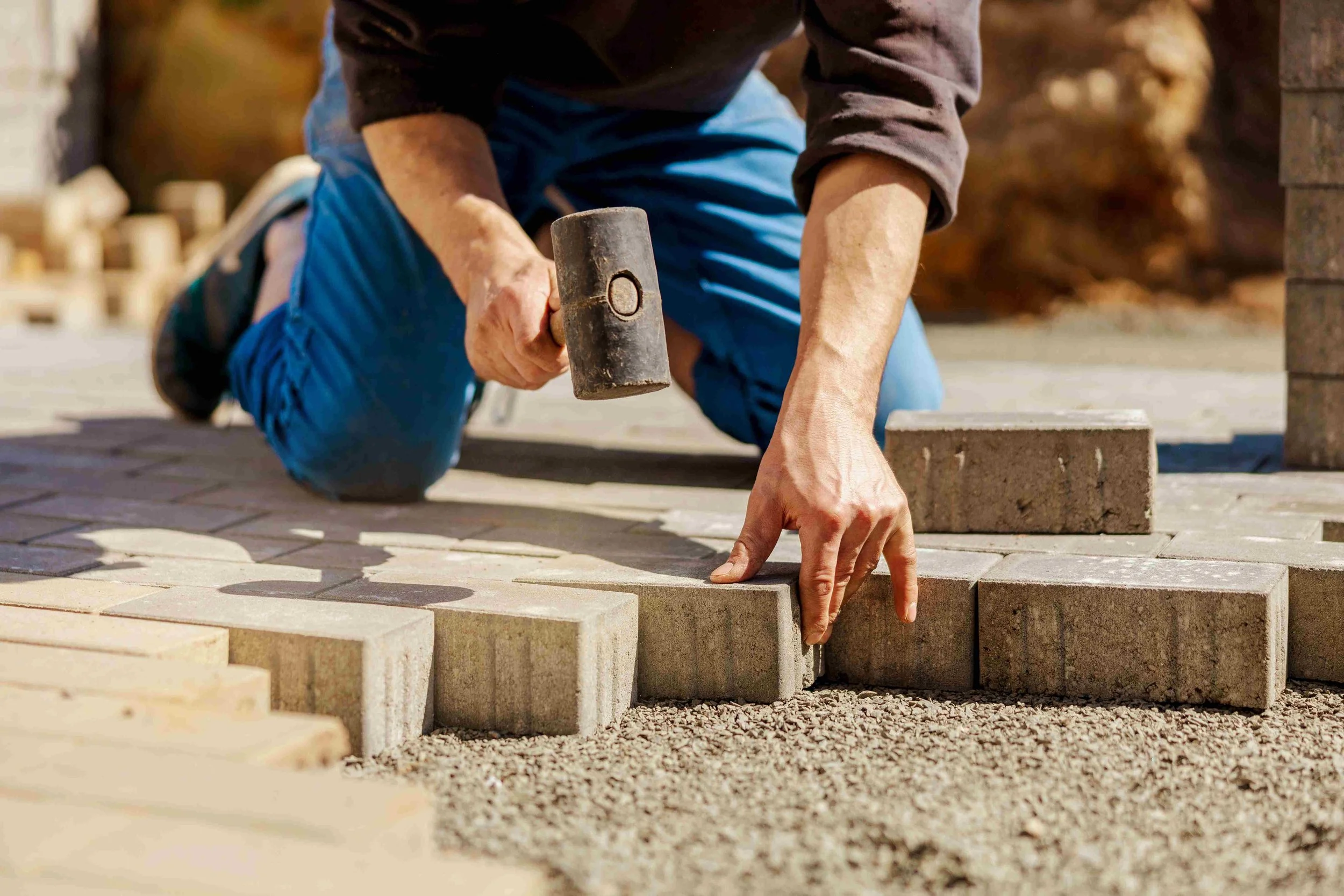
Transforming your outdoor space with a paver patio starts with one critical decision: choosing the right professional for installation. This choice determines whether your patio becomes a beautiful, lasting feature or a source of frustration requiring costly repairs. Understanding who installs patio pavers and what qualifies them for this specialized work helps you avoid common pitfalls and achieve results you'll enjoy for decades.
Paver installation combines technical skill, construction knowledge, and artistic vision. The professionals who excel in this field bring experience that goes far beyond simply laying stones on the ground. From proper base preparation to drainage solutions, from pattern design to edge restraints, quality installation requires expertise that protects your investment and delivers performance that withstands Winnipeg's demanding climate.
Key Takeaways
Licensed landscape contractors and hardscape specialists are the primary professionals who install patio pavers
Proper qualifications include experience with base preparation, drainage, and construction techniques specific to pavers
Installation quality depends more on proven expertise and proper processes than contractor size or advertising
Winnipeg's climate requires specific installation methods to prevent frost heave and settling
Checking references, viewing completed projects, and verifying insurance protects your investment
Professional installation typically costs $15-$35 per square foot including materials and labor
Overview
This comprehensive guide examines the professionals who install patio pavers, helping you identify qualified contractors and make informed hiring decisions. We'll explore different types of paver installers, their qualifications and specializations, and what separates exceptional craftspeople from those who cut corners.
You'll discover essential questions to ask during contractor selection, learn how to evaluate credentials and experience, and understand the installation process that quality professionals follow. We address pricing structures, common red flags that indicate inexperienced installers, and strategies for protecting yourself throughout the project. Throughout this guide, we emphasize how Bulger Brothers Landscape approaches paver installation with the expertise and attention to detail that delivers lasting results for Winnipeg property owners.
Types of Professionals Who Install Patio Pavers
Several types of contractors offer paver installation services, each bringing different backgrounds and expertise to projects. Understanding these distinctions helps you select professionals whose qualifications match your project requirements.
Landscape contractors represent the most common professionals who install patio pavers. These businesses specialize in outdoor construction, offering comprehensive services including design, excavation, base preparation, and finishing work. Established landscape contractors typically employ crews trained specifically in hardscape installation, bringing depth of experience to paver projects. Their broader service range means they understand how patios integrate with overall landscape design, drainage systems, and property grading.
Hardscape specialists focus exclusively on stone and paver work, developing deep expertise in installation techniques, material selection, and construction details. These contractors often handle more complex projects involving multiple elevations, intricate patterns, or challenging site conditions. Their specialized focus means they stay current with manufacturer specifications, industry best practices, and technical innovations in paver installation.
Masonry contractors sometimes install patio pavers alongside their brick and stone work. Those with paver experience can deliver excellent results, particularly for projects combining pavers with other masonry elements like outdoor kitchens or retaining walls. However, not all masonry contractors specialize in paver installation, so verify their specific experience with this application.
General contractors occasionally install patio pavers as part of larger renovation projects. While some develop solid paver skills, this work typically represents a smaller portion of their business compared to landscape or hardscape specialists. Evaluate their specific paver portfolio rather than assuming competence based on general construction experience.
The professional landscape installation process requires coordinated expertise across multiple disciplines, and qualified contractors understand how paver patios fit within broader property improvements.
Essential Qualifications to Look for in Paver Installers
Identifying truly qualified professionals who install patio pavers requires looking beyond basic licensing to specific competencies that predict successful outcomes. These qualifications separate craftspeople who deliver lasting results from those whose work fails prematurely.
Proven experience with paver installation specifically matters more than general landscaping or construction background. Ask how many paver patios contractors have installed, how long they've offered this service, and whether they've worked with your preferred paver style. Experience with segmental pavement—the technical term for interlocking pavers—indicates formal knowledge of proper installation methods.
Manufacturer certifications demonstrate commitment to quality standards. Major paver manufacturers like Unilock, Techo-Bloc, and Belgard offer installer certification programs covering proper techniques, base requirements, and warranty compliance. Certified installers receive training on specifications that protect manufacturer warranties and ensure long-term performance.
Insurance and licensing protect you from liability and indicate professional legitimacy. Verify contractors carry both general liability insurance covering property damage and workers' compensation protecting you if crew members are injured on your property. Appropriate business licensing varies by municipality, but legitimate contractors operate legally with proper registrations.
Technical knowledge of base preparation, drainage, and structural requirements separates quality installers from those who simply place pavers on sand. Professionals should explain compaction requirements, aggregate specifications, edge restraint importance, and how they address drainage. This knowledge proves particularly critical in Winnipeg, where frost heave threatens improperly installed patios.
Design capabilities help contractors create functional, attractive layouts. While some installers excel at executing plans created by designers, others offer design services creating custom patterns, solving site challenges, and maximizing aesthetic appeal. Understanding garden design basics contributes to patio designs that complement overall landscape aesthetics.
Equipment access indicates professional commitment and capability. Quality paver installation requires plate compactors, saws for cutting pavers, grading equipment, and safety gear. Contractors with professional-grade tools typically deliver better results than those using residential equipment.
The Installation Process: What Quality Professionals Do
Understanding proper installation procedures helps you evaluate whether contractors who install patio pavers follow industry standards or cut corners that compromise results. Quality installation follows specific sequences that can't be shortcut without risking failure.
Site assessment and planning begins quality installation. Professionals evaluate existing grading and drainage, identify utility locations, assess soil conditions, and plan excavation depth. They determine how the patio connects to adjacent areas, where water should drain, and how to handle elevation changes. This planning prevents problems before they start.
Excavation to proper depth creates space for required base materials. Professionals typically excavate 7-9 inches below final paver surface for patios in Winnipeg's climate—deeper than many assume necessary. This depth accommodates base layers that prevent frost heave and settling. Proper excavation maintains consistent depth and creates appropriate slope for drainage.
Base material installation forms the foundation that determines long-term performance. Quality installers use compactable aggregate meeting ASTM standards, typically crushed limestone or granite. They install this material in lifts (layers) of 2-3 inches, compacting each thoroughly before adding the next. This process creates the stable foundation pavers require. Total base depth typically reaches 6-8 inches when properly compacted.
Edge restraint installation prevents paver movement that causes pattern disruption and settling. Professionals install commercial-grade edge restraints—typically plastic or aluminum products specifically designed for paver applications—before placing pavers. These restraints anchor into the base and contain lateral forces that would otherwise shift pavers over time.
Bedding sand application provides the setting bed for pavers. Professionals use coarse concrete sand meeting ASTM C33 specifications, screeding it to consistent 1-inch depth. This sand allows minor adjustments during paver placement while providing stable support.
Paver installation requires attention to pattern accuracy, spacing consistency, and proper alignment. Quality installers work from established baselines, maintain consistent joint widths, and cut pavers as needed for professional edges. They check level regularly and adjust individual pavers to create smooth, even surfaces.
Joint sand application and compaction locks pavers into place. Professionals sweep polymeric or standard joint sand into cracks, then compact the entire surface with plate compactors. This compaction seats pavers firmly into the bedding sand while filling joints that prevent movement. Quality installers often apply multiple rounds of joint sand, compacting and sweeping until joints remain full.
Final cleaning and sealing completes professional installation. Some contractors offer optional sealing that protects pavers from stains and enhances color. Understanding landscape renovation strategies helps property owners recognize when existing patios need professional repair versus complete replacement.
How to Find and Vet Paver Installation Contractors
Locating qualified professionals who install patio pavers requires strategic searching and thorough vetting. These approaches help you identify capable contractors while avoiding those who overpromise and underdeliver.
Request referrals from trusted sources familiar with quality work. Landscape designers, garden centers selling pavers, and neighbors with attractive paver patios can recommend contractors they've worked with successfully. Personal referrals often lead to contractors who might not advertise heavily but deliver exceptional results.
Search online directories focusing on landscape and hardscape specialists rather than general contractors. Look for businesses emphasizing paver installation in their service descriptions. Check whether contractors feature paver projects prominently in photo galleries, indicating this work represents a significant portion of their business.
Review online presence evaluating websites, social media, and review platforms. Quality contractors typically maintain professional websites showcasing completed projects with detailed photos. Social media accounts posting regular project updates indicate active businesses. Review platforms like Google and Facebook provide insights into customer satisfaction and how contractors handle problems.
Contact multiple contractors for consultations and quotes. Meeting 3-5 candidates allows comparison of approaches, pricing, and communication styles. During initial contact, note responsiveness, professionalism, and willingness to answer questions. These early interactions often predict how contractors will communicate throughout projects.
Ask specific questions probing technical knowledge and processes. Inquire about base depth, compaction methods, edge restraints, and drainage solutions. Request explanations of how they prevent frost heave in Winnipeg's climate. Contractors who answer confidently with specific details typically possess genuine expertise.
Request references from recent paver installation projects, preferably with similar scope to yours. Contact these references asking about installation quality, communication, cleanup, problem-solving, and whether work was completed on schedule and budget. Request permission to view completed projects in person, observing installation details and how patios have performed over time.
Verify credentials including licensing, insurance, and manufacturer certifications. Request copies of insurance certificates and verify coverage directly with insurance companies. Check whether contractors hold certifications from paver manufacturers whose products you're considering.
Compare detailed proposals rather than choosing based solely on price. Quality proposals specify materials, installation methods, project timeline, payment schedule, and warranty terms. Vague proposals lacking technical details often indicate contractors who haven't thoroughly planned the project.
Red Flags: Warning Signs of Inexperienced Installers
Recognizing warning signs helps you avoid contractors who install patio pavers improperly, protecting you from costly repairs and premature failure. These red flags indicate insufficient expertise or questionable business practices.
Unusually low pricing often signals shortcuts that compromise quality. While everyone wants good value, prices significantly below market rates should raise concerns. Installation quality depends heavily on proper base preparation and materials—areas where cutting costs causes long-term problems. Extremely low bids might indicate thin base layers, inadequate compaction, or substandard materials.
Inability to explain processes suggests lack of technical knowledge. Contractors who can't clearly describe base preparation, compaction requirements, or drainage solutions likely don't understand these critical elements. Vague answers or deflecting technical questions indicates insufficient expertise for quality installation.
No portfolio of completed projects raises questions about experience level. While every contractor starts somewhere, hiring someone without proven paver installation experience involves risk. At minimum, request references from projects where they worked as crew members before starting their own business.
Pressure tactics pushing immediate decisions prevent proper vetting. Quality contractors understand hiring decisions require time and comparison shopping. Those pressuring you to sign quickly or offering "today only" discounts often use these tactics because they can't compete on quality or reputation.
Cash-only payment or requests for full payment upfront indicate potential problems. Legitimate contractors accept standard payment methods and structure schedules tying payments to project milestones. Requests for complete payment before starting work should raise significant concerns.
Lack of insurance or unwillingness to provide proof exposes you to liability. Never hire contractors who can't verify proper insurance coverage. If crew members are injured or property is damaged during installation, you could face financial responsibility without contractor insurance.
No written contract or vague agreement terms create potential for disputes. Professional contractors provide detailed written contracts specifying work scope, materials, timeline, payment schedule, and warranty terms. Verbal agreements or handwritten notes don't offer adequate protection.
Unwillingness to pull permits when required indicates willingness to skirt regulations. Some municipalities require permits for paver patios depending on size or complexity. Contractors suggesting you skip required permits to save money or time demonstrate poor judgment that likely extends to installation quality.
Cost Considerations: What to Expect When Hiring Paver Installers
Understanding pricing structures helps you budget appropriately and evaluate whether quotes reflect fair value. Multiple factors influence what professionals charge to install patio pavers, and transparent pricing discussions indicate reputable contractors.
Labor and materials combined typically cost $15-$35 per square foot for complete paver patio installation in Winnipeg. This range encompasses basic paver styles with simple patterns on relatively flat sites to premium pavers with complex designs on challenging terrain. Basic concrete pavers installed in straightforward layouts fall toward the lower end, while natural stone pavers or elaborate patterns reach higher prices.
Labor costs alone generally range from $8-$18 per square foot, representing roughly half of total project costs. This pricing covers excavation, base installation, paver placement, and finishing work. Complex patterns, difficult access, or challenging site conditions increase labor costs. Most contractors quote combined material and labor rather than separating these components.
Material costs vary dramatically based on paver selection. Basic concrete pavers cost $3-$8 per square foot, while premium manufactured pavers reach $10-$15 per square foot. Natural stone pavers can exceed $20 per square foot. Base materials, edge restraints, and joint sand add $2-$4 per square foot to material costs.
Project size impacts pricing with larger patios often seeing lower per-square-foot costs due to efficiency gains. A small 100-square-foot patio might cost $30 per square foot, while a 500-square-foot patio could average $20 per square foot for similar materials and complexity.
Site preparation requirements significantly affect total costs. Flat lots with good drainage need minimal grading, while sloped sites requiring retaining walls or extensive grading add substantial expenses. Removing existing patios, concrete, or other obstacles increases costs.
Design complexity influences pricing through increased labor for intricate patterns, multiple paver colors, borders, or custom cuts. Simple running bond patterns install faster than herringbone, circular, or random patterns requiring precise cutting and fitting.
Seasonal timing sometimes affects pricing in Winnipeg's market. Contractors may offer better rates during slower periods in early spring or late fall, though installation windows are limited by weather. Peak summer months see highest demand and potentially higher prices.
Understanding landscape design cost factors helps property owners budget for comprehensive outdoor improvements that include but extend beyond paver patios.
Questions to Ask Contractors Who Install Patio Pavers
Asking targeted questions during contractor evaluation reveals expertise, processes, and professionalism that predict project success. These inquiries help you compare candidates effectively and identify those best suited to your project.
"How many paver patios have you installed in the past three years?" establishes current, relevant experience. Contractors actively working in this specialty should complete multiple projects annually. Follow-up questions about project variety, sizes, and complexity reveal breadth of experience.
"What base preparation method do you use and why?" tests technical knowledge. Quality contractors should explain aggregate specifications, compaction requirements, and depth calculations specific to Winnipeg's frost conditions. Detailed answers indicate genuine expertise versus those who learned from YouTube videos.
"How do you address drainage to prevent water pooling?" reveals understanding of critical site work. Professionals should discuss slope requirements (typically 2% grade minimum), drainage paths, and how they handle challenging situations. Drainage problems cause many paver patio failures, so this knowledge proves essential.
"What type of edge restraint will you install?" determines whether contractors use proper containment. Commercial-grade plastic or aluminum edge restraints specifically designed for pavers should be standard. Contractors suggesting concrete curbs, no edge restraint, or improvised solutions likely lack proper training.
"Can you provide references from paver installations completed 3-5 years ago?" allows verification of long-term performance. Recent projects look good regardless of quality, but installations that remain beautiful and stable after several years demonstrate proper technique. Speaking with these references reveals how patios have held up through multiple Winnipeg winters.
"What warranties do you offer on installation?" clarifies protection if problems develop. Reputable contractors typically warranty labor for 1-5 years, standing behind their work quality. Material warranties come from manufacturers, but installation warranties demonstrate contractor confidence. Understand specifically what is and isn't covered.
"How do you handle underground utilities?" addresses safety and planning. Professional contractors should mention calling utility location services before excavation, understanding this protects against dangerous strikes and costly damage.
"What's your typical project timeline from start to completion?" sets realistic expectations. Most paver patios take 3-7 days depending on size and complexity. Contractors should explain how weather might affect schedules and how they communicate delays.
"Do you carry general liability and workers' compensation insurance?" confirms essential protection. Request certificates proving current coverage before signing contracts. Verify coverage directly with insurance companies rather than simply accepting certificates.
"What payment schedule do you require?" reveals business practices. Standard schedules typically include deposits (often 25-33%) to secure scheduling and purchase materials, progress payments tied to project milestones, and final payment upon completion and approval. Large upfront payments or cash requirements raise concerns.
The Importance of Local Expertise in Winnipeg
Choosing professionals who install patio pavers with specific Winnipeg experience delivers significant advantages over contractors unfamiliar with local conditions. Regional expertise directly impacts installation quality and long-term performance.
Climate knowledge proves critical for preventing frost heave, the primary cause of paver patio failure in cold climates. Winnipeg's deep frost penetration requires base depths and preparation methods that contractors from milder regions might not understand. Local professionals know that inadequate base depth or poor compaction allows moisture infiltration that expands when frozen, lifting and displacing pavers.
Soil familiarity helps contractors anticipate challenges. Winnipeg's predominantly clay soils expand when wet and shrink when dry, creating movement that disrupts improperly installed patios. Experienced local installers understand how to address these soils through proper excavation, base materials, and compaction techniques.
Drainage solutions must account for Winnipeg's precipitation patterns and spring thaw conditions. Local contractors understand how to grade patios, direct runoff, and prevent water accumulation that causes problems during freeze-thaw cycles. They design drainage that handles spring snowmelt without flooding or undermining patio bases.
Material performance varies by climate, and local contractors know which pavers withstand Winnipeg's conditions best. They understand absorption rates, freeze-thaw durability ratings, and how different paver materials perform through harsh winters. This knowledge guides appropriate product recommendations.
Installation timing requires understanding Winnipeg's short construction season. Local contractors know optimal installation windows, how weather affects different project phases, and how to protect partially completed work from unexpected weather. They schedule realistic timelines accounting for potential delays.
Code and permit familiarity streamlines project approval when required. Local contractors understand municipal requirements, know when permits are necessary, and maintain relationships with inspectors that facilitate smooth approval processes.
Working with professionals who understand Winnipeg landscaping challenges and seasonal landscaping considerations demonstrates how local expertise applies across all aspects of outdoor construction.
DIY vs. Professional Installation: Making the Right Choice
Some property owners consider installing patio pavers themselves to save money. Understanding what this decision involves helps you make informed choices about when DIY makes sense and when professional installation delivers better value.
Skill requirements for quality paver installation extend beyond physical ability to technical knowledge. Calculating proper excavation depth, creating appropriate slope for drainage, achieving consistent compaction, and installing edge restraints correctly require understanding that develops through training and experience. Installing pavers themselves represents the easiest part—the foundation work determines long-term success.
Equipment needs include specialized tools many homeowners don't own. Plate compactors for proper base and paver compaction cost hundreds to rent, thousands to purchase. Saws for cutting pavers, levels for checking grade, and equipment for moving heavy materials add to requirements. Equipment rental costs reduce DIY savings significantly.
Physical demands shouldn't be underestimated. Excavating several inches of soil across a patio area, moving tons of base material, and placing hundreds of heavy pavers requires significant physical effort. Projects that contractors complete in days might take DIYers weeks of evening and weekend work.
Technical challenges create opportunities for costly mistakes. Insufficient base depth, improper compaction, incorrect slope, or missing edge restraints cause failures requiring complete reinstallation. The money saved on installation labor can easily be lost correcting problems or redoing work.
Time investment represents hidden costs. Researching proper techniques, renting equipment, sourcing materials, and completing installation takes substantial time. For busy professionals, this time might be worth more than labor costs saved.
Warranty considerations favor professional installation. Paver manufacturers typically require professional installation for warranty coverage. DIY installation might void product warranties, leaving you without recourse if materials prove defective.
Project complexity influences whether DIY makes sense. Small, simple patios on level ground present less risk than large areas with significant slope, intricate patterns, or challenging access. Be honest about your skill level and project demands before committing to DIY.
Resale value impact typically favors professional installation. Buyers and appraisers recognize quality professional work, and well-installed patios by reputable contractors add more property value than DIY efforts that might look acceptable but lack proper foundations.
For most property owners, professional installation delivers better long-term value through quality foundations, proper techniques, and warranties protecting your investment.
How to Protect Yourself During the Installation Process
Taking proactive steps throughout the hiring and installation process protects your investment and minimizes problems. These strategies help you work effectively with contractors who install patio pavers while safeguarding your interests.
Get everything in writing before work begins. Detailed contracts should specify paver style and color, base materials and depth, edge restraint type, project dimensions, payment schedule, timeline, and warranty terms. Written agreements prevent misunderstandings and provide recourse if disputes arise.
Verify insurance before work starts by requesting current certificates from contractors and confirming coverage directly with insurance companies. Save copies of certificates with your project documentation. Don't allow work to begin without verified insurance.
Never pay in full upfront regardless of reasons contractors provide. Standard payment schedules tie payments to project progress—deposit upon signing, progress payments at milestones, final payment after completion and approval. This structure keeps contractors motivated to complete work properly.
Mark underground utilities by calling provincial utility location services before excavation begins. Even if contractors handle this, verify it happens. Utility strikes create dangerous conditions and expensive repairs.
Monitor installation progress without micromanaging. Periodic observation helps you understand what's happening, ask questions about processes, and identify potential concerns early. Quality contractors welcome engaged clients who want to understand their work.
Document the process with photos showing excavation depth, base installation, compaction, and completed work. These photos prove valuable if problems develop later or if warranty claims become necessary. Date-stamped photos create timeline records.
Ask questions when you observe processes that seem inconsistent with what contractors described. Professional installers should willingly explain their work and address concerns. Defensive reactions to reasonable questions might indicate problems.
Don't approve completion hastily even if contractors request final payment. Inspect work thoroughly checking for level surfaces, consistent joint widths, proper edge details, and complete cleanup. Test for stability by walking across the patio. Ensure joint sand has been applied and pavers properly compacted.
Understand warranty coverage including what's covered, duration, and claim procedures. Get warranty information in writing. Know whether warranties cover materials only or include labor for corrections. Understand your responsibilities for maintenance that might affect warranty coverage.
Maintain payment records including checks, receipts, and contracts. These documents prove useful for warranty claims, insurance purposes, or if disputes require resolution.
Working with established companies like Bulger Brothers Landscape who maintain strong reputations provides additional protection through their commitment to customer satisfaction and standing behind their work.
Maintenance and Long-Term Care After Installation
Understanding ongoing maintenance helps you protect your investment after professionals install patio pavers. While quality installation creates durable foundations, proper care extends lifespan and maintains appearance.
Initial settling period occurs in the months following installation. Some minor settling is normal as base materials fully compact under weight and weathering. Monitor your patio during this period, noting any significant depressions or movement. Reputable contractors address unexpected settling under warranty.
Joint sand replenishment becomes necessary periodically as weather, sweeping, and foot traffic remove sand from cracks. Check joints annually, adding sand when gaps develop. Proper joint filling prevents lateral movement and weed growth. Some property owners apply polymeric sand during maintenance, which hardens when activated by water.
Cleaning requirements depend on paver type and use patterns. Regular sweeping removes debris that can stain or support weed growth. Occasional washing with garden hoses or pressure washers (using appropriate settings that won't damage pavers) maintains appearance. Address spills and stains promptly before they set.
Weed control prevents plants from establishing between pavers. Pulling weeds when small prevents roots from disrupting joint sand. Some property owners apply weed preventers, though these products require careful selection to avoid damaging pavers or surrounding landscaping.
Winter care in Winnipeg requires attention to several factors. Remove snow promptly to prevent repeated freeze-thaw cycles affecting surface condition. Use plastic shovels or blades to avoid scratching pavers. Avoid metal-edged snow removal equipment. Choose ice melters specifically labeled safe for pavers—some products damage certain paver types.
Sealing considerations vary based on paver type and personal preference. Sealers protect against stains and can enhance color, but they require periodic reapplication and might create slippery surfaces when wet. Discuss sealing pros and cons with installers before deciding. Not all pavers require or benefit from sealing.
Edge monitoring helps catch problems early. Periodically inspect edge restraints ensuring they remain secure and pavers stay contained. Exposed edge restraints sometimes need covering with soil or mulch for aesthetic reasons.
Understanding seasonal landscape maintenance approaches helps property owners integrate paver care into broader landscape routines that keep outdoor spaces beautiful year-round.
When you're ready to create a beautiful paver patio with professional installation that lasts for decades, Bulger Brothers Landscape at 7 Leeward Pl, Winnipeg, MB R3X 1M6 brings the expertise and attention to detail that transforms outdoor spaces. Call (204) 782-0313 to discuss who installs patio pavers with the quality your property deserves and schedule a consultation that explores possibilities for your outdoor living areas.
Conclusion
Selecting the right professional to install patio pavers determines whether your investment delivers decades of beauty and function or becomes a source of frustration requiring expensive repairs. Quality installation requires technical expertise, proper equipment, and attention to detail that separates true craftspeople from those who simply lay stones on sand.
The professionals who install patio pavers successfully combine construction knowledge, drainage expertise, climate understanding, and installation precision. They follow proven processes that create stable foundations capable of withstanding Winnipeg's demanding freeze-thaw cycles. Their work reflects commitment to quality that goes far beyond meeting minimum standards.
As you evaluate contractors, focus on qualifications, experience, and proven results rather than simply choosing the lowest price. Ask questions that reveal technical knowledge. Check references confirming long-term performance. Verify credentials protecting you from liability. These steps help you identify professionals whose work justifies your investment through results that last.
Ready to create a beautiful paver patio installed with the expertise your property deserves? Contact Bulger Brothers Landscape at (204) 782-0313 to discuss who installs patio pavers with the quality and professionalism that transforms outdoor spaces throughout Winnipeg.
FAQs
Q: Who should I hire to install patio pavers?
A: Licensed landscape contractors and hardscape specialists represent the best professionals to install patio pavers. Look for contractors with specific paver installation experience, manufacturer certifications, proper insurance, and portfolios of completed projects. Landscape companies emphasizing hardscape work typically possess the expertise paver installation requires, including knowledge of base preparation, drainage, and techniques specific to segmental pavement. Verify contractors understand Winnipeg's climate requirements, particularly frost depth considerations affecting base preparation. Check references from projects completed 3-5 years ago to evaluate long-term installation quality. Avoid general handymen or contractors without proven paver experience, as installation mistakes cause expensive problems.
Q: How do I find qualified paver installation contractors?
A: Start by requesting referrals from landscape designers, garden centers selling pavers, and neighbors with attractive paver patios. Search online for landscape contractors and hardscape specialists emphasizing paver work in their services. Review contractor websites looking for project galleries featuring multiple paver installations. Check online reviews on platforms like Google and Facebook. Contact 3-5 contractors for consultations, asking specific questions about base preparation, drainage solutions, and installation methods. Request references from recent projects and permission to view completed work. Verify licensing, insurance, and any manufacturer certifications. Compare detailed written proposals rather than choosing based solely on price. Quality contractors demonstrate their expertise through clear communication and comprehensive planning.
Q: What qualifications should paver installers have?
A: Professional paver installers should carry general liability and workers' compensation insurance protecting you from liability. Look for manufacturer certifications from companies like Unilock, Techo-Bloc, or Belgard indicating training in proper installation techniques. Verify several years of specific paver installation experience, not just general landscaping background. Contractors should demonstrate technical knowledge of base depth requirements, compaction specifications, drainage solutions, and edge restraint systems. They should own or have access to professional equipment including plate compactors, paver saws, and grading tools. Request portfolios showing completed projects with variety in size, complexity, and paver types. Check references verifying quality work, professionalism, and how installations have performed over time. Appropriate business licensing varies by municipality but legitimate contractors operate legally.
Q: How much does professional paver installation cost?
A: Professional paver installation in Winnipeg typically costs $15-$35 per square foot including materials and labor. Basic concrete pavers with simple patterns on flat sites fall toward the lower end around $15-$22 per square foot. Premium pavers, complex patterns, or challenging sites reach $25-$35 per square foot or higher. Labor alone generally represents $8-$18 per square foot, with materials adding $7-$17 per square foot depending on paver selection. Project size affects pricing—larger patios often see lower per-square-foot costs. Site preparation requirements significantly impact total costs, with sloped properties requiring extensive grading costing substantially more than flat, well-drained locations. Design complexity, paver type, access difficulty, and seasonal timing all influence final pricing.
Q: Can I install patio pavers myself to save money?
A: While DIY paver installation is possible, it requires technical knowledge, specialized equipment, and significant physical effort that most homeowners underestimate. Quality installation depends primarily on proper base preparation, compaction, drainage, and edge restraints—not simply placing pavers. Mistakes in these foundation elements cause failures requiring complete reinstallation, often costing more than professional installation would have initially. Equipment rental for plate compactors and saws reduces savings significantly. The time investment for property owners unfamiliar with proper techniques can be substantial. DIY installation typically voids manufacturer warranties. For small, simple projects on level ground, capable DIYers might achieve acceptable results. However, most property owners get better long-term value through professional installation delivering proper foundations and warranty protection.
Q: What should I look for when comparing paver installation quotes?
A: Compare detailed written proposals rather than just bottom-line prices. Quality quotes specify paver brand, style, and color, base material types and depths, edge restraint specifications, project square footage, installation methods, timeline estimates, payment schedules, and warranty terms. Vague proposals lacking technical details often indicate contractors who haven't thoroughly planned projects. Unusually low bids might reflect shortcuts in base preparation or substandard materials that compromise long-term performance. Ask contractors to explain pricing differences when quotes vary significantly. Verify all quotes include the same scope—some might exclude excavation, base materials, or edge restraints that others include. Understand payment schedules ensuring you don't pay large amounts upfront. Compare warranties offered on installation work. Consider contractor experience, references, and communication quality alongside pricing.
Q: How long does professional paver patio installation take?
A: Most paver patio installations take 3-7 days from excavation through completion, depending on size and complexity. Small patios under 200 square feet might be completed in 2-3 days, while large or complex projects can require a week or more. Timeline factors include project size, site preparation requirements, design complexity, weather conditions, and crew size. Contractors should provide estimated timelines during proposal stages. Understand that Winnipeg weather can delay outdoor construction, particularly during spring when ground conditions affect excavation or late season when frost threatens. Quality contractors communicate proactively about schedule changes rather than leaving clients wondering. Rushed installation often indicates corners being cut in base preparation or compaction. Projects completed too quickly relative to size should raise quality concerns.
Q: What warranty should paver installers provide?
A: Reputable paver installers typically warranty their labor for 1-5 years, though warranty length varies among contractors. Installation warranties should cover workmanship issues including settling beyond normal expectations, paver movement, edge failure, and base problems. Understand specifically what is and isn't covered—warranties typically exclude damage from vehicle traffic if patios weren't designed for that use, improper maintenance, or modifications made by others. Material warranties come from manufacturers rather than installers, typically covering defects in pavers themselves. Manufacturer warranties often require professional installation for validity. Get warranty terms in writing including coverage details, duration, and claim procedures. Understand your maintenance responsibilities that might affect warranty coverage. Established contractors with strong reputations stand behind their work, while those offering no warranty raise concerns about installation quality confidence.
Q: Do paver installers need permits for patio construction?
A: Permit requirements for paver patios vary by municipality and project specifics. Many jurisdictions don't require permits for ground-level paver patios under certain sizes, but regulations differ. Projects involving significant grading, retaining walls over specific heights, or structures like pergolas often require permits. Professional contractors should know local requirements and obtain necessary permits when required. Contractors suggesting you skip required permits to save time or money demonstrate poor judgment extending to installation quality. Unpermitted work can create problems during home sales or insurance claims. When permits are required, they provide oversight ensuring work meets minimum standards. Ask contractors during initial consultations whether your project requires permits and who handles that process. Legitimate contractors include permit costs in proposals when applicable.
Q: What's the difference between paver installers and landscape designers?
A: Landscape designers create plans specifying patio layouts, paver patterns, integration with overall landscapes, and aesthetic details, while paver installers execute those plans through physical construction. Some contractors offer both services, providing design and installation as complete packages. Others specialize in installation, working from plans created by separate designers. Design services typically cost $2,000-$10,000 depending on project scope, while installation costs $15-$35 per square foot. For complex projects or those prioritizing aesthetic excellence, hiring both designers and skilled installers often delivers the best results. Simpler projects might work well with contractor-led design where installers create basic layouts without formal design services. Verify whether contractors you're considering offer design services, work from provided plans, or both. Some installers excel at executing others' designs but lack design creativity themselves.