

How Long Does Fence Installation Take in Winnipeg?
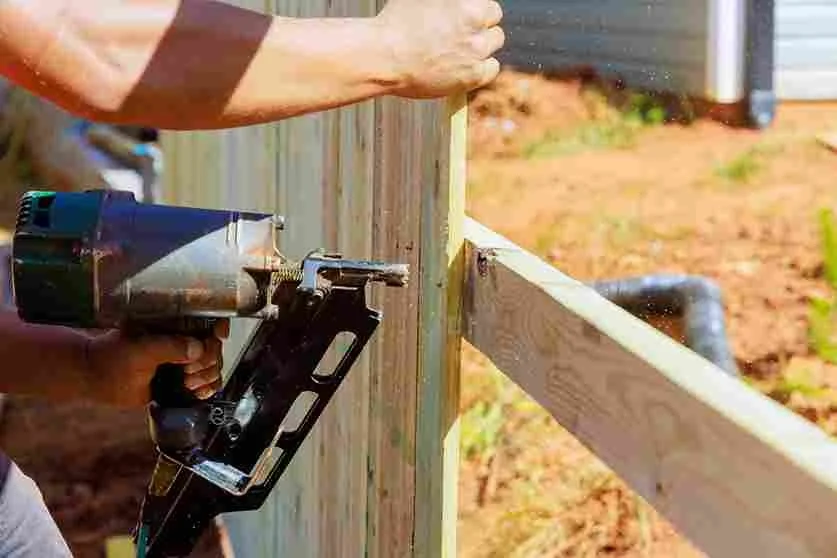
Once you have decided on a fence and chosen a contractor, the next question most Winnipeg homeowners ask is how long the whole thing will take. The answer depends on more factors than most people initially expect, from the type of fence and the size of your property to soil conditions, permit timelines, and the time of year you are booking. For homeowners in neighborhoods like Transcona and Charleswood who are planning their project around specific life events, construction schedules, or seasonal windows, understanding the realistic timeline from first call to finished fence helps you plan accurately and avoid surprises. This guide breaks down every phase of the fence installation timeline so you know exactly what to expect.
Key Takeaways
Most residential fence installations in Winnipeg take one to three days of active installation work once the project is underway
The full project timeline from initial contact to completed fence typically runs two to six weeks when permit requirements and scheduling are factored in
Concrete curing after post setting adds one to two days to the installation timeline before fabric or panels can be installed
Winnipeg's installation season runs roughly late April through October when the ground is thawed and workable
Permit applications in Winnipeg can add one to three weeks to the overall project timeline depending on current processing times
Bulger Brothers Landscape installs fences across Winnipeg with clear project timelines communicated upfront before work begins
Overview
This article covers every phase of the fence installation timeline in Winnipeg, what affects how long each phase takes, realistic day-by-day expectations for different fence types, and how to plan your project to minimize delays and fit your preferred schedule. Bulger Brothers Landscape completes fence installations across Winnipeg and provides clients with clear, honest timeline expectations from the first consultation through project completion.
The Full Fence Installation Timeline in Winnipeg: Phase by Phase
Understanding the complete timeline from initial contact to finished fence requires looking at each phase separately because each has its own duration drivers and potential delays.
Phase One: Initial Consultation and Quote
The timeline begins when you first contact a fencing contractor for a consultation and quote. A professional Winnipeg fencing contractor will schedule a site visit to assess your property, confirm measurements, discuss material and style options, and gather the information needed to provide an accurate written quote.
This site visit and quote development typically takes three to seven business days from initial contact depending on the contractor's current scheduling and the complexity of your project. Simpler projects on straightforward properties can be quoted quickly. Projects with unusual site conditions, multiple fence styles, or complex gate requirements may take longer to quote accurately.
After receiving your quote, the time you take to review, compare with other quotes if applicable, and make your decision adds to the overall timeline. Most homeowners take three to fourteen days between receiving a quote and confirming they want to proceed.
Total time for Phase One: one to three weeks depending on contractor availability and your decision timeline.
Phase Two: Permit Application and Approval
Many fence installations in Winnipeg require permits before work can begin. Whether a permit is required depends on fence height, lot type, and location on the property. A professional contractor confirms permit requirements for your specific installation and manages the application as part of the project.
Permit processing times in Winnipeg vary depending on current application volumes and the complexity of the permit required. Standard residential fence permits typically process within one to three weeks under normal conditions. During peak spring and summer seasons when permit application volumes are highest, processing can take longer.
Not all fence installations require permits. Lower fences, rear yard installations in standard residential zones, and certain fence types may not trigger permit requirements. Your contractor confirms this for your specific situation. If your installation does not require a permit, this phase drops out of the timeline entirely.
Total time for Phase Two: zero to three weeks depending on permit requirement and processing time.
Phase Three: Scheduling and Crew Assignment
After permit approval where required, your project is scheduled in the contractor's installation calendar. How long this takes depends entirely on current demand and the contractor's existing schedule commitments.
Winnipeg's fence installation season is concentrated into roughly six months from late April through October when the ground is thawed and workable. This concentrated season creates significant scheduling demand, particularly in May, June, and July when demand is highest. Homeowners who book early in the season or in the previous fall secure better scheduling positions than those who call during peak summer demand.
During peak periods, scheduling lead times of two to four weeks from permit approval to installation start are common with established contractors. During shoulder periods in spring or fall, scheduling windows are often shorter.
Total time for Phase Three: one to four weeks depending on booking timing and current demand.
Phase Four: Active Installation
Active installation is the phase most homeowners think of when they ask how long fence installation takes. This is the on-site work time, and it is where fence type, property size, and site conditions most directly affect the timeline.
Here are realistic installation timeframes for common fence types and property sizes in Winnipeg.
Standard residential chain link fence (100 to 150 linear feet): One to two days. Day one covers post layout, utility locates confirmation, post hole drilling to frost depth, and post setting in concrete. Day two after concrete curing covers top rail installation, fabric hanging, tensioning, and gate installation.
Cedar or vinyl privacy fence (100 to 150 linear feet): Two to three days. Post setting follows the same process as chain link and requires concrete curing time before panels are installed. Panel installation, cap installation, and gate work complete the project on day two or three.
Larger residential fence projects (200 or more linear feet): Three to five days depending on fence type, number of gates, and site conditions. Larger perimeters require more post setting time on day one and more panel or fabric installation time on subsequent days.
Complex projects with multiple fence styles, significant grade changes, or numerous gates: Four to seven days or more. Grade management that requires careful panel stepping, multiple gate installations with different hardware specifications, or transitions between fence styles all add time beyond what straightforward installations require.
Total time for Phase Four: one to five days for most residential projects.
Phase Five: Concrete Curing
Concrete curing deserves its own phase discussion because it creates a mandatory waiting period within the active installation phase that affects how the installation days are sequenced.
After posts are set in concrete, the concrete must cure to adequate strength before panels, fabric, or rails are installed. Loading a post with the weight and lateral force of fence panels before the concrete has cured adequately risks displacing the post from its correct position, which is difficult to correct after the fact.
In warm summer conditions, concrete cures to adequate working strength within 24 to 48 hours. In cooler spring and fall temperatures that are common at the beginning and end of Winnipeg's installation season, curing takes longer. A professional contractor accounts for curing time in the installation schedule rather than rushing the process.
For most residential installations, concrete curing means the project spans a minimum of two calendar days even when the total active work time is less than a full day. Posts are set on day one and panels or fabric are installed on day two or later after adequate curing.
Curing time adds one to two calendar days to the active installation phase for most projects.
What Affects Fence Installation Time in Winnipeg Specifically
Several Winnipeg-specific factors influence how long fence installation takes beyond the general variables that affect any fence project.
Frost Depth Requirements
Winnipeg's frost line sits at approximately 1.2 metres below grade, and all fence posts must be set at or below this depth to prevent frost heave from pushing posts upward through the freeze-thaw cycle. Drilling post holes to 1.2 metres takes more time than drilling to shallower depths, and in Winnipeg's variable soil conditions including clay-heavy areas, rocky patches, and areas with old buried infrastructure, consistent drilling to frost depth requires more time and more powerful equipment than shallow post setting.
This frost depth requirement is non-negotiable for a fence that will remain straight and structurally sound through multiple Winnipeg winters, and it is factored into any professional installation timeline. A faster installation quote that does not account for frost depth post setting is not a more efficient operation. It is a compromised installation.
Soil Conditions
Winnipeg's soil conditions vary significantly across the city and directly affect how long post hole drilling takes. Clay-heavy soils in established neighborhoods can be dense and resistant to auger penetration, slowing drilling progress. Rocky or cobble-laden soils in some areas require additional equipment time or hand work around obstacles. Old tree root systems in established neighborhoods with significant canopy can create drilling complications near fence line locations.
A professional installer assesses soil conditions during the site visit and factors them into timeline estimates. Unexpected soil conditions discovered during drilling are one of the most common causes of fence installation timeline extension and are worth discussing with your contractor before work begins.
Weather
Winnipeg weather creates timeline variability that is difficult to fully predict but worth accounting for in project planning. Rain makes soil conditions less workable and can delay post setting or panel installation. Extreme heat or cold at the edges of the installation season affects concrete curing rates. Late spring storms can delay the start of installation season for projects scheduled in April or early May.
Professional contractors monitor weather and communicate proactively with clients when weather creates delays. Building a few days of weather contingency into your project timeline expectations reduces frustration when conditions do not cooperate.
Utility Locates
Manitoba requires utility locates to be completed before any ground excavation including fence post drilling. The utility locate request must be submitted in advance of installation, and the locate process must be completed before drilling begins.
Professional contractors manage utility locate requests as a standard part of project preparation. The locate process typically takes two to five business days after request submission. Factoring locate timing into project scheduling prevents the installation start delay that occurs when locate requests are not submitted early enough.
The Seasonal Installation Window in Winnipeg
Fence installation in Winnipeg is constrained to the period when the ground is thawed and workable, roughly late April through October in most years. This seasonal window creates scheduling dynamics that homeowners should understand when planning their project timing.
Late April to May is when the installation season opens and when many homeowners who have been planning their fence through winter begin reaching out to contractors. The beginning of this window can be limited by ground conditions on properties where soil drainage is slow and ground moisture remains high after snowmelt. Installations that begin too early on saturated ground risk post stability issues if soil conditions are not adequate for proper concrete curing.
June and July are the peak demand months for fence installation in Winnipeg. Contractor schedules fill fastest during this period, and homeowners who have not booked early may find preferred contractors unavailable for several weeks. If your project needs to be completed before a specific summer date, booking in spring is essential.
August and September often offer better scheduling availability than peak summer months and generally excellent installation conditions. Temperatures are appropriate for concrete curing and active work, and contractor schedules typically have more flexibility than mid-summer.
October is the final practical installation month for most Winnipeg fence projects. Post setting in concrete requires temperatures above freezing during the curing period, and October installations must be timed to complete before freeze-up. Experienced contractors manage this timing carefully and will advise on whether an October installation is feasible given the specific forecast when booking.
How to Minimize Your Total Timeline
Several specific actions help Winnipeg homeowners minimize their total fence installation timeline from first contact to finished fence.
Book early in the year. Contacting fencing contractors in February or March, before the installation season opens, puts your project at the front of scheduling queues and gives maximum time for permit processing without creating delays before installation can begin.
Have your property survey available. If your fence will run along a property boundary, having a current property survey available at the initial consultation eliminates the uncertainty about property line location that can require additional steps before installation proceeds.
Confirm utility locate requirements with your contractor upfront. Understanding when locate requests need to be submitted relative to your planned installation start date prevents the most common administrative delay in fence installation scheduling.
Make material and style decisions before the site visit. Coming to the initial consultation with a clear sense of your fence material preferences, desired height, and gate requirements allows the quote to be developed more quickly and reduces the back-and-forth that extends the pre-installation phase.
Be available for questions during installation. Unexpected site conditions, decisions about specific gate placement, or questions about how to handle an unusual section of the fence line sometimes arise during installation. Being reachable during installation days allows these questions to be resolved immediately rather than pausing work while awaiting a response.
When you are ready to get your fence project on the schedule, Bulger Brothers Landscape provides honest, detailed timeline estimates as part of every fence consultation and keeps clients informed through every phase of the project. Contact their team at 7 Leeward Pl, Winnipeg, MB R3X 1M6 or call (204) 782-0313 to discuss your fence project and get a clear picture of what your specific installation timeline looks like.
Frequently Asked Questions about How Long Does Fence Installation Take in Winnipeg
Q: How long does fence installation take in Winnipeg from start to finish?
A: The complete timeline from initial contact to finished fence typically runs two to six weeks when all phases are included. Active installation work itself takes one to three days for most standard residential projects. The remainder of the timeline covers initial consultation and quoting, permit application and approval where required, contractor scheduling, and concrete curing between post setting and panel installation. Booking early in the year and having permit requirements addressed promptly are the most effective ways to minimize total timeline.
Q: How long does the active fence installation take on my property?
A: Active installation time varies by fence type and property size. Standard residential chain link or wood privacy fence installations of 100 to 150 linear feet typically take one to two days of active work. Larger properties or more complex installations with multiple fence styles, significant grade changes, or numerous gates take two to five days. Concrete curing between post setting and panel installation adds one to two calendar days to the active installation phase regardless of fence type.
Q: Why does fence installation in Winnipeg take longer than in other cities?
A: Winnipeg's frost depth requirement of approximately 1.2 metres means posts must be drilled significantly deeper than in milder climates, which takes more time and requires more powerful equipment. Clay-heavy soils in many Winnipeg neighborhoods add drilling resistance that slows post setting compared to sandier soils. Permit processing times and the concentrated six-month installation season that creates peak scheduling demand also contribute to longer overall timelines than homeowners in year-round installation climates experience.
Q: When can fence installation begin in Winnipeg each year?
A: The practical fence installation season in Winnipeg runs from late April through October when the ground is thawed and workable. Late April and early May installations depend on ground conditions, as properties with heavy clay soils or poor drainage may not be workable until mid-May in some years. October installations must be timed to complete before freeze-up to allow adequate concrete curing before frost arrives.
Q: How long does concrete need to cure before fence panels can be installed?
A: In warm summer conditions, fence post concrete cures to adequate working strength within 24 to 48 hours. In cooler spring and fall temperatures at the edges of Winnipeg's installation season, curing takes longer. Professional contractors account for curing conditions in their installation scheduling and do not rush this phase, as loading posts with panel weight before adequate curing risks displacing posts from their correct position before the concrete has set fully.
Q: Does getting a permit delay fence installation in Winnipeg?
A: Permit requirements add one to three weeks to the overall project timeline depending on current processing times at the City of Winnipeg. During peak spring and summer seasons when permit application volumes are highest, processing can take toward the longer end of this range. Not all fence installations require permits. A professional contractor confirms whether your specific installation requires a permit and submits the application early in the project process to minimize the scheduling impact of permit timing.
Q: How far in advance should I book fence installation in Winnipeg?
A: Booking two to three months before your desired installation window gives you the best access to preferred contractors and scheduling flexibility. For summer installations, booking in March or April is advisable. For spring installations, booking in February is ideal. Peak summer demand from June through July fills contractor schedules quickly, and homeowners who wait until their preferred installation window has arrived often find preferred contractors booked several weeks out.
Q: What can delay fence installation once it has started in Winnipeg?
A: The most common causes of installation delay after work has begun are unexpected soil conditions including buried rock, old roots, or undocumented underground infrastructure that slow post drilling, weather events including rain that makes conditions unsuitable for work or temperature extremes that affect concrete curing, and decisions about specific installation details that require client input before work can proceed. Professional contractors communicate proactively about any delays and their expected impact on the completion timeline.
Conclusion
Understanding how long fence installation takes in Winnipeg from first contact to finished fence helps you plan your project accurately and choose the right time to begin the process. The active installation phase of one to three days is only part of a complete timeline that includes consultation, permitting, scheduling, and concrete curing. The homeowners who get the best scheduling outcomes and the smoothest project experiences are those who start the process early, understand what each phase involves, and work with professional contractors who communicate timeline expectations clearly and honestly from the start. Bulger Brothers Landscape installs fences across Winnipeg with the professional standards and transparent communication that every project deserves. Reach out today and get your fence on the schedule before the season fills up.