

Hardscape Maintenance Tips Every Winnipeg Homeowner Should Know
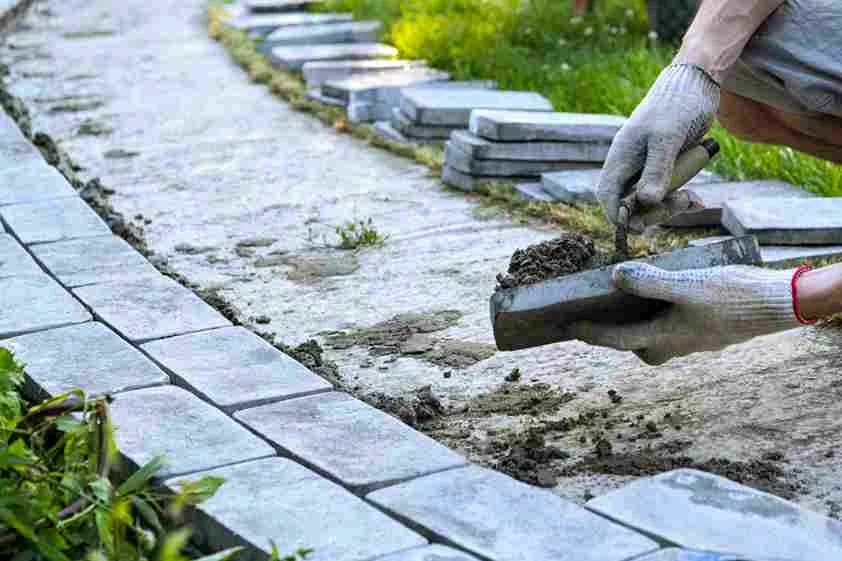
A professionally installed patio, retaining wall, or paved walkway is a significant investment in your property. Getting the most from that investment does not end when the installation crew packs up and leaves. In Winnipeg, where freeze-thaw cycles, deep frost, heavy snowfall, and intense spring snowmelt put relentless pressure on every outdoor structure, the homeowners who enjoy their hardscaping for decades rather than years are the ones who pay attention to it after installation. This guide gives you the practical, Winnipeg-specific hardscape maintenance knowledge that keeps your outdoor features looking great and performing correctly through every prairie winter they face.
Key Takeaways
Annual post-winter inspection is the single most important hardscape maintenance habit for Winnipeg homeowners
Sealing concrete and paver surfaces every three to five years significantly extends their lifespan in this climate
Drainage maintenance around hardscape features is as critical after installation as it was during construction
De-icing salt causes accelerated surface deterioration on concrete and natural stone and should be minimized or avoided
Small problems caught early through regular inspection cost a fraction of what they cost after being ignored through multiple freeze-thaw seasons
Bulger Brothers Landscape provides professional hardscape installation and maintenance services across Winnipeg
Overview
This article covers the most important hardscape maintenance tips for Winnipeg homeowners across every common hardscape feature type, what Winnipeg's climate specifically demands of maintenance practices, how to identify developing problems before they become expensive failures, and when professional attention is needed. Bulger Brothers Landscape has installed and maintained hardscape features across Winnipeg for years and understands exactly what this climate demands of outdoor structures over their lifetime.
Why Hardscape Maintenance Matters More in Winnipeg Than Almost Anywhere Else
Winnipeg's climate creates hardscape maintenance demands that homeowners in milder Canadian cities simply do not face to the same degree. Understanding why helps you appreciate the importance of the maintenance practices covered in this guide rather than treating them as optional enhancements for especially conscientious homeowners.
The freeze-thaw cycle is the primary mechanism through which Winnipeg's climate damages hardscape features. Water that penetrates joints, cracks, or porous surfaces freezes and expands with significant force, widening existing openings and creating new ones with every cycle. Winnipeg experiences dozens of freeze-thaw cycles in a typical year, concentrated especially in the shoulder seasons of fall and spring when temperatures oscillate around the freezing point repeatedly. This accumulated cycling stress is what separates hardscape that looks great after twenty years from hardscape that looks aged after five.
Frost heave acts on the structural foundations of hardscape features, pushing elements out of position as frozen soil expands beneath and around them. Features without footings set below Winnipeg's frost line heave noticeably. Even properly installed features experience minor seasonal movement that, without maintenance attention, accumulates into alignment problems over time.
In Winnipeg's climate, hardscape maintenance is not optional upkeep. It is the discipline that determines whether your outdoor investment delivers its full potential lifespan or falls significantly short of it.
Tip One: Conduct a Thorough Post-Winter Inspection Every Spring
The most impactful hardscape maintenance habit any Winnipeg homeowner can develop is a dedicated post-winter inspection conducted every spring as soon as snow and ice have cleared from paved surfaces and the ground has thawed enough to assess the surrounding soil and drainage conditions.
Spring is when the cumulative effects of the winter's freeze-thaw activity are most clearly visible. Movement, cracking, joint deterioration, drainage failures, and surface damage that developed over winter are apparent in spring before the growing season's vegetation begins obscuring features and before small problems have the chance to worsen through the first summer rainfall events.
Walk every hardscape feature on your property during this inspection and look specifically for the following conditions.
On patio surfaces: Check for pavers that have shifted upward or downward relative to adjacent units, joints that have lost sand fill and opened significantly, edge restraints that have moved or cracked, and surface scaling or spalling on concrete or natural stone. Photograph any changes from the previous year's inspection to track whether conditions are stable or progressing.
On walkways and driveways: Look for cracking, surface scaling, uneven sections where frost heave has lifted one slab edge above an adjacent one, and joint deterioration. Check that surface drainage is still directing water away from adjacent structures correctly and that no low spots have developed that pond water rather than shedding it.
On retaining walls: Inspect for forward lean or tilt in any section, individual units that have displaced from the wall face, cracks running through multiple courses, bulging between courses, and settlement or cracking in the soil behind the wall. Check drainage outlets to confirm they are clear and discharging freely.
On steps and transitions: Verify that step surfaces are level and that no frost heave has created differential movement between adjacent steps or between steps and the wall or patio they connect to. Check that step nosings are intact and that no cracking has developed at the joints between step sections.
On concrete features: Inspect for new cracking, surface scaling, joint deterioration, and any areas where the concrete surface has become uneven due to differential frost heave beneath the slab.
Document your inspection with photographs and compare them to photos from previous years. Gradual changes are difficult to perceive through memory alone but are clearly visible when current and prior year photos are compared side by side.
Tip Two: Seal Your Paver and Concrete Surfaces Regularly
Sealing is one of the highest-return hardscape maintenance investments Winnipeg homeowners can make. A quality sealer applied to paver or concrete surfaces every three to five years reduces moisture penetration that leads to freeze-thaw surface damage, protects against the chemical deterioration that de-icing products cause, enhances color and surface appearance, and makes surfaces easier to clean by preventing staining from organic material and vehicle fluids.
For interlocking concrete pavers, polymeric sand joint stabilization combined with a penetrating sealer provides the most comprehensive protection. The polymeric sand hardens joints and resists wash-out and weed germination, while the sealer protects the paver face from moisture penetration and surface scaling. Both components contribute to the long-term appearance and structural integrity of the paver installation.
For concrete surfaces, penetrating sealers that enter the concrete matrix and repel water from within are generally preferred over film-forming sealers that create a surface coating. Penetrating sealers do not change the surface appearance significantly and do not peel or flake as film-forming products can when the coating fails. They protect the concrete against freeze-thaw damage and salt penetration in ways that are invisible but genuinely extend surface life.
For natural stone surfaces, sealer selection depends on the specific stone type. Some natural stones benefit from penetrating sealers that reduce moisture absorption. Others have sufficient density that sealing provides minimal additional benefit. Confirming the appropriate sealer type for your specific stone with your installer or a masonry supply professional before application ensures you are applying a product that helps rather than one that is neutral or potentially harmful to the specific material.
Apply sealer on a day when temperatures are above 10 degrees and the surface has been dry for at least 24 hours. Sealer applied to wet surfaces or in cold conditions does not penetrate or bond correctly and does not provide the protection a properly applied sealer delivers.
Tip Three: Maintain Paver Joint Sand
Interlocking paver installations depend on joint sand for a function that goes beyond filling the gaps between pavers. Joint sand locks adjacent paver units together, distributes load evenly across the paver surface, and prevents individual units from rocking or shifting independently when walked or driven on. Joint sand that is lost through surface water erosion, freeze-thaw cycling, or simply the passage of time progressively undermines the structural integrity and surface stability of the entire paver installation.
Inspect paver joints annually as part of your post-winter inspection and add polymeric sand to any joints that have lost significant fill. The process involves sweeping dry polymeric sand across the paver surface, working it into open joints until they are filled to within a few millimetres of the paver surface, compacting lightly with a plate compactor or hand tamper, and activating the polymeric binder with a light water misting.
Polymeric sand topping should be done on a dry day with no rain forecast for 24 hours to allow the binder to activate and set properly. Applying polymeric sand in wet conditions or before rain washes the activated binder before it has set produces joints that look filled initially but wash out quickly.
Regular joint sand maintenance is one of the least expensive and most effective hardscape maintenance practices available to Winnipeg homeowners with paver installations. A bag of polymeric sand applied annually to joints that need topping up costs a small fraction of the paver releveling work required when joint sand loss is allowed to progress to the point of paver instability.
Tip Four: Manage Snow and Ice Carefully on Hardscape Surfaces
Winter management of hardscape surfaces is a maintenance area that Winnipeg homeowners navigate every season, and the choices made about snow clearing and ice management directly affect how quickly hardscape surfaces age.
Avoid de-icing salt on concrete and natural stone surfaces. Sodium chloride and calcium chloride de-icing products are highly effective at melting ice but cause accelerated surface scaling and spalling on concrete and natural stone through a combination of chemical attack and the intensified freeze-thaw cycling that liquid water on a surface creates even at low temperatures. A concrete driveway or patio that receives regular salt applications will show surface deterioration significantly faster than one where salt is minimized or avoided.
For traction on icy paver, concrete, and stone surfaces, sand provides effective grip without the chemical damage that salt-based products cause. Sand requires cleanup in spring but does not contribute to surface deterioration through the season it is applied.
Use plastic-edged snow shovels rather than metal-edged ones on paver and stone surfaces. Metal shovel edges catch on paver joints and stone edges, chipping surfaces and displacing joint sand with every pass. Plastic-edged shovels slide across surfaces without this mechanical damage. The same principle applies to snow blower skid shoes, which should be adjusted to maintain a clearance above paver and stone surfaces rather than dragging across them.
Avoid directing snow blower discharge against retaining wall faces. The impact of snow thrown against wall faces, repeated over many seasons, can displace surface units and damage mortar joints on natural stone and mortared brick walls. Direct snow blower discharge away from wall faces during clearing operations.
Do not allow snow to pile against fence posts or retaining wall bases for extended periods. Deep snow accumulation against these structures adds weight and moisture loading that increases the stress on footings and foundation elements through the winter. Where practical, clearing snow away from the base of these structures reduces this loading.
Tip Five: Keep Drainage Clear and Functional
Drainage maintenance around hardscape features is not a one-time concern addressed during installation. It is an ongoing maintenance responsibility that directly affects how long every hardscape feature on your property performs correctly.
Clear catch basin grates and drainage outlet points every spring and fall. Debris, sediment, and organic material that accumulates in and around drainage infrastructure reduces its flow capacity and creates the water accumulation conditions that are most damaging to adjacent hardscape features. This simple task takes minutes and protects the drainage function that installation drainage provisions were designed to provide.
Ensure that surface water is still draining away from your foundation and hardscape features correctly. Settlement, frost heave, and the natural compaction of soil over time can change surface grades in ways that reverse drainage patterns and direct water toward foundations and hardscape features rather than away from them. If you notice water pooling near your foundation, against a retaining wall, or beneath a patio edge after rain or snowmelt, address the grading issue before it undermines adjacent hardscape.
Keep weep holes in retaining walls clear. Many retaining wall installations include weep holes in the wall face at the base to allow hydrostatic pressure to relieve by discharging water through the wall rather than building pressure behind it. Weep holes that become blocked by sediment or vegetation growth cannot perform this function. Check and clear them annually.
Professional drainage services are worth engaging if you notice persistent drainage performance issues around your hardscape features that simple surface clearing does not resolve. Subsurface drainage failures require professional assessment and remediation rather than surface-level interventions that address symptoms without resolving causes.
Tip Six: Address Weeds and Vegetation Growth Promptly
Vegetation growing in hardscape joints and cracks is both a cosmetic problem and a structural one. Plant roots that establish in paver joints, mortar joints, and concrete cracks expand as the plant grows, generating pressure that progressively widens joint openings and displaces adjacent units. Small weeds that are easy to pull when young become established plants with significant root systems if left to grow through a full season.
Inspect hardscape joints for weed and moss growth during your post-winter inspection and again in midsummer when growing season vegetation pressure is highest. Pull weeds while they are small by hand or treat with an appropriate herbicide, being careful to select products that will not stain or chemically damage adjacent hardscape materials.
Moss growth on shaded paver and stone surfaces is a common Winnipeg hardscape maintenance concern. Moss holds moisture against the surface it colonizes, accelerating freeze-thaw surface damage in the material beneath it. Remove moss with a stiff brush and appropriate moss treatment products, and consider whether improving light access or drainage to chronically shaded areas would reduce recurring moss pressure.
Polymeric sand in paver joints is the most effective long-term defense against weed establishment in paver installations. The hardened binder that polymeric sand forms in joints resists root penetration much more effectively than standard joint sand. Keeping polymeric sand joints fully filled through regular topping up as described in Tip Three is the most practical prevention strategy for weed pressure in paver hardscape.
Tip Seven: Schedule Professional Inspection for Older or Complex Features
The post-winter inspections that homeowners conduct themselves catch many developing problems but have inherent limitations. Professional eyes see conditions that most homeowners do not recognize as significant, assess structural concerns that are not apparent from surface observation alone, and identify developing failures early enough that inexpensive interventions prevent expensive replacements.
Hardscape features that are ten years or older, features that have experienced any visible movement or drainage problems, and features where failure would have significant consequences for the safety or structural integrity of areas around them warrant periodic professional inspection beyond the homeowner's annual visual check.
Spring cleanup services from an experienced Winnipeg landscaping company provide an efficient opportunity to have professional eyes on your hardscape annually without scheduling a separate inspection visit. A crew completing spring cleanup that includes hardscape assessment identifies developing concerns and flags them for attention while the overall maintenance picture of your outdoor space is already being evaluated.
Combined with professional maintenance of related features including retaining walls, drainage services, and mulch beds, regular hardscape inspection keeps every element of your outdoor environment performing at its best and catches problems at the stage where they are still affordable to address.
When you are ready to discuss hardscape maintenance or inspection for your Winnipeg property, Bulger Brothers Landscape brings the expertise and local knowledge to assess your features correctly and advise on the maintenance priorities specific to your installation. Contact their team at 7 Leeward Pl, Winnipeg, MB R3X 1M6 or call (204) 782-0313 to schedule a consultation and protect your hardscape investment for the long term.
Frequently Asked Questions about Hardscape Maintenance Tips for Winnipeg Homeowners
Q: How often should I seal my paver patio in Winnipeg?
A: Interlocking concrete paver patios in Winnipeg benefit from sealing every three to five years using a quality penetrating sealer appropriate for concrete paver material. High-traffic areas or surfaces exposed to regular vehicle traffic or de-icing products may benefit from more frequent sealing. Apply sealer on a dry day above 10 degrees after thoroughly cleaning the surface and allowing it to dry for at least 24 hours.
Q: What is the most important hardscape maintenance task for Winnipeg homeowners?
A: Annual post-winter inspection conducted every spring after snow and ice have cleared is the single most impactful maintenance habit. Spring inspection identifies frost heave, cracking, drainage failures, joint deterioration, and surface damage while they are still minor and inexpensive to address. Problems caught during spring inspection cost a fraction of what they cost after being ignored through additional freeze-thaw seasons.
Q: Can I use salt on my concrete driveway in Winnipeg?
A: Salt-based de-icing products cause accelerated surface scaling and spalling on concrete through chemical attack and intensified freeze-thaw cycling. Minimizing or avoiding salt on concrete surfaces significantly extends their lifespan in Winnipeg's climate. Sand provides effective traction without chemical damage and is the preferred alternative for concrete and natural stone surfaces. If de-icing is necessary, calcium magnesium acetate products are less damaging to concrete than sodium chloride or calcium chloride.
Q: How do I maintain paver joint sand in Winnipeg?
A: Inspect paver joints annually during post-winter inspection and top up joints that have lost significant fill with polymeric sand. Sweep dry polymeric sand across the surface, work it into open joints, compact lightly, and activate with a light water misting on a dry day with no rain forecast for 24 hours. Regular joint sand maintenance is one of the least expensive and most effective hardscape maintenance practices available for paver installations.
Q: Why do my patio pavers shift every year in Winnipeg?
A: Annual paver movement in Winnipeg is typically caused by frost heave acting on the base beneath the pavers, joint sand loss that reduces the interlocking stability of the paver system, or edge restraint deterioration that allows the paver field to spread at its perimeter. Minor seasonal movement in a well-installed paver system is normal. Significant or progressive movement suggests a base preparation, drainage, or edge restraint issue that warrants professional assessment before it develops into a more extensive structural problem.
Q: How do I prevent weeds in my paver joints in Winnipeg?
A: Polymeric sand in paver joints is the most effective long-term defense against weed establishment. The hardened binder that forms in joints resists root penetration significantly better than standard joint sand. Keep polymeric sand joints fully filled through annual topping up, and address any weed growth promptly while plants are still small before root systems establish in joints. Sealing paver surfaces after polymeric sand installation further reduces weed pressure by stabilizing joint material.
Q: How do I know if my retaining wall needs professional attention in Winnipeg?
A: Seek professional assessment promptly if you notice any forward lean or tilt in a wall section, bulging between courses, vertical cracks running through multiple courses, significant displacement of individual units, or settlement in the soil behind the wall. These conditions indicate that structural forces are overcoming the wall's resistance and will worsen without intervention. Minor cosmetic issues like efflorescence or surface staining can typically wait for scheduled maintenance attention.
Q: Does hardscape maintenance differ for older installations in Winnipeg?
A: Yes, older hardscape features warrant more frequent inspection and professional assessment than newer ones because they have accumulated more freeze-thaw cycles and are more likely to have developed the joint deterioration, drainage system reduction, and minor structural movement that precede significant failures. Features ten years or older benefit from professional inspection every two to three years in addition to annual homeowner inspection, allowing developing problems to be identified and addressed before they reach the point of requiring major repair or replacement.
Conclusion
Hardscape maintenance in Winnipeg is the ongoing commitment that protects a significant outdoor investment through the specific demands of prairie winters. Annual post-winter inspection, regular sealing, joint sand maintenance, careful snow and ice management, drainage upkeep, prompt vegetation control, and periodic professional assessment are the practical habits that separate hardscape features that deliver their full potential lifespan from those that require premature repair or replacement because maintenance was treated as optional. The outdoor spaces that look as impressive in year twenty as they did at installation are the ones that were built correctly and then cared for consistently. Bulger Brothers Landscape builds hardscape to the standards Winnipeg demands and supports homeowners in maintaining it correctly over its full service life. Reach out today and give your outdoor investment the attention it deserves.