

Understanding Snow Accumulation Triggers for Commercial Snow Removal
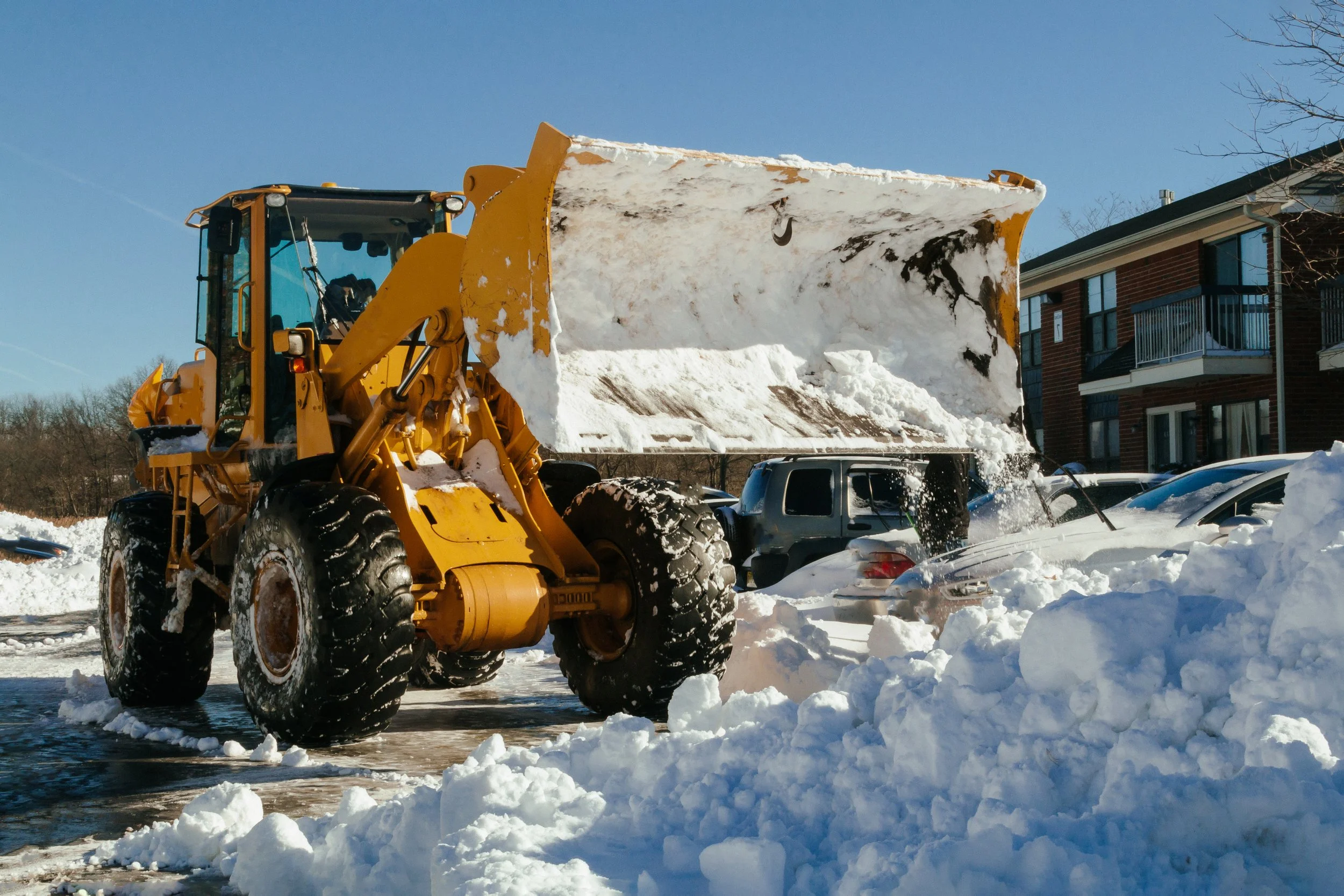
When Enough Snow Is Enough in Winnipeg
Walk any commercial parking lot in Winnipeg after a moderate overnight snowfall and you will see two very different outcomes. Some properties are cleared and sanded before the first employee arrives. Others have vehicles navigating through several centimetres of packed snow with no service in sight. The difference almost always comes down to one thing: the accumulation trigger written into the snow removal contract.
Understanding when commercial snow removal clear after inches accumulation kicks in is one of the most important decisions a Winnipeg property manager or business owner can make. Get the trigger depth right and your property stays safe, accessible, and compliant all winter. Set it too high and you are left dealing with compacted snow, ice formation, and liability exposure that could have been avoided entirely. Bulger Brothers Landscape works with commercial clients across Winnipeg to set service thresholds that match their property type, traffic volume, and risk tolerance.
Key Takeaways
Snow accumulation triggers define the depth at which your contractor is obligated to clear your property
Most Winnipeg commercial properties benefit from a 2.5 to 5 cm trigger threshold
Lower triggers mean faster response and less compaction but come at a higher seasonal cost
High-traffic properties like retail lots and medical facilities typically require tighter thresholds
Winnipeg's freeze-thaw cycles mean that even small accumulations can become serious ice hazards overnight
Trigger depth should be set based on property use, foot traffic, and liability exposure, not just cost
Overview
This article explains how snow accumulation triggers work in commercial snow removal contracts, what threshold makes sense for different property types in Winnipeg, and why setting the right trigger depth is a critical part of winter property management. Whether you manage a retail strip, an office complex, or an industrial yard in areas like Transcona or St. Vital, Bulger Brothers Landscape can help you build a service plan that responds at the right time, every time.
What Is a Snow Accumulation Trigger?
A snow accumulation trigger is the minimum depth of snowfall that activates your commercial snow removal service. It is written into your seasonal contract and tells your contractor exactly when they are required to show up and clear your property.
Most commercial contracts in Winnipeg are structured around either a fixed trigger depth, such as 5 cm, or a tiered system where different depths prompt different levels of service. A light dusting might trigger a sand-only visit, while a heavier accumulation requires full plowing, hauling, and sanding.
The trigger is not just a scheduling detail. It is a legal and operational commitment on both sides. The contractor is bound to respond when the threshold is met, and the property owner is responsible for ensuring the threshold they selected actually meets the safety standard their property demands.
How Many Centimetres Trigger Commercial Snow Removal?
This is the question most Winnipeg property managers ask first, and the honest answer is that it depends on the property. That said, industry standards in Winnipeg point toward a few common benchmarks.
The 2.5 cm Trigger
A 2.5 cm trigger is considered a high-service standard. It is most appropriate for properties with heavy pedestrian traffic, such as medical offices, pharmacies, grocery-anchored retail centres, and senior living facilities. At this level, commercial snow removal clear after inches accumulation happens quickly, before foot traffic has a chance to pack the snow into a slippery surface.
This threshold costs more over a season because it generates more service visits, but for properties where a slip-and-fall claim could run into hundreds of thousands of dollars, the investment is well justified.
The 5 cm Trigger
The 5 cm threshold is the most common setting for mid-sized commercial properties in Winnipeg. It balances cost efficiency with timely service and works well for office buildings, light industrial properties, and strip malls with moderate foot traffic.
At this depth, snow has accumulated enough to warrant a full clearing visit without yet having compacted into a harder surface. For most properties in areas like River Heights and Tuxedo, a 5 cm trigger delivers reliable winter coverage at a reasonable seasonal cost.
The 8 cm or Higher Trigger
Some industrial properties, storage yards, and low-traffic commercial lots opt for a higher trigger to reduce seasonal costs. This approach can work for properties where vehicle access matters more than pedestrian safety, but it carries risk.
In Winnipeg's climate, 8 cm of snow that sits overnight frequently becomes a compacted, icy surface by morning. At that point, clearing is harder, takes longer, and creates more wear on pavement surfaces. Properties that experience high daytime traffic followed by below-zero overnight temperatures are particularly vulnerable.
Why Winnipeg's Climate Makes Trigger Depth Critical
Unlike cities with milder winters, Winnipeg does not give property managers much margin for error. The city averages over 110 centimetres of snowfall per season, and temperatures regularly cycle above and below zero throughout the winter months.
This freeze-thaw pattern is what makes the commercial snow removal clear after inches accumulation threshold so important in the local context. Snow that falls at 2 degrees Celsius in the afternoon arrives as a dense, wet accumulation. By midnight, when temperatures drop to minus 12, that wet snow has frozen solid. A 5 cm accumulation that was manageable at 4 pm becomes a sheet of bonded ice by 6 am.
Properties that delay clearing until accumulation reaches a higher threshold are not just dealing with more snow. They are often dealing with a fundamentally different material that requires more aggressive equipment, more salt and sand, and more time to clear properly. You can review how winter services are structured in Winnipeg by reading about winter services in Winnipeg on the Bulger Brothers blog.
Matching Your Trigger to Your Property Type
Setting the right trigger is not a one-size-fits-all decision. The appropriate threshold depends on several factors that are specific to your property.
Retail and High-Foot-Traffic Properties
Retail properties see continuous pedestrian movement throughout the day. A customer who slips in your parking lot or on your walkway creates immediate liability for your business. For retail locations, a 2.5 to 5 cm trigger with sanding included is the standard expectation.
Office and Professional Buildings
Office buildings typically see two peak traffic windows: morning arrivals and afternoon departures. A 5 cm trigger with a pre-7 am response window covers the morning peak for most Winnipeg office properties. Adding a mid-day check during heavy snowfall events adds an extra layer of protection.
Industrial and Warehouse Properties
Industrial yards often prioritise vehicle access over pedestrian pathways. A 5 to 8 cm trigger may be appropriate for the main yard, while a tighter 2.5 to 5 cm threshold applies to the pedestrian entrances, loading docks, and employee parking areas.
Medical and Emergency-Access Properties
Any property that requires uninterrupted access, including medical clinics, pharmacies, and emergency services facilities, should operate on a 2.5 cm trigger or lower. In some cases, these properties also require 24-hour monitoring and on-call response regardless of accumulation depth.
For a broader look at how Bulger Brothers Landscape structures its commercial snow clearing programs, the service page outlines the full scope of what is available for Winnipeg commercial properties.
The Hidden Cost of Setting the Wrong Trigger
Property managers sometimes set a higher trigger depth to reduce the number of service visits and lower their seasonal contract cost. This logic makes sense on a spreadsheet but often breaks down in practice.
When the threshold is too high, snow compacts under vehicle and foot traffic before clearing begins. Compacted snow is harder to remove, requires more passes with equipment, and increases sand and salt usage. The cost savings from fewer visits can be quickly offset by the added time and materials required for each visit.
Beyond the operational cost, there is the liability question. If a slip-and-fall incident occurs and your contract shows that your trigger was set at 8 cm, and the incident happened when 6 cm of packed snow was on the ground, that contract detail becomes evidence in a negligence claim. Winnipeg courts apply a reasonable standard of care, and a commercial property owner is expected to maintain safe conditions throughout operating hours.
Reading about commercial snow removal services near you can help you understand how local contractors structure their response commitments and what questions to ask before signing a contract.
Building a Complete Winter Service Plan
Accumulation triggers are one component of a well-structured winter service plan, but they work best when combined with other elements. A complete plan typically includes trigger depth, guaranteed response time, sanding and ice control after each clearing visit, a snow hauling provision for extended accumulation, and a communication protocol for storm events.
Bulger Brothers Landscape also offers parking lot sanding as a standalone or bundled service, ensuring that cleared surfaces are treated for traction immediately after plowing. This is particularly important during the freeze-thaw periods that Winnipeg experiences throughout the winter season.
You can also review the commercial snow clearing equipment guide to understand what machinery is used at different property scales and why equipment selection matters for clearing quality and surface protection.
If you are ready to set up a commercial snow removal plan that responds at the right accumulation threshold for your property, Bulger Brothers Landscape is the team to call. Located at 7 Leeward Pl, Winnipeg, MB R3X 1M6 and reachable at (204) 782-0313, they work with commercial property owners and managers across Winnipeg to design service contracts that match your property's actual needs. Contact them today to discuss the right commercial snow removal clear after inches accumulation threshold for your site before the snow season begins.
Frequently Asked Questions About Commercial Snow Removal Clear After Inches Accumulation
How many centimetres of snow trigger commercial snow removal in Winnipeg?
Most Winnipeg commercial properties use a trigger between 2.5 and 5 cm. High-foot-traffic properties like retail centres and medical facilities typically use a 2.5 cm threshold, while office buildings and light industrial sites often operate at 5 cm. The right trigger depends on your property type, pedestrian volume, and liability exposure.
Can I change my snow accumulation trigger mid-season?
This depends on the terms of your contract. Some contractors allow trigger adjustments between storm events, while others lock the threshold for the full season. It is worth discussing flexibility before signing, particularly if your property use changes during the winter months.
What happens if snow accumulates during the day between service visits?
A well-structured commercial contract includes provisions for daytime storm events. This may be written as a mid-day check at a certain accumulation depth or as an on-call response clause. If your contract does not address daytime accumulation, you may face gaps in coverage during extended snow events.
Does a lower accumulation trigger always mean better service?
A lower trigger means more frequent visits and faster response, which is generally better for safety and surface condition. However, it also increases the number of billable visits under a per-event contract. For seasonal flat-rate contracts, a lower trigger simply ensures earlier clearing without necessarily increasing your base cost.
Why does compacted snow cost more to remove than fresh snow?
Compacted snow bonds to pavement surfaces and requires more aggressive equipment passes to clear. It also increases sand and salt consumption to restore traction. Properties that delay clearing past their optimal window often spend more per visit than they saved by setting a higher trigger threshold.
Should different areas of my property have different trigger thresholds?
Yes, in many cases. Pedestrian walkways, entrances, and accessible parking stalls often warrant a tighter threshold than vehicle staging areas or rear yards. A well-designed contract can include zoned service levels that match each area's risk profile.
When should I book a commercial snow removal contract in Winnipeg?
September or early October is the recommended window. Reputable contractors fill their commercial client lists quickly, and waiting until the first snowfall often means settling for a less experienced provider or going without coverage during peak demand periods.
Is sanding always included with commercial snow clearing?
Not automatically. Sanding is sometimes bundled into the contract and sometimes priced as a separate service. For Winnipeg properties, sanding after every clearing visit is strongly recommended given the city's freeze-thaw conditions. Confirm whether sanding is included before finalising your contract.
Conclusion
Getting the commercial snow removal clear after inches accumulation threshold right is one of the most consequential decisions a Winnipeg property manager makes each fall. Too high and you are dealing with compacted ice, liability exposure, and reactive scrambling after every storm. Too low and you may be paying for service visits that go beyond what your property actually needs.
The right answer sits at the intersection of your property type, pedestrian traffic patterns, and the realistic conditions Winnipeg winters deliver. Bulger Brothers Landscape brings the local expertise and reliable equipment to help you find that balance, build it into a clear contract, and execute it consistently all season long. Reach out today and get your winter service plan in place before the first accumulation of the season arrives.