

Does the City of Winnipeg Clear Residential Sidewalks?
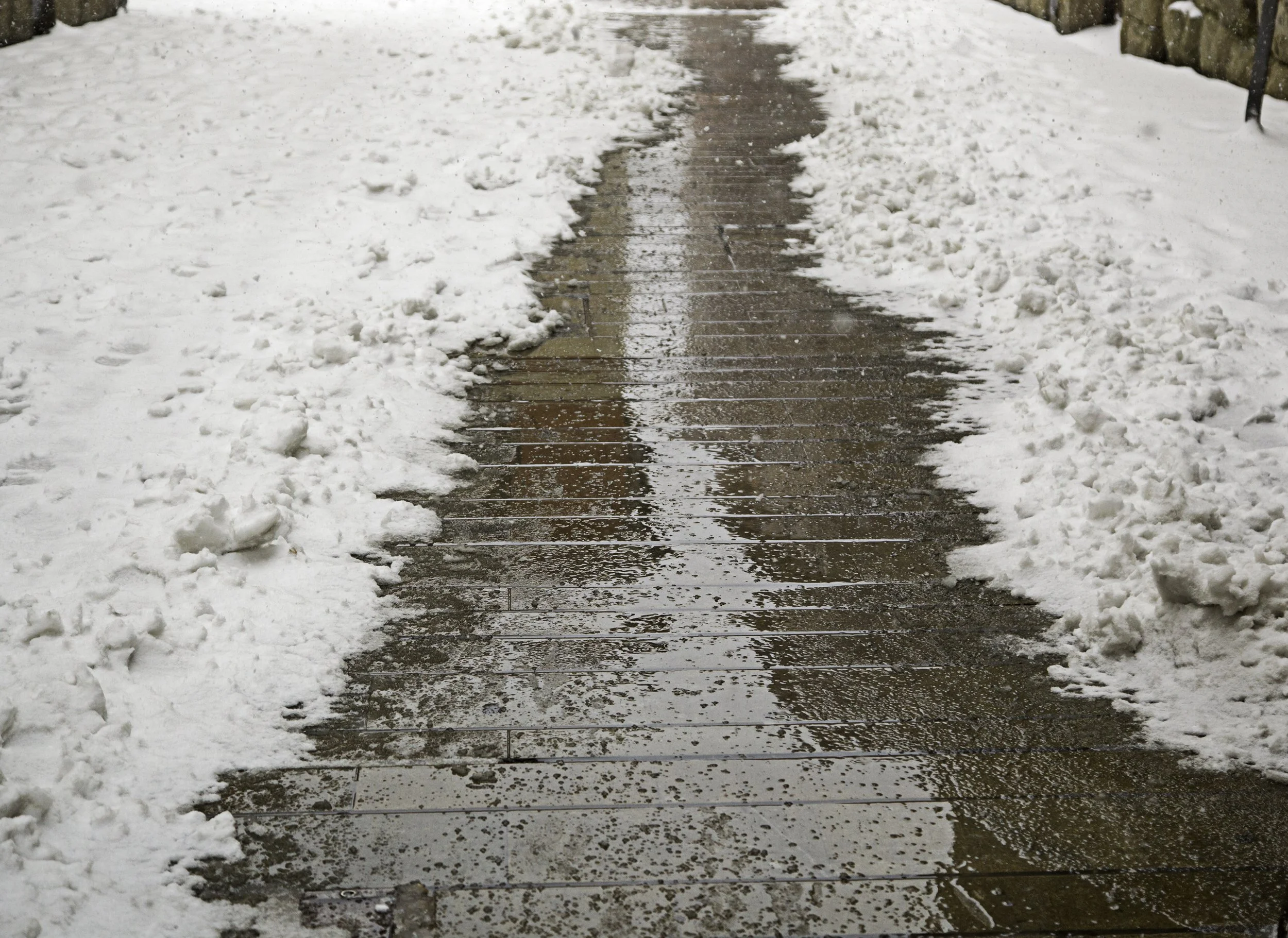
The Sidewalk Clearing Question in Winnipeg Has a Clear Legal Answer - and a Practical Answer That Many Homeowners Learn the Hard Way
A homeowner in River Heights assumes the City of Winnipeg clears the sidewalk in front of their house the same way it plows the street. It doesn't. After a significant snowfall, the sidewalk remains uncleared for four days. A neighbour calls the city to complain. The homeowner receives a fine notice.
A different homeowner in Tuxedo has a snow removal contractor who clears the driveway but not the sidewalk. The homeowner doesn't notice the distinction in the contract until a complaint is filed. The fine goes to the homeowner, not the contractor.
Who is responsible for clearing snow from sidewalks in Winnipeg is a question with a specific legal answer, and the consequences of not knowing it appear in fine notices and, more seriously, in slip-and-fall incidents on uncleaned adjacent sidewalks.
Key Takeaways
Winnipeg property owners - not the City - are responsible for clearing snow and ice from public sidewalks adjacent to their property
The City of Winnipeg's Property Standards Bylaw specifies the time period within which sidewalks must be cleared after snowfall ends
Fines for non-compliance are issued to the property owner regardless of lease terms or snow removal contractor arrangements
Ice on sidewalks carries the same clearing requirement as snow accumulation
Professional snow removal programs that include sidewalk clearing provide the most reliable compliance for homeowners who want certainty rather than personal management of the obligation
Bulger Brothers Landscape provides residential snow removal across Winnipeg with sidewalk clearing included as standard scope in complete winter maintenance programs
Overview: Sidewalk Clearing Responsibility in Winnipeg
This guide addresses who is responsible for clearing snow from sidewalks in Winnipeg from the legal, practical, and property management perspectives that homeowners and landlords need to understand. It covers what the bylaw requires, who bears the obligation, what happens when it isn't met, and how professional snow removal programs address sidewalk compliance as part of complete winter property maintenance.
Bulger Brothers Landscape provides residential snow removal services across Winnipeg with sidewalk clearing as part of complete winter maintenance programs, and the compliance context in this guide reflects current municipal requirements.
The City of Winnipeg Does Not Clear Residential Sidewalks
The most important foundational answer to who is responsible for clearing snow from sidewalks is that the City of Winnipeg clears streets - not the public sidewalks adjacent to private residential properties.
The City's winter road maintenance operations address arterial roads, collector roads, and residential streets in sequence based on priority classifications. These operations plow snow from the street surface and create the windrow across driveway entrances that Winnipeg homeowners know well. They don't extend to the public sidewalks that run between residential properties and the street.
What the City does maintain: Certain high-traffic pedestrian areas and routes, downtown sidewalks, and some transit access routes may receive municipal clearing attention. The sidewalk running past a standard residential property in a Winnipeg neighbourhood is not among them.
The responsibility that falls to property owners: The City of Winnipeg's Property Standards Bylaw places the obligation to clear adjacent public sidewalks on the property owner - the person registered on title as the owner of the property the sidewalk runs beside.
What the Winnipeg Sidewalk Clearing Bylaw Requires
The City of Winnipeg's Property Standards Bylaw establishes the specific requirement for residential sidewalk clearing in terms of timing, standard, and scope.
The clearing timeline: Property owners are required to clear snow and ice from adjacent public sidewalks within a specified period after snowfall ends. The bylaw establishes the window within which clearing must be completed - not when it's convenient but when it's required by bylaw. Homeowners managing their own sidewalk clearing or relying on snow removal contractors need to understand this timeline and ensure their clearing happens within it.
The clearing standard: The bylaw requires clearing to a safe condition, not simply making a path through accumulated snow. Ice remaining on the sidewalk surface after snow has been removed triggers the same compliance requirement as snow accumulation. Sand or other traction material applied over ice may satisfy the immediate safety requirement, but the underlying ice condition requires ongoing management until natural melting removes it.
The full sidewalk width requirement: The clearing obligation covers the full width of the sidewalk, not a shovelled path through the middle. A narrow trench through deep snow doesn't meet the bylaw's accessible sidewalk requirement.
Corner lots: Properties on corner lots have sidewalk adjacent to two street frontages rather than one, creating clearing obligations along both frontages. Corner lot homeowners have proportionally more sidewalk clearing responsibility and need to ensure their snow removal program specifically addresses both frontages.
Who Gets Fined When a Sidewalk Isn't Cleared
The fine for non-compliance with Winnipeg's sidewalk clearing bylaw is issued to the property owner - the person registered on title - regardless of any other arrangements in place.
Tenant arrangements don't transfer the fine: A residential lease that assigns sidewalk clearing responsibility to the tenant doesn't change who the City fines for non-compliance. If the tenant doesn't clear and a complaint is filed, the fine goes to the property owner. The property owner may have remedies against the tenant for lease breach, but those are private civil matters that don't change the municipal bylaw consequence directed at the owner.
Contractor arrangements don't transfer the fine: A snow removal contractor who clears the driveway but not the sidewalk, or who clears late enough to miss the bylaw window, leaves the property owner with the compliance consequence. The contract between the homeowner and their contractor is a private arrangement - the City's enforcement runs to the property owner.
The practical implication: Property owners who want reliable sidewalk clearing compliance need to either personally ensure clearing happens within the bylaw window or engage a snow removal contractor whose scope explicitly includes sidewalk clearing with service timing that meets compliance requirements.
The Complaint and Enforcement Process
Understanding how sidewalk clearing non-compliance is identified and enforced helps homeowners understand why the obligation is real and consistently applied rather than theoretical.
Complaint-based enforcement: Winnipeg's sidewalk clearing bylaw is primarily enforced through complaints from neighbours and pedestrians. A property with an uncleared sidewalk that a neighbour or passerby reports through the City's 311 service triggers a bylaw officer response.
Officer inspection: Following a complaint, a bylaw officer inspects the sidewalk and issues a warning or fine notice to the property owner if the sidewalk is found to be non-compliant. The fine level reflects the nature and duration of the non-compliance.
City clearance and cost recovery: In cases where a property owner doesn't clear a sidewalk after notice, the City may arrange clearing and bill the cost to the property owner — at a rate significantly higher than what professional snow removal would have cost. This cost recovery mechanism means the most expensive outcome for non-compliant property owners isn't the initial fine but the city-arranged clearing that follows unaddressed non-compliance.
Ice on Sidewalks: The Clearing Obligation That Extends Beyond Snow Events
One of the most frequently misunderstood dimensions of who is responsible for clearing snow from sidewalks is that the obligation extends to ice conditions that persist on sidewalks between or after snow events.
Why ice is a distinct challenge in Winnipeg: Winnipeg's freeze-thaw cycling creates ice on sidewalks cleared of snow through the same mechanism it creates ice on driveways and parking lots - meltwater refreezing as temperatures drop, often without additional precipitation. A sidewalk cleared of snow to bare surface at 2 PM can be glazed with ice by 6 AM the following morning.
The compliance implication: The bylaw's requirement for safe pedestrian conditions applies to ice as well as snow. A sidewalk that's snow-free but ice-covered doesn't meet the safe condition standard. Sand, salt, or sand-salt mixture applied over ice addresses the immediate traction hazard. The underlying ice condition may require repeated application through the refreeze cycle until temperatures rise enough to eliminate it.
For professional snow removal programs: Complete sidewalk clearing programs that include ice management - applying traction material after ice forms between snow events — provide more reliable compliance than programs that address only active snowfall accumulation.
Sidewalk Clearing in Rental Properties: The Landlord's Compliance Exposure
For residential landlords in Winnipeg, sidewalk clearing responsibility creates specific property management considerations that connect to the broader snow removal responsibility framework.
Single-family rental homes: A landlord renting a single-family home may include sidewalk clearing as a tenant obligation in the lease, but as described above, the fine for non-compliance goes to the property owner if the tenant doesn't perform. Landlords who assign sidewalk clearing to tenants need to monitor compliance or accept the risk of fines when tenants don't perform.
Multi-unit residential properties: For properties with multiple residential units, sidewalk clearing is a landlord maintenance responsibility rather than something that can practically be assigned to individual tenants. The walkway adjacent to a multi-unit property is typically maintained by the landlord or their property manager as part of building management.
The professional snow removal solution for landlords: Engaging professional snow removal with explicit sidewalk clearing scope for rental properties provides the compliance protection that tenant-dependent clearing doesn't. Service documentation of when clearing occurred creates evidence of reasonable property maintenance that protects landlords in both compliance and liability contexts.
For a complete look at snow removal responsibility in rental properties including how lease terms interact with Manitoba law, are tenants responsible for clearing snow covers the full landlord-tenant snow removal responsibility picture.
The Liability Dimension Beyond Bylaw Compliance
Who is responsible for clearing snow from sidewalks in Winnipeg has a liability dimension alongside the bylaw compliance one that's worth understanding.
Occupiers' Liability Act exposure: Manitoba's Occupiers' Liability Act creates an obligation for property occupiers to maintain premises in conditions reasonably safe for visitors and users. A public sidewalk adjacent to a residential property that's left uncleared creates hazardous conditions for pedestrians - including delivery personnel, mail carriers, and people simply walking past. Slip-and-fall incidents on uncleared adjacent sidewalks create liability exposure for property owners under this framework alongside the bylaw compliance consequence.
The documentation advantage: Property owners who can document that their sidewalk was cleared within the bylaw window - through their own records or through their snow removal contractor's service logs - are in a stronger position in any liability proceeding related to a sidewalk incident than those who have no documentation of maintenance activities.
Professional service documentation: One of the practical advantages of professional snow removal programs that include sidewalk clearing is the service documentation they maintain as standard practice. Time-stamped service logs that record when sidewalk clearing occurred provide evidence of reasonable maintenance in both bylaw compliance and liability contexts.
Understanding why snow removal is important across the safety, legal, and financial dimensions gives Winnipeg property owners the complete framework for treating sidewalk clearing as a genuine obligation rather than optional maintenance.
For a complete look at residential snow removal services in Winnipeg including how complete programs address sidewalk clearing as standard scope, that overview covers what professional residential winter maintenance includes.
For context on how much residential snow removal costs in Winnipeg including what complete programs with sidewalk clearing cost versus driveway-only programs, that guide covers the pricing picture in detail.
When you're ready to establish professional snow removal that includes sidewalk clearing as standard scope for your Winnipeg property, Bulger Brothers Landscape provides complete residential winter maintenance programs covering driveways, walkways, and front sidewalks with the service documentation that compliance and liability protection require. Located at 7 Leeward Pl, Winnipeg, MB R3X 1M6, the team provides winter maintenance that addresses the full scope of winter property obligations. Call (204) 782-0313 to discuss your property's winter maintenance needs before the season begins.
Frequently Asked Questions About Who Is Responsible for Clearing Snow From Sidewalks
Who is responsible for clearing snow from sidewalks in Winnipeg?
Property owners are responsible for clearing snow and ice from public sidewalks adjacent to their property. The City of Winnipeg plows streets but does not clear the sidewalks running beside residential properties. The obligation falls to the property owner registered on title regardless of tenant arrangements or snow removal contractor scope.
Does the City of Winnipeg clear sidewalks in front of houses?
No. The City's winter maintenance operations address streets and certain high-priority pedestrian routes. The public sidewalk adjacent to a standard residential property in Winnipeg is the property owner's clearing responsibility under the City's Property Standards Bylaw.
How long do Winnipeg homeowners have to clear their sidewalks after snow?
The City of Winnipeg's Property Standards Bylaw specifies the time window within which adjacent sidewalks must be cleared after snowfall ends. Homeowners should confirm current bylaw requirements directly with the City or through the City's website, as specific timeframes reflect current bylaw provisions that may be updated.
What happens if I don't clear my sidewalk in Winnipeg?
Complaints to the City's 311 service trigger bylaw officer inspection. Non-compliant properties receive fine notices directed to the property owner. If clearing doesn't happen after notice, the City may arrange clearing and bill the cost to the property owner at rates significantly higher than professional snow removal would have cost.
Can I make my tenant responsible for sidewalk clearing?
Lease terms can assign sidewalk clearing to tenants, but bylaw fines for non-compliance go to the property owner regardless. If a tenant doesn't clear as required by the lease, the fine still goes to the property owner who must then pursue the tenant through private civil channels. Landlords who rely entirely on tenants for sidewalk clearing accept fine exposure when tenants don't perform.
Is ice on the sidewalk the same as snow for clearing requirements?
Yes. The bylaw requirement is for safe pedestrian conditions, not just snow-free sidewalks. Ice that forms on cleared sidewalks through freeze-thaw cycling creates the same compliance obligation as snow accumulation. Sand or salt application addresses immediate traction hazard, but the underlying ice condition requires management through the refreeze cycle until natural melting removes it.
Does my snow removal contractor clear the sidewalk?
Only if sidewalk clearing is explicitly included in the service scope. Many driveway-only snow removal programs don't include sidewalk clearing. Homeowners whose contracts don't specifically include the front sidewalk remain responsible for sidewalk clearing compliance. Confirming that sidewalk clearing is included before signing a snow removal contract ensures the full bylaw obligation is covered.
What documentation should I keep for sidewalk clearing compliance?
For homeowners managing their own clearing, keeping a log of when clearing was performed relative to snowfall timing provides evidence of compliance if disputes arise. For professional snow removal, service logs maintained by the contractor that record when sidewalk clearing occurred create documentation of compliance that protects property owners in both bylaw and liability contexts.
Conclusion
Who is responsible for clearing snow from sidewalks in Winnipeg is the property owner - not the City, not the tenant regardless of lease terms, and not the snow removal contractor unless sidewalk clearing is explicitly in their scope. The City of Winnipeg's Property Standards Bylaw creates a genuine obligation with real fine exposure and liability implications for residential property owners who don't meet it. The most reliable way to meet this obligation consistently through a Manitoba winter is a professional snow removal program that includes sidewalk clearing as standard scope with service documentation that records compliance for every clearing event. Bulger Brothers Landscape provides exactly that for Winnipeg residential properties - complete winter maintenance that covers the full property including the sidewalk obligation that comes with owning property in this city.