

What Type of Fence Holds Up Best Through a Winnipeg Winter?
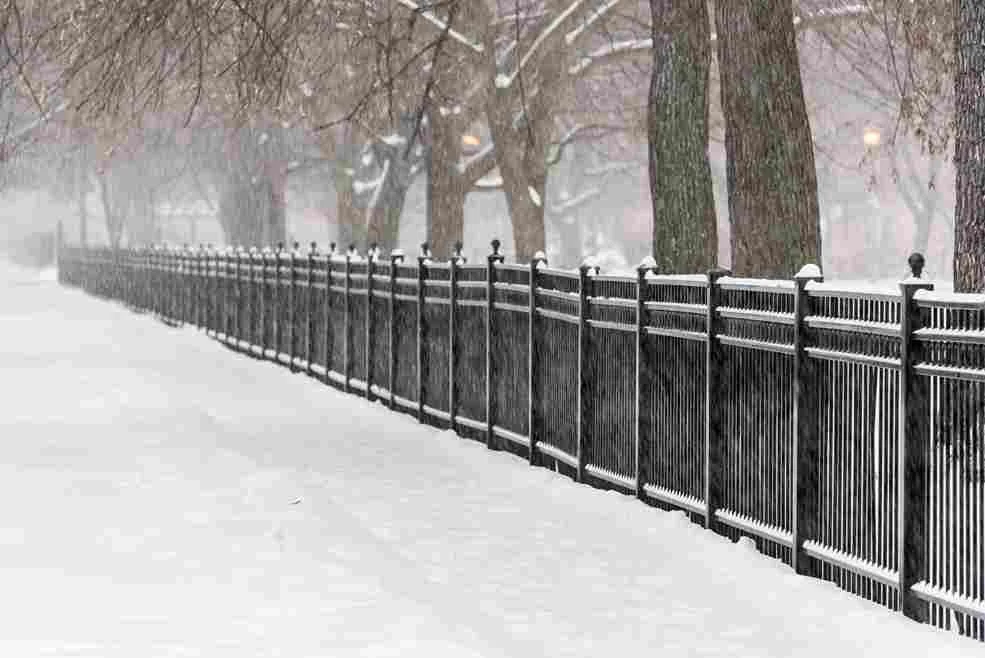
Choosing a fence in Winnipeg is a different decision than choosing one in a milder Canadian city. This climate is genuinely demanding. Temperatures drop to minus 30 or colder, frost penetrates deep into the ground, and the freeze-thaw cycle that arrives every spring puts real stress on every material and every post anchor in your yard. Homeowners in neighborhoods like Charleswood and St. Vital have learned through experience that the wrong fence material or a poorly executed installation does not last. This guide breaks down your options honestly so you can make a confident, informed decision before spending a dollar.
Key Takeaways
Vinyl and cedar are the top-performing fence materials for Winnipeg winters when professionally installed
Post depth is the single most critical factor in fence longevity in this climate, regardless of material
Freeze-thaw cycles cause heaving that destroys fences with shallow or improperly set posts
Chain link is the most durable low-maintenance option for utility applications in Winnipeg
Aluminum performs well decoratively but does not provide privacy in extreme cold conditions
Bulger Brothers Landscape installs fences across Winnipeg built to handle decades of prairie winters
Overview
This guide covers every common fencing material available to Winnipeg homeowners, how each one performs through prairie winters, what installation requirements apply in this climate, and which options deliver the best long-term value for different property types and budgets. Bulger Brothers Landscape brings years of local fencing experience to every project and understands exactly what separates a fence that lasts from one that fails after a few hard winters.
Why Winnipeg Winters Are So Hard on Fences
Before comparing materials, it helps to understand exactly what a Winnipeg winter does to a fence. Most fencing failures in this city come down to two things: frost heave and material fatigue from extreme temperature cycling.
Frost heave occurs when water in the soil freezes and expands, pushing upward with significant force. Posts that are not set deep enough below the frost line get pushed up and out of alignment every winter. Once a post starts heaving, the entire fence panel attached to it is compromised. Over several seasons, the cumulative effect of repeated heaving is a fence that leans, sags, and eventually requires full reinstallation.
Temperature cycling is the other major stress factor. Winnipeg regularly swings from minus 30 in January to plus 30 in July. That is a 60-degree temperature range that causes materials to expand and contract repeatedly throughout the year. Materials that handle this cycling poorly become brittle, crack, warp, or lose structural integrity faster than they would in a moderate climate.
The fence that performs best in Winnipeg is not necessarily the most attractive one in the showroom. It is the one engineered and installed to handle these specific conditions.
Post depth is non-negotiable in this climate. Winnipeg's frost line sits at approximately 1.2 metres below grade, and posts must be set at or below this depth to resist heaving. This applies to every material and every fence style without exception.
Vinyl Fencing: The Top Choice for Low Maintenance and Longevity
Vinyl is consistently one of the best-performing fence materials for Winnipeg winters when quality product is used and installation is done correctly. It does not rot, warp, or require painting, and its maintenance requirements over a 25 to 30-year lifespan are minimal compared to almost every other option.
The key qualifier with vinyl in Winnipeg is product quality. Lower-grade vinyl becomes brittle in extreme cold and can crack when struck or placed under stress during the deepest part of winter. Quality vinyl formulated for cold climates includes UV stabilizers and impact modifiers that maintain flexibility and strength through temperature extremes. The difference between budget vinyl and professional-grade vinyl product is significant and worth the investment in this climate.
Vinyl fence panels are also relatively forgiving of minor post movement because the panels themselves have some flex. This does not replace the need for properly set posts, but it does mean that small amounts of seasonal ground movement are less catastrophic for vinyl than for more rigid materials.
For homeowners who want a privacy fence that looks clean, requires minimal upkeep, and holds up through Winnipeg winters without annual maintenance, vinyl is the strongest overall recommendation.
The main trade-off with vinyl is upfront cost. It typically runs $45 to $85 per linear foot installed in Winnipeg, which is higher than wood at the outset. Over a 25-year lifespan with essentially no refinishing or repair costs, however, the total cost of ownership often favors vinyl significantly over wood.
Cedar Wood Fencing: The Classic Choice with the Right Maintenance Commitment
Cedar is the most popular wood choice for Winnipeg privacy fences, and for good reason. It contains natural oils that resist moisture absorption, rot, and insect damage better than most other wood species. When properly installed and maintained, a cedar fence performs well in Winnipeg's climate and delivers a warm, natural aesthetic that many homeowners strongly prefer over manufactured alternatives.
The honest reality of cedar in Winnipeg is that maintenance is not optional. Staining or sealing every three to five years is essential to protect the wood from moisture penetration during freeze-thaw cycles and UV degradation through Winnipeg's intense summer sun. A cedar fence that is neglected will grey, crack, and begin to deteriorate significantly faster than one that receives regular care.
Cedar also moves seasonally. Wood expands when wet and contracts when dry, and Winnipeg's dramatic humidity swings between winter and summer amplify this movement. Properly built cedar fences account for this with appropriate spacing between boards and hardware that allows some movement without compromising structural integrity.
For homeowners in Transcona or River Heights who want the natural look of wood and are committed to periodic maintenance, cedar is a genuinely excellent fence material that can deliver 15 to 20 years of strong performance with proper care. It typically runs $35 to $70 per linear foot installed, making it more accessible upfront than vinyl while still delivering solid longevity with the right attention.
Chain Link Fencing: Unmatched Durability for Utility Applications
Chain link is the most climate-resilient fencing material available for Winnipeg properties. It is essentially unaffected by temperature extremes, does not absorb moisture, and handles freeze-thaw cycling without any meaningful degradation. A galvanized or vinyl-coated chain link fence installed in Winnipeg today will likely outlast every other fencing material you could choose.
The trade-off is obvious. Chain link does not provide privacy, and many homeowners find its appearance too utilitarian for backyard or front yard applications where aesthetics matter. It is, however, the ideal choice for utility enclosures, dog runs, side yard access gates, commercial properties, and larger rural or semi-rural lots where function takes clear priority over appearance.
Chain link typically runs $20 to $45 per linear foot installed in Winnipeg, making it the most affordable fencing option by a significant margin. For applications where privacy is not the goal, it is hard to argue against the combination of durability, low maintenance, and cost effectiveness that chain link delivers in this climate.
Aluminum Fencing: The Decorative Option That Handles Cold Well
Aluminum fencing does not rust, handles Winnipeg's temperature range without cracking or warping, and maintains its appearance with virtually no maintenance beyond occasional cleaning. It is a strong performer in this climate from a pure material standpoint.
The limitation of aluminum for most Winnipeg homeowners is that it does not provide privacy. Aluminum is a decorative fencing style, typically used for front yards, pool enclosures, and property perimeter definition where the goal is a finished, elegant look rather than a solid visual barrier. In neighborhoods like Tuxedo where curb appeal is a priority and a full privacy fence is not the objective, aluminum is an excellent choice.
Aluminum typically runs $40 to $80 per linear foot installed. It is more expensive than chain link but requires no maintenance and delivers a significantly more refined appearance that holds up through decades of Winnipeg winters without any intervention.
Composite Fencing: A Premium Option Worth Considering
Composite fencing, made from a combination of wood fiber and recycled plastic, offers a middle ground between the natural look of wood and the low maintenance of vinyl. It does not rot, warp, or require staining, and it handles moisture and temperature cycling better than natural wood.
Composite is a newer category in the Winnipeg fencing market and tends to carry a premium price, typically $50 to $100 or more per linear foot installed. The quality of composite products varies considerably, and not all formulations are equally suited to Winnipeg's extreme temperature range. Working with a knowledgeable installer who can specify a product appropriate for this climate is particularly important with composite fencing.
For homeowners who want the aesthetic warmth of a wood-look fence without the maintenance commitment, composite is worth exploring as a long-term investment.
What About Pressure-Treated Pine?
Pressure-treated pine is commonly available and often marketed as a durable outdoor fencing material. In Winnipeg's climate, it is a less compelling choice than cedar for privacy fencing. While the chemical treatment provides some rot and insect resistance, pine moves significantly more than cedar through seasonal humidity cycles and tends to warp and twist more noticeably in Winnipeg's climate extremes.
Pressure-treated pine is more commonly used for fence post material, where its ground contact rating provides good resistance to decay at the most vulnerable point of any fence installation. As a board material for fence panels, cedar is the superior choice for Winnipeg properties.
Professional Installation: Why It Determines Everything
Knowing what type of fence is best for Winnipeg winters is only part of the answer. The other part is understanding that even the best material fails if the installation is done incorrectly in this climate.
Post depth is where most fence failures begin. Posts set at only 0.6 to 0.9 metres will heave in Winnipeg. The frost line here demands posts set at a minimum of 1.2 metres, and concrete backfill around each post is standard practice for a fence built to last. Without the right equipment, achieving consistent post depth across an entire fence line is genuinely difficult.
Concrete curing in cold weather is another installation consideration. Posts set in late fall need appropriate time and conditions to cure before freeze-up, or the concrete itself can be compromised. An experienced Winnipeg fencing contractor understands these timing requirements and plans installations accordingly.
Professional fence installation also accounts for permit requirements, property line setbacks, and utility locates before a single post is set. These are steps that protect you legally and practically and that experienced contractors handle as a standard part of every project.
A professionally installed fence also integrates well with your broader outdoor space. Combined with patio and walkway installation or garden design services, a quality fence becomes part of a cohesive outdoor environment rather than a standalone structure that looks disconnected from the rest of your yard.
The cost of repairing or fully replacing a fence that was improperly installed almost always exceeds what professional installation would have cost originally. In Winnipeg's climate, cutting corners on post depth or concrete backfill is not a savings. It is a deferred expense that arrives after the first hard winter.
When you are ready to install a fence built to handle everything Winnipeg's winters can deliver, Bulger Brothers Landscape is ready to help. Their team is available at 7 Leeward Pl, Winnipeg, MB R3X 1M6 or by phone at (204) 782-0313 to assess your property, discuss your options, and provide a clear written quote for your fence project.
Frequently Asked Questions about What Type of Fence Is Best for Winnipeg Winters
Q: What type of fence is best for Winnipeg winters overall?
A: Vinyl and cedar are the strongest choices for residential privacy fencing in Winnipeg. Vinyl requires the least maintenance and performs consistently through temperature extremes when quality product is used. Cedar delivers a natural aesthetic with excellent durability when properly maintained with staining or sealing every three to five years. Post depth is critical for both materials.
Q: How deep do fence posts need to be in Winnipeg?
A: Posts must be set at a minimum of 1.2 metres below grade to get below Winnipeg's frost line and prevent heaving. Some installations require deeper setting depending on post height, fence style, and soil conditions. This is the single most important installation factor for fence longevity in this climate and is where most DIY and budget installations fall short.
Q: Does vinyl fence crack in Winnipeg winters?
A: Lower-grade vinyl can become brittle and crack in extreme cold. Quality vinyl products formulated for cold climates include impact modifiers that maintain flexibility and strength through Winnipeg's temperature extremes. Choosing professional-grade vinyl product and having it installed correctly eliminates this concern for the vast majority of Winnipeg homeowners.
Q: How long does a cedar fence last in Winnipeg?
A: A properly installed and regularly maintained cedar fence typically lasts 15 to 20 years in Winnipeg. Staining or sealing every three to five years is essential to protect the wood from moisture penetration and UV degradation. Neglected cedar fences deteriorate significantly faster in Winnipeg's climate than in milder regions.
Q: Is chain link a good fence choice for Winnipeg?
A: Chain link is the most durable and climate-resilient fencing material available in Winnipeg. It handles extreme temperatures and freeze-thaw cycling without any meaningful deterioration. It is the strongest choice for utility applications, dog runs, and larger properties where privacy is not the primary goal. For residential privacy fencing, vinyl or cedar are more appropriate choices.
Q: Do I need a permit to install a fence in Winnipeg?
A: Permits are required for many fence installations in Winnipeg, particularly for fences above a certain height or those on corner lots where sight line regulations apply. A reputable fencing contractor will advise you on permit requirements specific to your property before work begins and handle the application process as part of the project.
Q: What is the most affordable fence material for Winnipeg winters?
A: Chain link is the most affordable option, typically $20 to $45 per linear foot installed. For privacy fencing, pressure-treated wood and basic cedar are the most budget-friendly choices at $35 to $70 per linear foot installed. Vinyl costs more upfront but often delivers better long-term value due to lower lifetime maintenance expenses.
Q: Can I install a fence myself in Winnipeg?
A: Simple installations on flat, accessible properties are manageable for experienced homeowners, but achieving correct post depth consistently across an entire fence line without professional equipment is genuinely difficult. Posts set too shallow will heave after the first winter, often requiring full reinstallation. The cost of repairing a failed DIY fence frequently exceeds professional installation costs from the start.
Conclusion
Knowing what type of fence is best for Winnipeg winters comes down to understanding how this climate works and choosing materials and installation standards that are built for it. Vinyl delivers the best combination of longevity and low maintenance. Cedar offers natural warmth with a firm maintenance commitment. Chain link leads on durability for utility applications. Aluminum performs beautifully for decorative front yard applications. In every case, the quality of installation, particularly post depth and concrete backfill, determines whether your fence survives Winnipeg winters or becomes an expensive repair project after the first hard freeze. Bulger Brothers Landscape installs fences the right way, built for this climate from the ground up. Reach out today and invest in a fence that lasts.