

Understanding Artificial Grass and Turf: Clearing Up the Confusion
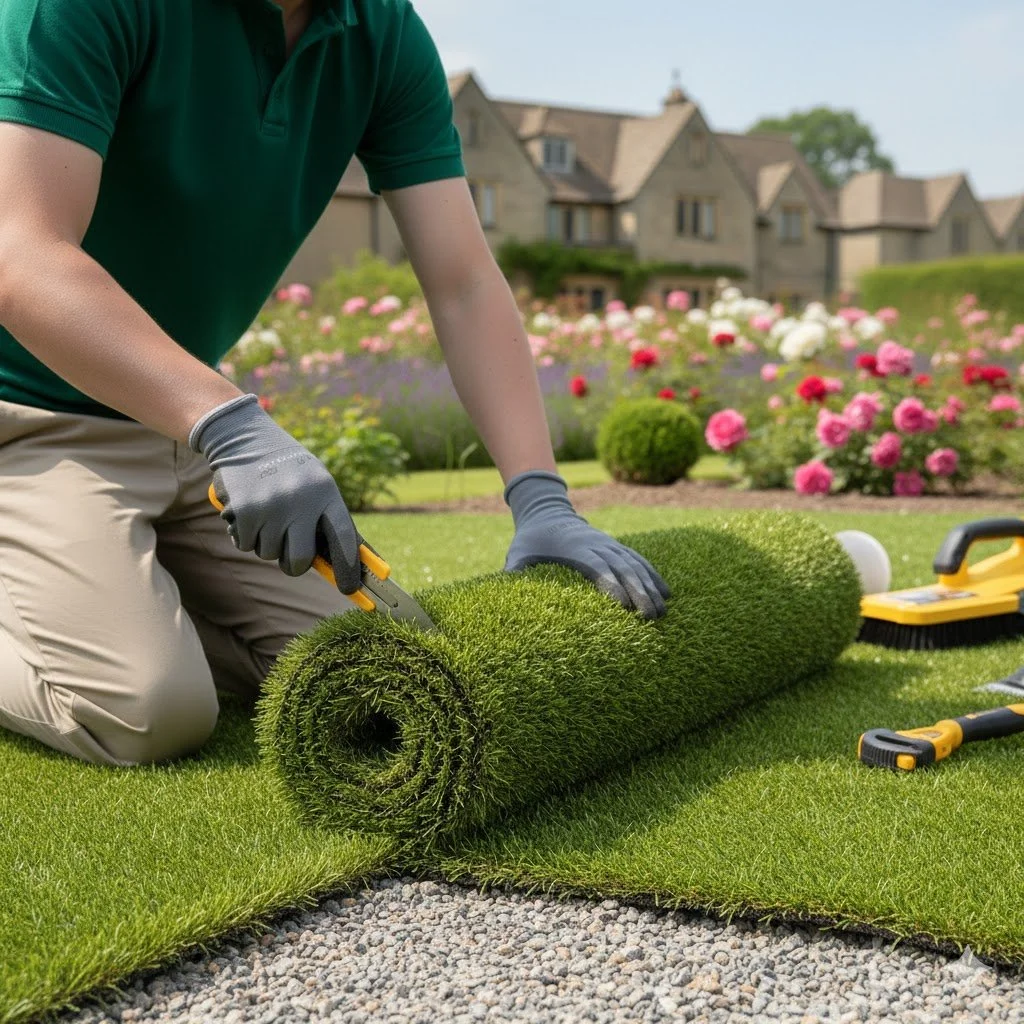
Many homeowners researching synthetic lawn options ask what is the difference between artificial grass and turf, expecting to discover distinct product categories. The reality surprises most people: these terms typically refer to the same product, though "turf" carries multiple meanings that create confusion. Understanding these distinctions helps you make informed decisions about synthetic lawn installations while navigating product descriptions and professional recommendations with confidence.
The terminology confusion stems from different industries using "turf" in various contexts. Sports facilities refer to athletic fields as turf, landscapers sometimes use turf to mean natural sod, and manufacturers market synthetic products as both artificial grass and artificial turf. Bulger Brothers Landscape clarifies these distinctions while helping Winnipeg homeowners select appropriate synthetic lawn solutions for their specific needs and applications.
Key Takeaways
Artificial grass and artificial turf are essentially the same product - synthetic lawn surfaces made from plastic fibers
"Turf" can refer to natural grass/sod, synthetic grass, or athletic field surfaces depending on context
Quality differences exist within synthetic products based on materials, construction, and intended applications
Professional installation significantly affects performance, appearance, and longevity regardless of terminology used
Understanding product specifications matters more than product names when selecting synthetic lawns
Expert guidance helps you choose appropriate synthetic grass types for residential, commercial, or recreational uses
Overview
This comprehensive guide explores what is the difference between artificial grass and turf, explaining terminology that confuses homeowners exploring synthetic lawn options. You'll discover how different industries use these terms, learn what distinguishes various synthetic grass products, and understand factors affecting quality and performance. We examine construction methods, material differences, and application-specific considerations while explaining how Bulger Brothers Landscape approaches synthetic lawn installations.
Whether you're considering synthetic grass for low-maintenance landscaping, pet areas, or specific functional needs, understanding product categories and quality indicators helps you make smart investments. This guide addresses common misconceptions, explains installation requirements, and provides insights that help you evaluate options effectively. You'll learn why professional expertise matters when selecting and installing synthetic lawns, regardless of whether suppliers call products grass or turf.
Terminology Explained: Natural vs. Synthetic
Understanding how landscaping professionals use "grass" and "turf" terminology prevents confusion when researching options or discussing projects.
Natural Turf and Sod
In landscaping contexts, "turf" traditionally refers to natural grass - the living plant surface covering soil. "Sod" means pre-grown grass with roots and soil that professionals install in sheets. Some landscapers use "turf" and "sod" interchangeably when discussing natural grass installation.
Natural turf requires regular mowing, watering, fertilizing, and seasonal care. It grows, changes with seasons, and responds to weather conditions. This living surface provides environmental benefits but demands ongoing maintenance that synthetic alternatives eliminate.
Synthetic Grass Products
"Artificial grass," "artificial turf," "synthetic grass," and "synthetic turf" all describe manufactured lawn surfaces made from plastic fibers designed to resemble natural grass. These terms are interchangeable in most contexts, though manufacturers sometimes differentiate products by application rather than terminology.
The confusion asking what is the difference between artificial grass and turf often results from seeing both terms on product websites without realizing they describe the same category. According to the Synthetic Turf Council, industry standards apply uniformly regardless of whether manufacturers market products as grass or turf.
Athletic Field Terminology
Sports facilities commonly call their surfaces "turf" whether natural or synthetic. "Turf fields" might mean natural grass or artificial surfaces depending on context. This sports industry usage contributes to terminology confusion for homeowners researching residential applications.
What Actually Differs: Product Types and Quality Levels
While artificial grass and turf names are interchangeable, significant differences exist among synthetic lawn products based on construction, materials, and intended uses.
Residential vs. Commercial Grade Products
Manufacturers produce synthetic grass for different applications with varying durability requirements. Residential products balance aesthetics, comfort, and cost for home landscaping. Commercial-grade materials withstand heavier traffic and more intensive use in business settings. Athletic turf handles extreme wear from sports activities.
Bulger Brothers Landscape helps homeowners select appropriate product grades based on intended use. Using athletic-grade turf for backyard applications wastes money, while installing residential products in high-traffic areas leads to premature wear.
Fiber Materials and Construction
Synthetic grass fibers use various plastic materials affecting appearance, durability, and performance characteristics.
Polyethylene Fibers
Most residential artificial grass uses polyethylene for soft, natural-looking blades. This material feels comfortable underfoot, resists UV degradation well, and provides realistic appearances. Polyethylene works well for lawns, play areas, and pet spaces where comfort matters.
Polypropylene Fibers
Less expensive synthetic turf uses polypropylene, which feels stiffer and appears less natural. This material suits budget applications or areas where appearance matters less than functionality. Polypropylene resists staining well but lacks the soft feel of polyethylene.
Nylon Fibers
Athletic fields and high-traffic commercial installations often use nylon for maximum durability. This strongest synthetic fiber withstands intensive use but costs more and feels less natural than polyethylene. Few residential applications justify nylon's expense and firmness.
Blade Shape and Configuration
Premium synthetic grass incorporates multiple blade shapes mimicking natural grass diversity. Manufacturers combine straight fibers with curled or crimped varieties, creating depth and realistic texture. Budget products use uniform blade shapes that look obviously artificial.
Blade height varies by product type. Shorter pile heights (1-1.5 inches) suit putting greens and formal appearances. Medium heights (1.5-2 inches) work well for general landscaping. Longer blades (2-2.5 inches) create lush, natural looks but may flatten more easily.
Backing Systems
Synthetic grass attaches to backing materials affecting drainage, durability, and installation requirements. Quality products use perforated backings allowing water drainage while providing dimensional stability. Premium options incorporate dual-layer backings with drainage layers and stability layers.
According to Landscape Ontario, backing quality significantly affects synthetic lawn longevity and performance. Inferior backings deteriorate prematurely, causing separation and failure.
Infill Materials
Most artificial grass installations use infill materials between blades, providing weight, supporting fibers upright, and affecting feel and performance. Common infill types include:
Silica sand: Provides weight and blade support economically
Rubber crumb: Adds cushioning for athletic applications
Coated sand: Reduces heat absorption and provides antimicrobial properties
Organic infill: Uses materials like cork or coconut fibers for eco-friendly options
Infill selection affects maintenance requirements, heat retention, and how synthetic grass feels and performs.
Application-Specific Considerations
Understanding what is the difference between artificial grass and turf requires recognizing that products optimize for specific uses even when terminology remains the same.
Residential Landscaping Applications
Homeowners install synthetic grass to eliminate mowing, reduce water consumption, and maintain green appearances year-round. Residential products prioritize aesthetics, softness, and realistic appearance over extreme durability. These installations work well for front yards, side yards, and decorative areas with moderate traffic.
Quality residential synthetic grass looks natural from normal viewing distances, feels comfortable for barefoot walking, and withstands typical family activities. Premium products incorporate UV stabilizers preventing color fading in Manitoba's intense summer sun.
Pet Areas and Dog Runs
Synthetic turf designed for pet applications incorporates antimicrobial treatments, enhanced drainage systems, and materials resisting odor retention. These specialized products handle pet waste better than standard residential grass while simplifying cleanup.
Pet-specific synthetic grass typically uses shorter pile heights preventing matting and facilitating maintenance. Backing systems incorporate excellent drainage preventing urine pooling. Some products include odor-controlling infills specifically formulated for pet areas.
Play Areas and Safety Surfacing
Children's play spaces benefit from synthetic grass providing cushioning that helps prevent injuries from falls. These applications often use thicker padding underneath synthetic surfaces, creating safer environments than natural grass or hard surfaces.
Play area products typically avoid rubber infills due to health concerns, instead using safer alternatives. Impact-absorbing underlayment adds cushioning beyond what standard installations provide.
Athletic and Recreational Uses
Sports applications demand maximum durability, traction, and performance consistency. Athletic turf incorporates specific fiber orientations, infill formulations, and construction methods supporting intensive use. These products cost significantly more than residential options but justify expense through superior durability and performance.
Putting greens require specialized low-pile products with specific ball roll characteristics. These installations demand precise grading and professional installation ensuring proper performance.
Installation Methods and Requirements
Professional installation significantly affects synthetic grass performance regardless of whether you call it grass or turf. Understanding installation processes helps you appreciate why expert services deliver superior results.
Site Preparation
Proper installation begins with complete removal of existing grass and organic material. Installers excavate to appropriate depths, typically 3-4 inches, creating stable bases. This preparation prevents settling, ensures drainage, and provides foundations for long-term performance.
Base materials use crushed stone or specialized aggregates compacted to precise specifications. Professional installers create proper grades directing water away from structures while ensuring level surfaces. According to Canada Mortgage and Housing Corporation, proper drainage represents critical factors in landscape installations, including synthetic surfaces.
Edge Restraints and Securing
Quality installations incorporate edge restraints preventing synthetic grass from shifting or separating. Professionals use specialized spikes, adhesives, or mechanical fasteners securing material properly. These details separate professional work from amateur attempts that result in visible seams, bunching, or separation.
Seaming Techniques
Larger areas require joining multiple pieces of synthetic grass. Professional seaming creates invisible joints using specialized adhesives and seaming techniques. Poor seaming shows obvious lines, separates over time, and looks unprofessional.
Infill Application and Grooming
Installers apply appropriate infill materials evenly, brushing fibers upright and distributing materials uniformly. Proper infill application affects appearance, performance, and longevity. Professional grooming ensures synthetic grass looks natural and performs optimally from installation day forward.
Maintenance Requirements for Synthetic Lawns
While artificial grass eliminates mowing and watering, it requires some maintenance preserving appearance and performance.
Regular Cleaning and Debris Removal
Leaves, twigs, and debris should be removed regularly using leaf blowers, rakes, or vacuums. Most homeowners find maintenance takes minutes compared to hours required for natural lawn care.
Periodic Rinsing and Sanitizing
Rinsing synthetic grass occasionally removes dust and pollen while sanitizing pet areas. Simple garden hose rinsing suffices for most applications, though pet areas benefit from enzymatic cleaners controlling odors.
Brushing and Grooming
High-traffic areas may develop flattened fibers requiring periodic brushing. Stiff brooms or specialized grooming tools restore upright fiber orientation, maintaining natural appearances.
Infill Replenishment
Over time, infill materials may compact or migrate, requiring occasional replenishment. Professional maintenance services assess infill levels and add material when needed.
Inspection and Repairs
Quality installations last 15-20 years with proper care, though occasional repairs may be needed. Professional installers offer warranty coverage and repair services addressing any developing issues.
Cost Considerations and Value Analysis
Understanding what is the difference between artificial grass and turf includes recognizing that price variations reflect quality differences rather than terminology distinctions.
Material Cost Factors
Synthetic grass prices range from $5-20 per square foot depending on quality, fiber type, pile height, and backing systems. Budget products using polypropylene fibers and simple backings cost less but look less natural and wear more quickly. Premium polyethylene products with realistic appearance and superior durability justify higher costs through better performance and longevity.
Installation Investment
Professional installation typically adds $8-12 per square foot including site preparation, base materials, labor, and finishing work. This investment ensures proper drainage, secure installation, and professional results that DIY attempts rarely achieve.
Bulger Brothers Landscape provides comprehensive installation services delivering synthetic lawns that perform reliably while looking natural. Our expertise ensures proper base preparation, expert seaming, and attention to details that affect long-term satisfaction.
Long-Term Value and Savings
While synthetic grass costs more initially than sod installation, eliminating ongoing maintenance expenses creates long-term savings. No mowing, watering, fertilizing, or reseeding requirements reduce both costs and time investments over synthetic lawn lifespans.
Water savings alone can be substantial. Manitoba homeowners using automated irrigation systems save hundreds of dollars annually by eliminating lawn watering. Mowing service elimination or time savings add further value.
Property Value Impacts
Quality synthetic grass installations appeal to buyers seeking low-maintenance properties, though market reception varies by location and buyer preferences. Well-installed synthetic lawns generally maintain or enhance property values, particularly in areas where water conservation matters or climate makes natural grass challenging.
Environmental Considerations
Synthetic grass presents complex environmental trade-offs that informed homeowners should understand.
Water Conservation Benefits
Eliminating irrigation saves substantial water, particularly important in areas facing supply limitations or drought conditions. This conservation benefit represents synthetic grass's most significant environmental advantage.
Chemical Reduction
Synthetic lawns eliminate fertilizer and pesticide applications, preventing these chemicals from entering groundwater or waterways. This benefit supports healthier ecosystems and reduces environmental contamination.
Material and Manufacturing Concerns
Synthetic grass production uses petroleum-based plastics and energy-intensive manufacturing processes. End-of-life disposal presents challenges since most synthetic turf eventually reaches landfills. Some manufacturers now offer recycling programs, though availability varies by location.
Heat Island Effects
Synthetic surfaces absorb and retain more heat than living grass, potentially increasing local temperatures. Dark-colored products amplify this effect. Some manufacturers now produce materials with heat-reducing technologies addressing this concern.
Wildlife and Ecosystem Impacts
Replacing living grass with synthetic surfaces eliminates habitats for beneficial insects and soil organisms. This biological impact represents a genuine trade-off against maintenance and water savings benefits.
According to Environment and Climate Change Canada, landscape decisions should balance multiple environmental factors. Synthetic grass may represent the best choice for some situations while natural or alternative landscapes suit others better.
Making Informed Decisions About Synthetic Lawns
Selecting appropriate synthetic grass requires evaluating your specific situation, priorities, and constraints.
Assessing Your Needs
Consider why you're exploring synthetic options. Water conservation, maintenance reduction, pet areas, or specific aesthetic goals influence which products and installation approaches work best. Honest evaluation of priorities guides smart decisions.
Viewing Installed Examples
Seeing synthetic grass in real settings helps you understand how products look and feel. Request references from installers and visit completed projects before committing. This research prevents disappointment from products not meeting expectations.
Understanding Product Specifications
Learning to read specification sheets helps you compare products objectively. Pile height, fiber type, backing construction, and warranty terms provide meaningful comparison points beyond marketing claims.
Evaluating Installation Expertise
Installation quality matters as much as product selection. Working with experienced professionals like Bulger Brothers Landscape ensures proper site preparation, expert installation, and long-term performance. We understand Winnipeg's climate challenges and soil conditions, incorporating this knowledge into every synthetic grass project.
Professional Guidance for Optimal Results
Understanding what is the difference between artificial grass and turf ultimately matters less than selecting appropriate products and ensuring quality installation. Bulger Brothers Landscape brings extensive experience helping Winnipeg homeowners evaluate synthetic lawn options, choose products matching their needs and budgets, and install systems that perform reliably for years.
Our team stays current with synthetic grass technology, quality standards, and installation best practices, providing guidance that helps you make informed decisions. We assess your property's specific conditions, discuss your goals and priorities, and recommend solutions that deliver lasting satisfaction. From initial consultations through final installation and beyond, we provide comprehensive services ensuring your synthetic lawn investment meets expectations.
Located at 7 Leeward Pl, Winnipeg, MB R3X 1M6, Bulger Brothers Landscape is ready to discuss your synthetic grass project and answer questions about products, installation, and maintenance. Call (204) 782-0313 to schedule a consultation and discover how professional expertise creates synthetic lawns that look natural, perform reliably, and provide years of low-maintenance beauty. We'll evaluate your property, explain options clearly, and develop solutions that enhance your outdoor spaces while fitting your budget and lifestyle.
Conclusion
Understanding what is the difference between artificial grass and turf reveals that terminology matters far less than product quality, appropriate selection, and professional installation. These interchangeable terms describe the same product category, with meaningful differences existing among quality levels, application types, and construction specifications rather than naming conventions. Smart homeowners focus on evaluating products based on fiber materials, backing systems, warranties, and intended uses rather than getting distracted by marketing terminology.
Bulger Brothers Landscape helps Winnipeg homeowners navigate synthetic lawn options with expert guidance based on extensive installation experience and knowledge of local conditions. We cut through marketing confusion, explaining product differences clearly and recommending solutions matching your specific needs and budget. Our professional installation services ensure synthetic lawns perform reliably while looking natural, protecting your investment through quality workmanship and attention to detail.
The decision to install synthetic grass involves balancing multiple factors including maintenance reduction, water conservation, upfront costs, environmental impacts, and aesthetic preferences. Neither "artificial grass" nor "artificial turf" terminology tells you whether specific products suit your applications or represent quality investments. Product specifications, manufacturer reputations, warranty coverage, and installer expertise provide far more meaningful evaluation criteria than product names.
Take the next step toward low-maintenance landscapes by consulting professionals who understand synthetic grass technology and installation requirements. The expertise and transparency that experienced installers provide help you make confident decisions, select appropriate products, and achieve results that deliver lasting satisfaction. Your outdoor spaces deserve thoughtful planning and quality execution that creates beautiful, functional environments requiring minimal ongoing care.
FAQs
Q: Are artificial grass and artificial turf the exact same thing?
A: Yes, these terms describe identical products - synthetic lawn surfaces made from plastic fibers. Manufacturers and installers use both names interchangeably, though some companies prefer one term over the other for marketing reasons. Product quality depends on specifications like fiber type, backing construction, and pile height rather than whether suppliers call it grass or turf.
Q: Why do some people call it turf and others call it grass?
A: The terminology variation stems from different industry backgrounds and regional preferences. Sports facilities traditionally called fields "turf," so synthetic athletic surfaces became "artificial turf." Landscapers more commonly used "grass," leading to "artificial grass" for residential products. Both terms remain valid and equivalent in describing synthetic lawn products.
Q: Does turf cost more than artificial grass?
A: No, prices reflect product quality and specifications rather than naming conventions. Premium synthetic grass costs more than budget options regardless of whether sellers call it grass or turf. Material quality, fiber type, backing systems, and intended applications determine pricing. Compare products based on specifications rather than names.
Q: Which lasts longer - artificial grass or turf?
A: Longevity depends on product quality and installation excellence rather than terminology. Quality synthetic lawns typically last 15-20 years with proper installation and maintenance. Premium materials with UV stabilizers, quality backing systems, and professional installation deliver superior durability regardless of whether called grass or turf.
Q: Can I install artificial grass myself or do I need professionals?
A: While DIY installation is possible, professional work delivers significantly better results. Proper site preparation, base construction, drainage solutions, and expert seaming require specialized knowledge and equipment. Bulger Brothers Landscape provides professional installation ensuring synthetic lawns perform reliably while looking natural. Amateur installations often develop problems like poor drainage, visible seams, or premature failure.
Q: What type of artificial grass works best in Winnipeg's climate?
A: Quality polyethylene products with strong UV stabilization perform well in Manitoba's conditions. Look for synthetic grass rated for temperature extremes, with backing systems allowing proper drainage during snow melt. Products designed for northern climates withstand freeze-thaw cycles better than materials developed for warmer regions. Professional installers recommend specific products based on local climate knowledge.
Q: Does artificial grass get hot in summer?
A: Synthetic surfaces absorb heat and can become quite warm during hot sunny days, sometimes reaching temperatures 40-60°F higher than surrounding air. Light-colored products, heat-reducing technologies, and adequate irrigation can moderate temperatures. Some homeowners install shade structures or use cooling rinses during peak heat. Natural grass stays cooler through evapotranspiration, representing one trade-off of synthetic alternatives.
Q: How do I maintain artificial grass?
A: Regular debris removal using leaf blowers or rakes keeps synthetic lawns looking good. Occasional rinsing removes dust and pollen. Pet areas benefit from enzymatic cleaners controlling odors. Periodic brushing restores fiber orientation in high-traffic areas. Infill replenishment may be needed over time. Overall maintenance requires far less time than natural lawn care.
Q: Is artificial turf safe for children and pets?
A: Quality residential synthetic grass is generally safe for families and pets when properly installed and maintained. Choose products specifically designed for these applications, avoiding those with potentially harmful infills. Pet-specific options incorporate antimicrobial treatments and enhanced drainage. Play area installations often include extra padding for safety. Research product certifications and select materials meeting safety standards.
Q: Can artificial grass be recycled at end of life?
A: Recycling options exist but availability varies significantly by location. Some manufacturers offer take-back programs, while specialized recyclers process synthetic turf into various products. However, most synthetic grass currently ends up in landfills. This disposal challenge represents a legitimate environmental concern that homeowners should consider when evaluating synthetic versus natural lawn options.