

What Is Landscape Services? Your Complete Guide to Understanding Professional Landscaping
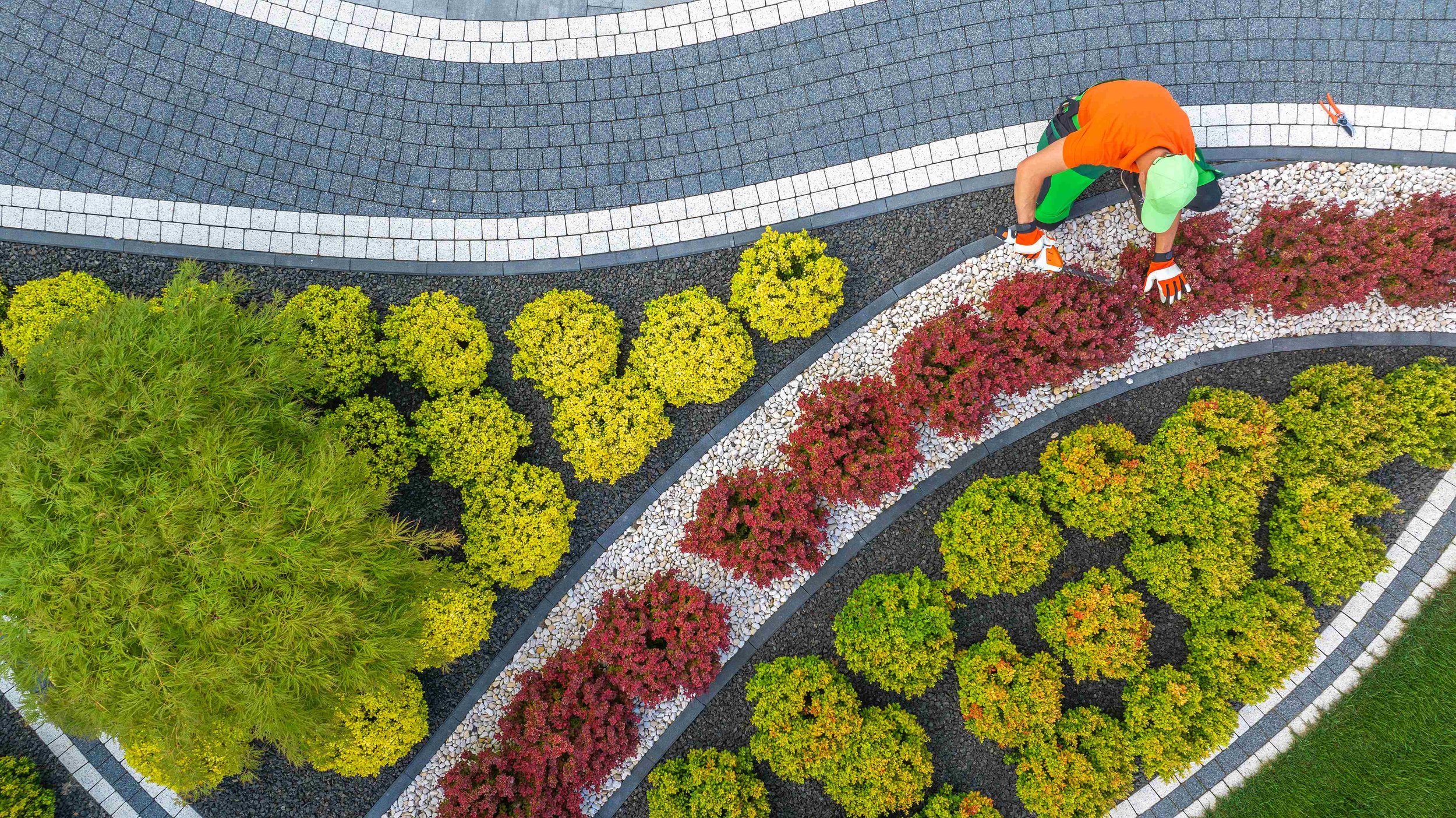
Landscape services encompass the professional work that transforms outdoor spaces from basic yards into functional, beautiful environments. These services range from initial design concepts to ongoing maintenance that keeps properties looking their best year-round. Understanding what landscape services include helps property owners make informed decisions about which services they need and when to invest in professional expertise.
The landscape industry offers specialized knowledge spanning horticulture, construction, design, and environmental science. Professionals in this field bring skills that go far beyond mowing lawns or planting flowers. They create sustainable outdoor environments, solve drainage problems, build structures that withstand decades of use, and design spaces that enhance property values while meeting practical needs.
Key Takeaways
Landscape services include design, installation, construction, and maintenance work for outdoor spaces
Services range from basic lawn care to comprehensive property transformations involving hardscaping and plantings
Professional landscaping combines aesthetic vision with technical expertise in horticulture, construction, and environmental management
Residential and commercial properties benefit from different service approaches tailored to specific needs
Costs vary dramatically based on service type, from routine maintenance to major installations
Winnipeg's climate requires specialized knowledge for services that perform well in harsh conditions
Overview
This comprehensive guide examines landscape services from multiple perspectives, helping you understand the full scope of what professionals offer and how these services benefit property owners. We'll explore different service categories, their purposes, and when each type makes sense for your property.
You'll discover how landscape design differs from installation, learn what maintenance services entail, and understand specialized offerings like irrigation systems or seasonal cleanup. We address common questions about costs, scheduling, and how to select appropriate services for your needs. Throughout this guide, we emphasize how Bulger Brothers Landscape delivers comprehensive landscape services with the expertise and attention to detail that Winnipeg property owners depend on for beautiful, functional outdoor spaces.
Core Categories of Landscape Services
Landscape services fall into several broad categories, each addressing different aspects of outdoor property management and improvement. Understanding these divisions helps you identify which services your property needs and when to seek professional assistance.
Design services create the vision and plans for landscape improvements. Professional landscape designers assess properties, discuss client goals, and develop detailed plans specifying plant locations, hardscape features, grading solutions, and material selections. Design services range from simple consultations offering guidance on plant choices to comprehensive master plans covering entire properties with phased implementation strategies. These services typically cost $2,000-$15,000 depending on project scope and detail level.
Installation and construction services bring designs to life through physical work. This category includes planting trees, shrubs, and perennials, installing sod or seeding lawns, building patios, walkways, and retaining walls, creating water features or outdoor kitchens, and establishing irrigation systems. Installation work requires both construction skills and horticultural knowledge. Projects range from single-element additions like new planting beds to complete property transformations.
Maintenance services keep landscapes healthy and attractive after establishment. Regular maintenance includes mowing, trimming, fertilization, weed control, pruning, mulching, and seasonal cleanup. These ongoing services preserve the investment made in landscape installation and prevent deterioration that requires expensive corrections. Maintenance contracts often cover specific service frequencies—weekly mowing during growing season, quarterly cleanup, annual pruning cycles.
Hardscape services focus specifically on non-living landscape elements. This specialized category covers paver patios and walkways, retaining walls and raised beds, outdoor kitchens and fire pits, pergolas and arbors, and decorative stone features. Hardscaping requires construction expertise, understanding of materials, and knowledge of local climate effects on different products. Understanding who installs patio pavers reveals the specialized skills quality hardscape work demands.
Specialty services address specific needs or situations. These include seasonal services like snow removal and ice management, irrigation system installation and maintenance, landscape lighting design and installation, drainage solutions and erosion control, and tree care including pruning, removal, and disease management. Property owners often combine specialty services with broader landscape work.
The landscape design process demonstrates how design services integrate with installation and maintenance to create comprehensive outdoor improvements.
Landscape Design Services Explained
Design services form the foundation for successful landscape projects, whether you're planning minor updates or complete property transformations. Professional designers bring expertise that prevents costly mistakes and creates outdoor spaces functioning beautifully for decades.
Initial consultations allow designers to understand your vision, assess property conditions, and identify opportunities and challenges. During site visits, designers evaluate sun and shade patterns, existing vegetation, soil conditions, drainage issues, views worth preserving or blocking, and how you currently use outdoor spaces. These assessments inform design decisions working with your property's inherent characteristics rather than fighting them.
Concept development translates ideas into preliminary plans. Designers create sketches or digital renderings showing proposed layouts, major features, and spatial arrangements. This phase explores different approaches, helping you visualize possibilities before committing to detailed plans. Most designers include one or two revision rounds refining concepts based on feedback.
Master planning provides comprehensive property visions often implemented in phases over multiple years. Master plans show ultimate goals while breaking work into logical stages prioritized by importance, budget, or other factors. This approach allows property owners to spread costs while ensuring individual phases contribute to cohesive overall designs.
Detailed construction documents specify exactly what contractors need to build designs accurately. These plans include scaled drawings showing precise plant and feature locations, construction details for hardscape elements, grading and drainage specifications, material lists and specifications, and planting plans with botanical names, quantities, and sizes. Detailed plans prevent contractor confusion and enable accurate installation bids.
Plant selection expertise represents a crucial design service component. Designers choose species appropriate for Winnipeg's Zone 3b climate, suitable for specific site conditions (sun/shade, moisture, soil), matching maintenance expectations, providing year-round interest, and resistant to common diseases and pests. This knowledge prevents the disappointment and expense of installing plants that struggle or fail.
Problem-solving capabilities help designers address challenges like poor drainage, difficult slopes, privacy needs, or unattractive views. Creative solutions turn problematic areas into landscape assets. Understanding garden design basics helps property owners appreciate the principles designers apply creating attractive, functional spaces.
Landscape Installation and Construction Services
Installation services transform bare ground or existing landscapes into the outdoor environments you've envisioned. These services require both physical construction skills and horticultural knowledge creating landscapes that establish successfully and perform well long-term.
Softscape installation involves all living landscape elements. Professionals plant trees positioned for proper mature size, planted at correct depths with amended soil as needed. Shrubs are installed with appropriate spacing accounting for mature spread and placed according to design plans. Perennial gardens feature plants arranged by height, bloom time, and color. Professional installation includes soil preparation, proper planting techniques, initial fertilization, and mulching. Plants installed correctly establish faster and healthier than those planted improperly.
Lawn installation creates the green carpet most properties feature. Services include sod installation delivering instant lawns or seeding for budget-conscious approaches. Professionals prepare sites with proper grading for drainage, install appropriate base materials, select grass varieties suited to local climate, and provide establishment care instructions. Quality lawn installation creates foundations for beautiful turf requiring less intensive maintenance.
Hardscape construction builds the structural elements defining outdoor spaces. Patio paver installation creates outdoor rooms for entertaining and relaxation. Walkways connect spaces while directing foot traffic. Retaining walls manage slopes and create level areas. Each hardscape element requires proper base preparation, drainage consideration, and construction techniques ensuring stability and longevity, particularly critical in Winnipeg's freeze-thaw climate.
Water feature installation adds movement, sound, and focal points to landscapes. Professionals install ponds with filtration systems, waterfalls and streams, fountains, and decorative water elements. These features require understanding of circulation, filtration, and winterization in cold climates.
Outdoor living space construction creates functional areas extending indoor comfort outside. Services include outdoor kitchens with grills, counters, and storage, fire pits and fireplaces for gathering spaces, pergolas and shade structures, and built-in seating areas. These complex projects often require coordination between landscapers, electricians, and gas fitters.
Irrigation system installation provides automatic watering supporting plant health while conserving water. Systems include underground sprinkler systems with multiple zones, drip irrigation for targeted watering, smart controllers responding to weather, and winterization capabilities essential for Winnipeg. Professional installation ensures proper coverage, prevents water waste, and uses components surviving harsh winters.
The value of professional landscape installation extends beyond simply placing plants or building patios—expertise prevents problems and creates landscapes performing beautifully for decades.
Landscape Maintenance Services
Ongoing maintenance preserves the investment made in landscape design and installation. Regular professional care keeps properties attractive, prevents small problems from becoming expensive repairs, and maintains plant health supporting long-term landscape performance.
Lawn maintenance represents the most common recurring landscape service. Weekly or bi-weekly mowing during growing season keeps grass healthy and attractive. Services typically include mowing with sharp blades at proper heights, trimming around obstacles, edging along walkways and beds, and blowing clippings from hard surfaces. Professional lawn care delivers consistent results and proper techniques preventing damage from incorrect mowing.
Fertilization programs provide nutrients supporting healthy plant growth. Lawn fertilization typically involves 3-5 applications annually timed to grass growth cycles. Shrub and tree fertilization occurs less frequently, often annually in spring. Professionals understand proper fertilizer formulations, application rates, and timing maximizing benefits while preventing environmental harm from over-application.
Weed control maintains landscape appearance and prevents competition reducing desirable plant health. Lawn weed control combines pre-emergent applications preventing weed seeds from germinating with post-emergent treatments addressing existing weeds. Bed weed control involves manual removal, mulching to suppress growth, and selective herbicide application when necessary.
Pruning services maintain plant health, control size, and enhance appearance. Shrub pruning shapes plants, removes dead or diseased material, and controls growth. Tree pruning removes hazardous branches, maintains structure, and addresses disease. Different plants require pruning at specific times—spring-flowering shrubs after bloom, summer-flowering types in late winter. Professional pruners understand these requirements and use proper techniques preventing damage.
Mulching services provide multiple benefits including moisture retention, weed suppression, soil temperature moderation, and attractive finished appearance. Annual mulch installation in spring refreshes beds, typically applying 2-3 inches of shredded bark, wood chips, or other organic materials. Mulching maintains consistent bed appearance and improves soil as materials decompose.
Seasonal cleanup prepares properties for changing seasons. Spring cleanup removes winter debris, cuts back perennial remnants, edges beds, and prepares landscapes for active growth. Fall cleanup removes leaves, cuts back perennials, and prepares plants for winter dormancy. These services prevent disease, improve appearance, and protect plants.
Pest and disease management addresses problems threatening plant health. Professionals identify issues accurately, determine appropriate treatments, apply controls at proper timing, and monitor results. Integrated pest management approaches minimize chemical use while effectively controlling problems.
Understanding seasonal landscape maintenance requirements helps property owners recognize the ongoing care landscapes need throughout the year.
Specialized Landscape Services
Beyond core design, installation, and maintenance, landscape professionals offer specialized services addressing specific needs or situations. These services require particular expertise or equipment property owners typically don't possess.
Irrigation services go beyond installation to include system maintenance, repairs, and seasonal adjustments. Spring startup involves turning systems on after winter, testing all zones, adjusting spray patterns, and checking for winter damage. Fall winterization prevents freeze damage by blowing compressed air through lines removing water. Ongoing maintenance includes controller programming adjustments, broken sprinkler head replacement, and system efficiency improvements.
Drainage solutions address water management problems causing foundation issues, plant death, or unusable areas. Services include French drain installation channeling water away from problem areas, dry wells and catch basins collecting runoff, grading corrections directing water appropriately, and swale creation moving water through landscapes. Proper drainage proves essential in Winnipeg where spring thaw and heavy rains create challenging conditions.
Landscape lighting extends outdoor space usability while enhancing security and highlighting features. Professionals design lighting layouts, install low-voltage systems, position fixtures for optimal effect, and ensure proper electrical connections. Quality lighting transforms properties after dark while using energy-efficient LED technology.
Snow and ice management keeps properties accessible and safe during Winnipeg's long winters. Services include snow plowing for driveways and parking areas, walkway shoveling and snow blowing, ice control and salt application, and roof snow removal when necessary. Seasonal contracts provide reliable winter property access.
Tree services address large plant care beyond typical landscape maintenance. Certified arborists provide tree health assessment and treatment, hazardous tree removal, large tree pruning and crown management, disease diagnosis and treatment, and stump grinding after removal. Tree work requires specialized equipment, safety training, and insurance coverage.
Erosion control prevents soil loss on slopes or disturbed areas. Services include establishing vegetation on bare slopes, installing erosion control fabrics or blankets, building retaining structures, and creating terraced planting areas. These services protect property and prevent environmental degradation.
Outdoor feature maintenance keeps structures and elements functioning properly. Services include paver patio cleaning and sand replacement, deck and fence staining or sealing, water feature cleaning and pump maintenance, and outdoor kitchen cleaning and winterization.
Understanding Winnipeg landscaping challenges reveals why specialized local expertise particularly matters for services performed in harsh climate conditions.
Residential vs. Commercial Landscape Services
While many landscape services apply to both residential and commercial properties, these sectors have distinct needs affecting service approaches, pricing, and priorities.
Residential landscape services typically emphasize aesthetics, outdoor living functionality, and personal expression. Homeowners invest in landscapes enhancing property values, creating enjoyable outdoor spaces, and reflecting personal tastes. Services focus on variety, seasonal interest, custom features, and detailed attention to individual property character. Residential projects often involve close collaboration between property owners and designers creating personalized outdoor environments.
Commercial landscape services prioritize professional appearance, low maintenance requirements, durability under heavy use, and positive first impressions for customers or tenants. Businesses need landscapes that look consistently good with minimal intervention, don't interfere with operations, and project desired brand images. Commercial services emphasize reliability, efficiency, and value rather than unique design elements.
Service frequency differences reflect varying needs. Residential properties might receive weekly summer mowing and seasonal maintenance visits. Commercial properties often need multiple weekly visits maintaining pristine appearance, immediate attention to problems affecting business operations, and rapid response to weather events like snowstorms.
Design approaches differ between sectors. Residential landscapes balance aesthetic appeal with functional spaces for specific activities. Commercial landscapes prioritize brand-appropriate appearance, accessibility compliance, clear circulation patterns, and minimal maintenance requirements. Commercial designs often use durable plant selections tolerating urban stresses and limited care.
Contract structures vary significantly. Residential services often use per-visit pricing or seasonal contracts for specific services. Commercial properties typically employ annual full-service contracts bundling all landscape needs into predictable monthly payments. These contracts include detailed service level agreements specifying response times, quality standards, and service frequencies.
Budget considerations reflect different priorities. Homeowners might invest heavily in specific areas while economizing elsewhere based on personal preferences. Commercial properties allocate budgets maintaining consistent quality across entire visible areas since all spaces affect customer perceptions.
Landscape Service Costs and Pricing Models
Understanding how landscape services are priced helps you budget appropriately and evaluate whether quotes represent fair value. Different services use varying pricing approaches reflecting work characteristics and industry standards.
Design service pricing typically uses flat fees for complete projects or hourly rates for consultations. Design fees range from $2,000-$15,000 for residential properties depending on scope, with simple gardens at the lower end and comprehensive master plans reaching higher costs. Hourly design consultation rates run $50-$150 per hour. Understanding landscape design costs helps property owners budget for professional planning services.
Installation project pricing usually combines materials and labor into per-square-foot rates or total project quotes. Sod installation costs $1.50-$3.50 per square foot complete. Paver patio installation runs $15-$35 per square foot. Planting projects might be quoted per plant plus installation time. Large projects often receive fixed total prices based on detailed material takeoffs and estimated labor hours.
Maintenance service pricing varies by approach. Per-visit pricing charges $35-$75 per visit for basic lawn mowing on average residential properties. Seasonal contracts bundle services into fixed fees covering entire seasons—spring cleanup through fall might cost $800-$2,000. Annual full-service contracts for comprehensive maintenance run $2,000-$8,000 for typical residential properties depending on size and service frequency.
Specialty service pricing reflects specific work characteristics. Irrigation installation costs $2,500-$7,500 for average residential systems. Landscape lighting projects run $2,000-$10,000 depending on fixture quality and coverage. Tree removal varies dramatically by size, averaging $500-$2,500 per tree. Seasonal snow removal contracts cost $400-$1,500 for typical residential driveways depending on snowfall amounts and service levels.
Factors affecting costs include property size with larger areas generally seeing lower per-unit costs, service frequency with regular contracts offering better per-visit rates than occasional service, site complexity where difficult access or challenging conditions increase costs, and seasonal timing with peak demand periods commanding premium pricing.
Value considerations extend beyond price alone. Quality service using proper techniques and materials costs more initially but often saves money long-term through better results and reduced problems. The cheapest quotes frequently reflect shortcuts compromising results.
How to Choose the Right Landscape Services for Your Property
Selecting appropriate services requires assessing your property's needs, understanding your goals, and matching services to your budget and maintenance capabilities. These strategies help you make informed decisions.
Assess current conditions honestly. Walk your property identifying problems like poor drainage, dead plants, overgrown areas, or damaged hardscaping. Note what works well and what disappoints you. This assessment helps you prioritize which services would deliver the most value.
Define your goals clearly. Are you preparing to sell and need maximum curb appeal? Creating outdoor living spaces for family use? Reducing maintenance burden? Different goals point toward different service priorities. Selling soon emphasizes immediate visual impact. Long-term enjoyment justifies investment in quality materials and comprehensive design.
Evaluate maintenance commitment realistically. Some landscapes require intensive care while others thrive with minimal intervention. If you enjoy gardening and have time, designs featuring diverse perennials and vegetable gardens might suit you. Busy professionals often prefer low-maintenance landscapes emphasizing shrubs, groundcovers, and simple layouts requiring professional service only occasionally.
Consider phased approaches for comprehensive improvements. Few property owners can afford complete transformations immediately. Prioritizing work into logical phases spreads costs while ensuring individual projects contribute to overall visions. Landscape renovation strategies demonstrate how systematic approaches deliver better results than random updates.
Match services to expertise required. Simple tasks like mulching or basic planting suit capable DIYers. Complex projects involving grading, drainage, or hardscape construction justify professional expertise preventing expensive mistakes. Be honest about your skills and available time.
Compare value, not just price. The cheapest service provider often cuts corners compromising results. Evaluate credentials, experience, references, and proposed approaches alongside pricing. Quality services cost more initially but typically deliver better long-term value through superior results and fewer problems.
Start with consultations before committing to extensive work. Many landscape professionals offer design consultations or property assessments helping you understand needs and prioritize services. These relatively inexpensive consultations often save money by directing investments toward highest-value improvements.
Questions to Ask Landscape Service Providers
Asking targeted questions during contractor selection reveals expertise, processes, and professionalism that predict service quality. These inquiries help you compare providers effectively and identify those best suited to your needs.
"What services do you specialize in?" establishes whether companies focus on specific aspects like design, installation, or maintenance, or offer comprehensive services. Specialists often deliver superior results in their focus areas, while full-service companies provide one-stop convenience.
"How long have you been providing landscape services in Winnipeg?" reveals experience with local climate, plant performance, and site conditions. Established local companies understand what works in Winnipeg's harsh environment and have weathered enough seasons to prove their approaches succeed long-term.
"Can you provide references from similar projects?" allows verification of work quality and customer satisfaction. Speaking with past clients reveals how companies handle challenges, communicate, meet deadlines, and stand behind their work. Request permission to view completed projects observing results firsthand.
"What credentials and certifications do your staff hold?" establishes qualifications. Look for landscape designer certifications, horticultural education, pesticide applicator licenses where relevant, and safety training. Credentials indicate professional commitment and expertise.
"Do you carry appropriate insurance?" confirms essential protection. Landscape companies should carry general liability insurance covering property damage and workers' compensation protecting you if crew members are injured. Request certificates and verify coverage directly with insurance companies.
"How do you handle problems or service issues?" reveals customer service approaches. Quality companies stand behind their work, address concerns promptly, and work toward customer satisfaction. Those deflecting responsibility or making excuses raise red flags.
"What maintenance do you recommend after installation?" demonstrates whether companies consider long-term success. Professionals provide realistic guidance about watering, fertilization, and care requirements rather than promising no-maintenance landscapes that don't exist.
"Can you provide detailed written proposals?" separates professional companies from casual operations. Quality proposals specify services included, materials to be used, timeline expectations, payment terms, and warranty coverage. Vague proposals prevent meaningful comparison and create dispute potential.
The Benefits of Professional Landscape Services
Understanding the value professional landscape services deliver helps justify the investment and recognize benefits extending beyond simple aesthetics. These advantages compound over time, creating returns that exceed initial costs.
Property value enhancement represents a measurable benefit. Quality landscaping typically returns 100-200% of investment in increased property value. Professional services create curb appeal attracting buyers, functional outdoor spaces adding usable square footage, and mature plantings that appraisers recognize as valuable property improvements.
Time savings benefit busy property owners. Professional maintenance services free weekends from lawn care, eliminating equipment purchase and storage needs, and removing the learning curve for proper techniques. For professionals with demanding careers, time saved often justifies service costs.
Expertise application prevents expensive mistakes. Professionals understand plant requirements for Winnipeg's climate, proper construction techniques for lasting hardscaping, drainage solutions preventing foundation problems, and design principles creating attractive spaces. This knowledge saves money by getting things right initially rather than fixing problems later.
Consistent results come from professional service. Companies maintain quality through trained crews, professional equipment, and systematic approaches. DIY efforts often produce inconsistent results reflecting varying time availability, changing skill levels, or incomplete understanding.
Problem prevention through proper maintenance catches issues early. Professionals identify diseases, pest infestations, or structural problems before they become serious. Early intervention typically costs less than addressing advanced problems requiring plant replacement or major repairs.
Seasonal expertise helps properties look good year-round. Professionals time pruning appropriately, adjust care to seasonal conditions, prepare landscapes for winter, and implement spring renewal efficiently. This expertise creates landscapes transitioning beautifully through seasons rather than showing neglect during off-peak periods.
Safety and liability protection matters particularly for services like tree work, chemical application, or snow removal. Professional companies carry insurance covering accidents and use proper safety equipment protecting both workers and property owners.
Understanding seasonal landscaping considerations reveals how professional expertise adapts care to Winnipeg's distinct seasons.
DIY vs. Professional Landscape Services
Many property owners consider handling some landscape work themselves while hiring professionals for other tasks. Understanding this balance helps you make strategic decisions about where DIY makes sense and where professional services deliver better value.
Tasks suited to DIY include basic weeding and deadheading, seasonal planting of annuals, simple mulch refreshment, basic lawn mowing and trimming, minor pruning of small shrubs, and watering and routine care. These straightforward tasks don't require specialized knowledge or equipment, involve minimal risk if done improperly, and can be learned through basic research.
Tasks requiring professional expertise include landscape design and planning, major grading or drainage work, hardscape installation, large tree pruning or removal, irrigation system installation, chemical applications requiring licensing, and complex planting designs. These specialized services require training, equipment, and experience that most property owners lack.
Cost-benefit analysis varies by task and individual circumstances. DIY mulching a few beds saves $100-$200 in labor costs and provides satisfying physical work for capable individuals. DIY hardscape installation might save $2,000+ in labor but risks expensive mistakes if base preparation proves inadequate. Calculate whether time and effort invested justify savings achieved, accounting for learning curves and potential do-over costs if mistakes occur.
Equipment considerations factor significantly. Owning a mower and basic tools makes DIY lawn maintenance practical. Specialized equipment like aerators, dethatchers, or power pruners that you'd use once annually don't justify purchase—renting or hiring professionals makes more sense.
Physical capability matters honestly. Landscape work involves heavy lifting, prolonged physical effort, and sometimes working in extreme weather. Consider whether you're physically able to do work safely and whether you'll enjoy it or find it burdensome.
Time availability often determines DIY feasibility more than capability. Property owners with flexible schedules might enjoy landscape work. Those with demanding careers, family obligations, or who'd rather spend free time differently should consider whether time saved through professional service justifies the cost.
Hybrid approaches work well for many. Handle routine tasks you find satisfying while hiring professionals for specialized work, seasonal major projects, or tasks you dislike. This balance maintains some personal involvement while ensuring quality results for complex work.
When you're ready to enhance your property with professional landscape services that deliver lasting beauty and functionality, Bulger Brothers Landscape at 7 Leeward Pl, Winnipeg, MB R3X 1M6 offers comprehensive expertise across design, installation, and maintenance. Call (204) 782-0313 to discuss what landscape services would benefit your property and schedule a consultation exploring possibilities for your outdoor spaces.
Conclusion
Understanding what landscape services encompass empowers property owners to make informed decisions about outdoor space improvements and ongoing care. The landscape industry offers specialized expertise spanning creative design, technical construction, horticultural knowledge, and environmental management—skills that transform basic yards into functional, beautiful outdoor environments.
Whether you need comprehensive property transformation, routine maintenance preserving existing landscapes, or specialized services addressing specific challenges, professional landscape services deliver value extending beyond simple aesthetics. Quality work enhances property values, prevents costly problems, and creates outdoor spaces you'll enjoy for years while freeing time for activities you prefer over yard work.
Selecting appropriate services requires assessing your property's needs, defining clear goals, and matching services to your budget and capabilities. The investment you make in professional landscape services creates returns through increased property value, avoided mistakes, and beautiful outdoor spaces serving your lifestyle.
Ready to enhance your property with professional landscape services tailored to your needs? Contact Bulger Brothers Landscape at (204) 782-0313 to discuss what landscape services would benefit your Winnipeg property and schedule a consultation exploring possibilities for transforming your outdoor spaces.
FAQs
Q: What exactly are landscape services?
A: Landscape services encompass all professional work related to outdoor property improvement and maintenance. This broad category includes design services creating plans for landscape improvements, installation services building those improvements through planting and construction, maintenance services keeping landscapes healthy and attractive through mowing, pruning, and fertilization, hardscape construction building patios, walkways, and retaining walls, and specialty services like irrigation installation, landscape lighting, drainage solutions, and snow removal. Essentially, any professional work performed on outdoor spaces beyond basic structures falls under landscape services. Services range from simple lawn mowing to comprehensive property transformations involving design, major construction, and ongoing care. Professional landscape companies may specialize in specific service categories or offer complete solutions handling all aspects of outdoor property management.
Q: What is the difference between landscaping and landscape design?
A: Landscape design is the planning phase creating visions and detailed specifications for outdoor improvements, while landscaping refers to the physical work implementing those plans or maintaining properties. Landscape designers assess properties, develop concepts, create detailed plans showing plant locations and hardscape features, specify materials and construction methods, and solve site challenges through creative problem-solving. This work typically costs $2,000-$15,000 for residential projects and produces drawings contractors follow during installation. Landscaping encompasses installation work like planting, sod laying, patio building, and ongoing maintenance including mowing, pruning, and seasonal cleanup. Some companies offer both design and landscaping services as complete packages, while others specialize in one area. Projects can use design services from one company with installation by another, or proceed without formal design when property owners and contractors plan directly.
Q: How much do landscape services typically cost?
A: Landscape service costs vary dramatically based on service type and project scope. Design services range from $2,000-$15,000 for residential properties. Installation projects might cost $5,000-$50,000+ depending on size and complexity—simple planting beds at the lower end, comprehensive property transformations with extensive hardscaping reaching higher costs. Sod installation runs $1.50-$3.50 per square foot installed. Paver patios cost $15-$35 per square foot. Maintenance services typically charge $35-$75 per mowing visit or $2,000-$8,000 annually for full-service contracts. Specialty services like irrigation installation cost $2,500-$7,500 for average systems. Tree removal runs $500-$2,500 per tree. Seasonal snow removal contracts cost $400-$1,500 for residential driveways. These ranges reflect Winnipeg market rates and vary based on property size, site complexity, material selections, and service frequency.
Q: What services are included in landscape maintenance?
A: Standard landscape maintenance includes regular lawn mowing and trimming during growing season, typically weekly or bi-weekly visits. Fertilization programs provide 3-5 annual applications supporting healthy grass growth. Weed control addresses both lawn and planting bed weeds through manual removal and selective treatments. Pruning maintains shrubs and small trees, removing dead material and controlling size. Mulching refreshes beds annually, typically in spring. Seasonal cleanup in spring and fall removes debris and prepares plants for coming seasons. Additional services often included in comprehensive maintenance programs are edging along walkways and beds, blowing clippings and debris from hard surfaces, deadheading spent flowers, pest and disease monitoring with treatments as needed, and irrigation system adjustments. Full-service annual contracts bundle all these elements into predictable monthly payments providing complete property care without property owners managing individual services.
Q: Do I need professional landscape services or can I do it myself?
A: The answer depends on your skills, available time, physical capability, and project complexity. Simple tasks like basic weeding, mulching, seasonal planting of annuals, and routine lawn mowing suit capable DIYers comfortable with physical work. These straightforward activities don't require specialized knowledge or expensive equipment. However, services requiring professional expertise include landscape design creating cohesive plans, major grading or drainage work, hardscape installation with proper base preparation, large tree pruning or removal requiring safety equipment, irrigation system installation, and chemical applications needing licensing. Consider DIY for routine tasks you find satisfying while hiring professionals for specialized work, major projects, or tasks you lack time or capability to handle safely. Many property owners successfully balance personal involvement in basic maintenance with professional services for design, installation, and complex care requirements.
Q: When is the best time to hire landscape services?
A: Optimal timing depends on service type. Design services can be engaged any time, though winter planning allows spring installation when weather permits. Installation services work best in spring (May-June) or early fall (September) when moderate temperatures support plant establishment. Avoid mid-summer heat for major planting projects if possible. Hardscape construction can occur throughout the construction season but books up quickly for summer dates. Maintenance services typically begin in spring when grass starts growing (late April-May in Winnipeg) and continue through fall. Many companies offer seasonal contracts covering specific periods. Specialty services like irrigation startup happen in spring, while winterization occurs in fall. Snow removal contracts are negotiated before winter. The most reliable contractors book busy periods months in advance, so contact companies early—late winter or early spring for summer installation projects, late summer for fall work.
Q: What should I look for when choosing a landscape service provider?
A: Look for companies with established local presence and Winnipeg experience understanding harsh climate requirements. Verify appropriate insurance including general liability and workers' compensation. Request references from similar projects and permission to view completed work. Check credentials like landscape design certifications, horticultural education, or specialty training relevant to services needed. Evaluate communication quality during initial contacts—responsive, professional companies typically deliver better ongoing service. Request detailed written proposals specifying services, materials, timelines, and costs rather than vague estimates. Compare value rather than just price, as cheapest quotes often reflect shortcuts compromising quality. Assess whether companies offer services you need—some specialize in maintenance while others focus on installation and design. Consider company size relative to your project—large firms handle major commercial work efficiently, while smaller operations might provide more personalized residential service.
Q: What is hardscape and is it included in landscape services?
A: Hardscape refers to non-living landscape elements including patios, walkways, retaining walls, outdoor kitchens, fire pits, pergolas, and decorative stone features. These constructed elements create outdoor room structures and functional spaces. Hardscape installation is included in comprehensive landscape services offered by full-service companies, though some contractors specialize specifically in hardscaping. Quality hardscape work requires construction expertise, understanding of base preparation, drainage management, and material knowledge. Installation costs typically range from $15-$35 per square foot for paver patios depending on materials and complexity. Hardscape represents significant investment but delivers lasting value through extended outdoor living space and property value enhancement. In Winnipeg's climate, proper hardscape installation must account for frost heave prevention through adequate base depth and preparation. Many landscape projects combine hardscape elements with softscape (living plants) creating balanced, functional outdoor environments.
Q: Do landscape services include snow removal?
A: Many landscape companies offer snow removal as a seasonal service complementing their spring-through-fall landscaping work. This allows companies to retain crews year-round and provides customers with single-source property management. Snow removal services typically include driveway and parking area plowing, walkway shoveling or snow blowing, ice control through salt or sand application, and sometimes roof snow removal. Seasonal contracts provide agreed-upon service levels—plowing when accumulation reaches specific depths, guaranteed response times after storms, or unlimited service regardless of snowfall amounts. Residential snow removal contracts typically cost $400-$1,500 per season depending on driveway size and service specifications. Not all landscape companies offer snow removal—some prefer focusing exclusively on growing season work. Ask potential landscape service providers whether they offer year-round service or can recommend reliable snow removal companies if they don't provide this themselves.
Q: How often should I schedule landscape maintenance services?
A: Appropriate maintenance frequency depends on property type, landscape complexity, and desired appearance standards. Lawn mowing typically requires weekly service during peak growing season (June-July in Winnipeg), potentially extending to 10-day intervals during slower spring and fall growth. Commercial properties often need twice-weekly mowing maintaining pristine appearance. Fertilization occurs 3-5 times annually on schedules matching grass growth cycles. Pruning happens 1-4 times yearly depending on plant types—spring-flowering shrubs after bloom, summer-flowering varieties in late winter, formal hedges multiple times during growing season. Seasonal cleanup occurs twice annually—spring and fall. Mulching happens annually, typically in spring. Weeding frequency varies by landscape maturity and weed pressure—weekly during active growth for intensive beds, monthly for established low-maintenance landscapes. Full-service annual contracts bundle all necessary services into appropriate schedules. Property owners can customize service frequency balancing appearance standards against budget constraints.