

What Is Considered Hardscape in 2026? Full Breakdown
Not Everything in Your Yard Is Hardscape
A lot of Winnipeg homeowners use the word "landscaping" to describe everything happening in their outdoor space, plants, pavers, fences, and fire pits all grouped together. But there's a meaningful distinction between the living and non-living parts of your yard, and knowing what is considered hardscape helps you plan smarter, budget accurately, and hire the right professionals for the right work.
Whether you're redesigning a backyard in Transcona or adding outdoor living features to a property in Charleswood, this breakdown covers every element that falls under the hardscape category, and why that matters when it comes to installation, durability, and long-term value in Winnipeg's climate.
Key Takeaways
Hardscape includes all non-living, structural outdoor features such as patios, walkways, retaining walls, fences, fire pits, and water features
Softscape refers to the living elements like grass, trees, plants, and garden beds
What is considered hardscape always involves permanent or semi-permanent materials like stone, concrete, brick, or metal
Winnipeg's freeze-thaw cycle affects every hardscape material differently, making proper base preparation essential
Outdoor living structures like fire pit pads and pergola bases also fall under hardscape
Professional installation ensures each hardscape element performs for decades, not just a few seasons
Overview
Understanding what is considered hardscape gives you a clearer picture of your property as a whole. Hardscape elements are the structural, non-living components of your landscape, and they form the foundation that everything else is built around. They define traffic flow, manage water runoff, support elevation changes, and create the outdoor living areas your family actually uses.
This guide breaks down every category of hardscape, explains how each performs in Winnipeg's climate, and outlines what separates a well-built installation from one that fails before the warranty runs out. Bulger Brothers Landscape handles the full range of hardscape services across Winnipeg, from patio builds to retaining wall systems.
The Complete Breakdown: What Is Considered Hardscape
Hardscape covers a broader range of outdoor features than most homeowners realize. Here's a full look at every major category.
Paved Surfaces
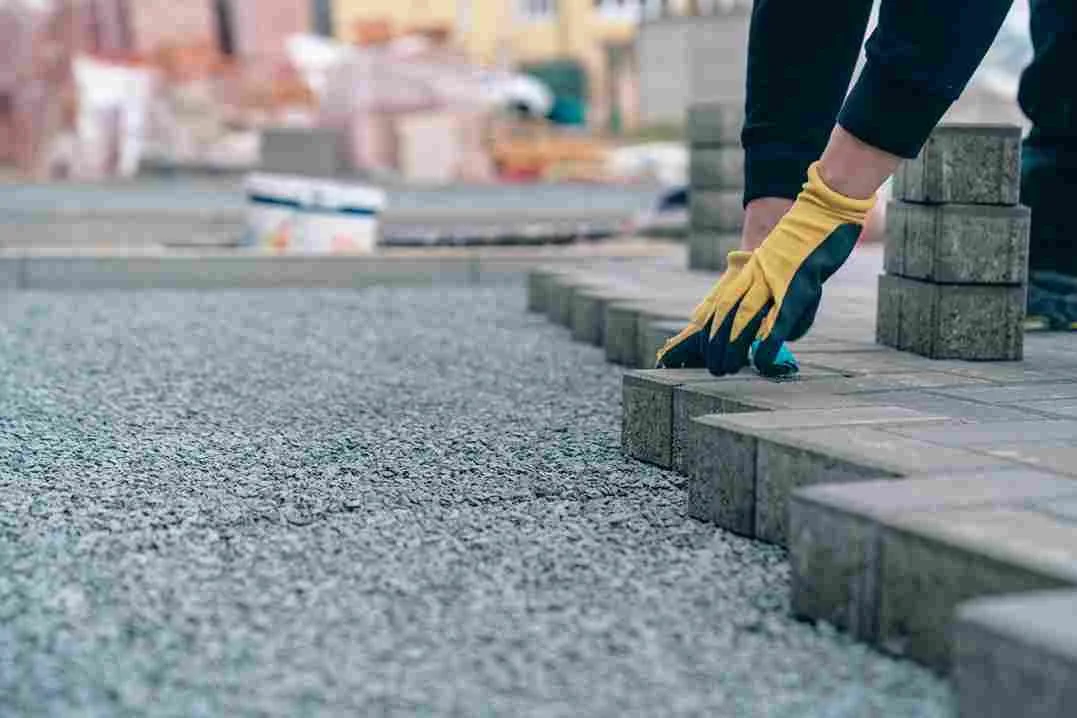
Paved surfaces are the most recognized hardscape category. These include patios, driveways, walkways, pathways, parking pads, and pool decks. Materials commonly used include interlocking concrete pavers, natural stone, poured concrete, asphalt, and exposed aggregate.
In Winnipeg, paved surfaces must be built on a compacted granular base that sits below the frost line. Without proper base depth, even well-laid pavers will heave, sink, or shift once the ground freezes and thaws. Professionally installed patios and walkways account for this from the start, which is what separates a surface that lasts 25 years from one that needs repair after three winters.
Interlocking pavers for your patio are a popular choice for Winnipeg homeowners because individual units can be lifted and reset if one section shifts, without tearing up the entire surface.
Walls and Structural Elements
Any wall built to hold back soil, define a space, or support a grade change is considered hardscape. This includes:
Retaining walls (block, poured concrete, natural boulder, timber)
Garden borders and edging (stone, concrete curbing, metal edging)
Raised planter walls
Privacy walls and screens
Steps and staircases
Retaining walls are one of the most structurally demanding hardscape features in a Winnipeg yard. They manage soil pressure, redirect drainage, and must withstand lateral forces year-round. Boulder retaining wall installation is a popular option for larger yards, while manufactured block walls suit tighter or more formal spaces. For a detailed cost breakdown, how much for a retaining wall installed walks through pricing across different materials and wall heights.
Concrete Features
Poured and stamped concrete deserves its own category because it's used across so many hardscape applications. Concrete driveways, decorative pads, steps, exposed aggregate paths, and stamped patio surfaces all fall under what is considered hardscape.
Concrete in Winnipeg requires reinforcement, proper curing time, and expansion joints to manage the movement caused by seasonal temperature swings. Concrete landscaping done correctly holds up for decades. Done without proper planning, it cracks within a season or two.
Fencing and Gates
Fencing is often overlooked as a hardscape element, but it absolutely qualifies. Any permanent boundary structure built from wood, vinyl, aluminum, chain link, or composite material is part of your hardscape. This includes:
Privacy fences
Decorative picket fences
Security fencing
Pool enclosures
Gates and entry features
In Winnipeg, fence posts must be set at a depth that accounts for frost heave. A post set too shallow will lean, shift, or pull entirely free of the ground over a few winters. Fence installation handled by a professional ensures posts are anchored below the frost line so your fence stays straight and secure for years.
Rock, Boulder, and Gravel Features
Rock beds, boulder placements, gravel pathways, and decorative stone installations are all part of what is considered hardscape. These features add texture and visual contrast to a yard while reducing the maintenance demands of lawn areas.
Rock bed and boulder installation serves both a functional and aesthetic role. Rock beds suppress weeds, manage drainage, and define planting zones, while boulders can anchor a landscape design and add natural character. In Winnipeg's climate, rock and gravel features also help with water management around foundations and in low-lying areas prone to pooling.
Water Features
Water features including ponds, fountains, waterfalls, streams, and water walls are considered hardscape. They involve permanent construction with stone, liner systems, pumps, and plumbing, all of which are structural, non-living elements.
Winnipeg homeowners need to plan water features carefully around freeze-up. Systems must be properly drained or winterized before the ground freezes, and any stonework around the feature needs to be built to handle ice pressure. Water features and landscape lighting installed by a professional will include proper drainage planning from the beginning.
Outdoor Lighting Structures
Landscape lighting infrastructure, including conduit runs, junction boxes, post footings, and hardwired fixture mounts, falls under hardscape. The fixtures themselves are removable, but the structural elements that support and power them are permanent installations. Proper burial depth for conduit in Winnipeg needs to account for ground movement, which is another detail a professional handles correctly the first time.
Outdoor Living Structures
This is the category most homeowners don't automatically associate with hardscape, but it qualifies. Any permanent or semi-permanent outdoor structure is considered hardscape, including:
Fire pit pads and fire pit surrounds (stone, concrete, block)
Pergola and gazebo bases and footings
Outdoor kitchen foundations and countertops
Seating walls
Sports court surfaces
Fire pit installations are especially common in Winnipeg, where outdoor evenings are worth making the most of during the short summer season. A properly built fire pit pad on a level, non-combustible base is both a safety requirement and a lasting hardscape feature. Fire pit installation in Winnipeg requires the right materials and placement to meet local safety standards and hold up through freeze-thaw cycles.
What Is NOT Considered Hardscape
Just as important as knowing what qualifies is knowing what doesn't. Softscape elements are living components of your landscape:
Grass and sod
Trees, shrubs, and hedges
Perennials and annuals
Garden soil and compost
Mulch and wood chips
Mulch beds and garden soil are sometimes confused with hardscape because they fill defined areas, but the material itself is organic and living. The edging and borders that contain a mulch bed, however, are hardscape.
Why the Distinction Matters for Winnipeg Properties
Knowing what is considered hardscape matters when you're planning a project because hardscape and softscape require completely different installation approaches, timelines, and budgets. Hardscape work typically happens first since it involves excavation, base preparation, and structural building. Softscape follows once the hard elements are locked in.
It also matters for budgeting. How much is hardscaping varies significantly by material and scope, but understanding which elements fall into this category helps you prioritize where to invest first.
In Winnipeg, the stakes are higher because every hardscape installation is fighting against one of Canada's most extreme freeze-thaw environments. Getting the base right, the drainage right, and the material selection right are all decisions that require local experience. Bulger Brothers Landscape has that experience, and it shows in the results.
DIY vs. Professional Hardscaping
Some smaller hardscape tasks, like laying a simple gravel path or adding decorative rock to a garden bed, are manageable for a motivated homeowner. Anything structural is a different story.
Retaining walls, patios, concrete features, and fence installations all carry real consequences when installed incorrectly. A retaining wall without proper drainage backing will eventually bulge or collapse. A patio without adequate base depth will heave within two or three winters. A fence with shallow posts will lean and fail.
Professional installation isn't just about the finished look. It's about the base prep, the drainage planning, the material knowledge, and the understanding of how Winnipeg's soil and climate will interact with every layer of the structure over time.
Bulger Brothers Landscape is located at 7 Leeward Pl, Winnipeg, MB R3X 1M6 and serves homeowners and businesses across the city. If you're planning a hardscape project and want it done right from the ground up, call (204) 782-0313 to discuss what is considered hardscape for your specific property and get a professional quote.
Frequently Asked Questions about What Is Considered Hardscape
Q: What is considered hardscape in a backyard?
A: Hardscape in a backyard includes patios, walkways, retaining walls, fences, fire pit pads, water features, pergola footings, and any rock or gravel installations. These are all non-living, structural elements that define and support the rest of the outdoor space.
Q: Is a fence considered hardscape?
A: Yes. Fencing is a hardscape element because it's a permanent, non-living structure. Posts, rails, panels, and gates all fall under the hardscape category, and in Winnipeg, proper post depth below the frost line is critical for long-term stability.
Q: Is mulch considered hardscape or softscape?
A: Mulch itself is an organic material and falls under softscape. However, the edging, borders, or curbing used to contain a mulch bed are hardscape elements because they are permanent, structural, and non-living.
Q: Are water features considered hardscape?
A: Yes. Water features like ponds, fountains, waterfalls, and streams involve permanent construction with stone, liner systems, and plumbing, all of which qualify as hardscape. In Winnipeg, proper winterization planning is essential for any water feature installation.
Q: Does hardscape include outdoor lighting?
A: The structural components of outdoor lighting, including conduit, junction boxes, and fixture footings, are considered hardscape. The fixtures themselves are removable, but the permanent infrastructure that supports them is part of the hardscape system.
Q: What is the most durable hardscape material for Winnipeg?
A: Interlocking concrete pavers and natural stone are among the most durable options for Winnipeg's climate. Both can handle freeze-thaw cycling well when installed on a properly compacted base. Individual pavers can also be reset if one section shifts, which makes long-term maintenance more manageable.
Q: Can hardscape features improve drainage on a Winnipeg property?
A: Absolutely. Retaining walls, graded patios, gravel beds, and properly sloped walkways all contribute to managing water runoff on a property. Good hardscape design directs water away from foundations and prevents pooling in low areas, which is a critical concern for many Winnipeg yards.
Conclusion
Knowing what is considered hardscape gives you the foundation to plan your outdoor space with real clarity. From paved surfaces and retaining walls to fire pit pads and water features, every structural, non-living element in your yard falls into this category, and each one plays a specific role in the function and appearance of your property.
In Winnipeg's climate, hardscape investments pay off when they're built correctly from day one. Bulger Brothers Landscape brings the local knowledge, proper equipment, and installation experience to make every hardscape project perform the way it should, season after season. Reach out today to start planning the outdoor space your property deserves.