

What Is a Landscape Designer? Understanding the Profession and Services
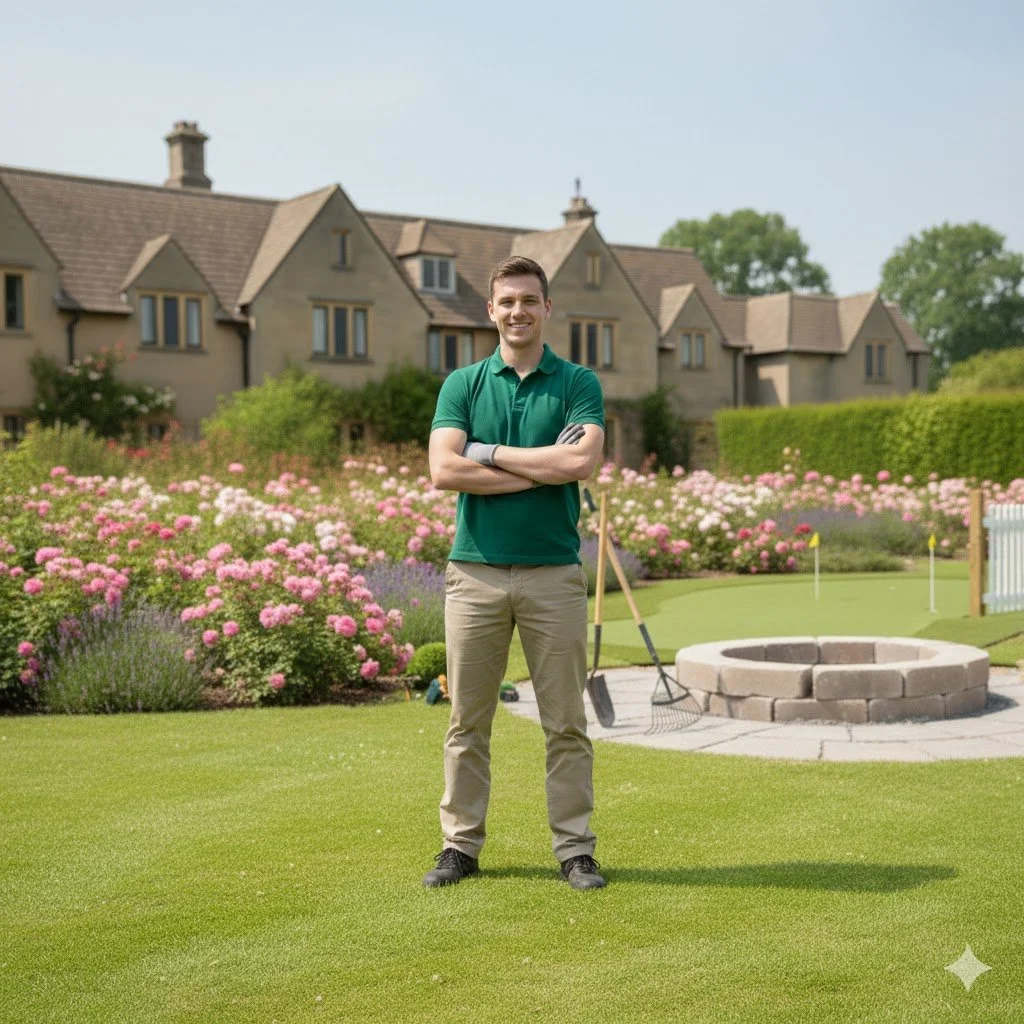
Many homeowners planning outdoor improvements wonder what is a landscape designer and how these professionals differ from other landscape specialists or basic lawn care providers. Landscape designers represent trained professionals who combine horticultural knowledge, design creativity, and technical expertise to transform outdoor spaces into beautiful, functional environments. These specialists bridge the gap between artistic vision and practical implementation, creating plans that enhance property values while reflecting client preferences and lifestyle requirements.
The landscape design profession encompasses professionals with varying educational backgrounds, experience levels, and service specializations. Understanding what landscape designers do, what qualifications they bring, and how they approach projects helps property owners make informed decisions about engaging professional design services. Bulger Brothers Landscape employs experienced landscape designers who combine comprehensive training with years of practical experience serving Winnipeg properties, creating outdoor spaces that thrive in Manitoba's challenging climate while meeting client goals.
Key Takeaways
Landscape designers are trained professionals specializing in outdoor space planning, plant selection, and hardscape design
Most landscape designers hold certificates, diplomas, or degrees in landscape design, horticulture, or related fields
Services include site analysis, design development, planting plans, material specifications, and often project management
Landscape designers differ from landscape architects who require university degrees and professional licensing
Quality designers combine creative vision with horticultural knowledge, construction understanding, and local climate expertise
Professional design services typically cost $1,500-$8,000 for residential properties but prevent expensive mistakes while creating superior results
Overview
This comprehensive guide explores what is a landscape designer by examining professional qualifications, typical services, educational pathways, and value propositions these specialists provide. You'll discover how landscape designers approach projects, understand their typical career paths and training requirements, and learn what differentiates designers from other landscape professionals. We examine the design process from initial consultation through project completion, discuss specializations within the profession, and explain how Bulger Brothers Landscape integrates design expertise into comprehensive landscape services.
Whether you're considering engaging landscape design services or simply curious about the profession, understanding what landscape designers do and how they create value helps you appreciate professional expertise. This guide addresses common questions about the landscape design field, provides insights into how designers work, and offers perspective on when professional design services make sense for your property. You'll gain knowledge that helps you communicate effectively with design professionals while recognizing quality indicators that separate exceptional designers from less qualified practitioners.
Defining the Landscape Designer Profession
Understanding what is a landscape designer requires examining professional roles, responsibilities, and typical scope of practice.
Core Professional Functions
Landscape designers specialize in planning and designing outdoor spaces for residential, commercial, and institutional properties. Their primary functions include:
Site Analysis and Assessment: Evaluating existing conditions including soil quality, drainage patterns, sun exposure, microclimates, views, and constraints affecting design possibilities.
Concept Development: Creating initial design ideas showing spatial arrangements, major elements, and overall approaches to outdoor spaces.
Detailed Design Plans: Producing drawings and specifications that guide installation including planting plans, hardscape layouts, grading schemes, and material selections.
Plant Selection and Specification: Choosing appropriate plants based on growing conditions, aesthetic goals, maintenance requirements, and climate suitability.
Material Recommendations: Specifying hardscape materials, irrigation components, lighting fixtures, and other elements meeting design intentions within budget parameters.
Project Coordination: Often overseeing installation ensuring designs translate accurately to finished landscapes, though involvement levels vary by business model.
According to Canadian Nursery Landscape Association, landscape designers play critical roles in creating outdoor environments that enhance property values, improve environmental sustainability, and support community wellbeing.
Service Specializations
Within the landscape design profession, individuals may focus on specific areas:
Residential Landscape Design: Home gardens, yards, and outdoor living spaces representing the most common specialization.
Commercial Landscape Design: Business properties, retail centers, office parks requiring professional appearances and durability.
Sustainable/Ecological Design: Native plantings, rain gardens, wildlife habitat creation, and environmental restoration projects.
Specialized Garden Types: Focus on specific styles like cottage gardens, Japanese-inspired designs, edible landscapes, or xeriscaping.
Hardscape Design: Emphasis on built elements including patios, walkways, retaining walls, and outdoor structures.
Most landscape designers develop some specialization naturally through repeated project types, though many maintain general practices serving diverse client needs.
Professional Scope and Limitations
Landscape designers typically work on projects not requiring professional engineering or licensing. They handle residential properties and smaller commercial projects where structural calculations, extensive grading engineering, or professional stamps aren't necessary.
Projects requiring engineering expertise, such as large retaining walls, complex drainage systems, or projects mandating professional licensure typically require landscape architects rather than designers. Understanding these distinctions helps property owners engage appropriate professionals.
Educational Pathways and Training
Exploring what is a landscape designer includes understanding how professionals develop expertise through formal education and practical experience.
Formal Education Programs
Many landscape designers complete structured educational programs providing foundational knowledge.
Certificate Programs (typically 6 months - 1 year): Introductory training covering basic design principles, plant identification, construction methods, and plan drawing. These programs suit career changers or those seeking entry-level positions.
Diploma Programs (typically 1-2 years): More comprehensive training including design theory, horticulture, construction technology, computer-aided design, and sometimes business management. Diploma programs prepare graduates for independent practice or employment with landscape firms.
Degree Programs (typically 2-4 years): Bachelor's degrees in landscape design, horticulture, or related fields provide extensive theoretical and practical training. These programs offer deeper coverage of design principles, plant science, construction, and professional practice.
Landscape Architecture Degrees (typically 4-5 years): Professional degrees qualifying graduates for landscape architecture licensure after additional experience and examinations. Landscape architects receive more extensive engineering and large-scale planning education than landscape designers.
Educational quality varies significantly between programs. Reputable programs combine classroom theory with practical projects, studio work, and often internship placements providing real-world experience.
Continuing Education and Professional Development
The landscape industry evolves constantly through new plant introductions, emerging technologies, changing design trends, and updated construction methods. Quality designers pursue ongoing education maintaining current knowledge and developing new skills.
Professional development sources include:
Industry association workshops and seminars
Trade shows and conferences
Manufacturer training on new products
Software training for design tools
Specialized courses in areas like irrigation design or sustainable practices
Commitment to continuing education indicates professional dedication and ensures designers apply current best practices rather than outdated approaches.
Apprenticeship and On-the-Job Training
Many successful landscape designers develop expertise primarily through practical experience supplemented by targeted coursework. Working under experienced designers teaches practical skills, client relations, real-world problem-solving, and business operations that classroom education alone cannot provide.
Quality apprenticeship experiences expose developing designers to varied projects, different design approaches, client interactions, and installation realities that inform design decisions. This practical knowledge proves invaluable for creating buildable, functional designs rather than theoretical concepts difficult to execute.
Bulger Brothers Landscape values both formal education and practical experience, seeking designers who combine theoretical knowledge with hands-on understanding of what works in Winnipeg's conditions.
The Landscape Design Process Explained
Understanding what is a landscape designer requires recognizing typical workflows and methodologies professionals employ.
Initial Consultation and Discovery
Design processes begin with consultations where designers learn about properties, client goals, preferences, and constraints.
Information Gathering:
Property measurements and existing conditions
Client lifestyle and outdoor space usage patterns
Aesthetic preferences and style inspirations
Budget parameters and timeline expectations
Maintenance willingness and capabilities
Special requirements (pets, accessibility, etc.)
Quality designers ask probing questions ensuring comprehensive understanding before developing concepts. They listen more than talk during discovery phases, viewing their role as facilitating client visions rather than imposing designer preferences.
Site Analysis and Assessment
Thorough site evaluation identifies opportunities and constraints influencing design possibilities.
Analysis Components:
Soil testing for pH, texture, and drainage characteristics
Sun/shade patterns throughout day and seasons
Existing vegetation worth preserving or requiring removal
Views worth framing or eyesores needing screening
Drainage patterns and water management needs
Utility locations and underground obstacles
Property boundaries and setback requirements
Topography and grade changes
Microclimates affecting plant performance
Professional site analysis uncovers issues amateur designers miss, preventing problems that would emerge during or after installation.
Concept Development
Using gathered information, designers develop initial concepts exploring different spatial arrangements and design approaches.
Concept Deliverables:
Sketch plans showing major elements and spatial organization
Preliminary plant suggestions for different areas
Rough material ideas for hardscaping
Overall style direction and aesthetic approach
Bubble diagrams showing functional zones
Quality designers typically present multiple concept options rather than single solutions, allowing clients to provide feedback guiding final direction. This collaborative approach ensures designs reflect client preferences rather than designer assumptions.
Design Development and Refinement
Selected concepts progress through refinement adding detail, resolving technical issues, and finalizing specifications.
Development Activities:
Detailed measurements and scaled drawings
Specific plant selections with quantities
Hardscape material specifications
Grading and drainage solutions
Irrigation and lighting integration
Cost estimating for installation
Phasing plans if implementing over time
Revision rounds allow clients to refine elements ensuring final designs meet expectations before installation begins.
Construction Documentation
Final design documentation provides contractors with information needed for accurate installation.
Documentation Components:
Master plan showing overall layout
Detailed planting plan with species lists
Hardscape construction drawings with dimensions
Grading plan showing elevation changes
Irrigation layout if included
Lighting plan showing fixture locations
Material specifications and quantities
Installation notes and special instructions
Professional documentation prevents misunderstandings during installation while ensuring quality control.
Installation Oversight (When Provided)
Many designers, particularly those working for design-build firms, oversee installation ensuring plans translate accurately to finished landscapes.
Oversight Activities:
Site visits during construction phases
Clarifying plan details for installation crews
Addressing field conditions requiring adjustments
Verifying material deliveries match specifications
Quality control inspecting completed work
Final walkthrough with property owners
This involvement ensures design integrity while allowing field adjustments addressing unforeseen conditions.
Landscape Designers vs. Other Professionals
Clarifying what is a landscape designer requires distinguishing these professionals from related specialties.
Landscape Designers vs. Landscape Architects
These terms confuse many property owners, though important differences exist.
Landscape Architects:
Hold professional licenses requiring university degrees and examinations
Qualified for complex projects requiring engineering calculations
Work on large commercial, institutional, and public projects
Can sign and seal construction documents for permitting
Typically charge premium rates reflecting credentials
Landscape Designers:
Focus primarily on residential and smaller commercial projects
Develop expertise through varied educational pathways
Generally cost less than landscape architects
Provide appropriate expertise for typical home landscapes
May not sign construction documents requiring professional stamps
According to Landscape Ontario, most residential landscape projects don't require landscape architect involvement, with experienced landscape designers providing appropriate expertise at better value.
Landscape Designers vs. Garden Designers
Some practitioners specifically identify as garden designers, emphasizing plant-focused design over hardscaping.
Garden Designers:
Specialize in planting design and horticultural compositions
Often have deep plant knowledge and botanical expertise
May collaborate with landscape designers or architects on larger projects
Focus on aesthetic plant combinations and garden styles
Many landscape designers possess strong horticultural knowledge making them capable garden designers as well. The distinction often reflects marketing emphasis rather than fundamental capability differences.
Landscape Designers vs. Contractors
Installation contractors build landscapes but may lack design training.
Landscape Contractors:
Execute installation work following plans
Possess construction skills and equipment
May offer basic design as service add-on
Focus primarily on building rather than planning
Design-Build Firms: Companies like Bulger Brothers Landscape integrate design and installation capabilities, employing both designers and skilled installation crews. This model provides seamless coordination from concept through completion.
Skills and Qualities of Excellent Landscape Designers
Understanding what is a landscape designer includes recognizing characteristics separating exceptional professionals from mediocre practitioners.
Creative Vision and Aesthetic Sense
Successful designers possess inherent creativity allowing them to envision possibilities where others see only existing conditions. They combine colors, textures, forms, and spatial arrangements into harmonious compositions that please eyes while serving functional purposes.
Design talent involves more than following rules. Exceptional designers understand design principles—unity, balance, proportion, rhythm—while knowing when breaking rules creates superior results. This artistic sensibility cannot be fully taught, though it develops through study and practice.
Comprehensive Horticultural Knowledge
Plants represent primary landscape elements, making horticultural expertise essential. Quality designers know hundreds of plant species, understanding:
Growth habits and mature sizes
Cultural requirements (sun, water, soil)
Seasonal characteristics and bloom times
Pest and disease susceptibilities
Performance in local climate conditions
Maintenance requirements
Appropriate uses and combinations
This knowledge allows designers to select species thriving in specific conditions while achieving aesthetic goals and fitting maintenance capabilities.
Technical Competency
Design work requires technical skills including:
Drafting and plan drawing (hand and computer-aided)
Scale calculation and spatial measurements
Understanding construction methods and materials
Grading and drainage principles
Irrigation system basics
Outdoor lighting fundamentals
Cost estimating abilities
Technical proficiency ensures designs translate successfully from paper to reality.
Communication and Interpersonal Skills
Designers work closely with clients, requiring strong communication abilities. They must:
Listen actively understanding client needs
Explain design concepts clearly
Present ideas persuasively
Navigate disagreements diplomatically
Manage expectations realistically
Maintain professional relationships
Poor communicators struggle regardless of design talent since client satisfaction depends significantly on relationship quality.
Problem-Solving Abilities
Every property presents unique challenges requiring creative solutions. Excellent designers tackle:
Difficult site conditions (slopes, poor soil, etc.)
Budget constraints limiting options
Conflicting client desires requiring compromise
Technical challenges needing innovative approaches
Unexpected field conditions during installation
Experience teaches designers to anticipate problems and develop workable solutions rather than creating theoretical designs that fail during execution.
Local Climate and Conditions Knowledge
Generic design knowledge proves insufficient without understanding regional specifics. Winnipeg designers must know:
Manitoba's hardiness zones and winter minimums
Clay soil characteristics and management
Snow mold and local disease pressures
Appropriate grass varieties for prairie conditions
Native plants and adapted species
Local construction methods for freeze-thaw climates
Regional expertise separates truly qualified designers from those applying cookie-cutter approaches regardless of location.
When to Hire a Landscape Designer
Determining what is a landscape designer includes recognizing situations where professional services provide value.
New Construction and Major Renovations
Properties undergoing construction or significant remodeling benefit enormously from landscape planning integrated with building projects. Designers coordinate outdoor spaces with architecture, plan utilities appropriately, and create cohesive property-wide designs.
Early designer involvement during construction prevents mistakes like improper grading, misplaced utilities, or opportunities lost through lack of planning.
Complete Property Transformations
Homeowners wanting comprehensive landscape overhauls benefit from professional design creating coordinated approaches rather than piecemeal additions. Master planning ensures elements relate harmoniously while establishing realistic implementation timelines.
Problem Properties and Challenging Sites
Difficult conditions—steep slopes, poor drainage, excessive shade, limited space—benefit from professional problem-solving. Experienced designers develop creative solutions addressing constraints that stump homeowners.
Maximizing Property Values
Properties being prepared for sale benefit from landscape improvements significantly influencing buyer perceptions. Professional design ensures investments focus on high-impact improvements delivering maximum return.
Avoiding Costly Mistakes
Design fees prevent expensive errors from poor plant selection, inadequate drainage, improper hardscape construction, or inefficient layouts. The mistakes prevented through professional planning often exceed design costs many times over.
When Time or Expertise Are Limited
Busy homeowners or those lacking horticultural knowledge appreciate professional guidance navigating choices while creating attractive, functional results. Design services eliminate trial-and-error learning while accelerating project timelines.
Create Your Ideal Landscape with Professional Design Expertise
Understanding what is a landscape designer helps you appreciate the comprehensive training, creative vision, and technical expertise these professionals bring to outdoor space planning. Bulger Brothers Landscape employs experienced landscape designers who combine formal education with years of practical experience serving Winnipeg properties. Our designers understand Manitoba's climate challenges, know which plants thrive locally, and create beautiful, functional outdoor spaces that enhance properties while fitting client lifestyles.
We view landscape design as collaborative partnership between our expertise and your vision. Our designers listen carefully to your goals, assess your property thoroughly, and develop solutions that exceed expectations while respecting budget realities. Whether you need complete property planning, specific garden designs, or professional guidance for DIY projects, our team provides appropriate services matched to your needs.
Located at 7 Leeward Pl, Winnipeg, MB R3X 1M6, Bulger Brothers Landscape is ready to discuss your landscape design needs and explain how professional expertise creates outdoor spaces that transform properties. Call (204) 782-0313 to schedule a consultation and discover the comprehensive capabilities quality landscape designers provide. We'll evaluate your property, understand your vision, and develop plans that bring your ideal outdoor spaces to life through expert design and proven installation techniques.
Conclusion
Understanding what is a landscape designer reveals trained professionals who combine creative vision, horticultural knowledge, and technical expertise transforming outdoor spaces into beautiful, functional environments. These specialists bring value through comprehensive training, years of experience, and systematic approaches preventing costly mistakes while creating coordinated attractive results. Professional design services represent investments that enhance property values, improve outdoor living, and deliver satisfaction through superior outcomes amateur approaches rarely achieve.
Bulger Brothers Landscape employs experienced landscape designers who understand Winnipeg's unique conditions, know which plants thrive locally, and create designs that perform reliably through Manitoba's challenging climate. Our integrated design-build approach provides seamless coordination from initial concepts through final installation, ensuring designs translate successfully to finished landscapes that exceed expectations. We view our role as facilitating your vision through professional expertise rather than imposing designer preferences.
Your property deserves thoughtful professional planning that balances aesthetics, functionality, and practical considerations. Don't risk disappointing results or expensive mistakes when trained landscape designers create superior outcomes through proven expertise. The investment in quality design services pays dividends through enhanced property values, improved outdoor spaces, and avoided problems that amateur approaches frequently encounter.
Take the next step toward your ideal landscape by contacting professionals who combine design creativity with horticultural expertise and local knowledge. The comprehensive capabilities quality landscape designers provide create value far exceeding service costs through beautiful, functional outdoor environments that enhance daily living while protecting property investments. Trust your landscape vision to designers who understand what creates successful outdoor spaces.
FAQs
Q: What exactly does a landscape designer do?
A: Landscape designers plan and design outdoor spaces for residential and commercial properties. They evaluate site conditions, understand client needs, develop design concepts, create detailed plans showing plantings and hardscaping, specify materials and plants, and often oversee installation. Services include site analysis, concept development, planting plans, hardscape layouts, material specifications, and project coordination. Quality designers combine horticultural knowledge, design creativity, technical skills, and local expertise creating functional, attractive outdoor environments that enhance properties while meeting client goals.
Q: What qualifications should a landscape designer have?
A: Quality landscape designers typically hold certificates, diplomas, or degrees in landscape design, horticulture, or related fields from recognized institutions. Many develop expertise through formal education combined with years of practical experience. Look for professional association memberships, continuing education participation, strong portfolios showing completed projects, positive client references, and comprehensive insurance coverage. Experience matters significantly—designers practicing successfully for 5-10+ years demonstrate proven capabilities. Bulger Brothers Landscape employs designers with both formal training and extensive practical experience serving Winnipeg properties.
Q: How do landscape designers differ from landscape architects?
A: Landscape architects hold professional licenses requiring university degrees and rigorous examinations, qualifying them for complex projects needing engineering expertise like large commercial developments or projects requiring professional document stamps. Landscape designers focus primarily on residential properties and smaller commercial projects not requiring engineering or licensure, typically charging less while providing appropriate expertise for most home landscapes. Unless your project demands structural engineering or professional licensing, experienced landscape designers deliver excellent results at more reasonable costs than landscape architects.
Q: How much do landscape designers charge?
A: Design fees vary by project scope and designer experience. Hourly rates range from $75-$150, while complete residential design packages typically cost $2,500-$8,000 depending on property size and complexity. Some designers charge flat fees providing cost certainty, others use hourly billing for flexibility, and design-build firms often include design services with installation. While design represents additional upfront expense, it prevents costly mistakes and creates superior results justifying investment through avoided problems and enhanced outcomes.
Q: Do I need a landscape designer or can I do it myself?
A: DIY design works for simple projects if you possess horticultural knowledge, design skills, and realistic expectations. However, professional designers prevent expensive mistakes, select appropriate plants for specific conditions, create cohesive attractive results, understand construction methods, and save time through efficient processes. Most homeowners find professional design worth investment for significant projects through superior outcomes, avoided problems, and reclaimed personal time. Consider professionals for complete property designs, challenging sites, or when outcome quality matters significantly.
Q: What should I expect during the design process?
A: Professional design processes begin with consultations discussing your goals, preferences, and budget. Designers then conduct site analysis evaluating existing conditions and constraints. They develop initial concepts showing different approaches, refining selected directions based on your feedback into detailed plans specifying plants, materials, and construction details. Complete processes typically require 4-8 weeks from consultation to final plans. Throughout, quality designers maintain clear communication, incorporate your input, and explain recommendations ensuring you understand and approve design directions.
Q: Can landscape designers help with just plant selection?
A: Yes, many designers offer consultation services for limited scopes like plant selection advice, layout suggestions, or problem diagnosis. These services typically charge hourly rates ($75-$150) for brief engagements providing professional guidance without complete design packages. Consultations suit homeowners wanting expert input for specific questions while handling most planning themselves. However, comprehensive design services typically deliver better overall value for complete property planning through coordinated approaches addressing all landscape elements together.
Q: How do I find a good landscape designer?
A: Research potential designers through online reviews, professional association directories, portfolio examinations, and client references. Look for established local reputations, appropriate credentials, comprehensive service offerings, clear communication, and transparent pricing. Interview several designers discussing your project, reviewing their approaches, and evaluating whether working styles match your preferences. Quality designers listen carefully, ask probing questions, explain processes clearly, and demonstrate genuine interest in understanding your needs rather than pushing predetermined solutions.
Q: What's the difference between garden designers and landscape designers?
A: Garden designers focus specifically on plant-centric designs emphasizing horticultural expertise and planting compositions. Landscape designers typically offer broader services including hardscaping, grading, construction elements, and complete property planning beyond just plantings. Many landscape designers possess strong plant knowledge making them capable garden designers as well. The distinction often reflects marketing emphasis rather than fundamental capability differences. For projects emphasizing plantings over built elements, either specialty may serve well depending on individual expertise.
Q: Do landscape designers also do installation?
A: Practices vary. Some designers only create plans that clients hire contractors to install. Others work for design-build companies providing both design and installation services. Design-build approaches like Bulger Brothers Landscape offers provide seamless coordination from concept through completion with single-source accountability. This integrated model typically delivers better results through direct designer involvement during installation ensuring plans translate accurately to finished landscapes while addressing field conditions requiring adjustments.