

Retaining Wall Maintenance Tips Every Winnipeg Homeowner Should Know
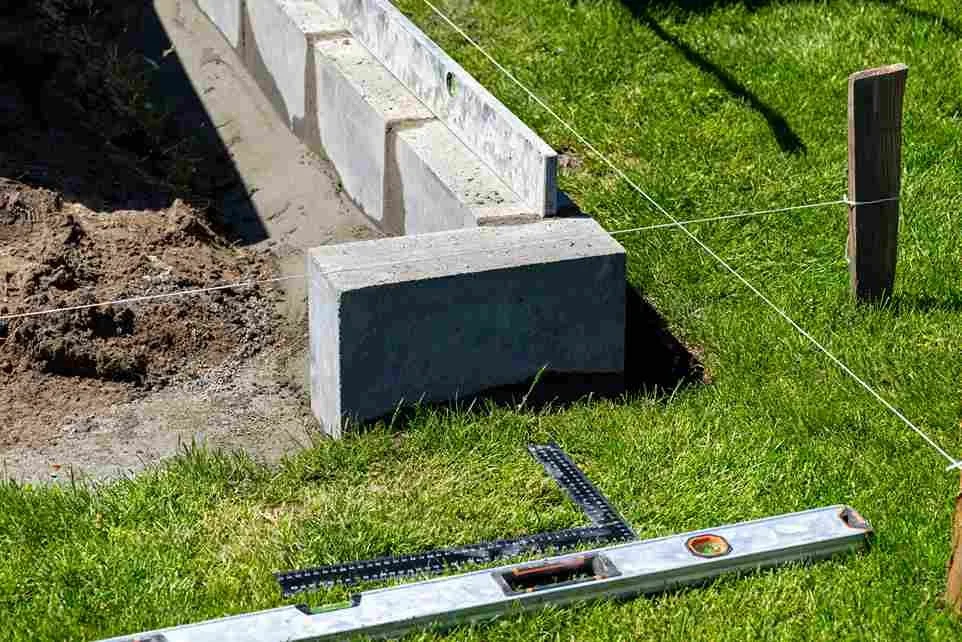
A retaining wall is one of the hardest-working structures on your property. It holds back soil, manages drainage, and takes the full force of Winnipeg's freeze-thaw cycles year after year without complaint until something goes wrong. The homeowners who get the longest life from their retaining walls are not those who spent the most on installation, though quality installation matters enormously. They are the ones who pay attention to their walls after installation and address small problems before they become structural ones. For homeowners across Winnipeg neighborhoods like River Heights and Charleswood, a consistent maintenance routine is what separates a retaining wall that lasts thirty years from one that needs costly repairs or full replacement within a decade. This guide covers exactly what that routine should look like.
Key Takeaways
Annual post-winter inspection is the single most important retaining wall maintenance habit for Winnipeg homeowners
Drainage maintenance is as critical after installation as it was during construction
Early identification of small problems prevents the expensive structural failures that develop when warning signs are ignored
Winnipeg's freeze-thaw cycles create specific failure patterns that homeowners should know how to recognize
Most minor retaining wall maintenance is affordable when caught early and very expensive when left to worsen
Bulger Brothers Landscape provides professional retaining wall installation and maintenance services across Winnipeg
Overview
This article covers the most important retaining wall maintenance tips for Winnipeg properties, what to inspect and when, the warning signs that signal developing problems, how to maintain the drainage systems that keep walls performing correctly, and when professional intervention is needed. Bulger Brothers Landscape has built and maintained retaining walls across Winnipeg and understands exactly what this climate demands of these structures over their lifetime.
Why Retaining Wall Maintenance Matters More in Winnipeg
Retaining walls in Winnipeg face more demanding conditions than those in virtually any other major Canadian city. The combination of deep ground frost, intense freeze-thaw cycling through the shoulder seasons, significant spring snowmelt drainage loads, and clay-heavy soils that retain moisture longer than most soil types creates a uniquely challenging environment for any structure designed to hold back soil and manage water.
Every winter, the soil behind a retaining wall freezes and expands, pushing against the wall with significant force. Every spring, that soil thaws and releases significant volumes of water that must move through and around the wall's drainage system efficiently. Every summer, clay soils dry and shrink, creating a different set of pressure conditions. This cycle repeats relentlessly, and its cumulative effect on a retaining wall that is not maintained is progressive deterioration that accelerates with each passing season.
The forces acting on a Winnipeg retaining wall never stop. Maintenance is what ensures those forces do not win.
Understanding this context makes clear why the retaining wall maintenance tips in this guide are not optional enhancements for especially conscientious homeowners. They are the practical minimum required to protect a significant property investment through the specific demands of this climate.
Tip One: Conduct a Thorough Post-Winter Inspection Every Spring
The single most important retaining wall maintenance habit for Winnipeg homeowners is a thorough visual inspection conducted every spring, as soon as the snow has cleared and the ground has thawed enough to assess the wall and the soil behind it clearly.
Spring is when the cumulative effects of the winter's freeze-thaw activity are most visible. Any movement, cracking, drainage failure, or structural distress that developed over winter will be apparent in spring before the growing season's vegetation obscures the wall surface and surrounding soil.
Walk the entire length of your retaining wall and look for the following:
Forward lean or tilt in any section of the wall. Even a small amount of visible lean that was not present previously is a significant warning sign. Retaining walls should be vertical or maintain their original batter angle. Any change in alignment indicates that the forces acting on the wall are beginning to overcome its resistance, and this condition worsens progressively if not addressed.
Cracks in wall blocks, stones, or mortar joints. Hairline cracks on block faces are sometimes cosmetic, but cracks that run through the full depth of a block, cracks that have opened noticeably wider than the previous season, or cracks that align vertically through multiple courses indicate structural stress that needs professional assessment.
Displaced or missing blocks or stones. Individual units that have shifted out of plane with the surrounding wall face indicate movement in the wall system that requires investigation and repair before the displacement propagates to adjacent units.
Bulging sections. A section of wall that appears to bow outward compared to adjacent sections is experiencing localized pressure that the wall is beginning to struggle against. Bulging is a more serious warning sign than cracking and warrants prompt professional attention.
Settlement or subsidence behind the wall. Soil that has dropped, cracked, or pulled away from the back of the wall indicates drainage problems or structural movement that is affecting the retained soil mass. This is a serious condition that affects both the wall and any structures or plantings in the retained area above.
Documenting your inspection with photographs each spring gives you a year-over-year comparison that makes developing problems visible even when change is gradual enough to be difficult to perceive by memory alone.
Tip Two: Maintain Your Drainage System Religiously
Drainage is the most critical performance factor for any retaining wall in Winnipeg, and maintaining it after installation is as important as getting it right during construction. A wall built with excellent drainage provisions that are then allowed to become blocked or compromised over time progressively loses its drainage function and becomes vulnerable to the hydrostatic pressure failures that drainage was installed to prevent.
Several specific drainage maintenance tasks should be part of every Winnipeg homeowner's retaining wall routine.
Clear drainage outlets every spring and fall. The outlet points where drainage tile or weeping tile exits the wall system must be clear of debris, sediment, soil, and vegetation growth to allow water to discharge freely. Blocked drainage outlets are one of the most common and most preventable causes of retaining wall failure. Check these points at the beginning and end of every season and clear any obstruction immediately.
Check drainage aggregate for sediment migration. Over time, fine soil particles can migrate through geotextile fabric and into the drainage aggregate behind a wall, progressively reducing the aggregate's drainage capacity. This process is slow but cumulative. If your drainage outlets are discharging less water than they used to during comparable rainfall or snowmelt events, sediment migration may be reducing drainage capacity behind the wall.
Monitor for surface water pooling behind the wall. Water that pools on the surface of the retained area behind a wall rather than draining away indicates that the drainage system is not accepting water at the rate it is arriving. This condition places elevated hydrostatic pressure on the wall during every rain and snowmelt event and needs to be addressed through drainage service before it creates structural damage.
Professional drainage services can assess and restore drainage function behind retaining walls that are showing signs of drainage system deterioration. Addressing drainage problems promptly is consistently less expensive than repairing the wall damage that follows when drainage failures are left unresolved.
Tip Three: Control Vegetation Near and On the Wall
Vegetation management is a retaining wall maintenance consideration that many Winnipeg homeowners underestimate until they see the damage that unmanaged plant growth causes to wall structures over time.
Tree and large shrub roots are the most serious vegetation threat to retaining walls. Roots seeking moisture will infiltrate any available joint, crack, or drainage opening in a retaining wall system and expand as the plant grows, generating force that displaces wall units and compromises structural integrity. Trees or large shrubs planted close to a retaining wall should be monitored carefully, and any root growth that is approaching wall structures should be addressed before it penetrates the wall system.
Avoid planting large trees within three metres of any retaining wall. The root systems of mature trees extend far beyond the visible canopy and can reach retaining wall structures well before any above-ground indication of proximity suggests a problem. This three-metre guideline is conservative and practical, and it is consistent with what experienced Winnipeg landscapers recommend when integrating planting with retaining wall designs.
Weeds and self-seeded plants growing in wall joints should be removed promptly and regularly. Beyond their cosmetic impact, plants growing in wall joints expand their root systems into the joints as they mature, progressively widening cracks and displacing block or stone units. Hand-pulling weeds from joints while they are small is far easier and less damaging than removing established plants whose roots have grown into the wall system.
Ground cover and low-maintenance perennials planted at the base and top of retaining walls are generally beneficial rather than harmful when properly selected. They reduce surface water erosion on the retained slope, add visual integration between the wall and the surrounding landscape, and create conditions that reduce weed pressure in adjacent areas. Garden design services can recommend appropriate Zone 3 plant selections that complement retaining wall installations without creating root intrusion risks.
Tip Four: Address Efflorescence and Surface Staining
Efflorescence is the white, chalky deposit that appears on the surface of concrete block retaining walls and is one of the most common cosmetic concerns Winnipeg homeowners raise about their walls. It occurs when water moving through the wall dissolves salts within the concrete and deposits them on the wall surface as the water evaporates.
While efflorescence is primarily a cosmetic issue rather than a structural one, its presence does indicate that water is moving through the wall material, which may suggest that drainage behind the wall is not functioning as efficiently as it should be. Persistent or worsening efflorescence on a retaining wall is worth noting during your spring inspection as a potential indicator of drainage issues worth investigating.
Efflorescence can be removed from block walls using efflorescence-specific cleaners and stiff brush scrubbing. Pressure washing is effective for more established deposits but should be done carefully to avoid displacing joint material or damaging block surfaces. After cleaning, monitoring whether efflorescence returns quickly and in the same locations helps determine whether the underlying drainage conditions that are causing it need professional attention.
Surface staining from iron oxidation, organic material, and environmental deposits is a separate cosmetic concern that can be addressed with appropriate masonry cleaning products. Keeping wall surfaces clean not only maintains appearance but makes it easier to identify new cracks or joint changes during inspections because the wall surface is visually consistent and familiar.
Tip Five: Monitor and Maintain Caps and Coping
The capstones or coping units at the top of a retaining wall are among the most exposed elements of the structure and among the first to show the effects of freeze-thaw cycling in Winnipeg's climate. They also play a structural role by adding weight that helps lock the upper courses of the wall in place.
Inspect capstones each spring for cracking, chips, and displacement. Caps that have shifted out of their original position may indicate movement in the top courses of the wall below them. Caps that have cracked through their full thickness should be replaced rather than left in place, as freeze-thaw cycling will continue widening the crack and eventually cause the cap to break apart entirely.
The adhesive or mortar used to secure capstones in place can deteriorate over time in Winnipeg's climate, allowing caps to become loose. A loose capstone is both a safety hazard and a structural vulnerability. Resetting loose caps with fresh adhesive or mortar is a straightforward repair when addressed promptly and a more involved repair when left until caps have shifted significantly from their original position.
Tip Six: Manage Snow and Ice Near Retaining Walls
Winter management near retaining walls is a maintenance consideration specific to Winnipeg's climate that homeowners in milder cities simply do not need to think about.
Avoid directing snowplow or snow blower discharge directly against retaining wall faces. The physical impact of snow loading thrown against a wall face, repeated over many seasons, can displace surface units and damage mortar joints on natural stone walls. Direct snow discharge away from wall faces during winter clearing operations.
Do not allow ice to accumulate in drainage outlet areas. Ice formation at drainage outlet points blocks the discharge of water from behind the wall during winter thaw periods, creating temporary hydrostatic pressure buildup that adds stress to the wall structure. Keeping outlet areas clear of ice during shoulder season freeze-thaw events protects drainage function during the periods when it is most needed.
Avoid applying de-icing salts near retaining walls. Salt compounds that are effective at melting ice on paved surfaces are damaging to concrete block and natural stone retaining wall materials over time. Salt penetration into block faces causes surface spalling and accelerates the freeze-thaw deterioration of the wall surface. Where ice management near retaining walls is needed, sand provides traction without the chemical damage that salt-based products cause.
This connects to broader winter management practices across your property. Professional snow removal services that understand the interaction between winter clearing operations and landscape structures protect retaining walls and other hardscaping features from the incidental damage that heavy-handed winter clearing can cause.
Tip Seven: Schedule Professional Inspections for Older Walls
Visual inspections conducted by homeowners catch many developing problems but have limitations. An experienced professional eye sees things that most homeowners do not, recognizes the significance of conditions that seem minor to an untrained observer, and can assess structural concerns that are not visible from the wall face alone.
Retaining walls that are ten years or older, walls that have experienced any visible movement or drainage problems, and walls that are approaching heights where structural failure would have significant consequences for structures or people above or below them all warrant periodic professional inspection beyond the homeowner's annual visual check.
A professional inspection of a retaining wall by an experienced Winnipeg landscaping company typically involves assessing the wall face for structural distress, evaluating drainage outlet function, checking the condition of the retained area behind the wall for settlement or drainage problems, and identifying any repairs or maintenance work that should be addressed before the next winter season adds further stress to developing conditions.
The cost of a professional inspection is modest relative to the cost of emergency repairs or full wall replacement, and it provides peace of mind that your investment is performing correctly and is likely to continue doing so with appropriate attention.
When you are ready to discuss retaining wall maintenance, inspection, or repair for your Winnipeg property, Bulger Brothers Landscape brings the expertise and local knowledge to assess your wall correctly and advise on the maintenance priorities specific to your installation. Contact their team at 7 Leeward Pl, Winnipeg, MB R3X 1M6 or call (204) 782-0313 to schedule an assessment and protect your retaining wall investment for the long term.
Frequently Asked Questions about Retaining Wall Maintenance Tips Winnipeg
Q: How often should I inspect my retaining wall in Winnipeg?
A: A thorough visual inspection every spring after snow clears and the ground thaws is the minimum maintenance standard for Winnipeg retaining walls. A second inspection in fall before freeze-up allows you to identify and address any issues before winter adds further stress. Walls showing any signs of movement, drainage problems, or cracking should be monitored more frequently and assessed professionally without delay.
Q: What are the most serious warning signs that my retaining wall needs professional attention?
A: Forward lean or tilt in any wall section, bulging between courses, vertical cracks running through multiple block courses, significant displacement of individual units, and settlement or cracking in the soil behind the wall are all serious warning signs that warrant prompt professional assessment. These conditions indicate that structural forces are beginning to overcome the wall's resistance and will worsen progressively without intervention.
Q: How do I maintain the drainage behind my retaining wall in Winnipeg?
A: Check and clear drainage outlet points every spring and fall to ensure water can discharge freely. Monitor for surface water pooling behind the wall after rainfall or snowmelt events. Watch for reduced water flow from drainage outlets compared to previous seasons, which may indicate sediment migration reducing drainage capacity behind the wall. Any persistent drainage concerns should be assessed professionally before they create structural damage.
Q: Can I repair minor retaining wall damage myself in Winnipeg?
A: Minor cosmetic repairs like cleaning efflorescence, resetting a single displaced cap unit, or removing weed growth from joints are manageable DIY maintenance tasks for most homeowners. Structural repairs involving displaced wall units, cracking through multiple courses, leaning sections, or drainage system problems should be assessed and addressed by an experienced professional. Attempting structural repairs without understanding the underlying cause of the problem frequently masks the symptom without resolving the condition driving it.
Q: How does Winnipeg's climate specifically affect retaining wall maintenance needs?
A: Winnipeg's deep ground frost, intense freeze-thaw cycling, significant spring snowmelt drainage loads, and clay-heavy soils that retain moisture create more demanding conditions for retaining walls than most other Canadian cities experience. These conditions make drainage maintenance, annual post-winter inspection, and vegetation management around wall structures more critical here than in milder climates. The cumulative effect of Winnipeg winters on inadequately maintained walls is progressive deterioration that accelerates noticeably over time.
Q: How long should a properly maintained retaining wall last in Winnipeg?
A: A professionally installed interlocking concrete block retaining wall that receives consistent maintenance typically lasts 25 to 40 years in Winnipeg. Natural stone retaining walls can last 50 years or more. Timber walls have the shortest lifespan at 10 to 15 years regardless of maintenance. In all cases, proper installation with correct footing depth and drainage provisions is the foundation that maintenance practices build upon. A well-installed wall that is poorly maintained will fail significantly earlier than these ranges suggest.
Q: Should I seal my concrete block retaining wall in Winnipeg?
A: Sealing concrete block retaining walls with an appropriate masonry sealer every three to five years reduces moisture penetration that leads to freeze-thaw surface deterioration and can reduce efflorescence formation. Sealers should be breathable rather than film-forming to allow moisture vapor to escape from the wall material without trapping it inside where it can cause more damage. Confirm the appropriate sealer type for your specific block product with your installer or a masonry supply professional before application.
Q: What should I do if I notice my retaining wall leaning after winter?
A: Do not ignore it or assume it will correct itself as the ground thaws and settles. A retaining wall that has developed visible lean has experienced structural movement that indicates the forces acting on it are overcoming its resistance. The condition will not self-correct and will worsen with each subsequent freeze-thaw season. Contact a professional landscaping company with retaining wall experience promptly to assess the cause of the movement and recommend appropriate repair or remediation work before the next winter adds further stress to the compromised structure.
Conclusion
Retaining wall maintenance in Winnipeg is not complicated, but it requires consistency and the willingness to act on small problems before they become large ones. Annual spring inspections, drainage outlet maintenance, vegetation control, cap condition monitoring, and careful winter management around wall structures are the practical habits that protect a significant landscaping investment through decades of prairie winters. The walls that fail prematurely in Winnipeg are almost always the ones where developing warning signs were observed and ignored rather than addressed. Bulger Brothers Landscape builds retaining walls to last and supports Winnipeg homeowners in maintaining them correctly over their full service life. Reach out today and give your retaining wall the attention it deserves.