

Raised Garden Beds in Winnipeg: What Every Homeowner Should Know Before Building
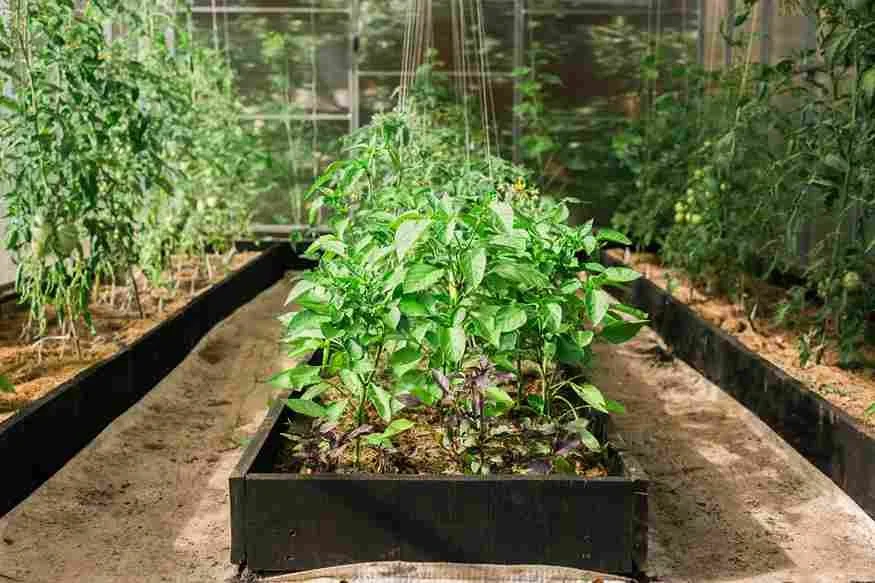
Raised garden beds have become one of the most popular garden additions across Winnipeg in recent years, and it is easy to understand why. They solve several of the most frustrating challenges that Winnipeg's clay-heavy soils create for home gardeners, they extend the growing season at both ends, they look clean and intentional in a way that in-ground beds often struggle to achieve, and they put edible and ornamental plants within easy reach without the back strain of ground-level gardening. But raised garden beds in Winnipeg face climate demands that milder cities do not, and the decisions made about materials, placement, fill, and construction determine whether your investment delivers the growing environment you are hoping for or creates the problems you were trying to avoid. This guide covers everything you need to know.
Key Takeaways
Raised garden beds in Winnipeg solve clay soil drainage and compaction problems by providing a controlled growing environment above the native soil
Material choice significantly affects how long raised beds last through Winnipeg's freeze-thaw cycles and temperature extremes
Soil mix selection is the single most important decision for raised bed performance and should never use native Winnipeg clay as the primary fill
Raised beds extend the Winnipeg growing season by warming faster in spring and maintaining heat longer in fall than in-ground beds
Proper placement considering sun exposure and drainage is essential for maximizing productivity through Winnipeg's short but intense growing season
Bulger Brothers Landscape provides professional garden design and installation services across Winnipeg including raised bed construction and integration with broader landscape plans
Overview
This article covers everything Winnipeg homeowners need to know about raised garden beds, including material selection for this climate, construction considerations, soil mix recommendations, placement for optimal performance, what to plant, and how raised beds integrate with professional landscape design. Bulger Brothers Landscape brings local landscape expertise to Winnipeg residential properties and understands how raised garden beds fit into complete outdoor environments that perform beautifully through every prairie season.
Why Raised Garden Beds Work Particularly Well in Winnipeg
Raised garden beds address several specific challenges that make in-ground gardening difficult in Winnipeg in ways that resonate strongly with local gardeners who have struggled with native soil conditions.
Clay soil problems solved. Winnipeg's clay-heavy soils are the primary reason most local gardeners eventually consider raised beds. Clay soil drains poorly, compacts easily under foot traffic, warms slowly in spring, and has a dense structure that resists root penetration by many vegetable and ornamental plant species. A raised bed filled with quality growing medium bypasses these clay soil limitations entirely, providing the drainage, structure, and root-friendly environment that clay soils cannot deliver regardless of how much amendment is incorporated.
Season extension. Raised beds warm faster in spring than in-ground soil because their elevated position exposes them to warming air temperatures on all sides rather than just from above. This faster warming can extend the planting window in Winnipeg by two to three weeks at the start of the season, meaningful in a city where the frost-free growing period is already compressed. In fall, the thermal mass of a filled raised bed retains warmth longer than exposed in-ground soil, providing additional weeks of productive growing time as temperatures drop.
Drainage control. In a city where spring snowmelt creates the waterlogged soil conditions that damage plant root systems and prevent timely spring planting, raised beds drain freely regardless of how saturated the surrounding native soil becomes. Plants in raised beds can be established and growing productively while in-ground areas are still too wet to work.
Accessibility and ergonomics. Raised beds at heights of 300 to 600 millimetres reduce the bending and kneeling that in-ground gardening requires. For gardeners with back problems, mobility limitations, or simply a preference for comfortable garden access, raised beds make the physical act of gardening significantly more enjoyable. Taller raised beds at 600 to 900 millimetres can be worked from a seated position entirely, opening gardening to those for whom ground-level work is not practical.
Visual definition and cleanliness. Raised beds create clean, defined growing areas that look intentional and well-organized in ways that in-ground beds frequently do not. The defined boundaries of a raised bed separate growing areas from lawn and hardscape clearly, reduce edge maintenance demands, and contribute to the organized, designed appearance of a well-managed outdoor space.
Material Selection for Winnipeg Raised Garden Beds
Material choice for raised garden beds in Winnipeg matters more than in milder climates because the freeze-thaw cycling, extreme temperature range, and moisture conditions this climate creates put significant stress on every construction material used outdoors here.
Cedar
Cedar is the most popular raised garden bed material in Winnipeg and with good reason. Its natural oils provide genuine resistance to moisture absorption, rot, and insect damage that extends its lifespan significantly compared to untreated wood alternatives in this climate. Cedar does not require treatment with preservatives that could leach into soil growing edible plants, making it the most appropriate natural wood choice for vegetable and herb gardens.
Genuine western red cedar raised beds in Winnipeg typically last eight to fifteen years depending on board thickness, construction quality, and how the beds are managed through the seasonal cycle. Thicker boards in the 38 millimetre range last significantly longer than standard 19 millimetre lumber because they retain structural integrity through more freeze-thaw seasons before the cellular damage accumulates to the point of failure.
The primary limitation of cedar is cost relative to untreated alternatives. Quality cedar lumber commands a premium that is justified by its performance in Winnipeg's climate but that makes cedar beds more expensive upfront than alternatives that will not last as long.
Composite Lumber
Composite lumber products made from wood fiber and recycled plastic provide excellent raised bed longevity in Winnipeg's climate because the plastic component resists the moisture absorption and freeze-thaw damage that causes natural wood to deteriorate. Quality composite raised bed products are rated for ground contact applications and resist the rot and insect damage that affect natural wood in constant soil contact.
Composite raised beds typically last 20 or more years in Winnipeg's climate, significantly outperforming natural wood alternatives. They do not require sealing, staining, or chemical treatment and maintain their dimensional stability through temperature extremes that cause natural wood to expand, contract, and eventually split.
The trade-off with composite lumber is appearance. Many composite products have a manufactured appearance that some gardeners find less visually appealing than natural cedar in garden settings. Premium composite products that more closely replicate natural wood appearance command higher prices that partly offset the lifespan advantage compared to cedar.
Galvanized Steel
Galvanized steel raised beds have become increasingly popular in Winnipeg residential gardens because they handle this climate's demands exceptionally well while delivering a clean, contemporary aesthetic that integrates naturally with modern outdoor living spaces and hardscape designs.
Galvanized steel does not rot, does not absorb moisture, and handles freeze-thaw cycling without the structural damage that affects wood products over time. Quality galvanized raised bed products in Winnipeg commonly last 20 to 30 years or more with minimal maintenance requirements beyond occasional cleaning.
The practical consideration for galvanized steel raised beds in Winnipeg is thermal mass. Steel beds absorb and release heat more rapidly than wood alternatives, which creates faster spring warming but also greater temperature fluctuation within the bed through shoulder season periods when overnight temperatures drop significantly. This thermal characteristic is generally positive for season extension in spring but worth considering for cool-season crops that prefer consistently moderate temperatures.
Food-grade galvanized steel products are appropriate for vegetable gardens. Avoid beds made from painted or coated steel products where the coating has not been verified as food-safe for applications growing edible plants.
Concrete Block and Masonry
Concrete block raised beds are one of the most permanent and structurally robust options for Winnipeg properties. They handle Winnipeg's climate without any of the material degradation concerns that affect wood and metal alternatives, require no ongoing maintenance, and can be constructed to any height and configuration that suits the planting and accessibility requirements of your specific situation.
The thermal mass of concrete block raised beds provides even temperature moderation that benefits plant root systems through Winnipeg's shoulder season temperature swings. Concrete warms more slowly in spring than steel but holds heat more consistently through cool nights that can stress plants in materials with lower thermal mass.
Integration with the broader landscape design through consistent material choices is one of the strongest arguments for concrete block or natural stone raised beds on properties where these materials are used in adjacent hardscape features. Raised beds built from the same material as surrounding retaining walls or patio borders create visual coherence that makes the raised bed feel like an intentional component of the overall outdoor design rather than a functional addition that was thought of separately.
Materials to Avoid
Pressure-treated lumber using older chromated copper arsenate formulations should not be used for raised vegetable garden beds due to arsenic leaching concerns. Newer ACQ and copper azole treated lumber formulations are considered safer for raised bed applications by most standards, but many gardeners prefer to avoid treated lumber entirely in edible gardens and use cedar or composite alternatives instead.
Railroad ties and reclaimed industrial timber often contain creosote or other chemical treatments that are not appropriate for garden bed applications where leaching into soil could affect edible crops. These materials should be avoided for vegetable and herb raised beds regardless of their apparent structural soundness.
Untreated pine and spruce deteriorate rapidly in Winnipeg's climate when in constant contact with moist soil. While inexpensive upfront, the replacement frequency of untreated softwood raised beds makes them poor long-term value compared to cedar or composite alternatives with significantly longer service lives.
Raised Bed Construction Considerations for Winnipeg
Beyond material selection, several construction decisions affect how well raised beds perform in Winnipeg's specific conditions.
Height
Raised bed height in Winnipeg should be determined by a combination of the intended use, the depth requirements of the plants being grown, and accessibility preferences.
Minimum useful height for most vegetable and ornamental plantings is 200 to 250 millimetres, which provides adequate root depth for shallow-rooted crops and annual flowers while lifting the growing environment above Winnipeg's most compacted soil surface layer.
Heights of 300 to 400 millimetres provide good growing depth for most vegetables including tomatoes, peppers, and most root vegetables while offering some accessibility improvement over in-ground gardening.
Heights of 600 millimetres and above provide comfortable standing-height access for most gardeners, accommodate the deepest-rooting vegetables, and create the strongest barrier against the cold soil temperature effects that can slow establishment of warm-season crops at the base of shallower beds.
Taller beds require more fill material and stronger structural support at corner connections and mid-span locations to prevent the outward bulging that fill pressure creates in inadequately supported bed walls.
Corner and Connection Strength
Raised bed corner connections must handle the outward pressure that fill material and water-saturated soil exert against the bed walls. Beds that are not adequately connected at corners or that use thin board stock without mid-span support for longer sides develop the bowing and separation that undermines both appearance and function.
Steel corner brackets, through-bolt connections, or interlocking joinery at corners provide the structural connection that simple butt-joint construction with screws or nails does not. For beds longer than 1.5 metres, mid-span vertical stakes driven into the ground and attached to the bed wall prevent the mid-span outward bowing that long unsupported walls develop under fill pressure.
Bottom Treatment
The bottom of a raised garden bed in Winnipeg requires thought about drainage, weed management, and the relationship between the bed's fill and the native soil beneath it.
For beds placed on lawn or garden soil, a layer of cardboard placed directly on the ground before bed installation suppresses existing grass and weeds through the first season while allowing water movement downward and beneficial soil organisms to migrate upward into the bed fill over time. Cardboard decomposes within one to two seasons and does not permanently impede the soil connection that allows raised bed root systems to extend beyond the bed fill depth if desired.
Landscape fabric as a permanent bottom layer prevents weed penetration and root migration from native soil into the bed but also limits drainage in heavy rain events and prevents the beneficial soil organism exchange that improves bed fill quality over time. For beds where isolation from native Winnipeg clay is the primary goal, landscape fabric provides a more permanent barrier than cardboard.
For beds placed on hardscape surfaces like patios or decks, adequate drainage holes or an open-bottom design that sits over a drainage layer is essential to prevent waterlogging that would damage both plants and the underlying surface.
Soil Mix for Winnipeg Raised Garden Beds
Soil mix selection is the single most important decision for raised garden bed performance and the area where many Winnipeg gardeners make costly mistakes by filling beds with inappropriate materials.
Never fill raised beds with native Winnipeg clay or topsoil dug from your yard. Clay soil in a confined raised bed creates the same drainage and compaction problems you were trying to escape. Even good-quality native topsoil compacts quickly in a raised bed environment and loses the structure needed for healthy root development within a season or two.
The standard raised bed soil mix for Winnipeg applications combines three components in roughly equal proportions. Topsoil provides mineral content and water retention capacity. Compost provides biological activity, nutrient availability, and organic matter that improves soil structure over time. Coarse drainage material such as perlite, coarse sand, or aged wood chips improves drainage and prevents the compaction that fine-textured soils develop in raised bed environments.
Commercial raised bed soil mixes available from Winnipeg garden suppliers vary significantly in quality. The best products specify the components and ratios they contain and include adequate compost content rather than being primarily composed of low-quality topsoil or filler material. Reading ingredient specifications rather than relying on marketing language helps identify quality products worth purchasing.
For vegetable and herb gardens, soil mix quality directly affects crop productivity. The investment in quality fill material is repaid through better yields, healthier plants, and a growing environment that continues to improve as compost additions each season build organic matter and biological activity over time.
Annual or biennial topdressing with quality compost replenishes organic matter that microbial activity and plant uptake remove from the soil mix over time, maintaining the rich, biologically active growing environment that makes raised beds so much more productive than in-ground Winnipeg soil for most crop types.
Placement and Sun Exposure
Placement decisions for raised garden beds in Winnipeg significantly affect their productivity and seasonal performance.
Maximum sun exposure is the primary placement criterion for vegetable and most flowering annual raised beds. Winnipeg's growing season is short enough that maximizing photosynthetic opportunity through the available season is important for productive crops. Choose the sunniest available location on your property for productive raised beds and accept that partial shade locations will produce lower yields of warm-season crops regardless of how well the bed is built and filled.
South and southeast facing locations capture the most productive sun angles through Winnipeg's growing season and warm most rapidly in spring, maximizing the season extension benefit that raised beds provide in this climate.
Protection from Winnipeg's prevailing northwest winds is beneficial for taller crops and early-season plantings that are vulnerable to wind damage and wind chill before the weather has fully settled into summer conditions. Raised beds positioned against south-facing walls, fences, or windbreaks that provide wind protection while not creating shade can significantly improve growing conditions for heat-loving crops in Winnipeg.
Accessibility from all sides makes ongoing garden care, harvesting, and bed maintenance practical without requiring gardeners to reach uncomfortably or compact the bed soil by stepping inside. The standard maximum comfortable reach into a raised bed from one side is approximately 600 millimetres, which means beds accessible from only one side should be no more than 600 millimetres wide, while beds accessible from both sides can be up to 1.2 metres wide without access problems.
Integration with Professional Landscape Design
Raised garden beds are most visually successful when designed as integrated components of the overall outdoor landscape rather than as standalone functional additions that were placed without regard for the surrounding environment.
Garden design services that incorporate raised beds into a comprehensive outdoor plan consider how bed placement relates to surrounding hardscape, the visual relationship between bed materials and adjacent structural elements, how pathways between and around beds are designed and surfaced, how the beds are framed by surrounding planting and lawn areas, and how irrigation or water access is provided without detracting from the overall landscape aesthetic.
Raised beds surrounded by mulch beds that connect them visually to adjacent garden areas, positioned in relation to patio and walkway installation that makes them accessible and enjoyable, and framed by garden design that integrates ornamental and edible plantings coherently create outdoor spaces where raised beds feel like features of the landscape design rather than add-ons to it.
When you are ready to incorporate raised garden beds into your Winnipeg outdoor space as part of a professionally designed landscape, Bulger Brothers Landscape brings the design expertise and installation capability to integrate them beautifully. Contact their team at 7 Leeward Pl, Winnipeg, MB R3X 1M6 or call (204) 782-0313 to discuss your garden vision and explore how raised beds can become a designed feature of your outdoor environment.
Frequently Asked Questions about Raised Garden Beds Winnipeg
Q: What is the best material for raised garden beds in Winnipeg?
A: Cedar is the most popular natural wood choice for Winnipeg raised garden beds because its natural oils resist moisture damage and rot through freeze-thaw cycling better than untreated softwood alternatives. Composite lumber and galvanized steel both outlast cedar significantly, with lifespans of 20 or more years in Winnipeg's climate. Concrete block provides permanent, maintenance-free raised bed construction that integrates well with adjacent hardscape features. Material choice depends on balancing upfront cost, desired lifespan, aesthetic preferences, and whether the bed will grow edible crops.
Q: What should I fill raised garden beds with in Winnipeg?
A: Never fill raised beds with native Winnipeg clay or unimproved topsoil dug from your yard. The standard raised bed soil mix combines roughly equal proportions of quality topsoil, compost, and coarse drainage material like perlite or aged wood chips. This combination provides the drainage, organic matter, and biological activity that in-ground Winnipeg clay cannot deliver. Annual compost topdressing maintains soil quality as organic matter is depleted through plant uptake and microbial activity over successive growing seasons.
Q: How tall should raised garden beds be in Winnipeg?
A: Minimum useful height for most Winnipeg applications is 200 to 250 millimetres. Heights of 300 to 400 millimetres provide good growing depth for most vegetables and good accessibility improvement over in-ground gardening. Heights of 600 millimetres or more provide comfortable standing-height access, accommodate deep-rooting crops, and create the strongest thermal benefit for warm-season crops in spring. Taller beds require stronger corner connections and mid-span support to resist the outward pressure of fill material.
Q: Do raised garden beds extend the growing season in Winnipeg?
A: Yes, meaningfully. Raised beds warm faster in spring than in-ground soil because their elevated position exposes them to warming air temperatures on all sides. This faster warming can extend the planting window by two to three weeks at the start of the season in Winnipeg. In fall, the thermal mass of a filled raised bed retains warmth longer than exposed in-ground soil, providing additional weeks of productive growing time. These season extension benefits are particularly valuable in Winnipeg where the frost-free growing period is already compressed.
Q: How do raised garden beds handle Winnipeg winters?
A: Quality raised bed materials handle Winnipeg winters without significant damage when construction is sound. Cedar and composite lumber expand and contract through freeze-thaw cycling without structural failure when joints and connections are adequately strong. Galvanized steel and concrete block are essentially unaffected by Winnipeg winters. The soil fill freezes solid through winter and thaws in spring without damaging the bed structure. Annual compost topdressing in spring refreshes the growing environment after the winter dormant period.
Q: What should I plant in raised garden beds in Winnipeg?
A: Raised beds in Winnipeg are excellent for vegetables including tomatoes, peppers, cucumbers, beans, peas, leafy greens, root vegetables, and herbs. The improved growing conditions and season extension benefits of raised beds are particularly valuable for heat-loving crops like tomatoes and peppers that benefit from the warmer soil temperatures and extended season that raised beds provide. Ornamental annuals and perennials suited to Zone 3 conditions also perform excellently in raised beds where the improved drainage and soil structure support healthy establishment and vigorous growth through the growing season.
Q: How many raised garden beds do I need for a productive vegetable garden in Winnipeg?
A: A practical starting point for a productive Winnipeg vegetable garden is two to four raised beds measuring approximately 1.2 by 2.4 metres each, providing 6 to 12 square metres of growing area. This scale allows meaningful vegetable production through the season without overwhelming first-time raised bed gardeners with more space than they can manage well. Gardeners who want to expand production can add additional beds incrementally as they develop confidence and capacity with the initial installation.
Q: Can raised garden beds be incorporated into a professional landscape design in Winnipeg?
A: Absolutely, and raised beds are most visually successful when designed as integrated components of the overall outdoor landscape rather than as standalone functional additions. Professional landscape design that incorporates raised beds considers their placement in relation to surrounding hardscape, the visual relationship between bed materials and adjacent structural elements, pathway design between and around beds, and how beds are framed by surrounding planting and lawn areas. Raised beds designed as features of a cohesive outdoor environment look more attractive and function more practically than beds placed without regard for the surrounding landscape.
Conclusion
Raised garden beds in Winnipeg offer a genuinely compelling solution to the clay soil, drainage, and growing season limitations that make in-ground gardening challenging in this city. The right material choice, correct construction, quality soil fill, and thoughtful placement create growing environments that dramatically outperform native Winnipeg soil for both edible and ornamental applications while adding clean visual definition to the outdoor space they occupy. When raised beds are designed and built as integrated components of a professionally planned landscape rather than as functional afterthoughts, they contribute to the overall beauty and value of the property in ways that isolated functional installations never quite achieve. Bulger Brothers Landscape brings the design expertise and installation capability to make raised garden beds a beautiful and productive part of your Winnipeg outdoor environment. Reach out today and start planning a garden that performs as well as it looks.