

Finding Quality Outdoor Firepit Installers in Winnipeg
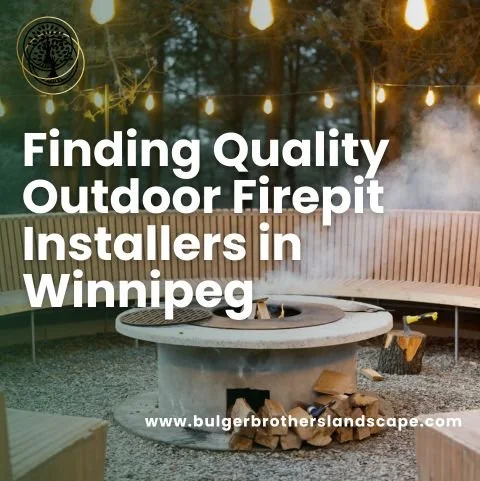
Outdoor fire features transform backyards from simple green spaces into warm, inviting gathering areas extending outdoor season use well into cooler months. Property owners planning these popular additions naturally search for qualified outdoor firepit installers capable of delivering safe, attractive, professionally constructed features. The right installer combines design expertise with construction skills and safety knowledge, creating fire features that provide years of reliable enjoyment while meeting building codes and insurance requirements.
Bulger Brothers Landscape provides professional outdoor firepit installation throughout Winnipeg, integrating fire features into comprehensive landscape designs. Quality installation ensures fire pits function safely, withstand Manitoba's freeze-thaw cycles, and enhance property value through proper construction techniques and attractive designs.
Key Takeaways
Professional outdoor firepit installers cost $2,000-$8,000+ depending on size, materials, and fuel type
Proper installation requires building permits, gas line work (for gas models), and code-compliant construction
Material choices include natural stone, concrete block, brick, and pre-manufactured systems each with different costs
Wood-burning and gas fire pits present different installation requirements and ongoing costs
Licensed, insured installers protect homeowners from safety hazards and liability issues
Quality installation ensures longevity, safety, and optimal performance through Manitoba winters
Overview
This comprehensive guide helps Winnipeg homeowners find and evaluate outdoor firepit installers, from understanding what distinguishes quality professionals to recognizing red flags indicating inadequate providers. You'll discover what professional installation involves, learn cost factors affecting total project investments, and understand critical questions to ask potential installers.
We'll explore different fire pit types and their installation requirements, explain the importance of proper licensing and insurance, and provide selection criteria ensuring you hire qualified professionals. The guide covers design considerations specific to Winnipeg's climate, discusses fuel options and their implications, and outlines the installation process from planning through completion.
The FAQ section addresses common homeowner questions about permits, costs, and installer qualifications. Bulger Brothers Landscape brings extensive hardscaping and outdoor living space experience to Winnipeg properties, creating fire features that serve as focal points for outdoor entertainment while meeting all safety and regulatory requirements.
What Professional Outdoor Firepit Installers Do
Initial Consultation and Design Services
Professional installers begin with comprehensive consultations assessing property characteristics, understanding homeowner preferences, and discussing budget parameters. They evaluate potential locations considering factors like prevailing wind patterns, proximity to structures and combustible materials, sight lines from indoor living spaces, and integration with existing landscape features.
Design services translate concepts into actionable plans. Installers recommend appropriate sizes matching property scale and intended use—intimate gathering areas need smaller features while large entertainment spaces benefit from substantial fire pits. They suggest materials complementing existing hardscaping and architectural styles, discuss fuel type advantages, and provide realistic cost estimates.
Site-specific considerations affect design recommendations. Properties with natural gas access enable convenient gas fire pit options. Locations lacking gas service default to wood-burning or propane systems. Soil conditions, drainage patterns, and proximity to underground utilities all influence final design and installation approaches.
Quality installers provide visual aids—sketches, photos of similar installations, or digital renderings—helping homeowners understand proposed designs before construction begins. This visualization prevents misunderstandings ensuring completed features match expectations.
Permitting and Code Compliance
Professional installers navigate building permit requirements ensuring installations meet municipal codes and safety standards. Most Winnipeg fire pit installations require permits particularly for gas-fired features or permanent structures exceeding certain sizes. Permit processes involve submitting plans, paying fees (typically $100-$300), and scheduling inspections verifying code compliance.
Building codes establish critical safety requirements including minimum distances from structures (usually 10-25 feet), property lines, and combustible materials. Codes specify construction standards for different fuel types, proper ventilation for gas systems, and materials appropriate for fire applications. Professional installers understand these requirements designing compliant installations from the start.
Gas line installations require licensed gas fitters meeting specific qualifications and following strict safety protocols. DIY gas work is illegal in most jurisdictions and extremely dangerous. Professional installers either hold appropriate gas fitting licenses or partner with licensed contractors ensuring safe, legal installations.
Insurance considerations affect permitting too. Some homeowner insurance policies require notification about fire features, and unpermitted installations might void coverage if fires cause damage. Professional installations with proper permits protect insurance coverage while ensuring safety. Understanding how much does patio installation cost Winnipeg helps property owners budget comprehensively for outdoor living spaces often integrated with fire features.
Construction and Installation Services
Site preparation begins professional installation processes. Installers excavate to appropriate depths, establish proper drainage preventing water accumulation, and create stable foundations supporting fire pit structures. Foundation requirements depend on fire pit types—simple gravel rings need minimal preparation while elaborate stone structures demand substantial footings.
Material installation follows manufacturer specifications or design plans. Stone or brick fire pits get constructed course by course using appropriate mortar or dry-stacking techniques. Pre-manufactured fire pit kits receive assembly according to instructions with proper leveling and stabilization. Metal fire bowls or inserts get positioned securely with appropriate clearances.
Gas line installation for gas-fired features requires running lines from main gas supplies to fire pit locations, installing shut-off valves, connecting burners or fire rings, and pressure testing systems ensuring leak-free operation. This specialized work demands licensed professionals with gas fitting credentials protecting homeowner safety.
Finishing work completes installations. Installers add decorative elements, install seating walls or caps, apply final touches ensuring professional appearances, and clean sites removing construction debris. Quality installers don't leave until properties look finished and ready for immediate use.
Safety Features and Final Inspection
Professional installers incorporate critical safety features including proper clearances from combustibles, spark screens or guards for wood-burning pits, accessible shut-off valves for gas systems, stable construction preventing tip-over hazards, and adequate ventilation for gas combustion. These elements prevent accidents while ensuring long-term safe operation.
Final inspections verify installations meet permit requirements and building codes. Municipal inspectors examine construction quality, verify gas line integrity, check clearances and safety features, and ensure overall code compliance. Passing inspections validates proper installation protecting homeowners from liability and ensuring insurance coverage.
Post-installation instruction helps homeowners operate fire features safely. Installers demonstrate proper lighting procedures, explain maintenance requirements, review safety precautions, and provide manufacturer documentation or warranty information. This education ensures safe enjoyment and proper long-term care.
Quality installers offer warranties covering workmanship typically 1-3 years. Material warranties from manufacturers might extend longer—5-10 years or even lifetime warranties on certain components. Understand warranty coverage before hiring ensuring protection against defects or installation problems.
Types of Outdoor Fire Pits and Installation Requirements
Wood-Burning Fire Pits
Wood-burning fire pits deliver authentic fire experiences with crackling sounds, smoky aromas, and dancing flames. Installation costs range from $500-$3,000 for basic designs to $3,000-$8,000+ for elaborate custom stone structures. Simple metal fire bowls in gravel beds cost least, while built-in stone fire pits with seating walls reach upper price ranges.
Wood-burning installations require less infrastructure than gas systems—no fuel line connections or specialized burners. However, they demand attention to smoke management, spark containment, and ash disposal. Proper designs include adequate depth for fuel containment, drainage preventing water accumulation, and stable construction withstanding heat cycles.
Material selection affects longevity in Winnipeg's climate. Steel fire rings rust without protective coatings but cost less initially. Stainless steel resists corrosion commanding premium prices. Stone and brick withstand weather well but require proper construction techniques preventing freeze-thaw damage. Cast iron offers durability at moderate costs.
Ongoing costs include firewood purchases typically $150-$300 per season depending on use frequency. Wood storage requires dry covered space protecting fuel from moisture. Regular ash removal and occasional repairs to fire rings or stones create maintenance needs DIY homeowners can usually handle.
Gas Fire Pits
Gas-fired fire pits offer convenience, clean burning, and instant ignition making them increasingly popular despite higher installation costs. Natural gas installations cost $2,500-$6,000+ including gas line work, while propane systems range $2,000-$5,000 depending on design complexity and materials.
Natural gas connections require running lines from homes' main gas supplies to fire pit locations. This work costs $500-$1,500+ depending on distance and complexity, requiring licensed gas fitters ensuring safe installations. Benefits include unlimited fuel supply without refilling and lower operating costs compared to propane.
Propane systems use portable tanks or permanent underground storage. Tank installations offer flexibility for locations far from gas lines but require periodic refilling costing $30-$60 per tank. Permanent propane tanks installed underground increase initial costs but eliminate visible tank storage and reduce refilling frequency.
Gas burners come in various configurations—simple circular rings ($150-$400), linear burners for contemporary designs ($300-$800), or decorative fire glass or lava rock displays. Installation includes proper burner sizing for intended fire pit dimensions, adequate air supply for complete combustion, and accessible shut-off valves meeting code requirements. Understanding what are some landscaping services helps homeowners recognize how fire pit installation integrates with comprehensive outdoor living space development.
Pre-Manufactured Versus Custom Built
Pre-manufactured fire pit kits simplify installation while reducing costs. Complete kits including all components cost $800-$3,000 with installation adding $500-$1,500 for professional assembly. These systems arrive with detailed instructions, matched components, and manufacturer warranties providing quality assurance.
Kit advantages include design consistency, engineered components ensuring proper function, shorter installation timelines, and often lower total costs compared to custom builds. However, customization options remain limited to available models potentially not matching unique property requirements or aesthetic preferences.
Custom-built fire pits offer complete design flexibility tailored to specific properties and homeowner visions. Installers source individual materials—stones, bricks, burners, bowls—creating one-of-a-kind features. Custom work costs more ($3,000-$10,000+) reflecting design time, specialized materials, and skilled labor but delivers exactly what homeowners envision.
Material availability affects custom builds. Natural stone fire pits using locally-sourced materials might cost less than imported specialty stones. Brick offers economical custom options with classic aesthetics. Stacked stone veneer over concrete block cores balances appearance with economy. Discuss material options with installers understanding cost implications of different choices.
Portable Versus Permanent Installations
Portable fire pits—metal bowls, manufactured units, or simple fire rings—cost least ($200-$1,500) and don't require professional installation or permits in most cases. These options suit renters, budget-conscious homeowners, or those wanting flexibility relocating features. However, portable units lack the permanence, custom integration, and property value enhancement permanent installations provide.
Semi-permanent installations like paver fire pits or simple stone rings offer middle ground. These features integrate into landscapes more thoroughly than portable units while costing less than elaborate permanent structures ($1,500-$4,000 installed). They provide substantial fire experiences without maximum investment levels.
Permanent built-in fire pits become landscape focal points adding property value and aesthetic impact. Custom stone structures, integrated seating, surrounding patios, and professional designs create outdoor rooms extending home living spaces. While costing most, permanent installations deliver maximum enjoyment and value particularly for homeowners planning long-term property tenure.
Permanence affects resale value differently. Quality permanent fire features generally increase property appeal and value. However, overly personalized or unusual designs might not appeal to all buyers. Discuss design choices considering both personal preferences and broader market appeal if resale considerations matter.
Selecting Quality Outdoor Firepit Installers
Essential Credentials and Licensing
Verify installers hold appropriate business licenses operating legally within Winnipeg. While general landscape construction might not require specific licensing, gas fire pit installation demands licensed gas fitters with current certifications. Request proof of relevant licenses before hiring ensuring installers possess legal authority performing proposed work.
Gas fitting licenses require technical training, examination, and continuing education ensuring practitioners maintain current knowledge of safety codes and best practices. Never allow unlicensed individuals to perform gas work—the safety risks and legal liabilities far outweigh any cost savings from using unqualified operators.
Masonry or hardscaping experience matters for substantial stone or brick fire pits. Installers should demonstrate previous work examples showing construction quality and design capabilities. Request portfolios or site visits to completed projects assessing workmanship and aesthetic results.
Industry certifications or association memberships indicate professional commitment though aren't always essential. Membership in landscape or hardscaping associations suggests dedication to trade standards and ongoing education. These affiliations provide additional confidence in professional qualifications.
Insurance and Liability Coverage
Comprehensive general liability insurance protects homeowners from property damage or accidents during installation. Request current insurance certificates showing coverage limits of at least $2 million. Verify certificates directly with insurance companies confirming policies remain active and cover proposed work.
Workers' compensation coverage protects homeowners from liability if installation crew members suffer injuries on your property. This critical protection prevents devastating financial exposure from workplace accidents. Ensure all installers and their employees carry current workers' compensation insurance.
Completed operations coverage extends liability protection beyond installation completion. If fire pits develop problems or cause damage after installation, this coverage protects both installers and homeowners. Quality professionals maintain comprehensive insurance portfolios protecting all parties from various risk scenarios.
Uninsured installers expose homeowners to substantial liability. If uninsured workers suffer injuries or cause property damage, homeowners might bear financial responsibility. Never hire uninsured operators regardless of attractive pricing—the risks far exceed potential savings. Understanding best drainage cleaning services near me and other specialized services shows how professional contractors maintain proper insurance protecting client interests.
Experience and Portfolio Review
Experienced installers bring knowledge preventing common mistakes and anticipating challenges. Ask how many fire pits they've installed, how long they've operated, and whether they specialize in particular fire pit types or fuel systems. Specialists often deliver superior results compared to generalists occasionally installing fire features.
Review portfolios or photos of completed work assessing quality, design variety, and complexity. Look for installations similar to your vision—if you want natural stone, review their stone work; if planning gas systems, examine gas installations. Previous experience with your preferred type increases confidence in successful outcomes.
Request references from recent customers with similar projects. Contact these references asking about installation quality, timeline accuracy, communication, problem resolution, and overall satisfaction. Long-term customer relationships indicate consistent quality and professional business practices.
Visit completed installations if possible. Photos don't always reveal construction quality—seeing actual work provides better assessment opportunities. Observe material quality, construction details, and how features integrate into overall landscapes. Quality installations show attention to detail and professional craftsmanship.
Communication and Customer Service
Professional communicators respond promptly to inquiries, answer questions thoroughly, and maintain regular contact throughout projects. Strong communication during initial consultations suggests similar attention continuing through completion. Poor early communication often signals problems intensifying as work progresses.
Detailed written proposals demonstrate professionalism and protect both parties. Quotes should specify materials, dimensions, fuel types, included work, timeline estimates, payment terms, and warranty coverage. Vague proposals leave too much room for misunderstandings causing disputes when expectations don't align with delivered results.
Transparency about potential challenges or limitations builds trust. Quality installers discuss site-specific issues, realistic timeline expectations, and any uncertainties affecting projects. Overpromising and underdelivering damages relationships—honest communication from the start prevents disappointment.
Problem resolution approaches reveal professional character. Ask how installers handle unexpected complications, schedule delays, or customer concerns. Quality businesses take responsibility for mistakes, communicate solutions proactively, and prioritize customer satisfaction even when problems increase costs or extend timelines.
Cost Factors for Outdoor Firepit Installation
Size and Design Complexity
Fire pit dimensions significantly affect costs. Small intimate fire pits (30-36 inches diameter) cost $1,500-$3,500 installed, while medium-sized features (42-48 inches) range $2,500-$5,000, and large gathering fire pits (60+ inches) reach $4,000-$8,000+ depending on materials and features.
Design complexity multiplies costs through additional materials, extended labor, and specialized skills. Simple circular fire pits install straightforward, while multi-level designs, integrated seating, or elaborate stone patterns require substantially more time and expertise. Custom shapes, decorative elements, and architectural details add artistic value but increase expenses proportionally.
Depth affects material quantities and excavation requirements. Standard fire pits extending 12-18 inches deep use moderate materials, while deeper features approaching 24-30 inches demand more stone, block, or brick plus additional excavation and base preparation. Discuss depth requirements balancing functionality against budget constraints.
Surrounding features integrate fire pits into comprehensive outdoor living spaces but add costs. Connecting patios, seating walls, landscape lighting, and coordinated plantings create cohesive designs costing $5,000-$20,000+ total. Consider whether integrated designs justify investment or if phased development spreading costs across multiple seasons makes more sense.
Material Selection and Quality
Natural stone represents premium material choice costing $30-$60+ per square foot installed depending on stone type and complexity. Flagstone, limestone, or granite create high-end appearances with excellent durability. Stone fire pits range $3,000-$10,000+ for substantial custom features.
Concrete block provides economical structural cores often veneered with stone for attractive appearances at lower costs than solid stone. Block cores with stone veneer cost $2,000-$5,000 delivering stone aesthetics for moderate investments. Exposed block finishes further reduce costs to $1,500-$3,500 though visual appeal decreases.
Brick offers classic aesthetics at moderate prices. Quality fire brick appropriate for heat exposure costs $3-$8 per brick with installations reaching $2,500-$6,000 depending on size and design. Brick's traditional appearance suits certain architectural styles while providing excellent fire resistance and weather durability.
Pre-manufactured fire rings, bowls, or inserts cost $150-$1,500 depending on size and materials. Steel rings cost least but require eventual replacement from rust. Stainless steel resists corrosion at premium prices. Heavy-gauge cast iron offers durability at moderate costs. These components affect total project costs when incorporated into custom builds.
Fuel System and Infrastructure
Wood-burning systems require minimal infrastructure—fire-safe materials and proper construction suffice. Costs concentrate on structure itself rather than fuel delivery systems. This simplicity reduces installation costs though ongoing fuel purchases create long-term expenses.
Natural gas installations add $500-$1,500+ for gas line work beyond basic fire pit construction. Distance from gas mains, line routing complexity, and required capacity affect costs. Simple direct runs cost less than lines navigating obstacles or extending long distances. Licensed gas fitter rates run $100-$150+ per hour plus materials.
Propane systems need tank installations or connections. Portable tank setups add minimal costs—simple connections and regulators total $150-$300. Permanent underground propane tanks cost $1,500-$3,000 installed providing clean appearances without visible tanks but increasing upfront investments substantially.
Ignition systems affect costs too. Manual lighting remains cheapest adding nothing to base prices. Electronic ignition systems with switches or remotes add $200-$600 providing convenience through automatic lighting. Discuss ignition preferences balancing convenience against cost increases.
Site Preparation and Access
Level sites with good access allow efficient installation minimizing preparation costs. Difficult access requiring manual material transport, sloped locations demanding extensive grading, or sites with drainage issues needing correction increase preparation expenses $300-$1,500+.
Excavation depth depends on frost protection requirements, desired fire pit height, and base specifications. Standard excavation removing 12-18 inches of soil costs $200-$500 for typical residential fire pits. Deeper excavation or challenging soil conditions increase costs.
Base preparation using compacted gravel provides stable foundations preventing settling and improving drainage. Quality installations include 4-6 inches of compacted base material costing $100-$300 for typical features. Proper bases prevent premature failure ensuring long-term performance.
Utility location through Manitoba's Click Before You Dig service is free but essential preventing dangerous utility strikes. Gas lines, electrical, water, and sewer running near fire pit locations require design adjustments or specialized construction working around infrastructure. Utility conflicts discovered during installation might require redesign or relocation adding unexpected costs. Understanding when is the best time to install a fence and other construction timing helps coordinate fire pit installation with other property improvement projects.
Installation Process and Timeline
Planning and Design Phase
Professional installations begin with thorough planning spanning 1-3 weeks depending on project complexity. Initial consultations assess properties, discuss preferences, and establish budgets. Designers create preliminary concepts homeowners review providing feedback shaping final designs.
Detailed planning includes material selection, dimensional specifications, fuel system design, and permit preparation. Installers prepare accurate drawings meeting permit requirements, calculate material quantities, and develop installation sequences. This planning prevents problems during construction ensuring smooth project progression.
Permit applications require 1-2 weeks processing in typical situations though complex projects might extend 3-4 weeks. Submit applications early preventing installation delays. Some installers handle permitting as part of comprehensive services while others require homeowner permit management. Clarify responsibility ensuring timely approvals.
Material procurement follows permit approval. Common materials ship quickly—1-2 weeks—while specialty stones or custom components might need 3-6 weeks. Order materials with adequate lead time preventing installation delays. Some installers maintain material inventories enabling immediate project starts once permits approve.
Construction and Installation
Site preparation begins construction phases. Crews stake locations, excavate to specified depths, install bases, and verify proper drainage. This foundational work typically requires 1-2 days for standard residential fire pits establishing solid platforms for subsequent construction.
Structure building proceeds course by course for stone or brick installations. Masons construct fire pit walls checking level and plumb continually, install fire rings or burners at appropriate heights, and build integrated features like seating or caps. Quality construction requires 2-5 days depending on size and complexity.
Gas line installation occurs during structure building or after wall completion depending on installer preferences. Licensed gas fitters run lines, install shut-off valves, connect burners, and pressure test systems ensuring leak-free operation. Gas work adds 1-2 days to project timelines.
Finishing work completes installations. Crews apply final details, install caps or coping, clean excess mortar, seal joints if specified, and remove construction debris. Sites get restored to pre-construction conditions with new fire pits as focal points. Final cleanup requires 1 day typically.
Inspection and Project Completion
Municipal inspections verify code compliance before homeowners use fire features. Inspectors examine construction quality, test gas systems, verify clearances, and ensure overall safety. Inspections typically schedule within several days of completion requests completing projects 1-2 weeks after construction finishes.
Passing inspections allows full project closure and safe operation. Failed inspections require correcting deficiencies before re-inspection and approval. Quality installers rarely face failures because they build to code from the start. However, municipal inspector interpretations occasionally require minor adjustments.
Final walkthroughs with installers provide operation instruction, maintenance guidance, warranty information, and opportunities addressing any concerns. Installers demonstrate proper lighting procedures, explain safety precautions, review cleaning requirements, and answer questions ensuring homeowners understand their new features completely.
Total timeline from initial consultation through final inspection typically spans 4-8 weeks for straightforward residential fire pits. Complex custom designs or material availability delays extend timelines to 8-12+ weeks. Discuss expected timelines during planning understanding when you can begin enjoying new outdoor fire features.
Questions to Ask Potential Installers
About Experience and Qualifications
Ask how long installers have operated and how many fire pits they've completed. Experience numbers alone don't guarantee quality but provide context for expertise levels. Established installers with hundreds of installations bring valuable knowledge preventing common problems.
Request specific examples of work similar to your vision. If planning natural stone fire pits, ask about stone installation experience. For gas systems, verify gas fitting credentials and previous gas fire pit work. Relevant experience matters more than general construction background.
Inquire about continuing education or training. Fire pit technology, materials, and codes evolve. Installers investing in ongoing education stay current with best practices delivering better results. Ask about recent training or industry certifications demonstrating professional development commitment.
Verify licensing and insurance as discussed earlier. Don't accept verbal assurances—request actual documentation showing current licenses and insurance certificates. Reputable installers provide these readily understanding their importance to homeowners.
About Project Specifics
Discuss material options understanding advantages and disadvantages of different choices. What materials do they recommend for your budget and aesthetic preferences? How do materials perform in Winnipeg's climate? What maintenance do various options require? Informed recommendations demonstrate expertise and customer-focused service.
Ask about fuel type recommendations based on your property characteristics and preferences. Which fuel systems do they install most frequently? What are cost differences between wood, natural gas, and propane? How do ongoing operating costs compare? Professional guidance helps you make informed fuel decisions.
Understand what's included in quoted prices. Does pricing cover permits, gas line work, material delivery, and site restoration? What might trigger additional charges? Comprehensive quotes prevent surprise expenses disrupting budgets when unexpected costs emerge.
Inquire about timeline expectations. When can work begin? How long will installation take? What factors might cause delays? Realistic timelines set appropriate expectations preventing frustration when projects take longer than anticipated. Overly optimistic timelines signal either inexperience or intentional underestimating attempting to win business.
About Warranties and Post-Installation Support
Clarify warranty coverage for both installation workmanship and materials. What does warranty include and exclude? How long does coverage last? What procedures apply for warranty claims? Written warranty terms protect your interests providing recourse if problems develop.
Ask about post-installation support. Can you contact them with questions after completion? Do they provide maintenance services or just installation? Will they return for seasonal startups or shutdowns if needed? Ongoing relationships with installers provide valuable resources beyond initial construction.
Understand how they handle problems or defects. What's their response time for warranty claims? How do they approach problem resolution? Quality installers stand behind work addressing legitimate issues promptly and professionally even when problems cost them money.
Discuss maintenance requirements ensuring you understand long-term care responsibilities. What annual maintenance do fire pits need? Are there seasonal preparation or shutdown procedures? Can you perform maintenance yourself or does it require professional service? Clear maintenance understanding prevents premature failure and preserves warranties.
For professional outdoor firepit installation throughout Winnipeg creating stunning focal points for outdoor entertainment, Bulger Brothers Landscape delivers quality construction backed by extensive hardscaping experience. Our skilled team at 7 Leeward Pl, Winnipeg, MB R3X 1M6 integrates fire features into comprehensive outdoor living designs ensuring safety, functionality, and aesthetic appeal. Contact us at (204) 782-0313 to discuss your fire pit vision, explore design options, and receive detailed proposals for professional installation transforming your outdoor space.
Conclusion
Finding qualified outdoor firepit installers ensures your investment delivers years of safe, reliable outdoor enjoyment while adding value and functionality to your Winnipeg property. Professional installation provides critical benefits—code compliance, safety assurance, quality construction, and warranty protection DIY approaches rarely achieve. The selection process—verifying credentials, reviewing portfolios, checking references, and comparing detailed proposals—requires effort but yields superior results through partnerships with skilled professionals.
Fire pit installations represent significant investments ranging from several thousand to ten thousand dollars or more depending on size, materials, and features. Strategic planning balancing aesthetic goals with budget realities, understanding fuel type implications, and selecting appropriate materials for Manitoba's climate creates outdoor features providing decades of entertainment value. Quality professional installation ensures these features perform safely and reliably through harsh winters and heavy use.
Choose Bulger Brothers Landscape for outdoor firepit installation combining design creativity with construction expertise—creating stunning focal points that extend your outdoor living season while enhancing your Winnipeg property for years of enjoyment.
FAQs
Q: How much do professional outdoor firepit installers charge?
A: Professional outdoor firepit installation costs $2,000-$8,000+ in Winnipeg depending on size, materials, and fuel type. Basic wood-burning fire pits start around $1,500-$3,000, while gas fire pits range $2,500-$6,000+ including gas line work. Custom natural stone features with integrated seating and elaborate designs reach $6,000-$12,000+. Installation labor typically represents 30-50% of total costs with materials comprising the balance. Request detailed quotes from multiple installers comparing not just prices but material quality, design services, and warranty coverage.
Q: Do I need permits for outdoor fire pit installation?
A: Most permanent outdoor fire pit installations in Winnipeg require building permits particularly for gas-fired features. Permit requirements depend on fire pit size, fuel type, and permanence. Simple portable fire bowls generally don't need permits, while built-in structures and gas installations typically do. Permit fees run $100-$300 with processing taking 1-2 weeks. Professional installers handle permitting as part of comprehensive services ensuring code compliance. Check with the City of Winnipeg building department confirming requirements for your specific project before beginning construction.
Q: How do I find qualified firepit installers in my area?
A: Find qualified installers through online searches for "outdoor firepit installers," checking landscape company websites, requesting referrals from neighbors with fire pits, and reviewing local contractor directories. Verify credentials including business licenses, gas fitting licenses (for gas installations), and insurance coverage. Review portfolios or photos of completed work, check online reviews and Better Business Bureau ratings, and request references from recent customers. Interview multiple installers comparing experience, communication quality, and proposed approaches before selecting. Quality installers demonstrate expertise, maintain proper insurance, and provide detailed written proposals.
Q: What's better—wood-burning or gas fire pits?
A: Wood-burning fire pits deliver authentic experiences with crackling fires and traditional ambiance but require wood storage, produce smoke, and need ash cleanup. They cost less initially ($1,500-$4,000 installed) but demand ongoing firewood purchases ($150-$300 annually). Gas fire pits offer convenience through instant ignition, clean burning, and simple operation but cost more upfront ($2,500-$6,000+ with gas lines). Operating costs depend on fuel prices and usage—propane refills cost $30-$60 per tank while natural gas runs cheaper long-term. Consider convenience priorities, initial budget, aesthetic preferences, and local fire regulations determining best fuel choice.
Q: How long does fire pit installation take?
A: Professional fire pit installation typically requires 3-7 days of actual construction time for standard residential features. Projects span 4-8 weeks total from initial consultation through final inspection including design development (1-2 weeks), permit processing (1-2 weeks), construction (3-7 days), and inspection scheduling (several days). Complex custom designs or material availability delays extend timelines to 8-12+ weeks. Gas line installation adds 1-2 days for licensed gas fitting work. Weather delays might extend schedules during spring or fall installation periods. Discuss expected timelines during initial consultations understanding when you can begin using new fire features.
Q: Do outdoor fire pits increase property value?
A: Quality outdoor fire pits typically increase property appeal and perceived value particularly in markets valuing outdoor living spaces. Well-designed features integrated into comprehensive landscapes enhance properties more than standalone installations. However, actual value increases vary based on overall property quality, neighborhood standards, and buyer preferences. Expect fire pits to add $2,000-$5,000 in perceived value for quality installations though returns might not equal full installation costs. Focus fire pit investments on personal enjoyment rather than purely financial returns. Overly personalized or unusual designs might not appeal to all buyers potentially limiting value enhancement.
Q: What maintenance do outdoor fire pits require?
A: Wood-burning fire pits require regular ash removal, periodic cleaning of fire bowls or rings, and inspection of stone or brick joints checking for damage. Annual maintenance includes cleaning surrounding areas, checking structural integrity, and resealing stones if applicable. Gas fire pits need annual burner inspection and cleaning, gas line leak testing, and verification of ignition systems. Both types benefit from covering during non-use periods protecting from weather. Professional maintenance costs $100-$300 annually for gas systems while wood-burning maintenance is mostly DIY. Proper maintenance extends fire pit lifespans to 20-40+ years depending on materials and construction quality.
Q: Can I install an outdoor fire pit myself?
A: Capable DIY homeowners can install simple wood-burning fire pits using kits or basic designs saving professional installation costs ($500-$2,000). However, gas fire pit installation requires licensed gas fitters—DIY gas work is illegal and extremely dangerous. Complex stone or brick construction demands masonry skills and experience achieving professional results. DIY limitations include lack of proper equipment, potential code violations, safety hazards from improper construction, and no warranty protection. Most homeowners find professional installation worth investment through superior results, code compliance, safety assurance, and warranty coverage. Attempt DIY only for simple wood-burning designs if you possess adequate skills and willingness to invest substantial time.
Q: What safety features should fire pits include?
A: Essential safety features include proper clearances from structures (typically 10-25 feet), property lines, and combustible materials, stable construction preventing tip-over, spark screens or guards for wood-burning pits, accessible shut-off valves for gas systems, adequate ventilation preventing carbon monoxide accumulation, fire-resistant materials throughout construction, and proper depth preventing accidental contact with hot surfaces. Professional installers incorporate all required safety elements meeting building codes. Additional optional features include seating at safe distances, fire extinguisher nearby, and clear surrounding areas free from overhanging branches or flammable landscaping. Never compromise safety features attempting cost savings—proper safety protects families and properties.
Q: How do I maintain my fire pit through Winnipeg winters?
A: Prepare fire pits for winter by thoroughly cleaning, removing ash and debris, covering with weather-resistant covers, ensuring drainage prevents water accumulation, and disconnecting gas systems if recommended by manufacturers. Winter moisture and freeze-thaw cycles stress structures—proper preparation minimizes damage. Some homeowners continue using fire pits through winter while others shut down for the season. Quality construction withstands winter conditions but protective covers extend lifespans. Spring startup includes uncovering, inspecting for winter damage, cleaning, testing gas systems if applicable, and verifying structural integrity before use. Professional inspection every 2-3 years catches developing problems before they become serious. Understanding how much does spring cleanup cost Winnipeg helps budget for comprehensive seasonal property preparation including fire feature maintenance.