

How to Do Residential Snow Removal: Complete Guide for Winnipeg Homeowners
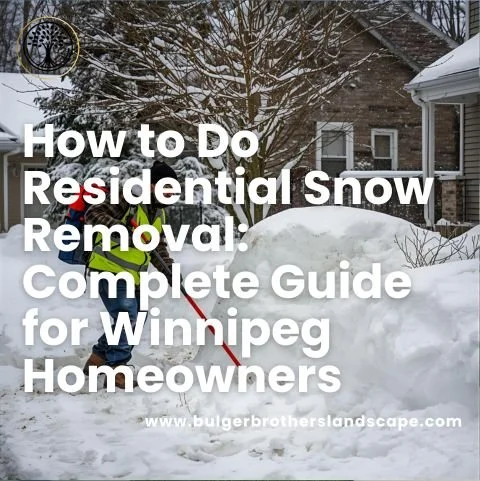
Clearing Snow in Winnipeg Takes More Than a Good Shovel
Winnipeg winters are not forgiving. From the first snowfall in late October through the heavy March dumps that catch homeowners off guard every year, managing snow on a residential property requires the right approach, the right tools, and an honest understanding of when professional help is the better option.
In areas like River Heights and St. Vital, where older tree canopies drop branches under snow load and long driveways demand serious effort after every storm, knowing how to do residential snow removal properly makes a real difference. Done right, it keeps your property safe, protects your surfaces from damage, and reduces the physical toll of what can be a daily winter task. Done poorly, it leads to ice formation, pavement damage, strained backs, and liability exposure that most homeowners do not anticipate until it is too late.
This guide covers the full picture of how to do residential snow removal in Winnipeg, from equipment selection and timing to technique and the point at which hiring a professional like Bulger Brothers Landscape becomes the smarter long-term decision.
Key Takeaways
Timing matters as much as technique when doing residential snow removal in Winnipeg
Choosing the right equipment for your property size and surface type prevents damage and saves time
Sanding or salting after every clearing event is essential in Winnipeg's freeze-thaw climate
Clearing in layers during heavy snowfall is safer and more effective than waiting for the storm to stop
DIY residential snow removal carries real physical risks, especially for homeowners over 50
Professional snow removal delivers consistent results without the time, effort, or liability exposure of doing it yourself
Overview
This guide walks Winnipeg homeowners through every practical aspect of how to do residential snow removal, from choosing the right shovel or snowblower to understanding the timing, technique, and safety considerations that make the difference between a well-managed winter property and a hazardous one. It also makes an honest case for when professional service is the better choice, and how Bulger Brothers Landscape supports Winnipeg homeowners who want reliable, consistent winter property care without the effort.
Understanding What Residential Snow Removal Actually Involves
Before getting into tools and technique, it helps to understand the full scope of what residential snow removal covers. Most homeowners focus on the driveway, but a complete approach includes the front walkway, steps, side paths, back yard access where needed, and the windrow left by city plows at the end of the driveway after street clearing.
Each of these areas has different surface types, traffic patterns, and risk profiles. Steps and front walkways carry the highest slip-and-fall risk because they see the most foot traffic. The windrow is often the hardest material to move because it is compacted and dense by the time city plows have finished the street. The driveway is the largest area and the one that requires the most time and equipment.
Treating residential snow removal as one task oversimplifies what is actually a multi-area property management job. A complete approach handles every area systematically, applies traction material after clearing, and accounts for overnight refreezing before the next morning's activity begins.
Choosing the Right Equipment for Winnipeg Conditions
Equipment selection is one of the most important decisions in residential snow removal. The right tool for your property depends on driveway size, surface type, typical snowfall amounts, and your physical capacity.
Shovels
A good ergonomic snow shovel is a practical tool for light snowfall events and smaller properties. Look for a shovel with a curved handle that reduces back strain and a wide, lightweight blade. Plastic blades work well on interlock pavers and wood surfaces where metal could cause damage.
For Winnipeg conditions, a pusher-style shovel works well for light, fresh snow on flat surfaces. A standard lifting shovel is more effective for heavier, wetter accumulations. Having both available gives you flexibility across different storm types.
Shoveling technique matters as much as shovel selection. Push snow to the side rather than lifting when possible, keep your back straight, bend at the knees for lifting, and take regular breaks during heavy events. Overexertion during cold-weather shoveling is a genuine health risk.
Snowblowers
A snowblower is the most practical equipment upgrade for Winnipeg homeowners with driveways longer than two car lengths. A two-stage snowblower handles Winnipeg's heavier snowfall events significantly better than a single-stage model and can manage the dense windrow left by city plows.
For most Winnipeg residential driveways, a two-stage gas-powered snowblower with a clearing width of 24 to 30 inches is the right scale. Electric models have improved significantly but may struggle in temperatures below minus 20, which Winnipeg regularly sees throughout January and February.
Snowblower maintenance before the season starts matters as much as having the right machine. Fresh fuel, a clean carburetor, and functional shear pins prevent breakdowns during the storms when you need the equipment most. You can read more about what professional snow removal equipment looks like at the commercial scale on the Bulger Brothers service page.
Ice Scrapers and Push Brooms
An ice scraper and a wide push broom are essential secondary tools for every Winnipeg homeowner doing their own snow removal. The push broom handles light dustings and clears snow from steps and walkways quickly. The ice scraper manages refrozen surfaces between clearing events and addresses the thin ice layers that form after freeze-thaw cycles.
Sand, Salt, and Ice Melt Products
Traction management is not optional in Winnipeg. After every clearing event, applying sand, salt, or an ice melt product to driveways, walkways, and steps is what actually makes those surfaces safe. Sand provides immediate traction without melting ice. Salt and ice melt products work chemically to lower the freezing point of water, preventing ice formation or breaking down existing ice layers.
For temperatures below minus 15, standard rock salt becomes less effective. Calcium chloride or magnesium chloride products work at lower temperatures and are worth having available for Winnipeg's coldest winter periods. Always apply traction material immediately after clearing while the surface is still relatively warm rather than waiting until ice has fully formed.
Timing Your Residential Snow Removal in Winnipeg
Knowing when to clear snow is as important as knowing how to do it. The timing of your residential snow removal directly affects how much effort the job requires and how safe your property remains throughout the day.
Clear Early and Clear Often
The best approach in Winnipeg is to clear snow as it accumulates rather than waiting for a storm to finish. Clearing in stages during a heavy snowfall keeps the depth manageable, prevents compaction under foot and vehicle traffic, and reduces the total physical effort required.
Waiting for a 20 cm storm to finish before clearing means moving a much heavier, denser accumulation in a single session. For homeowners managing their own snow removal, that is both physically demanding and time-consuming. For properties with high morning traffic, it also means dealing with packed snow that has frozen during the storm rather than fresh, manageable accumulation.
Account for Overnight Refreezing
Winnipeg's freeze-thaw cycles create one of the most consistent challenges in residential snow removal. Snow that falls during a mild afternoon, even as little as 2 to 3 cm, can freeze solid overnight when temperatures drop. By morning, what was a light dusting has become a bonded ice layer that requires far more effort and traction material to manage safely.
Clearing and sanding before temperatures drop in the evening prevents this cycle from taking hold. If you cannot clear before nightfall after a daytime snowfall, applying sand or ice melt product to the surface before you go to bed reduces overnight ice formation significantly.
The Windrow Timing Problem
City plows typically clear Winnipeg residential streets in the early morning hours, which means the windrow across the bottom of your driveway often appears after you have already cleared for the day. Checking your driveway after the street is plowed and clearing the windrow before temperatures drop is an important step that many homeowners overlook.
For properties in areas like Charleswood and Transcona where street plowing schedules can run late into the morning, the windrow may arrive just as you are leaving for work. Having a plan for windrow management, whether that means a second clearing pass or professional service, prevents the bottom of your driveway from becoming the most hazardous spot on your property.
You can review how professional contractors handle timing and response for residential properties by reading about residential snow removal services in Winnipeg on the Bulger Brothers blog.
Technique for Effective Residential Snow Removal
Good technique reduces physical strain, produces better results, and protects your property surfaces from unnecessary damage.
Driveway Clearing
Start at the garage door and work toward the street. Push snow to the sides of the driveway rather than the middle, creating clear lanes that allow water to drain as temperatures rise during the day. For snowblower users, alternate the discharge direction with each pass to avoid building up large piles on one side.
Clear down to the pavement surface rather than leaving a thin layer of packed snow. That residual layer freezes overnight and becomes progressively harder to manage as the season continues. Finishing each clearing session with a light sand application protects the bare surface.
Walkway and Step Clearing
Work from the top of the steps downward, pushing snow off to the side of the walkway rather than piling it in front of the steps. On narrow walkways, a push broom followed by an ice scraper for any bonded material is often more effective than a shovel.
Always apply sand or salt to steps and walkways immediately after clearing. These surfaces see the most concentrated foot traffic and carry the highest slip-and-fall risk. Leaving them untreated after clearing creates a false sense of safety that can lead to injuries.
Managing the Windrow
The city plow windrow at the end of your driveway is typically the densest, heaviest material you will handle during any clearing event. It contains compacted street snow mixed with road sand and grit, and it often freezes into a solid block if not addressed promptly.
A two-stage snowblower handles windrow material well. For shoveling, use a metal-bladed shovel and work in smaller sections rather than trying to move large amounts at once. Breaking the windrow into manageable pieces and moving them to the side of the driveway is more effective than trying to push the entire mass.
For properties where windrow management is consistently difficult, this is often the single strongest argument for professional residential snow removal service. You can read about the complete residential snow removal process on the Bulger Brothers blog for a detailed look at how professionals handle windrow clearing as part of a full-service approach.
The Physical Reality of DIY Residential Snow Removal
Understanding how to do residential snow removal also means being honest about the physical demands involved, particularly for Winnipeg homeowners managing the job across an entire season.
Clearing a standard Winnipeg driveway with a walkway and steps takes between 20 and 45 minutes after a significant snowfall. Across 25 to 35 clearing events in a typical winter season, that amounts to 10 to 25 hours of outdoor labour in sub-zero temperatures. For homeowners who also need to manage the windrow and apply traction material on every visit, the time commitment is even greater.
The health risk is real and well-documented. Shoveling snow is among the most physically demanding household tasks in a Canadian winter. Cardiovascular events and back injuries from snow shoveling account for thousands of hospital visits across Canada each winter, with the risk increasing significantly for those over 50 or managing existing health conditions.
For many Winnipeg homeowners, the honest answer to how to do residential snow removal is to hire someone who can do it reliably and safely. Professional service is not an admission of inability. It is a practical decision that returns hours of time, eliminates physical risk, and delivers better results than most homeowners can achieve with DIY equipment and effort.
When Professional Residential Snow Removal Is the Right Choice
Professional residential snow removal makes the most sense for homeowners who fall into one or more of these categories: those with long driveways or complex property layouts that make DIY clearing time-prohibitive, those over 50 or managing health conditions that make physical exertion in cold weather a risk, those who travel frequently and cannot manage clearing on a consistent schedule, and those who have experienced the consequences of ice formation from delayed clearing and want to prevent it from happening again.
Bulger Brothers Landscape provides professional residential snow removal across Winnipeg with seasonal contracts that include driveway clearing, windrow removal, walkway and step maintenance, and sanding after every visit. Their team understands Winnipeg's specific winter conditions, freeze-thaw patterns, and the timing demands that make residential snow removal in this city more complex than in milder Canadian markets.
For homeowners comparing the cost of professional service against the time, effort, and equipment investment of doing it themselves, the residential snow removal cost guide on the Bulger Brothers blog provides realistic pricing context for Winnipeg properties. You can also review the winter services overview to understand the full scope of what a professional winter property care program includes.
If you are ready to put a reliable winter plan in place and stop spending your mornings managing snow in sub-zero temperatures, Bulger Brothers Landscape is the team to call. Located at 7 Leeward Pl, Winnipeg, MB R3X 1M6 and reachable at (204) 782-0313, they work with Winnipeg homeowners across the city to deliver consistent, professional residential snow removal that covers every area of your property from first snowfall through spring. Contact them today to discuss a seasonal contract and secure your spot before route capacity fills up.
Frequently Asked Questions About How to Do Residential Snow Removal
What is the best way to do residential snow removal in Winnipeg?
Clear snow early and in stages rather than waiting for a storm to finish. Use a two-stage snowblower for larger driveways, work from the garage toward the street, and always apply sand or salt after clearing. Managing the city plow windrow promptly and treating surfaces before overnight temperatures drop prevents ice formation that is far harder to manage than fresh snow.
What equipment do I need for residential snow removal in Winnipeg?
A two-stage gas snowblower is the most practical primary tool for most Winnipeg driveways. Supplement it with an ergonomic snow shovel for tight areas and steps, an ice scraper for bonded ice between events, a push broom for light snowfall, and sand or ice melt product for traction management after every clearing session.
How often should I clear snow from my driveway during a Winnipeg winter?
Clear after every significant snowfall event, ideally before foot or vehicle traffic packs the snow down. During extended storms, clearing in stages rather than waiting for the storm to finish is more effective and less physically demanding. Check your driveway again after city plows clear your street to manage the windrow before it freezes.
Is sanding necessary after every residential snow removal session?
Yes, in Winnipeg's climate. Freeze-thaw cycles mean a cleared surface can become dangerously icy within hours of clearing, particularly on evenings when temperatures drop sharply after a mild afternoon. Applying sand or ice melt product immediately after every clearing session is the step that actually makes the surface safe, not the clearing itself.
What is the safest way to shovel snow in Winnipeg without injuring yourself?
Push snow to the side rather than lifting when possible. Use an ergonomic shovel with a curved handle, bend at the knees for any lifting, keep your back straight, and take regular breaks during heavy events. Avoid overexertion, dress in layers to manage body temperature, and stop if you feel chest tightness, shortness of breath, or back pain. For homeowners with health conditions, professional service is a significantly safer alternative.
How do I deal with the windrow left by city plows?
Address the windrow as soon as possible after street plowing, before temperatures drop and freeze it solid. A two-stage snowblower handles windrow material well. For shoveling, work in small sections using a metal-bladed shovel, breaking the compacted material into manageable pieces rather than trying to move it all at once. Apply sand after clearing to prevent refreezing.
At what point does it make sense to hire a professional for residential snow removal?
If your driveway takes more than 30 minutes to clear, if you are over 50 or managing a health condition, if your schedule makes consistent clearing impractical, or if you have experienced ice formation problems from delayed or incomplete clearing, professional service is the more practical and cost-effective choice over a full Winnipeg winter season.
What should I look for in a professional residential snow removal contractor in Winnipeg?
Look for a written contract with a defined accumulation trigger, response time commitment, and sanding included as a standard service. Confirm the contractor carries liability insurance and ask about their windrow clearing policy. Booking in September or October ensures access to the most reliable providers before route capacity fills up for the season.
Conclusion
Knowing how to do residential snow removal in Winnipeg properly means understanding the equipment, the timing, the technique, and the honest limits of what DIY management can deliver across a demanding five-month winter season. For some homeowners, a well-maintained snowblower and a consistent clearing routine is enough. For many others, the time, physical effort, and liability exposure of managing it themselves makes professional service the smarter long-term choice.
Bulger Brothers Landscape provides Winnipeg homeowners with reliable, professional residential snow removal that handles every area of your property, responds on schedule, and keeps surfaces safe from first snowfall through spring. Reach out today and get your winter plan in place before the season begins.