

How Much for Fence Installation? Complete Pricing Guide for Winnipeg Properties
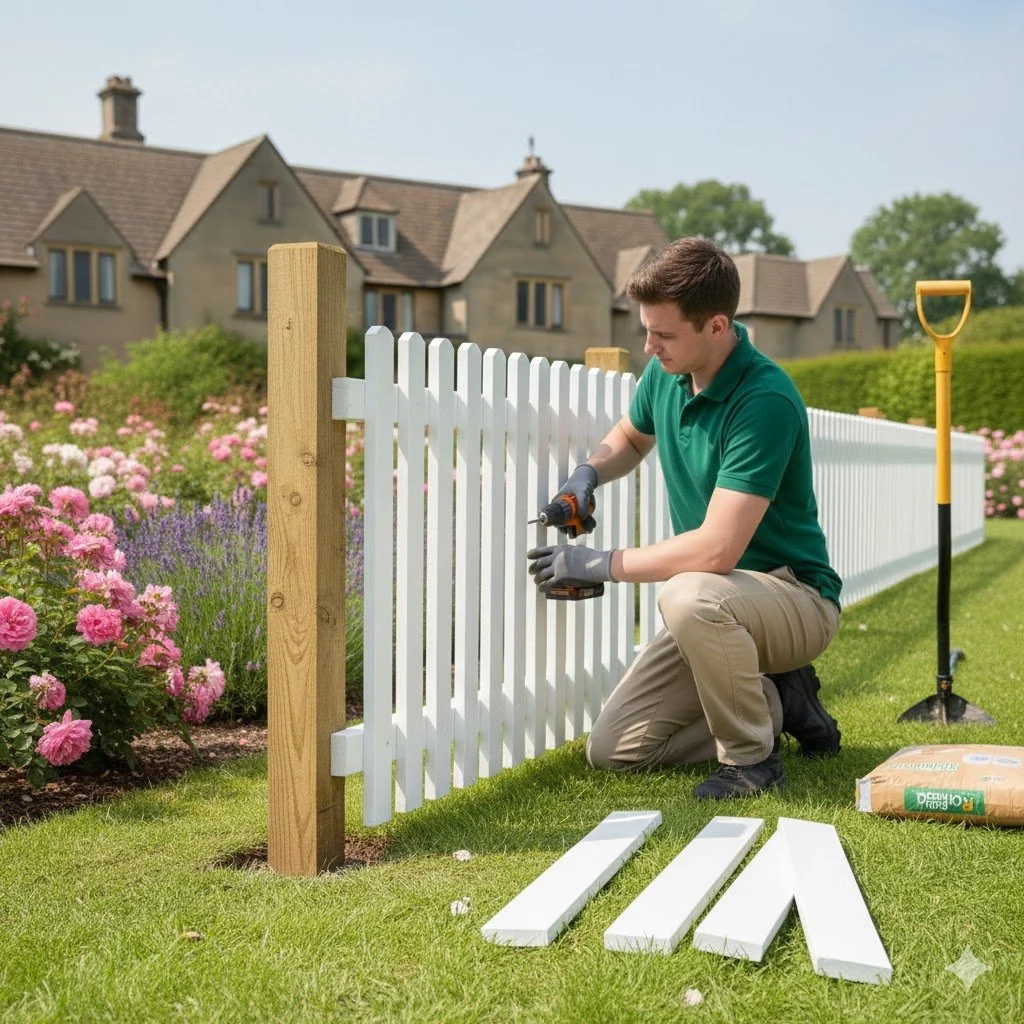
Fences serve multiple critical functions in residential landscapes, providing privacy, security, property definition, and aesthetic enhancement. Understanding costs before starting fence projects helps homeowners budget appropriately and make informed decisions about materials, styles, and installation approaches. Many property owners ask how much for fence installation when planning outdoor improvements, discovering that pricing varies significantly based on fence type, materials, property conditions, and installation complexity.
Professional fence installation represents a significant investment that enhances property value while providing functional benefits for years or decades. Bulger Brothers Landscape provides comprehensive fencing services throughout Winnipeg, combining quality materials with expert installation that withstands Manitoba's challenging climate. Our transparent pricing and detailed proposals help you understand exactly what your investment includes while ensuring installations meet your specific needs and expectations.
Key Takeaways
Fence installation costs typically range from $15-$75 per linear foot installed, depending on materials and style
Total project expenses for average residential yards range from $2,500-$8,000 for complete fence installations
Material selection significantly affects both initial costs and long-term maintenance requirements
Professional installation ensures proper post setting, level construction, and compliance with local regulations
Site conditions including rocky soil, slopes, and property obstacles increase installation complexity and costs
Quality fencing enhances property values, provides privacy and security, and defines outdoor spaces effectively
Overview
This comprehensive guide explores how much for fence installation in Winnipeg, breaking down pricing factors, comparing material options, and explaining what influences final project costs. You'll discover typical price ranges for different fence types, understand labor components affecting installation expenses, and learn what separates quality installations from budget approaches that fail prematurely. We examine municipal requirements, maintenance considerations, and long-term value propositions for various fencing options.
Whether you're replacing existing fences, installing new perimeter fencing, or adding privacy screens for specific areas, understanding cost structures helps you budget realistically and evaluate proposals accurately. This guide addresses common questions about fence pricing, provides insights into what affects installation expenses, and explains how Bulger Brothers Landscape approaches fence projects to deliver lasting results. You'll gain knowledge helping you make smart decisions about your fencing investment while avoiding common pitfalls that increase costs unnecessarily.
Breaking Down Fence Installation Pricing Components
Understanding how much for fence installation requires examining individual expense categories comprising total project costs.
Material Costs
Fencing materials typically represent 40-60% of total project expenses. Prices vary dramatically between basic chain link and premium cedar or composite options.
Common Material Price Ranges (per linear foot, materials only):
Chain link: $5-$15
Wood (pressure-treated pine): $8-$20
Cedar: $15-$35
Vinyl: $20-$40
Composite: $25-$45
Ornamental aluminum: $20-$35
Wrought iron: $30-$60+
Material quality within categories affects pricing significantly. Economy-grade lumber costs less than premium boards, while professional vinyl systems exceed budget alternatives in durability and appearance.
Labor and Installation Costs
Professional installation labor typically adds $10-$30 per linear foot to material costs, varying based on fence complexity, site conditions, and installation challenges. Basic chain link installation requires less labor than intricate picket fences or decorative iron work.
Installation labor covers:
Site preparation and layout
Post hole excavation
Post setting and concrete work
Panel or rail installation
Gates and hardware mounting
Cleanup and debris removal
Experienced installers like Bulger Brothers Landscape complete work efficiently while ensuring proper techniques that promote fence longevity. Rushed or amateur installation creates problems requiring expensive corrections.
Post and Foundation Requirements
Proper post setting determines fence stability and longevity. Posts require adequate depth (typically 2.5-3 feet minimum in Winnipeg for frost protection), appropriate concrete anchoring, and correct spacing.
Challenging soil conditions increase costs:
Rocky Soil: Requires equipment for breaking through rock or drilling holes, adding $5-$15 per post
Heavy Clay: Winnipeg's common clay soils demand proper concrete setting techniques
Wet Areas: May need drainage provisions or special installation methods
According to Landscape Ontario, proper post installation in freeze-thaw climates like Manitoba's critically affects fence performance and justifies investment in quality foundation work.
Gates and Access Points
Gates add significant costs beyond linear fencing:
Single Walk Gates: $150-$500 installed depending on material and hardware
Double Drive Gates: $500-$2,000+ installed based on size and specifications
Premium Hardware: Quality hinges, latches, and locks add $50-$200 per gate
Gates require additional framing, precise alignment, and quality hardware ensuring smooth operation and longevity.
Site Preparation and Obstacles
Properties requiring extensive preparation increase costs:
Brush Clearing: $200-$1,000 depending on vegetation density
Old Fence Removal: $3-$8 per linear foot for removal and disposal
Grading: $500-$2,000 for significant slope modifications
Utility Location: Professional utility marking required before digging
Permits and Municipal Fees
Winnipeg requires permits for most fence installations, with fees typically ranging from $50-$200 depending on project scope. Some neighborhoods have additional covenant requirements or architectural review processes adding time and potential costs.
Professional installers handle permit applications, ensuring compliance with height restrictions, setback requirements, and construction standards.
Typical Fence Installation Costs by Material Type
Real-world pricing examples help homeowners understand how much for fence installation for properties similar to theirs.
Chain Link Fencing ($15-$25 per Linear Foot Installed)
Total Cost for 150 Linear Feet: $2,250-$3,750
Chain link provides economical solutions for pet containment, security, and property boundaries. While lacking aesthetic appeal for front yards, it offers practical functionality at minimal cost.
Basic galvanized chain link costs least, while vinyl-coated options in colors like black or green improve appearance for modest additional expense. Privacy slats inserted into chain link mesh add privacy at $3-$5 per linear foot.
Pressure-Treated Wood Fencing ($18-$35 per Linear Foot Installed)
Total Cost for 150 Linear Feet: $2,700-$5,250
Treated lumber provides affordable traditional fencing with reasonable longevity. Styles include:
Stockade/Privacy: Solid boards with no gaps, maximum privacy
Shadowbox: Alternating boards on both sides creating attractive two-sided appearance
Picket: Open spacing, decorative appearance for front yards
Pressure-treated pine weathers to gray unless stained regularly. Quality varies significantly between lumber grades, affecting appearance and durability.
Cedar Fencing ($30-$50 per Linear Foot Installed)
Total Cost for 150 Linear Feet: $4,500-$7,500
Cedar offers natural beauty, pleasant aroma, and superior rot resistance compared to pressure-treated lumber. The rich color and straight grain create premium appearances, though cedar weathers to silver-gray without protective finishes.
Cedar's natural oils resist decay and insects, providing longer service life than treated pine. The material costs more but requires less chemical treatment, appealing to environmentally conscious homeowners.
Vinyl Fencing ($35-$55 per Linear Foot Installed)
Total Cost for 150 Linear Feet: $5,250-$8,250
Vinyl provides low-maintenance alternatives to wood, never requiring painting or staining. Quality vinyl systems withstand Manitoba winters without cracking when properly manufactured for cold climates.
Vinyl Advantages:
No painting, staining, or sealing required
Resistant to rot, insects, and moisture
Available in various styles mimicking wood fences
Long warranties (20-30 years typical)
Vinyl Considerations:
Higher upfront costs than wood
Cannot be repaired easily if damaged
Some products become brittle in extreme cold
Limited color options (mostly white, tan, or gray)
Composite Fencing ($40-$65 per Linear Foot Installed)
Total Cost for 150 Linear Feet: $6,000-$9,750
Composite materials combine wood fibers with plastics, offering wood-like aesthetics with minimal maintenance. Premium composites resist fading, staining, and weathering while providing rich colors and realistic textures.
These products suit homeowners wanting wood appearance without maintenance commitments, though initial costs exceed both wood and vinyl alternatives.
Ornamental Aluminum Fencing ($35-$50 per Linear Foot Installed)
Total Cost for 150 Linear Feet: $5,250-$7,500
Aluminum fencing provides elegant appearance, rust resistance, and low maintenance. Popular for pool enclosures, front yards, and decorative applications where security matters less than aesthetics.
Aluminum offers wrought iron appearance at lower costs and without rust concerns. Various styles from simple to ornate suit different architectural preferences.
Wrought Iron Fencing ($45-$80+ per Linear Foot Installed)
Total Cost for 150 Linear Feet: $6,750-$12,000+
Custom wrought iron delivers maximum security, unmatched durability, and elegant traditional appearance. Labor-intensive fabrication and installation create premium costs justified by longevity and aesthetic impact.
Iron requires periodic painting preventing rust, adding ongoing maintenance costs. Despite maintenance needs, properly cared iron fencing lasts generations.
Factors That Increase Fence Installation Costs
Understanding what drives prices higher helps you anticipate expenses and make informed decisions about project scope.
Property Terrain and Accessibility
Challenging site conditions increase labor requirements:
Slopes: Stepped or racked fences following grades require custom work adding $3-$10 per linear foot
Rocky Ground: Difficult excavation increases post setting costs
Poor Access: Limited equipment access requires manual labor increasing costs 20-40%
Wet or Unstable Soil: Special installation techniques add expenses
Fence Height
Standard residential fences run 4-6 feet tall. Heights exceeding standards increase costs through additional materials and labor:
4-foot fence: Base pricing
6-foot fence: Add 20-30%
8-foot fence: Add 40-60%
Taller fences require deeper post holes, larger posts, and additional bracing, increasing both material and labor expenses.
Custom Features and Upgrades
Premium elements enhance fences while adding costs:
Decorative Post Caps: $10-$50 per post
Lattice Toppers: $5-$15 per linear foot
Custom Gates: $500-$3,000 depending on size and design
Automatic Gate Openers: $800-$2,500 installed
Decorative Hardware: $50-$200 per gate
Municipal Requirements and Permits
Some jurisdictions impose specific requirements affecting costs:
Height restrictions requiring variance applications
Material limitations in historic districts
Required setbacks from property lines
Mandatory engineering for retaining fence walls
Additional inspections adding permit costs
Seasonal Timing
Installation timing affects availability and pricing. Peak season (late spring through early fall) sees higher demand and potentially premium pricing. Winter installation, while possible, presents challenges increasing labor costs.
Comparing DIY vs. Professional Installation
Many homeowners wonder whether DIY fence installation saves enough money to justify effort and risk.
DIY Cost Analysis
Materials-only costs appear attractive, potentially saving 40-60% compared to professional installation. However, several factors affect DIY economics:
Required Tools and Equipment:
Post hole digger or auger rental: $50-$150
Level, string lines, stakes: $50-$100
Concrete mixing equipment: $30-$75
Saw, drill, hardware: $100-$300 if not owned
Safety equipment: $50-$100
Hidden Costs:
Mistakes requiring material replacement
Injuries from improper technique or equipment
Time away from work or other activities
Warranty limitations on materials when self-installed
Potential for substandard results reducing property value
Professional Installation Advantages
Experienced installers like Bulger Brothers Landscape bring value exceeding labor cost savings:
Expertise and Efficiency: Professional crews complete installations in days rather than weekends spread over weeks or months. They recognize potential problems, adjust for site conditions, and ensure quality results.
Proper Equipment: Commercial augers, concrete mixers, and specialized tools complete work faster and better than rental equipment.
Warranty Protection: Quality installers warranty workmanship, addressing issues that develop during establishment periods.
Code Compliance: Professionals ensure installations meet municipal requirements, preventing violations and required corrections.
Proper Technique: Correct post depth, spacing, concrete work, and construction methods determine fence longevity. Amateur installation frequently fails prematurely from improper techniques.
According to Canada Mortgage and Housing Corporation, professional installation typically delivers better value through superior longevity and avoided mistakes despite higher upfront costs.
Long-Term Value and Maintenance Considerations
Understanding how much for fence installation includes evaluating lifetime costs beyond initial prices.
Maintenance Requirements by Material
Wood Fencing: Requires regular staining or sealing every 2-4 years ($500-$1,500 per treatment for typical yards). Boards may need replacement as they rot, adding ongoing costs. Total lifetime maintenance can equal or exceed initial installation costs.
Cedar Fencing: Requires similar maintenance as pressure-treated wood though weathers more attractively if left natural. Maintenance costs similar but potentially less frequent due to natural rot resistance.
Vinyl Fencing: Minimal maintenance limited to occasional washing. No painting, staining, or board replacement. Lifetime maintenance costs negligible beyond initial investment.
Composite Fencing: Very low maintenance requiring only occasional cleaning. No finishing, sealing, or painting needed.
Aluminum/Iron Fencing: Aluminum requires minimal maintenance, while wrought iron needs periodic painting every 5-10 years preventing rust ($800-$2,000 per treatment).
Expected Lifespans
Material longevity affects lifetime value:
Chain Link: 15-25 years depending on coating quality
Pressure-Treated Wood: 10-15 years with proper maintenance
Cedar: 15-25 years with maintenance, potentially longer
Vinyl: 20-30 years with quality products
Composite: 25-30+ years
Aluminum: 25-30+ years
Wrought Iron: 40-60+ years with proper maintenance
Property Value Impact
Quality fencing increases property values and buyer appeal. Real estate professionals report well-maintained privacy fences add 3-8% to home values depending on overall property quality and market conditions.
Beyond resale value, fences provide immediate benefits including privacy, security, pet containment, and defined outdoor spaces justifying investment through lifestyle improvements.
Municipal Regulations and Permit Requirements
Winnipeg has specific regulations governing fence installations that affect planning and costs.
Height Restrictions
Typical regulations limit:
Front Yards: 3-4 feet maximum in many areas
Side and Rear Yards: 6 feet maximum without variance
Corner Lots: Special restrictions maintaining sight lines
Exceeding standard heights may require variance applications ($200-$500) with no guarantee of approval.
Setback Requirements
Fences must typically set back from property lines, usually 1-3 feet, to allow maintenance access and avoid boundary disputes. Some areas allow fence construction directly on property lines with neighbor agreement.
Material and Style Restrictions
Some neighborhoods, particularly those with covenants or homeowner associations, restrict fence materials, colors, or styles. Historic districts may require specific aesthetics or materials.
Permit Application Process
Professional installers handle permit applications, but understanding requirements helps:
Submit site plans showing fence location
Specify materials, height, and construction details
Pay permit fees
Schedule inspections during/after installation
Receive final approval
Processing typically requires 1-3 weeks, affecting project timelines.
Maximize Your Fence Investment Through Smart Decisions
Getting best value when considering how much for fence installation requires strategic thinking about materials, timing, and scope.
Prioritize Critical Areas
If budget constraints limit complete perimeter fencing, prioritize high-value sections:
Backyard privacy areas adjacent to patios or decks
Pet containment zones
Pool enclosures (often legally required)
Street-facing boundaries for security
Phased installation allows spreading costs while addressing priority needs first.
Balance Cost and Longevity
Cheapest options rarely provide best lifetime value. Mid-range materials often deliver optimal cost-benefit balances through reasonable prices and acceptable longevity without premium expenses.
Consider Maintenance Commitment
Honest assessment of maintenance willingness should guide material selection. Homeowners who enjoy outdoor projects may happily maintain wood fences, while busy professionals benefit from vinyl or composite low-maintenance options despite higher upfront costs.
Get Multiple Detailed Quotes
Comparing at least three detailed proposals reveals fair market pricing while helping you evaluate different approaches. Ensure quotes specify:
Exact materials (brands, grades, thicknesses)
Complete scope including gates and hardware
Warranty terms
Timeline expectations
Payment schedule
Verify Contractor Credentials
Quality installers carry proper licensing and insurance protecting you from liability. Check references, review completed projects, and verify credentials before committing.
Professional Fence Installation in Winnipeg
Understanding how much for fence installation helps you budget appropriately for projects that enhance privacy, security, and property appeal. Bulger Brothers Landscape provides comprehensive fencing services throughout Winnipeg, combining quality materials with expert installation that withstands Manitoba's challenging climate. Our transparent pricing, attention to detail, and commitment to customer satisfaction ensure your fence investment delivers lasting value.
We handle every aspect of fence projects from initial planning and permit applications through final installation and cleanup. Our experienced team understands local soil conditions, municipal requirements, and climate challenges, incorporating this knowledge into every installation. Whether you need complete perimeter fencing, privacy screens for specific areas, or decorative accents enhancing landscape appeal, we deliver professional results that exceed expectations.
Located at 7 Leeward Pl, Winnipeg, MB R3X 1M6, Bulger Brothers Landscape is ready to discuss your fencing project and provide detailed cost estimates. Call (204) 782-0313 to schedule a free consultation and discover how professional fence installation creates the privacy, security, and property definition you're seeking. We'll evaluate your property, explain material options, and develop solutions fitting your budget while delivering quality that lasts for decades.
Conclusion
Understanding how much for fence installation helps you budget appropriately for improvements that enhance privacy, security, property definition, and aesthetic appeal. Professional installation ensures proper construction, compliance with regulations, and longevity that DIY approaches rarely achieve. The investment in quality materials and expert workmanship delivers value through decades of reliable performance and enhanced property appeal.
Bulger Brothers Landscape combines material expertise with proven installation techniques, creating fences that withstand Winnipeg's challenging climate while meeting your specific functional and aesthetic requirements. Our transparent pricing, comprehensive service, and commitment to quality ensure your fencing investment delivers lasting satisfaction. From initial consultation and permit handling through final installation and cleanup, we manage every detail professionally.
Your property deserves the privacy, security, and definition that quality fencing provides, and working with experienced professionals protects this significant investment. The expertise and efficiency professional installers bring to projects prevent common problems, ensure proper construction, and create lasting value that amateur approaches cannot match. Don't compromise your fence investment by cutting corners on materials or installation quality.
Take the next step toward enhanced privacy and property appeal by contacting professionals who understand what creates successful fence installations. The money invested in quality materials and expert installation pays dividends through years of reliable performance, enhanced property value, and peace of mind knowing your fence meets all requirements while serving its intended purposes effectively.
FAQs
Q: What's the average cost to fence a typical residential yard?
A: Complete perimeter fencing for average residential properties (150-200 linear feet) typically costs $2,500-$8,000 installed depending on materials selected. Basic chain link installations fall toward the lower range around $2,500-$4,000, while wood fences typically cost $3,500-$6,000, and premium vinyl or composite options reach $6,000-$10,000. Exact costs depend on fence height, style complexity, gate requirements, and site conditions. Most homeowners invest $4,000-$6,000 for quality wood or vinyl privacy fencing on standard suburban lots.
Q: Is it cheaper to install a fence yourself?
A: DIY fence installation reduces labor costs but rarely saves as much as homeowners expect after accounting for tool rental, mistakes, and time invested. Professional installation typically costs $10-$30 per linear foot for labor, which you avoid with DIY. However, amateur installations frequently suffer from improper post setting, poor alignment, or inadequate concrete work causing premature failure. Most homeowners find professional installation worth the expense for superior results, warranty protection, and avoided frustration. DIY makes most sense for very small projects or homeowners with carpentry experience.
Q: How long does fence installation take?
A: Professional crews typically complete average residential fence installations (150-200 linear feet) in 2-5 days depending on material type, site conditions, and complexity. Simple chain link installations might finish in 1-2 days, while elaborate wood privacy fences or challenging terrain may require 5-7 days. Weather conditions, permit processing, and material availability affect timelines. Professional installers provide realistic schedules and keep homeowners informed throughout projects.
Q: Do I need a permit to install a fence in Winnipeg?
A: Yes, most fence installations in Winnipeg require building permits. Permits typically cost $50-$200 and require submitting site plans showing fence location, height, and materials. Processing takes 1-3 weeks. Some jurisdictions exempt very low decorative fences (under 3 feet) or temporary structures. Professional installers handle permit applications ensuring compliance with height restrictions, setback requirements, and construction standards. Installing fences without required permits can result in fines and mandatory removal.
Q: What fence material lasts longest?
A: Wrought iron fences last longest when properly maintained, often 40-60+ years or more. Aluminum and quality vinyl fences also provide 25-30+ year lifespans with minimal maintenance. Among wood options, cedar lasts longer than pressure-treated pine, typically 15-25 years with proper care versus 10-15 years. Material longevity depends significantly on installation quality, climate exposure, and maintenance commitment. Bulger Brothers Landscape uses proven materials and proper installation techniques ensuring maximum fence longevity regardless of material selected.
Q: Which fence material requires least maintenance?
A: Vinyl and aluminum fences require minimal maintenance, limited to occasional washing. These materials never need painting, staining, or sealing. Composite fencing offers similarly low maintenance with wood-like aesthetics. Wood fences require regular staining or sealing every 2-4 years plus potential board replacement as they age. Wrought iron needs periodic painting preventing rust. For homeowners wanting truly low-maintenance solutions, quality vinyl or aluminum provides best options despite higher initial costs.
Q: Can I install a fence on my property line?
A: Property line fence placement requires checking local regulations and preferably obtaining neighbor agreement. Many jurisdictions require setbacks of 1-3 feet from property lines allowing maintenance access. Some areas permit boundary line construction with mutual consent. Before installing, have property professionally surveyed confirming exact boundaries and preventing disputes. Discussing plans with neighbors prevents conflicts and sometimes leads to cost sharing. Professional installers help navigate these considerations ensuring compliant, dispute-free installations.
Q: How deep should fence posts be in Winnipeg?
A: Fence posts in Winnipeg should extend minimum 2.5-3 feet below ground for frost protection and stability. Manitoba's frost line reaches approximately 6 feet deep, but proper concrete anchoring at 2.5-3 feet depth provides adequate support for typical residential fences. Taller fences (over 6 feet) may require deeper post setting. Posts must extend below frost line sufficiently to prevent heaving during freeze-thaw cycles. Professional installers understand local soil conditions and frost depth requirements ensuring proper post installation.
Q: What's the most cost-effective fence material?
A: Chain link provides lowest initial costs at $15-$25 per linear foot installed but offers minimal aesthetic appeal and privacy. For privacy fencing, pressure-treated wood offers best cost-effectiveness balancing reasonable initial investment ($18-$35 per linear foot) with acceptable appearance and lifespan. Cedar costs more initially but lasts longer with attractive natural appearance. When considering lifetime costs including maintenance, mid-range vinyl may provide best overall value through low maintenance requirements and 20-30 year lifespan despite higher upfront costs.
Q: Do fences increase property value?
A: Quality fences typically increase property values 3-8% depending on overall property quality, fence condition, and local market preferences. Privacy fences in backyards generally add more value than front yard fencing. Well-maintained fences signal property care and provide tangible benefits buyers appreciate including privacy, security, and defined outdoor spaces. Return on investment varies, but quality fencing generally recovers 50-100% of costs upon sale while providing immediate lifestyle benefits justifying investment regardless of resale considerations.