

How Much Does Yard Grading Cost in Winnipeg? 2026
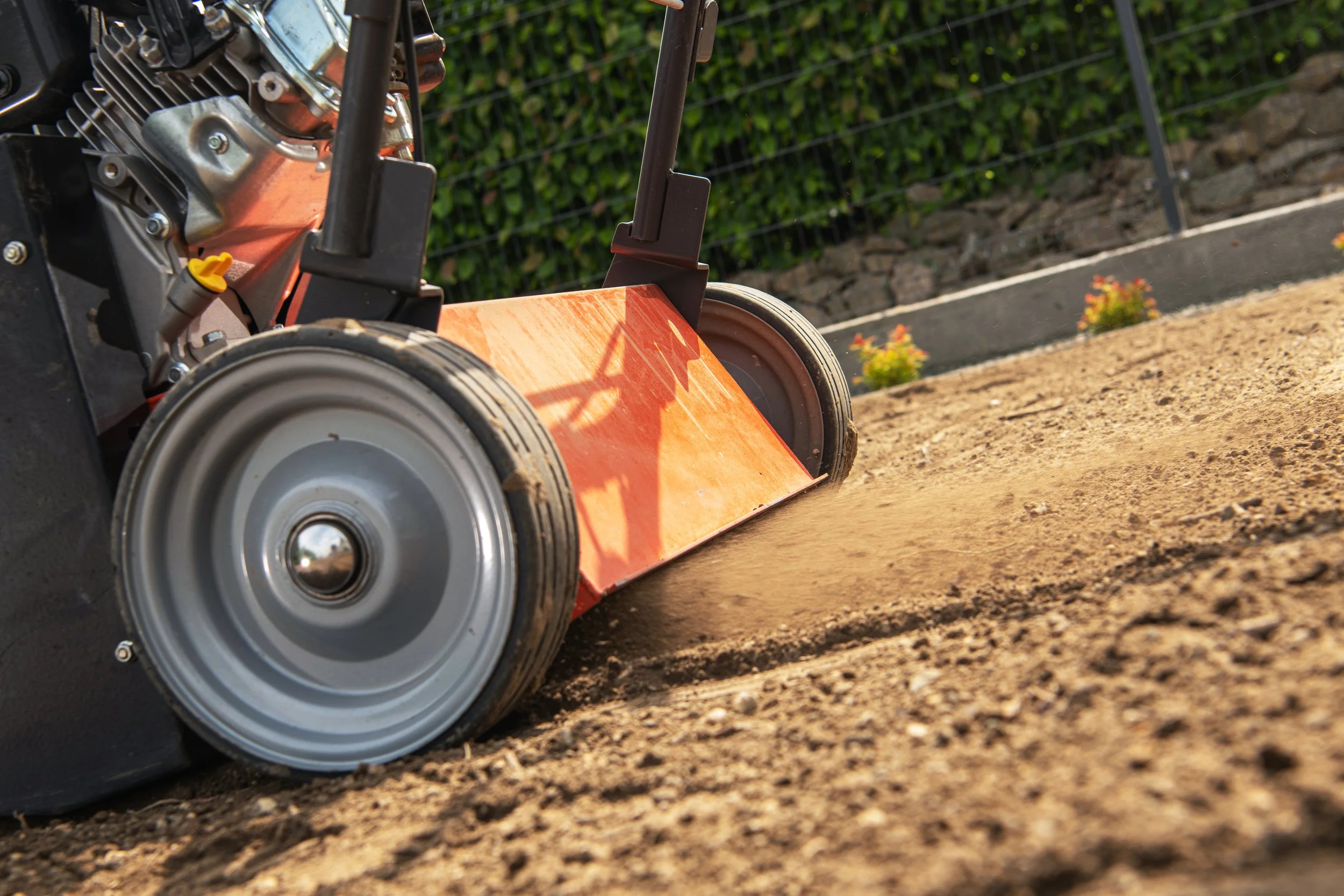
Grading Is One of the Most Important Yard Investments Winnipeg Homeowners Can Make — and One of the Least Understood
Ask most homeowners in Charleswood or Transcona what yard grading costs and they'll either guess low or admit they've never thought about it because they didn't realize it was something they needed. Yard grading sits in that category of landscaping work that doesn't look like much when it's done but determines whether every other investment in a property performs correctly or fails within a few seasons.
How much does yard grading cost in Winnipeg ranges from under $1,000 for a targeted spot correction to over $8,000 for a comprehensive regrading and drainage installation on a challenging site. Understanding what drives that range helps homeowners evaluate whether they need grading, what scope their property requires, and whether the quotes they're receiving reflect fair value for the work being proposed.
Key Takeaways
Yard grading in Winnipeg typically costs $800 to $5,000 for standard residential projects, with complex sites or drainage system additions running higher
Property size, soil conditions, the extent of grade correction needed, and site access all affect where a specific project lands in the range
Winnipeg's clay-heavy soil and significant spring snowmelt make proper grading more consequential here than in most Canadian cities
Grading near the foundation to direct water away from the home is the most urgently protective grading investment most properties can make
Grading is almost always the prerequisite step before other landscaping investments perform correctly
Bulger Brothers Landscape provides professional yard grading and drainage services across Winnipeg with transparent on-site pricing
Overview: What Yard Grading Actually Is and Why It Matters
Yard grading is the process of reshaping the surface level of a property to direct water movement in a controlled, intentional direction away from structures and toward appropriate drainage points. It's not glamorous work, and it's entirely invisible once complete, which is why it gets skipped or deferred more often than it should.
In Winnipeg specifically, the combination of heavy clay soil that drains slowly and significant spring snowmelt that produces substantial water volume across every property makes grading more consequential than in markets with naturally free-draining soil and less dramatic seasonal water events. A property without correct grade isn't just inconvenient. It's actively damaging foundations, undermining hardscape, and compounding drainage problems that become progressively more expensive to address as time passes.
This guide covers grading costs by project type, what drives pricing, how grading connects to drainage services, and how to evaluate whether your property needs attention before the next melt season. Bulger Brothers Landscape handles yard grading projects across Winnipeg, and the pricing throughout this guide reflects current local market conditions.
Yard Grading Cost by Project Type
Spot Grading for Specific Low Areas: $800 to $2,000 The most targeted scope, addressing specific depressions or low spots that pool water without requiring a full property regrade. This approach works well for properties where the overall grade is correct but isolated problem areas have developed through soil settlement, tree root activity, or poor landscape installation practice in specific zones. A single low spot that holds water after every rain is a good candidate for spot grading rather than a full project.
Foundation Perimeter Grading: $1,500 to $3,500 Addresses the grade slope immediately surrounding the home, redirecting surface water away from the foundation rather than allowing it to flow toward the building. This is the most urgently important grading work for any Winnipeg property because water flowing toward a foundation creates the compounding risk of basement moisture, water intrusion, and freeze-thaw damage to foundation material over time.
The building standard for lot grading requires a minimum 5 percent slope away from the foundation for the first two metres from the house. Many properties in established Winnipeg neighbourhoods no longer meet this standard as soil has settled over decades. Foundation perimeter grading corrects this by adding soil, reshaping the surface immediately around the home, and restoring the protective slope the original construction intended.
Full Lot Regrading: $2,500 to $5,000 A comprehensive grade correction across the full property to establish consistent drainage patterns toward appropriate outlets. This scope is appropriate for properties where the drainage problem affects the whole yard rather than specific zones, for properties being prepared for significant landscape installation, or for properties where multiple drainage problem patterns have developed simultaneously.
Grading Combined With Drainage System Installation: $4,000 to $10,000+ Properties where surface grade correction alone isn't sufficient to manage the water volumes involved, typically because clay soil drainage capacity genuinely limits how much water the ground can accept regardless of how well the surface is graded, require drainage infrastructure alongside grade correction. This scope adds French drains, catch basins, or channel drainage systems to the grade correction, creating a complete water management solution rather than addressing only the surface component.
For properties with both surface grade issues and persistent subsurface water problems, professional drainage services integrated with grading correction deliver the most comprehensive solution.
What Affects Yard Grading Cost in Winnipeg
Property Size The most straightforward factor. More square footage requiring grade correction means more soil to move, more compaction work, and more surface restoration after grading. Larger properties don't necessarily need grading everywhere, but the area that does need correction affects the total project cost directly.
Existing Soil Conditions Winnipeg's clay-heavy soil is harder to excavate and move than sandier alternatives. Dense clay requires more powerful equipment and more time per cubic metre of soil movement than loose or loamy soil. Properties with particularly compacted clay, which is common in areas with mature trees whose roots have further compacted the surrounding soil over decades, fall toward the higher end of cost ranges for any given scope.
Volume of Soil Movement Required The difference between a grade correction that moves soil already on the property from high to low areas, and one that requires bringing in additional topsoil to raise low areas, affects material cost significantly. Properties where the existing grade is consistently low or where significant fill is needed to establish correct drainage slope require topsoil delivery that adds material cost beyond the labour component.
Site Access for Equipment Grading work requires equipment, typically a skid steer, small excavator, or compact tractor depending on the scope. Properties with limited access through gates or between structures require either smaller equipment that takes longer per task, or manual work for sections that equipment can't reach. Both approaches add cost compared to open, accessible sites where equipment can move freely.
Existing Landscaping That Needs Disturbance and Restoration Grading that runs through established garden beds, around mature plantings, or adjacent to existing hardscape requires more careful execution and more restoration work after the grade correction than grading in open, undeveloped areas. Properties where the grading problem is intertwined with existing landscaping features fall toward the higher end of cost ranges.
Lawn Restoration After Grading Grading disturbs the lawn surface in the areas being corrected. Lawn restoration through seeding or sodding is often a separate cost from the grading itself. If sod is required over regraded areas, professional sod installation adds $1.50 to $3.00 per square foot to the total project. Seeding is less expensive but takes longer to establish visible results.
How Grading Connects to Other Landscaping Investments
Understanding how much does yard grading cost is most useful in the context of understanding how grading connects to everything else on a property. Grading isn't an isolated service. It's the foundational step that determines whether other investments perform correctly.
Patios and walkways installed on sites with unresolved drainage problems face accelerated frost heave because subsurface moisture amplifies freeze-thaw movement in the base material. A patio installed after proper grade correction performs significantly better long-term than one installed on a poorly drained site. Patio and walkway installation is almost always preceded by a grade and drainage assessment in professional practice.
Retaining walls require correct drainage both behind the wall and across the property grade they're managing. A retaining wall on a site where the surrounding grade isn't directing water correctly faces hydrostatic pressure that the wall wasn't designed to manage, accelerating the failure patterns that cause walls to lean and eventually fall. Retaining wall installation done correctly accounts for the full drainage picture around the wall, not just the wall's own drainage layer.
Sod and garden installation on sites with pooling or drainage problems produces establishment failure and ongoing health problems in the same locations regardless of what maintenance is applied. The lawn or garden area isn't the problem. The soil conditions caused by poor drainage are. Correcting grade before investing in lawn and garden establishment prevents the cycle of repeated replacement in problem areas.
Spring cleanup after a Winnipeg winter is significantly more pleasant and productive on a well-graded property than on one where snowmelt creates persistent pooling and delayed drainage. Spring cleanup services on a properly graded lot are faster and more effective because the ground firms up correctly as the season opens.
Professional Grading vs. DIY
Minor spot corrections for small, isolated low spots are within the capability of motivated homeowners with the right tools, specifically topsoil, a wheelbarrow, a tamper, and some patience. For small depressions in open lawn areas that don't involve drainage toward a structure, the DIY approach is reasonable.
For anything more significant, and specifically for any grading work near the foundation, professional expertise and equipment produce better and more reliable results. Incorrect grading near the foundation can create new drainage problems while attempting to fix existing ones, and the consequences of directing more water toward a foundation rather than away from it are worse than the original problem.
Professional grading also ensures that the final grade integrates correctly with neighbouring properties and municipal drainage standards. A property graded to drain onto an adjacent lot creates neighbour issues and may violate municipal lot grading requirements. A properly executed professional grade correction accounts for these constraints as standard practice.
When to Address Yard Grading
The best time to address yard grading is before other landscaping work is planned, since grading is the foundational step that other investments build on. But for homeowners who haven't yet addressed a grading problem, the urgency depends on what the current grade is doing.
Grading that directs water toward the foundation needs attention before the next spring melt regardless of other landscaping plans. The risk of foundation damage increases with every wet season that passes without correction.
Grading problems that cause pooling in the yard but don't affect the foundation are less urgent but compound over time as soil health deteriorates in affected areas. Addressing these before planning new sod, hardscape, or garden installation saves the cost of repairing those features when the drainage problem eventually undermines them.
Fall is an excellent grading window in Winnipeg, once the growing season has ended but before freeze-up. Grading done in October allows lawn restoration seeding to be completed for spring germination, and corrects drainage issues before the next spring melt tests them.
For a look at how yard grading connects to the full range of drainage services available in Winnipeg, that service overview covers what professional grading and drainage assessment involves from start to finish.
Understanding why landscaping is important to your home beyond appearance gives additional context for why grading, despite being an invisible service, deserves priority in the landscaping investment sequence.
When you're ready to get an accurate answer to how much does yard grading cost for your specific Winnipeg property, Bulger Brothers Landscape provides on-site assessments and transparent pricing that reflects your property's actual conditions rather than a generic estimate. Located at 7 Leeward Pl, Winnipeg, MB R3X 1M6, the team can walk your property, identify drainage problem patterns, and recommend the right scope of grading work for what your site actually needs. Call (204) 782-0313 to schedule your assessment before the next melt season.
Frequently Asked Questions About How Much Does Yard Grading Cost
Q: How much does yard grading cost in Winnipeg in 2026?
A: Spot grading for specific problem areas runs $800 to $2,000. Foundation perimeter grading correction runs $1,500 to $3,500. Full lot regrading runs $2,500 to $5,000. Projects combining grading with drainage system installation run $4,000 to $10,000 or more depending on scope and drainage complexity.
Q: How do I know if my yard needs grading in Winnipeg?
A: The most common indicators are water pooling in the same locations after every rain, basement dampness or foundation moisture after wet periods, chronic lawn bare patches in the same areas despite repeated overseeding, hardscape heaving or draining poorly in specific zones, and annual snowmelt that creates visible channels across the yard rather than draining uniformly.
Q: Why is yard grading more important in Winnipeg than in other cities?
A: Winnipeg's heavy clay soil drains significantly more slowly than sandier alternatives, and the city's significant spring snowmelt produces substantial water volumes that need somewhere to go. These factors make drainage and grade problems more severe and more consequential here than in markets with naturally better-draining soil and less dramatic seasonal water events.
Q: Does yard grading include lawn restoration?
A: Grading disturbs lawn surfaces in corrected areas. Lawn restoration through seeding or sodding is typically a separate cost following the grading work, adding $1.50 to $3.00 per square foot for sod or less for seeding on affected areas.
Q: Should grading be done before or after other landscaping work?
A: Almost always before. Grading establishes the water management foundation that all other landscaping features depend on. Installing a patio, sod, or garden on a site with unresolved grading problems creates features that will be undermined by the drainage issue they were built on top of.
Q: Can poor yard grading damage a Winnipeg foundation?
A: Yes. Water flowing toward a foundation rather than away from it applies consistent hydrostatic pressure that contributes to basement moisture, water intrusion, and over time potential structural stress through freeze-thaw cycling against water-saturated foundation material. Foundation perimeter grading correction is one of the most protective investments available to a Winnipeg homeowner.
Q: How long does yard grading take in Winnipeg?
A: Spot corrections take half a day to a full day. Foundation perimeter grading runs one to two days. Full lot regrading runs two to four days depending on property size and soil conditions. Projects combining grading with drainage system installation run three to seven days.
Q: Is fall a good time for yard grading in Winnipeg?
A: Yes. Fall grading once the growing season ends but before freeze-up allows drainage corrections to be in place for the following spring melt. Lawn restoration seeding done at the same time germinates in spring, minimizing the period the disturbed area is exposed between grading and lawn establishment.
Conclusion
How much does yard grading cost in Winnipeg in 2026 ranges from $800 for a targeted spot correction to $10,000 or more for a comprehensive regrading and drainage installation on a challenging property. What makes this investment worthwhile isn't what grading looks like when it's done, since a properly graded yard looks exactly like a yard, but what it prevents: foundation damage from water flowing toward the home, hardscape failure from subsurface moisture, lawn problems from chronically saturated soil, and the compounding costs that accumulate when a drainage problem is left unaddressed through multiple wet seasons. Bulger Brothers Landscape helps Winnipeg homeowners address grading problems at the right scope and the right time, protecting every other investment the property contains.