

How Much Does Backyard Landscaping Cost If You Phase It?
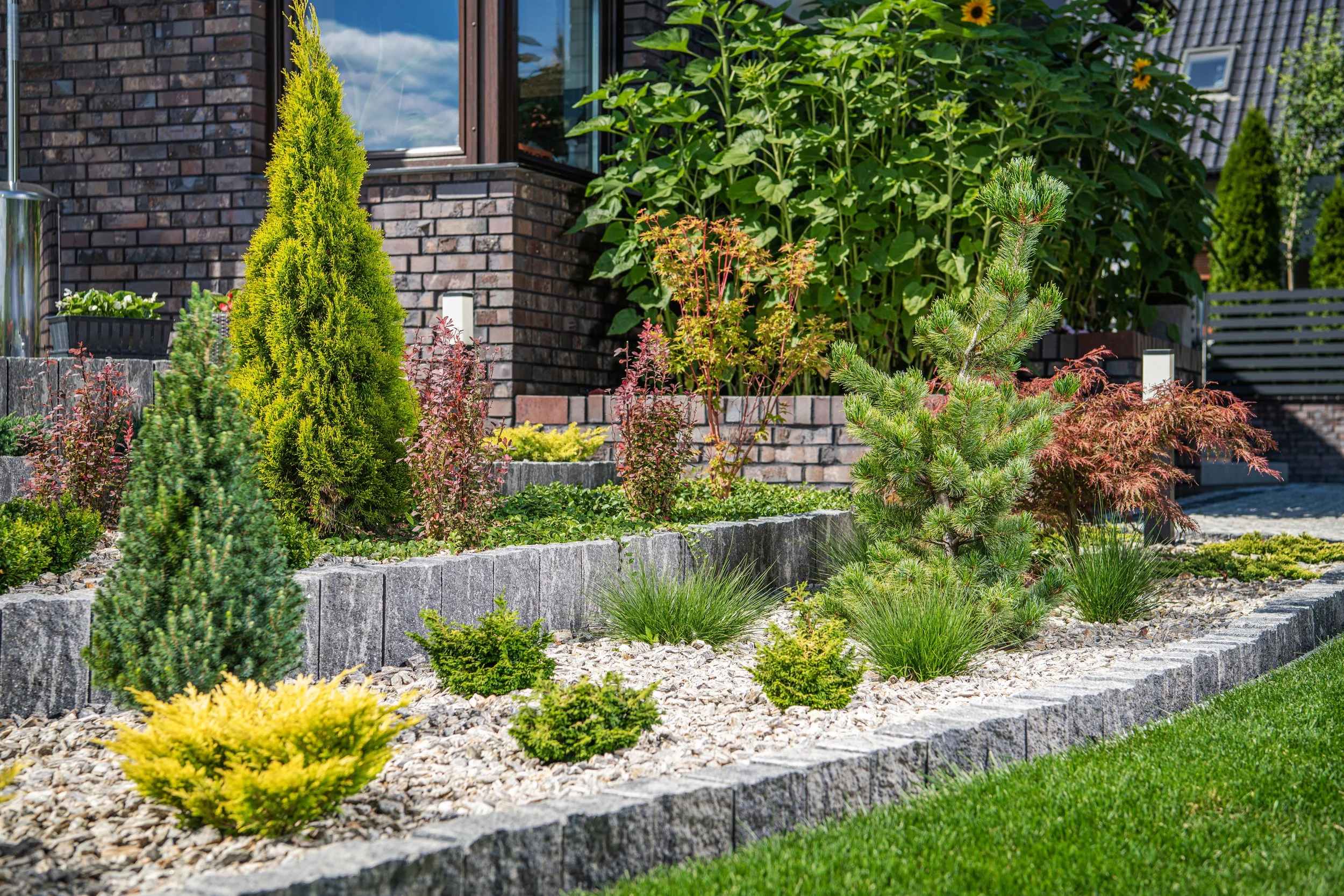
A Phased Budget Approach for Winnipeg Backyards
A full backyard renovation rarely happens all at once, and for most Winnipeg homeowners, that is the smarter approach. Properties in areas like St. Vital and Charleswood often tackle landscaping in stages, spreading cost across a few seasons instead of one large project. This guide breaks down how much cost for backyard landscaping runs when phased, and how to prioritize each stage for the best results.
Key Takeaways
Phasing spreads $10,000 to $40,000+ total project costs across seasons
Drainage and grading should always be phase one
Hardscaping typically comes before softscaping and plants
Winnipeg's short season limits how many phases fit per year
Poor phase sequencing can lead to redone work and wasted cost
Professional planning keeps phases connected instead of disjointed
Overview
This article walks through what a phased backyard project typically costs, which elements belong in each phase, and how Winnipeg's climate affects sequencing decisions. We also cover the risks of phasing incorrectly and when to schedule each stage. Bulger Brothers Landscape helps homeowners across Winnipeg plan multi-season backyard projects that stay cohesive from phase to phase.
Why Phasing Makes Sense for Winnipeg Backyards
Winnipeg's outdoor working season runs roughly 22 to 24 weeks, which limits how much a single project can realistically accomplish in one year. Phasing allows homeowners to spread cost and labor across multiple seasons without rushing decisions or overextending a budget.
This approach also gives homeowners time to live with early phases before committing to later ones. A grading and drainage phase completed one year, for example, often reveals exactly where hardscaping should go the following season.
What Phase One Should Always Include
Grading and drainage belong in phase one, regardless of what the final backyard vision looks like. Building patios, gardens, or structures on top of unresolved drainage problems almost always leads to costly rework later.
A proper drainage service assessment at the start prevents water issues from undermining later phases like patios or garden beds. Skipping this step to save money upfront is one of the most common and expensive mistakes homeowners make.
Typical Phase One Costs
Grading and drainage correction: $2,000 to $6,000
Soil amendment for problem areas: $500 to $1,500
Yard cleanup and prep work: $500 to $1,200
Phase Two: Hardscaping Before Softscaping
Once drainage is resolved, hardscape elements like patios, retaining walls, and fencing typically come next. Building hardscape features before adding plants prevents damage to new garden beds from equipment and material delivery.
Homeowners in Tuxedo with larger properties often use this phase for patios and walkways or a retaining wall if the yard has grade changes. This phase tends to carry the largest single cost in a phased project.
Phase Three: Softscaping and Garden Features
With hardscape in place, softscaping elements like sod, mulch beds, and garden design can move in without risk of damage from ongoing construction. This phase is where a yard starts to take on its finished appearance.
Adding elements like a fire pit or landscape lighting often happens here too, since these features benefit from being placed after the hardscape layout is finalized. This sequencing avoids having to work around finished plantings later.
How Winnipeg's Climate Affects Phase Timing
Each phase needs to work within Winnipeg's compressed outdoor season. Spring snowmelt volumes affect when grading work can safely start, since overly wet soil compacts poorly and can undo drainage corrections before they are finished.
Hardscape phases involving concrete need enough warm, frost-free days to cure properly. Rushing a phase to fit a shorter window than the work actually requires often leads to problems that carry into the following season.
Professional Phasing vs DIY Sequencing
Sequencing a multi-year project without professional guidance carries real risk. Homeowners sometimes complete phases out of order, adding softscaping before drainage is fully resolved, which leads to redone work and wasted materials.
A professional plan accounts for how each phase connects to the next from the very first season. This keeps the finished project cohesive rather than a collection of separate, disconnected upgrades.
Risks of Phasing a Backyard Incorrectly
Poor phase sequencing creates predictable, costly problems. Common issues include:
Drainage problems surfacing after hardscape is already installed
Plants and garden beds damaged during later construction phases
Mismatched materials or styles between phases completed years apart
Rushed concrete work that fails due to insufficient curing time
Each of these problems is avoidable with a phased plan that sequences work correctly from the start.
Estimated Total Cost by Phase
Most full backyard projects in Winnipeg range from $10,000 to $40,000 or more when totaled across all phases, depending on size and material choices. Properties in River Heights with larger lots or premium finishes often land toward the higher end of that range.
Breaking the project into two or three phases across separate seasons makes this total far more manageable than attempting everything in a single year.
Bulger Brothers Landscape, located at 7 Leeward Pl, Winnipeg, MB R3X 1M6, can be reached at (204) 782-0313 for homeowners wondering how much cost for backyard landscaping runs when spread across multiple seasons. Their team builds phased plans that keep each stage connected, so the finished yard looks intentional rather than pieced together.
Frequently Asked Question about How Much Cost for Backyard Landscaping
Q: How much cost for backyard landscaping when done in phases?
A: Total costs typically range from $10,000 to $40,000 or more across all phases, depending on yard size and material choices. Phasing spreads this cost across multiple seasons.
Q: What should always be the first phase of a backyard project?
A: Grading and drainage correction should always come first. Building on top of unresolved drainage issues leads to costly problems in later phases.
Q: Should hardscaping or softscaping come first?
A: Hardscaping should come before softscaping. Building patios or walls after planting risks damaging new garden beds during construction.
Q: How many phases does a typical backyard project need?
A: Most projects fit into two to three phases, often spread across two or three growing seasons depending on scope and budget.
Q: Does phasing cost more overall than doing everything at once?
A: Phasing does not significantly increase total cost when planned properly. It mainly spreads the same overall investment across a longer timeline.
Q: Can I DIY sequence a phased backyard project myself?
A: DIY sequencing carries risk of costly mistakes, like installing softscaping before drainage is resolved. Professional planning keeps phases in the correct order.
Q: How does Winnipeg's short season affect phasing?
A: The 22 to 24 week outdoor season limits how much work fits into a single year, making phasing a practical way to manage larger projects.
Q: What phase should landscape lighting fall into?
A: Landscape lighting typically belongs in the final softscaping phase, once hardscape layout and major plantings are already finalized.
Conclusion
Phasing a backyard project makes a large investment manageable while keeping each stage connected to the next. Understanding how much cost for backyard landscaping runs by phase helps homeowners budget realistically and avoid the mistakes that come with rushed or poorly sequenced work. If you are ready to plan a multi-season backyard project, Bulger Brothers Landscape can map out phases that fit your budget and Winnipeg's growing season.