

How Long Does Hardscaping Last in Winnipeg's Climate?
When you invest thousands of dollars into a patio, retaining wall, or paved walkway, one of the most important questions you can ask is how long it will actually last. Hardscaping lifespan in Winnipeg is not just a function of material quality. It is heavily influenced by installation standards, drainage provisions, and how well the work accounts for the specific demands of prairie winters. Homeowners in neighborhoods like Charleswood and Tuxedo who invest in professionally installed hardscaping regularly enjoy their features for twenty, thirty, or even forty years. Those who cut corners on installation frequently find themselves dealing with costly failures within just a few seasons. This guide gives you a realistic picture of what to expect from every common hardscaping material in Winnipeg's climate.
Key Takeaways
Hardscaping lifespan in Winnipeg ranges from 10 years for timber features to 50 or more years for quality natural stone and concrete installations
Installation quality, drainage provisions, and frost depth compliance determine lifespan more than material selection alone
Winnipeg's freeze-thaw cycles significantly shorten the lifespan of hardscaping built without proper base preparation and drainage
Regular maintenance and annual post-winter inspections extend the life of every hardscaping feature
Professional installation consistently delivers longer-lasting results than DIY or budget alternatives in this climate
Bulger Brothers Landscape installs hardscaping across Winnipeg built to deliver maximum lifespan through prairie winters
Overview
This article covers realistic lifespan expectations for every common hardscaping material used in Winnipeg, the factors that most significantly affect how long hardscaping lasts, what maintenance practices extend lifespan, and why installation quality is the single most important determinant of long-term performance in this climate. Bulger Brothers Landscape brings deep local experience to every hardscaping project and builds features designed to perform reliably for decades in Winnipeg's demanding environment.
How Winnipeg's Climate Affects Hardscaping Lifespan
Before looking at specific materials, understanding how Winnipeg's climate uniquely affects hardscaping performance puts everything else in context.
Winnipeg experiences some of the most extreme temperature cycling of any major Canadian city. Winters regularly reach minus 30 or colder while summers push above 30 degrees. That annual swing of 60 degrees or more causes every hardscaping material to expand and contract repeatedly throughout the year. Materials and installations that cannot accommodate this movement develop cracks, joint failures, and structural problems that compound with every passing season.
Freeze-thaw cycling is the most destructive force acting on Winnipeg hardscaping. When water penetrates joints, cracks, or porous surfaces and then freezes, it expands with significant force. This expansion widens existing cracks, pushes apart paver joints, and creates the surface deterioration that makes hardscaping look aged long before its time. The number of freeze-thaw cycles Winnipeg experiences in a typical year, sometimes dozens in a single shoulder season, means this damage accumulates faster here than in cities with fewer temperature oscillations around the freezing point.
Frost heave acts on the structural foundations of hardscaping features rather than their surfaces. When ground moisture freezes and expands, it pushes upward against anything anchored in or resting on the soil. Hardscaping features without footings set below Winnipeg's frost line of approximately 1.2 metres heave out of position, creating the uneven, tilted, and structurally compromised results that define poorly installed hardscaping in this climate.
In Winnipeg, how long hardscaping lasts is determined primarily by how well the installation was engineered to handle these specific forces, not simply by how attractive the materials are.
Hardscaping Lifespan by Material: Realistic Winnipeg Expectations
Interlocking Concrete Pavers
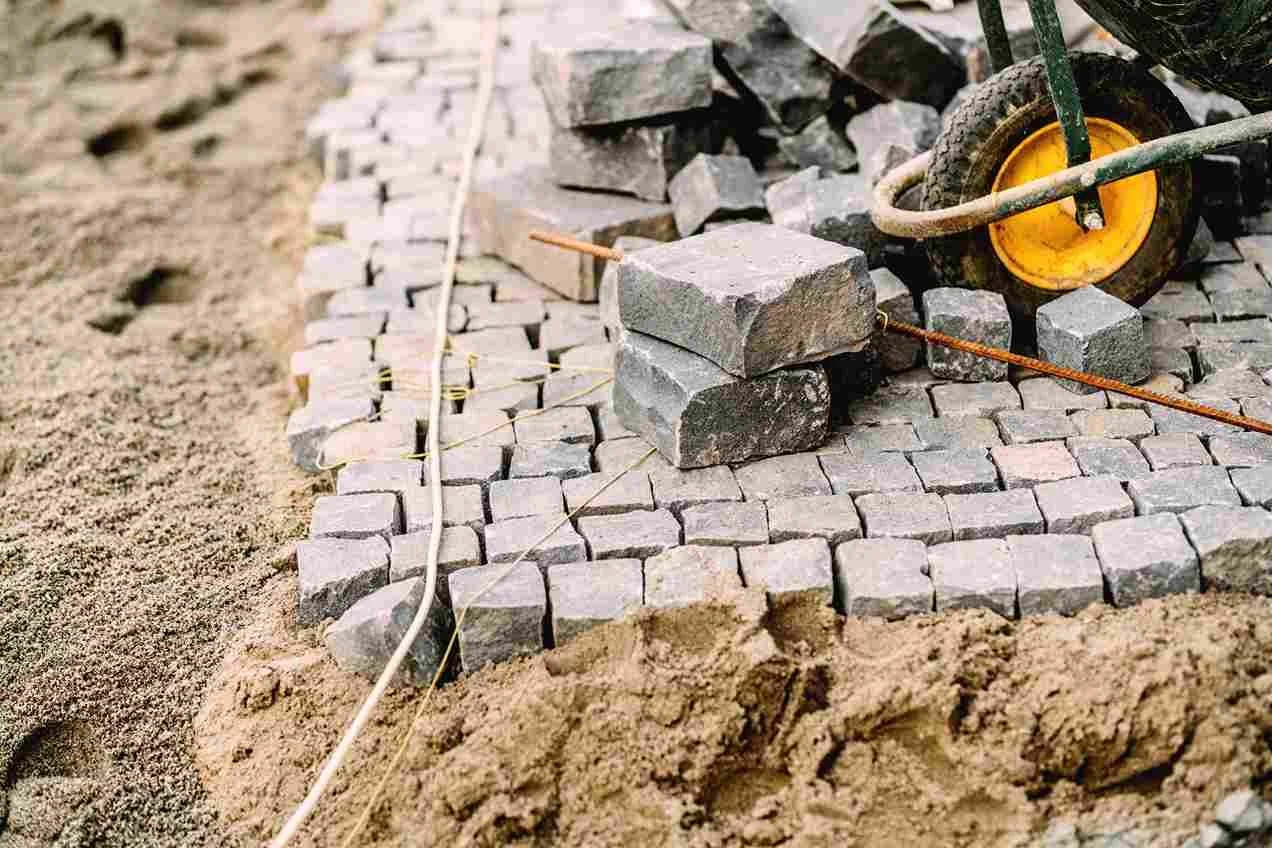
Professionally installed interlocking concrete pavers are among the most durable and longest-lasting hardscaping materials for Winnipeg residential properties. When built on a properly compacted aggregate base of adequate depth with correct edge restraints and joint sand, an interlocking paver patio or walkway can realistically last 25 to 40 years before requiring significant remediation.
One of the key advantages of interlocking pavers in Winnipeg's climate is their inherent flexibility. Unlike monolithic concrete, paver systems allow individual units to move slightly relative to their neighbors through freeze-thaw cycling without cracking the surface. If heaving does occur in a localized area, individual pavers can be lifted, the base releveled, and the pavers reset without replacing the entire installation. This repairability significantly extends the effective service life of a paver installation compared to materials that must be replaced entirely when damaged.
The primary threats to paver longevity in Winnipeg are base failure from inadequate compaction or depth, edge restraint deterioration that allows pavers to spread and lose joint integrity, and joint sand loss from surface water erosion. All three are prevented by quality installation and addressed through routine maintenance before they become structural problems.
Quality pavers installed by an experienced team on a correctly prepared base, maintained with periodic joint sand replenishment and edge restraint inspection, routinely deliver 30 or more years of strong performance on Winnipeg properties.
Natural Stone
Natural stone is the most durable hardscaping material available for Winnipeg properties when correctly specified and installed. Granite, limestone, quartzite, and similar dense stone types that do not absorb significant moisture perform exceptionally well through freeze-thaw cycling because there is minimal water penetration to freeze and expand within the material.
A professionally installed natural stone patio, walkway, or retaining feature on a correctly prepared base can last 50 years or more with minimal maintenance. In many cases, well-installed natural stone outlasts the home it surrounds and requires nothing more than periodic cleaning and occasional joint repointing to remain structurally sound and visually attractive.
The critical qualification for natural stone longevity in Winnipeg is stone selection. Not all stone performs equally in freeze-thaw conditions. Porous stone types that absorb moisture readily are vulnerable to spalling and surface deterioration as absorbed water freezes and expands within the stone matrix. An experienced installer specifies stone varieties with low absorption rates and proven cold climate performance records rather than selecting purely on appearance.
Natural stone retaining walls and features installed as part of rock bed and boulder installation projects are essentially permanent landscape features when built correctly. Large boulder placements in particular are among the most durable and lowest-maintenance hardscaping investments a Winnipeg homeowner can make.
Poured and Exposed Aggregate Concrete
Concrete hardscaping in Winnipeg has a more variable lifespan than either pavers or natural stone because its performance depends heavily on mix quality, placement technique, and expansion joint design. Properly installed concrete hardscaping in Winnipeg typically lasts 20 to 35 years. Poorly installed concrete can begin showing significant cracking and surface deterioration within five to ten years.
The key variables for concrete longevity in Winnipeg are air entrainment, expansion joint placement, and base preparation. Air-entrained concrete contains microscopic bubbles that provide space for water to expand as it freezes within the concrete matrix, significantly reducing the freeze-thaw damage that causes surface scaling and cracking. This is not optional in Winnipeg's climate. It is a basic specification requirement for any concrete installation expected to perform long-term.
Expansion joints placed at appropriate intervals allow the concrete slab to move as a whole through thermal expansion and contraction without cracking randomly across the surface. Joints spaced too far apart concentrate movement stresses between them and generate mid-slab cracking that eventually requires significant repair.
Concrete landscaping done to proper Winnipeg standards delivers a hard, durable surface that handles vehicle and foot traffic reliably for decades. Sealed periodically to prevent moisture penetration, a quality concrete installation provides excellent long-term value.
Retaining Walls by Material
Retaining wall lifespan varies significantly by material and is particularly sensitive to installation quality because the forces acting on a retaining wall, soil pressure, hydrostatic pressure, and frost expansion, are continuous rather than cyclical.
Interlocking concrete block retaining walls professionally installed with proper footings, drainage, and geogrid reinforcement where required typically last 25 to 40 years in Winnipeg. The modular nature of block systems allows damaged or shifted sections to be repaired without demolishing the entire wall, which extends effective service life beyond what the individual block lifespan might suggest.
Natural stone retaining walls are among the most durable structures in any landscape. A well-built stone wall in Winnipeg can stand for 50 years or more. The mass of natural stone provides inherent resistance to soil and hydrostatic pressure, and properly installed stone walls with adequate drainage behind them are extremely resistant to the forces that cause block and timber walls to fail.
Boulder retaining features are essentially permanent when properly placed. Individual boulders may shift slightly through severe frost seasons but rarely move enough to compromise the retaining function of the feature. A boulder retaining installation done correctly is a genuine multi-generational landscape feature.
Timber retaining walls have the shortest lifespan of any retaining wall material in Winnipeg's climate. Even pressure-treated timber exposed to Winnipeg's moisture and temperature extremes deteriorates significantly within 10 to 15 years. Rot, insect damage, and the physical stress of repeated freeze-thaw cycling all contribute to timber wall degradation that makes eventual replacement inevitable. Timber walls are the most affordable retaining wall option upfront but carry the highest lifetime cost when replacement frequency is factored in.
The most important single factor in retaining wall lifespan regardless of material is drainage. Retaining wall installation without adequate drainage aggregate and drainage tile behind the wall experiences hydrostatic pressure buildup that no material can resist indefinitely. Walls built with correct drainage provisions routinely outlast comparable walls built without drainage by a factor of two or three.
Fencing as Hardscaping
Fencing integrated into hardscape designs has lifespan expectations that vary dramatically by material.
Vinyl fencing professionally installed in Winnipeg using quality cold-climate product typically lasts 25 to 30 years with minimal maintenance. Lower-grade vinyl product becomes brittle in extreme cold and may crack or fade significantly within ten years.
Cedar wood fencing with regular staining or sealing every three to five years lasts 15 to 20 years in Winnipeg. Neglected cedar fences deteriorate faster in this climate than in milder regions due to the intensity of moisture cycling between wet springs and dry summers.
Chain link fencing is the most climate-resilient fencing option in Winnipeg. Galvanized chain link installations routinely last 20 to 30 years with essentially no maintenance. Fence installation using quality galvanized product provides excellent long-term value for applications where privacy is not the primary concern.
Aluminum fencing handles Winnipeg's temperature range without corrosion or warping and typically lasts 30 or more years with minimal upkeep beyond occasional cleaning.
What Shortens Hardscaping Lifespan in Winnipeg
Several specific factors consistently reduce how long hardscaping lasts in this climate and are worth understanding before making installation decisions.
Inadequate base depth is the single most common cause of premature hardscaping failure in Winnipeg. A base that does not extend below the frost line allows frost heave to push features out of position every winter, creating cumulative displacement that eventually makes the installation structurally and aesthetically unacceptable.
Poor or absent drainage allows water to accumulate beneath and behind hardscaping features where it freezes, expands, and creates pressure that no installation can resist indefinitely. Every season without adequate drainage is a season that shortens the remaining lifespan of the hardscaping above it.
Low-quality materials that are not specified for cold climate performance deteriorate faster than quality alternatives. Porous stone, under-strength concrete mix, low-grade vinyl, and cheap paver products all show the effects of Winnipeg's climate more quickly than properly specified materials.
Deferred maintenance allows small problems to become large ones. A few pavers that have shifted slightly after winter, a small crack in a concrete surface, or a section of edge restraint that has begun to fail are all inexpensive to address when caught early and expensive to address after they have been ignored through several more freeze-thaw seasons.
Chemical damage from de-icing salts is a significant lifespan factor for concrete and natural stone surfaces near roadways, driveways, and pedestrian areas. Salt-resistant sealers applied regularly provide meaningful protection against this form of deterioration.
Maintenance Practices That Extend Hardscaping Lifespan
How long hardscaping lasts is not just a function of installation quality. Ongoing maintenance practices make a meaningful difference in how long professionally installed hardscaping continues performing at its best.
Annual post-winter inspection is the most valuable maintenance habit a Winnipeg homeowner can develop. Walking your hardscaping areas in early spring, shortly after the ground thaws, allows you to identify any frost heave, joint failure, drainage blockage, or surface damage that occurred over winter while it is still minor and inexpensive to address.
Joint sand maintenance for interlocking paver installations prevents the progressive loss of joint stability that leads to paver movement and surface irregularity. Topping up polymeric sand in joints every few years as needed keeps the paver system structurally sound and prevents weed and moss growth in open joints.
Sealing concrete and natural stone surfaces every three to five years reduces moisture penetration that leads to freeze-thaw surface damage and extends the appearance and structural integrity of these materials meaningfully.
Drainage outlet maintenance ensures that the drainage provisions built into your hardscaping installation continue functioning correctly. Catch basin grates, drainage pipe outlets, and swale outlets should be checked and cleared of debris each spring and fall to maintain the flow capacity they were designed for.
Prompt crack repair in concrete surfaces prevents water infiltration at crack locations from widening damage through freeze-thaw cycling. Small cracks addressed promptly remain small. Small cracks ignored through several Winnipeg winters become large structural failures.
A professional spring cleanup each year that includes hardscaping inspection is an efficient way to stay ahead of maintenance needs without requiring detailed personal knowledge of what to look for. Experienced eyes catch developing problems that most homeowners would not recognize as significant until they have become more serious.
When you are ready to invest in hardscaping built to deliver maximum lifespan through Winnipeg's demanding conditions, Bulger Brothers Landscape brings the installation standards and local knowledge that make the difference between hardscaping that lasts decades and hardscaping that needs replacing prematurely. Contact their team at 7 Leeward Pl, Winnipeg, MB R3X 1M6 or call (204) 782-0313 to discuss your project and get a detailed, honest quote.
Frequently Asked Questions about How Long Does Hardscaping Last
Q: How long does hardscaping last in Winnipeg on average?
A: Lifespan varies significantly by material and installation quality. Interlocking concrete pavers last 25 to 40 years when professionally installed. Natural stone can last 50 years or more. Concrete hardscaping typically lasts 20 to 35 years depending on mix quality and joint design. Timber features have the shortest lifespan at 10 to 15 years. In all cases, installation quality and drainage provisions are as important as material selection in determining actual lifespan.
Q: What makes hardscaping fail prematurely in Winnipeg?
A: The most common causes of premature hardscaping failure in Winnipeg are inadequate base depth that allows frost heave, poor or absent drainage that creates hydrostatic pressure, low-quality materials not specified for cold climate performance, and deferred maintenance that allows small problems to develop into structural failures. All of these factors are preventable through professional installation and routine annual inspection.
Q: Does professional installation really make that much difference to hardscaping lifespan?
A: Absolutely, and the difference is particularly significant in Winnipeg's climate. Professional installation ensures correct base depth, appropriate drainage provisions, quality material specification, and structural details that allow hardscaping to perform correctly through freeze-thaw cycling. DIY and budget installations that shortcut these elements frequently fail within five to ten years, while professionally installed features routinely last two to four times as long.
Q: How often should I seal my concrete or stone hardscaping in Winnipeg?
A: Most concrete and natural stone hardscaping benefits from sealing every three to five years in Winnipeg's climate. Sealing reduces moisture penetration that leads to freeze-thaw surface damage and chemical deterioration from de-icing salts. High-traffic areas and surfaces exposed to winter salt application benefit from more frequent sealing. A professional assessment can advise on the appropriate sealing schedule for your specific materials and conditions.
Q: Can hardscaping that has already started failing be repaired or does it need full replacement?
A: It depends on the nature and extent of the failure. Interlocking paver installations with localized heaving or settlement can often be repaired by lifting the affected pavers, releveling the base, and resetting them without replacing the full installation. Concrete with significant cracking or structural failure typically requires section or full replacement. Retaining walls that have begun to lean due to drainage failure almost always require complete removal and rebuilding with correct drainage to fix properly.
Q: What is the longest-lasting hardscaping material for Winnipeg properties?
A: Natural stone and large boulder installations are the longest-lasting hardscaping materials available for Winnipeg properties. Dense stone types with low moisture absorption perform exceptionally well through freeze-thaw cycling and can last 50 years or more with minimal maintenance. Boulder retaining features and naturalistic stone installations are essentially permanent landscape elements when properly placed.
Q: Does hardscaping require more maintenance in Winnipeg than in milder climates?
A: Yes, Winnipeg's climate creates maintenance demands that milder cities do not experience to the same degree. Annual post-winter inspection to identify frost heave or drainage issues, joint sand maintenance for paver installations, periodic sealing of concrete and stone surfaces, and drainage outlet clearing are all practices that Winnipeg homeowners should build into their regular property maintenance routine. These tasks are not burdensome but they make a meaningful difference in how long hardscaping continues performing at its best.
Q: How does drainage affect hardscaping lifespan in Winnipeg?
A: Drainage is one of the most critical lifespan factors for hardscaping in Winnipeg. Water accumulating beneath or behind hardscaping features freezes and expands with significant force, creating heave and pressure that shortens the life of any installation. Hardscaping built with proper drainage provisions, including permeable base aggregate, drainage tile where needed, and correctly graded surface drainage, consistently outlasts comparable installations built without adequate drainage by a significant margin.
Conclusion
Understanding how long hardscaping lasts in Winnipeg gives you the foundation to make investment decisions that deliver genuine long-term value rather than short-term savings that become expensive problems. The materials you choose matter, but how those materials are installed, drained, and maintained matters even more in this climate. Natural stone and quality pavers installed correctly can serve your property for generations. Timber and budget materials installed without proper base preparation may need replacing before a decade has passed. The difference between those outcomes comes down to the standards applied during installation and the maintenance practices applied afterward. Bulger Brothers Landscape builds hardscaping to the standards Winnipeg's climate demands, delivering features that last as long as your investment deserves. Reach out today and start your project on the right foundation.