

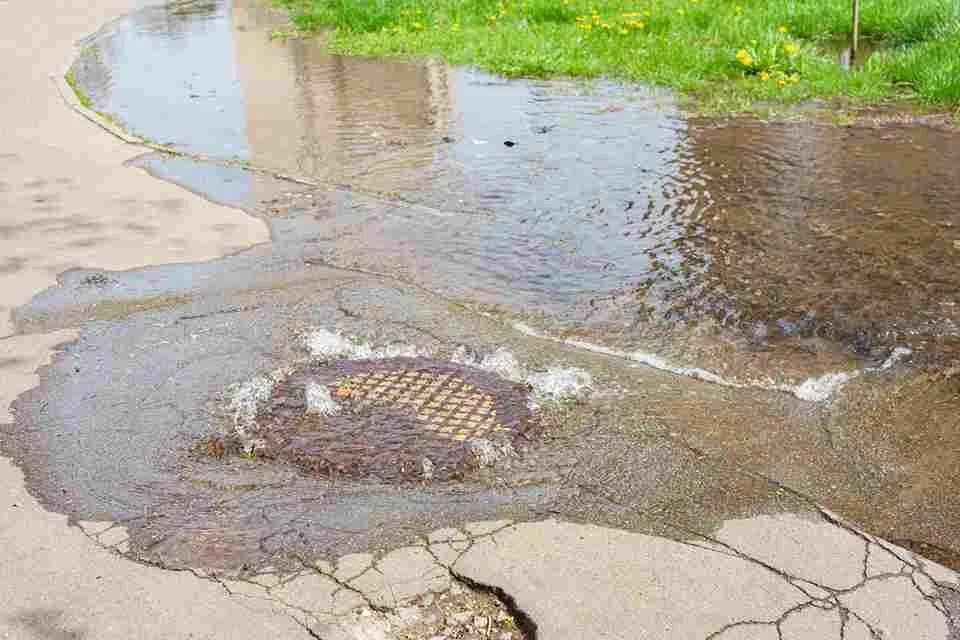
Winnipeg homeowners know the feeling. Spring arrives, the snow melts fast, and within days the backyard has turned into a shallow lake. In established neighbourhoods like River Heights and Transcona, older lots often sit in low-lying positions that were never properly graded. Add a heavy rainfall on already saturated ground, and water has nowhere to go.
That standing water is not just an eyesore. It puts your foundation at risk, drowns your lawn, and creates the kind of soil instability that leads to expensive repairs. This is exactly when emergency drainage services become critical, not a luxury you schedule for next summer.
This guide explains what emergency drainage involves, how to recognize the warning signs, what professional crews actually do on-site, and what Winnipeg property owners can realistically expect to pay.
Key Takeaways
Standing water near your foundation is a structural risk that demands immediate attention.
Winnipeg's freeze-thaw cycle accelerates drainage failures every spring and fall.
Emergency drainage services go beyond digging a trench, they involve proper grading, pipe sizing, and soil assessment.
Professional installation prevents recurring issues that DIY patches cannot fix long-term.
Cost in Winnipeg typically ranges from $1,500 to $6,500 depending on scope and severity.
Acting quickly reduces the risk of mould, soil erosion, and basement water intrusion.
Overview: What This Guide Covers
This pillar covers everything Winnipeg homeowners need to understand about emergency drainage, from identifying failure points to understanding what a professional crew does from arrival to completion. You will learn the difference between standard and emergency drainage work, the real risks of delayed action, and how seasonal timing in Manitoba affects both the urgency and the method used.
Bulger Brothers Landscape has handled drainage emergencies across Winnipeg for years. The team understands how local soil conditions, slope problems, and Manitoba's climate combine to create drainage failures that ordinary homeowners are not equipped to solve alone. Whether the issue is a blocked catch basin, a failing French drain, or severe yard flooding after a storm, professional assessment and action are what protect your property long-term.
What Are Emergency Drainage Services?
Emergency drainage services refer to urgent, on-site drainage repair or installation work triggered by active flooding, sudden water intrusion, or conditions that pose an immediate risk to a structure or landscape.
Unlike planned drainage upgrades, emergency work happens fast. A crew assesses the situation, identifies the source of the failure, and takes steps to redirect or remove water before more damage occurs. This might involve temporary water diversion, excavation of a blocked drain, installation of a surface channel, or regrading of an area to move water away from a structure.
The difference between standard and emergency drainage comes down to urgency and scope. Standard drainage service work is planned, quoted, and scheduled. Emergency work requires rapid diagnosis and immediate execution. In Winnipeg, most drainage emergencies happen in spring during snowmelt, after heavy summer storms, or in fall when frozen ground stops absorbing water entirely.
Why Winnipeg Properties Are Especially Vulnerable
Winnipeg sits in a relatively flat river basin with clay-heavy soil that drains slowly under the best conditions. That soil becomes nearly impermeable when saturated, which means water pools quickly and disperses slowly.
Freeze-thaw cycles are the most damaging factor. Ground that freezes, thaws, refreezes, and thaws again throughout fall and spring shifts constantly. This movement can crack or displace drainage pipes, collapse gravel beds inside French drains, and alter the grade of a yard enough to redirect water toward a foundation rather than away from it.
In areas like Charleswood, where lots tend to be larger and landscaping is more established, tree roots and aged drainage infrastructure add another layer of risk. A drain that functioned perfectly for 15 years can fail in a single hard winter. That failure, left unaddressed, turns into a drainage emergency the moment conditions get wet.
Manitoba's short, intense spring thaw is particularly brutal. The ground thaws from the surface down, but frozen deeper layers prevent downward absorption. All the snowmelt from a typical Winnipeg winter, 40 to 50 centimetres on average, has to go somewhere, and if the drainage system cannot handle the volume, it flows wherever gravity takes it.
Signs You Need Emergency Drainage Help Now
Not every drainage problem is an emergency, but some situations cannot wait. If you see any of the following, call a professional immediately.
Water pooling within three metres of your foundation. This is the most critical sign. Water that sits near your foundation wall finds cracks, seeps through, and creates the conditions for mould, efflorescence, and structural compromise.
Basement seepage or dampness following rain. If your basement floor or walls show moisture after a storm, your drainage system is not moving water away from the structure effectively. This needs urgent attention.
Erosion channels forming in your yard. When water creates its own path across your lawn in visible grooves or channels, the soil is under stress. That erosion accelerates quickly and can undermine retaining walls, patio foundations, and fence posts.
A yard that stays wet for more than 48 hours after rain stops. In warm-season conditions, properly drained Winnipeg soil should shed surface water within a day. Persistent pooling signals a grade or drainage failure.
Gurgling sounds or slow-draining catch basins. Underground drainage infrastructure that is struggling to move water will announce itself. These sounds suggest a blockage or partial collapse that can fully fail without warning.
What Professionals Do During a Drainage Emergency
When a crew from a qualified landscaping company arrives at a drainage emergency, the process follows a clear sequence. Understanding this helps homeowners know what to expect and why the work takes the time it does.
Site Assessment and Water Mapping
Before any digging starts, the crew identifies where water is entering, where it is pooling, and where it needs to go. This means walking the property, checking grades with levels, and sometimes using a camera system to inspect underground pipes. In Winnipeg, this step also accounts for frost depth, especially in shoulder seasons when the ground may still be partially frozen below the surface.
Immediate Water Diversion
If active flooding threatens a structure, the first priority is diverting water before it causes more damage. This may involve temporary pumping, sandbagging, or cut trenches that redirect flow to a safe outlet. These are stopgap measures that buy time for the permanent solution to be installed.
Root Cause Repair
Most drainage emergencies have a root cause: a crushed pipe, a failed sump outlet, a grade that has shifted, a blocked inlet, or a French drain that has silted over. Fixing the symptom without addressing the root cause just delays the next emergency. Professional crews identify and repair the source, not just the visible outcome.
Permanent Infrastructure Installation
Depending on the assessment, this might involve installing a new drainage service system entirely, replacing a failed French drain, installing a channel drain along a driveway or patio perimeter, or regrading the yard to restore proper slope away from the structure. All of these solutions are designed to handle Winnipeg's climate long-term.
Post-Work Grading and Restoration
After drainage infrastructure is in place, the area is backfilled, graded, and stabilized. If sod was removed, sod installation restores the surface and helps prevent future erosion. In some cases, rock bed and boulder installation is used to stabilize slopes or redirect surface flow decoratively and functionally.
Professional vs. DIY: Why Emergency Drainage Is Not a Weekend Project
Homeowners sometimes attempt to solve drainage problems with store-bought channel drains, a rented ditch witch, or redirected downspouts. For minor surface issues in a low-risk area, a DIY fix might hold for a season. For anything involving foundation proximity, structural risk, or major water volume, DIY approaches consistently fall short.
Grading is not something you eyeball. Drainage professionals use levels and grade stakes to achieve precise slope ratios, typically 2% away from structures. A yard that looks visually flat to the eye can be sloping toward your foundation by several centimetres per metre. That difference is invisible without measuring tools and has serious consequences.
Pipe sizing matters. A drain that is too small for the catchment area it serves will overflow in any significant rainfall event. Professionals calculate the drainage volume a system needs to handle based on square footage, soil type, and Winnipeg's rainfall intensity data.
Improper installation causes future failures. A French drain packed incorrectly, a pipe laid without proper bedding, or a catch basin that is not sealed properly will fail. Often within two to three freeze-thaw cycles, a DIY repair worsens the original problem by creating new paths for water infiltration.
For Winnipeg homeowners, the risk of getting emergency drainage wrong is simply too high. The cost of a professional repair is modest compared to foundation remediation, which can run $20,000 to $60,000 or more.
Seasonal Timing: When Drainage Emergencies Peak in Winnipeg
Understanding when emergencies are most likely helps homeowners prepare and act faster when conditions deteriorate.
Spring (April to mid-May) is the highest-risk period. Rapid snowmelt combined with frozen subsoil creates the perfect conditions for surface flooding. Emergency calls peak in April across Winnipeg. Properties that have not had drainage assessments since the previous fall are most vulnerable.
Summer storm season (June to August) brings intense convective storms that can drop 30 to 50mm of rain in an hour. Systems that handle normal rainfall can fail under that kind of load. Low-lying properties in areas like St. Vital, where the river floodplain influence is stronger, experience storm flooding regularly.
Fall (September to October) presents a secondary risk window. As the ground begins to freeze, its absorption capacity drops. A fall rainstorm on partially frozen ground behaves similarly to a spring event, and drainage that has partially failed over the summer may give out entirely.
Winter drainage emergencies are less common but do occur. Ice damming, improper downspout extensions, and drainage pipes that freeze can all cause basement intrusion during thaw-refreeze cycles in January and February.
Planning a spring clean up that includes a drainage assessment each April is one of the most practical things Winnipeg homeowners can do to catch problems before they become emergencies.
Cost of Emergency Drainage Services in Winnipeg
Costs vary significantly based on the scope of work, the location on the property, and whether infrastructure replacement is needed.
Basic catch basin cleaning and clearing: $300 to $700. This covers blockage removal and flow testing on an existing system.
French drain repair or partial replacement: $1,500 to $3,500. Includes excavation, new perforated pipe and gravel, fabric liner, and backfill.
Full yard drainage system installation: $3,000 to $7,500+. For properties with no existing drainage infrastructure or severe grade problems. Includes design, full excavation, pipe network, outlets, and grading.
Emergency call surcharges: Most Winnipeg contractors charge an after-hours or emergency response premium of 15 to 25% above standard rates. This is normal and reflects the mobilization cost of urgent work.
Foundation-adjacent work: Always costs more due to the precision required and the risk of disturbing existing weeping tile systems. Budget $4,000 to $8,000 for comprehensive foundation drainage repair.
How Drainage Connects to Your Broader Landscape
Drainage does not exist in isolation. A poorly draining yard often signals larger issues with grading, hardscaping, and landscape design. Once emergency repairs are complete, a full property review can identify other vulnerabilities.
Retaining walls that are not built with adequate drainage relief holes or backfill gravel trap water and fail under hydrostatic pressure. If your retaining walls are bulging, cracking, or leaning, water pressure is likely a contributing factor.
Patio and walkway installation affects how water moves across your property. Improperly pitched hardscaping directs water toward structures rather than away. If you are planning new patios and walkways, drainage integration should be part of the design from the start.
Yard grading is the foundation of any drainage solution. Even after installing pipes and channels, if the surrounding grade does not support flow away from the structure, the system underperforms. Combining drainage service with yard grading gives the most durable outcome.
Preventing the Next Emergency: Long-Term Drainage Management
The best drainage emergency is the one that never happens. After addressing an acute situation, a proactive maintenance plan reduces the likelihood of a repeat.
Annual catch basin inspection: Clear debris before spring thaw and before freeze-up in fall.
Downspout extension check: Extensions should discharge at least 1.8 metres from the foundation wall.
Grade monitoring: Watch for settling around foundation edges, tree root heaving, or areas where new landscaping has altered the natural slope.
French drain flushing: Every three to five years, flush perforated pipes with a pressure washer to clear sediment buildup before the drain loses efficiency.
Professional spring assessment: A trained eye catches deteriorating conditions before they become emergencies.
If your property is showing signs of drainage failure or you are already dealing with standing water, do not wait. Bulger Brothers Landscape, located at 7 Leeward Pl, Winnipeg, MB R3X 1M6, provides professional emergency drainage services across Winnipeg and surrounding areas. Call the team at (204) 782-0313 to book an assessment and get the right solution in place before the next storm or snowmelt creates a bigger problem.
Frequently Asked Questions About Emergency Drainage Services
Q: How quickly can emergency drainage services be scheduled in Winnipeg?
A: Most reputable Winnipeg landscaping companies can respond to drainage emergencies within 24 to 48 hours depending on the season. During peak spring thaw, demand is highest, so calling as soon as you notice flooding gives you the best chance of fast service.
Q: Does homeowner's insurance cover emergency drainage repairs in Winnipeg?
A: Coverage depends on your specific policy. Many standard home insurance policies in Manitoba cover sudden water damage but exclude gradual deterioration. Document the damage with photos immediately and contact your insurer before work begins to confirm what is covered.
Q: What is the difference between a French drain and a channel drain?
A: A French drain is a subsurface trench filled with gravel and perforated pipe that collects and redirects groundwater below grade. A channel drain is a surface-level linear drain, typically used along driveways, patios, or low-lying areas, that collects runoff at ground level. Emergency situations may require one or both.
Q: Can emergency drainage work be done in winter in Winnipeg?
A: Excavation below the frost line in a Winnipeg winter is extremely difficult and expensive. Minor surface repairs and pump-based water removal can be done in winter, but full drainage system installation or replacement is best completed in spring through fall when ground conditions allow proper excavation and backfill compaction.
Q: How do I know if my drainage issue is an emergency or just a maintenance issue?
A: If water is within three metres of your foundation, if you have basement seepage, or if erosion is actively damaging your yard, treat it as an emergency. If water pools in a low area of your lawn but drains within 24 to 48 hours and is away from structures, it may be a maintenance or grading issue that can be addressed on a normal timeline.
Q: Will emergency drainage work damage my existing lawn or landscaping?
A: Some disruption is unavoidable during excavation. Professional crews minimize this and restore affected areas as part of the scope of work. Sod, gravel, and plant material can typically be reinstalled after drainage infrastructure is in place.
Q: How long does a properly installed drainage system last in Winnipeg's climate?
A: A well-designed and installed drainage system using quality materials typically lasts 20 to 30 years with basic annual maintenance. Winnipeg's freeze-thaw cycle does accelerate pipe joint stress over time, which is why periodic inspection is worthwhile starting around year 10.
Q: Is yard grading always required as part of emergency drainage service?
A: Not always, but it is common. If the root cause of the drainage failure is an improper or settled grade, fixing the pipes alone will not produce a lasting result. Your contractor should assess grade as part of any drainage emergency evaluation.
Conclusion
Emergency drainage services are one of the most important protective investments a Winnipeg homeowner can make. The combination of clay soil, flat terrain, heavy snowfall, and aggressive freeze-thaw cycles makes drainage failure a genuine and recurring risk across the city. Acting fast when water begins threatening your foundation or saturating your yard is not overreacting. It is the financially responsible choice.
Professional crews bring the tools, experience, and local knowledge that DIY approaches cannot replicate. They assess root causes, install properly sized infrastructure, and restore the property to a condition that handles Manitoba's climate reliably. If your yard is showing any of the warning signs covered in this guide, reach out to Bulger Brothers Landscape and get a qualified assessment before the situation gets worse.