

Best Artificial Turf for Dogs in Winnipeg: What Every Pet Owner Should Know Before Buying
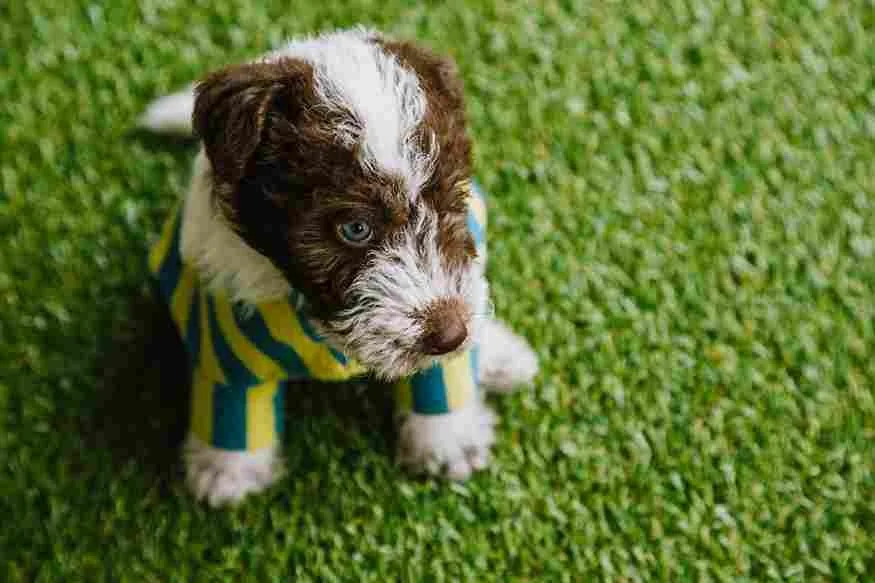
If you have dogs and a yard that has seen better days, artificial turf has probably crossed your mind. Bare patches, muddy paws, and the relentless damage that active dogs do to natural grass are real problems that artificial turf solves effectively when the right product is chosen and installed correctly. For dog owners across Winnipeg neighborhoods like St. Vital and River Heights, the challenge is not just finding turf that looks good but finding turf that handles Winnipeg's climate, manages pet waste effectively, and holds up through years of active dog use without becoming a hygiene or maintenance problem. This guide covers exactly what to look for.
Key Takeaways
The best artificial turf for dogs prioritizes drainage capacity, fiber durability, antimicrobial properties, and heat management over purely aesthetic qualities
Winnipeg's freeze-thaw cycles require turf products and installation methods specifically rated for cold climate performance
Drainage is the most critical performance factor for dog-friendly artificial turf because inadequate drainage creates odor and hygiene problems that undermine the entire investment
Infill material selection significantly affects how turf performs for dogs in terms of hygiene, heat retention, and paw comfort
Professional installation is essential for achieving the drainage performance and longevity that make artificial turf worthwhile for Winnipeg dog owners
Bulger Brothers Landscape installs artificial turf across Winnipeg with the climate-specific knowledge and installation standards that deliver genuinely satisfying long-term results
Overview
This article covers what makes artificial turf genuinely suitable for dogs in Winnipeg's specific climate, which product features matter most for pet applications, what infill options deliver the best hygiene and performance outcomes, how Winnipeg's winters affect artificial turf with dogs, and why professional installation determines whether your turf investment delivers the results you expect. Bulger Brothers Landscape installs artificial turf across Winnipeg and understands what dog owners in this climate specifically need from their turf installation.
What Makes Artificial Turf Good for Dogs Specifically
Not all artificial turf performs equally in dog applications. Products designed primarily for decorative or sports applications may look attractive but lack the specific features that make turf genuinely functional and hygienic in a yard shared with dogs. Understanding what differentiates dog-friendly turf from general-purpose turf helps you evaluate products and installers intelligently.
Drainage Capacity
Drainage is the single most critical performance factor for artificial turf in dog applications. When dogs urinate on artificial turf, the liquid must pass through the turf backing and base system quickly and completely to prevent odor buildup, bacterial growth, and the hygiene problems that make artificial turf a poor choice for dog owners who did not prioritize drainage at installation.
Turf products designed for dog applications use perforated or flow-through backing systems with drainage holes spaced frequently enough to pass liquid efficiently rather than allowing it to pool on or within the turf system. The base preparation beneath the turf is equally important. A permeable aggregate base that allows liquid to percolate away from the turf system is what completes the drainage function that the backing begins.
Turf systems with inadequate drainage retain moisture at the base of the fiber pile and within the backing material where bacterial activity and odor development occur. No amount of cleaning compensates for a drainage system that cannot move liquid away from the turf surface efficiently. Drainage capacity is the specification that should drive your product selection more than any other single factor in a dog turf installation.
Fiber Durability and Recovery
Dogs are hard on turf. Running, turning, digging, and the concentrated traffic patterns that dogs develop through repeated use of favorite routes and areas put significant wear demands on turf fiber. Dog-appropriate turf products use fiber constructions with sufficient durability to maintain their appearance and performance through years of active pet use without matting, crushing, or fiber breakdown that degrades both the look and the hygiene of the installation.
Fiber denier, which is a measure of fiber thickness and weight, directly affects durability. Heavier denier fibers resist crushing and matting better than lighter ones. Fiber shape also matters. C-shaped, S-shaped, and W-shaped fiber cross-sections provide more resilience and recovery from compression than round fibers, springing back to upright position after being flattened by dog traffic rather than remaining matted.
Polyethylene fiber is the most common and generally the most appropriate choice for dog applications. It is soft on paws, durable under use, and does not absorb odors the way some other synthetic fiber materials can. Avoid turf products using nylon fiber for areas where dogs will spend significant time. Nylon becomes uncomfortably hot in summer sun and is harder on paw pads than polyethylene alternatives.
Antimicrobial Properties
Quality dog-friendly artificial turf incorporates antimicrobial treatments into the fiber or backing materials that inhibit bacterial growth and reduce odor development between cleanings. These treatments do not replace adequate drainage and regular maintenance but they meaningfully extend the period between required cleanings and reduce the odor intensity that develops between maintenance events.
Antimicrobial properties are particularly important for turf in shaded areas where reduced sunlight limits the natural UV sanitization that occurs on sun-exposed turf, and in Winnipeg's climate where temperature conditions are not always conducive to rapid liquid evaporation from the turf surface.
Heat Management
Artificial turf can retain heat in direct summer sun, and in Winnipeg's summer with temperatures regularly reaching 30 degrees or higher, turf surface temperatures can rise to levels that are uncomfortable for dog paws. Dog-friendly turf products address this through lighter fiber colors that reflect more solar radiation than dark fibers, infill materials with better heat dissipation properties than standard crumb rubber, and in some cases specialized heat-reflective fiber technology.
Testing potential turf products by placing a sample in direct summer sun and checking the surface temperature after an hour gives you a practical sense of how hot a specific product gets under actual use conditions. A surface that is too hot to hold your hand against comfortably for several seconds will be uncomfortable for dog paws.
Infill Options for Dog-Friendly Artificial Turf
Infill material placed between turf fibers supports fiber uprightness, adds cushioning, and contributes significantly to how turf performs for dogs in terms of hygiene, heat management, and paw comfort. Several infill options are available for dog applications, each with different performance profiles.
Silica Sand Infill
Silica sand is one of the most common and cost-effective infill options for dog turf applications. It provides good fiber support, drains well, and does not retain significant heat compared to rubber-based alternatives. Silica sand is not antimicrobial on its own but antimicrobial-coated sand products are available that provide bacterial inhibition without the heat retention concerns of rubber infill.
The limitation of standard silica sand in dog applications is that it does not provide significant odor control beyond what drainage and regular cleaning deliver. For yards with multiple dogs or high-use areas, additional odor management infill or more frequent cleaning compensates for this limitation.
Zeolite Infill
Zeolite is a naturally occurring mineral infill that provides excellent odor absorption by trapping ammonia compounds from dog urine within its porous structure. It is a popular choice for dog-specific turf installations because it addresses the odor management challenge that is the most common complaint about artificial turf in dog applications.
Zeolite infill requires periodic refreshing as its absorption capacity becomes saturated over time. Rinsing the turf with water and occasionally adding fresh zeolite maintains its odor absorption function. In Winnipeg's climate, the annual spring cleaning that follows winter is a natural opportunity to assess zeolite infill condition and refresh it where needed.
Crumb Rubber Infill
Crumb rubber infill, made from recycled tire material, provides excellent cushioning and fiber support but retains more heat than sand or mineral alternatives in direct summer sun. For dog applications in Winnipeg where summer sun exposure creates heat concerns, crumb rubber infill in primary dog areas is worth reconsidering in favor of lower heat-retention alternatives.
Crumb rubber also has the potential to stick to dog paws and be tracked indoors, which is an ongoing minor maintenance consideration that sand and mineral infills do not present to the same degree.
Organic Infill Options
Cork and coconut fiber organic infill products provide good drainage, natural antimicrobial properties, and lower heat retention than rubber alternatives. They are increasingly popular in dog applications as awareness of their performance advantages grows. Organic infills break down more slowly than their name might suggest and provide several years of effective performance in typical residential applications before requiring replacement.
How Winnipeg's Climate Affects Artificial Turf for Dogs
Winnipeg's climate creates specific considerations for artificial turf in dog applications that pet owners in milder cities do not face to the same degree.
Freeze-thaw cycling does not damage quality artificial turf products but does affect the base system beneath the turf. A permeable aggregate base that drains correctly through Winnipeg's shoulder season freeze-thaw events maintains turf drainage performance year-round. Base systems that compact or heave through freeze-thaw cycling reduce drainage capacity and can create surface unevenness that affects both turf appearance and dog comfort.
Winter pet waste management on artificial turf requires specific practices in Winnipeg. Solid waste on turf covered by snow must be managed as snow clears in spring to prevent odor and hygiene issues from accumulating over the winter period. Some dog owners establish winter management practices that minimize waste accumulation on turf areas during the coldest months. Planning for this seasonal reality before installation prevents unpleasant spring surprises.
Spring cleaning importance is amplified for dog turf installations in Winnipeg compared to residential turf in general. The combination of winter pet waste that must be addressed and the drainage flushing that spring cleaning provides makes a thorough annual spring maintenance visit essential for maintaining hygiene standards in dog turf applications.
UV exposure through Winnipeg summers contributes to the natural sanitization of turf surfaces between cleanings. Quality turf products with UV stabilization maintain their fiber color and structural integrity through years of Winnipeg UV exposure without the fading and fiber degradation that UV-unstabilized products experience.
Artificial turf installation by experienced Winnipeg professionals accounts for these climate-specific considerations in base preparation, product selection, and installation technique in ways that ensure your dog turf delivers satisfying performance through every Winnipeg season.
Maintenance Requirements for Dog-Friendly Artificial Turf
One of the primary appeals of artificial turf for dog owners is reduced maintenance compared to natural grass. Understanding what maintenance remains necessary helps you set accurate expectations and plan for the ongoing care that keeps dog turf hygienic and attractive.
Regular solid waste removal is the most important ongoing maintenance task. Dog waste left on turf for extended periods creates hygiene and odor problems that are much harder to resolve than fresh waste removed promptly. Removing solid waste daily or every other day and rinsing the affected area with water maintains hygiene standards effectively.
Periodic deep rinsing with a garden hose flushes residual liquid waste and soluble waste compounds through the drainage system and out of the turf base. For dog yards with multiple pets or heavy use, weekly rinsing during the active season maintains hygiene more effectively than less frequent flushing.
Annual professional cleaning using enzymatic cleaners that break down waste compounds at the molecular level provides a deeper reset than homeowner maintenance alone achieves. This annual cleaning, ideally timed in spring after winter, addresses the accumulation of compounds that regular rinsing does not fully eliminate and refreshes infill material condition.
Brushing matted areas in high-traffic paths and favorite resting spots with a stiff broom or specialized turf brush keeps fiber upright and maintains the natural appearance of the turf surface. Concentrated dog traffic creates matting patterns that brushing reverses efficiently.
When you are ready to explore artificial turf for dogs at your Winnipeg property, Bulger Brothers Landscape provides professional consultation and installation that matches the right product to your specific situation. Contact their team at 7 Leeward Pl, Winnipeg, MB R3X 1M6 or call (204) 782-0313 to discuss your property and get a detailed quote for your dog-friendly turf installation.
Frequently Asked Questions about Best Artificial Turf for Dogs
Q: What is the most important feature to look for in artificial turf for dogs in Winnipeg?
A: Drainage capacity is the single most important feature for dog-friendly artificial turf. When dogs urinate on turf, liquid must pass through the backing and base system quickly and completely to prevent odor and hygiene problems. Turf with perforated or flow-through backing installed on a permeable aggregate base provides the drainage performance that makes artificial turf genuinely functional in dog applications. No other product feature compensates for inadequate drainage.
Q: Does artificial turf for dogs smell in Winnipeg?
A: Properly installed artificial turf with adequate drainage, appropriate infill including odor-absorbing materials like zeolite, and regular maintenance does not develop persistent odor problems. Odor issues in artificial turf installations are almost always traceable to inadequate drainage that retains liquid waste in the turf system rather than passing it through, or to insufficient maintenance frequency. Turf installed with comprehensive drainage provisions and maintained with regular rinsing and periodic deep cleaning manages pet odor effectively.
Q: Is artificial turf safe for dogs in Winnipeg summers?
A: Quality artificial turf products with lighter fiber colors, heat-reflective properties, and lower heat-retention infill materials are safe and comfortable for dogs in Winnipeg summers when appropriate heat management features are specified. Standard crumb rubber infill in direct summer sun can reach temperatures uncomfortable for dog paws. Checking surface temperature of proposed turf products under direct summer sun conditions helps identify whether heat management is adequate for your specific installation location.
Q: How does artificial turf perform for dogs through Winnipeg winters?
A: Quality artificial turf products handle Winnipeg winters without structural degradation. The primary winter management consideration for dog owners is planning for solid waste management during snowy periods and ensuring thorough spring cleaning after winter to address any hygiene accumulation from the cold months. The permeable aggregate base beneath the turf must be installed to handle Winnipeg's freeze-thaw cycles without heaving or compacting in ways that reduce drainage capacity.
Q: How much does artificial turf for dogs cost in Winnipeg?
A: Dog-friendly artificial turf installation in Winnipeg typically runs $15 to $30 or more per square foot installed depending on product quality, drainage provisions, and base preparation requirements. A standard dog yard of 50 square metres commonly falls between $8,000 and $15,000 for professional installation. Products specifically designed for pet applications with enhanced drainage backing and antimicrobial properties cost more than standard decorative turf but deliver significantly better performance in dog applications.
Q: How long does artificial turf for dogs last in Winnipeg?
A: Quality dog-friendly artificial turf professionally installed in Winnipeg typically lasts 12 to 18 years depending on use intensity, UV exposure, and maintenance consistency. Products with higher fiber denier, UV stabilization, and quality backing systems last toward the longer end of this range. Regular maintenance including prompt waste removal and periodic deep cleaning extends effective lifespan by preventing the hygiene-related degradation that shortens turf life more than physical wear in most dog applications.
Q: What infill is best for artificial turf in dog areas in Winnipeg?
A: Zeolite infill or antimicrobial-coated silica sand provides the best combination of odor management and heat control for dog turf applications in Winnipeg. Zeolite's natural odor absorption addresses the primary hygiene concern in dog turf applications. Silica sand provides good drainage and lower heat retention than rubber alternatives. Both options perform well through Winnipeg's climate conditions. Crumb rubber infill is less ideal for dog-specific areas due to heat retention concerns and the potential for tracking indoors.
Q: Can artificial turf be installed in a partially shaded dog yard in Winnipeg?
A: Yes, artificial turf performs well in shaded areas and is in some respects preferable to natural grass in shade where grass growth is thin and patchy. Shaded turf areas benefit from antimicrobial infill or treatments because reduced UV exposure limits the natural sanitization that sun-exposed turf receives. Ensuring adequate drainage in shaded areas is particularly important because reduced evaporation from limited sun exposure means drainage must do more of the work in moving liquid waste away from the turf surface.
Conclusion
Finding the best artificial turf for dogs in Winnipeg means prioritizing drainage capacity, fiber durability, antimicrobial properties, and cold climate performance over purely cosmetic considerations. The right product installed correctly on a properly prepared permeable base delivers a clean, durable, genuinely low-maintenance surface that eliminates the mud, bare patches, and lawn damage that active dogs create on natural grass. In Winnipeg's demanding climate, the quality of installation determines whether those benefits materialize or whether drainage failures and base problems undermine what should be a long-term outdoor improvement. Bulger Brothers Landscape installs artificial turf across Winnipeg with the product knowledge and installation standards that dog owners deserve. Reach out today and give your dogs and your yard the upgrade they have both been waiting for.