

Choosing the Best Artificial Grass: Your Complete Quality and Selection Guide
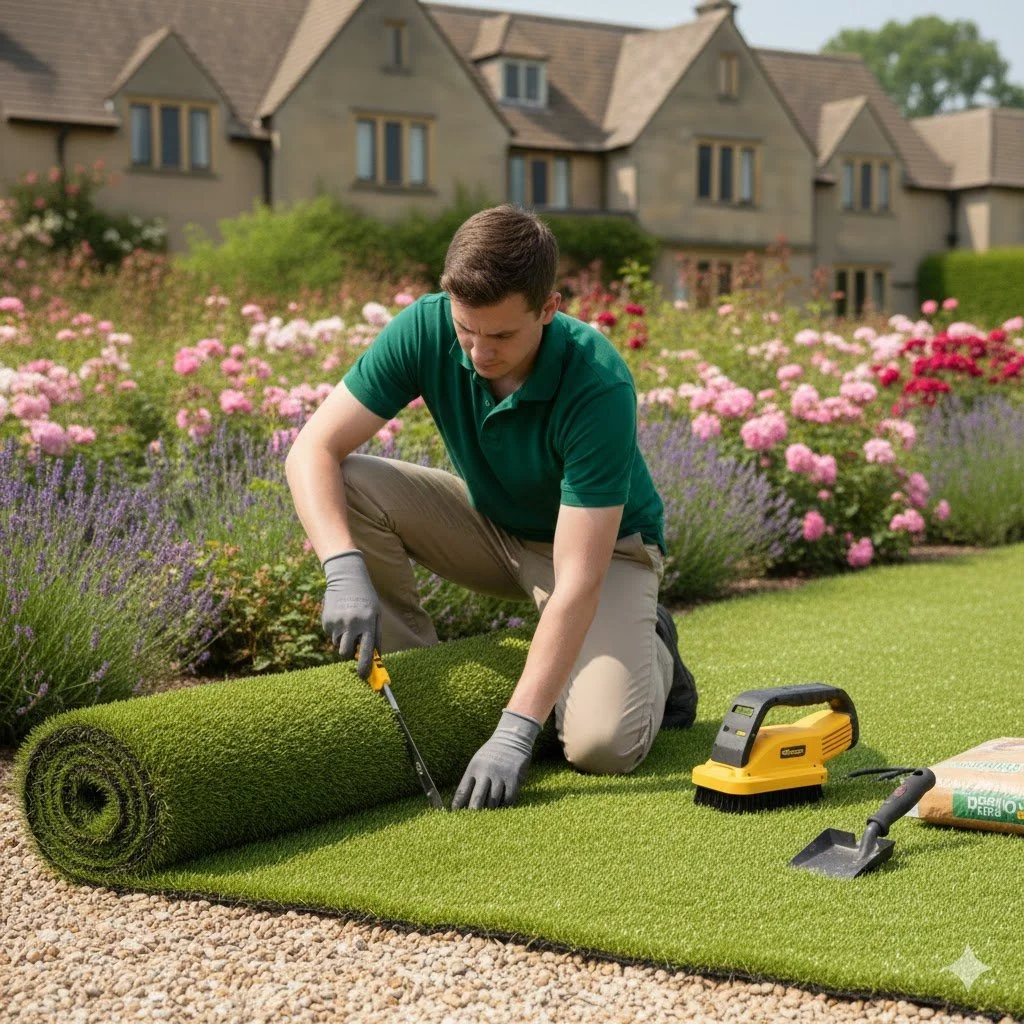
Selecting synthetic turf for your property represents a significant investment deserving careful consideration and informed decision-making. Homeowners researching the best artificial grass discover that quality varies dramatically between products, with differences affecting appearance, durability, comfort, and long-term performance. Understanding what separates premium synthetic lawns from budget alternatives helps you make smart choices that deliver satisfaction for years while avoiding disappointing products that fail prematurely or never look convincing.
The synthetic turf market offers hundreds of products at varying price points, each claiming superiority through marketing language that confuses rather than clarifies. Bulger Brothers Landscape helps Winnipeg homeowners navigate these choices, recommending proven products that withstand Manitoba's climate while delivering realistic appearances and comfortable feel. Our experience installing synthetic lawns throughout the region teaches us which products perform reliably and which create problems despite attractive initial appearances or appealing prices.
Key Takeaways
The best artificial grass combines realistic appearance, appropriate blade construction, quality backing systems, and proper infill materials
Premium polyethylene products provide superior softness and natural looks compared to polypropylene or nylon alternatives
Backing quality significantly affects drainage, dimensional stability, and overall product longevity
Blade density, height, and shape variations create realistic textures that separate quality products from obviously fake alternatives
Proper installation matters as much as product selection for achieving natural appearances and reliable performance
Local climate considerations affect material selection, with cold-weather products essential for Manitoba installations
Overview
This comprehensive guide explores what makes artificial grass products exceptional, examining quality indicators that predict performance and satisfaction. You'll discover how blade materials affect feel and appearance, understand backing systems that ensure durability and drainage, and learn what infill choices mean for comfort and maintenance. We examine density requirements, blade configurations, and color variations that create convincing synthetic lawns, while explaining how Bulger Brothers Landscape evaluates products for Winnipeg installations.
Whether you're planning residential lawn replacements, pet areas, play spaces, or commercial installations, understanding quality factors helps you select appropriate products for specific applications. This guide addresses common questions about synthetic turf selection, provides criteria for evaluating products, and offers insights helping you achieve the realistic, durable synthetic lawns you envision. You'll learn what to prioritize during product selection, how to avoid common mistakes, and why professional installation expertise matters for maximizing synthetic grass performance.
Understanding Synthetic Grass Blade Materials
The best artificial grass starts with appropriate fiber materials that determine appearance, feel, and durability characteristics.
Polyethylene: The Premium Choice
Polyethylene (PE) represents the most popular and generally superior material for residential artificial grass. This plastic polymer offers exceptional softness, realistic appearance, and appropriate durability for typical home applications.
Polyethylene Advantages:
Soft, comfortable texture suitable for barefoot walking
Natural appearance mimicking real grass closely
Excellent UV resistance preventing color fading
Appropriate flexibility creating realistic movement
Wide variety of blade shapes and colors available
Suitable for most residential applications
Premium products often use 100% polyethylene construction, though some quality options blend PE with other materials for specific performance characteristics. Polyethylene fibers typically last 15-20 years with proper installation and care.
According to Synthetic Turf Council, polyethylene-based products dominate residential markets due to superior aesthetics and comfort balancing performance with reasonable costs.
Polypropylene: Budget Alternative
Polypropylene (PP) costs less than polyethylene but provides inferior softness and appearance. This harder plastic feels stiffer underfoot and typically looks less natural than PE alternatives.
When Polypropylene Works:
Very tight budget constraints
Low-traffic areas where appearance matters less
Temporary installations
Utility areas requiring basic coverage
Most homeowners investing in synthetic lawns find polypropylene disappointing compared to polyethylene products despite initial savings. The comfort and appearance differences become immediately apparent when comparing products side by side.
Nylon: High-Durability Option
Nylon offers maximum durability and resilience, making it popular for athletic fields and extremely high-traffic commercial applications. However, nylon feels firmest underfoot and costs significantly more than polyethylene.
Nylon Characteristics:
Exceptional durability and wear resistance
Stands upright better than softer materials
Highest heat tolerance
Firmest feel (least comfortable for residential use)
Premium pricing
Few residential applications justify nylon's expense and firmness. Polyethylene provides adequate durability for home use with superior comfort at lower costs.
Blended Products
Some quality synthetic grass blends different fiber types within single products, combining materials' complementary characteristics. Common blends include:
PE/PP Combinations: Primary polyethylene blades for softness and appearance with polypropylene support fibers adding structure and reducing costs.
PE/Nylon Blends: Polyethylene majority with nylon accent fibers improving resilience in high-traffic areas while maintaining reasonable softness.
Multi-PE Formulations: Different polyethylene grades blended for specific performance characteristics, shade variations, or texture combinations.
Quality blends leverage each material's strengths while minimizing weaknesses. However, poorly designed blends using excessive cheap materials compromise performance.
Blade Configuration and Design Elements
Beyond base materials, the best artificial grass incorporates thoughtful blade designs creating realistic appearances and appropriate performance.
Blade Height and Pile Density
Blade Height: Typical residential products range from 1.5-2 inches tall. Shorter pile (1-1.5 inches) suits putting greens and formal appearances, while medium heights (1.5-2 inches) work well for general landscaping. Longer blades (2-2.5 inches) create lush looks but may flatten more easily.
Pile Density: Measured in stitches per square meter or face weight (ounces per square yard), density affects appearance and durability. Quality residential products typically feature 50-70 ounces face weight. Higher density creates fuller appearances and better durability but increases costs.
Optimal combinations balance height and density. Very tall blades need adequate density supporting upright orientation, while shorter products require less density maintaining coverage.
Blade Shape Variations
Premium products incorporate multiple blade shapes within single systems creating natural-looking diversity that real grass displays.
Common Blade Profiles:
Flat/Ribbon: Wide, flat blades mimicking common grass types
Diamond/W-Shape: Central spine with angled sides providing structure
Spine/S-Shape: Curved profiles adding texture variation
Curled/Crimped: Irregular shapes creating thatch-like appearance
The best artificial grass combines 2-4 different blade types in strategic ratios. This variation creates depth and texture preventing the uniform, obviously synthetic look of single-blade products.
Color Blending and Variation
Natural grass displays color variations from multiple grass species, growth patterns, and lighting effects. Quality synthetic products replicate this through careful color blending.
Typical Color Strategies:
Base Green: Primary color forming most of blade volume
Accent Greens: Lighter or darker shades adding variation
Brown/Tan Tones: Thatch colors mimicking natural dead blade accumulation
Field Green: Yellower tones suggesting varied grass types
Premium products blend 3-4 colors within blade fibers themselves and across different blade types. This creates natural-looking variation that cheap single-color products lack.
Bulger Brothers Landscape selects products with appropriate color blending for Winnipeg properties, ensuring synthetic lawns look natural under local lighting conditions throughout seasons.
UV Stabilization
Manitoba's intense summer sun breaks down inadequately protected synthetic fibers, causing fading and material degradation. Quality products incorporate UV stabilizers throughout fiber construction rather than just surface coatings.
UV Protection Indicators:
Manufacturer warranties of 8-15 years
UV stabilizer specifications in product documentation
Products specifically rated for northern climates
Testing certifications from recognized laboratories
Cheap products without adequate UV protection fade noticeably within 2-3 years, particularly in high-sun exposure areas. Premium products maintain color for 10-15+ years.
Backing Systems and Construction Quality
While visible blade characteristics attract attention, backing systems critically affect drainage, stability, and longevity.
Primary Backing Materials
The primary backing layer, into which fibers are tufted, must provide dimensional stability while allowing water drainage.
Backing Types:
Polypropylene Fabric: Most common, provides good stability and drainage
Polyester Fabric: Superior strength and dimensional stability
Composite Systems: Multiple layers optimizing different characteristics
Quality backings resist stretching, tearing, and degradation from moisture and temperature variations. Cheap backings contribute to seam failures, wrinkling, and premature product failure.
Secondary Backing and Coating
Secondary backing or coating layers lock fibers in place and provide additional stability.
Coating Options:
Latex: Traditional choice, adequate performance but can become brittle
Polyurethane: Superior flexibility and durability, especially in temperature extremes
Dual-Layer Systems: Combining different materials for optimized characteristics
According to Landscape Ontario, polyurethane-backed products perform better in freeze-thaw climates like Manitoba's compared to latex alternatives that may crack in extreme cold.
Drainage Capacity
Proper drainage prevents water accumulation that creates unusable soggy conditions or ice formation.
Drainage Features:
Perforated backing allowing vertical water movement
Drainage rate specifications (typically 30+ inches per hour)
Dual-layer systems with dedicated drainage layers
Quality products specify drainage rates clearly. Installation over properly prepared bases with adequate slope ensures surface water moves through synthetic turf efficiently.
Stitch Rate and Construction
Stitch rate (stitches per linear meter or inch) affects both appearance and durability. Higher stitch rates create denser, more durable products but increase manufacturing costs.
Quality residential products typically feature 180-220 stitches per meter. Athletic fields may exceed 300 stitches per meter for maximum durability, though this density proves unnecessary and expensive for home applications.
Infill Materials and Their Impact
While some synthetic grass products claim "no infill required," most benefit from appropriate infill materials providing weight, supporting blades upright, and affecting feel.
Silica Sand Infill
Silica sand represents the most economical infill option, providing weight and blade support.
Silica Sand Characteristics:
Inexpensive and widely available
Provides good blade support
Helps with drainage
Can retain heat in direct sun
May compact over time requiring replenishment
Standard silica sand works adequately for many residential applications, particularly in moderate-sun areas where heat retention concerns remain minimal.
Rubber Crumb Infill
Rubber crumb adds cushioning making it popular for athletic fields and play areas.
Rubber Characteristics:
Excellent shock absorption
Good blade support
Can retain significant heat
Environmental concerns around microplastic pollution
May have odor issues in hot weather
Many residential customers avoid rubber infill due to heat retention and environmental considerations, though it works well for athletic applications prioritizing safety over comfort.
Coated Sand Products
Various coated sand infills address limitations of basic silica sand.
Common Coatings:
Antimicrobial Treatments: Reduce odor and bacterial growth
Heat-Reflective Coatings: Reduce surface temperatures
Color Coatings: Enhance appearance
These specialty products cost more than basic sand but provide performance benefits justifying premiums for some applications.
Organic and Natural Infills
Environmental concerns drive interest in natural infill materials.
Natural Options:
Cork: Renewable, heat-reducing, cushioning properties
Coconut Fiber: Natural, biodegradable, good drainage
Zeolite: Natural mineral, antimicrobial properties, odor control
Natural infills typically cost significantly more than synthetic alternatives but appeal to environmentally conscious homeowners. They may require more frequent replenishment as materials break down.
Infill Depth and Application
Proper infill depth varies by product but typically ranges from 1-2 inches depending on blade height. Insufficient infill allows excessive blade movement and matting, while excessive amounts can make surfaces feel hard and bury blades excessively.
Professional installation includes appropriate infill selection and application ensuring optimal performance from day one.
Application-Specific Considerations
The best artificial grass for specific applications varies based on intended use and performance priorities.
Residential Lawns
General landscaping applications prioritize natural appearance, comfortable feel, and reasonable durability.
Residential Priorities:
Soft polyethylene construction
Realistic multi-blade, multi-color design
1.5-2 inch blade height
Moderate density (50-65 oz face weight)
Good UV resistance for longevity
Appropriate drainage for climate
Premium residential products balance aesthetics with practical performance and value, avoiding both budget disappointments and unnecessary athletic-grade expenses.
Pet Areas
Synthetic turf for dogs requires enhanced drainage, antimicrobial properties, and durability for heavy use.
Pet Area Features:
Excellent drainage (50+ inches per hour)
Antimicrobial infill or backing treatments
Shorter pile heights (1-1.5 inches) for easier cleaning
Dense construction resisting digging
Heat-reflective properties for sun exposure
Specialized pet products cost more than standard residential turf but perform better under intensive use while controlling odors effectively.
Play Spaces
Children's play areas benefit from extra cushioning and safety features.
Play Area Considerations:
Shock-absorbing underlayment for fall protection
Soft polyethylene blades
Avoid rubber infill due to health concerns
Adequate drainage preventing puddle formation
Non-toxic materials and certifications
Play area installations often require specific safety surfacing standards. Professional designers ensure synthetic grass systems meet appropriate guidelines.
Putting Greens
Golf applications demand specialized products completely different from landscape turf.
Putting Green Requirements:
Very short pile (under 1 inch, often 0.5 inches)
Nylon fibers for resilience
Extremely dense construction
Specific infill creating proper ball roll
Professional installation with precise grading
Putting green products cost significantly more than landscape turf and require specialized installation expertise. These applications fall outside typical residential synthetic grass projects.
Climate Considerations for Manitoba Installations
Selecting the best artificial grass for Winnipeg requires understanding how local climate affects synthetic turf performance.
Freeze-Thaw Cycle Durability
Manitoba's dramatic temperature swings stress synthetic grass materials and installation systems.
Cold Climate Requirements:
Polyurethane backing resisting cold-weather brittleness
UV stabilizers protecting against sun reflection from snow
Backing perforations allowing freeze-thaw drainage
Quality seaming preventing separation from expansion/contraction
Products specifically tested for northern climates perform more reliably than generic options designed primarily for warmer regions. Bulger Brothers Landscape specifies products proven in Manitoba conditions.
Snow and Ice Management
Winter precipitation affects synthetic turf differently than natural grass.
Winter Performance Factors:
Adequate drainage preventing ice accumulation
Blade resilience recovering from snow compression
Backing flexibility maintaining integrity through freeze cycles
Installation techniques preventing frost heave damage
While synthetic turf doesn't require winter maintenance, understanding how snow affects products helps set realistic expectations. Snow removal from synthetic surfaces requires care avoiding damage.
Summer Heat Considerations
Synthetic turf retains heat more than living grass, becoming quite warm during hot sunny days.
Heat Management Options:
Light-colored products reflecting more heat
Heat-reducing infill materials
Strategic installation in partially shaded areas
Cooling rinses during peak heat
Heat retention represents synthetic grass's most significant performance limitation. Homeowners should understand temperature characteristics before installation, particularly for barefoot use areas.
Installation Quality and Professional Expertise
Even the best artificial grass fails without proper installation. Professional expertise matters enormously for achieving natural appearances and long-term performance.
Base Preparation Requirements
Proper base construction ensures drainage, prevents settling, and provides stable foundations.
Critical Base Elements:
Complete removal of organic material
Proper grading directing water away from structures
Compacted aggregate base (typically 3-4 inches)
Leveling layer creating smooth surfaces
Edge restraints preventing material shifting
Amateur installation frequently fails from inadequate base preparation. Professionals understand proper construction techniques ensuring long-term stability.
Seaming and Joining Techniques
Visible seams destroy natural appearances. Professional installers create invisible joints through proper techniques.
Quality Seaming Practices:
Specialized adhesives appropriate for backing materials
Seaming tape providing strong bonds
Careful alignment matching blade directions
Professional tools creating consistent joints
Quality control ensuring seam integrity
Poor seaming shows obvious lines, separates over time, and looks unprofessional. This represents one area where professional installation proves critical.
Infill Application and Grooming
Proper infill distribution affects appearance and performance immediately.
Professional Infill Practices:
Even distribution across entire installation
Appropriate depth for blade height
Power brooming standing blades upright
Multiple applications ensuring complete coverage
Final grooming creating natural appearance
Rushed or improper infill application creates uneven surfaces, matted areas, and disappointing results despite quality product selection.
Warranty and Long-Term Support
Reputable installers provide workmanship warranties covering installation quality separate from manufacturer material warranties. This protection ensures problems from installation defects receive attention and correction.
Maintenance Requirements for Longevity
While synthetic grass requires far less maintenance than natural lawns, some care preserves appearance and extends life.
Regular Debris Removal
Leaves, twigs, and debris should be removed regularly using leaf blowers, rakes, or vacuums. Most homeowners find maintenance requires just minutes compared to hours for natural lawn care.
Periodic Rinsing
Rinsing synthetic turf occasionally removes dust and pollen. Pet areas benefit from regular rinsing and enzymatic cleaners controlling odors.
Brushing and Grooming
High-traffic areas may develop flattened blades requiring occasional brushing with stiff brooms or power brooms. This grooming restores upright blade orientation maintaining natural appearance.
Infill Replenishment
Over time, infill materials may compact, migrate, or require replenishment. Professional maintenance services assess infill levels and add material when needed.
Inspection and Repairs
Quality installations last 15-20 years with proper care. Occasional repairs may address seam issues, edge problems, or damage from unusual circumstances. Professional installers offer maintenance services and repair capabilities.
Make the Right Choice for Your Property
Selecting the best artificial grass requires balancing quality indicators, application requirements, climate considerations, and budget constraints. Bulger Brothers Landscape brings extensive experience helping Winnipeg homeowners navigate synthetic turf options, recommending proven products that perform reliably in Manitoba's challenging climate. Our expertise ensures you avoid disappointing budget products while not overpaying for unnecessary premium features.
We guide product selection based on your specific needs, whether residential lawns, pet areas, play spaces, or specialized applications. Our professional installation ensures even premium products perform optimally through proper base preparation, expert seaming, and appropriate infill application. The combination of quality product selection with skilled installation creates synthetic lawns that look natural, feel comfortable, and last for years.
Located at 7 Leeward Pl, Winnipeg, MB R3X 1M6, Bulger Brothers Landscape is ready to discuss your synthetic turf project and explain product options suited to your situation. Call (204) 782-0313 to schedule a consultation and discover how we help homeowners select and install the best artificial grass for their properties. We'll evaluate your needs, explain product differences clearly, and provide transparent recommendations that help you make confident decisions about your synthetic lawn investment.
Conclusion
Selecting the best artificial grass requires understanding quality indicators that separate premium products delivering years of satisfaction from disappointing alternatives that fail prematurely or never look convincing. The investment in quality materials combined with professional installation creates synthetic lawns that enhance properties while eliminating maintenance burdens. Material selection, backing construction, blade configuration, and appropriate infill all contribute to overall performance and appearance that either justify investments or create regrets.
Bulger Brothers Landscape combines product expertise with proven installation capabilities, ensuring Winnipeg homeowners receive appropriate recommendations and quality workmanship. Our experience with various synthetic turf products in Manitoba's challenging climate teaches us which options perform reliably and which create problems despite marketing claims. We prioritize your satisfaction through honest guidance, transparent recommendations, and skilled installation that maximizes even premium products' potential.
Your property deserves synthetic grass that looks natural, feels comfortable, withstands local weather, and lasts for years justifying the investment. Don't compromise your satisfaction through budget products that disappoint or overpay for unnecessary features. Trust professionals who understand quality indicators, recommend proven products, and install synthetic lawns using techniques ensuring long-term performance. The difference quality makes shows immediately and lasts throughout product life.
Take the next step toward beautiful, low-maintenance synthetic lawns by contacting professionals who combine product knowledge with installation expertise. The investment in the best artificial grass available, properly installed, creates outdoor spaces that enhance daily living while reducing ongoing care requirements. Make confident decisions about synthetic turf through guidance from experienced professionals who prioritize your long-term satisfaction over short-term sales.
FAQs
Q: What makes some artificial grass better than others?
A: Quality differences stem from blade materials (polyethylene superior to polypropylene), backing construction (polyurethane better than latex in cold climates), blade configuration (multi-blade, multi-color products more realistic), density and pile height, UV stabilization quality, and drainage capacity. Premium products combine soft polyethylene fibers with quality backing systems, appropriate density, and thoughtful blade designs creating natural appearances. Budget products using cheaper materials, single-blade designs, and inferior backing systems look obviously fake and fail prematurely despite lower initial costs.
Q: How long does quality artificial grass last?
A: Premium polyethylene products with proper UV stabilization and quality backing systems typically last 15-20 years with appropriate installation and care. Budget products may show significant fading and wear within 5-7 years. Longevity depends on product quality, installation expertise, climate conditions, and maintenance. Products specifically rated for northern climates like Manitoba's withstand freeze-thaw cycles better than generic alternatives. Manufacturer warranties of 8-15 years indicate quality construction, though actual lifespan often exceeds warranty periods with proper care.
Q: What's the best artificial grass for dogs?
A: Pet-specific synthetic turf featuring enhanced drainage (50+ inches per hour), antimicrobial treatments, shorter pile heights (1-1.5 inches), and dense construction performs best for dogs. These specialized products handle waste more effectively, control odors better, and resist digging more successfully than standard residential turf. Avoid rubber infills for pet areas due to heat retention and potential ingestion concerns. Antimicrobial-coated sand or natural infills work well for pet applications. Bulger Brothers Landscape recommends specific pet products based on dog size, activity level, and use patterns.
Q: Does expensive artificial grass look more realistic?
A: Generally yes, though price alone doesn't guarantee quality. Premium products incorporate multiple blade shapes, 3-4 color variations, appropriate density, and thoughtful design creating natural appearances. Budget single-blade, single-color products look obviously fake regardless of installation quality. However, extremely expensive athletic-grade products may not look more natural than mid-premium residential options while costing significantly more. The best value comes from quality residential products balancing realistic appearance with reasonable pricing rather than either budget disappointments or unnecessary premium expenses.
Q: Can artificial grass be installed in Manitoba winters?
A: While possible, synthetic turf installation works best during spring through fall when ground isn't frozen and adhesives cure properly. Cold temperatures affect adhesive performance, make materials less flexible, and complicate base preparation. Most professional installers avoid winter installation unless specific circumstances require it. Fall installation allows use immediately while avoiding peak season demand. Spring installation prepares properties for summer enjoyment. Planning ahead allows optimal timing rather than forcing winter work with associated challenges.
Q: What's the best infill for artificial grass?
A: Best infill depends on application. Silica sand works well for general residential use offering good value and performance. Antimicrobial-coated sand provides enhanced odor control for pet areas. Natural options like cork or coconut fiber appeal to environmentally conscious homeowners despite higher costs. Rubber crumb suits athletic applications but raises concerns for residential use due to heat retention and environmental issues. Heat-reflective coated sand reduces surface temperatures in high-sun areas. Professionals recommend infill based on specific needs balancing performance priorities with budget constraints.
Q: How do I choose between different artificial grass products?
A: Evaluate products based on fiber material (polyethylene preferred), blade height and density appropriate for intended use, color variation and blade diversity creating natural appearance, backing quality ensuring durability and drainage, UV stabilization supporting longevity, and manufacturer reputation with solid warranties. Request samples allowing side-by-side comparison of different products. Feel softness, examine color variations, check backing construction, and verify specifications. Work with experienced installers who recommend proven products rather than pushing specific brands for commission reasons.
Q: Is artificial grass worth the investment?
A: For homeowners valuing low maintenance, water conservation, consistent appearance year-round, and elimination of mowing and fertilization, synthetic turf represents excellent investment. Initial costs ($8-$25+ per square foot installed) exceed sod installation but eliminate ongoing maintenance expenses. Break-even typically occurs within 5-8 years through saved mowing, watering, fertilization, and time costs. Beyond financial considerations, convenience and lifestyle benefits justify investment for many homeowners. However, synthetic turf isn't appropriate for everyone—evaluate priorities honestly before committing.
Q: Can artificial grass handle Manitoba's extreme weather?
A: Quality products specifically rated for northern climates handle Manitoba conditions well through proper material selection and installation techniques. Polyurethane backing resists cold brittleness, adequate UV stabilization prevents fade from intense summer sun, proper drainage prevents ice accumulation, and quality blades recover from snow compression. Products designed primarily for warmer climates may struggle with extreme temperature swings. Professional installers familiar with local conditions specify appropriate products and use installation methods ensuring freeze-thaw cycle durability. Winter snow accumulation affects appearance temporarily but doesn't damage quality installations.
Q: What maintenance does artificial grass require?
A: Regular debris removal using leaf blowers or rakes keeps synthetic lawns looking good. Occasional rinsing removes dust and pollen. Pet areas benefit from regular cleaning and enzymatic treatments. Periodic brushing in high-traffic areas restores blade orientation. Infill may require replenishment over time. Overall maintenance demands far less time than natural lawn care—typically just minutes monthly compared to hours weekly for grass. Professional maintenance services handle periodic grooming and infill management for homeowners preferring complete hands-off approaches.