

How Much for Fence Installation? Your Complete Winnipeg Pricing Guide
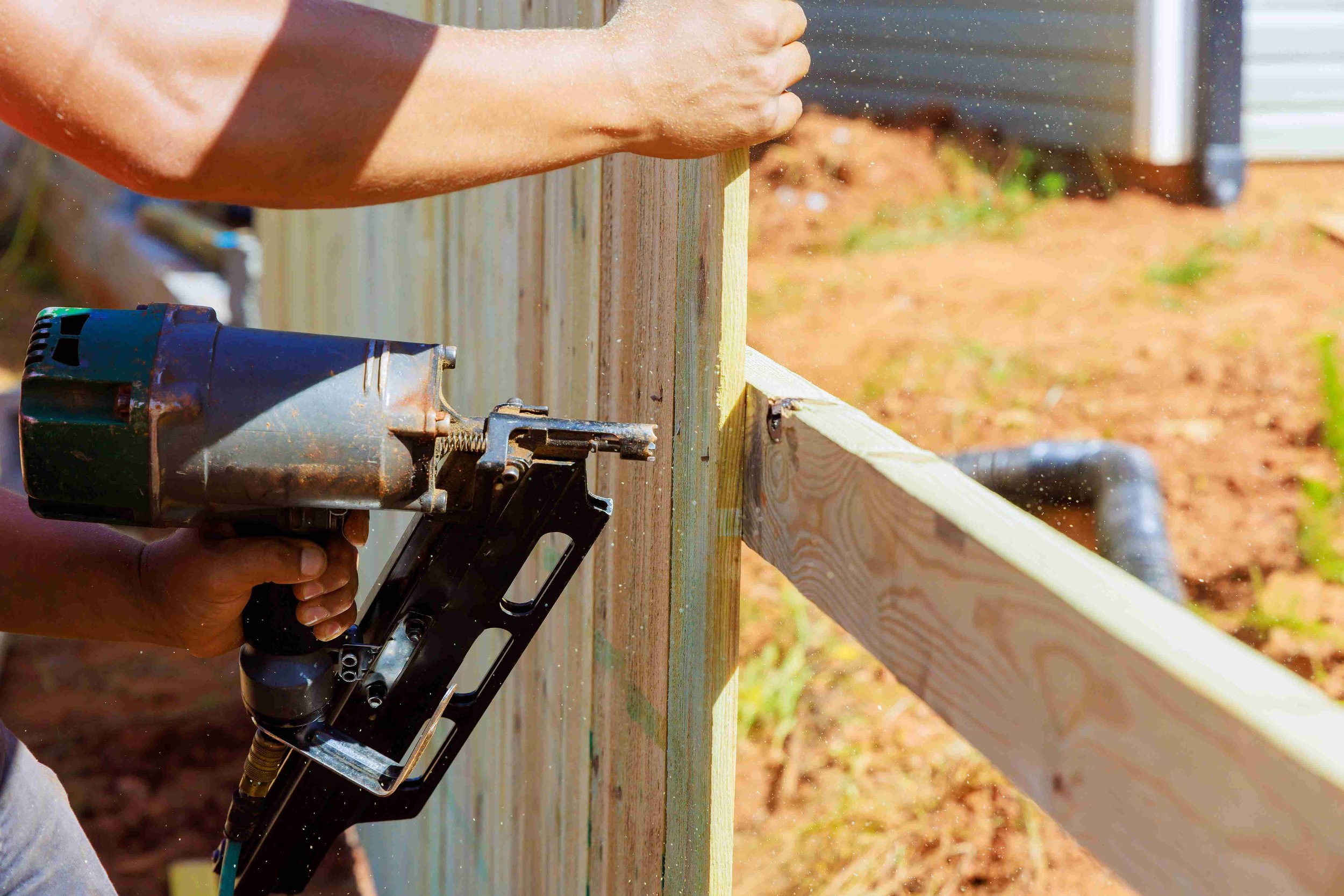
Fence installation represents a significant property investment that delivers privacy, security, and aesthetic enhancement for years to come. Understanding fence installation costs helps property owners budget accurately and make informed decisions about materials, styles, and contractors that best serve their needs. Pricing varies dramatically based on material choices, property characteristics, and installation complexity, making detailed cost knowledge essential for realistic planning.
Winnipeg's climate creates specific demands that affect both material selection and installation techniques. Frost heave, extreme temperature fluctuations, and harsh winter conditions require proper installation methods and durable materials that withstand these challenges. Professional fence installation costs reflect not just labor and materials but also the expertise required to create structures that perform reliably through demanding seasonal conditions.
Key Takeaways
Fence installation in Winnipeg typically costs $25-$75 per linear foot installed, varying dramatically by material type
Wood fencing costs $20-$40 per linear foot, vinyl $30-$60, chain link $15-$35, and aluminum $35-$75 per linear foot
Property characteristics, fence height, style complexity, and site conditions significantly impact total costs
Professional installation includes proper post setting, frost-resistant footings, and techniques preventing premature failure
DIY installation saves 40-60% on labor but requires substantial time, physical effort, and construction knowledge
Permits, property surveys, and site preparation add costs beyond basic materials and labor
Overview
This comprehensive guide examines fence installation costs from multiple perspectives, helping you understand what professionals charge, what drives pricing variations, and how to maximize value from your investment. We'll explore different fencing materials and their cost implications, examine factors affecting installation pricing, and help you decide when DIY makes sense versus hiring professionals.
You'll discover what comprehensive fence installation entails, learn how to evaluate contractor quotes, and understand permit requirements and hidden costs that affect total project budgets. We address common questions about timing, warranties, and how fence choices impact property values. Throughout this guide, we emphasize how Bulger Brothers Landscape approaches fence installation with the expertise and quality construction that delivers lasting performance for Winnipeg property owners.
Understanding Fence Installation Cost Components
Breaking down fence installation costs into distinct components helps you understand pricing and evaluate whether quotes represent fair value. Total costs combine materials, labor, site preparation, and various supporting elements required for successful installation.
Material costs represent 40-60% of total fence installation pricing. Fencing materials range from budget-friendly chain link at $5-$12 per linear foot to premium cedar or composite at $15-$35+ per linear foot. Posts, rails, pickets or panels, gates, hardware, concrete for post setting, and fasteners all contribute to material totals. Material quality within each fence type varies—economy grade wood versus premium cedar, thin vinyl versus heavy-duty profiles—affecting both initial costs and long-term performance.
Labor costs account for 40-60% of total installation pricing, typically running $10-$30 per linear foot depending on material type, installation complexity, and local labor rates. Simple chain link installation falls toward the lower end, while intricate wood designs or challenging sites reach higher labor costs. Professional installation includes layout and string lines, post hole digging, post setting with concrete, panel or picket installation, gate hanging and adjustment, and final cleanup. Experienced installers complete work faster and with better quality than less skilled contractors, justifying higher rates.
Site preparation expenses vary based on existing conditions. Properties with clear, accessible fence lines need minimal preparation. Challenging sites require vegetation clearing, old fence removal and disposal, grading to accommodate fence installation, or boulder and root removal. Site work can add $2-$10 per linear foot to projects requiring extensive preparation. Old fence removal alone typically costs $3-$8 per linear foot depending on material and disposal requirements.
Permits and inspections add costs in jurisdictions requiring them. Permit fees vary by municipality, typically ranging from $50-$200 for residential fence projects. Some areas don't require permits for fences under certain heights, while others mandate permits for all fence installations. Research local requirements early in planning to budget appropriately.
Property surveys might be necessary to verify boundary locations before fence installation. Survey costs run $400-$800 for typical residential properties. While expensive, surveys prevent disputes with neighbors and ensure fences are placed legally on your property rather than encroaching on adjacent lots. Many property owners skip surveys assuming they know boundaries, then face expensive corrections if assumptions prove wrong.
Gates and hardware add significant costs beyond linear fence pricing. Standard walk gates cost $150-$400 installed depending on width and material. Double drive gates run $400-$1,200+ installed. Gate hardware, latches, hinges, and locks add $50-$150 per gate beyond basic components.
Understanding landscape design cost factors helps property owners see fence installation within broader outdoor improvement investment strategies.
Average Fence Installation Costs by Material Type
Material selection dramatically affects fence installation costs, with price variations reflecting durability, maintenance requirements, aesthetics, and installation complexity. Understanding material-specific pricing helps you choose options balancing budget constraints with performance expectations.
Wood fencing represents the most popular choice, offering natural aesthetics and moderate costs. Pressure-treated pine costs $20-$30 per linear foot installed for standard privacy fences. Cedar fencing runs $30-$40 per linear foot installed, justified by superior rot resistance and attractive appearance. Premium hardwoods like ipe can exceed $50-$70 per linear foot. Wood fence costs include posts, rails, pickets, and installation. Six-foot privacy fences cost more per foot than four-foot versions due to additional materials and bracing requirements. Wood requires ongoing maintenance including staining or painting every 2-4 years, adding long-term costs beyond installation.
Vinyl fencing delivers low-maintenance performance at higher initial costs. Standard vinyl privacy fencing costs $30-$45 per linear foot installed. Premium vinyl with simulated wood grain or decorative tops reaches $45-$60 per linear foot. Vinyl's durability and minimal maintenance justify higher upfront investment for many property owners. Quality varies substantially among vinyl products—thicker profiles with proper UV inhibitors last 30+ years, while economy vinyl becomes brittle and discolors within 10-15 years. Installation complexity is similar to wood, with costs reflecting primarily material price differences.
Chain link fencing offers the most economical option at $15-$25 per linear foot installed for standard galvanized four-foot height. Taller six-foot chain link costs $20-$30 per linear foot. Vinyl-coated chain link in colors adds $5-$10 per linear foot. Privacy slats inserted into chain link add $3-$5 per linear foot. Chain link provides security and pet containment at minimal cost but offers limited privacy and basic aesthetics. Installation is straightforward, keeping labor costs reasonable.
Aluminum fencing provides decorative appeal and durability at premium pricing. Standard ornamental aluminum costs $35-$50 per linear foot installed. Premium styles with decorative finials and complex designs reach $50-$75 per linear foot. Aluminum never rusts, requires virtually no maintenance, and offers elegant appearance suiting front yards and properties where aesthetics matter. Installation complexity varies by style, with simple designs installing similar to chain link while ornamental styles require more precise work.
Composite fencing combines wood fiber and plastic creating low-maintenance alternatives to wood at premium prices. Composite privacy fencing costs $40-$65 per linear foot installed. Material costs drive pricing higher than wood, though long-term maintenance savings offset initial investment. Composite resists rot, insects, and fading while offering wood-like appearance. Installation methods mirror wood fencing.
Wrought iron fencing (typically actually steel) delivers traditional elegance at high costs. Custom wrought iron costs $50-$100+ per linear foot installed, varying dramatically based on design complexity. Ornamental steel alternatives offer similar aesthetics at slightly lower costs, typically $40-$70 per linear foot. These materials suit properties where distinctive appearance justifies premium investment.
The relationship between material selection and long-term performance makes initial cost just one consideration. Understanding professional landscape installation principles reveals how quality materials and proper installation techniques create lasting value.
Factors That Affect Fence Installation Costs
Beyond material selection, multiple variables influence final fence installation pricing. Understanding these factors helps you anticipate costs accurately for your specific project and property conditions.
Fence length obviously drives total costs, though per-foot pricing often improves for longer runs. A 100-foot fence at $30 per foot costs $3,000, while 300 feet might average $27 per foot totaling $8,100 due to efficiency gains. Very short fence runs (under 50 feet) sometimes face minimum charges since mobilization and setup time remains constant regardless of length.
Fence height significantly impacts costs. Standard four-foot fences cost $5-$10 per linear foot less than six-foot versions of identical materials. Eight-foot privacy fences add another $8-$15 per linear foot due to heavier posts, additional materials, and increased bracing requirements. Height restrictions vary by location and fence position (front yard versus backyard), affecting options.
Style and design complexity create substantial cost variations. Simple flat-top privacy fences cost less than decorative styles with lattice tops, alternating picket widths, or custom designs. Shadow box fencing costs $5-$10 more per linear foot than standard board-on-board despite using similar materials due to installation complexity. Gates, corners, and direction changes add costs through increased labor and additional posts.
Terrain and slope dramatically affect installation difficulty. Level properties allow straightforward installation at standard rates. Sloped terrain requires stepped fence sections or racked panels following grade—both techniques adding $5-$15 per linear foot to costs. Extreme slopes might need grading before fence installation, adding further expense.
Soil conditions influence post setting effort and methods. Normal soil allows efficient post hole digging and setting. Rocky soil requires specialized equipment or hand digging around boulders, increasing labor 30-50%. Clay soil common to Winnipeg needs proper concrete setting preventing heaving. Sandy soil might require deeper post embedment or wider footings for stability.
Access and site conditions affect equipment use and labor efficiency. Properties with clear access allowing power augers and equipment reach standard pricing. Tight spaces requiring hand digging or limited access forcing material hand-carrying increase labor costs by 20-40%. Existing landscaping requiring protection during installation adds time and care.
Property lines and obstacles create challenges. Fences near structures require careful measurement and sometimes custom panels. Working around existing trees, utilities, or structures increases complexity. Dense vegetation or structures blocking equipment access force more labor-intensive methods.
Timing and seasonal factors sometimes affect pricing. Peak construction season (May-September in Winnipeg) sees full demand and pricing. Shoulder seasons (April, October) might offer scheduling advantages and occasionally better pricing, though weather unpredictability affects project timelines. Winter installation is possible but limited, usually commanding premium rates.
Understanding how landscape renovation strategies address various property conditions helps owners recognize when site improvements beyond fencing might be needed for optimal results.
Installation Costs by Fence Length and Project Size
Project size affects total investment and often influences per-unit pricing through economies of scale. Understanding typical costs for various project sizes helps you budget appropriately and recognize volume pricing benefits.
Small projects (50-100 linear feet) typically see higher per-foot costs due to minimum charges and setup time representing larger proportions of total work. A 75-foot wood privacy fence might cost $2,500-$3,500 installed ($33-$47 per foot), while the same material for larger runs would average $25-$35 per foot. Small projects suit property owners replacing damaged sections or fencing small yards. Many contractors set $1,500-$2,500 minimum charges making very small fence projects economically challenging.
Medium residential projects (100-200 linear feet) represent typical backyard privacy fences. A 150-foot cedar privacy fence costs approximately $4,500-$6,000 installed ($30-$40 per foot). These projects usually complete in 1-2 days with 2-3 person crews. Project size allows material purchasing efficiency and labor productivity reaching normal per-foot rates without penalties for short runs.
Large residential projects (200-400 linear feet) providing complete backyard enclosure or perimeter fencing see modest per-foot reductions. A 300-foot vinyl privacy fence might cost $10,500-$13,500 installed ($35-$45 per foot), while similar material for 150-foot runs would be at the higher end of per-foot range. Savings of $2-$5 per foot on long runs add up substantially, potentially saving $600-$2,000 on large projects.
Extensive projects (400+ linear feet) enclosing large properties or acreages benefit most from volume pricing. A 600-foot chain link fence might average $12,000-$15,000 installed ($20-$25 per foot) with per-foot costs at the lower end of material range due to efficiency gains. These multi-day projects might earn 10-15% total cost reductions compared to rates quoted for small installations.
Whole property perimeter fencing for standard residential lots typically requires 400-600 linear feet depending on lot dimensions. Complete perimeter fences cost $10,000-$35,000 depending on materials—chain link at the low end, premium wood or vinyl at the high end. Most property owners fence backyards only rather than entire perimeters, reserving different materials or styles for front yard applications where aesthetics matter more.
Cost per foot examples illustrate material and size interactions. A 100-foot pressure-treated privacy fence costs approximately $2,500-$3,000 ($25-$30 per foot). The same 100-foot in cedar costs $3,000-$4,000 ($30-$40 per foot). Vinyl costs $3,500-$5,000 ($35-$50 per foot). Scaling to 300 feet shows volume benefits: pressure-treated $6,600-$8,100 ($22-$27 per foot), cedar $8,700-$10,800 ($29-$36 per foot), vinyl $10,500-$13,500 ($35-$45 per foot).
Additional components add to linear fence costs. Gates cost $150-$1,200 each depending on size and material. Corner posts and direction changes add $50-$150 each. These fixed costs become smaller proportions of totals as project size increases.
DIY Fence Installation vs. Professional Services
Many property owners consider installing fences themselves to save money. Understanding what DIY involves versus professional service helps you make informed decisions balancing cost savings against time, expertise, and result quality.
Cost comparison shows substantial DIY savings potential. Professional installation for a 150-foot wood privacy fence costs $4,500-$6,000 complete. DIY material costs for the same project total $2,000-$3,000, saving approximately $2,000-$3,000 in labor. However, equipment rental adds costs—power augers rent for $75-$125 daily, post hole diggers for $15-$30 daily, and you might need levels, string lines, and tools you don't own. Equipment expenses and potential material waste from mistakes reduce net savings to $1,500-$2,500 for this example.
Time investment represents DIY's major hidden cost. Professional crews with 2-3 workers complete 150-foot installations in 1-2 days. DIYers working alone or with untrained help might invest 4-6 full days (32-48 hours) achieving similar results. For busy professionals, this time investment might be worth more than $2,000 saved, particularly considering weekend family time sacrificed. Physical demands compound time considerations—fence installation involves sustained manual labor including repetitive digging, heavy lifting, and precision work requiring concentration.
Skill requirements significantly affect success. Fence installation demands understanding proper post spacing and depth, maintaining consistent heights and alignment, ensuring plumb posts and level rails, building gates that function smoothly, and addressing drainage and terrain challenges. Mistakes like improperly set posts, misaligned panels, or gates that don't close properly require costly corrections. Professional installers possess skills developed through experience that DIYers lack, leading to better results and fewer problems.
Equipment and tools give professionals significant advantages. Power augers dig post holes in minutes that take DIYers 30-60 minutes hand-digging. Laser levels maintain alignment that DIYers struggle to achieve with string lines. Specialized tools for setting posts, cutting materials, and making adjustments speed work and improve quality. Most homeowners lack these tools, making rental or purchase necessary.
Frost protection knowledge proves critical in Winnipeg. Posts set to improper depths or without adequate concrete footings heave during freeze-thaw cycles, destroying fence alignment and requiring expensive repairs. Professional installers understand local frost depth requirements (typically 4 feet in Winnipeg) and proper setting techniques preventing heaving. DIYers often lack this regional knowledge, risking premature failure.
Warranty considerations favor professional installation. Many contractors warranty installation for 1-5 years, replacing or repairing workmanship failures. Material warranties from manufacturers sometimes require professional installation for validity. DIY installations lack these protections—failures mean buying materials and repeating work at your expense.
When DIY makes sense: Very small projects under 50 feet where labor savings justify effort, property owners with construction experience and appropriate tools, those who enjoy building projects and have available time, and situations where budget absolutely requires minimizing costs. Capable DIYers comfortable with physical work and possessing basic construction skills can achieve acceptable results on straightforward projects.
When professionals deliver better value: Projects exceeding 100 feet, installations involving complex terrain or difficult access, property owners lacking construction experience or tools, situations where result quality matters for property value or neighborhood standards, and projects where proper installation is critical to performance. Most property owners find professional installation worthwhile for the expertise, efficiency, and warranty protection provided.
Hybrid approaches work for some. Handle site preparation like vegetation clearing yourself while hiring professionals for actual fence installation. This balance provides modest cost savings while ensuring quality installation work.
Understanding Winnipeg landscaping challenges reveals why local professional expertise particularly benefits fence installation in harsh climate conditions.
Permit Requirements and Hidden Costs
Beyond obvious material and labor costs, fence installation involves additional expenses that can surprise unprepared property owners. Understanding these requirements helps you budget comprehensively and avoid mid-project financial stress.
Building permits are required in many jurisdictions for fence installation. Winnipeg and surrounding municipalities have varying requirements—some require permits for all fences, others only for fences exceeding certain heights (often six feet). Permit fees typically run $50-$200 for residential projects. Application processes require submitting site plans showing fence locations, specifications regarding height and materials, and sometimes neighbor notification if fences border property lines. Research local requirements early, as unpermitted fences might require removal or retroactive permitting with penalties.
Property surveys prevent costly boundary disputes. While not legally required, surveys verify exact property lines before fence installation. Survey costs of $400-$800 for typical residential properties seem expensive but protect against much costlier problems—fences mistakenly placed on neighbors' property must be moved at your expense. Even 6-12 inches of encroachment can trigger disputes requiring expensive corrections. Many property owners assume iron pins or old fences mark boundaries accurately, but these assumptions often prove wrong.
Utility location services prevent dangerous and expensive utility strikes. Call before you dig services (Manitoba 1-800-940-3447) locate underground utilities free, preventing gas line, electrical, water, or telecommunications damage. Failing to call before digging can result in service disruption, injury risk, and repair bills reaching thousands of dollars. Professional contractors always call utility location services, but DIYers must remember this critical step.
Homeowner association approvals in communities with HOAs require submitting fence plans for architectural review before installation. HOAs often have specific requirements regarding fence styles, materials, colors, and heights. Approval processes take 2-6 weeks typically, and rejections require design modifications. Installing fences without HOA approval (where required) can result in forced removal and fines.
Neighbor notifications and agreements, while not legally required in most cases, prevent disputes and maintain good relationships. Discussing fence plans with neighbors sharing the property line helps address concerns early. Some neighbors agree to split costs for shared fences, reducing your investment substantially. Others might object to designs, heights, or locations—learning this during planning rather than mid-construction prevents conflicts.
Old fence removal and disposal adds $3-$8 per linear foot for existing fences requiring replacement. Removal involves disconnecting and dismantling old materials, pulling posts with embedded concrete, loading and hauling debris, and disposal fees at waste facilities. Projects replacing fences should budget this cost separately from new installation.
Site preparation beyond basic clearing sometimes becomes necessary during installation. Grading to level fence lines costs $500-$2,000 depending on extent. Boulder or stump removal adds $100-$500 per obstacle. Rerouting irrigation or addressing drainage issues discovered during installation creates unexpected expenses. Budget 10-15% contingency for unforeseen site challenges.
Access fees in developments with restricted entry might apply when contractors work in gated communities or properties requiring special access coordination. These administrative fees range from $25-$100 and vary by community policies.
Post-installation landscaping repair addresses grass or plantings damaged during installation. Budget $200-$500 for reseeding, mulch replacement, or minor landscape repairs along fence lines. Professional installers minimize this damage, but some restoration is normal after significant construction.
How to Get Accurate Fence Installation Quotes
Obtaining accurate pricing requires providing contractors with complete information and asking questions that reveal exactly what quotes include. These strategies help you compare proposals effectively and avoid surprise costs.
Measure fence length accurately before requesting quotes. Walk your property line measuring total linear feet requiring fencing. Account for gates, direction changes, and terrain features. Accurate measurements allow contractors to provide precise quotes rather than rough estimates requiring adjustment after site visits. Include notes about desired gate locations and quantities.
Describe property conditions thoroughly including terrain, existing vegetation, old fence requiring removal, soil type if known, and access for equipment. Photos help contractors assess situations remotely. Clear property descriptions allow accurate initial quotes versus adjusted pricing after discovering unexpected challenges.
Specify material and style preferences providing contractors with clear direction. Share examples of fence styles you like, preferred materials, desired height, and gate requirements. If undecided, ask contractors to quote multiple material options for comparison. Clear specifications ensure all quotes address identical scopes allowing meaningful cost comparisons.
Request detailed written proposals breaking down costs for materials, labor, site preparation, old fence removal if applicable, gates and hardware, and permit fees if contractor handles permitting. Itemization reveals where price differences originate when comparing quotes. Vague proposals listing only total costs prevent understanding what you're actually paying for.
Clarify what's included in base pricing versus additional costs. Confirm whether quotes include old fence removal, site preparation extent, post-hole digging and concrete, complete installation with gates hung, final cleanup, and permit acquisition if required. Understanding inclusions prevents disappointment when expected services weren't actually covered.
Ask about warranty coverage including what's warranted, warranty duration, and claim procedures. Quality contractors typically warranty installation for 1-3 years covering workmanship failures. Material warranties come from manufacturers. Understand specific coverage—are posts warrantied against heaving, are gates covered if they sag? Written warranty terms prevent disputes.
Verify licensing and insurance including contractors' business licensing, general liability insurance, and workers' compensation coverage. Request certificates and verify coverage directly with insurance companies. Never hire fence contractors without proper insurance regardless of attractive pricing.
Understand payment schedules including deposits required (typically 25-50% for material purchase), progress payments if applicable for large projects, and final payment timing. Standard schedules tie payments to project milestones. Large upfront payments before work begins should raise concerns.
Request references from recent fence installation clients with similar project types. Contact references asking about installation quality, communication, whether projects stayed on budget and schedule, how contractors handled problems, and overall satisfaction. References provide valuable insights into working relationships and result quality.
Compare multiple quotes from 3-5 contractors for meaningful cost understanding. Multiple proposals identify market rates and reveal unusually high or low bids requiring explanation. Evaluate overall value considering experience, credentials, communication quality, and proposal thoroughness alongside pricing.
Fence Installation Timeline and Scheduling
Understanding how long fence installation takes and optimal scheduling considerations helps you plan appropriately and set realistic expectations for project completion.
Standard installation timelines for professional crews vary by project size and complexity. Small projects under 100 linear feet typically complete in 1 day with 2-person crews. Medium projects of 100-200 feet usually require 1-2 days. Large projects exceeding 300 feet often take 2-4 days. Complex terrain, decorative styles, or challenging access extend timelines proportionally. Most residential fence installations complete within 1-3 days from start to finish.
Weather contingencies affect scheduling reliability, particularly in Winnipeg's variable climate. Rain delays fence installation when soil becomes too wet for post setting or equipment access. Extreme heat affects concrete curing. Cold weather limits installation season—many contractors avoid fence installation once ground begins freezing (typically November-March). Build schedule flexibility understanding weather might cause short delays.
Seasonal considerations influence optimal timing. Spring and summer (May-September) represent peak fence installation season in Winnipeg. Contractors are busiest, making advance booking essential. Demand might reduce negotiating power on pricing. However, weather is most reliable and ground conditions are optimal. Fall (September-October) offers good installation conditions with potentially better contractor availability as residential demand softens. Early spring (April-early May) works well if ground has thawed sufficiently, offering good availability before peak season rush.
Lead time requirements vary by season and contractor workload. During peak season, popular contractors book 4-8 weeks ahead for installation. Shoulder season availability might allow scheduling within 2-3 weeks. Emergency replacements for damaged fences might receive priority scheduling. Contact contractors early in planning for best schedule options.
Project phases break installation into distinct steps. Site preparation and old fence removal (if needed) occurs first, often requiring 2-4 hours for typical projects. Post hole digging and post setting follows, consuming 3-6 hours depending on length and method. Posts need 24-48 hours for concrete to cure before panel or picket installation. Panel or picket installation represents the final major phase, requiring 4-8 hours for most residential projects. Gate hanging and adjustment completes work, adding 1-2 hours per gate.
Site access timing matters for properties in occupied homes. Discuss scheduling preferences with contractors—some property owners want work completed while they're home, others prefer crews working while family is away. Clear communication about access, pets, and household schedules helps contractors plan efficiently.
Inspection timing in jurisdictions requiring permits affects schedules. Understand when inspections occur—sometimes after post setting, sometimes after completion. Failed inspections requiring corrections extend timelines and occasionally add costs. Quality contractors familiar with local codes rarely face inspection failures.
Understanding seasonal landscaping considerations helps property owners recognize optimal timing for fence installation and other outdoor improvements.
Long-Term Costs and Maintenance Considerations
Initial installation costs represent just the beginning of total fence ownership expenses. Understanding ongoing maintenance requirements and long-term costs helps you make material choices considering life-cycle expenses rather than just upfront pricing.
Wood fence maintenance represents the most intensive ongoing commitment. Staining or painting every 2-4 years maintains appearance and extends life, costing $2-$5 per linear foot for professional service or $200-$400 in materials for DIY on typical 150-foot fences. Power washing before refinishing adds time or $100-$200 professionally. Over a 20-year ownership period, expect to spend $2,000-$4,000+ on wood fence maintenance beyond installation costs. Repairs for damaged boards, loose posts, or rot add further expenses. Despite maintenance demands, many property owners choose wood for its natural aesthetics and initial cost advantages.
Vinyl fence maintenance requires minimal effort—occasional washing with soap and water keeps vinyl looking good. No painting or staining necessary. Over 20-30 year life spans, maintenance costs total under $200 for typical fences, primarily occasional hardware replacement. However, damaged panels require complete section replacement rather than individual board fixes since vinyl doesn't repair easily. Quality vinyl justifies premium initial costs through minimal long-term maintenance.
Chain link maintenance is minimal—periodic tightening of fabric and occasional post stabilization. Galvanized chain link lasts 20-25 years with virtually no maintenance beyond occasional cleaning. Vinyl-coated chain link requires checking for coating damage and addressing rust at compromised spots. Life-cycle maintenance costs under $300 for typical installations make chain link economical long-term.
Aluminum fence maintenance approaches vinyl in simplicity—occasional washing and hardware inspection. Quality aluminum never rusts and maintains appearance indefinitely. Budget under $200 for 20-30 year maintenance, primarily lubricating hinges and replacing latches as needed. Aluminum's durability and low maintenance justify premium installation costs for properties prioritizing minimal ongoing care.
Composite fence maintenance mirrors vinyl—simple cleaning and minimal repairs. Life-cycle costs total $200-$400 over 25-30 years. Composite combines wood aesthetics with vinyl-like maintenance, appealing to property owners wanting wood appearance without maintenance commitment.
Repair costs vary by material and damage cause. Replacing damaged wood boards costs $15-$40 per board including labor. Vinyl panel replacement runs $75-$200 per panel. Chain link fabric repair costs $50-$150 per section. Post replacements for heaved or damaged posts cost $100-$300 each regardless of material. Weather damage, vehicles, falling trees, or normal wear create repair needs over fence lifespans.
Lifespan expectations affect long-term value calculations. Pressure-treated wood lasts 15-20 years with good maintenance, cedar 20-25 years. Quality vinyl lasts 30-40 years. Chain link typically goes 20-25 years. Aluminum lasts 30-50+ years. When comparing materials, consider both initial costs and expected lifespan—$4,000 vinyl fence lasting 35 years costs less annually than $2,500 wood fence lasting 18 years and requiring $3,000 maintenance over that period.
Property value impact varies by fence type and neighborhood standards. Quality fences maintained well enhance property values, potentially adding $2,000-$5,000 or more depending on property and market. Deteriorated fences decrease values. Fences matching neighborhood norms provide better returns than those standing out as unusual or inappropriate. Understanding this helps prioritize maintenance preserving value.
When you're ready to enhance your property with professional fence installation that combines quality materials with expert construction techniques, Bulger Brothers Landscape at 7 Leeward Pl, Winnipeg, MB R3X 1M6 delivers reliable service. Call (204) 782-0313 to discuss how much fence installation costs for your specific property and receive expert guidance on materials and approaches that best serve your needs.
Conclusion
Understanding fence installation costs empowers property owners to budget effectively and make informed decisions about materials, contractors, and project scope. While costs vary dramatically based on material selection and project specifics, the investment delivers privacy, security, and aesthetic enhancement that benefits properties for decades.
Professional installation combines expertise, efficiency, and warranty protection that justifies costs through proper construction techniques preventing premature failure. The knowledge required to set posts correctly in Winnipeg's frost-prone climate, build gates that function smoothly, and create fences that remain straight and stable through harsh seasons makes professional service valuable for most property owners.
Whether you choose economical chain link, classic wood, low-maintenance vinyl, or elegant aluminum, understanding complete project costs including permits, site preparation, and long-term maintenance helps you select materials matching both your budget and long-term priorities. The investment you make in quality fence installation creates defined outdoor spaces enhancing property values and outdoor enjoyment.
Ready to enhance your property with professional fence installation that delivers lasting performance? Contact Bulger Brothers Landscape at (204) 782-0313 to discuss how much fence installation costs for your Winnipeg property and receive expert guidance on materials and construction approaches that best serve your needs and withstand local climate demands.
FAQs
Q: How much does fence installation typically cost in Winnipeg?
A: Fence installation in Winnipeg typically costs $25-$75 per linear foot installed, varying dramatically by material type. Wood privacy fencing costs $20-$40 per linear foot installed with pressure-treated pine at the lower end ($20-$30) and cedar at the higher end ($30-$40). Vinyl fencing costs $30-$60 per linear foot with standard styles around $30-$45 and premium decorative vinyl reaching $45-$60. Chain link represents the most economical option at $15-$35 per linear foot depending on height and coating. Aluminum ornamental fencing costs $35-$75 per linear foot. Complete fence projects for typical residential backyards (150-200 linear feet) range from $4,000-$12,000 depending on materials selected, with most projects falling in the $5,000-$8,000 range for wood or vinyl privacy fences. These costs include materials, labor, post setting with concrete, gates, and installation but typically exclude permits, surveys, or extensive site preparation.
Q: What factors most significantly affect fence installation costs?
A: Material selection represents the single largest cost driver, with pricing varying from $15-$75 per linear foot between chain link and premium aluminum or composite. Fence length affects total costs with projects over 200 feet often seeing modest per-foot reductions through volume efficiencies. Height significantly impacts pricing—six-foot fences cost $5-$10 more per linear foot than four-foot versions due to additional materials and structural requirements. Terrain and slope add $5-$15 per linear foot when stepped or racked panels are needed on uneven ground. Style complexity affects costs as decorative designs with lattice tops or custom elements increase labor. Site conditions including rocky soil, limited access, or vegetation requiring removal increase costs by 20-40%. Old fence removal adds $3-$8 per linear foot. Gates add fixed costs of $150-$1,200 each depending on size and material beyond linear fencing costs.
Q: Should I install a fence myself or hire professionals?
A: DIY fence installation can save $10-$30 per linear foot in labor costs but requires substantial time, physical effort, and construction knowledge. For a 150-foot project, DIY might save $1,500-$2,500 after equipment rental costs but requires 32-48 hours of work spread over 4-6 days versus professional completion in 1-2 days. DIY makes sense for small projects under 50 feet, property owners with construction experience and tools, those who enjoy building projects, and situations where budget absolutely requires minimizing costs. Professional installation delivers better value for projects exceeding 100 feet, installations on complex terrain, property owners lacking experience or tools, situations where result quality matters significantly, and projects where proper installation is critical to performance. Professionals understand Winnipeg's frost depth requirements, possess specialized equipment, work efficiently, and typically warranty installation for 1-5 years. Most property owners find professional service worthwhile for the expertise, efficiency, and protection provided.
Q: What is the cheapest type of fence to install?
A: Chain link fencing represents the most economical option, costing $15-$25 per linear foot installed for standard four-foot galvanized chain link. A complete 150-foot installation costs approximately $2,250-$3,750. Taller six-foot chain link costs $20-$30 per linear foot. Adding vinyl coating in colors increases costs by $5-$10 per linear foot but improves aesthetics. Privacy slats inserted into chain link add $3-$5 per linear foot, bringing total costs closer to basic wood fencing. While economical, chain link provides limited privacy and basic appearance. Pressure-treated wood represents the next most affordable option at $20-$30 per linear foot for privacy fencing, offering better aesthetics and privacy than chain link at moderate cost increases. For strictly budget-driven decisions where security or pet containment matter more than privacy or appearance, chain link delivers maximum value. For balanced cost and privacy, pressure-treated wood offers reasonable compromise.
Q: How long does professional fence installation take?
A: Professional fence installation timelines vary by project size and complexity. Small projects under 100 linear feet typically complete in one full day with a 2-3 person crew. Medium projects of 100-200 linear feet usually require 1-2 days. Large projects exceeding 300 linear feet often take 2-4 days depending on specific length and conditions. Factors affecting duration include fence length, terrain and site conditions with slopes or difficult access extending time, material type with simple chain link installing faster than complex wood designs, weather conditions potentially causing delays, and crew size with larger crews completing work faster. Most typical residential fence installations for backyard privacy (150-200 feet) complete within 2-3 days from initial site work through final cleanup. Post setting requires 24-48 hours concrete curing time before panel installation can proceed, so projects spanning multiple days include this waiting period.
Q: Do I need a permit to install a fence in Winnipeg?
A: Permit requirements for fence installation in Winnipeg and surrounding municipalities vary by specific location, fence height, and fence position on property. Many jurisdictions require permits for fences exceeding six feet in height, fences in front yards, or any fence along street-facing property lines. Some areas require permits for all fence installations regardless of height or location. Permit fees typically range from $50-$200 for residential projects. Applications require submitting site plans showing fence locations, specifications about height and materials, and sometimes neighbor notification for property line fences. Contact your local municipal office or building department to verify specific requirements for your property before beginning installation. Installing fences without required permits can result in orders to remove the fence, fines, or requirements for retroactive permitting with penalties. Professional fence contractors typically know local requirements and can advise on permitting or handle applications on your behalf.
Q: How much do fence gates cost to install?
A: Fence gate costs depend on size, material, and whether they're walk gates or drive gates. Standard walk gates in materials matching the fence cost $150-$400 installed including hardware. Basic chain link walk gates run $150-$250, while wood or vinyl walk gates cost $200-$350. Premium aluminum ornamental walk gates reach $300-$400. Single drive gates (typically 10-12 feet wide) cost $400-$800 installed. Double drive gates providing 12-16 feet of opening cost $600-$1,200+ installed. These prices include gate panels, hinges, latches, installation labor, and basic hardware. Decorative hardware, automated gate openers, or custom sizes add $200-$2,000+ depending on specifications. Gate costs are typically quoted separately from per-linear-foot fencing costs. Most residential fence projects include 1-2 walk gates with drive gates needed only if providing vehicle access.
Q: What is the best fence material for Winnipeg's climate?
A: The best fence material for Winnipeg's harsh climate depends on your priorities balancing cost, maintenance, and durability. Cedar wood offers excellent natural rot resistance handling freeze-thaw cycles well when properly maintained, costs moderately ($30-$40 per linear foot), but requires staining every 2-4 years. Quality vinyl fencing performs exceptionally in Winnipeg's climate, resists freeze-thaw damage, requires virtually no maintenance, and lasts 30-40 years, though initial costs are higher ($30-$60 per linear foot) and cheaper vinyl can become brittle in extreme cold. Aluminum fencing handles weather perfectly, never rusts, requires minimal maintenance, and lasts 30-50+ years but costs premium pricing ($35-$75 per linear foot). Pressure-treated wood provides adequate performance at lower costs ($20-$30 per linear foot) but requires more maintenance than cedar. Avoid materials like wrought iron requiring rust prevention in wet conditions or thin vinyl that becomes brittle in extreme cold. Proper installation with posts set below frost line (4 feet in Winnipeg) matters as much as material selection for climate performance.
Q: How much does it cost to remove an old fence?
A: Old fence removal typically costs $3-$8 per linear foot depending on material type and condition. Removing a 150-foot old fence costs approximately $450-$1,200 for professional service. Chain link removal falls toward the lower end ($3-$5 per linear foot) as it disconnects relatively easily. Wood fence removal costs $4-$6 per linear foot involving dismantling panels and pulling posts. Vinyl fence removal costs $5-$8 per linear foot as panels must be carefully detached from posts. Wrought iron or concrete-embedded fences require more effort and reach higher costs. Removal pricing includes disconnecting or dismantling fence components, pulling posts with concrete footings, loading material into trucks, hauling to disposal, and disposal fees. Salvageable materials might reduce costs slightly if contractors can recoup value through resale. Many fence installation contractors include old fence removal in project quotes as part of complete service. When comparing installation quotes, clarify whether old fence removal is included or charged separately to ensure accurate cost comparisons.
Q: Does fence installation increase property value?
A: Quality fence installation typically adds $2,000-$5,000 or more to property value depending on property type, neighborhood, and fence quality. Privacy fences in residential areas provide the strongest value returns by creating defined outdoor spaces and enhancing curb appeal. Fences matching neighborhood standards deliver better returns than those seeming unusual or out of place. Well-maintained fences in good condition add value while deteriorated fences can decrease property values. Return on investment typically ranges from 50-100% of installation costs, meaning a $6,000 fence installation might add $3,000-$6,000 in property value. Factors affecting value impact include fence material and quality, how well it matches neighborhood norms, condition and maintenance level, and whether it enhances privacy, security, or aesthetics. For properties being sold, new fences often help homes sell faster even if they don't increase asking prices dramatically. Front yard fences impact curb appeal more significantly than backyard fences for sale purposes, though backyard privacy fences enhance livability for current owners.