

Hockey Rink Size Guide: Understanding Standard & Custom Dimensions
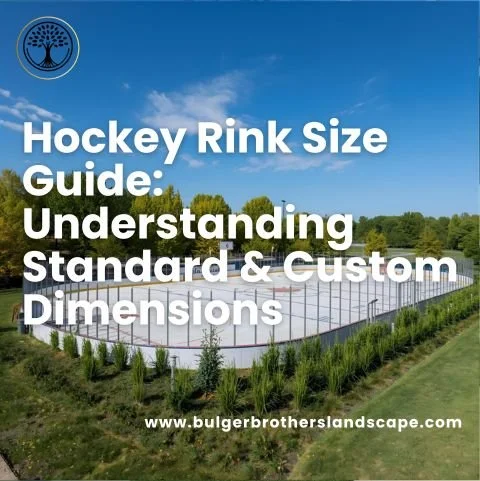
When the temperature drops below -5°C in Winnipeg and stays there for a few days, you know it's time. Backyards across the city transform into personal hockey havens, and families begin the annual tradition of flooding their yards to create outdoor rinks. But before you start running your hose for 54 hours straight (yes, some Winnipeg families do exactly that), you need to understand the fundamentals: how long is a hockey rink, and what dimensions work best for your space?
Whether you're planning a modest backyard setup for your kids to practice their slapshots or dreaming of a regulation-sized ice surface, understanding hockey rink dimensions is the foundation of your project. From NHL standards to Olympic measurements, and everything in between, the size of your rink dramatically affects gameplay, construction requirements, and maintenance demands throughout Manitoba's unpredictable winter season.
Key Takeaways
Standard NHL rinks measure 200 feet long by 85 feet wide, with rounded corners featuring a 28-foot radius
Olympic and international rinks are 200 feet by 100 feet, providing 15 additional feet of width that changes gameplay dynamics
Backyard rinks in Winnipeg typically range from 20x40 feet to 60x30 feet, depending on yard size and intended use
Professional rink construction requires proper base preparation, quality liner materials, and strategic board placement to withstand temperature fluctuations
Winnipeg's climate demands consistent temperatures below -5°C for at least three days to establish safe ice thickness of 3-4 inches
Overview
This comprehensive guide explores everything you need to know about hockey rink dimensions, from professional standards used by the NHL and international hockey federations to practical backyard rink sizing for Winnipeg homeowners. We'll examine how rink length and width impact gameplay styles, the technical specifications that govern professional ice surfaces, and actionable guidance for designing your own outdoor rink that can handle Manitoba's extreme temperature swings.
You'll discover why North American rinks differ from European ice surfaces, learn the optimal dimensions for different age groups and skill levels, and get expert recommendations for constructing a backyard rink that will last through Winnipeg's entire winter season. We'll also address common questions about ice thickness, board heights, and maintenance requirements that every rink builder faces when temperatures plummet to -30°C or when unexpected January thaws threaten your ice quality.
Whether you're a hockey parent looking to give your children extra practice time, a homeowner wanting to create a neighborhood gathering spot, or simply curious about the technical specifications that make hockey possible, this guide provides the knowledge you need to make informed decisions about rink dimensions and construction.
Understanding Standard Hockey Rink Dimensions
The answer to "how long is a hockey rink" depends entirely on which standard you're following. Professional NHL rinks measure 200 feet in length and 85 feet in width creating the fast-paced, physical gameplay that characterizes North American hockey. These dimensions have remained consistent for decades, originating from the Victoria Skating Rink in Montreal where the first indoor game was played in 1875.
The corners of NHL rinks feature a radius of 28 feet, which allows for smoother puck movement and reduces stoppage during gameplay. Goal lines sit 11 feet from each end board, while blue lines are positioned 75 feet from the end boards and 50 feet apart from each other. This precise spacing creates three distinct zones: defensive, neutral, and offensive, which govern gameplay strategies and offsides calls.
International and Olympic hockey follows different specifications. International rinks measure 200 feet by 100 feet, making them 15 feet wider than NHL surfaces. This additional width fundamentally changes how the game is played, allowing for more open skating, strategic positioning, and less physical contact. European players who train on these wider surfaces often develop different skill sets compared to North American athletes who grow up playing on narrower ice.
The width difference might seem modest on paper, but its impact on gameplay is substantial. Smaller NHL rinks promote high-action, confrontational play that benefits physical players navigating dense fields, while larger international rinks favor technical skill, tactical awareness, and skating ability. This is why you'll often see different playing styles when watching international tournaments compared to NHL regular season games.
For Winnipeg homeowners planning backyard rinks, these professional standards provide helpful references but aren't necessarily practical for residential yards. A good backyard hockey rink size typically measures 60 feet by 30 feet, which provides enough space for recreational play and skill development without requiring an enormous yard or excessive water usage during construction.
Backyard Hockey Rink Dimensions for Winnipeg Homes
Building a backyard rink in Winnipeg has become increasingly popular, with families across the city flooding their yards each November and December. During the pandemic restrictions, backyard rink demand in Winnipeg doubled as families sought outdoor recreation options, and this trend has continued as parents recognize the value of having private ice time for their children.
The ideal size for your backyard rink depends on several factors: available yard space, intended users, and your budget for materials and water. For families with young children learning to skate, a modest 20x40 foot rink provides adequate space for basic skating practice and simple games. This size requires approximately 5,000 gallons of water to fill to a depth of 3-4 inches, which is the minimum thickness for safe skating.
Intermediate-sized backyard rinks measuring 30x50 feet or 30x60 feet work well for families with multiple children or those who want to host small neighborhood games. These dimensions allow for meaningful hockey drills, passing practice, and even small-sided games with four to six players. You'll need roughly 7,500 to 9,000 gallons of water for proper ice depth, and the construction process typically takes several evenings to complete.
For dedicated hockey families with larger properties, building a 40x80 foot or even 50x100 foot rink creates a genuine playing experience that closely mimics organized hockey. Some Winnipeg families build elaborate outdoor rinks complete with electronic scoreboards, benches, and extensive lighting systems, turning their backyards into community gathering spaces throughout winter.
Your rink's location within your yard matters significantly. Choose the flattest area available, as even minor slopes create uneven ice depth and weak spots. Southern exposure provides maximum sunlight, which can be both beneficial and problematic—sunshine helps with initial flooding but can cause surface melting during warmer days. Many experienced Winnipeg rink builders prefer locations with some natural windbreak from houses, fences, or tree lines to reduce snow accumulation and wind chill effects during skating sessions.
Board height is another crucial dimension consideration. Standard backyard rink boards range from 8 to 16 inches high, with 12 inches being the most common choice. Taller boards contain pucks better and prevent them from flying into neighbors' yards, but they also require more materials and create higher construction costs. For young children, 8-inch boards work adequately, while families with teenagers playing competitive hockey typically opt for boards at least 12 inches tall.
Climate Considerations for Winnipeg Outdoor Rinks
Winnipeg's reputation as "Winterpeg" makes it one of Canada's premier cities for outdoor hockey, but recent climate patterns have introduced new challenges for backyard rink builders. Safe ice formation requires at least three consecutive days of temperatures below -5°C, and maintaining quality ice throughout the season depends on consistent cold weather without significant thaw cycles.
Winnipeg's average January temperature sits at -16.4°C, with minimums frequently falling below -20°C on 49 days throughout winter. These frigid temperatures are ideal for outdoor rinks, allowing ice to build quickly and remain solid even with heavy use. However, Winnipeg also experiences periodic January thaws and warm spells that can deteriorate ice quality rapidly.
The 2024-2025 winter season illustrated these challenges perfectly. Temperatures warmed from -5°C to 2°C over several days, forcing closure of outdoor rinks across Winnipeg including The Forks attractions. When ice becomes mushy or develops surface water, skaters must stay off completely to allow maintenance crews to properly resurface once temperatures drop again.
Wind chill poses another significant consideration for Winnipeg rink builders and users. Winnipeg's flat prairie location creates consistently windy conditions that can make temperatures feel well below -30°C, sometimes approaching -40°C. While these extreme wind chills don't prevent ice formation, they do limit comfortable skating time and require proper windbreaks for extended outdoor play.
Strategic rink placement helps mitigate wind effects. Position your rink on the north or east side of your house when possible, using your home's structure as a natural windbreak. Installing snow fencing or temporary barriers along exposed sides creates protected skating areas even during blustery conditions. Some Winnipeg families construct semi-permanent warming shelters or wind-blocking structures that remain in place throughout winter.
Snow management becomes critical with larger rinks. Winnipeg receives approximately 114 centimeters of snow annually, and regular clearing prevents snow from bonding with ice surfaces. Many families invest in wide snow shovels, snow blowers modified for ice clearing, or even small plows for maintaining larger backyard rinks. Clearing snow immediately after each snowfall, before it gets packed down by foot traffic, saves considerable effort over the season.
Professional Rink Specifications and Markings
Beyond basic length and width, professional hockey rinks include numerous specific markings and features that govern gameplay. Rinks are divided into three zones by a red center line and two blue lines positioned 15 meters from the center (one-quarter of total rink length). These blue lines are 30 centimeters wide and create the defensive, neutral, and offensive zones that determine offside violations and icing calls.
Goal lines positioned 11 feet from each end board serve dual purposes: they mark the goal crease area and establish the boundary for icing calls. Goals themselves measure 4 feet tall and 6 feet wide, with nylon mesh backing to contain pucks. The goal crease—a semi-circular area painted in front of each net—extends 6 feet from the goal line and features specific rules about goaltender interference.
Faceoff circles and spots provide designated locations for game restarts after stoppages. Hockey rinks contain nine faceoff spots: two in each defensive zone, two at each end of the neutral zone, and one at center ice. The center faceoff circle measures 30 feet in diameter with a solid blue spot 12 inches across, while the end zone faceoff circles are colored red and include hash marks showing legal player positioning during faceoffs.
Board height specifications also follow strict regulations. NHL rink boards measure 40 to 48 inches high, with protective glass adding another 5 to 8 feet depending on location. Behind the goals, glass extends higher to protect spectators from pucks that lift off the ice during shots or deflections. Along the sides, lower glass allows for better sight lines while still providing adequate safety.
These professional specifications aren't necessary for backyard rinks, but understanding them helps you appreciate the sport's technical requirements and informs decisions about your own rink design. Many Winnipeg families add basic center lines and goal creases to their backyard ice using spray paint or food coloring mixed with water, creating a more authentic playing experience without the complexity of full NHL-style markings.
Construction Materials and Techniques for Manitoba Weather
Building a durable backyard rink in Winnipeg requires materials that can withstand extreme temperature fluctuations, heavy snow loads, and constant moisture exposure. The foundation of any successful rink is a quality liner that prevents water from seeping into the ground. White plastic liners work best because they reflect sunlight, helping maintain ice quality during brief warm spells and reducing freeze-thaw cycles.
Liner thickness matters significantly for longevity. Standard 6-mil plastic provides adequate protection for single-season use, but investing in 10-mil or even 20-mil liners extends durability across multiple winters. Many Winnipeg rink builders report that heavier liners resist punctures better when dealing with frozen ground irregularities or accidental skate blade contact during construction.
Board construction offers several approaches depending on your budget and ambition level. Basic wooden boards using 2x8 or 2x10 lumber work well for simple rectangular rinks, while some builders create more elaborate systems using plywood sheets secured to posts. Professional rink installation services in Winnipeg handle everything from initial setup to seasonal takedown, but many families prefer the cost savings and satisfaction of building their own systems.
Bracket and support systems must withstand significant outward pressure from thousands of gallons of frozen water. Installing supports every 4 to 6 feet along your board perimeter prevents bowing and maintains straight walls. Some builders use angled braces that stake into frozen ground, while others create base frames that distribute weight more evenly.
Water source and filling strategy significantly impact your rink's quality. Most Winnipeg homeowners use garden hoses connected to indoor faucets, but running water for extended periods during extreme cold requires precautions. Many builders run hoses through slightly warmed spaces like garages or keep water trickling continuously to prevent freezing. Building a quality base layer can require running your hose for more than 50 hours, so planning your water source access beforehand prevents frustrating mid-project complications.
Initial flooding should occur during the coldest part of your day, typically overnight or early morning, when temperatures drop lowest. Apply water in thin layers rather than attempting to fill your entire rink depth at once. This gradual approach creates stronger, more uniform ice that resists cracking better than ice formed from deep single floods.
Maintaining Your Rink Throughout Winter
Once your rink is built and frozen solid, ongoing maintenance determines how much usable ice time your family enjoys. Regular resurfacing keeps your ice smooth and safe, removing ruts from skate blades and filling minor cracks before they expand. Many Winnipeg families develop efficient resurfacing routines that take 15 to 20 minutes and significantly extend time between major repairs.
The most basic resurfacing method involves flooding your ice surface with a thin layer of fresh water during cold evenings. Using a garden hose with spray nozzle or even buckets of warm water, you create a new skating layer that freezes overnight. Warm water melts the top millimeter of existing ice, filling small imperfections before refreezing into a smooth surface.
More dedicated rink builders invest in homemade ice resurfacing equipment. Simple sleds or wide squeegees pull water across the ice surface more evenly than hoses alone. Some Winnipeg families construct "mini Zambonis" from children's sleds, towels, and water barrels, creating surprisingly effective resurfacing tools for a fraction of commercial equipment costs.
Snow removal requires immediate attention after each snowfall. Allowing snow to sit on ice creates insulation that prevents cold air from maintaining ice quality, and foot traffic packs snow into rough, uneven surfaces difficult to remove later. Wide snow shovels designed for ice clearing work best, as they prevent gouging while efficiently moving snow. Snow blowers modified with raised augers can clear larger rinks quickly without contacting the ice surface.
Temperature monitoring helps you anticipate maintenance needs and protect your investment. During warm spells where temperatures approach freezing, limit skating traffic to prevent excessive damage. When extreme cold arrives (below -25°C), ice becomes more brittle and prone to cracking, so some families restrict hockey games with heavy puck impacts during these periods while still allowing general skating.
Age-Appropriate Rink Dimensions for Skill Development
Different age groups benefit from different rink sizes that match their skating abilities and developmental needs. For toddlers and preschoolers just learning to stand on skates, a simple 15x20 foot oval or rectangle provides adequate space without feeling overwhelming. These small surfaces allow parents to stay close while children develop balance and confidence.
Elementary school children playing organized hockey benefit from rinks measuring 30x50 feet or larger. This size accommodates basic drills, passing exercises, and small-sided games that develop hockey sense and spatial awareness. Many Winnipeg youth hockey associations recommend home ice practice areas of at least 1,500 square feet for meaningful skill development.
Teenagers playing competitive hockey require larger practice spaces that allow for full-speed skating and realistic game situations. Rinks measuring 40x80 feet or 50x100 feet provide adequate room for proper stride development, transition practice, and even small scrimmages. These larger rinks also accommodate multiple skaters simultaneously, making them excellent gathering spots for team practices or neighborhood games.
For families with children spanning multiple age groups, designing flexible rink spaces with internal divisions works well. Some Winnipeg builders create larger rectangular rinks with removable center barriers, effectively creating two smaller practice areas for younger children while maintaining the option to open the full surface for older players.
Cost Considerations for Backyard Rink Construction
Budget planning for backyard rink construction varies dramatically based on size, quality, and whether you hire professionals or build yourself. Basic do-it-yourself rinks measuring 20x40 feet can be constructed for $300 to $600, including liner, boards, brackets, and fasteners. Mid-sized rinks (30x60 feet) typically cost $800 to $1,500 for materials, while elaborate systems with lighting, advanced boards, and premium liners can exceed $3,000.
Professional installation services in Winnipeg charge based on rink size and included features. Basic installation for standard-sized backyard rinks starts around $800 to $1,200, while comprehensive services including maintenance visits and spring removal cost $1,500 to $2,500 or more for larger installations.
Water costs deserve consideration, though they're typically less significant than material expenses. Filling a 30x60 foot rink to 4-inch depth requires approximately 8,000 gallons of water. At Winnipeg's average water rates, this represents roughly $30 to $50 in utility costs, plus additional charges for resurfacing throughout the season.
Ongoing maintenance costs include electricity for lighting (if installed), additional water for resurfacing, and replacement supplies like scrapers, shovels, and repair materials. Most families spend an additional $100 to $200 per season on these operational expenses.
The investment often proves worthwhile for hockey families when compared to alternatives. Arena ice time for practice sessions costs $200 to $300 per hour in Winnipeg, and private lessons run $50 to $100 per session. A backyard rink providing daily practice access throughout winter offers tremendous value, often paying for itself within a single season based on equivalent arena time costs.
Converting Your Rink Space for Other Winter Activities
Smart rink design considers multi-use potential beyond hockey. Many Winnipeg families create combination spaces that serve as skating ovals, hockey rinks, and recreational gathering areas throughout winter. Adding lighting extends usable hours significantly, allowing families to skate during early mornings before school or winter evenings after work.
Your rink doubles as an excellent space for general skating practice, figure skating elements, or simply recreational family time on ice. Some builders intentionally design larger ovals without boards on one end, creating mixed-use spaces where beginners can skate safely while more advanced players practice hockey skills in the boarded section.
Fire pits positioned safely adjacent to rink areas create natural warming stations and gathering spots. Many Winnipeg families establish outdoor winter traditions centered around their backyard rinks, with weekend skating parties, hot chocolate stations, and community gatherings that extend throughout the season.
When spring arrives and ice begins melting, your rink infrastructure can serve summer purposes too. Some families convert board systems into raised garden beds, temporary fencing, or storage solutions. Storing materials properly extends their lifespan significantly—clean, dry boards and brackets maintained in sheds or garages easily last five to ten seasons with basic care.
Expert Support for Your Winnipeg Rink Project
Whether you're planning your first backyard rink or looking to upgrade an existing setup, professional guidance makes the difference between frustration and success. At Bulger Brothers Landscape, we understand Winnipeg's unique winter conditions and the specific challenges Manitoba homeowners face when creating outdoor ice surfaces. Our team brings years of experience working with local properties, soil conditions, and climate patterns that affect rink construction and longevity.
We provide comprehensive consultation services covering site assessment, drainage evaluation, and optimal rink placement for your specific property. Our landscape expertise helps identify potential challenges like ground slope, drainage issues, or soil conditions that impact rink construction before you invest in materials. We can also assist with yard preparation, base leveling, and creating proper foundations that resist settling and ensure even ice formation throughout winter.
Beyond initial construction, we offer seasonal property services that complement your rink maintenance routine, including snow management, drainage solutions, and spring cleanup once your rink is dismantled. Our understanding of Winnipeg's landscape requirements means we can help protect your lawn during rink season and ensure quick recovery once spring arrives.
For families ready to build their dream backyard rink this winter, contact Bulger Brothers Landscape at 7 Leeward Pl, Winnipeg, Manitoba, R3X 1M6, Canada or call us at (204) 782-0313. Let our team help you design and prepare your property for years of outdoor hockey enjoyment, creating lasting family memories right in your own backyard.
FAQS
Q: What is the exact length of an NHL hockey rink?
A: An NHL hockey rink measures exactly 200 feet (61 meters) from end board to end board. The goal lines sit 11 feet from each end, creating a 178-foot playing surface between goals. Corner radius measures 28 feet, smoothing the transitions and allowing continuous play around the boards. These standardized dimensions have been consistent across all NHL arenas for decades, ensuring uniform playing conditions regardless of venue.
Q: How much bigger are Olympic rinks compared to NHL rinks?
A: Olympic rinks are 15 feet wider than NHL rinks while maintaining the same 200-foot length. NHL surfaces measure 85 feet wide, while international Olympic-sized rinks are 100 feet wide. This creates approximately 1,700 additional square feet of playing surface. The extra width fundamentally changes gameplay strategy, allowing for more skating room and reducing the physical, board-focused play common in North American hockey.
Q: What's the minimum size for a functional backyard hockey rink in Winnipeg?
A: A functional backyard rink in Winnipeg should measure at minimum 20 feet by 40 feet, providing adequate space for basic skating and simple passing drills. However, 30 feet by 50 feet or larger is recommended for families with children playing organized hockey who want to practice meaningful skills. Larger rinks (40x80 feet) allow for proper skating stride development and small-sided games that more closely replicate actual hockey conditions.
Q: How thick should backyard rink ice be for safe skating?
A: Safe backyard rink ice should measure 3 to 4 inches thick minimum for regular skating and light hockey play. This thickness provides adequate structural support for multiple skaters and resists cracking from temperature fluctuations. Building this ice depth requires consistent temperatures below -5°C for at least three days, with additional flooding to maintain thickness throughout winter as skate blades gradually wear down the surface.
Q: Do backyard rinks need the same markings as professional rinks?
A: Backyard rinks don't require professional markings to be functional and enjoyable. However, many Winnipeg families add basic center lines, goal creases, and face-off dots using food coloring mixed with water or outdoor marking paint. These simple additions create a more authentic hockey experience without the complexity or expense of full NHL-style markings. Focus first on creating quality ice, then add markings if desired once your base surface is established.
Conclusion
Understanding hockey rink dimensions—from professional NHL standards to practical backyard sizes for Winnipeg homes—empowers you to make informed decisions about your outdoor ice project. Whether you're building a modest 20x40 foot starter rink for young children or constructing an elaborate 50x100 foot family showpiece, proper planning around dimensions, materials, and Manitoba's climate challenges sets the foundation for winter-long success.
The key is matching your rink size to your available space, intended users, and maintenance commitment while respecting Winnipeg's unique weather patterns. Start with quality materials, build during optimal cold periods, and establish consistent maintenance routines that keep your ice smooth and safe throughout the season. Remember that even professional-sized rinks started with someone's vision and willingness to invest effort into creating something special.
This winter, transform your backyard into a hockey haven that provides countless hours of family enjoyment, skill development, and cherished memories. Ready to start planning your outdoor rink? Contact Bulger Brothers Landscape today to discuss site preparation, drainage solutions, and landscape services that ensure your rink project succeeds from the first flood to spring thaw.